

Blog
Pickups account for roughly a third of the entire specialty-equipment aftermarket, and wheels are consistently the first modification truck owners make, according to SEMA research. For dealers, that means a massive, recurring revenue stream, if you source correctly.
Buying wheels in bulk for resale means purchasing aftermarket wheels at wholesale pricing from a manufacturer or authorized distributor, then selling them individually or as part of wheel-and-tire packages to retail customers. The process works best when you choose a supplier that offers a deep inventory across multiple brands, sizes, bolt patterns, and finishes, backed by dealer support like mounting, balancing, TPMS installation, and real-time inventory feeds.
Elite Wheel Warehouse has been manufacturing and distributing custom wheels from Tampa, Florida since 2002. With in-house brands ranging from USA-made Amani Forged custom builds to the 40+ designs in the XF Off-Road lineup, we give dealers a single source for nearly every customer who walks through the door.
Some dealers wonder if the wholesale wheel game has gotten too crowded. Short answer: no. The global automotive wheel market was valued at over $46 billion in 2026, according to multiple industry research reports, and the North American aftermarket continues to grow as truck and SUV ownership climbs.
Here’s the thing: wheels and tires are what SEMA calls the “gateway” product category. A customer who buys a set of rims is statistically more likely to come back for suspension work, lighting, and other accessories. That first wheel sale isn’t just revenue. It is the start of a relationship that can generate repeat business for years.
The common mistake? Treating bulk wheel purchasing like a commodity transaction. You search for the lowest cost per unit, order a pallet of whatever is cheapest, and hope for the best. That approach almost always leads to dead inventory, fitment headaches, and razor-thin margins on the sets that do sell.
The smarter play is to buy wheels in bulk from a manufacturer-distributor that offers brand variety, fitment data, and dealer support. A partner like Elite Wheel Warehouse, which designs and finishes wheels in-house, gives you quality control that a generic import middleman simply cannot match.
Before you place your first wholesale order, you need to look like a real business, because you are one. Suppliers evaluate potential dealers, and the more professional you appear, the better terms and support you will get.
At a minimum, you need a resale certificate or sales tax permit from your state. The U.S. Small Business Administration has resources to help you determine which licenses and permits apply in your area. A resale certificate lets you buy inventory without paying sales tax upfront, since you collect it from the end customer at the point of sale.
You will also want a business bank account, a federal EIN, and ideally a simple website or social presence that shows you are actively selling. Many wholesale programs, including ours, require a dealer application. When you apply to become an Elite Wheel Warehouse dealer, we review your business profile to make sure it is a good fit, and then we open up our full B2B platform, SFTP feeds, and API integration so your inventory stays synced.
Pro Tip: Don’t skip the dealer application step just to save time. Authorized dealers get access to wholesale pricing, dealer support, rebate programs like Elite Bucks, and marketing resources that random one-off buyers never see.
This is where most new dealers stumble badly. They order wheels based on what they think looks cool instead of what their market actually buys.
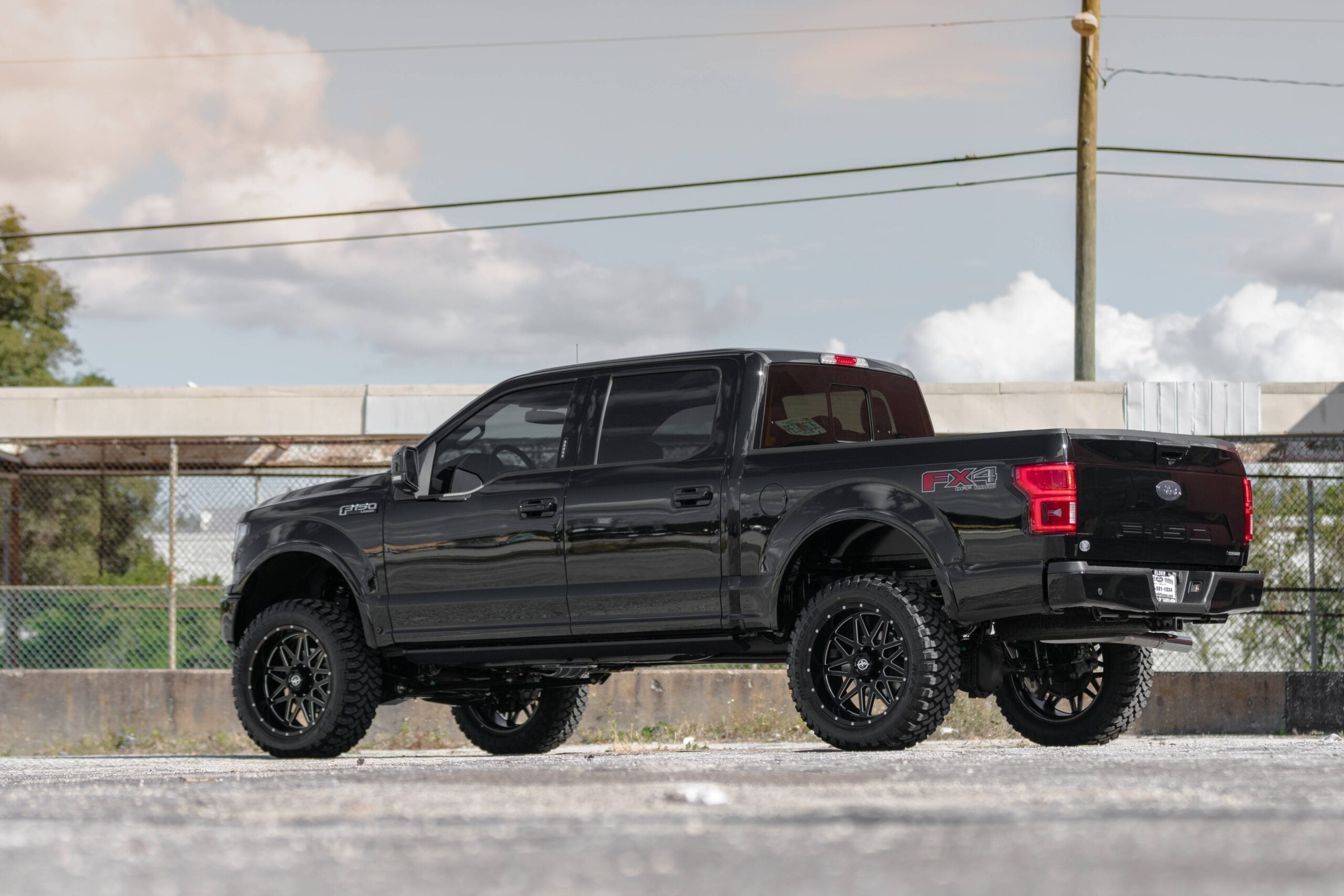
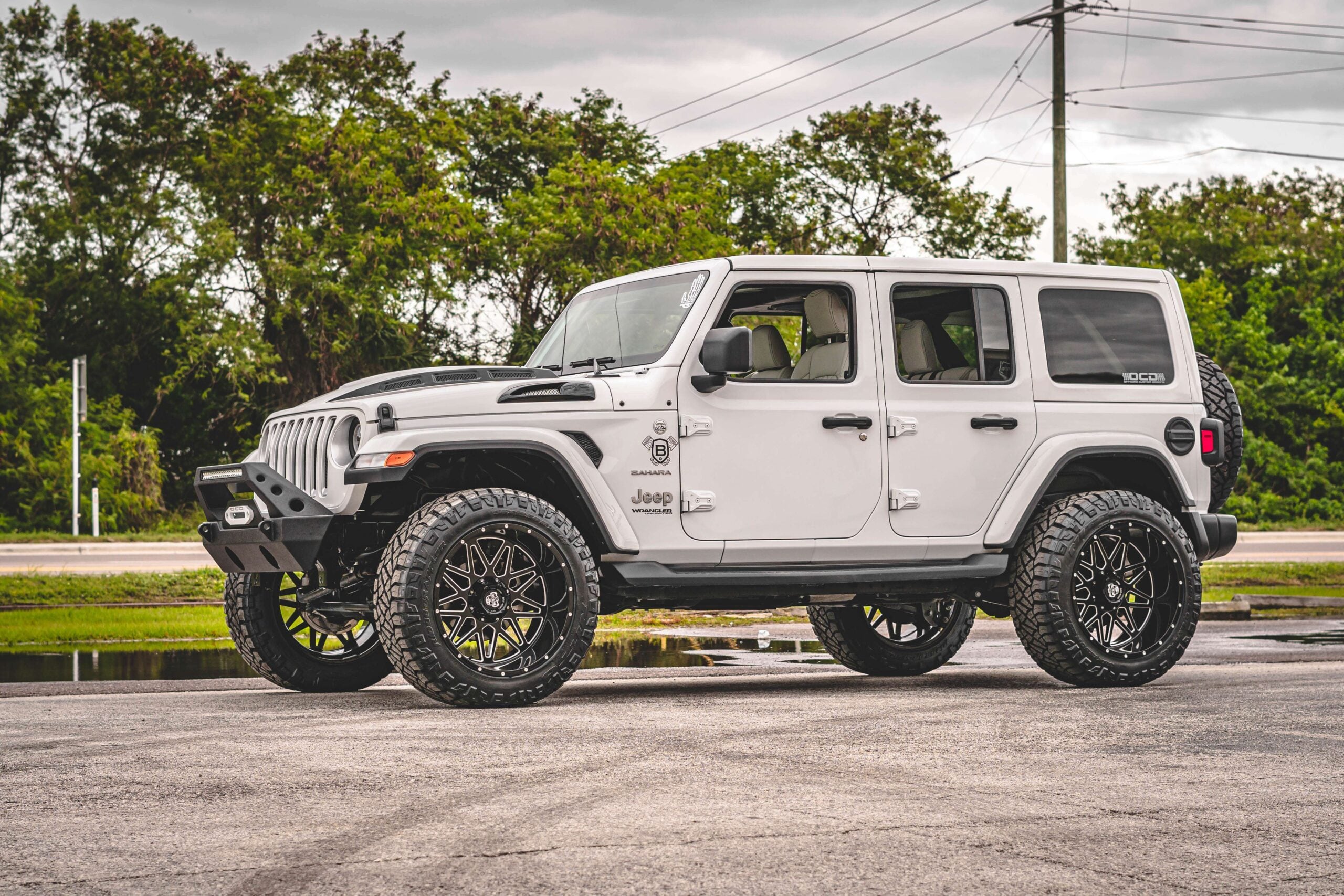
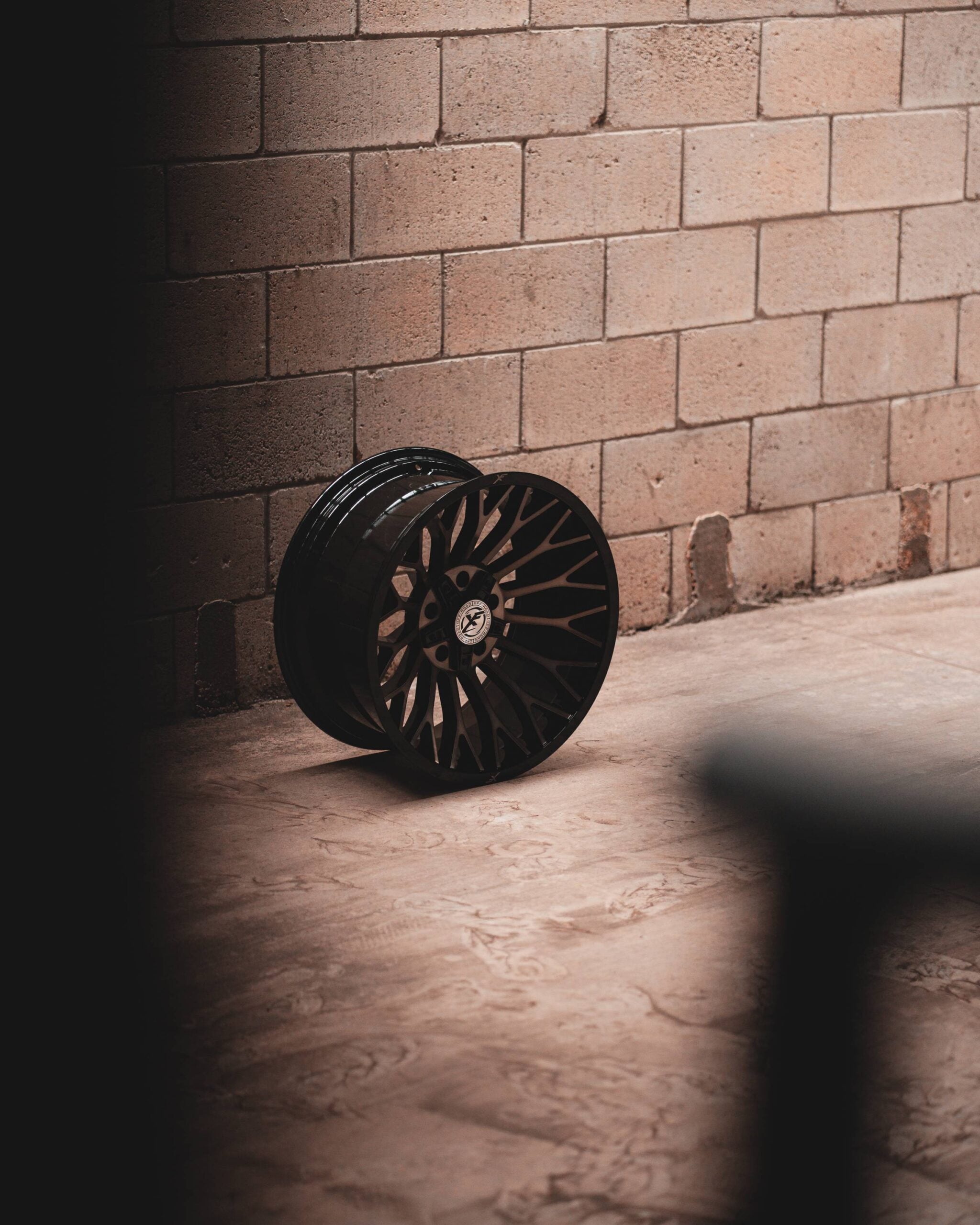
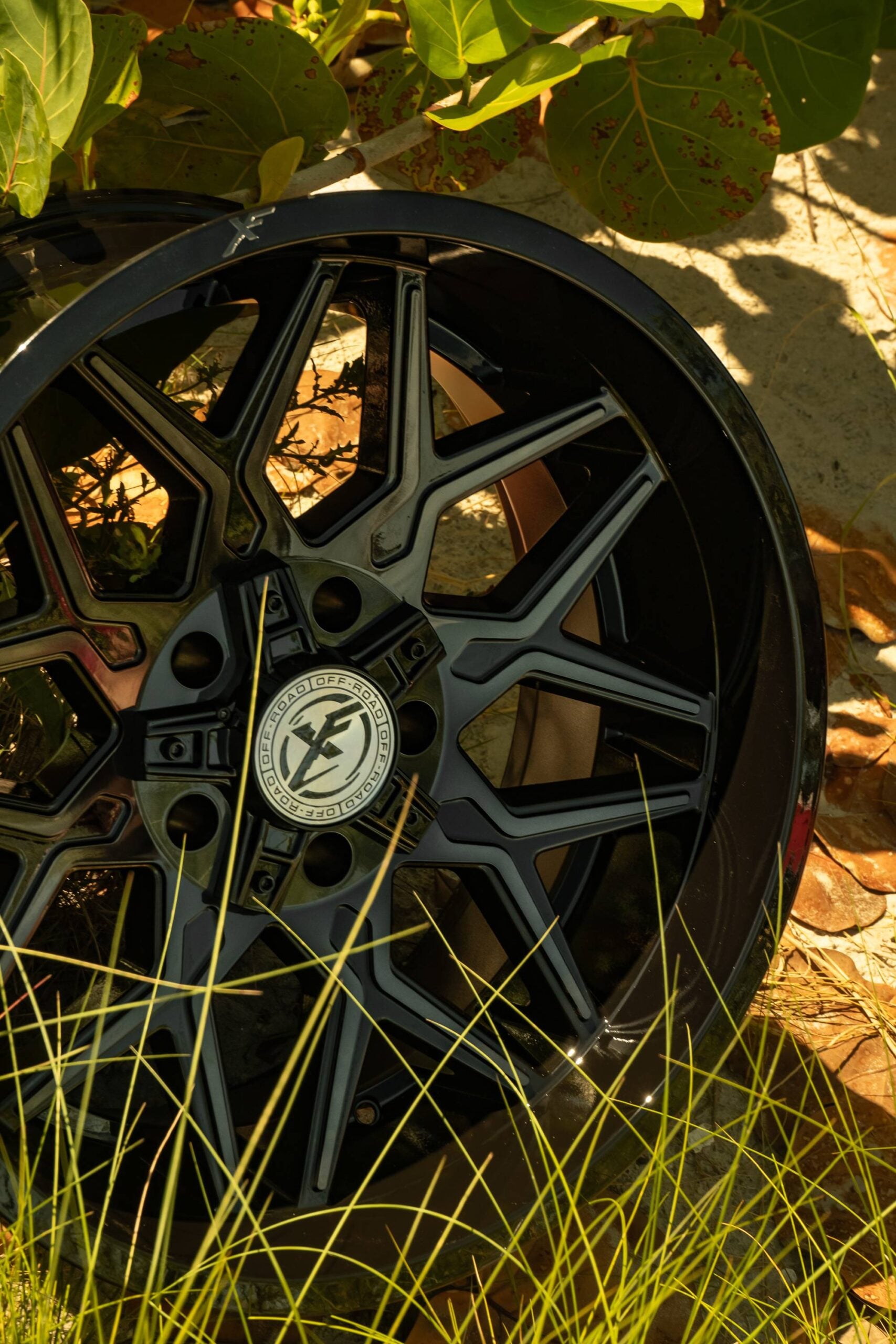
Think about the vehicles parked in your customers’ driveways. Are you in a truck-heavy market like Texas, Georgia, or the Carolinas? Then your core inventory should lean toward off-road and aggressive truck wheels. Brands like XF Off-Road with 40+ designs in cast aluminum and Vortek Off-Road with modern aggressive styling will be your bread and butter.
Serving a metro area with a lot of sedans, coupes, and luxury vehicles? Then the Azara and Cavallo lines, which focus on premium styling and luxury performance, belong in your showroom.
And if you are near a custom car culture scene, Amani Forged gives you a fully customizable, CNC-machined product built from 6061-T6 forged aluminum right here in the USA. Those high-ticket builds carry strong margins.
What surprised us? Dealers who sell in mixed markets often do best with a “tiered” approach: a value tier of cast aluminum wheels, a mid tier of flow-formed or premium cast options, and a top tier of forged or custom builds. That way, you can say yes to every budget that walks in.
Getting the size and fitment mix right is non-negotiable. A showroom full of 22x12s in 8-lug patterns won’t help you if most of your local customers drive half-ton trucks on 6-lug setups.
Here are the bolt patterns and sizes that cover the widest range of popular trucks and SUVs:
For rim diameters, 20-inch wheels are the volume sweet spot for trucks. Stock 17″ and 18″ for Jeep and mid-size truck owners, and carry 22″ and 24″ for the show-truck crowd.
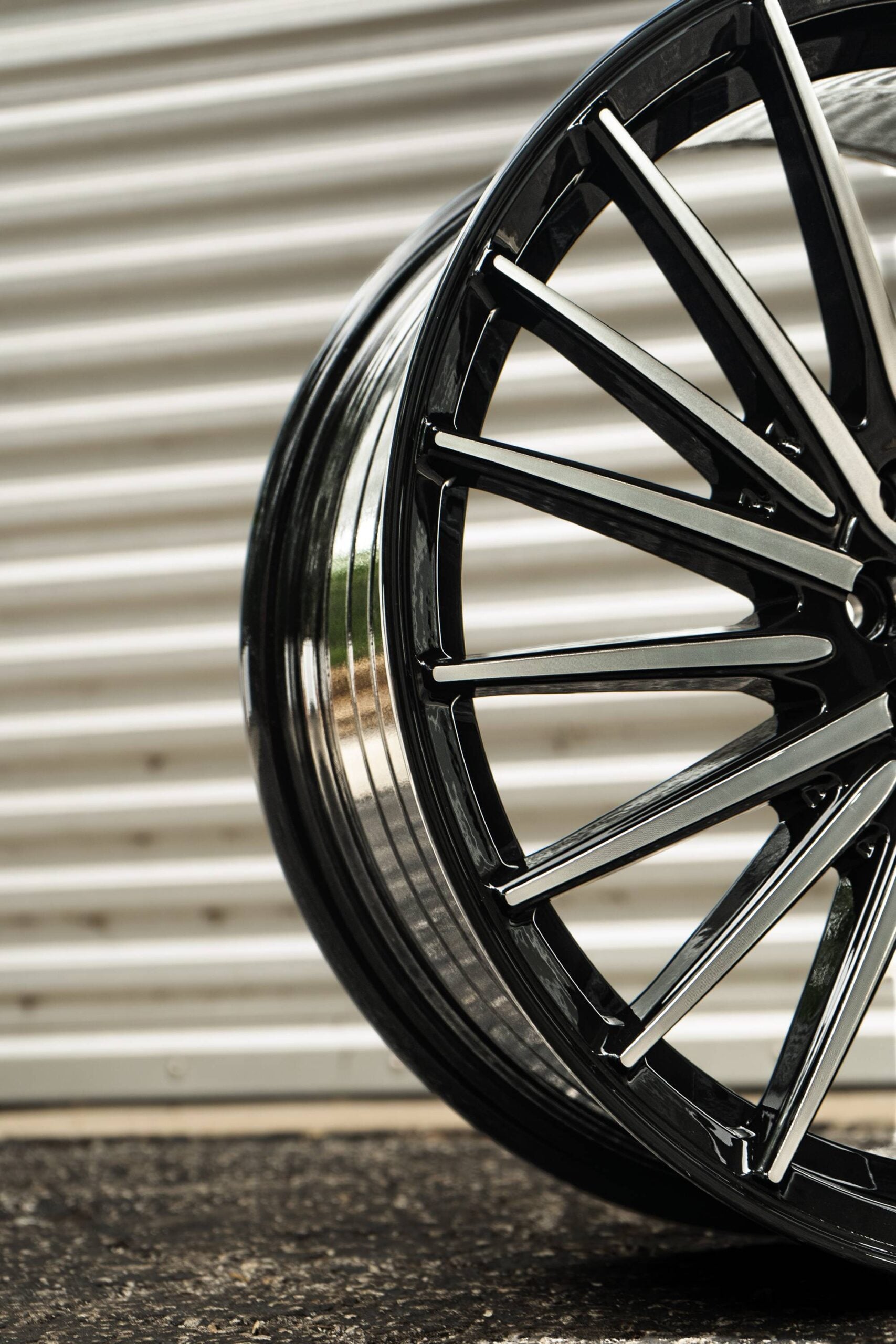
Finishes follow a clear pattern too. Gloss black sells more units than anything else, followed by matte black and satin black. A machined face with black accents is a strong mid-range performer. Chrome and PVD chrome still move for specific builds but represent a smaller slice of total volume than they did five years ago.
NHTSA requires that wheels and tires must be properly matched for load rating and fitment. This is a safety and liability issue, not just a preference. Stock the right specs, and you eliminate the returns, the refits, and the frustrated customers who slow your operation down.
Use a tool like the Elite Wheel Warehouse Wheel Visualizer to show your customers how a specific wheel and finish will look on their vehicle before they commit. It speeds up the decision and reduces buyer’s remorse.
Margin is where the bulk wheel business either makes you money or wastes your time. The goal isn’t just to mark up from wholesale cost. It is to build a pricing structure that protects your bottom line while staying competitive.
Here’s what most shops get wrong: they look at the per-wheel wholesale cost and set a flat percentage markup without factoring in the full picture. Shipping, storage, potential returns, mounting labor, and marketing costs all eat into that margin if you don’t account for them.
The smarter approach is to think in terms of packages, not individual wheels. A set of four wheels priced with tires, mounted, balanced, and including TPMS sensors generates a much higher total ticket than bare wheels sold one at a time. Customers also shop packages differently. They focus on the total number rather than dissecting each line item.
Elite Wheel Warehouse helps here because we offer tires across multiple brands and price points. Pair a set of XF Off-Road wheels with GritMaster all-terrain tires for a rugged off-road package. Combine Cavallo wheels with Lexani premium performance tires for a luxury street build. Mix Azara rims with Fullrun all-condition tires for a value-conscious customer. Each combination hits a different price band, and each one protects your margin better than selling wheels alone.
MAP (Minimum Advertised Price) policies also matter here. When your supplier enforces MAP on their brands, no online seller can undercut your advertised price. That means the customer standing in your shop can’t pull up a dramatically lower number on their phone and ask you to match it. Pricing stability is a margin multiplier.
Key Takeaway: Price in packages, protect your margin with MAP brands, and always factor in total cost of sale, not just per-wheel wholesale cost.
Not every wholesaler is worth your time. Some will sell you product but offer nothing else. Others will actively invest in your success. Knowing the difference before you commit saves you headaches down the road.
Here’s a quick checklist of what to look for:
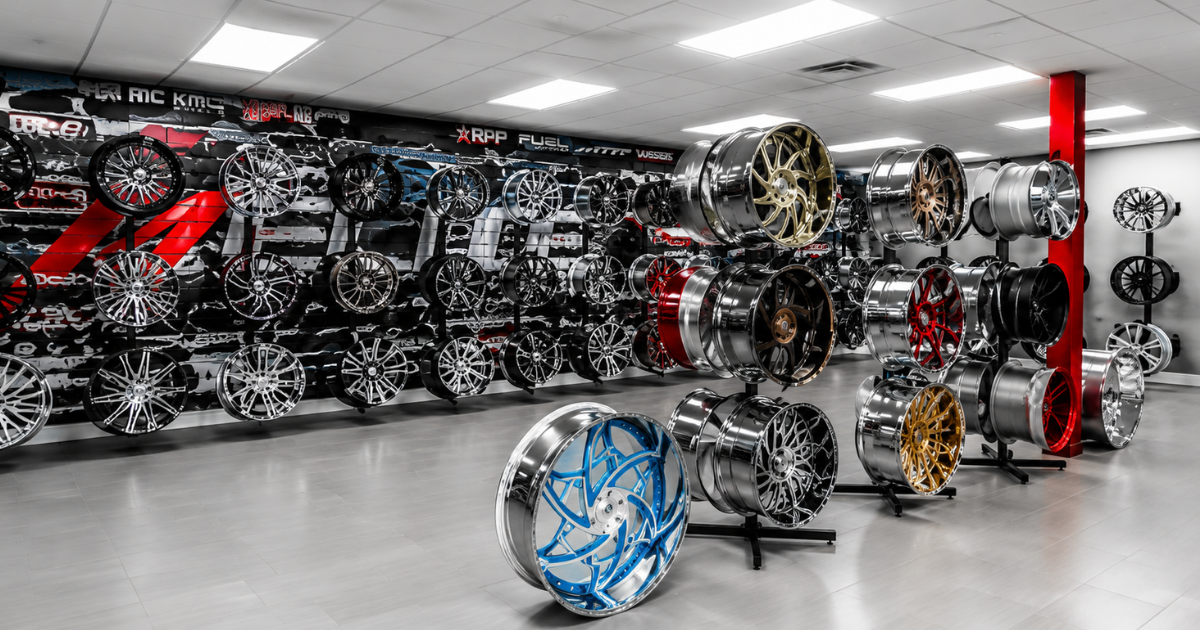
Browse the full Elite Wheel Warehouse brand lineup to see how our portfolio covers every segment. From Spec-1 racing and sport wheels to Amani Forged custom builds, it is all designed, supported, and shipped from one place.
After working with dealers for over two decades, we have seen the same errors pop up again and again. Here’s how to dodge them.
Buying 100 units of one wheel because you got a volume discount sounds smart until 60 of them collect dust for 18 months. Spread your first orders across multiple styles, sizes, and finishes to test what actually sells in your market. Then double down on the winners.
A wheel that looks great on a showroom wall means nothing if it doesn’t fit the vehicles your customers drive. Center bore, offset, bolt pattern, and load rating all have to be right. The SAE International standards that govern wheel engineering exist for a reason. Get the specs right, or get the returns.
The cheapest wholesale supplier is almost never the best one. If the supplier has no MAP enforcement, no dealer support, no fitment data, and no real inventory, you are going to spend all the money you “saved” on returns, lost sales, and customer complaints.
In our experience, the dealers who grow fastest are the ones who pick a supplier with a real brand portfolio, commit to learning the fitment details, and build packages that deliver value to their customers at every price point.
Your first bulk wheel order doesn’t need to be massive. Start with a focused selection that matches your local market. Maybe that is 8-10 styles across two or three brands, covering the top bolt patterns and sizes you see most.
Once you’ve sold through your initial inventory and identified what moves, scale up. Expand into new brands and segments. If off-road is hot, add Vortek Off-Road alongside your XF Off-Road stock. If luxury buyers are finding you, bring in Cavallo and Azara. If custom builds start coming through the door, open an Amani Forged account and offer your customers truly one-of-a-kind forged wheels.
Don’t forget the tire side either. Stocking tires from Venom Power, Lexani, GritMaster, Fullrun, and Fullway lets you build complete packages that boost your average ticket. Elite Wheel Warehouse offers all of these through a single ordering platform.
And as your volume grows, take advantage of dealer reward programs. Our Elite Bucks and rebate programs are designed to put money back in your pocket as your orders scale up. Check out our latest catalog and accessories to see the full product ecosystem available to authorized dealers.
The bulk wheel business rewards dealers who source smart, stock strategically, and sell in packages. The demand is strong, truck and SUV modifications keep climbing, and the right wholesale partner makes all the difference between a profitable shop and a frustrating one.
With brands like XF Off-Road, Vortek Off-Road, Amani Forged, Cavallo, Azara, and Spec-1, plus tire brands including Venom Power, GritMaster, and Lexani, Elite Wheel Warehouse gives you a single-source solution for virtually every customer and every budget. All designed, manufactured, and supported from our Tampa, Florida headquarters.
Ready to start buying wheels in bulk the right way? Browse our full catalog, explore our wheel brands, or apply to become a dealer today. We have been building dealer businesses since 2002, and we would love to build yours.
Answer: A strong first order typically covers 8-10 styles across multiple bolt patterns, sizes, and finishes. Focus on the vehicles most common in your local market. Starting smaller and scaling based on actual sales data is smarter than over-committing on a single style or size.
Answer: Yes. Most wholesale wheel suppliers require a resale certificate, sales tax permit, or business license. The U.S. Small Business Administration outlines what permits your state requires. When you apply to become an Elite Wheel Warehouse dealer, your business credentials are verified during the application process.
Answer:
Cast aluminum off-road wheels in popular truck sizes tend to sell the fastest in most markets. Brands like XF Off-Road and Vortek Off-Road cover this segment well. For higher-margin sales, forged wheels from Amani Forged and luxury options from Cavallo and Azara attract premium buyers.
Answer: Yes. Selling wheel-and-tire packages with mounting, balancing, and TPMS sensors included generates higher average tickets and stronger customer satisfaction than selling bare wheels alone. Elite Wheel Warehouse carries tire brands like Venom Power, GritMaster, and Lexani alongside its wheel lineup.
Answer: Look for a supplier that manufactures and finishes in-house, carries a broad brand portfolio, stocks real inventory, and offers dealer services like custom drilling and B2B platform integration. Avoid suppliers with no MAP pricing policies or no dedicated dealer support.
Become a dealer and get access to our exclusive online B2B platform for the best value on Elite Wheel and Tire brandS.
“We strive to be the global leader in the automotive industry with brands built on passion, inspiration, and innovation.”