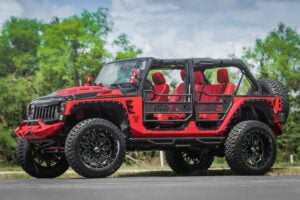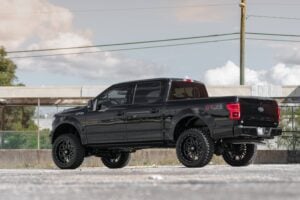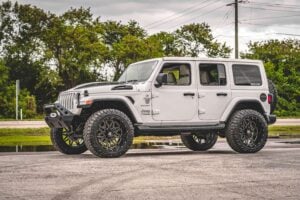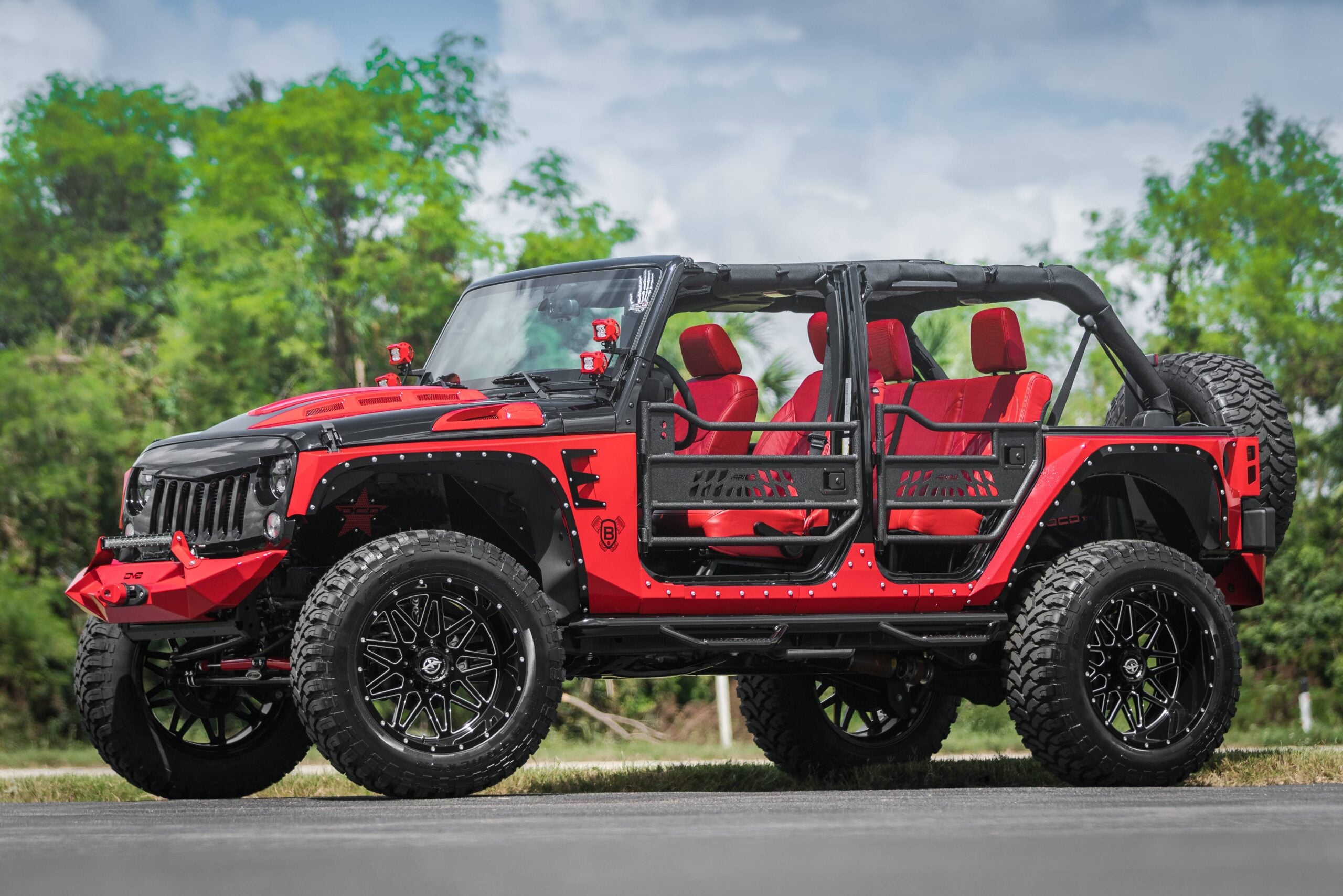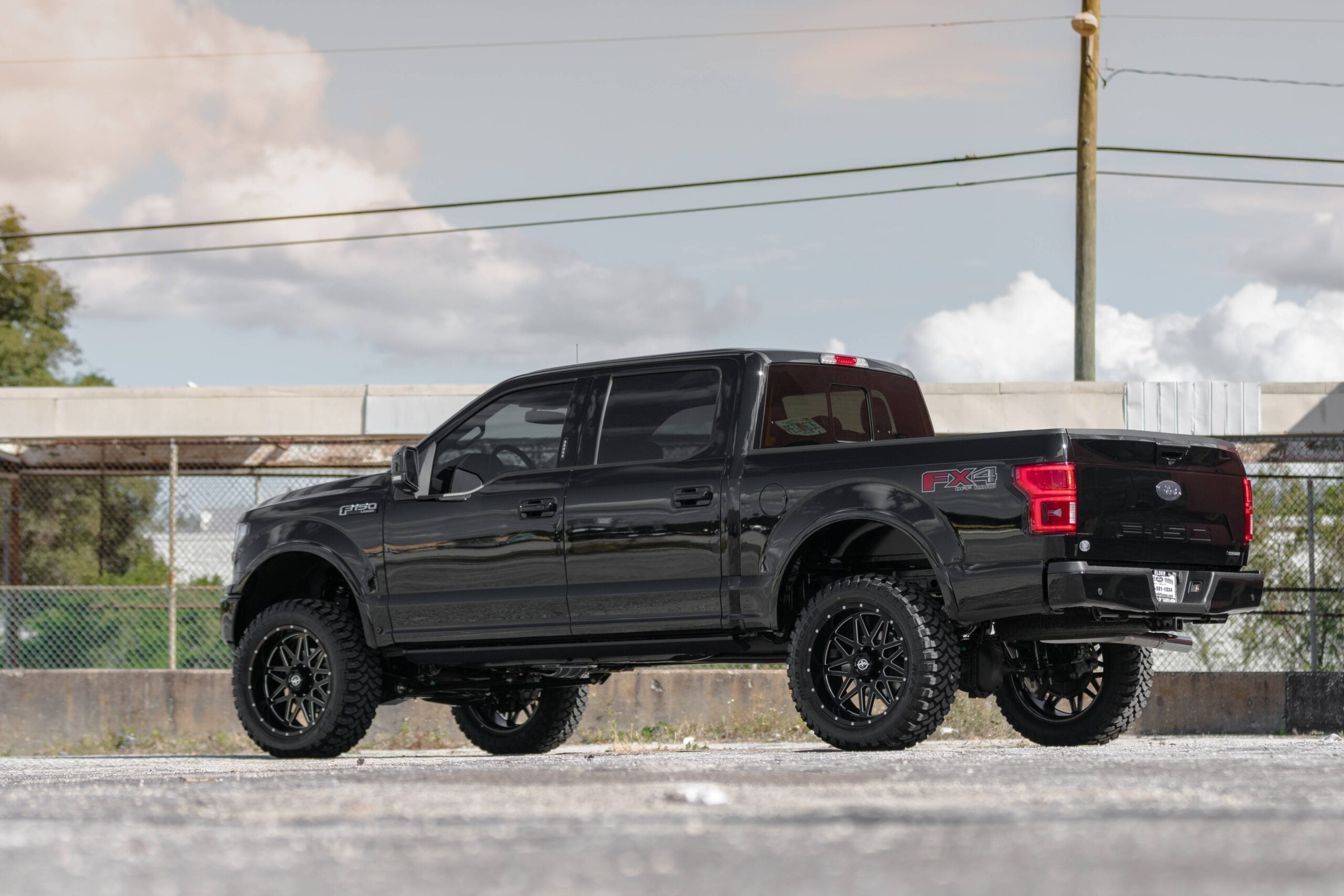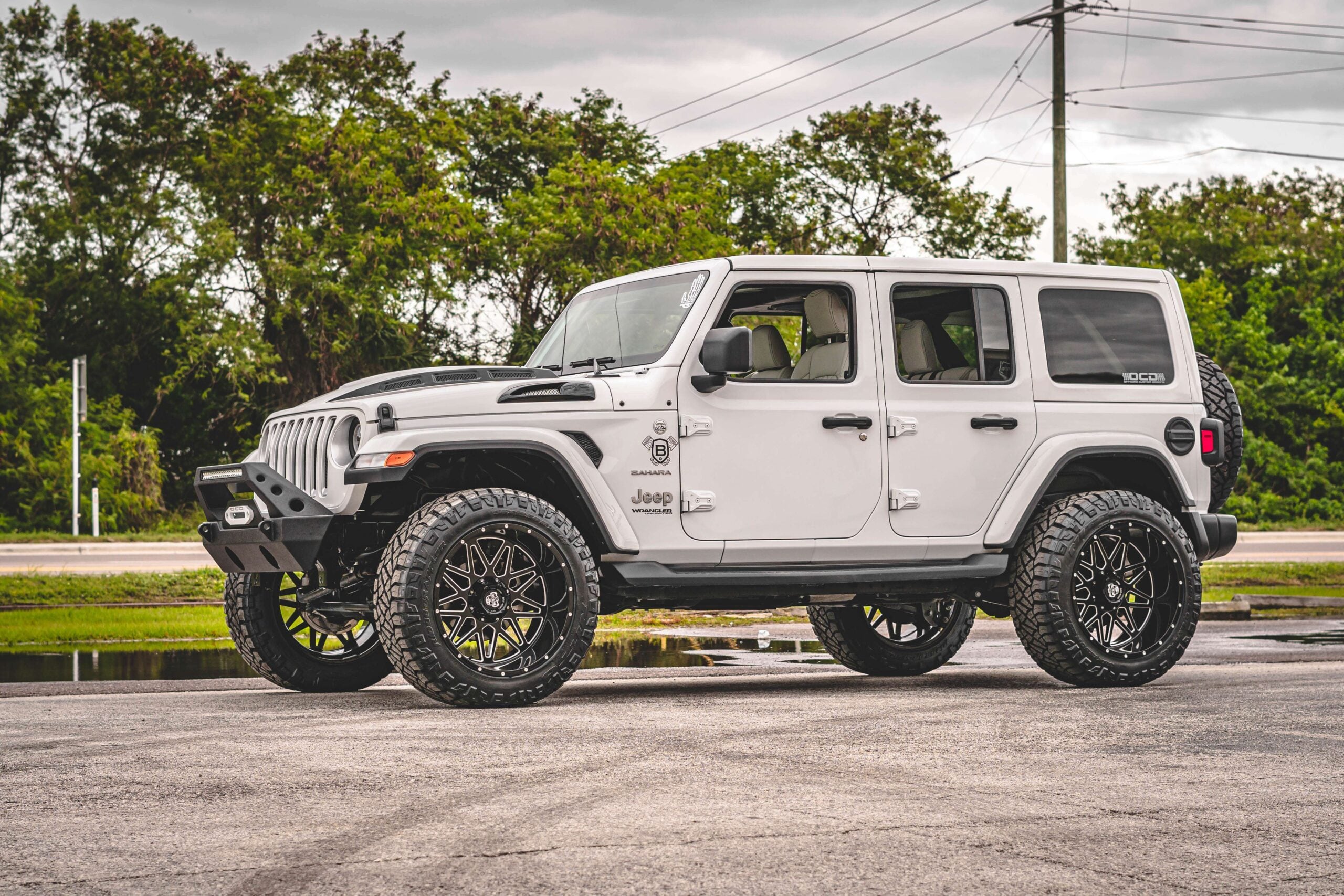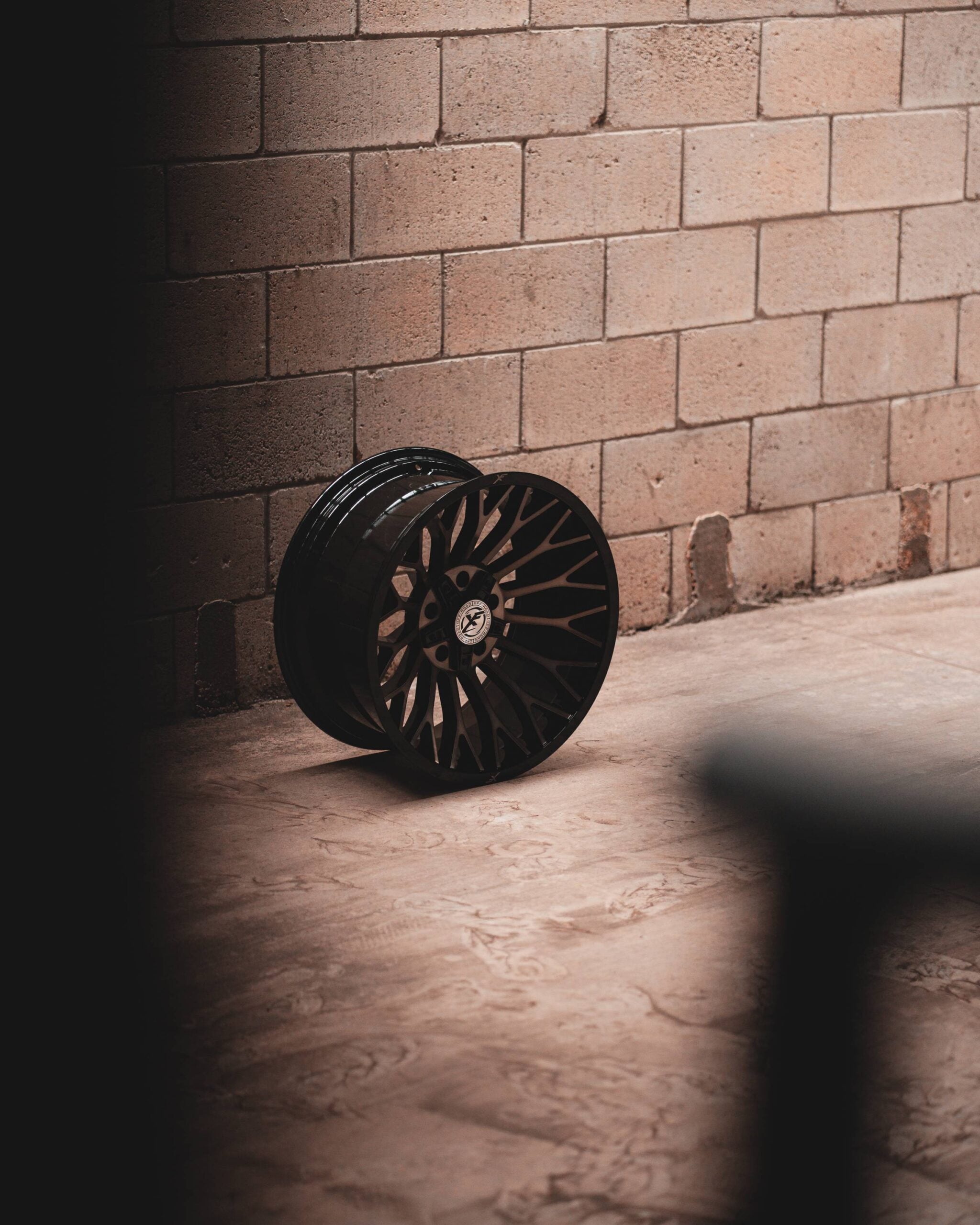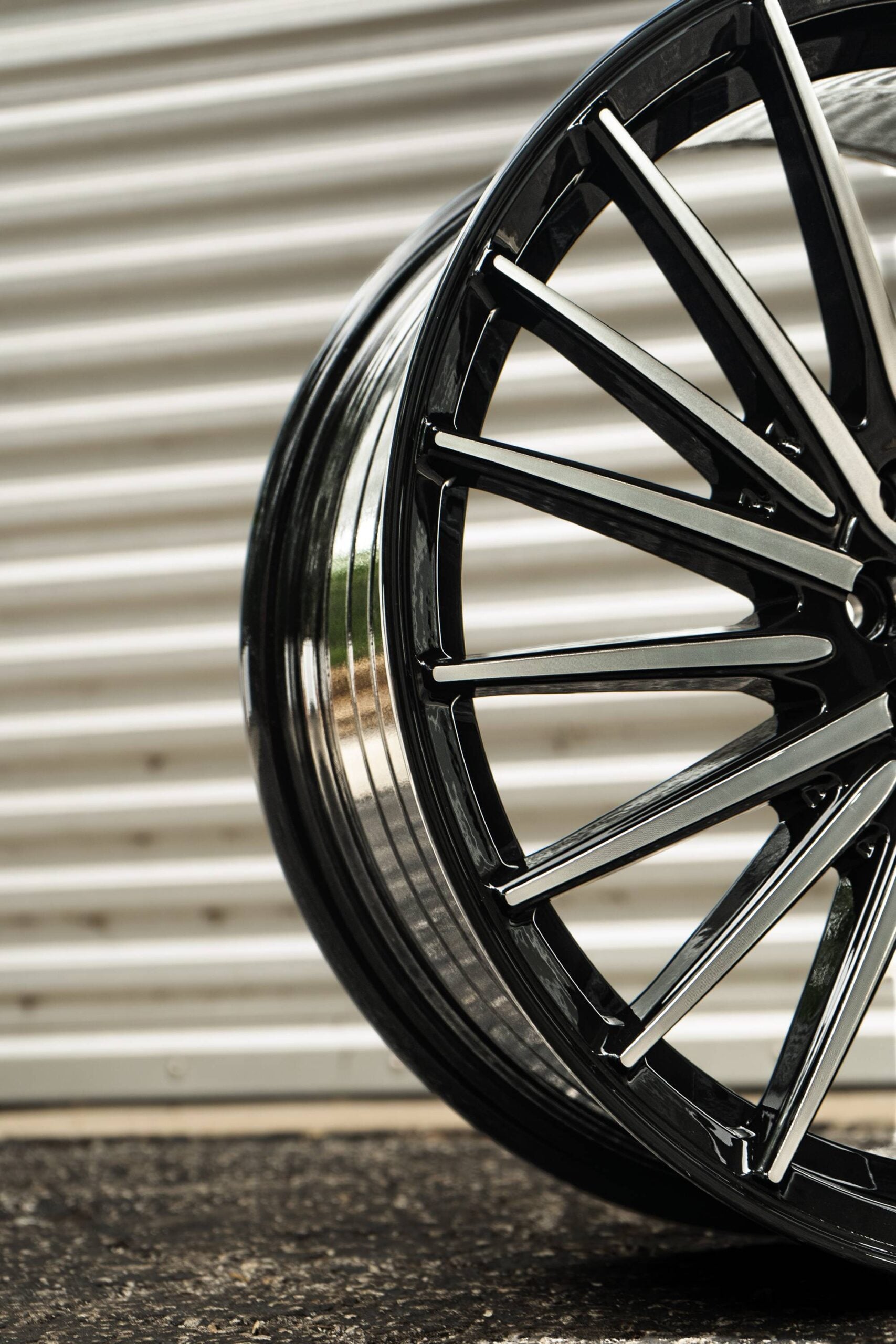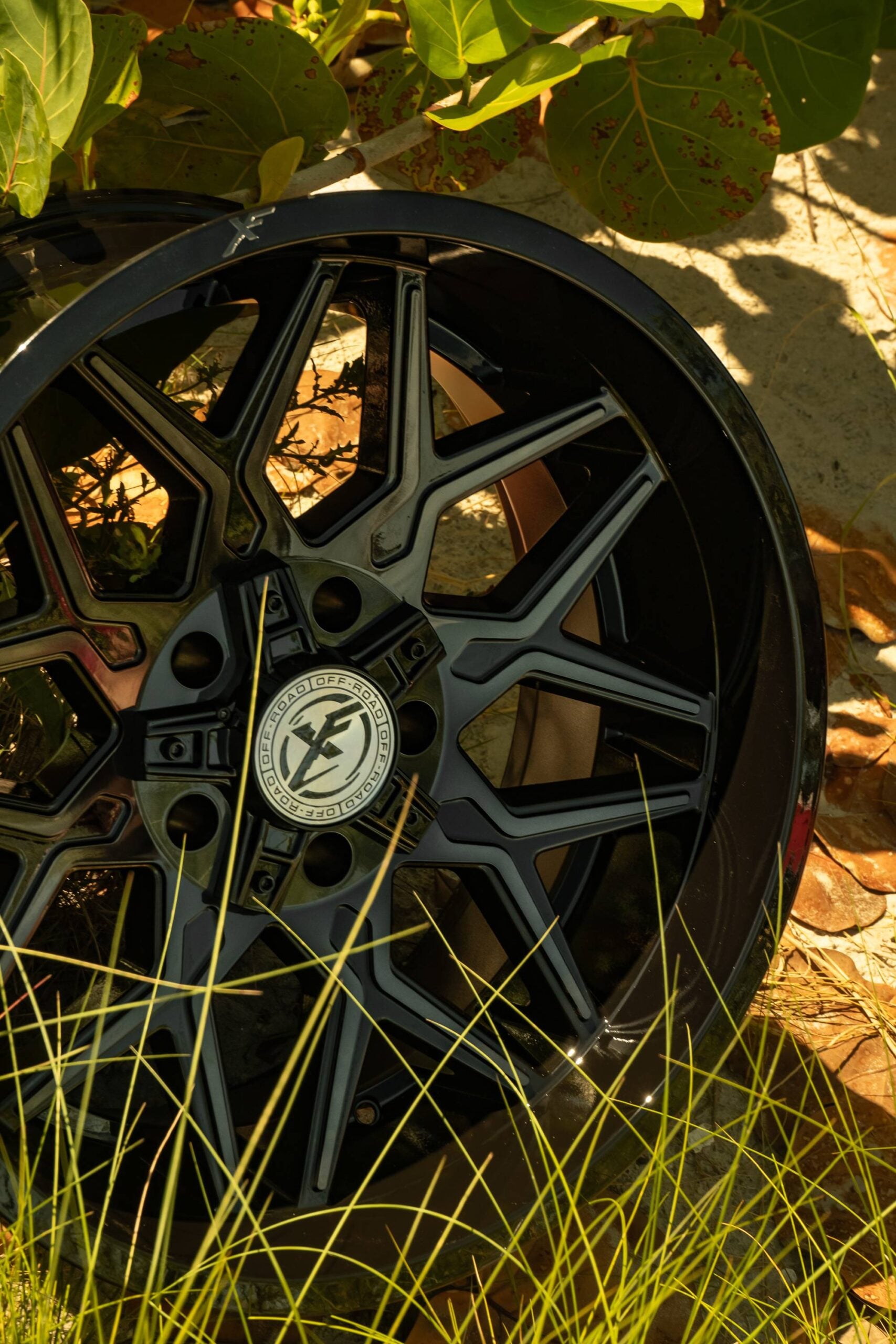
For the truck owner who views their vehicle as a personal statement, standard wheels can feel restrictive. This is where 3-piece forged wheels become the ultimate tool for personalization. Their modular design is the key to unlocking a level of customization that monoblock wheels simply cannot offer. You can dial in the perfect width and offset to accommodate a massive lift kit or create a show-stopping stance. Furthermore, since the face, lip, and barrel are separate, you can combine different finishes, like a brushed center with a polished lip and color-matched hardware. This guide explores how to leverage these options to create a truly bespoke solution, proving why 3 piece forged wheels for trucks are the definitive choice for one-of-a-kind builds.
Key Takeaways
- Explain Performance Beyond Aesthetics: Help customers understand that the forged center and multi-part construction create a lighter, stronger wheel. This directly translates to tangible performance gains like sharper handling, better braking, and quicker acceleration, justifying the premium nature of the wheel.
- Highlight Custom Fit and Long-Term Value: Use the modular design as a powerful selling point. It allows for precise fitment for custom builds and offers long-term value since a single damaged component, like the outer lip, can be replaced without buying an entirely new wheel.
- Set Realistic Expectations to Build Trust: Be upfront with customers about the higher initial cost and the necessary maintenance, such as periodically checking bolts and performing detailed cleanings. Qualifying the right customer (an enthusiast who values customization) ensures their long-term satisfaction and solidifies your reputation as a trusted advisor.
What Exactly Is a 3-Piece Forged Wheel?
When your customers start asking for the best of the best, the conversation often turns to 3-piece forged wheels. But what makes them different from a standard wheel? Unlike a typical one-piece (or monoblock) wheel that’s made from a single piece of metal, a 3-piece wheel is exactly what it sounds like: a wheel constructed from three separate components. This modular design is the key to its appeal in the world of custom trucks and high-performance vehicles.
The term “forged” refers to how the center section of the wheel is made. Instead of pouring molten aluminum into a mold (casting), a solid piece of aluminum is subjected to immense heat and pressure. This process compresses the metal, making it significantly stronger and denser. The result is a wheel that is both lighter and more durable than a cast equivalent, which is a huge advantage for performance and handling. This combination of a strong, lightweight forged center and a multi-part construction is what defines a true 3-piece forged wheel and sets it apart as a premium option for serious builds.
The Anatomy of a 3-Piece Wheel
Let’s break down the three core components that come together to form a 3-piece wheel. First is the wheel face, or the center piece. This is the forged part that contains the spoke design and the bolt pattern for mounting to the vehicle. It’s the visual heart of the wheel.
Next are the two barrel sections, which are typically made from spun aluminum. The inner barrel is the part that sits closest to the truck’s suspension and brakes. The outer barrel, often called the lip, is the exterior-facing part that determines the wheel’s overall depth and appearance. These three pieces are then assembled using a series of high-strength, aircraft-grade bolts and sealed to create a single, airtight wheel.
3-Piece vs. Monoblock and 2-Piece Wheels
To really appreciate a 3-piece wheel, it helps to know how it compares to other types. The most common wheel is a monoblock, or 1-piece, which is formed from a single piece of metal. It’s a simple, strong, and cost-effective design. A 2-piece wheel is a step up, usually featuring a separate wheel face that is bolted or welded to a single barrel section.
The 3-piece design offers the highest level of customization. Because the center, inner barrel, and outer barrel are all separate, you can mix and match them to create a wheel with a precise width and offset for a perfect fitment. This modularity also allows for unique finish combinations, like a brushed center with a polished lip. For ultra-premium builds, brands like Amani Forged use this construction to deliver wheels that are as unique as the vehicles they’re built for.
Do 3-Piece Wheels Improve Truck Performance?
When your customers see a set of 3-piece forged wheels, their first thought is usually about the head-turning style. And they’re not wrong; these wheels are the pinnacle of custom looks. But the real story, and the one that often closes the sale, is how they transform a truck’s performance. From the way it handles a heavy trailer to how it feels on a winding road, the benefits are tangible. The engineering behind these wheels delivers significant upgrades in strength, handling, and grip that go far beyond aesthetics. Let’s break down exactly what these wheels do for a truck once the rubber meets the road.
Built for Strength and Heavy Loads
Three-piece wheels are not just assembled for looks; their forged centers are engineered for incredible strength. The process starts with a solid piece of high-quality aluminum, similar to what is used in aerospace applications. This block is subjected to immense pressure, which compresses the metal and creates a dense, uniform grain structure. Unlike cast wheels, which are made from molten metal poured into a mold, the forging process eliminates porosity and internal defects. For a truck, this means a wheel that can handle higher load ratings and the extreme stress of towing, hauling, or running large, heavy off-road tires without compromising safety or integrity. It’s strength you can truly depend on.
How They Affect Handling and Braking
One of the most significant performance gains comes from weight reduction. Because the forging process creates such a strong material, less of it is needed to achieve the required strength. As a result, 3-piece forged wheels can weigh about 50% less than their cast counterparts. This reduction in “unsprung weight” (the weight not supported by the suspension) allows the suspension to react more quickly to road imperfections, keeping the tires in better contact with the surface. Your customers will feel the difference in sharper handling, quicker acceleration, and dramatically shorter braking distances. It’s a comprehensive upgrade that makes a heavy truck feel more nimble and responsive.
Improving Stiffness and Tire Grip
The structural integrity of a 3-piece forged wheel also contributes to superior stiffness. When a truck corners, its wheels are subjected to intense lateral forces that can cause a lesser wheel to flex. This flex distorts the tire’s contact patch, reducing grip. Forged wheels resist this deformation, keeping the tire planted firmly on the pavement for maximum traction through turns. This is especially important for lifted trucks with a higher center of gravity. Better yet, their precise construction and balance lead to less vibration and more even wear, which can help tires last longer. It’s a win for performance and for the customer’s wallet over the long run.
Are 3-Piece Forged Wheels Worth the Investment?
Let’s be direct: the price tag on a set of 3-piece forged wheels can be a major hurdle for many customers. When they see a quote that’s two or three times higher than a standard monoblock wheel, it’s natural for them to question the value. But for the right truck and the right owner, that initial cost is just one part of the story. The real value of a 3-piece wheel lies in its long-term benefits, including unparalleled customization, strength, and perhaps most importantly, repairability.
For your customers who are building a top-tier show truck or a serious off-road rig, these wheels aren’t just an accessory; they’re a long-term investment. Explaining the factors behind the cost and the benefits that come with it can help them see beyond the initial price. It’s about framing the purchase not as an expense, but as a strategic choice that protects their investment in the entire vehicle build.
Understanding the Cost Factors
So, why the significant price difference? It comes down to a more complex manufacturing process. Unlike a monoblock wheel that’s cast or forged from a single piece of aluminum, a 3-piece wheel is made from three distinct components: the wheel face, the inner barrel, and the outer barrel (or lip). Each of these parts is often forged and machined separately, requiring more material, more machine time, and more skilled labor.
These wheels are typically hand-assembled and sealed to ensure they are perfectly true and airtight. This meticulous, low-volume production style is the opposite of mass manufacturing. You’re paying for precision engineering, premium materials, and a level of craftsmanship that allows for incredible strength and customization. It’s a bit like comparing a bespoke suit to one bought off the rack; both serve the same function, but the quality and fit are in different leagues.
A Look at Long-Term Value and Repairability
Here’s a powerful selling point for your customers: long-term value. While the upfront cost is high, the modular design of a 3-piece wheel can actually save money down the road. Think about what happens when a driver scrapes a curb or damages a wheel on a trail. With a one-piece wheel, the entire wheel is often a total loss. But with a 3-piece wheel, you can often replace just the damaged component.
If a customer bends the outer lip, you can order a new one without needing to replace the entire wheel. This repairability of 3-piece wheels is a game-changer, especially for owners who use their trucks in demanding environments. It protects their initial investment and turns a potentially catastrophic expense into a manageable repair. For your shop, it also creates a valuable service opportunity.
Why You Can Replace a Part, Not the Whole Wheel
The ability to repair a 3-piece wheel isn’t magic; it’s a direct result of its construction. The three components, the face, inner barrel, and outer barrel, are held together with a series of high-strength bolts. This modular assembly is what allows for a damaged part to be unbolted and replaced. It’s a fundamentally different design philosophy compared to a monoblock wheel, which is a single, unified structure.
This same modularity is also the key to their incredible customization. Because the barrels and face are separate, manufacturers can combine them in countless ways to create a custom-made fitment for nearly any truck. Need a specific offset to clear a big brake kit or a wider lip for a show-stopping stance? The 3-piece design makes it possible. This construction method is the foundation for both their repairability and their versatility.
Why 3-Piece Wheels Offer Peak Customization
For truck owners who see their vehicle as a canvas, off-the-shelf wheels can feel limiting. This is where 3-piece forged wheels truly stand out, offering a level of personalization that monoblock wheels simply cannot match. Their modular construction is the key, allowing you to create a wheel that is not only visually unique but also perfectly engineered for a specific truck build.
This goes far beyond just picking a color. It’s about achieving a precise stance, accommodating performance upgrades, and creating a one-of-a-kind aesthetic that sets a build apart. For shops that cater to discerning clients, understanding and explaining these customization options is essential. It’s the difference between selling a product and delivering a bespoke solution. From exact fitment to endless finish combinations, 3-piece wheels provide the tools to turn a customer’s vision into reality.
Dialing in Width, Offset, and Fitment
The magic of a 3-piece wheel lies in its construction. It consists of three separate components: the wheel center (the face or spoke design), the inner barrel, and the outer barrel (often called the lip). These parts are assembled with high-strength hardware. This modular design means you can mix and match different barrel widths to create a wheel with a highly specific width and offset.
This is incredibly valuable for custom trucks. If you’re working with a significant lift kit, wide fender flares, or a big brake upgrade, achieving the perfect wheel fitment is critical to avoid rubbing and ensure proper clearance. With a 3-piece wheel, you can dial in the exact specifications needed for that perfectly flush stance or aggressive poke, something that’s rarely possible with a fixed-spec monoblock wheel.
Exploring Finishes and Design Combinations
The visual possibilities with 3-piece wheels are nearly limitless. Since each of the three components is a separate piece, you can apply a different finish to each one. Imagine a wheel with a brushed finish on the face, a mirror-polished outer lip, and custom-colored bolts that match the truck’s brake calipers. This level of detail allows you to create a truly unique look that complements every aspect of the build.
Because premium 3-piece wheels like Amani Forged are crafted from forged aluminum, the material’s strength also allows for more intricate and creative spoke designs. You aren’t just choosing a color; you’re combining textures, sheens, and styles to build a wheel that is a work of art in itself. This is how you create a show-stopping truck that commands attention.
How to Match Wheels to a Specific Build
Bringing it all together is how you create a cohesive and impressive final product. The ability to customize both fitment and finish allows you to match a set of wheels to a specific build with incredible precision. For a rugged off-road truck, you might design a wheel with a strong, beadlock-style center in a durable matte black finish. For a lowered luxury SUV, a complex multi-spoke design with a two-tone brushed and chrome finish might be the perfect choice.
Because they are made to order, 3-piece wheels can be engineered to work with almost any suspension setup, bolt pattern, or brake system. This makes them the ultimate solution for high-end custom builds where standard wheels would require compromises in either look or function. It empowers you to deliver exactly what your client wants without limitations.
What Are the Real-World Drawbacks?
While 3-piece wheels offer incredible customization and strength, it’s important to be realistic about their downsides. As a dealer, setting the right expectations with your customers is key to ensuring they’re happy with their purchase long-term. The last thing you want is a customer returning with a complaint that could have been avoided with a bit of upfront education. This not only protects your margins by reducing returns but also builds trust, which is the foundation of customer loyalty. The two biggest factors to discuss are the significant cost and the required upkeep.
Let’s be direct: they are expensive. A set of 3-piece forged wheels can easily cost two to three times more than a quality set of one-piece wheels. This price difference comes from the complex manufacturing process, high-grade materials, and the skilled labor needed to assemble each wheel. Beyond the initial investment, there’s also the commitment to maintenance. These wheels aren’t a “set it and forget it” accessory. They demand regular attention to stay safe and look their best, which is a crucial point to cover with any potential buyer before they commit to such a premium product.
What to Expect for Maintenance and Cleaning
Three-piece wheels require a hands-on approach to maintenance that monoblock wheels simply don’t. Because they are assembled from multiple components, the bolts holding everything together need to be checked and torqued periodically, usually every season, to ensure they haven’t loosened. The seals between the barrel, lip, and face can also wear out over time, potentially causing slow air leaks. Fixing this isn’t a simple patch job; it requires disassembling the wheel to apply a new seal.
Cleaning is another consideration. All those bolts and crevices are perfect hiding spots for brake dust and road grime, making a thorough cleaning session much more time-consuming. While a standard wheel might be cleaned in minutes, getting a 3-piece wheel spotless can be a detailed project. You can find great guides on how to clean your wheels properly, but the intricate design of these wheels will always demand extra effort.
Clearing Up Common Misconceptions
One of the biggest misconceptions about 3-piece wheels is that they are a practical upgrade for any truck owner. While they look incredible, their maintenance needs can be a surprise for customers who are used to low-effort, one-piece wheels. It’s important to clarify that the modular design, while great for repairs and customization, is also the source of their high-maintenance personality. The bolts need checking, the seals can leak, and cleaning is a chore.
For many daily drivers, a high-quality one-piece forged or cast wheel provides all the strength and performance they need with significantly less upkeep. Helping a customer understand the different wheel construction types is a mark of a great shop. It shows you’re more interested in their long-term satisfaction than just making the most expensive sale. The ideal customer for a 3-piece wheel is an enthusiast who understands and even enjoys the hands-on ownership experience.
Are They Practical for a Daily Driver?
So, can you run 3-piece wheels on a daily-driven truck? Absolutely, but it comes with homework. The owner must be diligent about the maintenance we’ve discussed. Daily exposure to potholes, road debris, and harsh weather accelerates wear and tear, making regular inspections even more critical. If a component gets damaged, finding a shop that is experienced in properly servicing 3-piece wheels can sometimes be a challenge.
Ultimately, practicality depends on the owner’s lifestyle and commitment. For the truck enthusiast who wants a truly unique, show-stopping look and is prepared for the upkeep, 3-piece wheels are an excellent choice. However, for the customer who uses their truck for daily commuting and hauling and prefers a hassle-free experience, a premium one-piece wheel is often the more sensible and satisfying option.
How to Choose the Right 3-Piece Wheels
Once you and your customer decide that 3-piece forged wheels are the right move, the next step is narrowing down the options. This is where your expertise as a dealer truly shines. Choosing the perfect set isn’t just about picking a cool design; it’s about ensuring a flawless fit, a durable finish, and a brand that delivers on its promises. Getting these three elements right is the key to a successful sale, a happy customer, and a truck that looks and performs exactly as intended.
The beauty of a 3-piece wheel lies in its customizability, but that also means there are more variables to consider. Unlike a standard cast wheel, you have the power to specify everything from width and offset down to the last millimeter. This allows for a truly bespoke fitment that can accommodate massive brakes, wide tires, and aggressive stances. However, it also places a greater responsibility on you to get the measurements right. Guiding your customer through their finish options and helping them understand the difference between a quality manufacturer and a cheap imitation will solidify your reputation as a trusted expert. Let’s walk through the key decision points to ensure every 3-piece wheel you sell is a perfect match for the build.
Checking Fitment and Load Ratings
The modular construction of a 3-piece wheel is its greatest strength when it comes to fitment. Because the wheel consists of a center, an inner barrel, and an outer barrel, you can achieve a level of precision that monoblock wheels can’t offer. This is essential for custom truck builds, where you might be dealing with aftermarket lift kits, fender flares, or oversized brake systems. You can dial in the exact offset and width needed to create the perfect stance without rubbing or interference.
Beyond just fitting in the wheel well, you must verify the wheel’s load rating. This is a non-negotiable safety requirement, especially for trucks that are used for towing or hauling heavy payloads. A wheel’s load rating indicates the maximum weight it can safely support. Always ensure this rating meets or exceeds the vehicle’s Gross Vehicle Weight Rating (GVWR) divided by four. Selling a wheel that isn’t properly rated for the truck is a serious liability, so always confirm these specs with the manufacturer.
Selecting a Finish That Lasts
The finish is what brings a 3-piece wheel to life, and the options are nearly endless. From polished lips and brushed centers to custom powder-coated colors, you can create a combination that perfectly complements the truck’s style. When advising a customer, it’s helpful to discuss how they plan to use the vehicle. A truck that spends its life at car shows can get away with a delicate, high-maintenance finish like chrome or a fully polished surface.
For a daily driver or an off-road build, durability is a much bigger concern. Finishes like powder coating and anodizing offer excellent protection against road salt, brake dust, and moisture. You can also explore options like ceramic coating to protect the wheel’s finish and make cleaning easier. Helping your customer choose a finish that balances their aesthetic vision with real-world practicality ensures they will be happy with their investment for years to come.
Finding a Reputable Brand You Can Trust
In the world of forged wheels, brand reputation is everything. The market is filled with options, and it can be tempting to go with a lesser-known company offering a lower price. However, this is where you need to be careful. Reputable brands invest heavily in engineering, testing, and quality control to ensure their wheels are not only beautiful but also safe and strong. They use high-quality materials and adhere to strict manufacturing standards.
When evaluating a brand, look for transparency in their process and a solid warranty to back up their products. Be wary of “knockoffs” that mimic popular designs but are made with inferior materials or poor construction, as they can fail under stress. Partnering with trusted manufacturers ensures you are selling a product that performs as advertised and protects your shop’s reputation. Brands like Amani Forged build their name on quality, giving you and your customers peace of mind.
Related Articles
- Monoteca – Elite Wheel Warehouse
- How to Buy Multi-Piece Wheels in Bulk: A Dealer’s Guide
- The Dealer’s Guide to Custom Forged Wheels
- Top 10 Forged Wheels for Off-Road Enthusiasts in 2025
- Custom Wheel Manufacturing: A Dealer’s Profit Guide
Frequently Asked Questions
My customer’s biggest hesitation is the price. How can I best explain the value of a 3-piece wheel? This is a common and fair question from customers. The best approach is to frame it as an investment in craftsmanship and long-term durability. Explain that the cost comes from a highly detailed manufacturing process involving three separate, often forged, components that are hand-assembled. This isn’t a mass-produced item; it’s a piece of precision engineering. A key selling point is their repairability. If a customer damages a standard one-piece wheel, they usually have to replace the entire thing. With a 3-piece wheel, you can often replace just the damaged part, like the outer lip, which saves them significant money down the road.
Are these wheels really strong enough for heavy trucks, or are they just for show? They are absolutely built for strength, which is one of their core benefits beyond the custom looks. The wheel centers are typically forged from a solid block of high-grade aluminum. This process creates a metal structure that is incredibly dense and strong, eliminating the potential weak spots found in cast wheels. This means they can handle higher load ratings and the stress of towing or hauling without issue. The performance improvement is real, providing a stronger, more reliable foundation for the truck.
A customer wants these for their daily driver. What’s the most important thing to tell them? Honesty is the best policy here. While they can certainly be used on a daily driver, you should be upfront about the maintenance commitment. Because they are assembled with bolts, those bolts should be checked periodically to ensure they are properly torqued. The seals between the components can also wear over time and may eventually need to be replaced to prevent air leaks. Cleaning is also more involved due to all the crevices. The ideal owner is an enthusiast who appreciates the hands-on nature of ownership, so setting that expectation is key to their long-term satisfaction.
How do I make sure I order the right fitment with so many custom options? The customization is a huge advantage, but it does require you to be precise. The key is to take detailed measurements of the truck, especially if it has a lift kit, fender flares, or a big brake kit. You need to know the exact width, offset, and backspacing required to clear all components and achieve the stance the customer wants. The good news is that reputable manufacturers build each wheel to your exact specifications. Providing them with accurate data is the most important step to guaranteeing a perfect, rub-free fitment.
My customer damaged their wheel on a curb. Can I really just order a new outer lip for them? Yes, and this is one of the most powerful selling points for 3-piece wheels. Their modular construction is what makes this possible. The wheel is assembled from three main parts: the face, the inner barrel, and the outer barrel (the lip). These are held together with high-strength bolts. If one of those components gets damaged, you can simply unbolt the wheel, replace the broken part with a new one, and reassemble it. This turns a potentially catastrophic replacement cost into a much more manageable repair.