


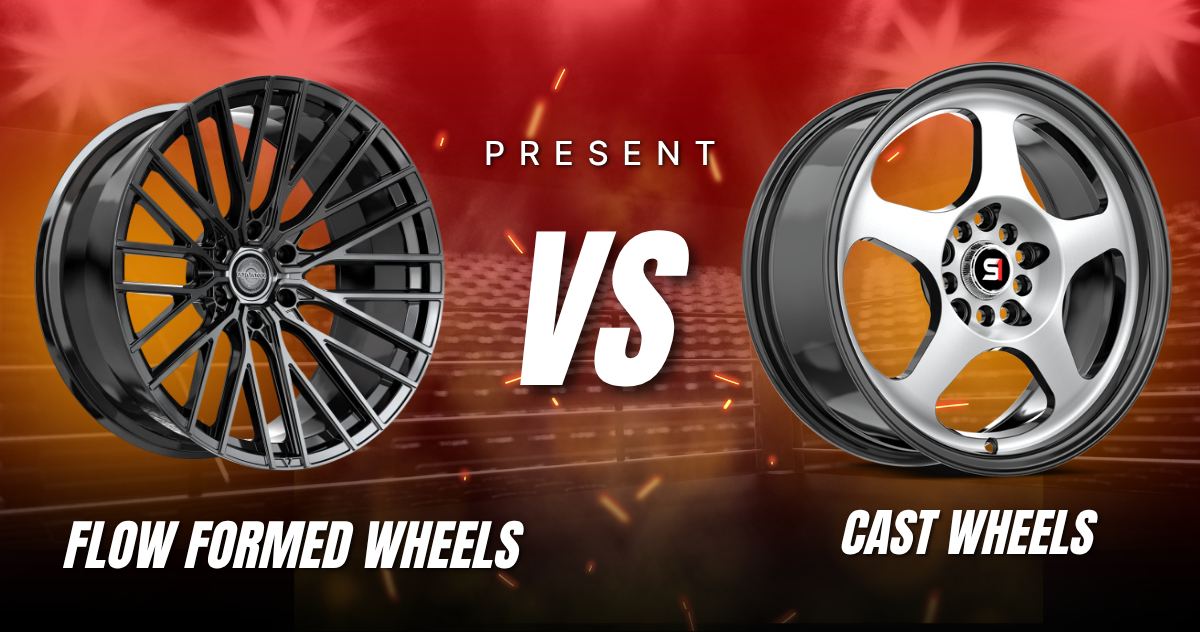
What makes a wheel truly profitable? It’s not just the markup. It’s the one that sells quickly and doesn’t come back cracked or bent. When stocking your shop, you have to weigh the dependable, high-volume sales of cast wheels against the long-term benefits of a more durable product. This is where the flow formed wheel shines. Its superior strength can drastically reduce customer complaints and warranty headaches. A premium wheel with fewer returns often leads to better profit margins and a stronger reputation. This guide examines how each manufacturing process impacts your business, from the initial sale to your long-term success.

Key Takeaways

  • Manufacturing dictates performance: The key difference lies in the manufacturing process. Flow forming creates a lighter, stronger, and more durable wheel than casting, which translates into real-world benefits like improved handling and acceleration that you can use as powerful selling points.
  • Match the wheel to your sales strategy: Use cast wheels to drive sales volume with budget-conscious customers, and position flow formed wheels as a premium upgrade to secure higher profit margins. This approach allows you to sell value and performance, not just a price point.
  • Build a balanced inventory to win more sales: The most profitable shops carry a strategic mix of both wheel types. This allows you to serve the entire market, from customers needing a simple replacement to enthusiasts seeking a performance upgrade, ensuring you never miss an opportunity.

Flow Formed vs. Cast Wheels: What’s the Real Difference?

When you’re stocking your showroom, a wheel is a wheel, right? Not exactly. While a cast wheel and a flow formed wheel might look similar at first glance, the way they’re made creates huge differences in performance, durability, and price. Understanding these distinctions is the first step to guiding your customers to the right purchase and building an inventory that moves. Let’s break down what sets these two popular wheel types apart, starting with how they’re manufactured.

How Are Flow Formed Wheels Made?

Think of flow forming as a high-tech hybrid method that bridges the gap between casting and forging. The process starts with a cast aluminum wheel center, but that’s where the similarities end. This initial casting is mounted on a machine that spins it at high speed while applying intense heat. Then, specialized rollers press against the barrel, stretching and compressing the aluminum to form its final width and shape. This technique fundamentally changes the metal’s molecular structure, making it incredibly dense and strong. The result is a wheel that’s significantly lighter and more durable than a traditional cast wheel, offering performance much closer to a fully forged wheel without the premium price tag.

The Technical Details: Work-Hardening and Grain Flow

The magic of flow forming happens at a molecular level. During manufacturing, the spinning and intense pressure do more than just shape the wheel; they fundamentally change the aluminum’s structure. This process is known as work-hardening. As the rollers stretch the barrel, the metal’s grain structure becomes compressed and elongated, creating a much denser and more resilient material. Think of it like kneading dough—the more you work it, the tighter and stronger its structure becomes. This refined grain alignment is what gives a flow formed wheel its impressive strength, allowing it to withstand greater stress from cornering and impacts without failing. For your customers, this means a wheel that offers a higher level of safety and reliability on the road.

This process also creates a continuous, aligned grain flow throughout the barrel of the wheel, which is a key advantage over traditional casting. In a cast wheel, the molten aluminum cools into a more random, crystalline structure, which can have microscopic weak points. Flow forming, however, directs the grain in a uniform direction, much like the grain in a piece of wood. This makes the wheel exceptionally resistant to cracks and fractures, especially when hitting a pothole or curb. The result is a wheel that is not only lighter, improving vehicle handling and fuel efficiency, but also significantly more durable. Explaining this structural integrity helps customers understand they aren’t just buying a stylish upgrade; they’re investing in superior engineering that pays off in long-term performance.

How Are Cast Wheels Made?

Casting is the most common and cost-effective of all wheel manufacturing processes. It involves pouring molten aluminum into a mold to form the wheel’s shape. While this process is efficient for mass production, it has a key drawback: porosity. As the aluminum cools, tiny air bubbles can get trapped within the metal. To compensate for this potential weakness, manufacturers use more material, which makes the final product heavier. This is why cast wheels are generally less expensive but also heavier and not as strong as their flow formed counterparts.

How Manufacturing Impacts Wheel Strength

The manufacturing process directly impacts how a wheel performs on the road. The spinning and pressure used in flow forming create a tighter, more aligned grain structure in the aluminum, eliminating the porosity found in cast wheels. This superior integrity means a flow formed wheel can be built with less material while still being stronger. This strength-to-weight ratio is a huge selling point. A lighter wheel reduces a vehicle’s unsprung mass, improving acceleration, braking, and handling. For your customers, this means a better driving experience and a more durable wheel that can handle rough roads.

Strength and Weight by the Numbers

The performance difference between flow formed and cast wheels isn’t just marketing talk—it’s measurable. The flow forming process creates barrels that are up to 30% stronger than those on a traditional cast wheel. This is because the spinning and pressure work-harden the aluminum, creating a dense, directional grain flow that eliminates the microscopic weak points common in casting. This process allows flow formed wheels to achieve nearly 80% of the strength of a fully forged wheel, but at a much more accessible price point. For your customers, this means a wheel that can better withstand potholes and rough road conditions, leading to fewer bends, cracks, and warranty claims for your shop to deal with.

A Note on Forged Wheels for Context

To fully appreciate where flow formed wheels fit in, it helps to understand the top tier: forged wheels. Forged wheels are machined from a single, solid piece of aluminum that has been compressed under extreme pressure. This process creates the strongest and lightest wheel possible, as the dense metal requires less material to achieve its strength. However, the specialized machinery and time-intensive carving process make them very expensive, placing them in a premium category for high-end performance and luxury builds. Flow formed wheels offer a perfect middle ground, providing a significant performance upgrade from cast wheels without the substantial investment required for a set of forged wheels.

Understanding a Wheel’s Load Rating

While wheel weight is an important factor for performance, it should never be considered in isolation. The most critical specification for safety and durability is the wheel’s load rating. This number indicates the maximum weight that one wheel is engineered to safely support. When you’re selecting inventory, especially for trucks and SUVs, comparing load ratings is essential. A lighter wheel might seem like an easy sell, but if its load rating is insufficient for the vehicle, it poses a serious safety risk. Always verify the load rating to ensure it meets or exceeds the vehicle’s requirements. This protects your customers and your business from liability and costly returns.

Why Do Flow Formed Wheels Cost More?

When you’re planning your inventory, the price tag is always a top consideration. The cost difference between flow formed and cast wheels isn’t just about marketing; it’s a direct reflection of the labor, machinery, and engineering that go into making them. Flow formed wheels consistently come at a higher price point than cast wheels, but they also sit comfortably below the premium cost of fully forged options. Understanding the “why” behind this pricing structure is key to building a profitable inventory mix that meets the needs of different customers.

Knowing the cost breakdown helps you do more than just set a price. It allows you to confidently explain the value to a customer who asks why one wheel costs more than another. It also informs your marketing, helping you target the right buyers for each product tier. Ultimately, it all comes down to the complexity of the manufacturing process, the machinery required, and the quality of the final product. By breaking down these factors, you can make a more informed decision about which wheels will deliver the best return for your shop and keep your customers happy.

How Production Complexity Drives Up the Cost

The journey from raw aluminum to a finished wheel is much different for cast and flow formed methods, which directly impacts the final cost. Casting is a relatively straightforward process: molten aluminum is poured or drawn into a mold to create the wheel’s shape. It’s efficient and allows for mass production, which keeps the per-unit cost down.

Flow forming, on the other hand, adds several complex steps. It starts with a cast wheel “blank” that is then heated and spun while high-pressure rollers stretch and compress the barrel. This specialized technique realigns the grain structure of the aluminum, resulting in a wheel that is significantly stronger and lighter. In fact, the various flow forming techniques can produce a wheel that’s anywhere from 15% to 25% lighter than a traditional cast wheel. This extra labor, time, and precision engineering add to the production cost, which is why flow formed wheels carry a higher price.

How Materials and Machinery Factor Into the Cost

Beyond the process itself, the equipment and materials involved contribute to the price difference. Standard casting foundries are common, but the machinery required for flow forming is far more specialized and expensive. The rollers, mandrels, and heating equipment represent a major investment for manufacturers, and that cost is naturally factored into the final product price.

While both wheel types start with a similar aluminum alloy, the flow forming process fundamentally changes the material’s properties. By stretching the barrel under pressure, the aluminum becomes denser and stronger, allowing manufacturers to use less material to achieve the same or greater load rating. This creates a higher-quality, performance-oriented product. Because of this, flow formed wheels are typically more expensive than cast wheels but offer a more accessible price point than their fully forged counterparts, striking a balance between performance and value.

Planning Your First Order: What to Expect

For your shop, these cost differences directly influence your inventory strategy and upfront investment. Stocking cast wheels allows you to carry a wider variety of styles and sizes for a lower initial cost, making them an excellent choice for budget-conscious customers or high-volume sales. They are versatile, reliable, and serve a huge segment of the market.

Investing in flow formed wheels requires a higher capital outlay per unit. However, you’re stocking a premium product that appeals to a different type of buyer: one who is willing to pay more for tangible performance benefits like reduced unsprung weight and increased durability. While the initial order may be more expensive, the potential for higher profit margins on each sale is also greater. Ultimately, both cast and flow formed wheels are solid choices; the key is to build an inventory that reflects your customers’ priorities and your shop’s business goals.

Why Customers Pay More for Flow Formed Performance

When a customer sees a higher price tag on a set of flow formed wheels, they aren’t just paying for a name or a style. They’re investing in tangible performance upgrades that they can feel on the road. For dealers, understanding these benefits is the key to explaining the value and confidently closing higher-margin sales. The difference between a cast and a flow formed wheel comes down to engineering, and that engineering translates directly into a better driving experience.

The conversation with your customer shifts from price to performance. Instead of just discussing looks, you can talk about improved handling, acceleration, and durability. Customers who are passionate about their vehicles, whether they’re building a track car or an off-road rig, are often willing to pay a premium for components that enhance their vehicle’s capabilities and reliability. By stocking flow formed wheels, you position your shop to meet the demands of this discerning buyer, capturing sales that might otherwise go to a competitor who only focuses on budget options. It’s about equipping your sales team with the knowledge to sell value, not just a product.

Why Lighter and Stronger Matters on the Road

The most significant selling point of a flow formed wheel is its superior strength-to-weight ratio. The manufacturing process creates a wheel that is typically 15% to 25% lighter than a comparable cast wheel without sacrificing structural integrity. This reduction in what’s known as unsprung weight has a noticeable impact on vehicle dynamics. Your customers will experience quicker acceleration, shorter braking distances, and more responsive steering. For a performance enthusiast, these are not minor details; they are the core of an engaging driving experience. The wheel’s increased density from the flow forming process also makes it inherently stronger, providing a solid foundation for confident driving under demanding conditions.

Benefits in Handling, Acceleration, and Fuel Efficiency

These performance gains are all tied to a concept called unsprung weight—the total mass of the components not supported by the suspension, like wheels, tires, and brakes. Reducing this weight allows the suspension to react more quickly to bumps and imperfections in the road, keeping the tires in better contact with the pavement. This translates to sharper handling and a more connected feel for the driver. At the same time, lighter wheels reduce rotational mass, meaning the engine needs less effort to get them spinning and the brakes need less force to stop them. The result is quicker acceleration and shorter braking distances. Over time, this reduced workload on the engine can even lead to modest improvements in fuel efficiency, a practical benefit every customer can appreciate.

How Durable Are Flow Formed Wheels?

Beyond pure performance, flow formed wheels offer a major advantage in durability. The process of heating, spinning, and applying pressure to the barrel of the wheel realigns the grain structure of the aluminum, making it much more resistant to shock and impact. This means the wheel is less likely to crack or bend when hitting a pothole or navigating rough terrain. This is a critical feature for customers with performance-tuned suspensions or those in the off-road community who need wheels that can withstand abuse. You can sell these wheels with the confidence that they are built to last, leading to higher customer satisfaction and fewer post-sale issues.

Safety Considerations: Wheels as “Wear Items”

It’s crucial to frame the conversation around safety by reminding customers that all wheels are “wear items.” While the flow forming process creates a wheel with superior impact resistance, no wheel is indestructible. Over time, the metal can fatigue from the constant stress of driving, especially under demanding conditions like racing or aggressive off-roading. This is why it’s so important to educate your customers on maintenance. Encourage them to regularly check their wheels for any signs of cracks, bends, or stress fractures, particularly after hitting a significant pothole or obstacle. This simple habit is essential for safety and ensures they get the most out of their investment, building trust in your shop as a source of expert advice.

Selling the Performance: How to Talk to Customers

Ultimately, these performance benefits make flow formed wheels an easier, more profitable sale. When you can clearly articulate that a customer is getting a lighter, stronger, and more durable product, the price difference becomes a logical investment rather than an unnecessary expense. This value proposition resonates strongly with buyers who prioritize quality and longevity. Stocking flow formed wheels allows you to sell value over price, attracting a premium customer base and securing higher profit margins. Because these wheels are less prone to damage, you’ll also deal with fewer returns and warranty claims, protecting your reputation and your bottom line.

Disadvantages and Limitations of Flow Formed Wheels

While flow formed wheels offer a fantastic balance of performance and price, they aren’t the end-all-be-all for every vehicle or driver. Understanding their limitations is just as important as knowing their benefits. This knowledge helps you manage customer expectations, guide buyers to the absolute best product for their needs, and prevent post-sale dissatisfaction. By presenting a complete picture, you build trust and position yourself as an expert advisor, not just a parts seller. The goal is to equip every customer with the right wheel for their specific application, whether that’s a daily driver, a weekend track car, or a serious off-road build.

When Fully Forged Wheels Are the Better Option

The primary limitation of a flow formed wheel lies in its hybrid construction. While the barrel is stretched and compressed to achieve near-forged strength, the face of the wheel retains the properties of its original cast form. For the vast majority of street performance and off-road applications, this is more than sufficient. However, for extreme, high-stress environments like professional motorsports or competitive racing, a fully forged wheel is still the superior choice. Forged wheels are machined from a single billet of aluminum under immense pressure, creating a uniform, incredibly dense grain structure throughout the entire wheel. This makes them the ultimate option for drivers who demand the absolute maximum in strength and the lowest possible weight.

Addressing the Higher Consumer Price Point

The most common hurdle you’ll face when selling flow formed wheels is their price. They are consistently more expensive than cast wheels, and customers will want to know why. This is your opportunity to explain the value behind the cost. The price reflects the complex, multi-stage manufacturing process, the specialized machinery required, and the resulting performance gains in weight and strength. While they offer excellent value, they still represent a significant investment, often ranging from $300 to over $400 per wheel. It’s crucial to frame this not as a negative, but as a step up to a premium product that delivers tangible benefits in handling, durability, and overall driving experience, sitting comfortably below the premium cost of fully forged options.

Flow Formed vs. Cast: Which Offers Better Profit Margins?

When it comes to your bottom line, both cast and flow formed wheels have a role to play. The key is understanding how each one contributes to your shop’s profitability. Cast wheels often rely on a volume-based model, while flow formed wheels open the door to higher margins on individual sales. Thinking through the numbers for each type will help you build an inventory strategy that meets your financial goals and serves your customers well. Let’s break down how to approach the profit potential for both.

What’s the Typical Margin on Cast Wheels?

Cast wheels are the workhorses of the industry for a reason. Their manufacturing process is straightforward, which keeps production costs down. For you, this means a lower initial investment per set and a competitive price point for your customers. The profit model here is built on volume. You might make less on each individual sale, but you can move a higher quantity of units to a broader audience. The main thing to watch is quality. Since the casting process can sometimes introduce inconsistencies like porosity, sticking with a reliable supplier is key to minimizing returns and protecting your reputation.

How Flow Formed Wheels Can Increase Your Margins

Flow formed wheels are your ticket to a healthier profit margin per sale. While they cost more to stock than cast wheels, their enhanced strength and lighter weight create a clear value proposition that performance-minded customers are willing to pay for. This technology offers a product that performs nearly as well as a fully forged wheel but at a much more accessible price. This sweet spot is where your opportunity lies. You can position these wheels as a premium upgrade, justifying a higher retail price and capturing a significant margin on every set you sell. It’s about selling smarter, not just selling more.

Should You Focus on Volume or Margin?

The most profitable approach isn’t about choosing one wheel type over the other; it’s about creating the right mix. A balanced inventory allows you to serve the budget-focused customer with reliable cast options while also capturing the enthusiast seeking performance with flow formed wheels. Think of it as building a product portfolio that diversifies your revenue streams. Because flow formed wheels often have fewer defects and appeal to a dedicated customer base, they can lead to faster turnover and fewer returns. This reduces your carrying costs and improves overall business health, proving that the best strategy often involves a smart blend of both volume and value.

What Do Your Customers Really Want?

Choosing between flow formed and cast wheels isn’t just about your bottom line; it’s about aligning your inventory with what your customers are looking for. When you understand their motivations, you can guide them to the perfect set of wheels, which builds trust and leads to more sales. Let’s break down the three main types of buyers you’ll encounter.

How to Spot a Performance-Focused Customer

This customer walks in talking about unsprung weight and handling. They might have a performance car, a modified truck, or just a deep appreciation for engineering. For them, a wheel is more than just a cosmetic upgrade; it’s a functional part of their vehicle. Flow formed wheels are the perfect fit for this buyer. They offer a great balance of strength, weight, and cost, sitting comfortably between standard cast and premium forged options.

You might hear some skepticism, with purists arguing that only forged wheels deliver true performance. While forged wheels are the top tier, you can position flow formed wheels as a smart, significant upgrade over cast for drivers who want tangible benefits without the premium price tag. Frame the conversation around value and noticeable improvements in how their vehicle feels on the road.

How Design Drives Purchase Decisions

Let’s be honest: a lot of customers choose wheels based on looks alone. They want something that makes their car or truck stand out. This is where flow formed wheels have a distinct advantage. Because the manufacturing process creates a stronger barrel, designers can get more creative with the wheel face. This means you can offer styles with thinner, more intricate spokes and more aggressive designs that simply aren’t possible with traditional casting.

When a customer is captivated by a specific look, the technical details become secondary. For this buyer, lead with the visual appeal. Highlight the unique styling and premium finish. The fact that the wheel is also lighter and stronger becomes a bonus that reinforces their decision, making them feel even better about their purchase.

How Much Are Your Customers Willing to Spend?

Price is almost always part of the conversation. It’s crucial to know where your customer stands financially to guide them effectively. Cast wheels are the go-to for budget-conscious buyers, like someone replacing a damaged OE wheel or looking for a simple, affordable style upgrade. They offer solid, reliable performance at an accessible price point.

On the other hand, flow formed wheels are more expensive than cast wheels, and it’s important to be upfront about that. Frame this not as a higher cost, but as a better investment. When a customer understands they are paying for enhanced durability, lighter weight, and more sophisticated designs, the price makes sense. By qualifying your customer’s budget early, you can present the right options and turn a price objection into a conversation about long-term value.

Understanding the Flow Formed Market Landscape

To build a profitable inventory, it helps to know the lay of the land. Flow forming isn’t a niche, experimental technology anymore; it’s a mainstream manufacturing process used by some of the biggest names in the industry. Understanding the key players, typical price points, and design trends will give you the confidence to stock these wheels and sell them effectively. This isn’t about chasing a fleeting trend. It’s about recognizing a core product category that bridges the gap between budget-friendly cast wheels and high-end forged options, allowing you to serve a wider range of customers and capture more sales.

Common Brands and Price Ranges

Flow formed wheels occupy a strategic middle ground in the market, making them an attractive option for both you and your customers. You’ll find that prices for these wheels typically start around $170 and can go up to over $600 per wheel, positioning them as a premium upgrade from cast wheels without reaching the cost of fully forged options. This price range allows you to offer a product with clear performance benefits at a price point that a large segment of enthusiasts can justify. Many well-known brands have embraced this technology, creating a competitive landscape filled with quality options. By stocking flow formed wheels, you can confidently sell a product that delivers a strong balance of performance and value, leading to higher margins for your shop.

Available Styles, Sizes, and Designs

One of the biggest advantages of the flow forming process is the design freedom it offers. Because the barrel is stretched and compressed to be incredibly strong, manufacturers can create more intricate and aggressive designs for the wheel face without compromising structural integrity. This means you can offer your customers styles with thinner spokes, deeper concavity, and more modern aesthetics that simply aren’t feasible with traditional casting. The market is filled with a huge variety of options, with diameters ranging from 17 to 22 inches to fit everything from sport compacts to lifted trucks. With some brands offering dozens of different wheel designs, you can easily build an inventory that appeals to the style-conscious buyer who wants their vehicle to stand out.

A Well-Established Manufacturing Process

If you have any hesitation about stocking flow formed wheels, you can rest assured that this is a mature and proven technology. It’s considered one of the most advanced manufacturing technologies in the wheel industry today. The process begins with a cast wheel center, which is then heated and spun while rollers apply intense pressure to the barrel. This technique fundamentally alters the aluminum’s molecular structure, creating a much denser and stronger material. This isn’t a gimmick; it’s a well-established engineering process that delivers tangible benefits in weight reduction and durability. By understanding and explaining this, you can build trust with customers and position these wheels as a smart, reliable investment in their vehicle’s performance and safety.

Which Wheel Will Actually Sell Best in Your Shop?

Once you have a mix of cast and flow formed wheels in your inventory, the real work begins: tracking what actually sells. It’s easy to get caught up in the per-unit profit margin, but the true measure of success is how quickly a product moves off your shelves and how happy it makes your customers. A wheel that sits in your showroom for months isn’t making you money, no matter how high its potential margin is.

Analyzing your sales data is the only way to know for sure which wheel type is the better investment for your shop. Are customers drawn to the lower price of cast wheels, or are they willing to pay a premium for the performance benefits of flow formed wheels? The answer lies in your sales reports, return rates, and customer feedback. By paying close attention to these metrics, you can build an inventory strategy that aligns with what your local market truly wants, ensuring you stock the wheels that will generate consistent revenue and build a loyal customer base.

Which Wheels Will Move Off Your Shelves Faster?

Inventory turnover is a critical health metric for any retail business. The faster you can sell through your stock, the healthier your cash flow will be. When it comes to wheels, market trends suggest that flow formed products are gaining momentum. According to recent industry analysis from SEMA, consumers are increasingly drawn to the weight savings and performance gains that flow formed wheels offer.

While cast wheels often have a lower entry price, the growing demand for lighter, stronger, and more durable options, especially in the off-road and performance segments, can lead to a higher sales velocity for flow formed wheels. For a customer looking to improve their vehicle’s handling and fuel efficiency, the value proposition of a flow formed wheel is clear, often making it an easier and faster sale.

Which Wheel Leads to Happier Customers?

Nothing hurts your bottom line and reputation more than product returns and unhappy customers. While both cast and flow formed wheels are safe when properly manufactured, the enhanced strength and durability of flow formed wheels can lead to greater long-term satisfaction. A well-made wheel is designed to handle the rigors of daily driving, but the denser structure of a flow formed wheel gives it an edge in impact resistance.

This added durability can mean fewer customer complaints about cracks or bends from hitting potholes, which translates to fewer returns and warranty claims for your shop. A satisfied customer is not only less likely to return a product, but they are also more likely to leave a positive review and recommend your business to others. Investing in quality products that hold up over time is a direct investment in your shop’s long-term reputation.

How to Track Which Wheels Sell Fastest

To truly understand which wheel type performs best for your business, you need to dig into your sales data. The main drawback of flow formed wheels is their higher price point compared to cast wheels. Your job is to determine if the higher margin and potential for quicker turnover justify the initial investment. Start by calculating the sell-through rate for different wheel styles in your inventory.

Look at which SKUs are moving consistently and which are sitting stagnant. You might find that while you sell more cast wheels by volume, your flow formed inventory generates more profit in the same amount of time. It’s also important to listen to customer feedback. If you hear skepticism about flow forming being just “marketing hype,” it’s a sign that you need to better educate your customers on the tangible benefits. Ultimately, your sales data will reveal the right balance for your shop.

What to Consider Before Stocking Flow Formed Wheels

Adding flow formed wheels to your inventory is a strategic move that can attract a new segment of performance-oriented customers and deliver higher profit margins. But before you place a large order, it’s important to think through the practical side of this decision. Success with a premium product line requires more than just shelf space; it involves managing your investment, understanding your local market, and preparing your team to sell effectively.

By planning ahead, you can make sure your shop is ready to capitalize on the performance and profit potential of flow formed wheels without overextending your resources. Let’s walk through the key factors to consider so you can build an inventory that works for your business and your customers.

How to Handle the Higher Upfront Cost

The most significant difference you’ll notice right away is the cost. Flow formed wheels require a larger upfront investment compared to traditional cast wheels. Because the manufacturing process is more complex, the cost per unit is higher, which means your initial purchase order will tie up more capital. Instead of going all-in, consider a phased approach. Start by stocking a curated selection of your most popular fitments and designs. This allows you to test the market and generate cash flow before expanding your collection, ensuring you can meet demand without straining your budget.

Is There a Local Market for Flow Formed Wheels?

Is there an appetite for premium wheels in your area? The answer will shape your inventory strategy. Pay attention to the types of vehicles you service most often. If you see a steady stream of performance cars, luxury sedans, or customized trucks, there’s a good chance those owners are willing to invest in lighter, stronger wheels. Broader wheel and tire market trends show growing interest in flow formed technology, but local demand is what truly matters. Listen to what your customers are asking for and observe what your competitors are selling to confirm that a market for premium wheels exists right outside your door.

Prepping Your Team to Sell Flow Formed Wheels

You can’t sell what you can’t explain. Your team is your front line, and they need to be equipped to communicate the value of flow formed wheels. They should be able to confidently explain the differences between cast and flow formed manufacturing and translate technical benefits like reduced unsprung weight into real-world advantages like better handling and acceleration. This education extends to your customers, too. Many buyers may not understand why one wheel costs more than another. By clearly articulating the performance, strength, and durability gains, you build trust and give customers a compelling reason to choose the premium option.

How to Build the Right Inventory Mix for Your Shop

Building the right inventory isn’t just about filling your showroom; it’s about creating a curated selection that meets your customers’ needs while protecting your bottom line. A smart inventory strategy is the backbone of a profitable wheel shop. It ensures you have the products that sell quickly, reduces the amount of cash tied up in slow-moving stock, and builds your reputation as the go-to expert in your area. The goal is to find that sweet spot where you can satisfy the budget-conscious buyer, the performance enthusiast, and everyone in between without overextending your resources.

This means looking beyond just the initial cost of a wheel. You have to consider its appeal to your specific market, its durability, and the potential for returns. A cheaper wheel that constantly comes back with issues isn’t profitable in the long run. By carefully selecting a mix of wheel types, brands, and price points, you can create a portfolio that works for you. It’s about making strategic choices that lead to faster turns, higher margins, and happier customers who trust your recommendations. Let’s walk through how to build an inventory that does exactly that.

First, Get to Know Your Customers

The first step is to get a clear picture of who you’re selling to. Look at your sales history. Are you primarily outfitting daily drivers with reliable cast wheels, or do you have a steady stream of truck owners and performance enthusiasts looking for something lighter and stronger? Understanding this helps you stock what people already want. It also shows you where you can guide them. For instance, flow forming wheels are often a smarter choice for inventory because their strength leads to fewer issues and returns. Knowing the benefits allows you to educate a customer and upsell them to a better, more profitable product.

Don’t Forget About Storage and Carrying Costs

Every wheel sitting on your rack represents cash that isn’t in your bank account. That’s why carrying costs, which include storage space and insurance, are so important to manage. A key part of this is working with a distributor who can provide reliable and fast fulfillment. When you know you can get a specific set of wheels quickly, you don’t need to keep as many on hand. Because flow-formed wheels are often produced more efficiently than forged options, their delivery times can be more consistent. This reliability helps you maintain a leaner inventory, improve your cash flow, and reduce the costs associated with unsold stock.

Building a Brand Mix That Sells

Your inventory should tell a clear story. Instead of stocking a random assortment of brands, aim to create a balanced portfolio that covers different needs and price points. Think of it as a “good, better, best” strategy. You can offer a dependable cast wheel for the budget-focused customer, a high-performance flow formed wheel for the enthusiast, and have access to premium forged wheels for custom orders. A well-made wheel is safe regardless of its manufacturing process, so offering a variety of wheel types is about meeting diverse customer demands. This approach allows you to capture a wider market, prevent brand overlap, and protect your margins across every sale.

Related Articles

Frequently Asked Questions

What’s the simplest way to explain the difference between cast and flow formed wheels to a customer? Think of it like this: a cast wheel is made by pouring liquid metal into a mold, which is a very common and reliable method. A flow formed wheel starts with a similar cast center, but then it’s heated and spun while rollers stretch the barrel into its final shape. This extra step compresses the metal, making it significantly stronger and lighter.

Are flow formed wheels really worth the higher price for the average driver? For many drivers, yes. The benefits go beyond the racetrack. Because a flow formed wheel is lighter, it reduces the vehicle’s unsprung weight, which can improve handling, acceleration, and even fuel efficiency. They are also more resistant to cracks and bends from hitting potholes, offering a clear advantage in durability for everyday driving.

Which type of wheel is actually more profitable for my shop? It really depends on your sales strategy. Cast wheels are your volume drivers; their lower cost allows you to sell more units to a broader audience. Flow formed wheels offer a higher profit margin on each sale because you’re selling a premium product with clear performance benefits. The most profitable approach is usually a balanced inventory that serves both the budget-conscious buyer and the performance-focused enthusiast.

Is “flow formed” just another marketing term, or is there a real structural difference? It’s a real engineering process with tangible results. The technique of spinning the wheel while applying intense pressure fundamentally changes the aluminum’s molecular structure. This process eliminates the microscopic pores that can be present in cast wheels, creating a much denser and more uniform material. That’s the science behind why they can be made lighter while still being stronger.

I’m interested in stocking flow formed wheels. What’s the best way to start without a huge investment? You don’t have to overhaul your entire inventory at once. A smart way to begin is by stocking a curated selection of your most popular designs and fitments in a flow formed option. This allows you to test the demand in your local market and educate your customers on the benefits without tying up too much capital upfront.

SEARCH ELITE