Your relationship with your wheel distributor should be a partnership, not a competition. Yet, some distributors sell directly to the public, effectively competing against the very shops they supply. A true partner, however, is invested in your growth and provides the tools you need to succeed. One of the most powerful tools they can offer is a portfolio of brands with strictly enforced MAP policies. This dealer-first approach ensures you won’t be undercut by your own supplier. When you align your shop with a distributor that exclusively offers map protected wheel brands, you create a foundation of trust and stability, allowing you to sell confidently and focus on serving your customers.
Key Takeaways
- Safeguard your profits with MAP protection: Partnering with MAP-protected brands prevents price wars with online discounters, creating a stable market where you can compete on service and expertise instead of just price.
- A MAP policy is only as strong as its enforcement: Before committing to a brand, confirm they actively monitor and enforce their pricing policies. A policy on paper means nothing without a real commitment to protecting dealers.
- Choose a distributor who is a true partner: Your success depends on more than just the wheels. Select a dealer-first distributor who won’t compete against you and provides deep inventory, fast shipping, and expert fitment support.
What is MAP Protection for Wheel Brands?
If you’ve ever felt the frustration of a customer showing you a competitor’s ad with rock-bottom prices on the same wheels you carry, you already understand the need for MAP protection. MAP, or Minimum Advertised Price, is a policy set by a wheel manufacturer that establishes the lowest price a product can be publicly advertised. It’s not about controlling your final sale price; it’s about creating a stable and fair marketplace for everyone.
Think of it as a brand’s commitment to its dealer network. By enforcing a MAP policy, a manufacturer ensures that its wheels aren’t devalued by constant online discounts and price wars. This allows independent shops like yours to compete on service, expertise, and customer relationships instead of just price. For dealers, partnering with MAP-protected brands is a strategic move that safeguards your profitability and helps you build a more sustainable business. It levels the playing field, so you can sell with confidence, knowing your margins are secure.
Defining Minimum Advertised Price (MAP)
A Minimum Advertised Price (MAP) policy is a straightforward agreement between a manufacturer and its retailers. The policy outlines the lowest price at which a product can be advertised in print, online, or in any marketing materials. It’s important to remember that this applies only to the advertised price. You still have the flexibility to negotiate a final selling price with your customer in-store or over the phone. The main goal is to maintain pricing integrity across the market, preventing any single retailer from undercutting the entire dealer network with aggressive public-facing discounts. This simple rule helps keep the brand’s perceived value high and the market healthy for all sellers.
How MAP Policies Protect Brand Value and Your Margins
When a brand doesn’t enforce a MAP policy, it opens the door for retailers to slash advertised prices in an attempt to win sales. This race to the bottom can seriously dilute the brand’s value, making premium wheels seem cheap and eroding customer trust. MAP policies act as a shield, protecting a brand’s reputation and, just as importantly, your profit margins. By preventing drastic undercutting, these policies ensure you can sell products at a price that reflects their quality and your service. This stability allows you to invest in your business, provide excellent customer support, and build a loyal following without constantly worrying about being outpriced by an online-only discounter.
Why Your Shop Needs MAP-Protected Brands
As a shop owner, you know that protecting your margins is everything. Minimum Advertised Price (MAP) policies are one of the most effective tools for doing just that. Think of MAP not as a restriction, but as a framework that creates a stable and profitable environment for your business. When a wheel brand enforces a MAP policy, it sets a floor for advertised prices, ensuring that every dealer, big or small, is on a level playing field. This simple agreement has a powerful ripple effect, helping you build a more resilient and trustworthy business without constantly looking over your shoulder at the competition’s pricing.
Create Fair Competition and Price Stability
Partnering with a distributor that offers MAP-protected brands is one of the smartest moves you can make for your shop. It allows you to sell confidently without getting dragged into a price war with a massive online-only retailer. When every dealer agrees to the same minimum advertised price, the competition shifts from who can offer the deepest discount to who can provide the best service, expertise, and customer experience. This stability makes it easier to forecast your revenue and manage your inventory because you know the value of your products won’t be undercut overnight. It lets you focus on what you do best: building relationships and providing expert fitment advice.
Build Customer Trust with Consistent Pricing
Consistent pricing does more than protect your profits; it builds trust with your customers. When a potential buyer sees the same wheels listed at wildly different prices across the internet, it can create suspicion and devalue the brand in their eyes. They might wonder if the product is legitimate or if someone is trying to rip them off. A strong MAP policy prevents this kind of brand dilution. It signals that the wheels are a premium product with inherent value. Customers feel more confident making a purchase when they see stable pricing, which reinforces their trust in both the wheel brand and your shop as an authorized, reputable dealer.
Avoid Price Wars and Protect Your Profits
Without MAP protection, it only takes one aggressive online seller to trigger a pricing race to the bottom, eroding profit margins for every dealer carrying that brand. This is where MAP policies become your best defense. By setting a clear price floor, they prevent this downward spiral and ensure you can maintain healthy margins on every sale. These profits are the lifeblood of your business, allowing you to invest in better equipment, train your team, and stock the inventory your customers want. Selling MAP-protected brands means you can build a sustainable business based on value, not just volume at the lowest possible price.
Top MAP-Protected Wheel Brands for Dealers
A Look at Elite’s Dealer-First Portfolio
When you partner with a distributor, you want a lineup of brands you can sell with confidence. Our entire business model is built around this idea. We don’t sell to the public, which means our focus is entirely on helping your shop succeed. Our portfolio of wholesale wheels is carefully curated to cover key market segments, from rugged off-road trucks to high-end luxury cars. Every brand we carry is MAP-protected, creating a stable and predictable pricing environment. This allows you to focus on providing great service and expert advice instead of worrying about getting undercut by online discounters.
Off-Road: XF Offroad & Vortek Offroad
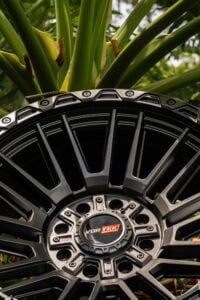
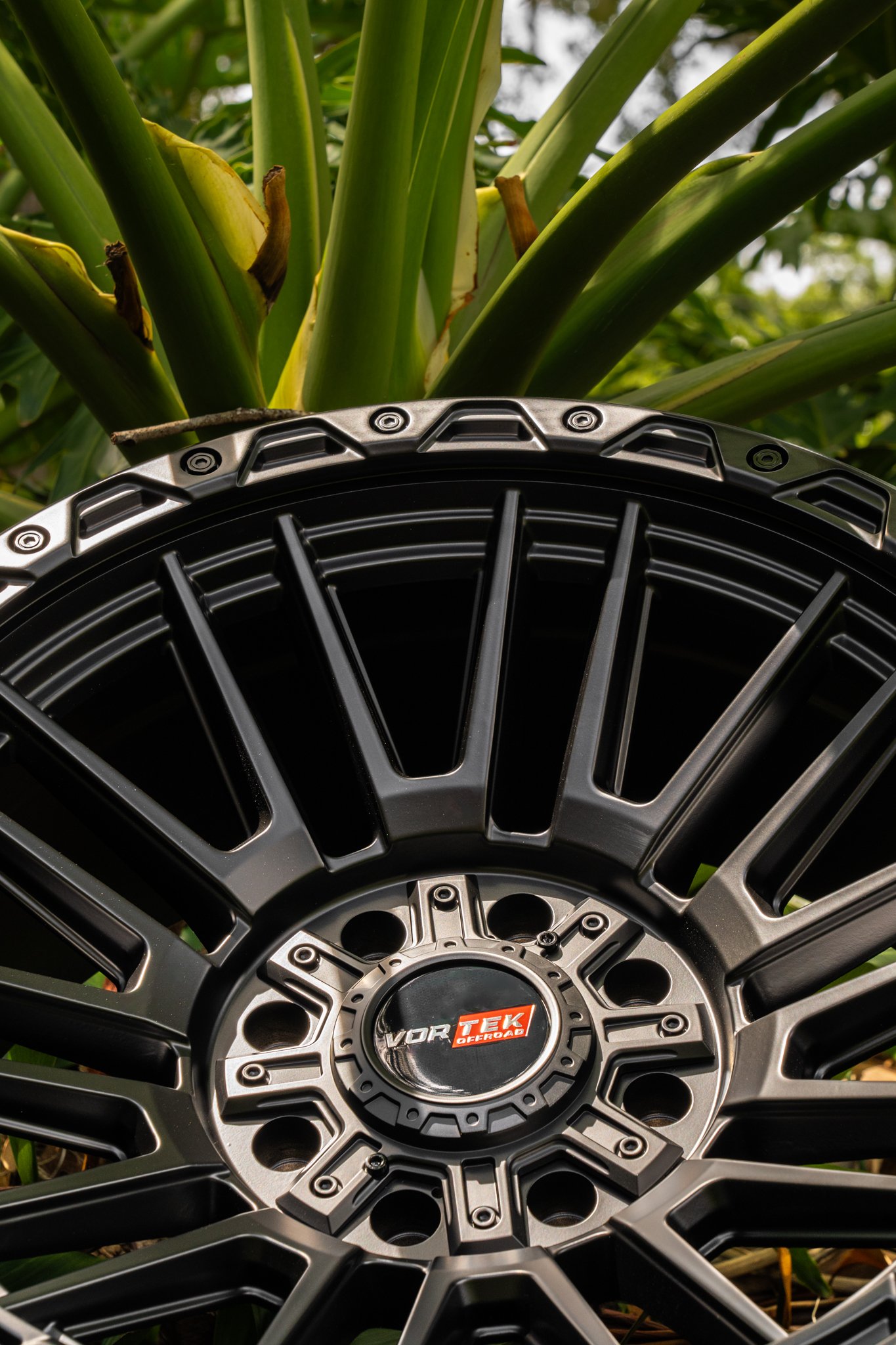
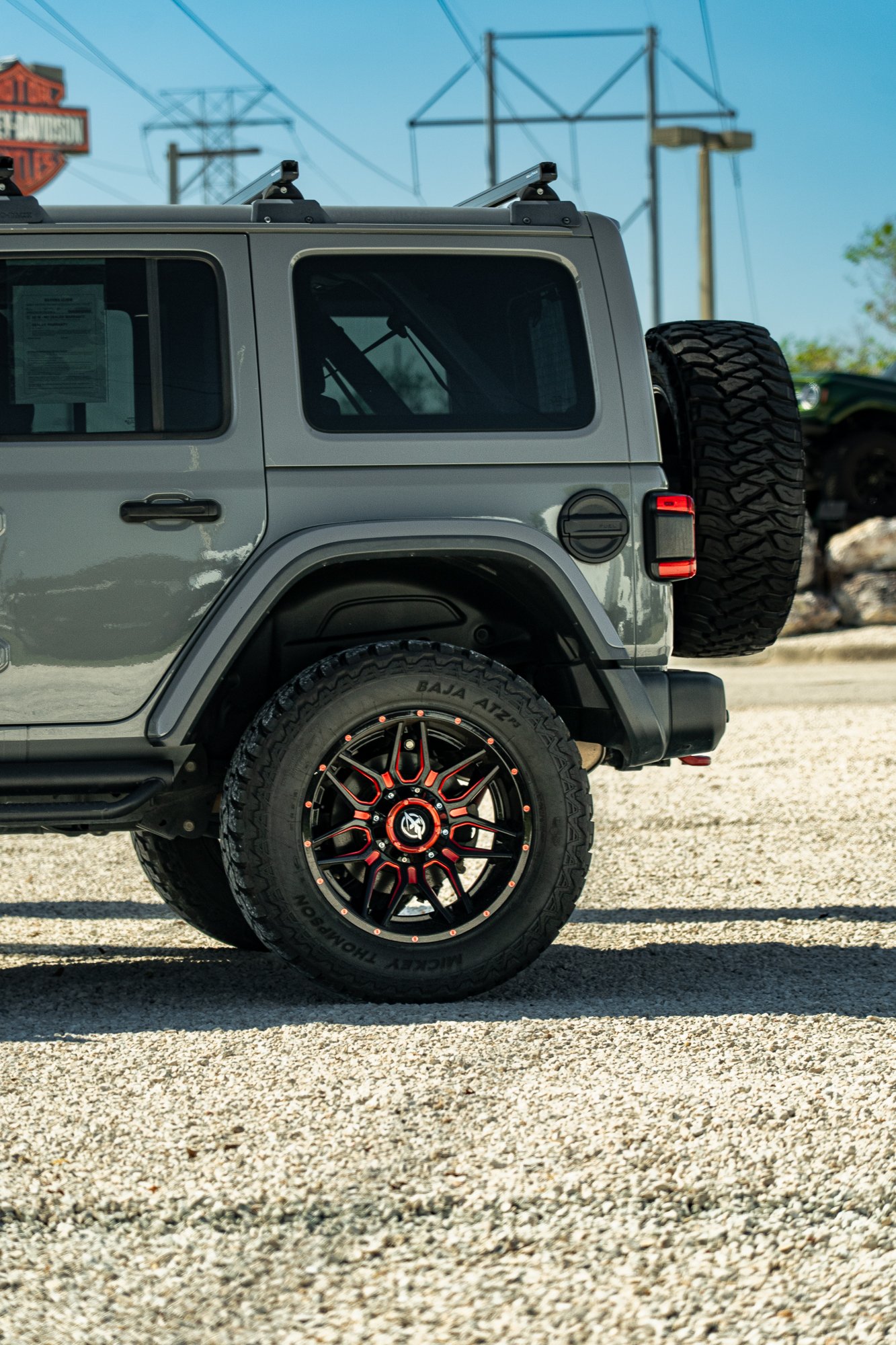
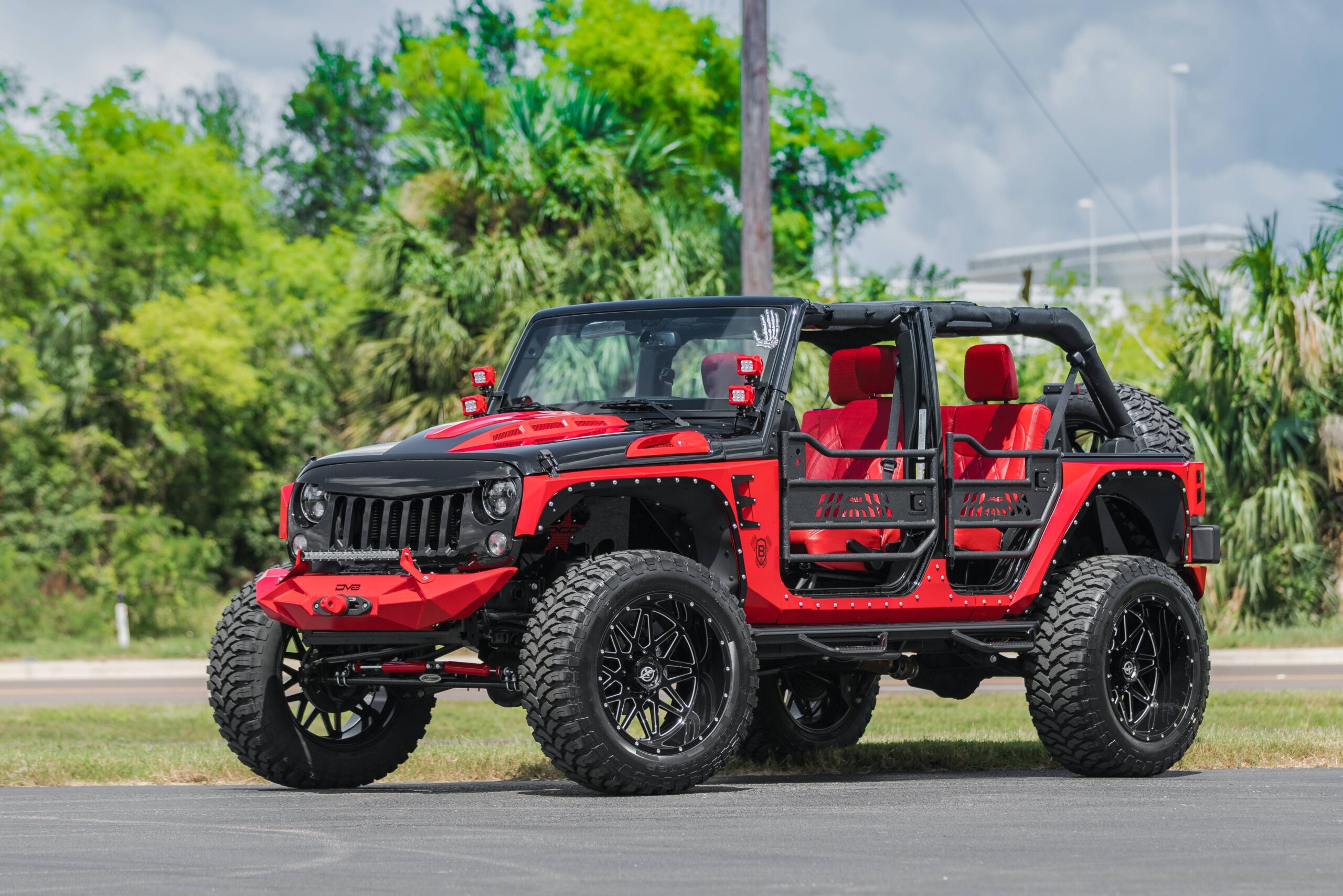
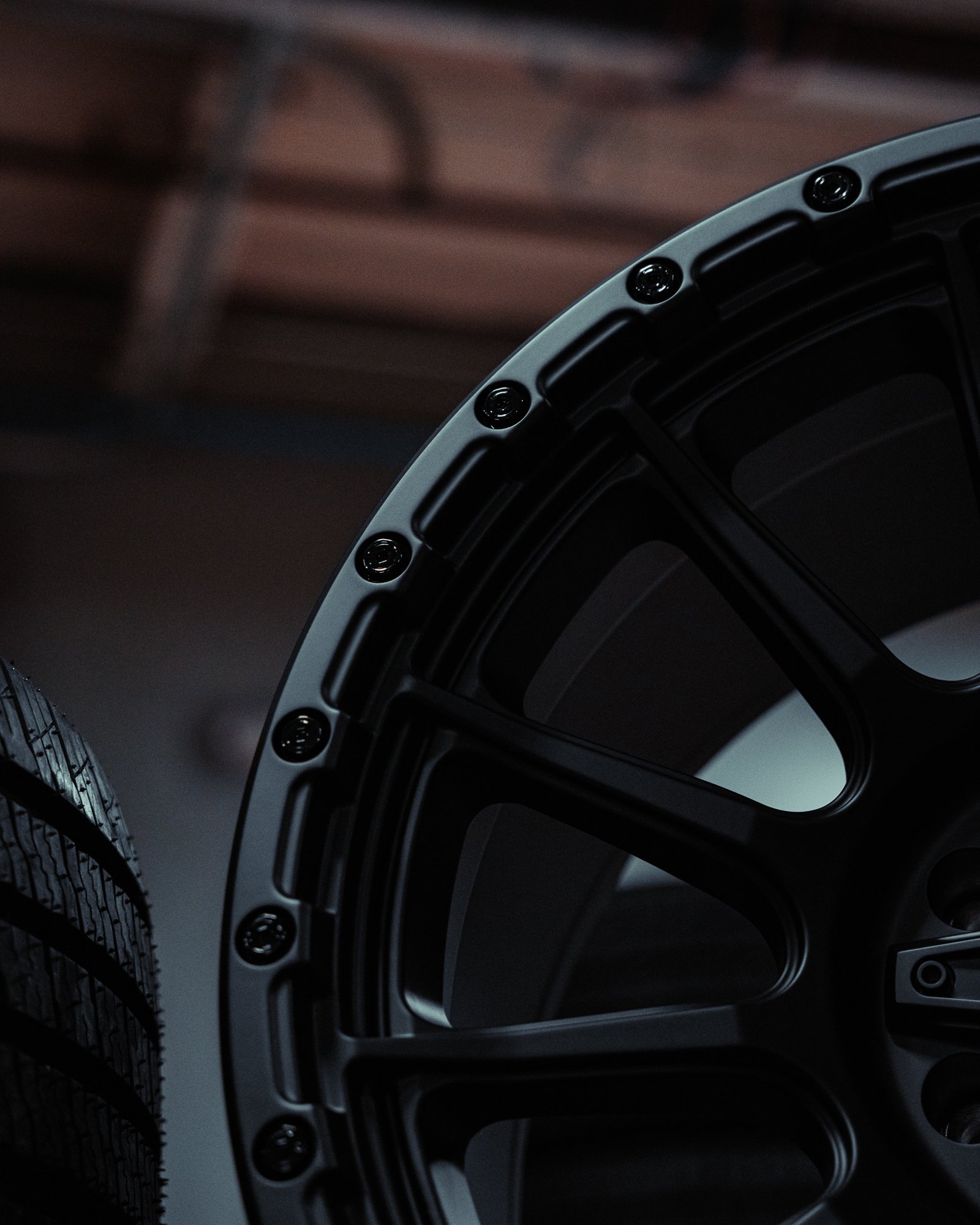
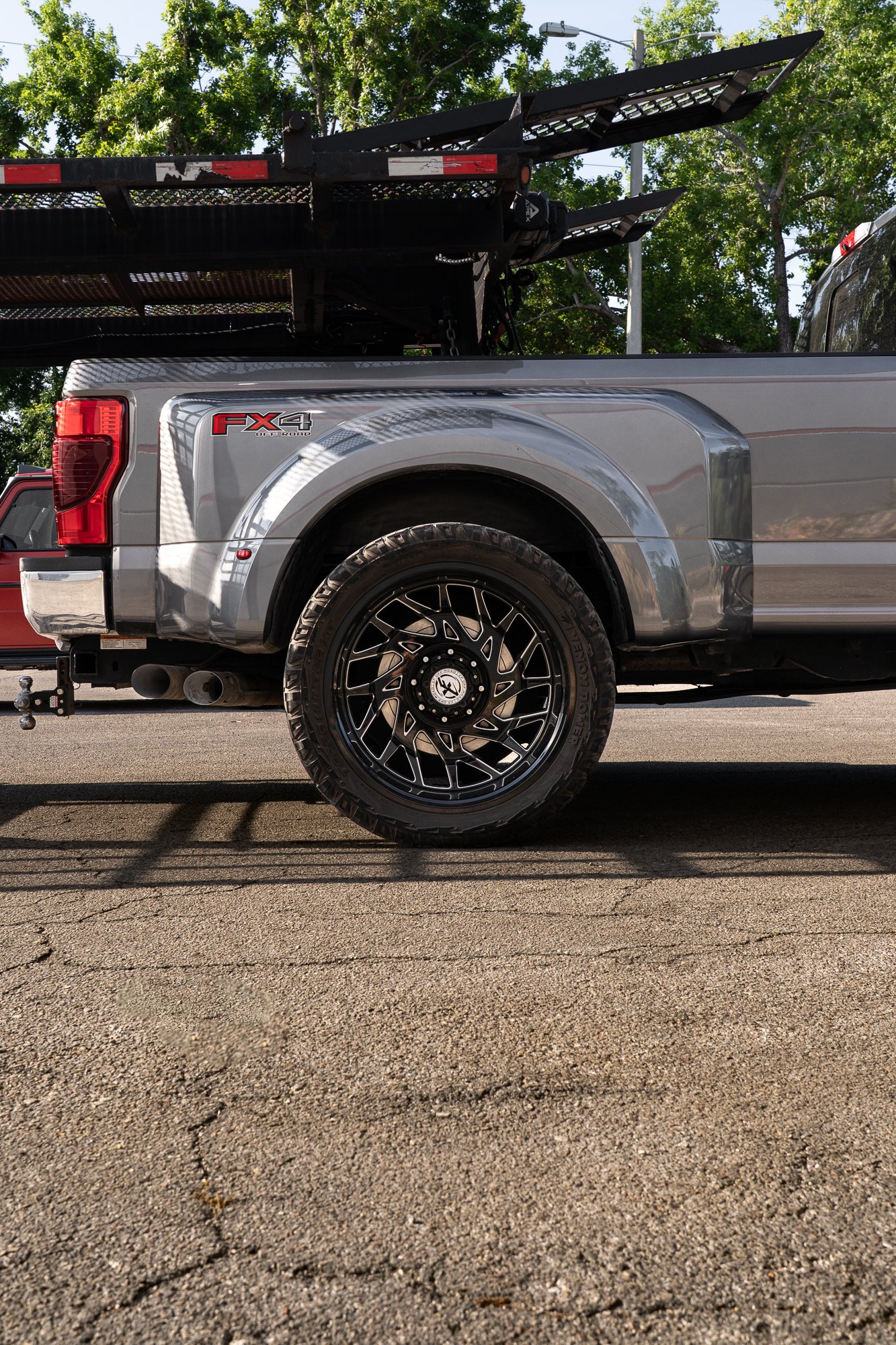
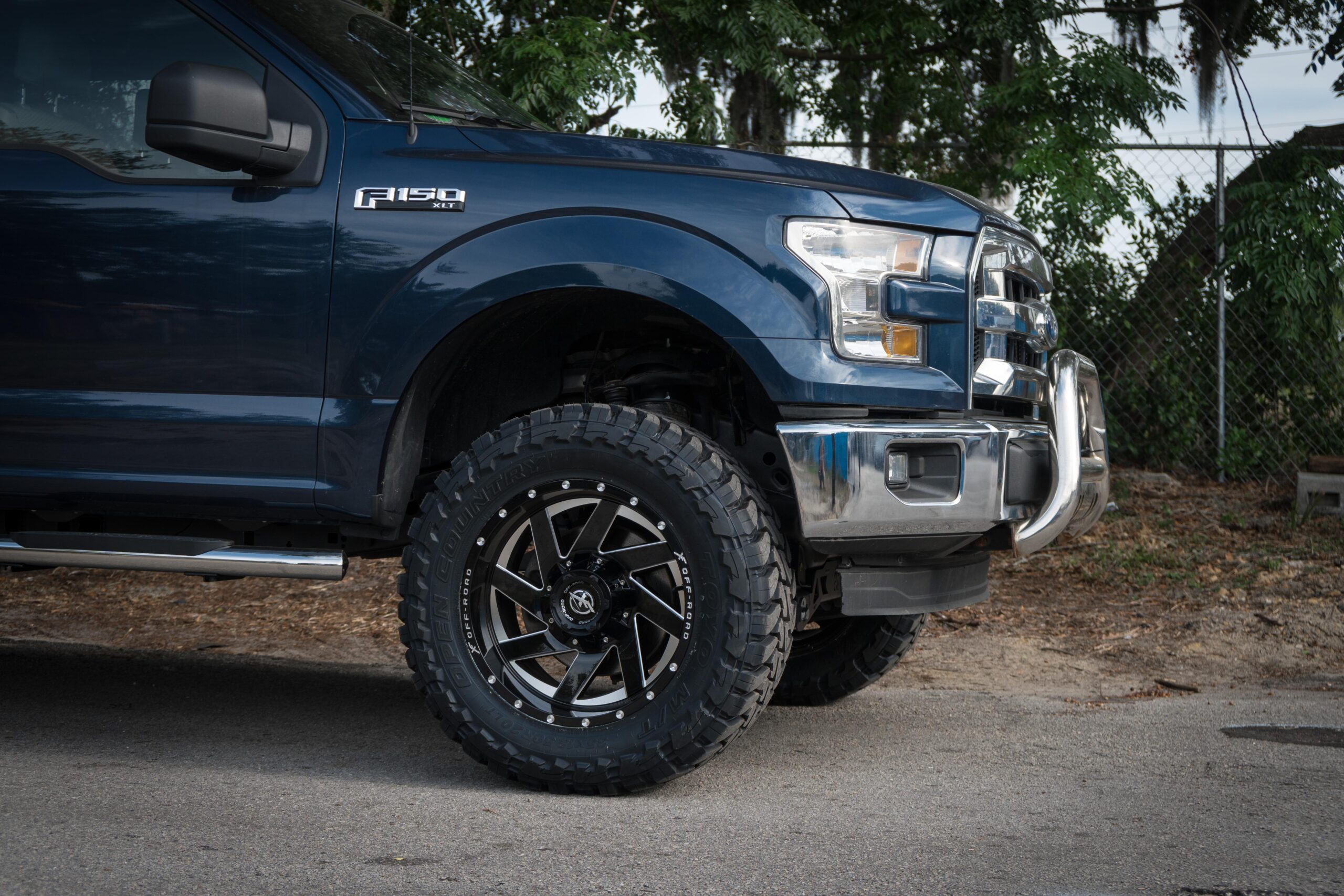
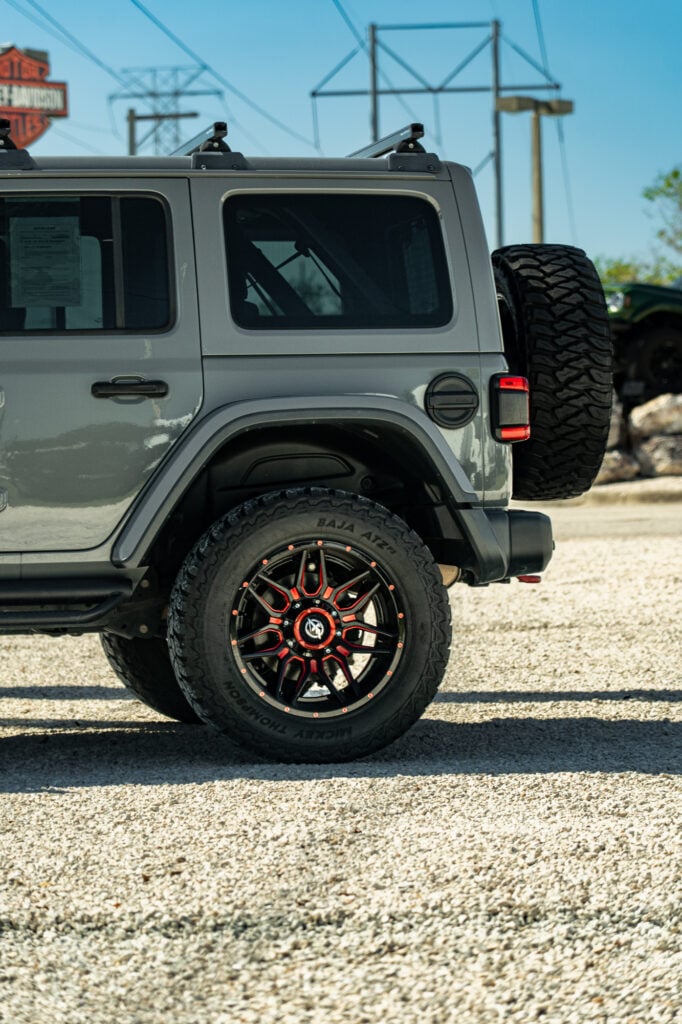
The off-road market is all about bold looks and rugged durability. Your customers want wheels that can handle tough conditions and make a statement. That’s where brands like XF Offroad and Vortek Offroad come in. They are designed specifically for the truck, Jeep, and SUV enthusiast, offering aggressive styling, modern finishes, and reliable construction. Because both brands are strictly MAP-protected, you can stock and sell them knowing your margins are secure. This lets you confidently serve a passionate and profitable customer base that values quality and performance for their builds.
Performance & Luxury: Spec-1, Cavallo, Arvano, & Azara
For customers who want to personalize their performance or luxury vehicles, style is everything. Brands like Spec-1 Racing, Cavallo, Arvano, and Azara Wheels deliver the eye-catching designs this market demands. Whether it’s a sleek, modern look for a European sedan or a bold, directional style for a muscle car, this collection has you covered. These brands help you appeal to discerning buyers who are willing to invest in quality aesthetics. With MAP policies in place, you can maintain healthy profits on these higher-ticket items and build a reputation as the go-to shop for premium luxury wheels.
Forged & OE: Amani Forged & OE Revolution
Your shop likely serves a wide range of needs, from custom show cars to daily drivers needing a simple replacement. For the ultra-premium market, Amani Forged offers custom-built, high-end wheels for customers who want the absolute best in craftsmanship and exclusivity. On the other end of the spectrum, OE Revolution provides reliable, factory-style replacement wheels that are perfect for collision centers and used car dealerships. Both brands are MAP-protected, demonstrating that pricing integrity is important across all price points. This ensures you can profitably serve every customer who walks through your door, no matter their budget or vehicle.
How to Choose the Right MAP-Protected Brands
A MAP policy is a great starting point, but it’s not the only thing that matters. To truly protect your margins and keep your customers happy, you need to partner with brands that are strong across the board. Think of it like this: a MAP policy protects your pricing, but brand quality and distributor reliability protect your reputation. When you’re evaluating a new wheel line, it’s worth looking beyond the price sheet and asking a few key questions.
Does the brand have a solid reputation in the market? Is the MAP policy actually enforced, or is it just for show? And can you count on your distributor to have the inventory you need when a customer is ready to buy? Choosing the right brands involves a bit of homework, but finding partners that check all three boxes is the surest way to build a profitable and sustainable wheel program for your shop. It ensures you’re selling a product you can stand behind, at a price that makes sense for everyone.
Check for Brand Reputation and Quality
Before you commit to a brand, take a close look at its reputation for quality and performance. A MAP policy can protect your price, but it can’t save you from customer complaints or returns due to poor craftsmanship. Look for brands that invest in rigorous testing to evaluate key wheel characteristics like bending fatigue and impact resistance. This ensures the wheels not only look good but are also safe and durable for your customers.
Pay attention to the fundamentals of a well-made wheel. Reputable brands are transparent about their manufacturing processes and adhere to precise specifications. Things like critical wheel dimensions, including offset, center bore, and load factor, are essential for proper fitment and performance. Selling a quality product builds trust and leads to repeat business, which is far more valuable than any short-term sale.
Confirm the MAP Policy is Enforced
A MAP policy is only as good as its enforcement. Some brands have policies on paper but don’t actively monitor the market, which leaves you vulnerable to competitors who ignore the rules. Don’t be afraid to ask a potential brand or distributor how they handle MAP violations. Do they use monitoring software? Do they have a clear process for addressing non-compliant sellers? Strong brands understand that failure to enforce pricing leads to brand dilution and hurts their loyal dealers.
It’s also helpful to understand common MAP monitoring myths, like the idea that manual tracking is enough to police the entire internet. It isn’t. A brand that is serious about protecting its dealers will have a robust, often automated, system in place. This commitment ensures a level playing field where you can focus on providing great service instead of fighting a race to the bottom on price.
Look for Reliable Inventory and Distributor Support
A great brand with a strictly enforced MAP policy won’t help you if the wheels are always out of stock. Your success depends on having the right products ready to sell when customers walk through your door. That’s why it’s so important to evaluate a brand’s supply chain and the distributor that supports it. When you’re partnering with a distributor, ask about their inventory depth, fill rates, and shipping times.
A reliable distributor acts as a true partner, helping you sell more effectively. They should not only have the wheels you need but also provide dedicated sales and fitment support to help you close deals. Ultimately, you want to work with a distributor who is committed to helping you protect a brand’s value and your profitability. Consistent inventory and strong support are just as crucial as the MAP policy itself.
How MAP Policies Shape the Wheel Market
Minimum Advertised Price policies do more than set a price floor; they create a healthier, more predictable market. For wheel dealers, understanding how MAP works is key to building a sustainable business. These policies stabilize the retail landscape and allow shops like yours to focus on what you do best. When a brand commits to enforcing its MAP policy, it’s sending a clear signal that it values its retail partners and is invested in their long-term success.
Leveling the Playing Field for All Retailers
A strong MAP policy creates fair competition, ensuring an independent shop can compete with a massive online retailer. When everyone is held to the same advertised price, the game is no longer about who can slash prices the most. Instead, it becomes about who offers better service and expertise. Partnering with a distributor that offers exclusive, MAP-protected brands is essential, as it allows you to sell confidently without getting dragged into a price war. This stability lets you focus on building your business and fostering customer relationships, not just surviving on thin margins.
Preventing Price Erosion from Online Sellers
We’ve all seen a hot new wheel get devalued by online discounters. This hurts your margins and cheapens the brand in customers’ eyes. A strictly enforced MAP policy is the best defense against this kind of price erosion. By requiring all sellers to advertise at or above a specific price, manufacturers protect the brand’s perceived value and long-term appeal. This ensures customers see a consistent price whether they’re on a national website or in your local showroom, reinforcing the product’s quality and protecting your ability to earn a healthy profit.
Shifting the Focus from Price to Service
When price is consistent, the focus naturally shifts to value. This is where your shop can shine. MAP policies encourage a market where the winners are those who provide the best customer experience. Instead of matching the lowest price online, you can invest in training your team, offering expert fitment advice, and providing flawless installations. This approach builds long-term customer loyalty and a strong reputation that can’t be easily replicated. MAP policies help make the sales process cleaner, letting you concentrate on building relationships rather than just moving boxes.
Common Myths About MAP Policies
Minimum Advertised Price policies are a powerful tool for protecting your shop’s profitability, but they’re often misunderstood. These policies are designed to support dealers, not restrict them. When you understand how they really work, you can see why partnering with MAP-protected brands is one of the smartest moves for your business. Let’s clear up a few common myths so you can sell with confidence.
Myth: MAP Controls Your Final Sale Price
One of the biggest misconceptions is that a MAP policy dictates the final price a customer pays. The key is in the name: Minimum Advertised Price. A MAP policy only sets the lowest price you can publicly display in ads, on your website, or on a price tag. It doesn’t control the final transaction price. You still have the flexibility to offer a different price in a private quote, through an “add to cart for price” feature, or in a one-on-one conversation with a customer. This distinction gives you room to close a sale while still upholding the brand’s public pricing integrity.
Myth: MAP Policies Hurt Competition
It might seem like uniform pricing would stifle competition, but it actually does the opposite. MAP policies level the playing field, preventing giant online retailers from slashing prices to a point where smaller independent shops can’t compete. This shifts the focus from a race-to-the-bottom price war to healthier forms of competition. Instead of fighting over who can be the cheapest, you can compete based on what truly sets your shop apart: your expert fitment advice, your installation quality, and your outstanding customer service. It encourages you to win customers with value, not just discounts.
Myth: MAP is Only for High-End Brands
While MAP is common among luxury and ultra-premium brands, it’s a valuable strategy for any brand that wants to maintain its value and support its dealer network. Whether it’s a set of rugged off-road wheels or reliable OE replacements, a MAP policy ensures the product’s perceived value isn’t eroded by constant online discounting. This consistency builds consumer trust and gives dealers the confidence to invest in carrying inventory. It’s not about being expensive; it’s about creating a stable and predictable market for everyone involved, from the manufacturer to the final customer.
How to Choose the Right Wheel Distributor
Selecting the right MAP-protected brands is only half the battle. The distributor you source them from can make or break your profitability and customer satisfaction. A great distributor acts as a true partner, invested in your growth and equipped to help you succeed. When evaluating your options, look beyond the price list and consider the operational and support structures that will directly impact your shop’s performance. Think of it as a long-term business relationship, not just a series of transactions.
Find a Partner, Not a Competitor
The most important quality in a wheel distributor is a commitment to your success. That means finding a partner who doesn’t compete against you. Some distributors sell directly to consumers online, often undercutting the very dealers they supply. This creates channel conflict and puts you in a no-win situation. A dealer-first distributor, on the other hand, will exclusively serve businesses like yours. Partnering with a distributor that offers exclusive, MAP-protected brands is key here, as it allows you to sell confidently without getting into a price war with your own supplier. Your distributor should be your biggest advocate, not your biggest competitor.
Prioritize Fast Shipping and Deep Inventory
Nothing loses a sale faster than telling a customer a wheel is on backorder for weeks. Your distributor’s logistics network directly affects your ability to close deals. Look for a partner with multiple, strategically located warehouses. This setup ensures faster fulfillment, lower freight costs, and higher order fill rates. When a distributor has deep inventory across its brand portfolio, you can rely on them to have the wheels you need when you need them. This reliability allows you to carry less inventory in your own shop while still offering customers a wide selection with quick turnaround times, keeping your cash flow healthy and your bays full.
Look for Dedicated Sales and Fitment Support
Great pricing and inventory mean little without the right support. A quality distributor provides dedicated resources to make your job easier. This starts with knowledgeable sales support and expert fitment guidance to help you prevent costly ordering mistakes and returns. An ideal partner also offers streamlined ordering systems, accessible marketing assets, and clear warranty and return policies. This level of dealer support shows that a distributor understands the day-to-day challenges of running a shop. They should provide the tools and expertise you need to sell more wheels, more efficiently, and with greater confidence.
Related Articles
- Custom Wheel Manufacturing for Dealers: Boost Profits
- Testing Off-Road Wheels for Durability: How Brands Handle.
- Why Wheel Locks Matter: Protecting Your Investment
- How to Buy Multi-Piece Wheels in Bulk: A Dealer’s Guide
- 6 Best 20 Inch Chrome Wheels for Trucks
Frequently Asked Questions
Does a MAP policy mean I can’t offer a customer a better deal? Not at all. This is a common point of confusion, but the key is in the name: Minimum Advertised Price. The policy only applies to the price you show publicly, like on your website, in a flyer, or on a shelf tag. You still have complete freedom to negotiate a final sale price with a customer in a private conversation, over the phone, or through a “request a quote” feature. The goal is to maintain the brand’s value in the public eye, not to tie your hands when closing a sale.
How does selling MAP-protected brands actually help my shop’s bottom line? Selling MAP-protected brands creates price stability, which is the foundation of healthy profit margins. When a brand enforces its pricing, you don’t have to worry about a massive online seller slashing prices and forcing you to do the same just to compete. This allows you to sell wheels based on their quality and your expert service, not just on being the cheapest option. It protects your profits on every sale and helps you build a more sustainable business long-term.
What’s more important: the MAP policy itself or how well it’s enforced? Enforcement is everything. A MAP policy on paper is meaningless if the brand doesn’t actively monitor the market and take action against violators. A brand that is serious about protecting its dealers will have a clear and consistent process for ensuring everyone follows the rules. When you’re choosing a new brand to carry, always ask about their enforcement strategy. A strong commitment to enforcement is the truest sign of a brand that values its retail partners.
Why should I care if my wheel distributor also sells directly to customers? When your distributor sells to the public, they become your direct competitor. This can create a situation where they undercut your pricing, effectively taking sales that should have been yours. A true dealer-first distributor works exclusively with businesses like yours. This partnership model ensures their success is tied to your success. You can sell with confidence, knowing your supplier is supporting you, not competing against you.
Are MAP policies only for expensive, high-end wheels? While they are common in the luxury market, MAP policies are valuable for brands at any price point. The goal is to protect a brand’s perceived value and ensure a fair market for dealers. Whether it’s a set of reliable OE replacement wheels or a custom-built forged set, a MAP policy prevents the brand from being devalued by constant online discounts. It signals quality and stability, which builds trust with both you and your customers.