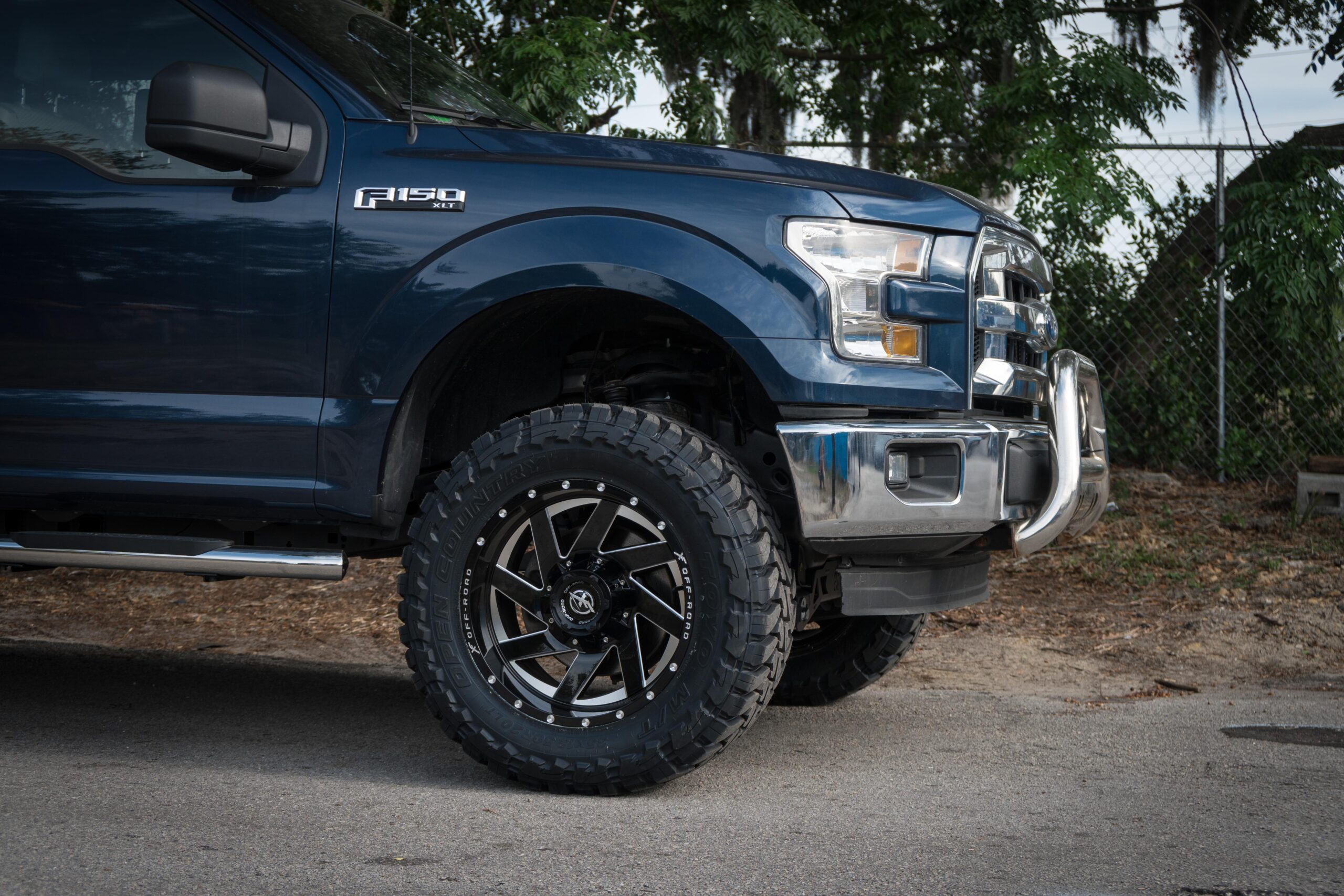
The battle against online competition isn’t just won on the sales floor; it’s won in your back office. While pricing pressure is the most visible threat, the real vulnerabilities often lie in your operations. Inefficient inventory, a slow supply chain, and weak supplier relationships can eat away at your profits just as quickly as a price-matching customer. Building a more profitable business means getting smarter about how you run it. This guide focuses on the operational tactics that create a strong financial foundation. We’ll cover everything from inventory turnover to choosing the right partners, showing you how to protect wheel shop margins from online competition by building a leaner, more efficient, and more resilient business from the inside out.
Key Takeaways
- Leverage your hands-on expertise: Use your deep knowledge of fitment and installation to build trust and solve complex customer problems. This specialized service justifies your pricing and creates value that a simple online transaction cannot offer.
- Defend your profitability with strategic choices: Partner with distributors that offer MAP-protected brands to prevent online price wars. A streamlined supply chain with fast shipping also helps you complete jobs quicker, improving cash flow and customer satisfaction.
- Build lasting customer relationships: Focus on creating a memorable, personalized experience through consultative selling and consistent follow-up. By positioning yourself as a trusted local expert, you encourage repeat business and generate powerful word-of-mouth referrals.
What Challenges Do Online Retailers Present?
It’s no secret that online retailers have changed the game for independent wheel shops. They can reach a massive audience and often operate with lower overhead, allowing them to compete aggressively on price. This shift doesn’t mean brick-and-mortar shops are obsolete; it just means the challenges are different now. Understanding these specific pressures is the first step toward building a strategy that not only protects your margins but also highlights the unique value only a local expert can provide. From pricing wars to changing customer expectations, let’s break down the key hurdles online competition presents.
The Pressure to Lower Prices
One of the biggest challenges is the constant downward pressure on prices. Online-only stores, especially those on large marketplaces, often treat wheels like commodities, leading to fierce price wars that can feel impossible to win. This environment creates margin compression, where your profit on each sale shrinks because you’re forced to lower prices to stay competitive while your own costs remain the same or even increase. Marketplaces also attract unauthorized sellers who acquire products through unofficial channels and sell them at a discount, further devaluing the brands you carry and making it even harder to maintain healthy margins.
How Customer Shopping Habits Are Changing
The internet has fundamentally changed how customers shop for wheels. Before they even walk into your store, they’ve likely spent hours researching styles, brands, and, most importantly, prices. They come in armed with screenshots and expect you to match the lowest price they found online. This behavior is fueled by a retail environment where constant discounting has become the norm, training customers to always hunt for a deal. As a result, the conversation can quickly shift from finding the right fitment to haggling over a few dollars, putting you on the defensive from the start.
Meeting Modern Inventory and Shipping Expectations
Customers have grown accustomed to the endless aisles and rapid fulfillment of major online retailers. They expect a huge selection and want their products delivered quickly, often for free. For a local shop, competing with the massive, centrally located warehouses of online giants is a tall order. While online stores absorb significant shipping and delivery costs, they set a high bar for customer expectations. This forces you into a tough position: either tie up significant capital in holding more inventory or risk losing a sale to an online competitor who can promise delivery in two days.
How to Differentiate Your Shop from Online Competition
Online retailers compete on price and convenience, but they can’t replicate the hands-on expertise and personal service you offer. Instead of trying to beat them at their own game, focus on creating an experience that online stores simply can’t match. Your biggest advantages are your knowledge, your service, and your ability to build real relationships with customers in your community. By leaning into these strengths, you can build a loyal customer base that values what you bring to the table far more than a rock-bottom price.
Leverage Your Expert Fitment and Installation Knowledge
Your expertise is your most powerful tool. An online store can sell a wheel, but it can’t guide a customer through the nuances of offset, backspacing, and tire sizing to achieve the perfect stance. This knowledge is your Unique Selling Point (USP), a distinct characteristic that sets you apart from the competition. When you help a customer avoid a costly mistake or achieve a look they couldn’t figure out on their own, you build incredible trust. Market yourself as a fitment specialist. This positions your shop not just as a place to buy parts, but as a destination for expert advice and flawless execution.
Offer Exclusive, MAP-Protected Brands
Competing on price is a race to the bottom you don’t need to run. The smartest way to protect your margins is to partner with brands that protect them for you. By carrying brands with a strict Minimum Advertised Price (MAP) policy, you ensure that online discounters can’t undercut your pricing. For example, brands like XF Offroad enforce MAP policies so their dealers can maintain healthy profit margins. When you stock MAP-protected wheels, you can sell confidently, knowing the value of your product is secure. This allows you to focus on selling the wheel’s design and quality, not just its price tag.
Provide Hands-On Service and Installation
An online retailer’s job is done once the package is delivered. Yours is just beginning. The professional installation and hands-on service you provide are massive differentiators. Customers can see and touch the wheels in your showroom, ask questions face-to-face, and drive away with a perfectly mounted and balanced setup. This personal interaction is something online stores can never offer. Taking the time to deliver exceptional customer service turns a simple transaction into a memorable experience. This is how you build loyalty and generate the kind of word-of-mouth referrals that keep your bays full.
Create Custom Options Online Stores Can’t Replicate
To truly stand out, offer services that go beyond standard catalog orders. Developing a differentiation strategy that includes custom options can make your shop the go-to destination for unique builds. Think about offering custom powder coating, unique wheel and tire packages, or specialized finishing services. These bespoke solutions are nearly impossible for large online retailers to replicate at scale. By providing custom work, you move from being a parts seller to a creative partner in your customer’s build. This not only adds a significant revenue stream but also builds a reputation for craftsmanship that attracts high-value customers.
Protect Your Margins with Smart Operations
Online retailers often compete on price, but your shop can compete on intelligence. Your back-office operations have a direct and powerful impact on your profitability. It’s not just about cutting costs; it’s about making every part of your business work smarter and more efficiently. Every decision, from the wheels you stock to the partners you choose, can either protect or erode your margins. By focusing on a few key areas, you can build a more resilient and profitable business that stands strong against online pressure. Let’s look at how you can fine-tune your inventory, streamline your supply chain, use simple automation to save time, and build supplier relationships that actively support your growth. These operational improvements are your best defense in a competitive market, allowing you to maximize value for both your business and your customers.
Optimize Your Inventory and Turnover
Your inventory is one of your biggest assets, but it can also become a liability if managed poorly. Wheels that sit on the shelf for months tie up cash and take up valuable space. The goal is to achieve a high inventory turnover rate, which means you sell through your stock quickly and efficiently. Regularly analyzing both your markup and margin is essential to ensuring you’re making a healthy profit, not just covering your costs. Use your sales data to identify your best-sellers and understand seasonal trends. This allows you to stock what your customers actually want and avoid making expensive guesses. Don’t be afraid to run promotions on slow-moving products to clear them out and make room for more profitable wheels.
Streamline Your Supply Chain and Distribution
How quickly and reliably you get your wheels has a huge impact on your ability to close a sale. When a customer is ready to buy, delays and backorders can send them straight to an online competitor. A streamlined supply chain is your defense. Working with a distributor that has a smart logistics network means faster delivery times and lower freight costs, both of which directly benefit your bottom line. As industry analysis shows, operational efficiency is crucial for maintaining profitability. A distributor with multiple, strategically located warehouses can get products to you faster, helping you complete jobs sooner and keep your service bays full.
Automate Repetitive Ordering Tasks
Think about how much time your team spends on routine tasks like checking stock levels and placing reorders for your most popular items. Automating these repetitive jobs frees you and your staff to focus on what really matters: helping customers and selling wheels. Many modern supplier portals offer features that simplify this process, like low-stock alerts or saved order templates. You can use your sales data to set up automated reminders or even create personalized marketing campaigns for specific products. This not only saves time but also reduces the chance of human error, ensuring your best-selling wheels are always on hand when you need them.
Build Stronger Supplier Relationships
Your suppliers should be more than just vendors; they should be partners invested in your success. The brands a distributor carries directly impact your ability to serve different customers and protect your profit margins. A strong supplier relationship gives you access to dedicated support, expert fitment advice, and valuable market insights. They can help you choose the right inventory for your specific clientele and provide marketing assets to help you sell it. When you choose a wheel distributor, look for one that operates as a true partner, offering protected brands and a commitment to helping your business grow without ever competing against you.
Why Great Service is Your Competitive Edge
Online retailers have one primary weapon: price. But as a local shop, you have something far more powerful: the ability to build real human connections. Great service is more than just a friendly smile at the counter; it’s the foundation of a resilient business that can withstand pressure from online-only sellers. It’s about creating an experience so valuable that customers won’t risk going anywhere else. When a customer feels seen, heard, and respected, the price tag becomes a secondary concern. This is how you move from competing on price to competing on value, which is a much more sustainable way to run your business.
When you deliver exceptional service, you’re not just selling a set of wheels. You’re selling confidence, expertise, and peace of mind. This is your true competitive advantage. An online algorithm can’t replicate the trust you build by looking a customer in the eye and guaranteeing a perfect fitment. It can’t match the loyalty you earn by remembering a customer’s name and the details of their build. By focusing on service, you shift the conversation from price to value, creating a moat around your business that protects your margins and ensures long-term success. Your expertise and hands-on approach are assets that online stores can never truly offer, making them the cornerstone of your strategy.
Focus on Long-Term Relationships, Not Single Sales
An online store is built for a single transaction. Your shop should be built for a lifetime of them. Every customer who walks through your door is an opportunity to start a long-term relationship, and that’s where the real profit is. The cost of acquiring a new customer is always higher than retaining an existing one. When you focus on building loyalty, you create a predictable stream of revenue from people who already trust you. A customer who buys wheels today might need tires in a year or an alignment next month. By treating them as a partner in their vehicle’s journey, you become their first and only call. This approach transforms one-time buyers into loyal advocates for your brand.
Create a Personalized, Consultative Experience
Customers can click “add to cart” anywhere. What they can’t get from a website is a conversation with an expert who genuinely wants to help them find the perfect fit. This is your chance to shine. Train your team to be consultants, not just clerks. Ask questions about their vehicle, their driving habits, and the look they’re trying to achieve. A consultative approach shows you care about the outcome, not just the sale. You can use a customer’s purchase history to make personalized recommendations for future upgrades or maintenance. This level of personal attention builds deep trust and makes the experience feel collaborative, turning a simple purchase into a memorable, positive event.
Build Trust as a Local Expert
In a world of endless online options, people crave authentic expertise. Position your shop as the definitive local authority on wheels, tires, and fitment. This means providing honest, transparent advice, even if it doesn’t lead to the biggest possible sale. When you explain the “why” behind a recommendation, you empower your customers with knowledge and build their confidence in your guidance. This trust is your most valuable asset. A customer who sees you as a trusted expert is far less likely to second-guess your pricing or shop around online. They’re paying for your knowledge and the assurance that the job will be done right the first time, a value proposition that online retailers simply can’t match.
Use Service Reminders and Loyalty Programs
Building a relationship doesn’t end when the customer drives away. You need to stay connected. Simple, automated service reminders via text or email for tire rotations or seasonal swaps are incredibly effective at bringing customers back. It’s a low-effort way to provide value and keep your shop top-of-mind. You can also implement a straightforward loyalty program to reward repeat business. It doesn’t have to be complicated; offering a discount after a certain number of purchases or providing exclusive access to new products can make your best customers feel appreciated. These tactics give people a concrete reason to return, turning casual buyers into loyal regulars who contribute directly to your bottom line.
Marketing Strategies That Keep Customers Coming Back
Great service and smart operations will protect your margins, but a thoughtful marketing plan is what builds momentum. Unlike online-only stores, you have the advantage of being a physical part of your community. You can build real relationships that turn one-time buyers into loyal customers who refer their friends. The key is to focus on strategies that play to your strengths: your local presence, your hands-on expertise, and your ability to connect with people directly. These marketing efforts don’t just attract new business; they create a loyal following that online retailers can’t steal.
Strengthen Your Local SEO and Community Presence
When a potential customer searches for “new wheels near me,” you need to be the first name they see. That’s where local search engine optimization (SEO) comes in. Improving your local search visibility makes your shop more discoverable, drawing in more customers from your area and putting you on equal footing with larger retailers. Start by claiming and fully optimizing your Google Business Profile with high-quality photos of your work, accurate hours, and your address. Encourage satisfied customers to leave reviews, as positive feedback builds trust and improves your ranking. Beyond digital efforts, get involved offline. Sponsoring a local car meet or a youth sports team builds goodwill and keeps your name top-of-mind in the community.
Use Social Media to Build Your Brand
Social media is your digital showroom. It’s the perfect place to showcase your expertise and the incredible transformations you perform every day. Instead of just posting sales, use platforms like Instagram and Facebook to tell your shop’s story. Share high-quality before-and-after photos of wheel installations, feature customer vehicles (with their permission), and create short videos explaining different wheel finishes or fitment options. This approach helps you connect with customers and build a brand around your craftsmanship. Engage with your followers by answering questions in the comments and responding to messages promptly. This consistent interaction shows you’re an active, accessible expert in the local car scene.
Develop Educational Email Campaigns
Email gives you a direct line to your customers, and it’s one of the most effective ways to encourage repeat business. Go beyond simple promotions and use email to provide real value. You can send email campaigns that offer personalized deals based on a customer’s past purchases or share educational content, like a guide to proper wheel care or a seasonal tire-check reminder. This positions you as a trusted advisor, not just a parts seller. By consistently delivering helpful information, you build a relationship with your customers, making them more likely to think of you first for their next purchase or service.
Host Local Events and Workshops
Your physical location is one of your biggest assets, so use it. Hosting events brings people through your doors and creates a memorable, hands-on experience that an online store can never offer. Organize a weekend “Cars & Coffee” event, a workshop on how to measure wheel offset, or an open house co-hosted with other local auto businesses like a detailer or wrap shop. These events establish your shop as a central hub for the local automotive community. They also give you a chance to talk with customers face-to-face, answer their questions, and get direct feedback. This personal interaction builds lasting loyalty and reinforces your reputation as the go-to local expert.
How to Build a Sustainable Pricing Strategy
Competing with online retailers on price alone is a race to the bottom that erodes your profits and devalues your expertise. A sustainable pricing strategy isn’t just about what you charge; it’s about building a framework that protects your margins, highlights your value, and creates long-term customer loyalty. Instead of reacting to every online sale, you can proactively build a profitable business model that online-only stores can’t replicate.
This approach requires a shift in focus from simply selling a product to providing a complete solution. By pricing based on the total value you offer, developing high-margin service streams, creating unique product bundles, and partnering with the right brands, you can build a resilient business. These four pillars work together to create a competitive advantage that goes far beyond a simple price tag, ensuring your shop remains profitable for years to come.
Price Based on Value, Not Just Competition
If you try to match the price of every online discounter, you’ll quickly find yourself with no margin left. The key is to stop competing on their terms and start highlighting your own. Your shop offers more than just a wheel in a box; you provide expertise, hands-on service, and peace of mind. This is your unique selling proposition (USP), and it’s what gives customers a compelling reason to choose you.
Instead of just looking at competitor prices, calculate your pricing based on the total value you deliver. This includes your fitment knowledge, professional installation, and the post-sale support you provide. When customers understand they are paying for confidence and a job done right, the price becomes a much smaller part of their decision.
Develop New Revenue Streams from Service
Your biggest advantage over an online store is your service bay. While they can ship a box, you can offer a full range of high-margin services that keep customers coming back. Think beyond the initial installation. Services like wheel and tire balancing, alignments, rotations, and cosmetic repairs are all valuable revenue streams that online retailers simply cannot offer.
You can also boost profitability by implementing a system for follow-up. Use targeted service reminders and loyalty discounts to make sure customers return for their next alignment or tire rotation. Each service appointment is another opportunity to build the customer relationship and increase their lifetime value, turning a one-time wheel buyer into a long-term client.
Create Bundled Packages Online Retailers Can’t Match
One of the most effective ways to move the conversation away from a direct price comparison is to create bundled packages. When you combine products and services into a single offering, you make it difficult for a customer to compare your price against an online-only product. This strategy helps you thrive in uncertain times by showcasing your comprehensive value.
For example, you could offer a “Performance Package” that includes four wheels, performance tires, mounting, balancing, and a free alignment check after 500 miles. Or, create a “Seasonal Swap” package for customers who run different setups in the summer and winter. These bundles increase your average transaction value and reinforce the idea that your shop is a one-stop solution.
Partner with Brands That Protect Your Margins
The suppliers you work with are your partners in profitability. A strong supplier relationship will directly impact your ability to serve customers and protect your margins. When you buy wheels for resale, it’s crucial to choose brands that are committed to protecting their dealer network from the exact pricing pressures you face from online competition.
Look for brands that enforce a strict Minimum Advertised Price (MAP) policy. MAP pricing prevents online sellers from advertising products below a certain price, which levels the playing field and protects the brand’s value. By carrying differentiated, MAP-protected brands, you can sell confidently, knowing you won’t be constantly undercut. This allows you to focus on selling quality and service, not just a price point.
Related Articles
- How to Join a Factory Replica Wheels Dealer Program
- Custom Wheel Manufacturing for Dealers: Boost Profits
- 5 Best Aftermarket Wheel Wholesale Distributors
- Your Guide to Becoming a Dealer XF Offroad
- How to Find the Best Wheel Supplier for Your Shop
Frequently Asked Questions
How can I possibly compete when online stores are so much cheaper? Instead of trying to match every online price, which is a losing game, focus on what you offer that they can’t. Your real advantage is your expertise and the hands-on service you provide. You can guarantee a perfect fitment, perform a professional installation, and build a real relationship with your customers. When you shift the focus from price to the total value you deliver, you stop competing on their terms and start winning on yours.
What exactly is a MAP policy, and why is it so important for my shop? A Minimum Advertised Price (MAP) policy is an agreement set by a brand that prevents retailers from advertising their products below a certain price. This is incredibly important because it levels the playing field. It stops massive online stores from drastically undercutting you, which protects your profit margins and the brand’s value. Partnering with distributors who carry MAP-protected brands allows you to sell confidently without getting into a race to the bottom on price.
What’s the best way to handle a customer who comes in with a screenshot of a lower online price? This is a great opportunity to demonstrate your value. Acknowledge the price they found, then gently pivot the conversation to what’s not included online. You can ask questions about their vehicle and explain the nuances of proper fitment, the importance of professional mounting and balancing, and the peace of mind that comes with local support if anything goes wrong. You’re not just selling a wheel; you’re selling a correct, safe, and guaranteed outcome.
I don’t have a huge marketing budget. What are some simple strategies I can use to bring in more customers? You don’t need a big budget to be effective. Start with the basics online: claim and completely fill out your Google Business Profile with great photos of your work. This is free and helps local customers find you. Use social media, like Instagram or Facebook, to create a visual portfolio of your installations. It costs nothing to post before-and-after shots that showcase your skills and build a following within your local car community.
How can I offer a wide selection of wheels without tying up all my cash in inventory? The key is to find a smart balance between what you stock and what you can get quickly. Use your sales data to identify your absolute best-sellers and keep those in stock for immediate sales. For everything else, build a strong relationship with a distributor that has multiple warehouses and fast shipping. This allows you to confidently offer a huge virtual catalog to your customers, knowing you can get the wheels you need in just a few days without risking money on slow-moving products.