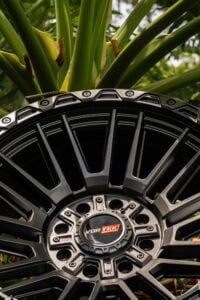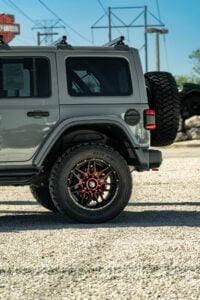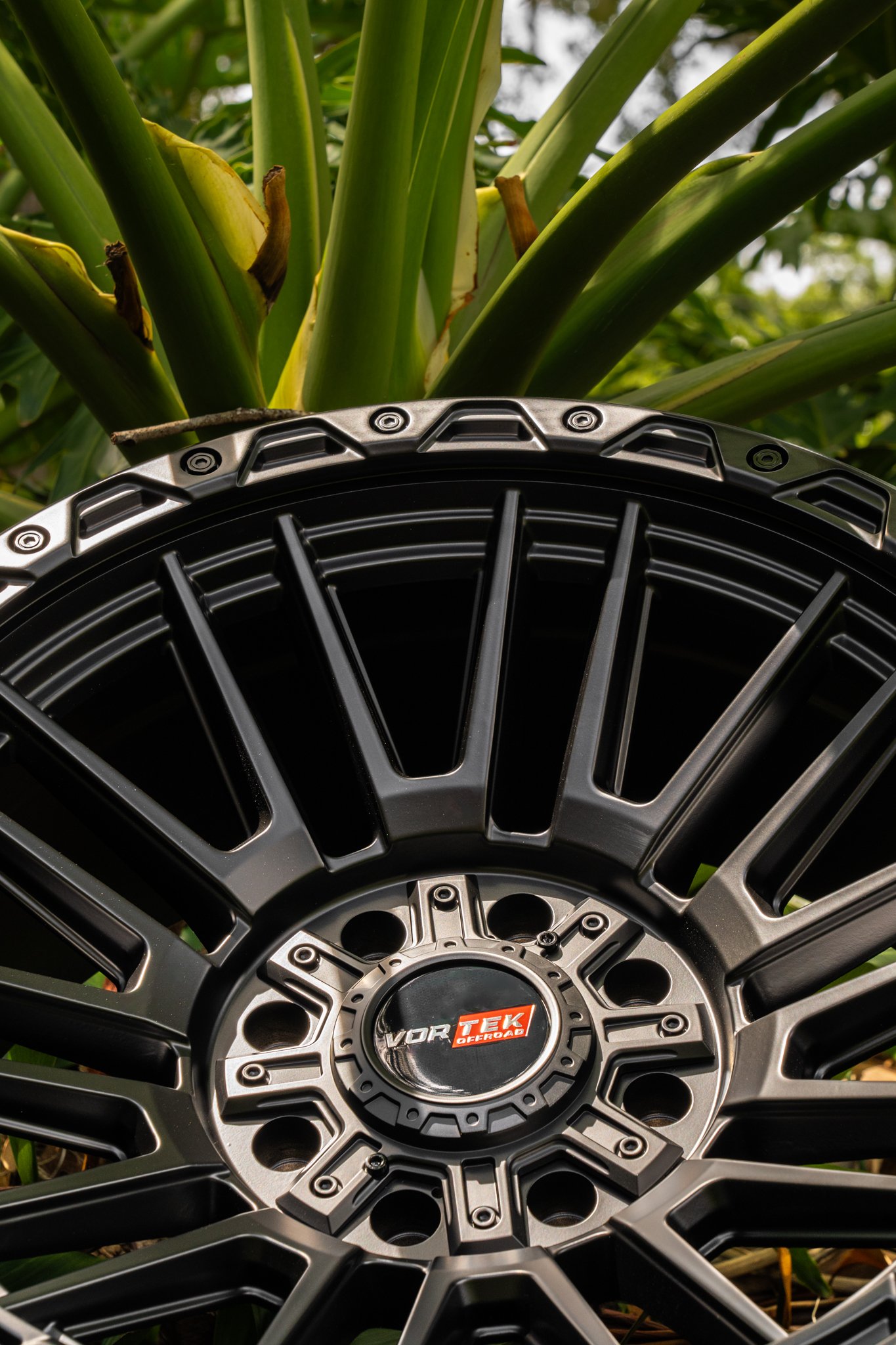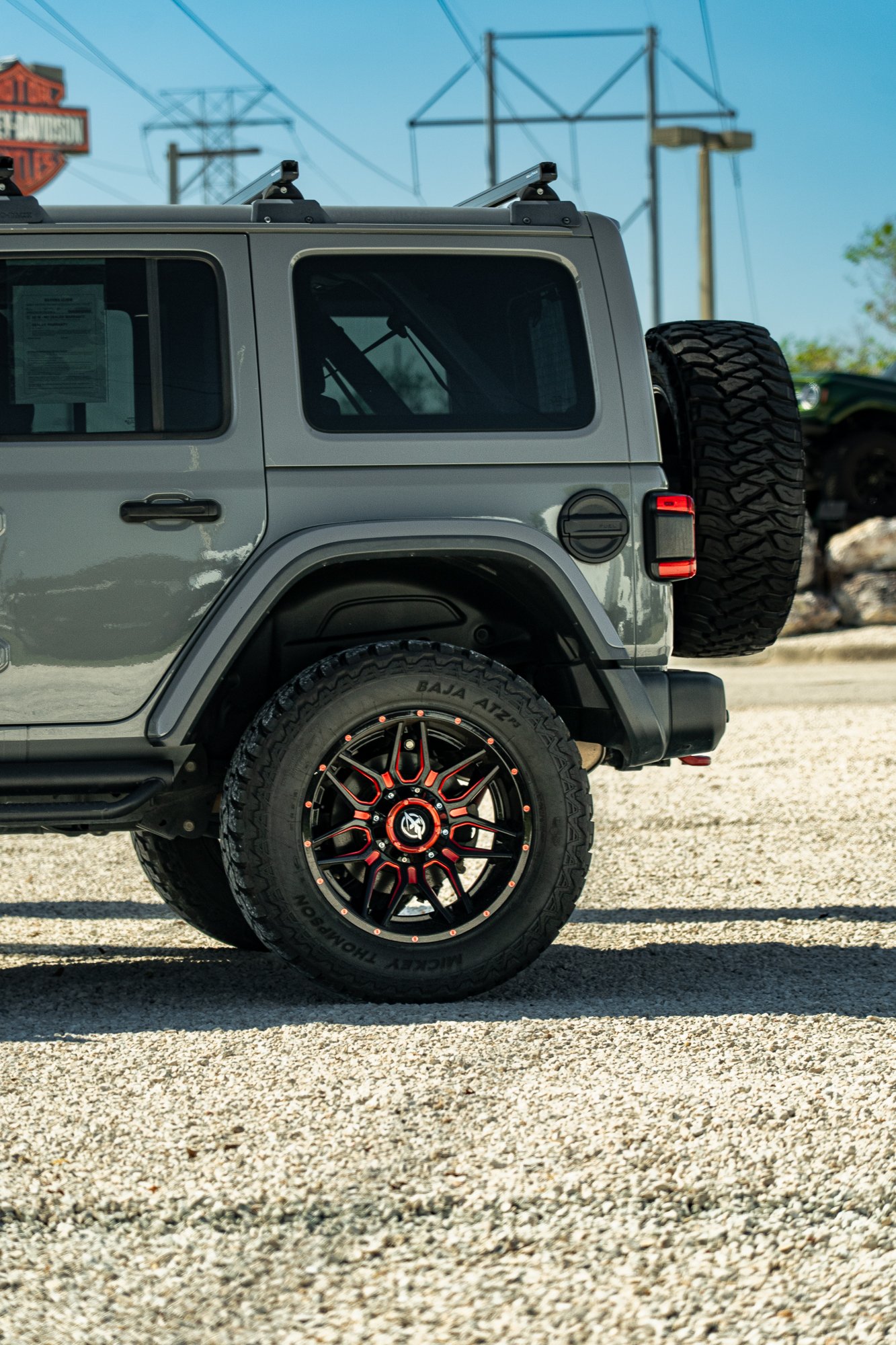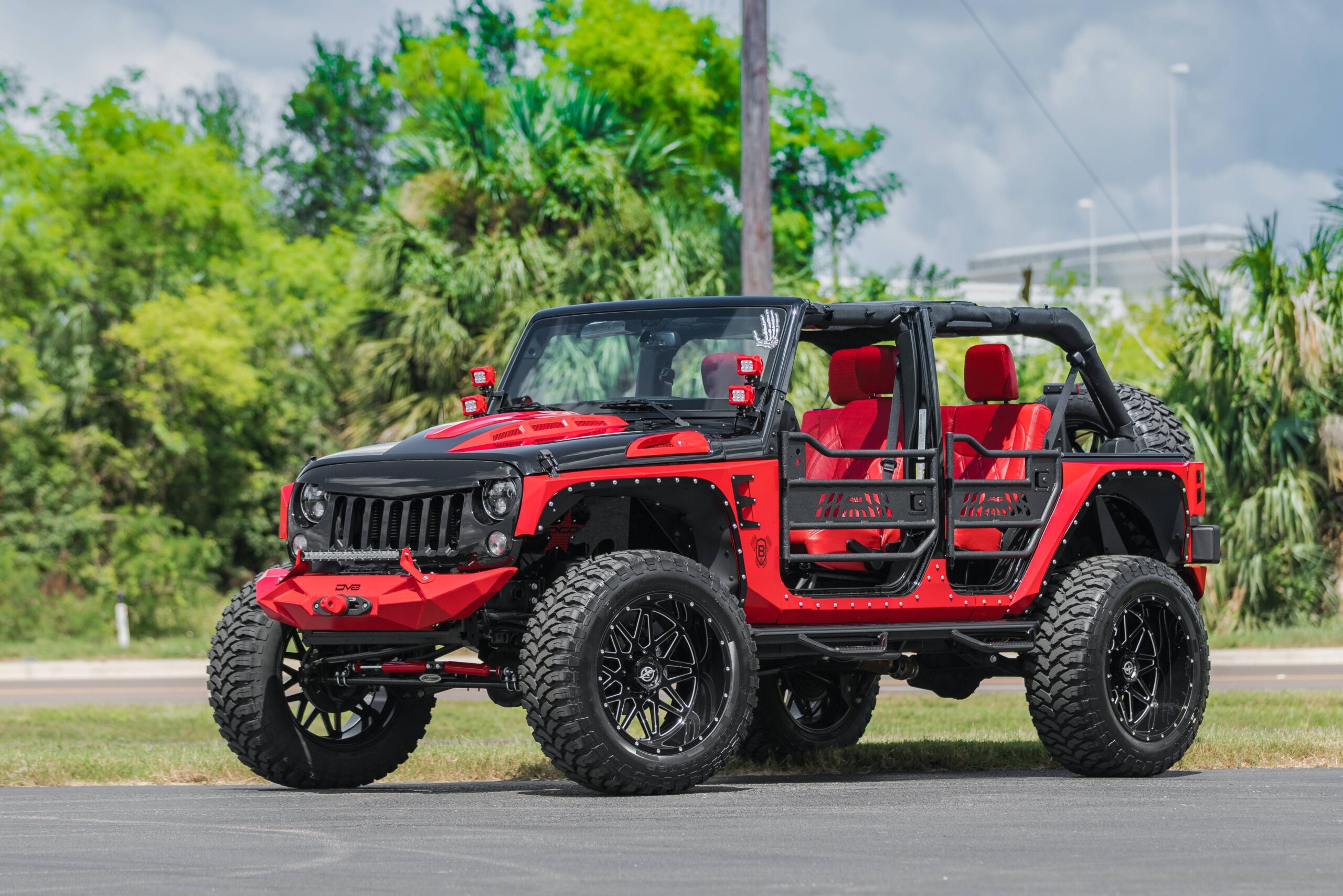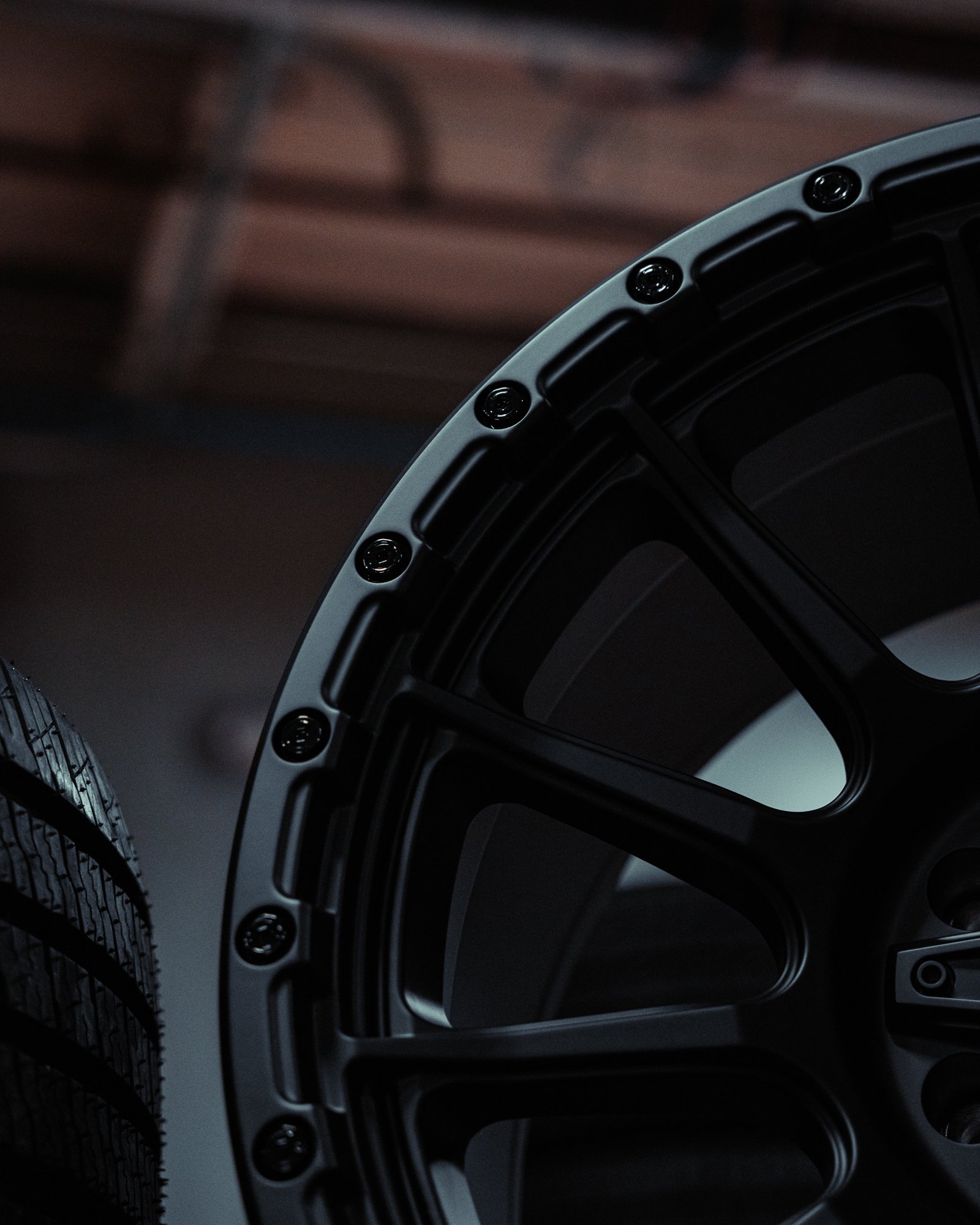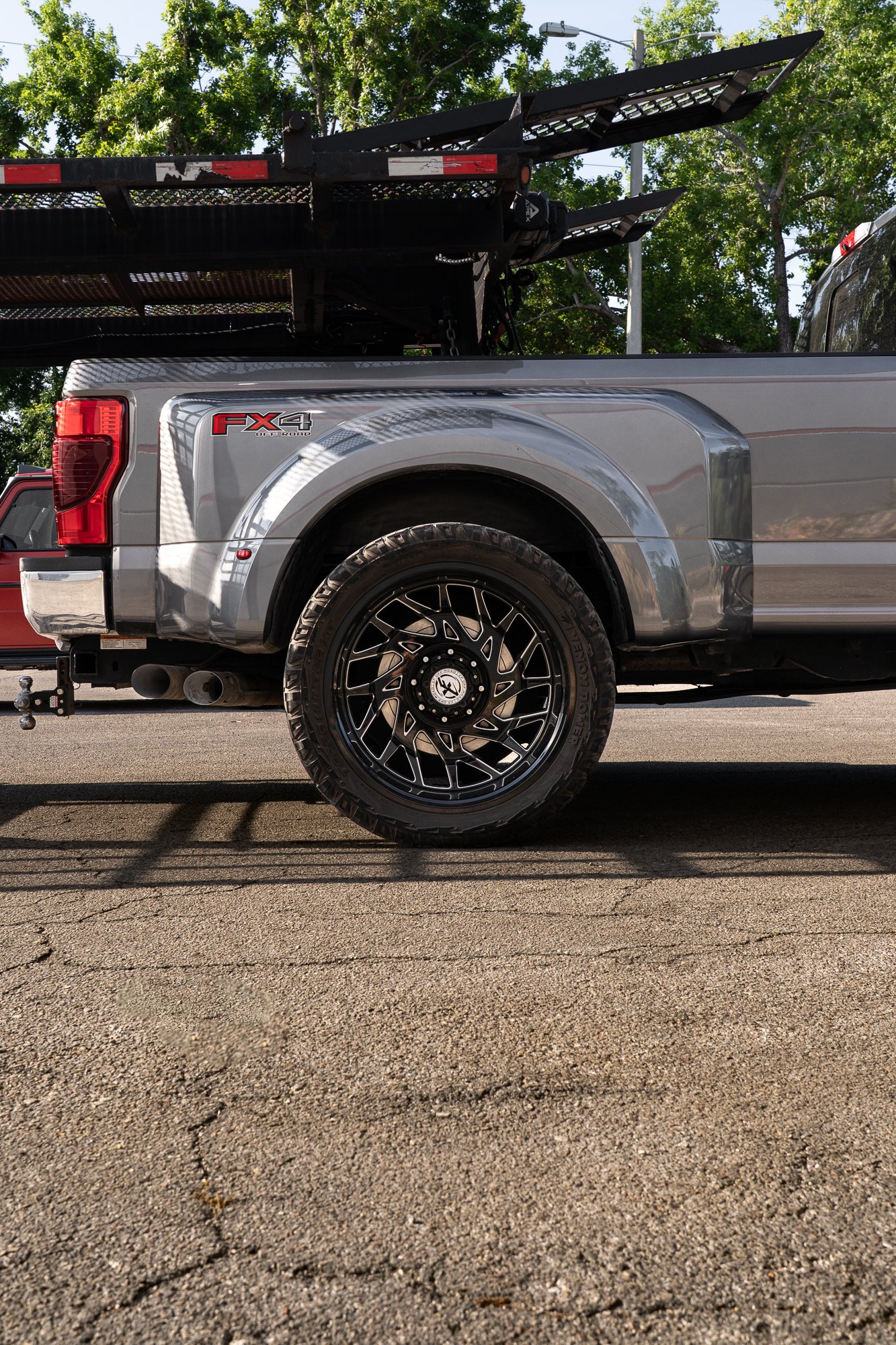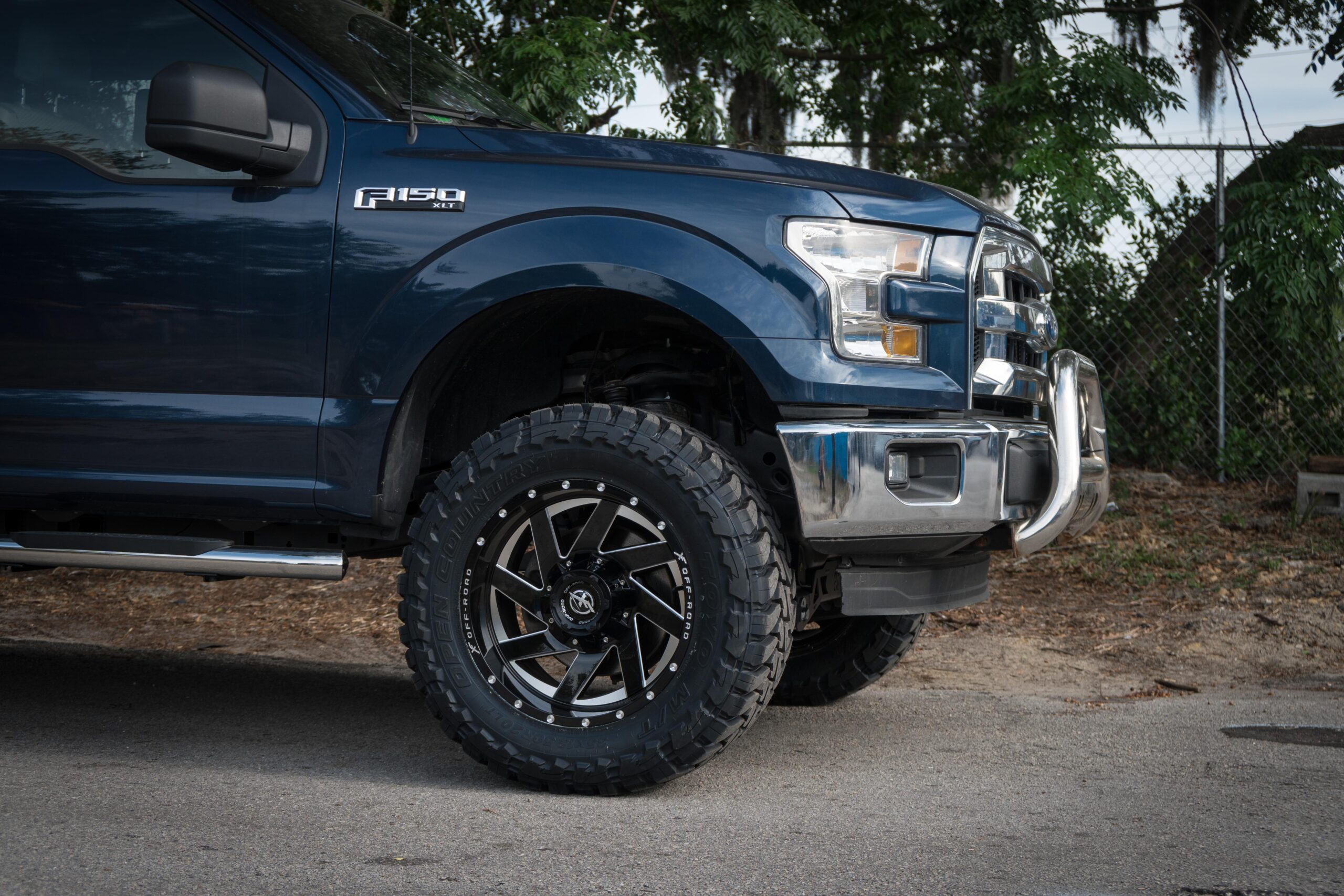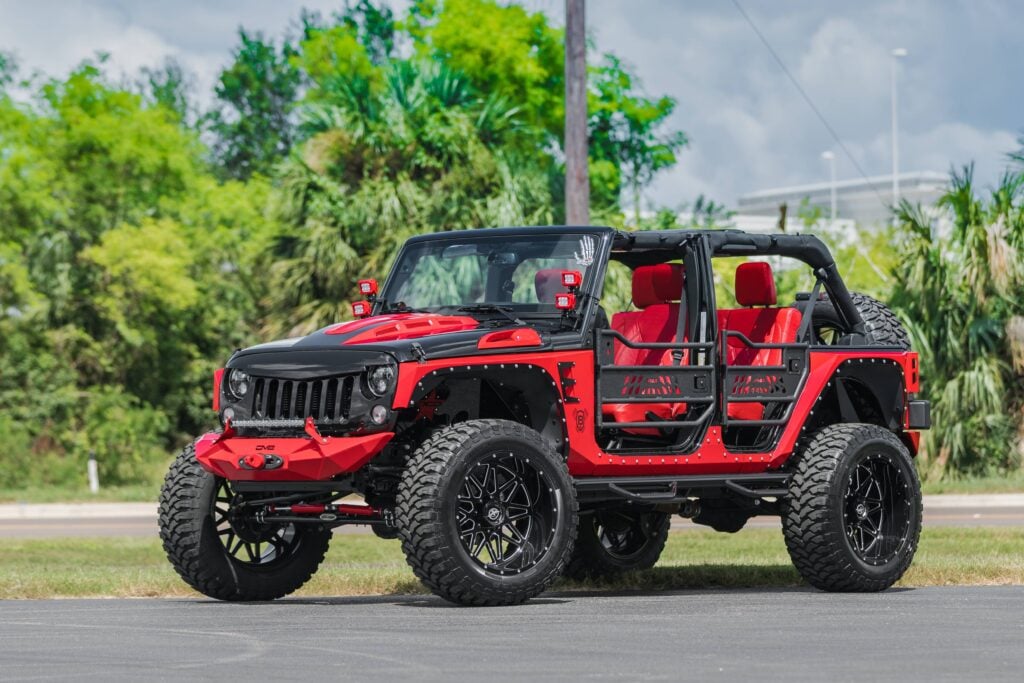
Your customers trust you to deliver the perfect look and fitment for their builds, but you’re limited by what’s available in a manufacturer’s catalog. You might see gaps in the market or hear requests for specific styles that simply don’t exist yet. Instead of waiting for another brand to create what your customers want, you can take control and design it yourself. This is where you move from being a product installer to a product creator. A private label forged wheels program gives you the power to dictate every detail, from unique spoke designs and custom finishes to the precise fitments needed for niche vehicles. It allows you to build a product line that perfectly reflects your shop’s expertise and meets the exact demands of your target market.
Key Takeaways
- Take control of your brand and profits: A private label program lets you create exclusive wheel designs, set your own prices, and improve your margins, moving you from a simple reseller to a distinct brand owner.
- Choose a partner, not just a supplier: Your success depends on a manufacturing partner who provides strong engineering support, has a reliable distribution network, and enforces MAP policies to protect your brand’s long-term value.
- Invest strategically for a successful launch: Plan for the initial costs of tooling and inventory as a long-term investment in your business, and support it with a solid marketing strategy to build brand recognition from day one.
What is a Private Label Forged Wheel Program?
A private label forged wheel program is your opportunity to create and sell an exclusive line of high-quality forged wheels under your own brand name. Instead of stocking the same wheels as every competitor in town, you partner with a manufacturer to produce unique designs that are yours and yours alone. Think of it as moving from a reseller to a brand owner. This approach gives you full control over the design, quality, and marketing of your products, allowing you to build a brand that truly reflects your business and resonates with your specific customers.
This isn’t just about putting your logo on a generic wheel. A true private label program involves collaboration on everything from the initial design concept to the final finish. It’s a strategic partnership that lets you offer something distinctive in the market, tailored to the vehicles and styles your customers love most. By developing your own line, you can carve out a unique space in the industry, build stronger brand loyalty, and create a product lineup that sets you apart from the competition. It’s a powerful way to grow your business by offering something no one else can. You’re not just selling a product; you’re building an asset that adds long-term value to your business.
How Does a Private Label Program Work?
The process is more straightforward than you might think. Private labeling involves partnering with a third-party manufacturer to produce wheels based on your exact specifications. You bring the vision for your brand, including the designs, fitments, and finishes you want to offer. Your manufacturing partner then uses their expertise, equipment, and engineering resources to bring that vision to life.
Once produced, the wheels are marketed and sold exclusively under your brand name. This model empowers you to offer distinctive products perfectly suited to your target market’s tastes. It’s a collaborative effort where you control the brand identity and customer experience, while your partner handles the complex manufacturing process, ensuring you get a high-quality product without needing to invest in your own factory.
How Are Forged Wheels Made?
Forged wheels start their life as a solid block of high-grade aluminum alloy, often called a billet. This billet is heated to an extreme temperature and then subjected to immense pressure, which forces the metal into the basic shape of a wheel. This intense process compresses the aluminum, refining its grain structure and eliminating porosity. The result is a wheel that is incredibly dense, strong, and lightweight.
This superior strength-to-weight ratio is what sets forged wheels apart from cast alternatives. Because they are so strong, they can be designed with less material, making them lighter and improving vehicle performance. To ensure safety and reliability, quality forged wheels must meet strict international testing standards like JWL, VIA, and SAE J2530, which verify their structural integrity and durability under real-world driving conditions.
Why Start a Private Label Forged Wheel Program?
Launching your own line of forged wheels might sound like a huge undertaking, but it’s one of the most effective ways to grow your business and secure your place in the market. A private label program moves you from being just a reseller to a brand owner. Instead of competing on price for the same wheels everyone else sells, you can offer something truly unique that draws customers directly to you. It’s about creating an asset for your business that you own and control completely.
This move gives you the power to define every aspect of your product, from the initial design to the final finish. You get to build a brand that speaks directly to your ideal customer, whether they’re off-road enthusiasts or luxury car owners. Think of it as the difference between renting a house and owning one. When you sell other brands, you’re building their equity. When you sell your own, you’re building yours. Beyond the branding benefits, a private label program can significantly strengthen your financial position by giving you direct control over your pricing and profit margins. It also allows you to set and enforce the highest quality standards, building a reputation for excellence that keeps customers coming back. It’s a strategic step toward long-term stability and growth.
Control Your Brand and Stand Out
In a competitive market, having a unique product is a major advantage. A private label program lets you create a line of wheels that no one else has. This means you can stop competing solely on price and start building a loyal customer base that seeks out your specific brand. As one industry analysis notes, private labeling empowers you to offer distinctive products tailored to your market’s tastes. You get to decide on the designs, fitments, and finishes that you know your customers want, creating a product line that perfectly aligns with your shop’s identity and expertise. This differentiation makes your business a destination, not just another option.
Improve Your Profit Margins
When you sell another company’s brand, your profit margins are largely determined by their pricing structure. With a private label program, you take back control. By working directly with a manufacturing partner, you can source high-quality forged wheels at a better price point, which translates directly to healthier margins for your business. This allows you to set your own pricing strategy without being restricted by someone else’s MAP policy. To make the most of this, it’s smart to track your cost per unit and margin for each wheel you develop. This financial control gives you the flexibility to run promotions, create bundle deals, and grow your business more profitably.
Ensure Top-Tier Quality
Your reputation is built on the quality of the products you sell. A private label program puts you in the driver’s seat for quality control. You can specify the materials, manufacturing processes, and testing standards your wheels must meet. For forged wheels, this is especially important. You can ensure every wheel adheres to rigorous international standards like JWL, VIA, and SAE J2530. These certifications verify a wheel’s structural integrity through intensive load rating and impact tests. By setting these high standards for your own brand, you can confidently stand behind your products, reduce returns, and build lasting trust with your customers.
What Can You Customize?
A private label program gives you the creative freedom to build a wheel that is truly yours, from the initial concept to the final branding. This isn’t about picking a wheel from a catalog and slapping your logo on it. It’s about having a direct hand in the design and engineering process to create a product that perfectly aligns with your brand and meets the specific needs of your customers. You get to control the details that make a wheel stand out, allowing you to offer something genuinely unique in a crowded market.
This level of control means you can fill gaps you’ve identified in the industry. Maybe your customers are asking for a specific style for a new truck model, or perhaps you see an opportunity for a lightweight performance wheel with a unique finish. Instead of waiting for a manufacturer to produce it, you can create it yourself. This process transforms you from a reseller into a brand owner, giving you the power to build a product line that reflects your shop’s identity and expertise. Let’s break down exactly what you can control when you start your own private label forged wheel program.
Custom Designs and Styles
With a private label program, you are in the driver’s seat when it comes to design. You can move beyond existing templates to create entirely new spoke patterns, face profiles, and lip designs that are exclusive to your brand. Working with an engineering team, you can bring your vision to life, whether it’s an aggressive, concave look for a performance car or a rugged, multi-spoke design for an off-road truck. This allows you to develop a signature style that customers can only get from you, setting your business apart and building a recognizable product line from the ground up.
Specific Sizes and Fitments
One of the biggest advantages of a private label program is the ability to dictate exact specifications. You can develop wheels in precise diameters, widths, offsets, and bolt patterns to achieve the perfect stance for specific vehicles. This is especially valuable for performance and custom shops that cater to niche builds. A good manufacturing partner will provide complete turnkey packages that include engineering and validation, ensuring every wheel fits flawlessly without spacers or modifications. Offering perfect fitment not only improves vehicle performance and safety but also strengthens your reputation as an expert in your field.
Unique Finishes and Colors
Finishes can make or break a wheel’s appeal, and a private label program gives you full control over this critical detail. You can develop a custom color palette and offer unique finishes that aren’t available from mass-market brands. Think custom-matched colors, two-tone paint jobs, brushed or polished surfaces, and tinted clear coats. Every set of wheels can be a one-of-a-kind creation, giving your customers a level of personalization that builds excitement and loyalty. This is your chance to create a finish that becomes synonymous with your brand’s identity.
Your Own Logo and Branding
Of course, the defining feature of a private label program is putting your brand front and center. This goes beyond a simple center cap logo. You can have your brand name or logo milled directly into the wheel itself for a premium, integrated look. By creating your own branded product, you invest in your business’s long-term value instead of building recognition for someone else. Offering distinctive products tailored to your market fosters brand loyalty and gives customers a reason to come back to you, turning your shop into a destination for exclusive wheels.
Is a Private Label Program Right for Your Business?
A private label program isn’t a one-size-fits-all solution, but it offers distinct advantages for different types of automotive businesses. Whether you run a local tire shop, a high-end custom garage, or a regional distribution network, creating your own wheel line can be a powerful move. The key is understanding how a private label program aligns with your specific business goals, customer base, and operational strengths. Let’s look at how this works for three common business models in the wheel industry.
Independent Wheel and Tire Dealers
As an independent dealer, you’re constantly competing against national chains and online-only retailers. A private label program is your opportunity to build something truly your own. Instead of just selling another brand’s wheels, you can offer a unique product line that reflects your shop’s identity and meets the specific tastes of your local customers. This allows you to develop a winning private label strategy that fosters customer loyalty. When customers love a wheel they can only get from you, they have a reason to come back and recommend your shop to others. It transforms your business from a reseller into a distinct brand.
Performance and Custom Shops
Your customers come to you for unique builds that stand out. A private label program gives you the ultimate tool to deliver on that promise. You can design wheels that perfectly complement your shop’s signature style, whether you specialize in lifted trucks, luxury imports, or track-ready performance cars. This level of control allows you to create a cohesive brand identity across every build. Some manufacturers offer a private label program that helps performance companies get wheels made specifically for their market. Imagine offering a wheel that’s not just an add-on but an integral part of your brand, turning your customers into true ambassadors for your work.
Regional Distributors and Jobbers
For regional distributors, a private label program is a strategic way to add value for your dealer network. By offering an exclusive wheel line, you give your customers a product they can’t source from their local competitor, protecting their margins and strengthening their loyalty to you. You don’t have to handle the complexities of design and engineering alone. Many manufacturing partners provide complete turnkey packages that cover everything from initial concept to final production and logistics. This allows you to expand your catalog with a high-margin, proprietary product line, making you an even more essential partner to the shops you serve.
Common Challenges to Prepare For
Launching your own private label wheel line is an exciting step, but it’s smart to go in with a clear understanding of the potential hurdles. Thinking through these challenges ahead of time doesn’t just prepare you for what’s to come; it helps you choose a manufacturing partner who can solve these problems for you. When you have the right support system, these challenges become simple items on a checklist rather than roadblocks to your success. Let’s walk through the most common ones so you can feel confident moving forward.
Managing Quality Control
Your brand’s reputation rests on the quality of your wheels. Ensuring every wheel meets strict safety and performance benchmarks is non-negotiable. Quality forged wheels must pass multiple international standards, including JWL, VIA, and SAE J2530 certifications. These tests verify a wheel’s structural integrity through rigorous load rating, impact resistance, and material quality assessments. Managing this process on your own can be complex and time-consuming. A reliable manufacturing partner will already have these quality control systems in place, handling all testing and certification to ensure your wheels are safe, durable, and ready for the road. This lets you focus on building your brand, not becoming a compliance expert.
Planning Your Supply Chain and Inventory
Getting your wheels from the factory floor to your customers’ vehicles involves a lot of moving parts. You have to think about manufacturing lead times, international shipping, customs, warehousing, and final delivery. A hiccup anywhere in this chain can lead to costly delays and unhappy customers. The best private label programs offer complete turnkey packages that manage this entire process for you. Look for a partner with a robust logistics network, including multiple distribution centers. This streamlines your supply chain, reduces shipping times and costs, and ensures you have the inventory you need, right when you need it.
Understanding the Initial Investment
Creating a custom wheel line requires an upfront investment before you sell your first set. These costs typically include tooling and design fees to create the molds for your unique designs, as well as meeting minimum order quantities (MOQs) for your initial production run. While this initial outlay can seem significant, it’s important to view it as an investment in your brand’s future profitability and independence. A transparent partner will provide a clear breakdown of all costs involved, helping you plan your budget effectively. They can also guide you on how to price your wheels to ensure healthy margins from day one.
Clearing Up Common Misconceptions
A few myths can hold business owners back from starting a private label program. One is the idea that you need to be a massive company to create your own brand. The truth is, many programs are designed specifically for independent shops. Another misconception is that custom forged wheels don’t undergo the same level of real-world testing as mass-produced cast wheels. Reputable manufacturers, however, use advanced engineering and validation processes to ensure every design is safe and reliable. The key is to find a partner who can debunk these myths and show you a clear, accessible path to launching your own successful private label brand.
How to Choose the Right Manufacturing Partner
Selecting a manufacturing partner is the most critical decision you’ll make in your private label journey. This isn’t just about finding a supplier; it’s about building a long-term relationship with a team that has the expertise and infrastructure to bring your vision to life. A great partner acts as an extension of your business, supporting you from initial design to final delivery. When you vet potential partners, focus on four key areas: their manufacturing prowess, their logistical network, their pricing policies, and their technical support. Getting these right will set your brand up for success from day one.
Evaluate Manufacturing Capabilities
The quality of your forged wheels starts on the factory floor. A partner’s experience and expertise are non-negotiable, as they directly influence the final product’s safety, durability, and finish. Look for a manufacturer with a proven track record and a deep understanding of the forging process. For example, many top-tier programs use advanced techniques like rotary forging to produce wheel blanks with exceptional strength and precision.
Ask potential partners about their specific manufacturing processes, the grade of aluminum they use, and their quality control checkpoints. A transparent partner will be happy to walk you through how they ensure every wheel meets strict standards. This diligence ensures you’re building your brand on a foundation of quality.
Look for Logistics and Distribution Support
A beautifully crafted wheel doesn’t do you any good if it’s stuck on a shipping container or sitting in a single warehouse across the country. Your partner’s logistics and distribution capabilities are just as important as their manufacturing skills. An effective distribution strategy ensures your wheels get to you and your customers quickly and cost-effectively.
Look for a partner with multiple distribution centers strategically located to reduce shipping times and freight costs. This helps you manage inventory better, avoid backorders, and close more sales because you can deliver on your promises. Ask about their warehouse locations, typical order fulfillment times, and how they handle inventory management. A partner with a strong logistical backbone is a partner who can help you scale.
Confirm MAP Protection and Pricing
Protecting your profit margins is essential for building a sustainable brand. That’s why confirming your partner has a strict Minimum Advertised Price (MAP) policy is crucial. A MAP policy prevents other dealers from undercutting your prices online, which can quickly devalue your brand and create a race to the bottom. It ensures that all dealers can sell your wheels confidently while maintaining healthy margins.
A partner who enforces MAP is invested in the long-term success of their dealers, not just short-term volume. Before signing any agreement, ask for a copy of their MAP policy and find out how they enforce it. This single step protects your brand’s value and ensures a level playing field for everyone selling your wheels.
Assess Technical and Engineering Support
Great design ideas need expert engineering to become a reality. Your manufacturing partner should provide robust technical and engineering support to guide you through the process. This includes everything from finalizing your custom designs to ensuring perfect fitment for specific vehicle models. Strong engineering support is your best defense against costly returns and unhappy customers.
A good partner will help you refine your concepts and translate them into precise technical specifications. They should provide detailed fitment guidance and be available to answer any technical questions that arise. This collaborative approach ensures your wheels not only look great but also perform flawlessly and safely. Look for a team that is as committed to technical excellence as you are.
How to Market Your Private Label Wheels
Once your custom forged wheels are designed and produced, the next step is getting them in front of the right customers. Marketing your own brand is different from selling an established one, requiring a thoughtful strategy to build awareness from the ground up. The good news is that you have complete control over the story you tell. By focusing on brand building, smart digital marketing, and industry networking, you can create a loyal following for your exclusive wheel line.
Build Brand Recognition
Your private label program gives you a unique opportunity to create a brand that speaks directly to your ideal customer. You’re not just selling a product; you’re building an identity. This is your chance to offer distinctive products that foster true brand loyalty. Start with the basics: a compelling brand name, a professional logo, and a clear story. Who are these wheels for? The luxury driver who values elegance, or the off-road adventurer who needs rugged performance? Every marketing decision, from packaging to photography, should reinforce this identity and help you stand out.
Use Digital Marketing and Social Media
In the wheel industry, visuals are everything, making social media your most powerful marketing tool. Platforms like Instagram and Facebook are perfect for showcasing your private label wheels. Invest in high-quality photography and video that captures your wheels on a variety of vehicles, helping customers visualize them on their own car or truck. Create a dedicated page on your website for your brand, telling its story and detailing the specs for each design. A strong online presence is essential for building credibility and reaching a wider audience.
Leverage Trade Shows and Networking
While digital marketing is crucial, don’t underestimate the power of in-person connections. Industry events, from major trade shows like SEMA to local car meets, are fantastic places to introduce your new brand. These events allow potential customers and other business owners to see the quality of your wheels up close. It’s also the perfect environment to establish strategic alliances with other shops or regional distributors who might want to carry your line. Come prepared with professional sell sheets, business cards, and a clear pitch about what makes your brand different. These relationships can open doors to new sales channels.
Breaking Down the Costs and Investment
Launching a private label wheel program is a significant step, and it’s smart to go in with a clear understanding of the financial commitment. While it requires an upfront investment, the long-term payoff in brand equity and profit margins can be substantial. Think of these costs not as expenses, but as investments in building a unique asset for your business. Let’s walk through the three main financial components you’ll need to plan for.
Minimum Order Quantities (MOQs)
One of the first financial hurdles you’ll encounter is the minimum order quantity, or MOQ. Manufacturers require you to commit to a certain number of units for your initial production run. This ensures they can cover their setup costs and produce your wheels efficiently. For example, a standard program for wheel centers might require an order of 50 or more pieces. This isn’t meant to be a barrier; instead, it’s a sign that you’re ready to scale and have a solid plan for selling your new line. Understanding MOQs helps you manage cash flow and inventory from day one, avoiding some of the common challenges in wheel manufacturing.
Tooling and Design Fees
Creating a wheel that is uniquely yours involves more than just an idea. It requires custom tooling, engineering, and design work, which come with upfront fees. These costs cover the creation of molds and the detailed engineering needed to ensure your wheels are safe, durable, and fit perfectly. Many partners offer complete turnkey packages that include everything from initial product design and tooling development to final product validation and certification testing. While this is a significant initial investment, it’s what allows you to create a truly proprietary product that no one else can offer, giving you a powerful competitive edge.
Production Pricing and Your Margins
Beyond the initial fees, you need a clear picture of your ongoing production costs to ensure your private label program is profitable. Your cost per unit will directly influence your retail pricing and, ultimately, your profit margins. It’s essential to work with a partner who provides transparent pricing so you can accurately calculate your margins for every wheel you sell. Successful brands consistently use smart private label manufacturing tactics, like tracking the cost and margin for each SKU. This allows you to make informed decisions, protect your profitability, and build a sustainable and successful wheel brand over the long term.
Exploring Different Program Options
Not all private label programs are created equal, and that’s a good thing. The best programs are tailored to serve a specific niche, allowing you to create a product line that speaks directly to your ideal customer. Whether your shop is known for its luxury builds, track-ready performance cars, or rugged off-road rigs, there’s a private label path that fits your brand. Understanding these different avenues is the first step in building a wheel line that not only sells well but also strengthens your reputation as a specialist in your field. Let’s look at a few of the most common program types.
Ultra-Premium and Luxury Programs
If your customers drive high-end luxury and performance vehicles, this is your lane. These programs focus on creating wheels that are as much about sophisticated design as they are about engineering. Think of wheels that bridge the gap between standard cast options and ultra-exclusive forged wheels, offering a perfect blend of aesthetic appeal and performance. For this market, customization is key. You can develop intricate spoke designs, offer premium finishes like polished or brushed aluminum, and create a brand that feels exclusive. A successful luxury line helps you cater to discerning clients who see their vehicle as a statement and are willing to invest in quality and style.
Performance and Racing Programs
For shops that live and breathe speed, a performance-focused program is a natural fit. Many high-performance and racing vehicles use forged wheels because of their incredible strength and low weight. These programs prioritize function over everything else. You’ll focus on designs that reduce unsprung mass for better handling, offer maximum clearance for big brake kits, and can withstand the extreme forces of a racetrack. By creating your own line of performance wheels, you can build a reputation for expertise and reliability within your local racing community and become the go-to source for customers who demand the best for their track or street performance car.
Off-Road and Specialty Programs
The off-road world is all about durability and aggressive style, and a private label program can help you deliver both. These programs are designed to produce wheels that can handle the toughest trails, with high load ratings and rugged construction. You can create unique, bold designs with finishes that resist mud, rocks, and corrosion. Beyond typical trucks and SUVs, some manufacturers can even help you develop wheels for specialty markets like RVs or other utility vehicles. This versatility allows you to serve a wide range of customers and carve out a unique space in the market, offering solutions that your competitors simply don’t have.
Your Next Steps: Starting a Private Label Program
Ready to bring your own wheel brand to life? A private label program might seem like a huge undertaking, but it’s a straightforward process when you break it down into clear, manageable steps. Think of it as a partnership where your brand vision meets manufacturing expertise. Here’s how you can get started and turn your concept into a reality.
Step 1: Plan Your Initial Consultation
Your journey begins with an initial consultation. This is more than just a sales call; it’s a strategic meeting to see if the partnership is the right fit for your business. During this conversation, you’ll discuss your brand identity, target audience, and initial design concepts. It’s the perfect time to ask about the manufacturer’s capabilities, minimum order quantities (MOQs), and production timelines. A successful program starts with aligning your vision with their production process from day one. Come prepared with your ideas and questions to make the most of this foundational step.
Step 2: Finalize Your Design
Once you’ve found the right partner, it’s time to bring your ideas to life by finalizing the design. This is a highly collaborative phase where you’ll work directly with engineers and designers to perfect every detail of your wheel. You’ll review CAD drawings and 3D renderings to ensure the final product meets your exact specifications, from the spoke profile and lip depth to the finish and custom center cap. This process of collaborating closely ensures your brand’s unique identity is captured perfectly while leveraging the technical expertise of your manufacturing partner to guarantee performance and quality.
Step 3: Prepare for Production and Launch
With your design approved, the final step is preparing for production and your official launch. Your manufacturing partner will begin creating the specific tooling, like molds or dies, required to produce your unique wheel. This is also when you’ll confirm the production schedule, quality control checkpoints, and logistics for your first inventory shipment. While the wheels are being made, you can focus on your launch strategy. Start planning your marketing materials, get your sales team excited, and prepare your website. Having all the necessary manufacturing processes in place allows you to confidently prepare for a successful product debut.
Related Articles
- Custom Wheel Manufacturing for Dealers: Boost Profits
- Billet Original Forged Wheels | Premium Custom Rims
- Flow Formed vs Cast Wheels: Which Boosts Profit Margins?
- Loyalty – Elite Wheel Warehouse
- LP-5 – Elite Wheel Warehouse
Frequently Asked Questions
What’s the real difference between selling a private label brand versus a well-known brand? The biggest difference is ownership. When you sell an established brand, you’re building their reputation and working within their pricing structure. When you create your own private label line, you’re building an asset for your own business. You have full control over the designs, the marketing story, and most importantly, your profit margins. It’s about creating a unique product that customers can only get from you, which builds loyalty directly to your shop, not to a third-party brand.
Do I need to be a wheel designer to start my own line? Not at all. You don’t need to be an engineer or have a degree in design. Your role is to bring the vision and the understanding of what your customers want. A good manufacturing partner will have a team of experienced designers and engineers who work with you to turn your concepts into a safe, high-quality, and great-looking wheel. You bring the market knowledge; they bring the technical expertise to make it happen.
What’s a realistic timeline from my first idea to having wheels in stock? The timeline can vary, but it’s a multi-stage process that typically takes several months. The initial phase involves consultation and design, which can take a few weeks to get just right. After you approve the final design, your partner will create the custom tooling, which is often the longest part of the process. Once tooling is complete, the first production run and shipping follow. A transparent partner will give you a clear and detailed timeline from the very beginning.
How do I protect my brand from being devalued by online price wars? This is a critical point, and it comes down to choosing a partner who enforces a strict Minimum Advertised Price (MAP) policy. A MAP policy ensures that all dealers selling your wheels adhere to the same pricing floor, preventing a race to the bottom that can damage your brand’s reputation and kill your margins. It creates a stable, predictable market where you can sell confidently, knowing your investment is protected.
What is the biggest mistake businesses make when starting a private label program? The most common mistake is choosing a manufacturing partner based solely on the lowest price. While budget is important, a partner’s quality control, engineering support, and logistical capabilities are what truly determine your success. A cheaper partner might cut corners on testing or have an unreliable supply chain, which can lead to defective products and unhappy customers. The smartest investment is in a partner who provides comprehensive support and a proven track record of quality.