
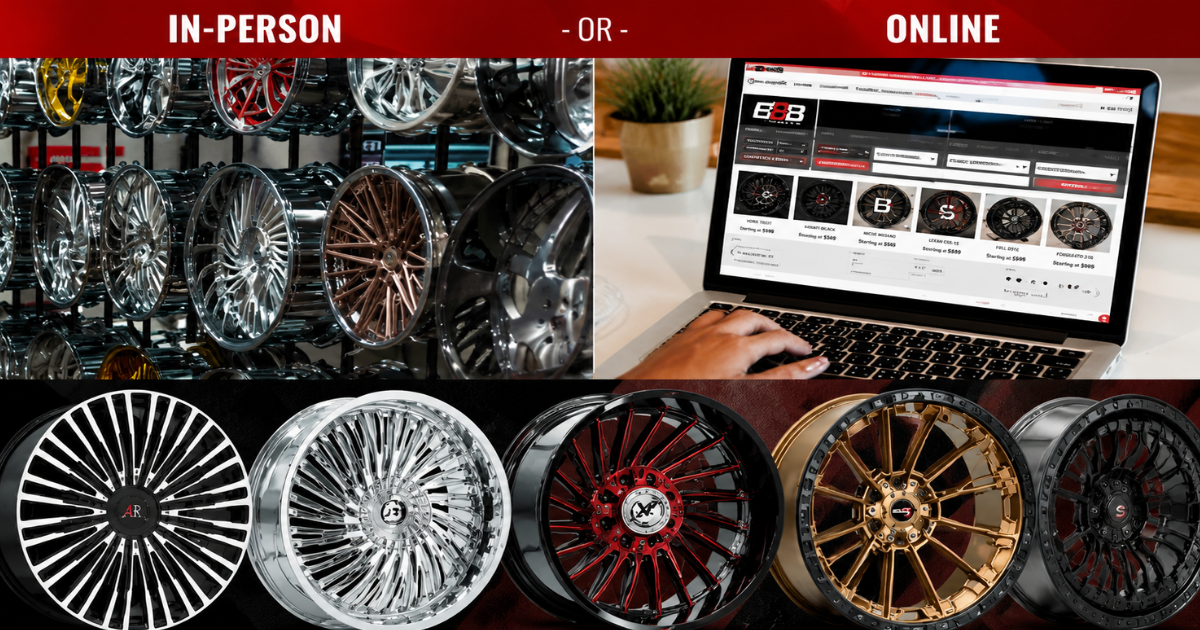
Turning your passion for custom cars into a profitable business is a common dream, but the path isn’t always clear. You know the difference a great set of wheels makes, but how do you go from enthusiast to owner? The journey involves more than just knowing your products; it requires a solid business foundation. This guide breaks down exactly how to become a wheel dealer, step by step. We’ll cover the essential legal paperwork, how to calculate your startup costs, and the importance of finding a distributor who is truly invested in your success. It’s time to move from the sidelines and build a business that serves your community.
Key Takeaways
- Get Your Business in Order First: Before you can partner with any reputable distributor, you must handle the fundamentals. Securing the proper business licenses, permits, and tax IDs is the non-negotiable first step that proves you’re a legitimate operation.
- Choose a Distributor That Protects You: A true partner does more than just sell you products. Look for a distributor that enforces MAP pricing to protect your profit margins and offers fast, reliable shipping to help you serve your customers better.
- Build Profit Beyond the Product: The most successful dealers create multiple income streams. Increase your profitability by specializing in a specific market niche and offering add-on services like installation, balancing, and wheel repair.
What Is a Wheel Dealer?
Let’s start with the basics. A wheel dealer is a business that sells aftermarket wheels directly to customers. Think of yourself as the essential link between the wheel distributor and the vehicle owner who wants to customize their ride. You’re not just a retailer; you’re a trusted advisor, helping people find the perfect style, fitment, and performance for their car or truck.
Dealers are a core part of the automotive aftermarket industry, providing the expertise and product access that customers rely on. Whether you’re running a tire shop, a performance garage, or a custom build studio, selling wheels is a natural way to serve your existing customers and attract new ones. It all comes down to connecting people with the products that match their vision.
Common Types of Wheel Dealers
As you get started, you’ll find there are two primary ways to operate as a dealer. The path you choose will depend on your capital, storage space, and overall business strategy. The first option is to become a stocking dealer. This means you purchase inventory from a distributor and keep it on hand at your shop. The major advantage here is having wheels ready for immediate sale and installation, which can help you close deals quickly.
The second option is to be a non-stocking retailer. In this model, you sell wheels to customers but order them from a wholesale distributor as needed. This approach requires less upfront investment and removes the challenges of inventory management. You can still offer a huge variety of styles without needing a large warehouse, making it a flexible way to enter the market.
How Wheel Dealers Generate Revenue
The most obvious way wheel dealers make money is through product sales. You buy wheels at a wholesale price from a distributor and sell them at a retail price to your customers. The difference between those two prices is your profit margin. But successful dealers know that selling the wheel is just the beginning. You can create multiple income streams by offering related services.
For example, installation, mounting, and balancing are essential services that customers will gladly pay for. You can also sell complementary products like tires, lug nuts, and TPMS sensors. Some shops find great success in offering wheel repair services. According to Wheel Restore, fixing just a few wheels per day can add tens of thousands of dollars in profit each year. By bundling products and services, you deliver more value to your customers and build a more resilient business.
What Do You Need to Become a Wheel Dealer?
Before you can start selling wheels and building your customer base, you need to lay the proper legal and administrative groundwork. Getting your business in order from day one not only ensures you’re operating legally but also builds credibility with distributors and customers alike. Think of it as building the foundation of your shop; without it, everything else is on shaky ground. These steps aren’t just about checking boxes, they are essential for protecting your business, managing your finances correctly, and establishing yourself as a professional in the automotive industry. Taking the time to handle these details upfront will save you significant headaches down the road and set you up for a smoother path to profitability. This initial phase involves more than just paperwork; it’s about creating a legitimate entity that can enter into contracts, open business bank accounts, and build long-term relationships with suppliers. Without these credentials, you’ll find it nearly impossible to gain access to the best brands and pricing. The process can seem daunting, but breaking it down into manageable steps makes it much more approachable. Let’s walk through the key requirements you’ll need to address to get your dealership off the ground the right way.
Secure Your Business Licenses and Tax IDs
First things first, you need to make your business official. To operate as a legitimate wheel dealer, you must secure the necessary business licenses and tax identification numbers. These are the absolute basics for forming a legal business entity. A business and tax ID number is the minimum requirement to open an account with most distributors, as it proves you are a registered business. Your specific license requirements will depend on your city, county, and state, so start by checking with your local chamber of commerce or small business administration office. This step is non-negotiable; it legitimizes your operations and is the first thing any potential partner will look for.
Get the Right Permits and Certificates
Beyond a general business license, you may need specific permits to sell automotive products. For example, if you plan to sell wheels, tires, or other accessories, you will almost certainly need to acquire a sales tax permit. This permit allows you to collect sales tax from customers on behalf of the state. Regulations can vary significantly by location. While some areas may have minimal requirements for a tire and wheel business, others have more stringent rules. It’s critical to research your state and local regulations thoroughly to ensure you have every required certificate before you open your doors. This proactive research prevents fines and potential business interruptions.
Understand Bond and Insurance Needs
Protecting your business financially is just as important as getting licensed. Depending on your state, you may be required to secure a surety bond and carry specific types of insurance. For instance, some states require a motor vehicle dealer surety bond to ensure you operate ethically and can cover any potential financial liabilities. This bond acts as a guarantee to your customers and the state that you will adhere to all regulations. Additionally, you’ll need business insurance, such as general liability, to protect against accidents, injuries, or property damage. Speaking with an insurance agent who specializes in automotive businesses can help you identify the exact coverage you need to operate with confidence.
What Kinds of Dealer Partnerships Exist?
Once you decide to sell wheels, the next step is figuring out what kind of partnership makes sense for your business. Not all dealer relationships are structured the same way. The right fit will depend on your startup capital, storage capacity, and overall business model. Understanding the different arrangements available will help you find a distributor that aligns with your goals and sets you up for success from day one. Let’s look at the most common types of partnerships you’ll encounter.
Stocking vs. Non-Stocking Dealers
One of the first decisions you’ll make is whether to hold inventory. As a stocking dealer, you purchase wheels from a distributor and keep them on hand in your shop or warehouse. This is great for customers who want immediate service. On the other hand, you could operate as a non-stocking dealer, ordering products from a wholesale partner only after you make a sale. This approach significantly lowers your upfront investment and reduces the risks associated with carrying inventory. Your choice will likely come down to your cash flow, physical space, and how you plan to manage your inventory systems.
Authorized Dealer Programs
Many wheel brands offer authorized dealer programs, which create a formal partnership between your shop and the manufacturer. To join, you typically need to submit an application and meet certain standards, ensuring you can represent the brand well. In return, becoming an authorized dealer gives you credibility and access to several perks. These often include exclusive products, official marketing materials, and better pricing structures. These programs also frequently include a Minimum Advertised Price (MAP) policy, which protects your profit margins by preventing undercutting from other retailers. This helps maintain the brand’s value and ensures fair competition.
Regional Distributor Partnerships
If you have the capacity and ambition to serve a larger area, a regional distributor partnership might be the right move. This model goes beyond a standard retail dealership. Instead of just selling to end consumers, you become a key supplier for other shops within a specific geographic territory. This arrangement requires a more significant investment in inventory and logistics but offers a much larger scale of business. You’ll typically need to fill out a detailed application to demonstrate you have the operational strength to manage a territory. This is an excellent option for established businesses looking to expand their B2B operations and leverage a manufacturer’s brand recognition.
How Much Does It Cost to Start a Wheel Dealership?
Starting a wheel dealership is a serious venture, and it’s important to have a clear picture of the financial commitment from day one. The total investment can vary based on your location, scale, and business model, but most of your expenses will fall into three main categories: initial startup costs to get the doors open, ongoing operational expenses to keep you running, and the capital needed for your first inventory order.
While the numbers can seem daunting, planning for them is the first step toward building a sustainable business. A solid financial plan not only helps you secure funding but also serves as your roadmap for the first few years of operation. Let’s break down what you can expect to invest in each of these key areas.
Calculating Your Startup Costs
Your initial startup costs are the one-time expenses required to get your business off the ground. For a physical tire and wheel shop, you can expect this to be a significant investment. Industry analysis suggests that opening a new shop can cost between $150,000 and $250,000.
The two largest expenses are typically equipment and facility preparation. Specialized machinery like tire changers, wheel balancers, and alignment systems can easily cost around $57,000. Preparing your building, which might include installing lifts, upgrading electrical systems, and setting up a showroom, can add another $50,000. These foundational investments are critical for providing professional service and creating a safe, efficient workspace. A detailed breakdown of tire shop startup costs can help you create a more precise budget.
Planning for Ongoing Expenses
Once your shop is open, you’ll need enough cash on hand to cover operating expenses until you start turning a consistent profit. This is where many new businesses run into trouble. It’s wise to have a substantial cash buffer to pay for rent, utilities, payroll, marketing, and insurance.
It can take around 31 months for a new shop to become profitable, so having enough capital to weather that period is crucial. Financial experts recommend a cash reserve of at least $274,000 to cover these ongoing costs. Part of this planning also involves administrative diligence. Ensuring you have all the necessary business permits from the start helps you avoid fines and operational delays that can drain your cash reserves unexpectedly.
Factoring in Inventory Investment
Inventory is one of the biggest initial and ongoing investments for any wheel dealer. Even a modest starting stock can tie up a significant amount of cash. For example, a small initial order of new passenger tires can cost around $12,000, while an equivalent stock of truck tires could be closer to $20,000.
Because you can’t carry every wheel and tire for every vehicle, a smart inventory strategy is key. Start by stocking the most popular sizes and styles for your local market. More importantly, find a distributor partner who understands the cash flow challenges of a new dealership. Working with a distributor that offers flexible payment terms or programs designed for new dealers can help you manage your initial investment while still offering customers a great selection.
How to Find and Partner with a Distributor
Choosing a wheel distributor is one of the most important decisions you’ll make for your business. This isn’t just about finding a supplier; it’s about finding a partner who is invested in your growth. The right distributor provides more than just products. They offer reliable inventory, fast shipping, and dedicated support that helps you operate more efficiently and serve your customers better. A strong partnership is built on trust and mutual success, so it’s worth taking the time to find a distributor that aligns with your business goals.
Finding the Right Distributor Partner
When evaluating potential distributors, look beyond the price list. A great partner will have a deep inventory of brands that resonate with your customers and offer strict MAP (Minimum Advertised Price) policies to protect your margins. Ask about their logistics. Do they ship from a single location or multiple warehouses? A distributor with a nationwide distribution network can significantly reduce shipping times and costs, which means you can get wheels to your customers faster.
Reputable distributors also have a formal application process to ensure they are partnering with legitimate businesses. For example, many will ask for your retail certificate and proof of business operation to verify your company. This vetting process is a good sign, as it shows the distributor is committed to maintaining a professional dealer network.
Preparing Your Application Documents
To make your application process as smooth as possible, it’s a good idea to gather your paperwork ahead of time. Most distributors will require a standard set of documents to verify your business and set up a wholesale account. You’ll almost certainly need to provide a copy of your business license and a resale or sales and use tax certificate.
Having these documents ready will prevent unnecessary delays. You will also need your federal tax ID number (EIN) to complete the application. If you’re just starting out, you can find resources on how to apply for the necessary licenses and permits through the Small Business Administration. Getting your documents in order shows that you are serious and prepared to do business.
What to Expect During the Application Process
Once you’ve found a distributor you want to work with, the first step is typically filling out an online dealer application. After you submit your information and documents, you can expect to hear from a representative. Many distributors assign a dedicated account manager who will contact you to discuss your business needs and guide you through the final steps.
This person will be your main point of contact. They can answer questions about ordering, inventory, and pricing, and they’ll help get your account fully set up. This personalized approach is designed to build a strong working relationship from the very beginning. It ensures you have the support you need to start ordering inventory and selling wheels with confidence.
What Support to Expect from Your Distributor
Choosing a wheel distributor is about more than just product and price. The right partner acts as an extension of your team, providing support that helps your business run smoother and grow faster. A great distributor invests in your success because when you sell more wheels, they do too. This partnership should provide you with resources that make your job easier, from marketing materials that attract customers to technical guidance that prevents costly mistakes. Think of your distributor as a core part of your business infrastructure, there to help you succeed at every turn.
Marketing and Sales Support
Your distributor should be your biggest cheerleader. Look for partners who provide tangible marketing assets to help you move inventory. This can include high-resolution product photos and videos for your website and social media, as well as brand logos and digital banners for promotional materials. Some distributors even encourage collaborative marketing, where they feature your shop’s builds on their social media channels, giving you valuable exposure to a wider audience. This kind of support helps you create a professional presence and build a strong brand identity without needing a huge marketing budget.
Technical and Fitment Guidance
Nothing stops a sale faster than uncertainty about fitment. A top-tier distributor provides reliable technical support to ensure you can confidently sell to every customer. This means offering accurate, up-to-date fitment data and direct access to experts who can answer complex questions about offsets, bolt patterns, and brake clearance. This guidance is crucial for minimizing returns and building trust with your customers. When you can quickly and accurately confirm that a wheel will fit a specific vehicle, you not only close the sale but also establish your shop as a knowledgeable and trustworthy authority.
Streamlined Ordering and Inventory Systems
Your time is best spent with customers, not fighting with a clunky ordering system. A great distributor makes it easy to do business with them. Expect a user-friendly online portal that provides real-time inventory levels, simple order placement, and transparent tracking. Knowing what’s in stock helps you manage customer expectations and avoid selling products that are on backorder. Efficient inventory management is the backbone of a successful retail business, and a distributor with streamlined systems gives you the visibility you need to maintain healthy stock levels and keep sales flowing.
Dedicated Account Management
When you have a question or a problem, you shouldn’t have to explain your business from scratch every time you call. That’s why dedicated account management is so important. Having a single point of contact who understands your shop, your market, and your goals makes a world of difference. Your account manager is your advocate, helping you resolve issues, learn about new products, and take advantage of special programs. This personalized relationship is often the key to a successful long-term partnership, ensuring you always have someone in your corner.
How Do Wheel Dealers Make Money?
Profitability in the wheel business isn’t just about the markup on a single set of wheels. Successful dealers build a strong financial foundation by mastering their pricing strategies, taking advantage of volume, and creating multiple streams of revenue. It’s a combination of selling smart and offering more value to every customer who walks through your door. By focusing on these key areas, you can protect your margins, increase your average sale, and build a more resilient and profitable business for the long term. Let’s look at the core ways wheel dealers generate revenue and keep their businesses thriving.
Understanding Profit Margins and MAP Pricing
Your profit margin is the difference between what you pay for a wheel and the price you sell it for. Protecting that margin is essential. This is where Minimum Advertised Price (MAP) policies come into play. A MAP pricing policy is an agreement between a distributor and a dealer that sets the lowest price a product can be advertised for.
Why does this matter to you? MAP prevents price wars that drive down the value of the product and erode everyone’s profits. When you partner with a distributor that strictly enforces MAP, you can sell confidently, knowing you won’t be constantly undercut by a competitor down the street. It creates a level playing field, allowing you to compete on service and expertise instead of just price.
Leveraging Volume-Based Pricing
Selling in higher volumes often unlocks better pricing from your distributor, which directly improves your profit margin on every sale. But volume can also be part of your internal pricing strategy. Many shops use a matrix pricing system to standardize costs and increase profitability, especially for parts sold to their own service department.
This approach involves multiplying a part’s cost by a set factor to determine its selling price. For example, you might apply a higher multiplier to lower-cost items and a smaller one to more expensive wheels. Implementing simple pricing strategies like this removes guesswork, ensures consistency, and can significantly improve your parts department’s financial performance over time. It’s a straightforward way to make sure you’re maximizing revenue from every part you sell.
Finding Additional Revenue Streams
Relying solely on wheel sales can limit your shop’s potential. The most successful dealers create additional revenue by offering related products and services. Think about what your customers need right after they buy a new set of wheels. Services like tire mounting, balancing, and wheel alignments are natural add-ons that can turn a single transaction into a much larger, more profitable one.
You can also expand into wheel repair, powder coating, or selling accessories like lug nuts, locks, and cleaning kits. By bundling these services, you provide more value to your customers while creating new income sources for your business. This makes your shop a convenient one-stop destination and builds long-term customer loyalty.
Common Challenges for New Wheel Dealers
Starting a wheel dealership is an exciting venture, but it comes with a unique set of challenges. While the passion for cars and customization might be what drives you, success depends on handling the business side of things. From intense competition to the complexities of inventory and customer loyalty, being prepared for these hurdles is the first step toward building a resilient and profitable business. Let’s walk through the three biggest challenges you’ll likely face and how you can tackle them head-on.
Standing Out in a Crowded Market
The wheel industry can feel crowded, and making your mark is a primary challenge. With a relatively low barrier to entry, new shops can pop up quickly, making it tough to differentiate your business. The key is to move beyond just selling wheels and create a unique value proposition. Instead of trying to be everything to everyone, find a specific niche you can own. You could specialize in off-road trucks, European luxury cars, or classic muscle cars. Partnering with a distributor that offers MAP-protected brands also gives you a major advantage, allowing you to sell confidently without getting dragged into profit-killing price wars with online-only retailers.
Managing Your Inventory Effectively
Inventory is the lifeblood of your business, but it can also be your biggest headache. Carrying too much inventory ties up cash that could be used for marketing or other growth initiatives. On the other hand, not having the right wheels in stock means losing sales to competitors. The solution is to find a balance through smart inventory management. Start by ensuring all your foundational paperwork, like your Business License and Sales & Use Tax Certificate, is in order. Then, find a distributor partner with a deep inventory and fast fulfillment capabilities. This allows you to keep less physical stock on hand while still giving customers quick access to a wide variety of styles.
Acquiring and Keeping Customers
Once you’re set up, the real work begins: bringing in customers and turning them into repeat buyers. The first step is establishing legitimacy by securing all the necessary permits, which builds trust from day one. From there, focus on creating an exceptional customer experience. This means providing expert fitment advice, being transparent about pricing, and delivering on your promises. A reliable distributor is crucial here, as they provide the technical support and consistent product availability you need to build a strong reputation. Remember, happy customers not only come back but also become your best source of referrals, helping you build a loyal base that sustains your business long-term.
How to Choose the Right Brands and Distributor
Choosing your brand portfolio and distributor is one of the most foundational decisions you’ll make. This partnership goes beyond just stocking inventory; it shapes your reputation and directly impacts your profitability. A great distributor acts as an extension of your team, providing the products, support, and reliability you need to grow. To make the right choice, focus on three key areas: market demand, brand quality, and distributor support.
Analyze Market Demand
Before you sell anything, you need to know what people are buying. Start by looking at the vehicles in your local market. Are you in a region dominated by lifted trucks, luxury sedans, or daily commuters? Your inventory should reflect that. Beyond style, consider performance. Customers with trucks used for work or off-roading require wheels with verified load ratings and durable construction. Aligning your brand selection with what your community drives is the fastest way to turn inventory into sales and build a loyal customer base.
Evaluate Brand Reputation and Quality
The brands you carry are a direct reflection of your business. Partnering with reputable manufacturers builds instant credibility with customers. Look for brands with a strong market presence, positive reviews, and a commitment to quality. A good distributor will offer a portfolio of brands that cater to specific niches, like XF Off-Road and Vortek Off-Road for the 4×4 community. When you sell a wheel from a trusted brand, you’re not just selling a product; you’re selling confidence, which leads to fewer returns and happier customers.
Assess Distributor Reliability and Support
Your distributor is your lifeline. A great partner does more than ship boxes; they provide the operational backbone for your business. When evaluating distributors, prioritize reliability. Do they have deep inventory to prevent backorders? How quickly can they ship to you? Fast fulfillment means you can say ‘yes’ to more customers. Also, look for a distributor that offers robust support, including an easy-to-use B2B ordering platform and clear fitment guidance. Strong partners also enforce MAP pricing to protect your margins and ensure a level playing field.
Related Articles
- Custom Wheel Manufacturing: A Dealer’s Profit Guide
- Your Guide to Becoming a Dealer XF Offroad
- Wholesale Rims for Dealers: The Ultimate Guide
- How to Join a Factory Replica Wheels Dealer Program
- How to Find the Best Wheel Supplier for Your Shop
Frequently Asked Questions
Do I need a physical storefront to become a wheel dealer? Not necessarily. While many successful dealers operate from a traditional shop, you can absolutely start as a non-stocking retailer. This model allows you to sell a wide variety of wheels by ordering them from a distributor only after a customer makes a purchase. It’s a great way to enter the market with less upfront investment, especially if you already run a service-based auto business or have a strong online presence. Just remember, you will still need to have all your legal paperwork, like a business license and tax ID, in order to open an account with a distributor.
What’s the most important factor when choosing a distributor? Look for a true partner, not just a supplier. While pricing is important, reliability is what will make or break your business. A great distributor offers deep inventory across multiple warehouses, which means you get products faster and can avoid telling customers something is on backorder. They should also provide excellent technical support for fitment questions and, most importantly, enforce MAP pricing policies. This combination of reliable logistics and dedicated support is far more valuable than just a low price.
How can I compete with online retailers who sell for less? You compete by offering value that online-only sellers can’t. First, partner with distributors that have strict MAP policies. This prevents you from getting into a price war that destroys your profit margins. Second, focus on your expertise and service. Customers will pay for your professional advice on fitment, your installation services, and the convenience of getting everything done correctly in one place. Your hands-on service is your biggest competitive advantage.
What’s the biggest mistake new wheel dealers make? One of the most common mistakes is poor inventory management. It’s easy to either tie up too much cash in wheels that don’t sell or, conversely, not have the popular styles your customers want. The best way to avoid this is to lean on a distributor with a strong logistics network. When your partner can ship products to you quickly, you don’t need to carry a massive inventory yourself. You can stay flexible, respond to market trends, and keep your cash flowing.
Besides selling wheels, what are the best ways to make money? The most profitable dealers build multiple revenue streams around the initial wheel sale. Your services are just as valuable as your products. Always offer installation, mounting, and balancing as part of a package. You can also sell complementary items like tires, lug nuts, wheel locks, and TPMS sensors. Expanding into services like wheel repair or custom finishing can also add significant profit to your bottom line and make your shop a one-stop destination for customers.


