

Blog
The custom wheel industry generates over $9 billion annually in North America, yet fewer than 20% of new dealers make it past their second year. The difference between those who thrive and those who fold usually comes down to one thing: knowing the right steps before they take the first one.
To become a wheel dealer, you need to register your business, obtain the right licenses, choose a wholesale supplier, build your inventory, and market to your target customers. The process typically takes 30 to 90 days from initial planning to your first sale, depending on your state’s licensing timeline and startup budget.
At Elite Wheel Warehouse, we have helped independent dealers, tire shops, and custom garages across North America build profitable businesses since 2002. This guide covers every step you need from paperwork to your first product catalog.
Here is what surprises most people entering this business: selling wheels is not like selling groceries. You are not just moving product off a shelf. You are consulting customers on fitment, style, vehicle compatibility, and finish options then sourcing and delivering a product that has to fit perfectly.
A wheel dealer acts as the bridge between a manufacturer or wholesale distributor and the end customer whether that customer is a retail buyer, a body shop, a detailer, or a fleet manager. According to the Specialty Equipment Market Association (SEMA), the specialty auto parts and accessories market exceeded $50 billion in 2023, with custom wheels and tires representing one of the fastest-growing product segments.
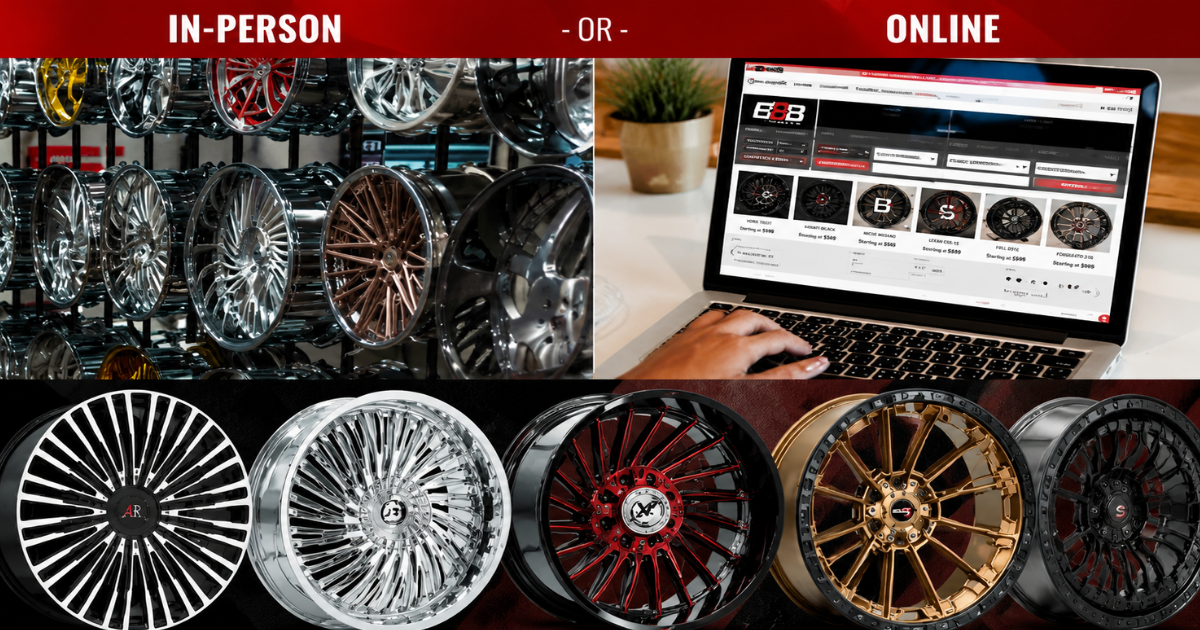
Most successful dealers fall into one of three categories: storefront retailers, online resellers, or mobile/event-based sellers. Each model has its own startup cost structure. A mobile or online model can launch for as little as a few thousand dollars; a physical storefront typically requires $50,000 or more to open properly.
Key Takeaway: Wheel dealers who specialize in off-road trucks, luxury sedans, or sport performance vehicles consistently outperform generalists. Pick a lane early.
Take time to explore the full range of wheel categories available to dealers through Elite Wheel Warehouse’s catalog, which spans everything from forged wire wheels to aggressive off-road designs so you can identify which segment fits your local market.
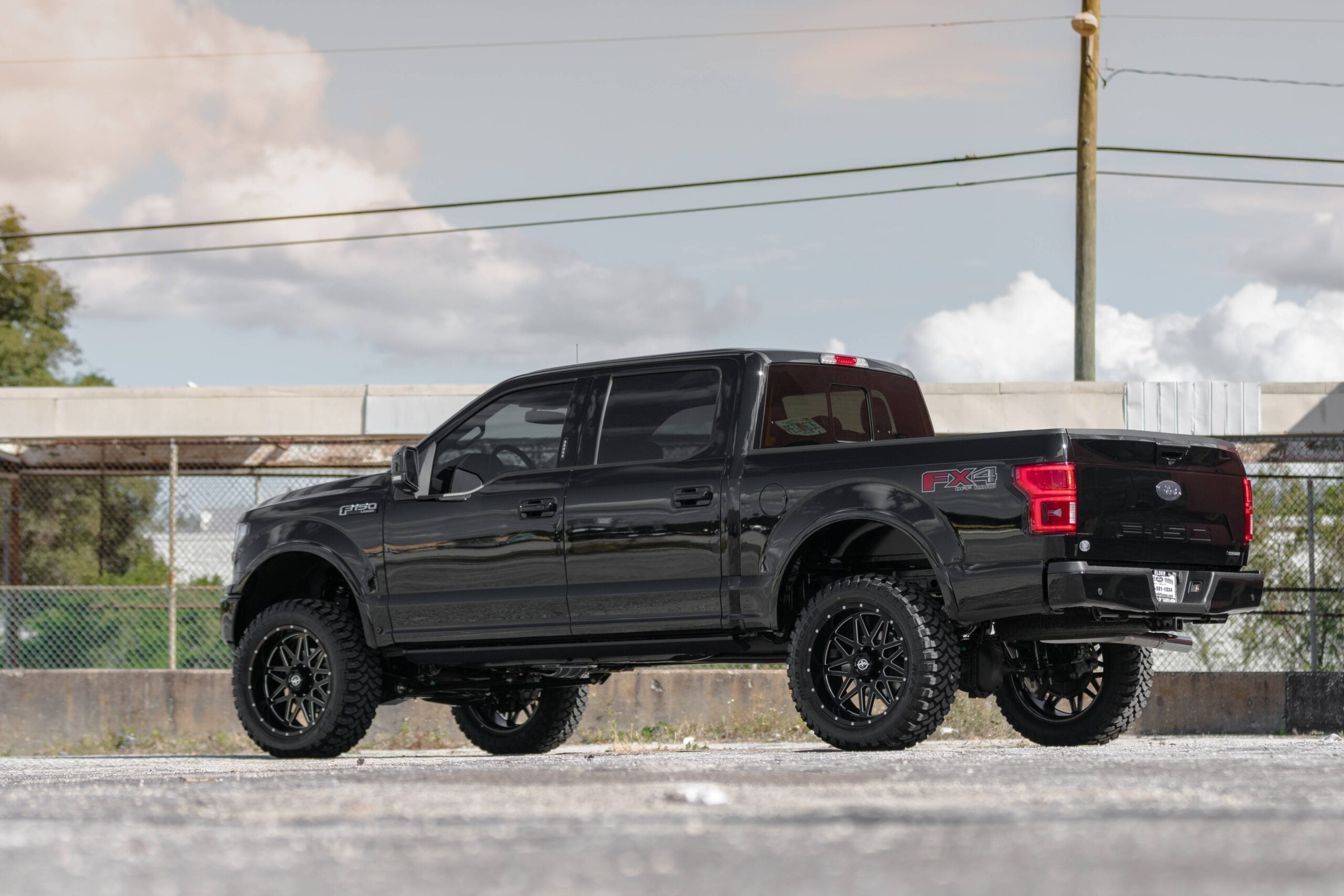
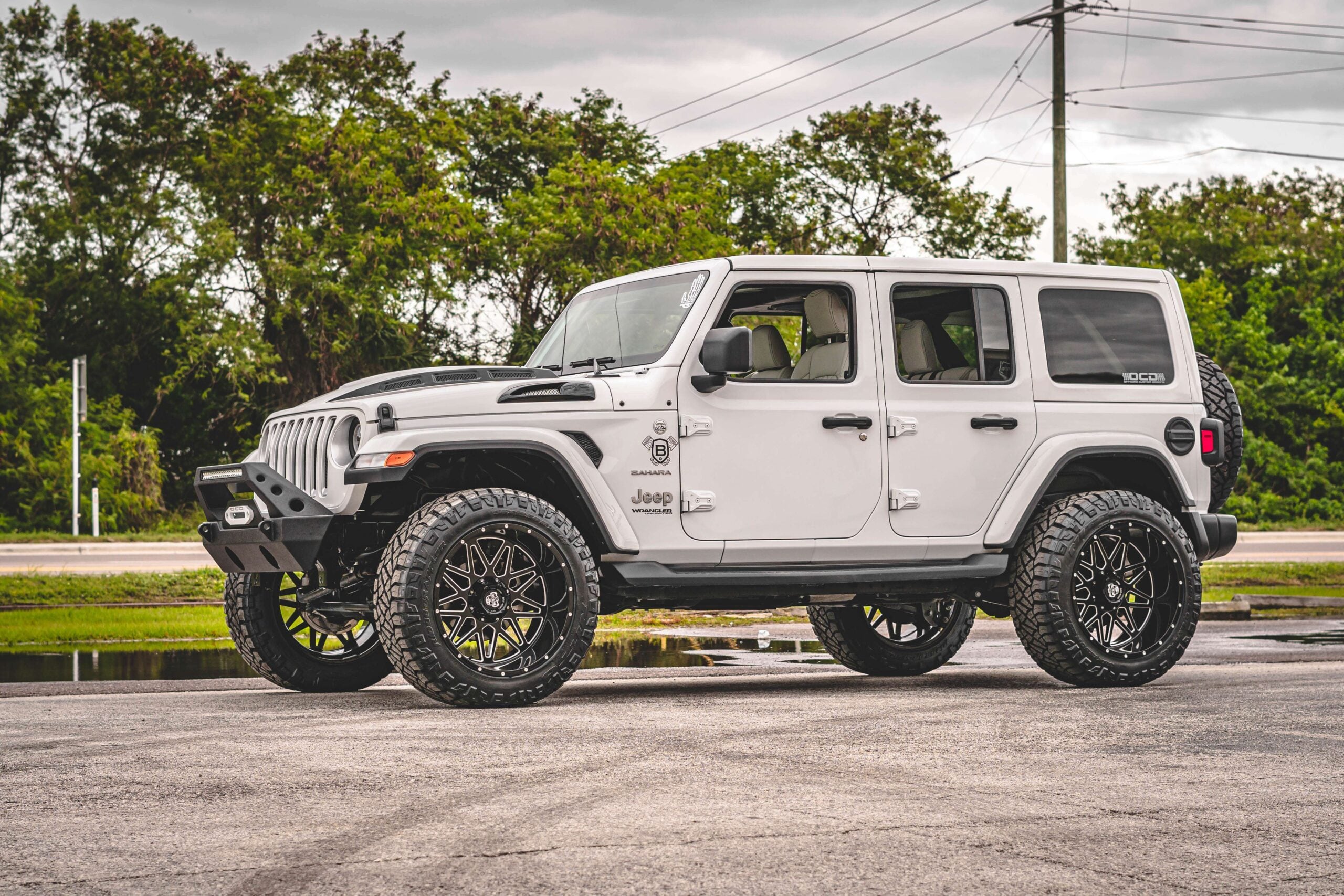
Before you register a business name or spend a dollar on inventory, spend two weeks studying your market. Drive your area. How many pickup trucks and Jeeps do you see versus sports cars and luxury sedans? That ratio tells you more about your product focus than any trade report.
Industry research from IBISWorld shows that the auto parts retail market is highly regional, with demand patterns shifting significantly based on local vehicle demographics. A dealership town in the Midwest skews heavily toward truck and SUV wheels. A coastal metro market often leans toward luxury and sport builds.
This is where most new dealers stumble: they try to stock everything and end up with a warehouse full of slow-moving inventory. Smart dealers pick one or two vehicle segments and go deep.
Pro Tip: Visit local car shows, cruise nights, and off-road meets in your area. Talk to drivers about what they wish they could find locally. That intelligence is worth more than any market report.
Now the paperwork. It is not glamorous, but skipping it will shut you down faster than any competitor. Here is the standard setup checklist for a wheel dealer in the United States.
Most new dealers register as an LLC (Limited Liability Company). It separates your personal assets from business liability, which matters when you are dealing with products that interact with vehicle safety. The U.S. Small Business Administration (SBA) has detailed guidance at SBA.gov for first-time business owners on structure options, registration steps, and EIN applications.
This is the most critical license for wheel dealers. A reseller permit (also called a resale certificate or seller’s permit, depending on your state) allows you to purchase wholesale inventory without paying sales tax and then collect sales tax from your customers at point of sale. Without it, you are either overpaying for inventory or selling without collecting tax, both of which are problems.
Even if you are a solo operator with no employees, an EIN is required to open a business bank account and to work with most wholesale suppliers. Apply free at IRS.gov. It takes about 15 minutes online.
If you plan to operate a physical location, check local zoning regulations before signing a lease. Some municipalities restrict auto-related businesses in certain districts. Your city or county clerk’s office can confirm requirements for a general business license.
Key Takeaway: A reseller permit is your most important document as a wheel dealer. It unlocks wholesale pricing and keeps your tax obligations clean from day one.
Here is the thing: your supplier relationship is the backbone of your entire business. Get it right, and you have a competitive product catalog, reliable fulfillment, and a partner invested in your growth. Get it wrong, and you are chasing backorders, explaining delays, and losing customers to shops that can actually deliver.
When evaluating wholesale wheel suppliers, ask these questions before you commit to anything:
Elite Wheel Warehouse was founded in 2002 as a manufacturer and distributor meaning we design, engineer, manufacture, and finish wheels in-house. Our dealer program gives qualified dealers access to wholesale pricing across our full brand portfolio, plus tools like a B2B platform, SFTP catalog feeds, and API integration for seamless inventory management.
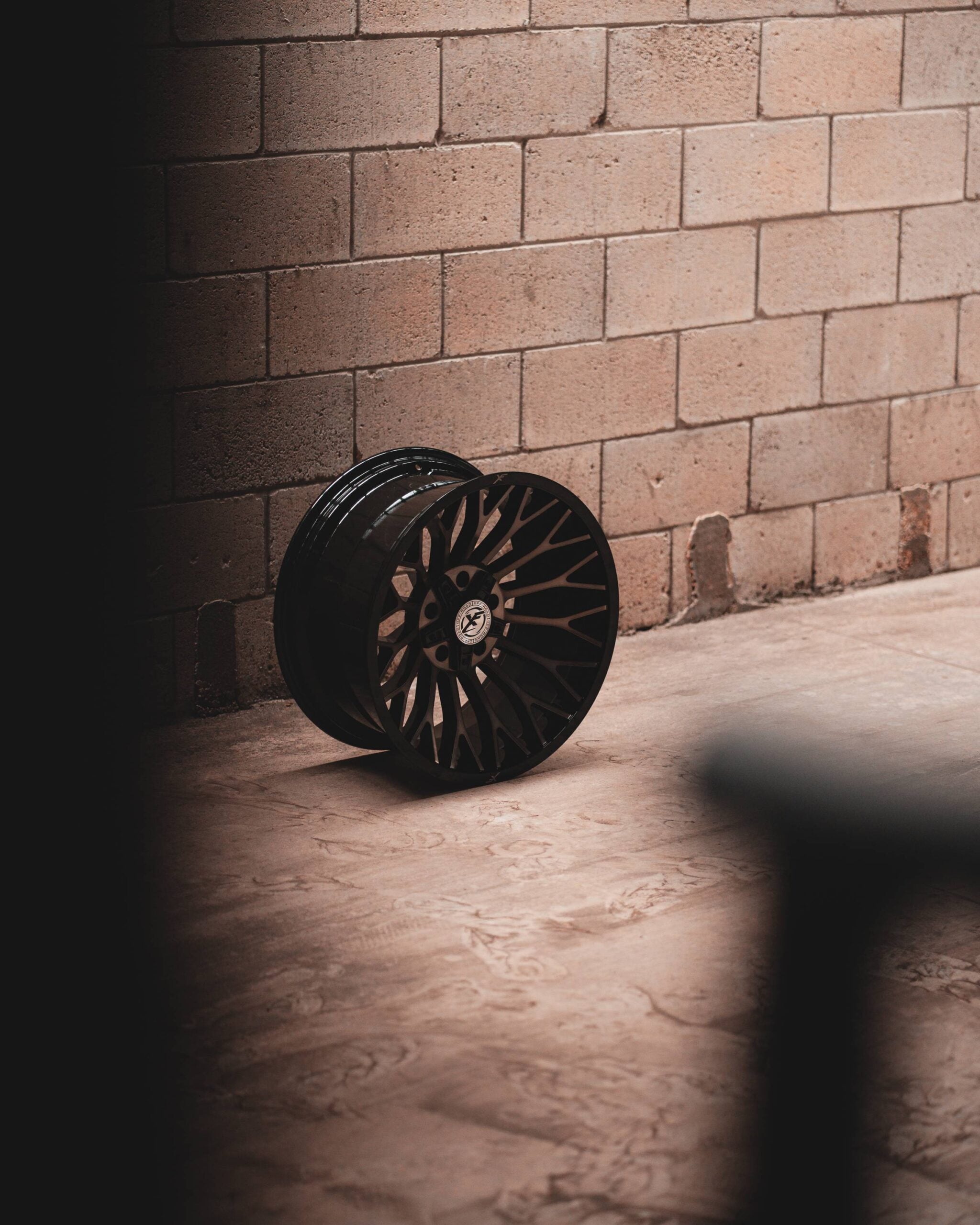
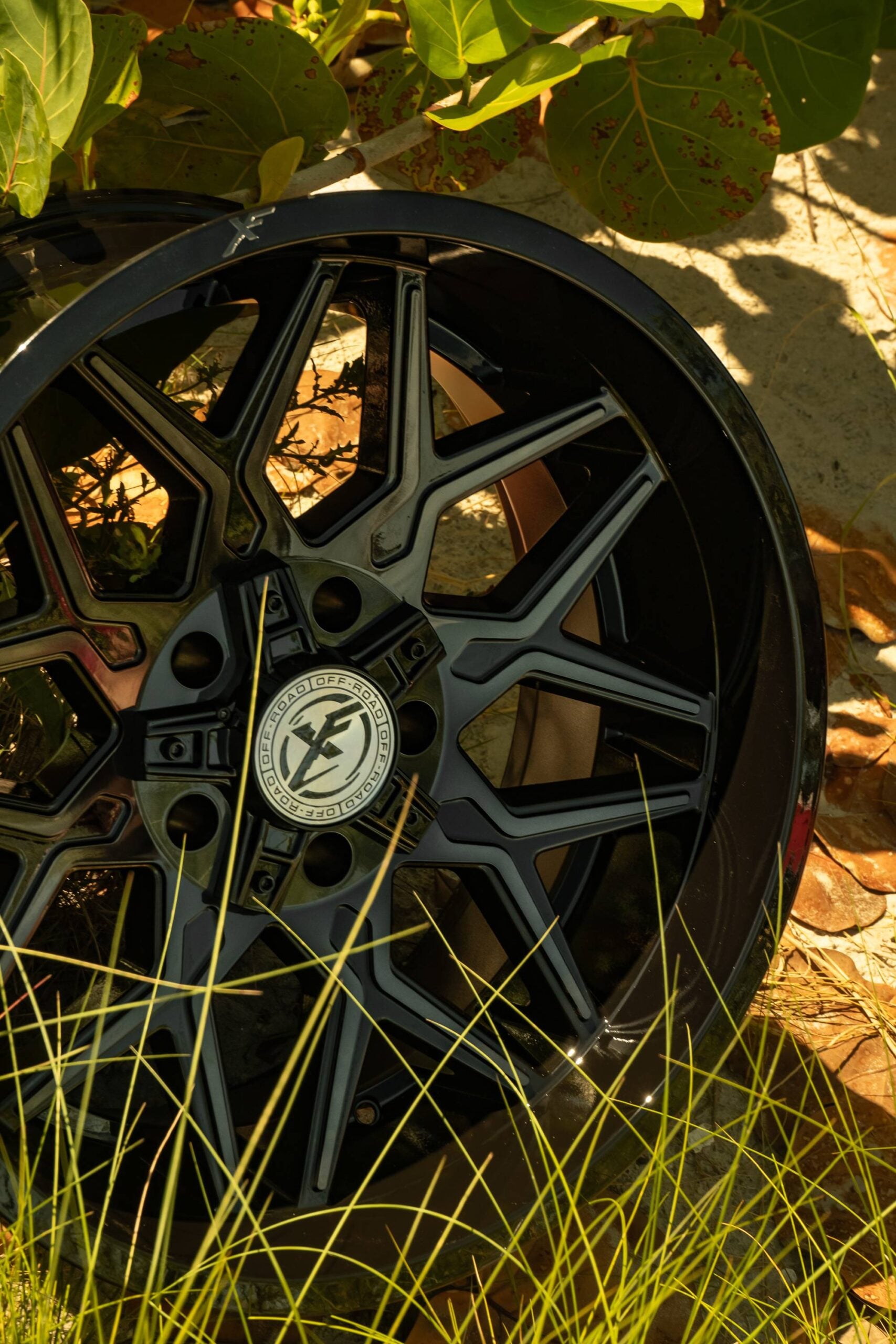
We are not a middleman. Our brands including Amani Forged, XF Off-Road, Azara, Cavallo, Vortek Off-Road, and Spec-1 are developed and produced by our team. That means better margins for our dealers, faster response to quality issues, and the ability to offer custom services that most redistributors simply cannot match.
New dealers can explore our full wheel range and our tire lineup, which includes Fullrun, Lexani, Venom Power, Fullway, and GritMaster, covering everything from premium performance to rugged off-road applications.
New dealers consistently make the same mistake: they over-index on variety and under-index on depth. Stocking three wheels in fifteen styles is not as effective as stocking fifteen wheels in three proven styles with multiple finish options.
The Tire Industry Association (TIA) recommends that new specialty dealers start with a focused SKU count, typically 40 to 80 unique product lines and expand based on actual sales data rather than assumptions. This approach keeps your cash tied up in fast-moving product rather than dead inventory.
Use the Elite Wheel Visualizer to preview how specific wheels and finishes look on popular vehicles makes and models an incredibly useful tool when building your product presentations for customers.
Pro Tip: Order your first inventory in the most popular bolt patterns for your region. For truck-heavy markets, 6×135 and 6×139.7 are the most common. For import-heavy markets, 5×114.3 and 5×112 dominate. Getting fitment wrong on your first order is an expensive lesson.
Pricing wheels is part math, part psychology. Set prices too low, and you signal low quality a death sentence in a market where customers are spending $1,500 to $5,000 on a set of wheels. Set prices too high without a clear value story, and you lose to online competitors who are willing to run thin margins.
As a dealer with wholesale access, your landed cost (wholesale price plus shipping) becomes your cost basis. Typical retail markups in the wheel industry range from 30% to 60%, though forged wheels and custom-finished products support higher margins because the product itself justifies premium pricing.
Amani Forged wheels, for example, are USA-made CNC-precision forged products that customers cannot find on generic discount sites. That exclusivity supports a stronger retail price and a more comfortable dealer margin. Explore the Amani Forged catalog to see how the product line is positioned.
Package pricing selling wheels and tires together as a mounted and balanced set is one of the most effective margin strategies in this business. You control the total ticket price, you add value through service (mounting, balancing, TPMS installation), and you simplify the buying decision for the customer. Dealers who offer packages consistently report higher close rates than those selling wheels and tires separately.
This is the question every new dealer asks, and the honest answer is: it depends heavily on your business model. Here is a realistic breakdown by channel.
Online-only model (lowest cost): Business registration ($100-$500 depending on state), reseller permit (free in most states), initial inventory ($5,000-$20,000), website and e-commerce platform ($500-$2,000/year), and marketing budget ($500-$2,000 to start). Total startup estimate: $6,000-$25,000.
Physical storefront model: Add lease deposits ($3,000-$10,000), buildout and signage ($5,000-$30,000), equipment for mounting and balancing ($8,000-$20,000 for a quality tire machine and balancer), and larger initial inventory ($20,000-$75,000). Total startup estimate: $40,000-$150,000+.
Mobile or event-based model: A middle path. Lower overhead than a storefront but more operational complexity. Requires a vehicle, trailer or van, and portable equipment. Startup estimate: $15,000-$40,000.
None of these numbers are fixed your actual costs will depend on your state, your local real estate market, and your target inventory level. What they represent is the realistic range based on what we have seen from dealers who launched successfully.
You can have the best inventory in your market and still fail if nobody knows you exist. Marketing for wheel dealers is specific; your customers are not randomly browsing Amazon. They are watching YouTube builds, following Instagram accounts, attending car shows, and searching Google for very specific fitment questions.
One of the most powerful sales tools available to Elite Wheel Warehouse dealers is the Wheel Visualizer. Letting a customer see exactly how a set of Azara wheels or Cavallo luxury wheels will look on their specific vehicle before they commit to a purchase dramatically increases close rates and reduces buyer hesitation.
In our experience, dealers who use the visualizer in their sales process report significantly fewer fitment-related returns and much higher customer satisfaction scores. It is one of those tools that pays for itself immediately.
The dealers who build lasting businesses in this industry are not the ones with the biggest budgets, they are the ones who planned carefully, chose the right supplier from the start, and specialized in a segment their market actually needed.
Whether you are launching a truck-focused shop stocking XF Off-Road wheels and Venom Power tires, or a luxury dealership showcasing Cavallo and Amani Forged custom builds, the product foundation matters as much as the business foundation.
Elite Wheel Warehouse has been building dealer partnerships since 2002. If you are ready to apply for wholesale access, start with our Become a Dealer application or browse our full wheel brands page to see what your catalog could look like.
The market is there. The product is there. The next step is yours.
Answer: Starting a wheel dealership online can cost as little as $6,000 to $25,000 for initial inventory, business registration, a reseller permit, and a basic e-commerce setup. A physical storefront typically requires $40,000 to $150,000 or more, depending on your location, equipment, and inventory depth. Your specific startup cost depends heavily on your business model and local market.
Answer: At minimum, wheel dealers need a business registration (LLC is most common), a reseller or seller’s permit to purchase inventory wholesale, and a federal EIN for business banking and tax purposes. Some states and localities require additional general business licenses or zoning approvals, especially for physical storefronts. Check your state’s Secretary of State website and SBA.gov for specific requirements.
Answer: Look for a supplier who manufactures their own product (not just resells), offers custom services like custom drilling and center boring, provides a B2B platform or catalog feed, and has a proven dealer program. Elite Wheel Warehouse has supported North American dealers since 2002, offering brands like XF Off-Road and Cavallo with full wholesale access and dealer tools.
Answer: The best brands for new dealers depend on your market segment. Truck and SUV dealers see strong sell-through with XF Off-Road and Vortek Off-Road. Luxury and sport dealers perform well with Azara and Cavallo. Custom and show-car markets respond especially well to Amani Forged, which is USA-made and fully customizable. Starting with one focused segment outperforms trying to carry everything.
Answer: The timeline from decision to first sale is typically 30 to 90 days. Business registration takes 1 to 4 weeks depending on your state. A reseller permit is often issued within days. Applying for a dealer account with a wholesale supplier like Elite Wheel Warehouse and placing your first inventory order can happen within a week of approval. Your first customer sale can come as early as day 30 if your marketing is ready.
Become a dealer and get access to our exclusive online B2B platform for the best value on Elite Wheel and Tire brandS.
“We strive to be the global leader in the automotive industry with brands built on passion, inspiration, and innovation.”