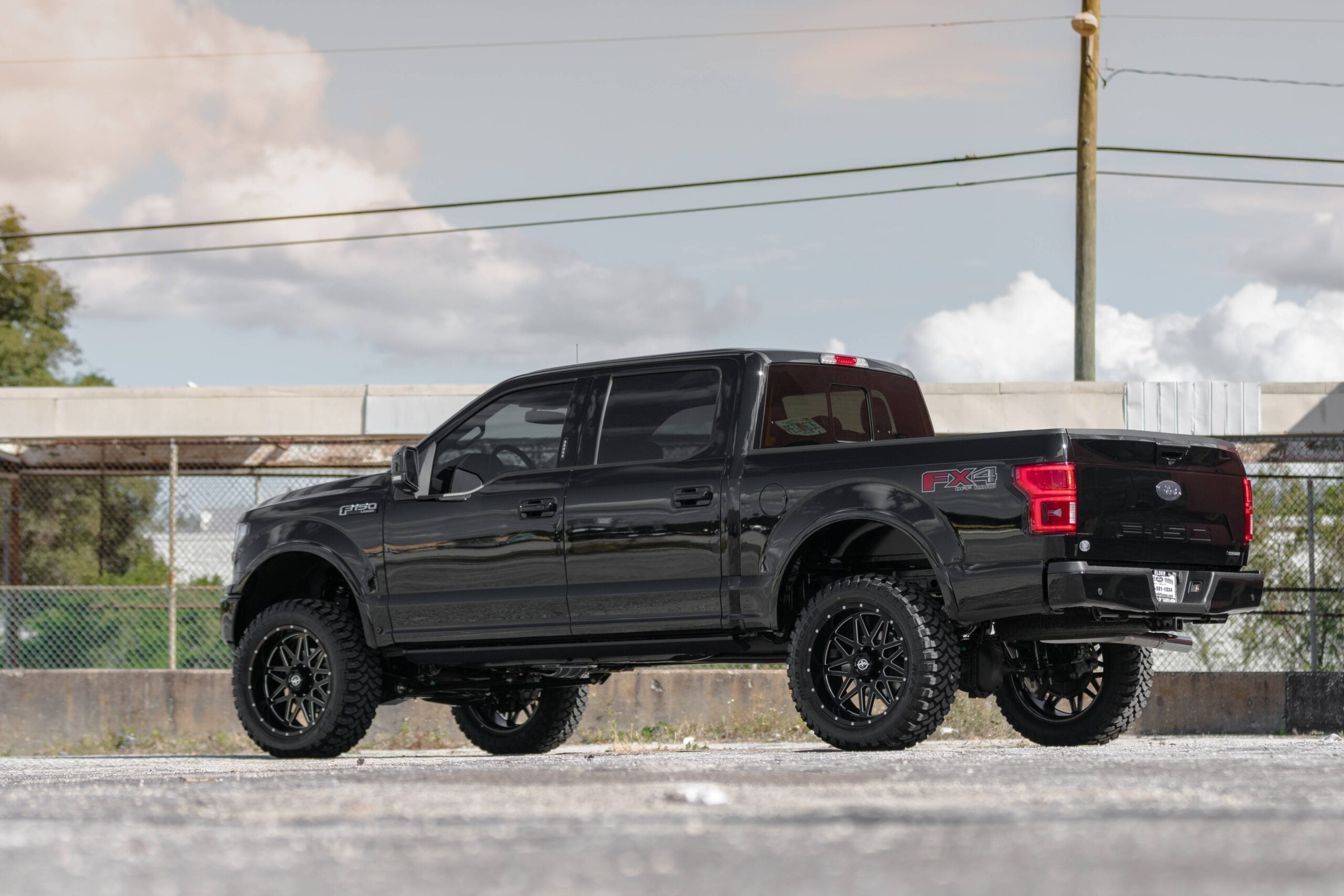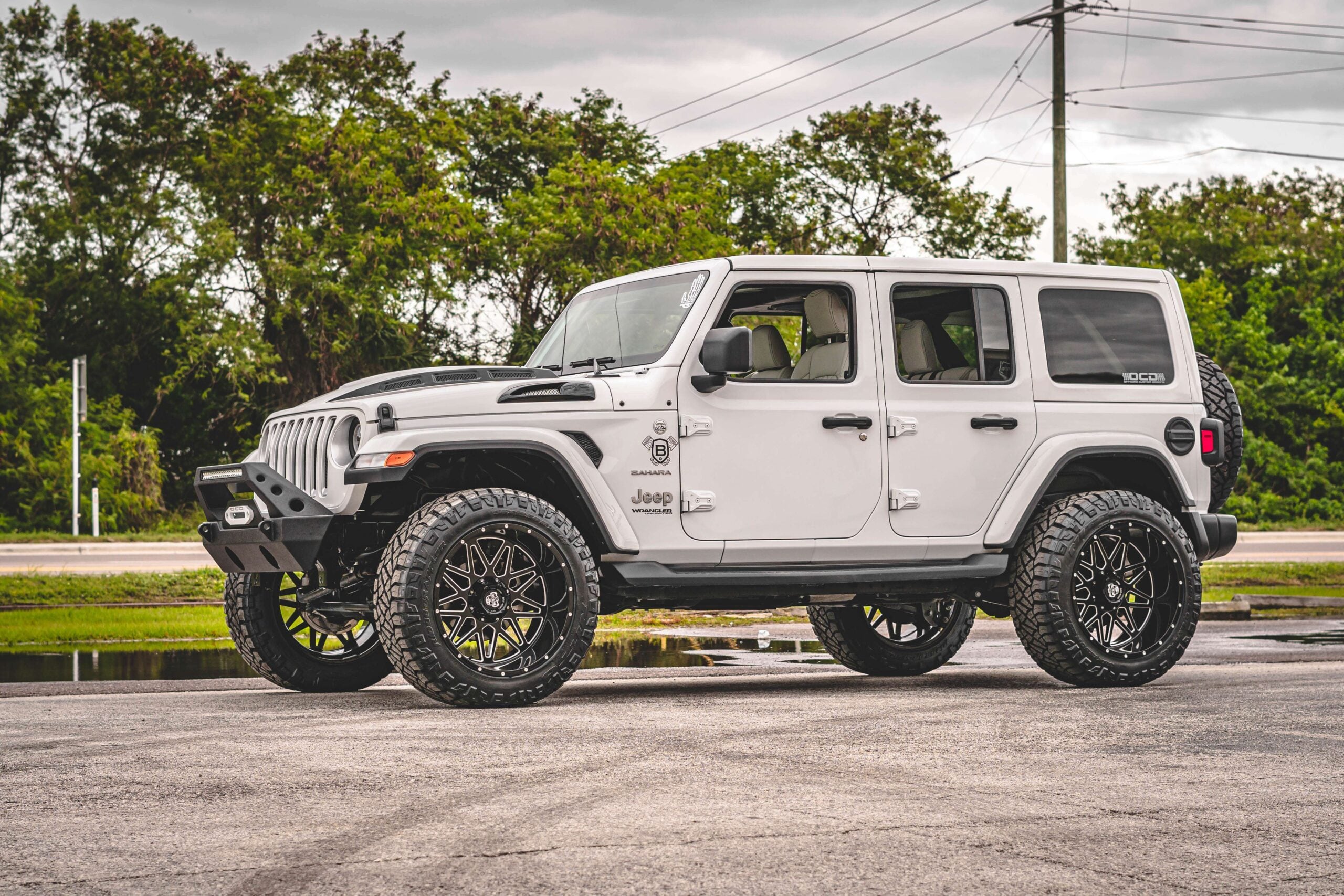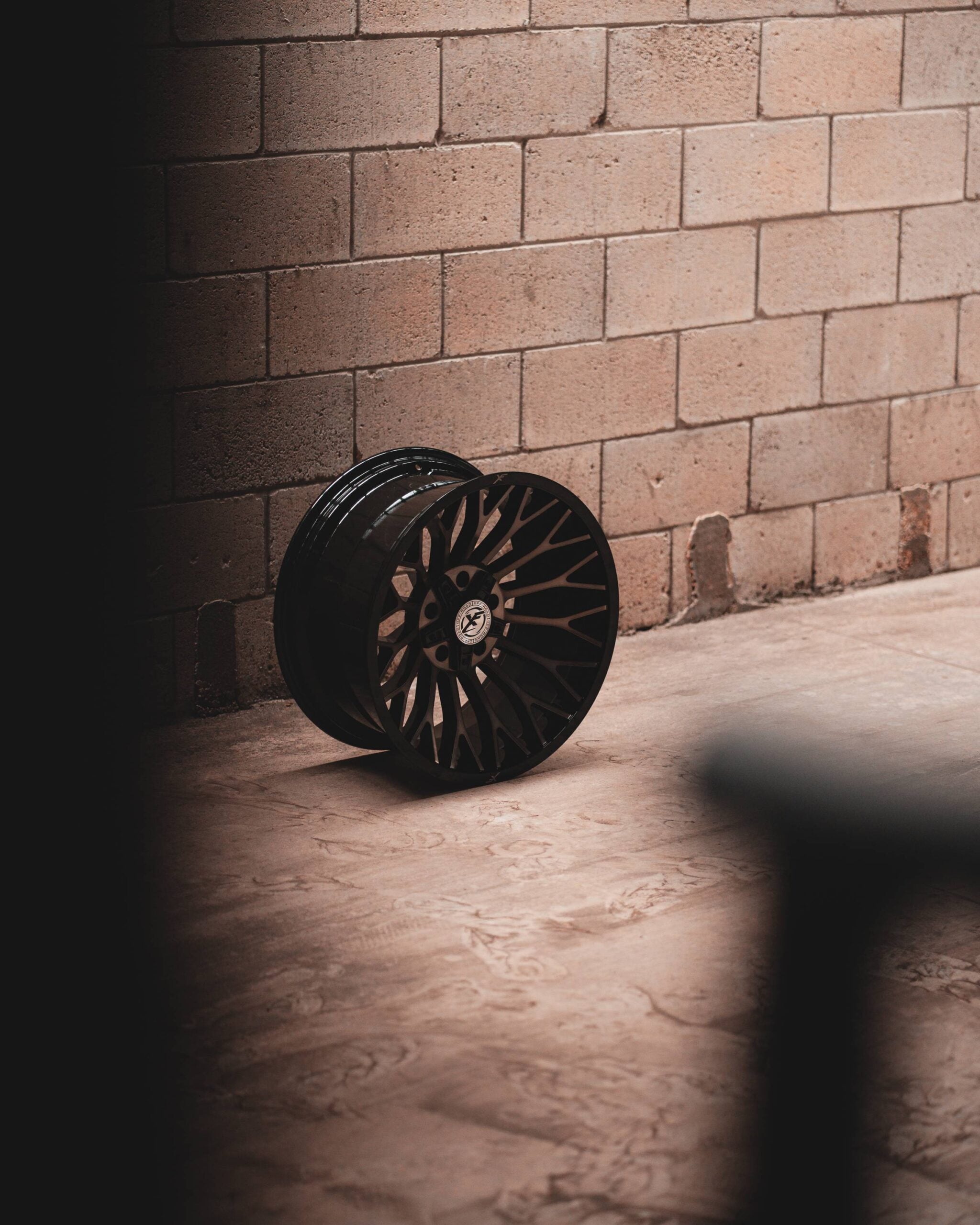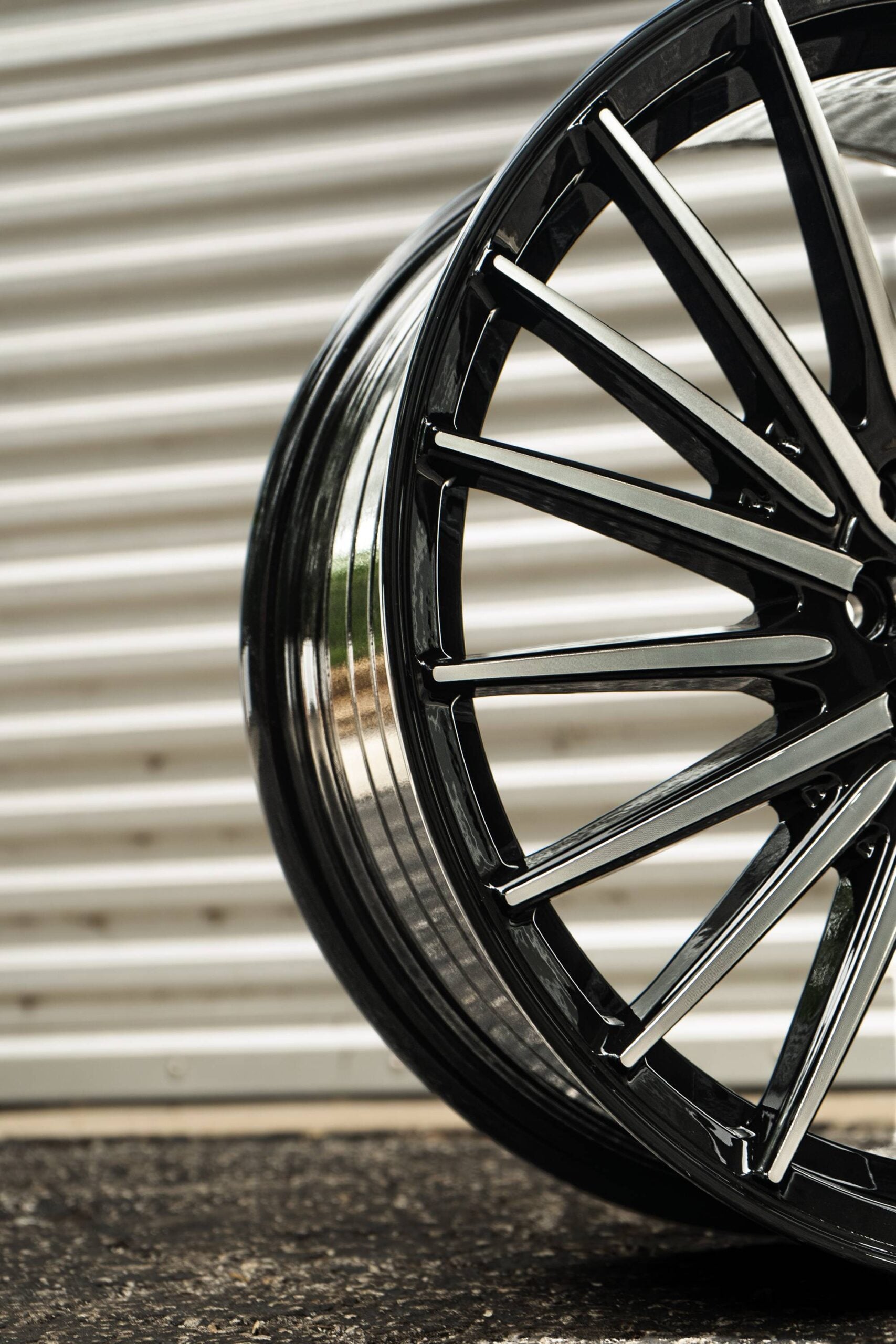
The wheels you carry do more than just fill your showroom—they define your shop’s reputation and directly impact your bottom line. In a competitive market, choosing the right partners is everything. A great brand offers more than a solid product; it provides protected margins, reliable inventory, and the support you need to grow. This isn’t just about finding wheels to sell. It’s about identifying the best truck wheels brands that are truly committed to your success. We’ll explore the business side of the industry, from MAP policies to distribution, helping you choose partners that work as hard for your shop as you do.
Key Takeaways
- Explain the “Why” Behind the Price: Help customers understand the value in different manufacturing methods, like cast, flow-formed, and forged, to confidently guide them to a wheel that matches their performance needs and budget.
- Start with the Truck’s Job: The most effective way to narrow down options is to ask how the truck will be used, as a daily driver has different needs than a work truck used for towing or a dedicated off-road rig.
- Master the Fitment Details: Getting the technical specs right, including bolt pattern, offset, and especially load rating, is essential for customer safety and protects your shop from the hassle and cost of returns.
What Makes a Truck Wheel Brand Top-Tier?
When you’re stocking your shop, the sheer number of truck wheel brands can feel overwhelming. But what really separates a top-tier brand from the rest of the pack? It’s more than just a recognizable name or a flashy design. The best brands deliver a complete package: superior materials, proven performance, and a smart value proposition that works for both your customer and your bottom line. Understanding these key pillars will help you choose brands you can sell with confidence, knowing they’ll perform as great as they look.
The Foundation: Quality Materials and Build
The foundation of any great wheel is what it’s made of. Top brands are transparent about their materials and manufacturing processes, giving you a clear story to tell your customers. For instance, forged wheels offer incredible strength and lighter weight for high-performance applications, while cast aluminum provides a durable and more affordable option for daily drivers. Beyond the raw material, look for brands that invest in precision engineering and strict quality control. Consistent, well-made wheels lead to easier balancing, better fitment, and fewer comebacks from unhappy customers, which is a win for any shop.
More Than Looks: Standout Designs and Finishes
Let’s be honest, wheels are one of the most impactful visual upgrades for any truck. A top-tier brand understands this and invests heavily in design. You’ll notice they often lead the market with aggressive new spoke patterns and dazzling, durable wheel finishes. These brands don’t just copy market trends; they create them. But a great design is useless if it doesn’t last. That’s why the quality of the finish is so important. Look for brands that use multi-stage painting processes or advanced coatings that resist chipping, peeling, and corrosion from road salt and grime. A beautiful, long-lasting finish keeps customers happy and protects your shop’s reputation.
The Spectrum of Choice: Sizes and Finishes
Beyond a single standout design, the best brand partners offer a deep catalog of options. When it comes to truck wheels, this variety is what allows you to meet the specific needs of every customer, whether they want a subtle OEM+ look or a complete transformation for a show build. Having access to a wide array of sizes and finishes—from popular gloss black and machined faces to rugged matte bronze—ensures you have the perfect match for any paint color or theme. These extensive customization options mean you can confidently guide customers to a wheel that not only fits their vehicle perfectly but also captures the exact aesthetic they’re after, turning a simple sale into a loyal, repeat customer for your shop.
Built to Last: Proven Performance and Durability
A great-looking wheel has to be able to back it up with real-world strength. Top brands build their reputation on performance and prove it through rigorous testing and a history of reliability. Some brands even have a rich heritage in off-road racing, which serves as the ultimate testing ground for durability. When evaluating a brand, check for certifications like SAE J2530, which validates its structural integrity and load rating. This isn’t just technical jargon; it’s your assurance that the wheel can safely handle the demands of towing, hauling, and off-road use. Selling a wheel with proven performance gives your customers peace of mind and builds trust in your recommendations.
Getting the Best Value for Your Money
Finally, a top brand has to make sense for your business. The best brands offer clear value across different price points, from entry-level to premium forged options. This allows you to serve a wider range of customers without sacrificing quality. But dealer value goes beyond the price tag. Look for brands that protect your margins with strict MAP pricing policies, ensuring you aren’t constantly undercut by online discounters. A brand that invests in its dealer network with fair pricing, strong inventory, and marketing support is a true partner, helping you grow your business profitably and sustainably.
Finding the Right Brand for Any Build
Every customer who walks into your shop has a unique vision for their vehicle. One might be planning a full-scale off-road build, while the next just needs a durable replacement for a cracked factory wheel. Being able to meet these diverse needs is what sets a great shop apart. Having a well-rounded selection of brands lets you say “yes” to more customers and confidently guide them to a choice that fits their style, performance goals, and budget.
A strong brand portfolio isn’t just about having options; it’s about having the right options. It means carrying brands that cover different price points, manufacturing methods, and aesthetic styles. From ultra-premium forged wheels for show-stopping builds to reliable cast wheels for daily drivers, a curated selection ensures you can equip any vehicle with quality and confidence. This approach helps you build trust with your customers, as you become their go-to expert for any wheel-related need.
Our Handpicked Selection of Top Brands
For the customer who demands the best, a premium forged or luxury wheel is non-negotiable. These builds are all about making a statement with uncompromising quality and design. This is where brands like Amani Forged and Arvano Luxury shine. Amani Forged delivers the pinnacle of strength and lightweight performance, perfect for high-end performance trucks and show builds where every detail matters. Arvano offers bold, sophisticated designs that complement luxury SUVs and trucks, giving owners a distinct look that stands out. Offering these brands positions your shop as a destination for high-end, custom work.
The Sweet Spot: Top Mid-Range Performers
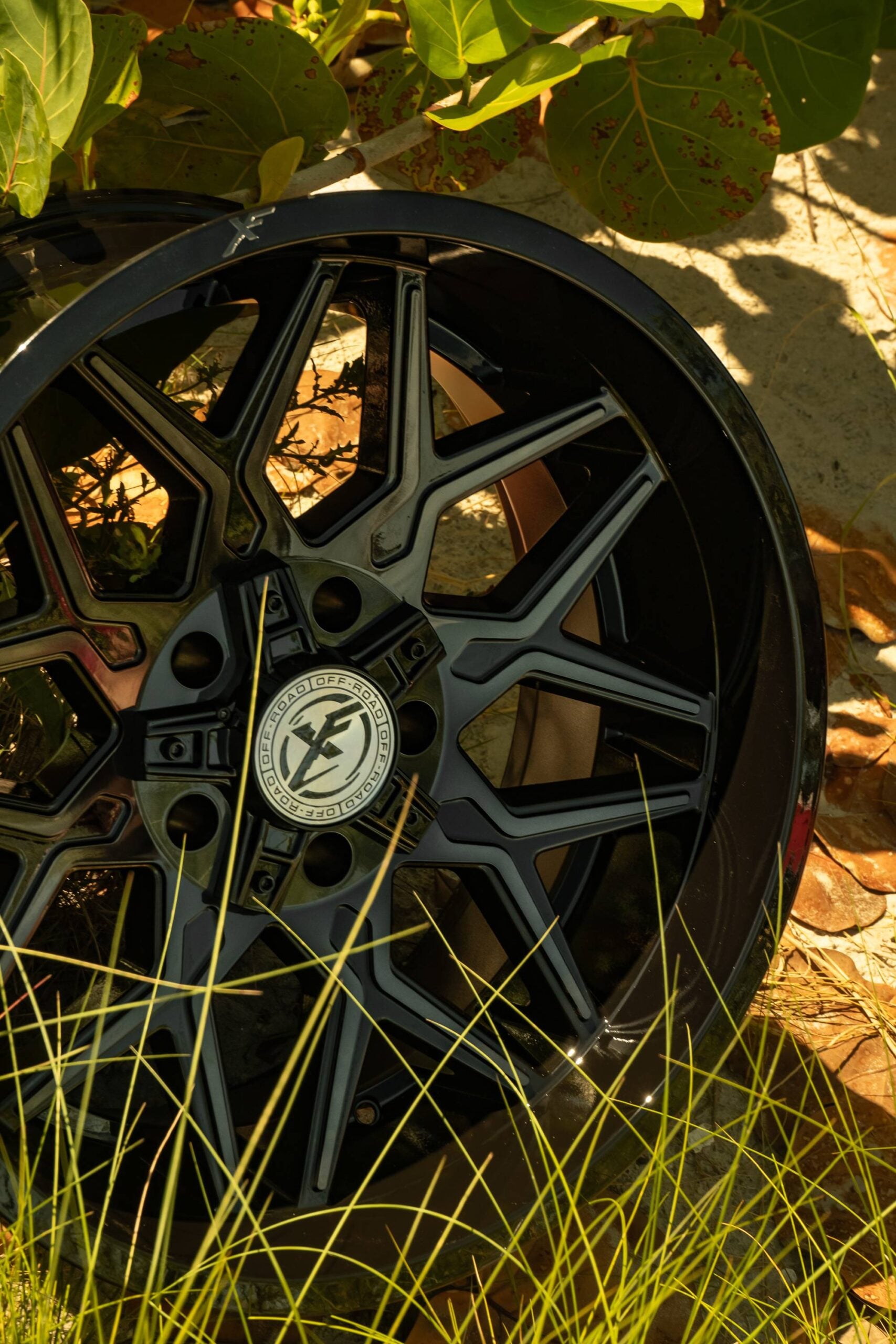
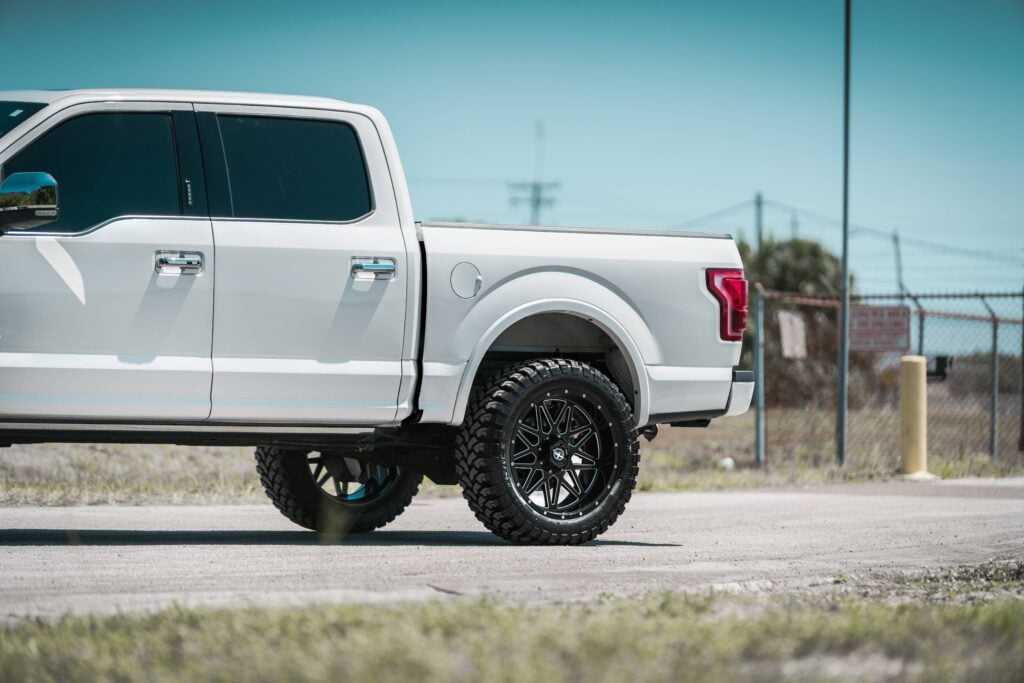
The sweet spot for many truck owners is a wheel that delivers an aggressive, custom look without the premium price tag. These customers want a significant visual upgrade that’s also built to last. Brands like XF Offroad and Vortek Offroad are perfect for this segment. They offer the rugged, deep-lip, and concave styles that are incredibly popular in the truck community. With durable finishes and solid construction, these wheels from Vortek Offroad provide an excellent balance of style and performance, making them an easy sell for daily drivers and weekend adventure vehicles alike.
Quality on a Budget: Our Top Picks
Not every wheel sale is for a custom build. Often, customers need a dependable and affordable solution, whether they’re replacing a damaged OEM wheel or refreshing a used vehicle. OE Revolution specializes in high-quality, factory-style replacement wheels that offer a perfect fit and finish, giving customers a like-new look at a great value. For those wanting a touch of custom style on a tighter budget, Azara Wheels provides modern designs with a focus on durability. These brands are essential for serving practical, everyday needs and are a staple for any high-volume shop.
A Look at Popular Truck Wheel Brands
While we stand behind our own portfolio of MAP-protected brands, we also know that a successful shop understands the entire market. Familiarizing yourself with the major players helps you speak confidently with customers and make informed decisions about your inventory. Some brands have built their reputation on the back of grueling off-road races, while others have become leaders through innovative design and manufacturing. Knowing these stories allows you to better position your own offerings and explain the value behind the wheels you recommend, whether they come from our warehouse or another.
Off-Road Legends: Raceline, KMC, and XD
For many truck owners, off-road capability isn’t just a feature; it’s a lifestyle. Brands that have a deep history in the dirt, mud, and rocks carry a level of authenticity that customers trust. Raceline, KMC, and XD are three names that have become synonymous with rugged performance. They built their reputations not just through marketing, but by proving their products in the most demanding environments. When a customer sees these wheels on race-winning trucks, it creates a powerful connection and a built-in story of durability that you can use on the sales floor to justify their value and performance credentials.
Raceline: A Heritage of Performance
Raceline has cemented its reputation by creating tough, heavy-duty wheels designed for trucks and SUVs that see serious action. Their deep involvement in competitive off-roading, particularly as the official wheel for the legendary King of the Hammers race, gives them undeniable credibility. This isn’t just marketing fluff; it’s proof that their wheels are engineered to withstand extreme abuse. For your shop, understanding the Raceline story means you’re equipped to sell to customers who demand proven toughness. You can confidently explain that if a wheel can survive one of the world’s hardest off-road races, it can certainly handle their weekend adventures or demanding job site conditions.
Innovators in Design: Black Rhino and Moto Metal
While performance is key, many customers are driven by aesthetics. They want their truck to stand out with a unique and aggressive look. This is where design-forward brands like Black Rhino and Moto Metal have carved out a significant market share. These companies are known for pushing the envelope with bold spoke designs, deep lips, and a wide array of finishes that cater to modern truck culture. They understand that for many owners, wheels are a form of self-expression. Knowing about brands that are recognized for their cutting-edge style ensures you can connect with customers who prioritize a custom, head-turning appearance for their vehicle.
Black Rhino’s Latest Models
Black Rhino has become a go-to for truck and SUV owners seeking strong, stylish aftermarket wheels specifically for off-road applications. What sets them apart is their focus on offering a wide range of manufacturing methods, including cast, flow-formed, and forged options. This allows your shop to cater to a broad spectrum of customers and budgets. You can guide a customer looking for a durable, budget-friendly option to a cast wheel, while offering a high-performance, lightweight forged wheel to the enthusiast building a top-tier rig. This versatility makes Black Rhino a powerful brand to understand, as it demonstrates how a single brand can meet diverse customer needs for both style and function.
Which Brands Dominate the Off-Road Scene?
When your customers ask for off-road wheels, a few big names probably come to mind. Brands like Fuel, Method, and Black Rhino have built strong reputations for durability and performance on the trail. They’ve become go-to choices for many truck enthusiasts, and for good reason. They consistently produce quality wheels that can handle tough conditions.
However, the off-road market is packed with excellent brands that can offer your shop better margins, unique designs, and the inventory to back them up. Brands like XF Offroad and Vortek Offroad are engineered specifically for the modern truck owner who demands both rugged capability and standout style. These brands focus on creating wheels with aggressive stances, durable finishes, and the strength needed to tackle any terrain. By offering a diversified portfolio, you can cater to the customer who wants a trusted name while also capturing the sale from someone looking for a fresh, distinctive look that sets their build apart from the crowd. The best off-road brands deliver on performance, aesthetics, and value, giving you more ways to help your customers create their perfect rig.
What Makes a Wheel Off-Road Ready?
A great off-road wheel is more than just a pretty accessory; its design is directly tied to its performance. The latest truck wheel trends show a clear shift toward aggressive spoke patterns, deep lips, and complex designs that do more than just look good. These features add structural integrity, helping distribute the stress of impacts from rocks and uneven ground. Finishes are also evolving, with durable matte blacks, bronzes, and machined accents designed to resist scratches and chips from trail debris. When you’re guiding a customer, you can point out how these design elements contribute to a wheel’s strength and longevity, turning a style choice into a practical performance decision.
How Strong Is Strong Enough? A Guide to Load Ratings
Before you finalize any sale, especially for a work truck or a heavily modified rig, it’s critical to confirm the wheel’s load rating. This number, usually found on the back of the wheel or in the manufacturer’s specs, tells you the maximum weight each wheel can safely support. Exceeding this limit can lead to wheel failure, which is a major safety risk. It’s a simple but non-negotiable step. This is also where the manufacturing process comes into play. Forged wheels generally offer a higher load rating and greater strength compared to cast wheels, making them a superior choice for heavy-duty applications or serious off-roading where performance is the top priority.
Decoding Off-Road Tech: Beadlocks and Beyond
For your most serious off-road customers, the conversation will eventually turn to beadlocks. A true beadlock wheel uses a physical ring to clamp the tire’s bead to the rim. This allows the driver to run extremely low tire pressure for maximum traction on rocks and difficult obstacles without the risk of the tire popping off the wheel. While true beadlocks are often intended for off-road use only, many brands also offer simulated beadlock styles. These wheels, like some found in the XF Offroad lineup, provide the same aggressive aesthetic for daily drivers, giving you options for customers who want the look without the specialized hardware.
Beyond Trucks: Wheels for UTVs
The off-road conversation doesn’t end with trucks. The UTV market is booming, and many of the same principles for selecting truck wheels apply here. Just like with a truck, the first question should be about the UTV’s intended use—is it for trail riding, utility tasks, or racing? High-quality aluminum alloys are essential for their strength-to-weight ratio, providing the durability needed for rough terrain without slowing the vehicle down. It’s also critical to consider load ratings to ensure safety, especially for UTVs used for hauling gear. By helping your customers select the right wheels, you can meet the growing demand in this exciting segment and become their trusted source for all off-road needs.
Does Manufacturing Method Really Affect Quality?
When a customer asks why one wheel costs twice as much as another, the answer often comes down to how it was made. Understanding the core manufacturing methods doesn’t just make you sound like an expert; it helps you guide customers to the right wheel for their needs and budget. Explaining the difference between a cast and a forged wheel is how you build trust and justify a premium price tag. It shows you’re not just selling a product, but providing a solution tailored to their truck and how they use it.
Each production technique offers a different balance of strength, weight, and cost. Knowing these details allows you to stock a smarter inventory and confidently answer any question that comes your way. Let’s break down the three main methods you’ll see in the market.
Cast, Forged, or Flow-Formed: What’s the Difference?
The most common and affordable wheels are cast aluminum wheels. This process involves pouring molten aluminum into a mold, letting it cool, and then finishing it. It’s an efficient way to produce wheels, making it a great option for daily drivers and budget-conscious builds. On the other end of the spectrum, forged wheels are crafted from a solid block of aluminum subjected to extreme heat and pressure. This process compresses the metal, creating an incredibly dense and strong wheel that is also very lightweight. Finally, flow-formed wheels offer a middle ground. They start as a cast wheel, but the barrel is then heated and spun while pressure is applied, strengthening and lightening it. This hybrid approach delivers a great balance of performance and price.
Why Heat Treatment and Finishing Are Crucial
A wheel’s journey isn’t over once it’s been shaped. Post-production steps like heat treatment and finishing are critical for performance and longevity. Heat treatment is like a final strengthening workout for the wheel, improving its hardness and durability so it can handle heavy loads and rough conditions. The finishing process is just as important. A quality finish, whether it’s paint, powder coating, or chrome, does more than just provide aesthetic appeal; it acts as a protective barrier against corrosion from road salt, moisture, and brake dust. These extra steps are what separate a reliable wheel from one that might fail prematurely, making them a key selling point for trucks and other vehicles.
Why Quality Control Matters More Than You Think
In a crowded market, it’s easy for some wheel brands to feel generic. You’ve probably seen online discussions where truck owners ask which wheel brands are actually trusted because so many options seem to blend together. This is where rigorous quality control becomes a major differentiator. Top-tier brands invest heavily in testing to ensure every wheel meets strict standards for safety, load rating, and structural integrity. As a dealer, partnering with a distributor that vets its brands for quality control means you can sell with confidence. You’re not just offering a wheel; you’re providing a product that is proven to be safe, reliable, and built to last, protecting both your customer and your shop’s reputation.
Your Guide to Common Truck Wheel Types
Helping a customer choose the right wheel starts with understanding how it’s made. The manufacturing process directly impacts a wheel’s strength, weight, performance, and price point. Knowing the key differences between cast, flow-formed, forged, and beadlock wheels allows you to guide any customer, from the daily commuter to the serious off-roader, toward the perfect fit for their build and budget. This knowledge not only builds trust but also ensures your customers leave satisfied with a product that meets their specific performance needs. By breaking down these common types, you can confidently explain the value behind each option on your sales floor.
Cast Aluminum: The Daily Driver Standard
Cast aluminum wheels are the most common type you’ll find on the road, and for good reason. The manufacturing process involves pouring molten aluminum into a mold, which makes them relatively simple and affordable to produce. This cost-effectiveness makes them a practical and popular choice for OEM applications and daily drivers. While casting is an efficient production method, it can result in a wheel that is heavier and less dense than those made with other methods. However, for the average truck owner who needs a reliable and stylish wheel for everyday use, a quality cast aluminum wheel offers an excellent combination of value and aesthetics, making it a staple for any wheel and tire shop.
Flow-Formed: A Balance of Strength and Price
Flow-formed wheels, sometimes called rotary forged, offer a fantastic middle ground between standard cast and premium forged options. The process starts with a cast wheel face, but the barrel is then heated and spun while steel rollers apply intense pressure. This action stretches and compresses the aluminum, increasing its tensile strength and making it much stronger and lighter than a traditional cast wheel. The result is a durable wheel that enhances vehicle performance without the premium price tag of a fully forged product. This technology provides a great balance of strength and price, making it a popular upgrade for truck owners seeking improved handling and durability.
Monoblock Forged: The Ultimate in Strength
When performance and strength are the top priorities, monoblock forged wheels are the answer. These wheels are machined from a single, solid piece of aluminum alloy, known as a “billet,” that has been subjected to extreme heat and pressure. This forging process creates an incredibly dense and uniform grain structure, resulting in a wheel that is exceptionally strong yet remarkably lightweight. This superior strength-to-weight ratio improves acceleration, braking, and handling. While the intensive manufacturing process makes them the most expensive option, monoblock forged wheels are the go-to choice for high-performance trucks, luxury builds, and racing applications where every pound and ounce matters.
Beadlock: For Serious Off-Roading
Beadlock wheels are a specialized piece of hardware designed for one thing: extreme off-road performance. Unlike conventional wheels that use air pressure to hold the tire bead in place, a beadlock wheel uses a physical ring and a series of bolts to clamp the outer bead of the tire directly to the wheel. This mechanical lock prevents the tire from de-beading or spinning on the rim when running extremely low tire pressures, which is a common practice for gaining maximum traction on rocks, mud, and sand. While not intended for street use, beadlocks are essential equipment for serious off-roading and a must-have for customers who push their rigs to the absolute limit.
How Much Should You Budget for Quality Truck Wheels?
Helping your customers understand truck wheel pricing is key to closing a sale. Prices can range from a few hundred dollars to several thousand per wheel, and the difference often comes down to three things: the manufacturing process, the materials used, and the complexity of the design. As a dealer, knowing these tiers helps you stock a balanced inventory that serves every type of customer, from the budget-conscious daily driver to the serious off-road enthusiast.
Breaking down the cost helps manage customer expectations and guides them to a product that fits their budget and performance needs. When you can clearly explain why a forged wheel costs more than a cast one, you build trust and position yourself as an expert. This conversation isn’t just about the price tag; it’s about connecting the customer’s goals with the right product, ensuring they leave your shop happy with their purchase and confident in its value. Let’s look at the three main price points you’ll encounter.
Starting Point: Entry-Level Wheels ($200-$400)
This price range is the go-to for customers seeking a straightforward, affordable upgrade. Wheels in this category are almost always cast aluminum, offering reliable durability for daily driving and light-duty use. They are perfect for work trucks, older vehicles needing a refresh, or drivers who want a new look without a major investment. While the designs might be simpler and finish options more standard, a quality entry-level wheel from a reputable brand still provides a safe and dependable foundation. For your inventory, these wheels represent a high-volume, accessible option that appeals to a broad customer base looking for practical style and function.
Example: Raceline’s Value Offerings
Raceline Wheels has carved out a strong identity in the truck market by focusing on wheels for heavy-duty trucks and SUVs. Their products are specifically engineered to handle the demands of off-road adventures, making them a go-to for customers who need both performance and serious durability. As Raceline puts it, they sell tough wheels built to handle any adventure you can throw at them. This clear focus gives you a straightforward story to tell customers who prioritize strength.
Beyond just building tough products, Raceline proves its commitment to quality through action. They are the official wheel for the “King of the Hammers,” one of the most grueling off-road races in the world. This isn’t just a marketing sticker; it’s proof that their wheels are designed to excel in extreme conditions. This connection to professional racing provides a powerful selling point, giving customers confidence in the brand’s performance heritage.
Raceline also delivers on aesthetics, offering a wide variety of styles, colors, and sizes to accommodate different customer tastes. Their wheel lineup features popular finishes like gloss black, machined, and satin black, ensuring you can help customers find the perfect look for their truck. This diverse selection makes it easier for your shop to have an appealing option for almost any build that rolls through your doors.
With prices generally falling between $100 and $415, Raceline wheels hit a sweet spot, making them accessible for a broad range of budgets without compromising on quality. This blend of proven durability, varied styling, and solid value makes Raceline a strong choice for dealers looking to enhance their inventory and effectively meet customer demands.
The Mid-Range: Performance Wheels ($400-$800)
Here’s where you’ll find the sweet spot for most truck enthusiasts. This category offers a significant step up in performance and aesthetics, often featuring flow-formed wheels that blend the affordability of casting with the strength and low weight of forging. These wheels are lighter and stronger than their entry-level counterparts, which can lead to noticeable improvements in handling and responsiveness. You’ll also see more intricate designs, premium finishes, and brand names with a strong following in the off-road and street truck scenes. Stocking mid-tier options allows you to cater to customers who are passionate about their vehicles and willing to invest in performance they can feel.
Example: Black Rhino’s Performance Models
Black Rhino is a great example of a brand that excels in this performance-focused mid-range. They specialize in aftermarket wheels for trucks and SUVs, building a strong brand story around adventure that gives your customers a compelling reason to buy. The brand offers various manufacturing methods, including popular flow-formed wheels that deliver the enhanced strength and reduced weight many performance drivers want. By creating durable, stylish wheels designed for off-road capability, they provide a product that not only looks the part but can also handle the trail. This combination of rugged aesthetics and solid engineering makes this type of brand a smart addition to any shop’s mid-tier lineup.
Top of the Line: Premium & Forged Wheels ($800+)
At the top of the market, you have premium and forged wheels. This tier is for the customer who demands the absolute best in strength, performance, and style. Forged wheels are machined from a solid piece of aluminum, resulting in the strongest and lightest wheel possible. This weight reduction can significantly improve handling, acceleration, and even braking performance. These wheels are the standard for serious off-roading, racing, and high-end luxury or show truck builds. While the price reflects the intensive manufacturing process, the performance benefits and exclusivity are exactly what your most discerning customers are looking for.
4 Common Myths About Truck Wheel Brands
When it comes to truck wheels, there’s a lot of noise out there. Opinions fly around on forums and social media, making it tough to separate fact from fiction. As a dealer, your expertise is what cuts through that confusion for your customers. Let’s clear the air by tackling some of the most common myths we see in the industry, so you can guide every customer to the right choice with confidence.
Myth: Lighter Always Means Better
In the world of performance cars, shedding unsprung weight is a top priority. But for trucks, that logic doesn’t always apply. Truck wheels are built to handle heavy payloads, towing stress, and rough terrain, which means strength and durability are paramount. A quality 17-inch truck wheel might weigh 25 pounds or more, while a car wheel of the same size could be half that. Instead of focusing solely on weight, guide your customers to consider the wheel’s load rating and construction. For a vehicle that works hard, a robust wheel provides the safety and reliability that a few saved pounds can’t match.
Myth: Aftermarket Can’t Match OEM Quality
It’s a common concern: can an aftermarket wheel really stand up to the original equipment? While it’s true that some generic “tire shop brands” have given aftermarket wheels a bad name, a blanket statement about quality just isn’t accurate. Reputable aftermarket manufacturers often use advanced engineering and materials to exceed OEM specs, offering superior strength, unique designs, and better performance for specific applications. Brands like OE Revolution, for example, are built to provide the familiar styling customers love with the quality and value you can only get from a dedicated wheel specialist. The key is choosing a trusted brand, not just any aftermarket option.
Myth: A Big Brand Name Guarantees Performance
A recognizable logo doesn’t always equal top-tier performance. We’ve all seen popular brands that rely more on marketing than on manufacturing excellence. True quality comes from the details: the grade of aluminum used, the precision of the casting or forging process, and the durability of the finish. Instead of relying on brand recognition alone, encourage customers to ask about how the wheel is made. Understanding the difference between cast, flow-formed, and forged wheels is far more valuable than just picking the most well-known name. Your expertise in explaining these differences is what builds trust and ensures your customers get a wheel that truly performs.
Myth: Any Wheel with the Same Bolt Pattern Will Fit
This is one of the most dangerous myths out there. While the bolt pattern is a critical starting point, it’s just one piece of the fitment puzzle. A wheel with the correct bolt pattern can still be completely wrong for a vehicle if the offset, center bore, or backspacing are incorrect. Even more critical for trucks is the load rating. You should always confirm the wheel’s load limit to ensure it can safely support the vehicle, especially for work trucks that carry heavy loads. Proper wheel fitment is about safety first, and getting all the specs right is non-negotiable.
How to Match a Wheel Brand to Your Style
Helping a customer find the perfect set of wheels often comes down to understanding their vision for the vehicle. A wheel brand that’s ideal for a lifted, mud-ready truck might not be the right fit for a sleek, luxury SUV. As a dealer, having a diverse portfolio allows you to cater to these different styles, ensuring you have the right answer for every customer who walks through your door. This flexibility is what separates a good shop from a great one. It shows you’re not just moving inventory, but actively helping people create the vehicle they’ve always wanted.
Matching the brand to the build is about more than just aesthetics; it’s about aligning with the customer’s identity and the vehicle’s purpose. Some drivers want aggressive, in-your-face designs that scream performance, while others prefer a subtle, refined look that complements the factory lines. By recognizing these distinct style categories, you can guide customers to a brand that not only fits their truck but also reflects their personal taste. This consultative approach builds trust, leads to more confident sales, and results in happier clients who are more likely to return and refer others.
Best Brands for Aggressive Off-Road Builds
When a customer is building a truck for the trail, they’re looking for wheels that are as tough as they are visually striking. The off-road community values rugged designs, deep lips, and durable materials that can handle demanding environments. Recent wheel and tire market trends show a clear preference for aggressive spoke patterns and unique, resilient finishes. These customers want their wheels to make a statement and signal that their vehicle is built for adventure. Brands that specialize in bold, functional designs will always be a top choice for this crowd.
Top Brands for Luxury and Performance Trucks
For owners of luxury and high-performance trucks, the focus shifts toward sophisticated style and premium quality. These customers want wheels that enhance their vehicle’s high-end appearance without compromising on performance. The design cues are often cleaner, with an emphasis on intricate details, premium finishes, and high-quality materials that feel both modern and timeless. The global truck wheel market continues to grow, driven by this demand for premium options that complement the refined look of today’s luxury trucks and SUVs. Offering brands that deliver on this promise of sophisticated style is key to capturing this valuable segment.
Go-To Brands for OE+ and Classic Looks
Some truck owners prefer a more understated approach, aiming for a look that respects the vehicle’s original design. This is the world of OE+ (Original Equipment plus) and classic styling. These customers aren’t looking for flashy designs; instead, they want timeless, clean wheels that look like a factory upgrade. This style is about subtle enhancement, maintaining the truck’s integrity while giving it a sharper, more polished stance. The sustained interest in these traditional yet functional designs shows that there will always be a place for classic, well-executed wheels in any inventory.
Using Brand Resources to Help Customers Decide
Your expertise is what sets your shop apart, and the best wheel brands provide resources to back it up. When a customer is weighing their options, you can use a brand’s story and technical specs to turn a confusing choice into a clear decision. Help customers understand the value in different manufacturing methods, explaining how a forged wheel offers incredible strength for performance builds, while a quality cast wheel provides a durable, affordable option for a daily driver. By using the information brands provide about their materials and testing processes, you can guide customers to a wheel that matches their performance needs and budget. This educational approach doesn’t just justify the price; it builds lasting trust and ensures your customer drives away happy.
What’s New in the World of Truck Wheels?
Staying ahead of market trends isn’t just about looking smart; it’s about stocking smarter and giving your customers the best advice. The wheel industry is always moving, with new styles, technologies, and vehicle requirements shaping what customers want. Keeping a pulse on these shifts helps you anticipate demand, guide buyers toward the perfect fit, and ultimately, build a reputation as the go-to expert in your area. From bold aesthetics to the practical demands of electric vehicles, here are the key trends every dealer should be watching right now.
Bolder Designs and Finishes Take Center Stage
Gone are the days of playing it safe with simple, five-spoke silver wheels. Today’s truck owners want to make a statement, and they’re doing it with their wheels. We’re seeing a major shift toward more aggressive and intricate spoke patterns, deep concave profiles, and eye-catching finishes. According to recent wheel and tire market trends, dazzling and unique finishes are dominating the truck scene. Think gloss black with milled accents, bronze, and even two-tone colorways. This trend is all about personalization, allowing drivers to give their vehicle a custom look that stands out from the crowd. For your shop, this means stocking a variety of expressive designs is more important than ever.
How Sustainability Is Shaping Wheel Manufacturing
While style is a huge driver, performance and efficiency are gaining ground, especially in the commercial and fleet sectors. The push for sustainability is influencing everything, including wheel design. As fleet operators modernize, they are looking for ways to reduce their environmental footprint and operating costs. Lighter, stronger wheels can contribute to better fuel efficiency and require less energy to manufacture. This trend is part of a larger movement toward creating more efficient vehicles without sacrificing durability. For your customers, this translates into long-term value, making it a powerful selling point for both fleet managers and eco-conscious individual buyers.
Meeting the Demands of Electric Trucks
The electric truck revolution is here, and it’s changing the requirements for wheels. Electric trucks like the Ford F-150 Lightning and Rivian R1T are significantly heavier than their gas-powered counterparts and deliver instant torque. This combination puts immense stress on the wheels. As a result, there’s a growing demand for wheels specifically engineered to handle higher load ratings and rotational forces. The right wheel can also impact an EV’s range. Aerodynamic designs and lighter-weight materials can help maximize efficiency, giving drivers more miles per charge. Understanding the unique technological advancements influencing the market will help you guide EV owners to wheels that are not only stylish but also safe and performance-oriented.
Your Step-by-Step Guide to Choosing a Truck Wheel Brand
Helping a customer find the perfect set of wheels is part art, part science. When you guide them through the process effectively, you not only make a sale but also build trust that keeps them coming back. The best brand for one truck owner might be completely wrong for another, so it’s all about asking the right questions. The conversation should always circle back to three key areas: how the truck will be used, the vehicle’s specific fitment requirements, and the customer’s budget and style preferences. This structured approach ensures you cover all the bases and find a wheel that truly fits the customer’s needs, not just their truck.
Walking a customer through these considerations positions you as an expert advisor, not just a salesperson. It shows you’re invested in finding a solution that delivers on performance, looks, and value. By breaking down the selection process into these simple steps, you can streamline the conversation, address potential issues before they arise, and confidently recommend a brand that will leave your customer satisfied with their purchase. This method helps reduce returns, which protects your bottom line, and ensures the wheels you sell are perfectly suited for the road (or trail) ahead. It’s about creating a positive experience that reinforces your shop’s reputation for quality and expertise.
First, How Will You Use Your Truck?
The first question you should always ask is, “What do you do with your truck?” The answer will immediately narrow down the options. A wheel designed for highway driving has different priorities than one built for rock crawling. For customers who plan to go off-road, you’ll want to dig a bit deeper. As one enthusiast put it, the type of terrain, whether it’s light gravel roads or serious trails, should guide the wheel choice. A daily driver might need a durable, easy-to-clean finish, while a work truck used for towing requires a high load rating to handle heavy payloads safely.
Next, Nail Down Your Truck’s Specs and Fitment
Once you know the intended use, the next step is confirming the technical details. Nothing stops a sale faster than a wheel that won’t bolt onto the truck. To ensure compatibility, you’ll need to confirm the vehicle’s bolt pattern, offset, and center bore. Getting the wheel offset right is especially important, as it determines how far the wheel sits in or out of the fender, affecting both appearance and clearance for suspension and brake components. Double-checking these specs prevents fitment issues, saves you the headache of returns, and ensures a safe installation for your customer.
Don’t Forget the Details: Lugs, Caps, and Accessories
Finally, let’s talk about the finishing touches. The wheel might be the main event, but the accessories—lug nuts, center caps, and valve stems—are what complete the package. It’s easy to overlook these details, but they are critical for both the final look and the functional safety of the installation. A high-quality wheel deserves equally high-quality hardware. Top-tier brands understand that offering a complete package ensures a cohesive look and proper function. This is your chance to show your expertise by guiding the customer to the right lug nuts that not only match the finish but also have the correct seat type for the wheel. Getting these small but crucial components right is non-negotiable for a safe, professional installation and a happy customer.
Finally, Balance Style, Performance, and Budget
This is where you bring it all together. Your customer has a vision for their truck, and your job is to find a wheel that matches their style without compromising the performance they need or exceeding their budget. Wheels are available at a wide range of price points, so there’s an option for nearly everyone. You can guide them through different materials, like cast or forged aluminum, and explain how construction impacts both strength and cost. Whether they want an aggressive, modern look for an off-road build or a clean, classic style for a daily driver, you can recommend a brand that delivers the right aesthetic and value.
Related Articles
- 4×4 Truck Rims: The Ultimate Buyer’s Guide
- Why Forged Wheels Are the Best Choice for Your Truck
- The Pro’s Guide to Buying Wholesale Truck Rims
- The Dealer’s Guide to Custom Forged Wheels
Frequently Asked Questions
How can I best explain the price difference between cast and forged wheels to my customers? A great way to frame it is by comparing it to other tools or equipment they might be familiar with. Explain that cast wheels are the reliable industry standard, made by pouring molten aluminum into a mold. They offer fantastic style and durability for daily driving at a very accessible price. Forged wheels, on the other hand, are a premium performance product. They are machined from a solid block of aluminum under intense pressure, making them incredibly strong and lightweight. You can tell customers it’s a choice between a great, dependable option and a high-performance investment that improves handling, acceleration, and strength.
A customer is worried that aftermarket wheels aren’t as good as OEM. What’s the best way to address that? It’s best to acknowledge their concern first, as some low-quality aftermarket products have created that reputation. Then, you can explain that reputable aftermarket brands often engineer their wheels to exceed factory specifications for specific uses. For example, an off-road wheel is built to be much stronger than an OEM wheel designed for highway driving. You can also point to brands like OE Revolution, which specialize in creating factory-style wheels that meet or surpass original quality standards, giving customers a familiar look with proven reliability and value.
Besides the bolt pattern, what are the most critical fitment details I need to confirm for a truck? After you confirm the bolt pattern, the three most important specs are the load rating, offset, and center bore. The load rating is a critical safety measure that ensures the wheel can support the truck’s weight, especially when towing or hauling. The offset determines where the wheel sits in relation to the fender and is crucial for clearing brake and suspension components. Finally, the center bore ensures the wheel is perfectly centered on the hub, which is essential for preventing vibrations and ensuring a smooth ride.
What are the most important design trends I should be stocking for right now? The biggest trend is personalization through bold designs. Truck owners want wheels that make a statement. Focus on stocking wheels with more intricate and aggressive spoke patterns, deep concave profiles, and unique finishes. Finishes like bronze, gloss black with milled accents, and two-tone options are incredibly popular because they give a vehicle a custom look right out of the box. Moving beyond simple silver or chrome and offering these more expressive styles will help you meet current customer demand.
What are the first three questions I should ask a customer to help them find the right wheel? To quickly narrow down the options, start with these three questions. First, ask “What do you primarily use your truck for?” This will tell you if they need a durable wheel for work, a strong one for off-roading, or a stylish one for daily driving. Second, ask “What’s your budget for the set?” This helps you guide them to a realistic price range from the start. Finally, ask “What kind of look are you going for?” This helps you match their personal style, whether it’s aggressive, classic, or luxurious.