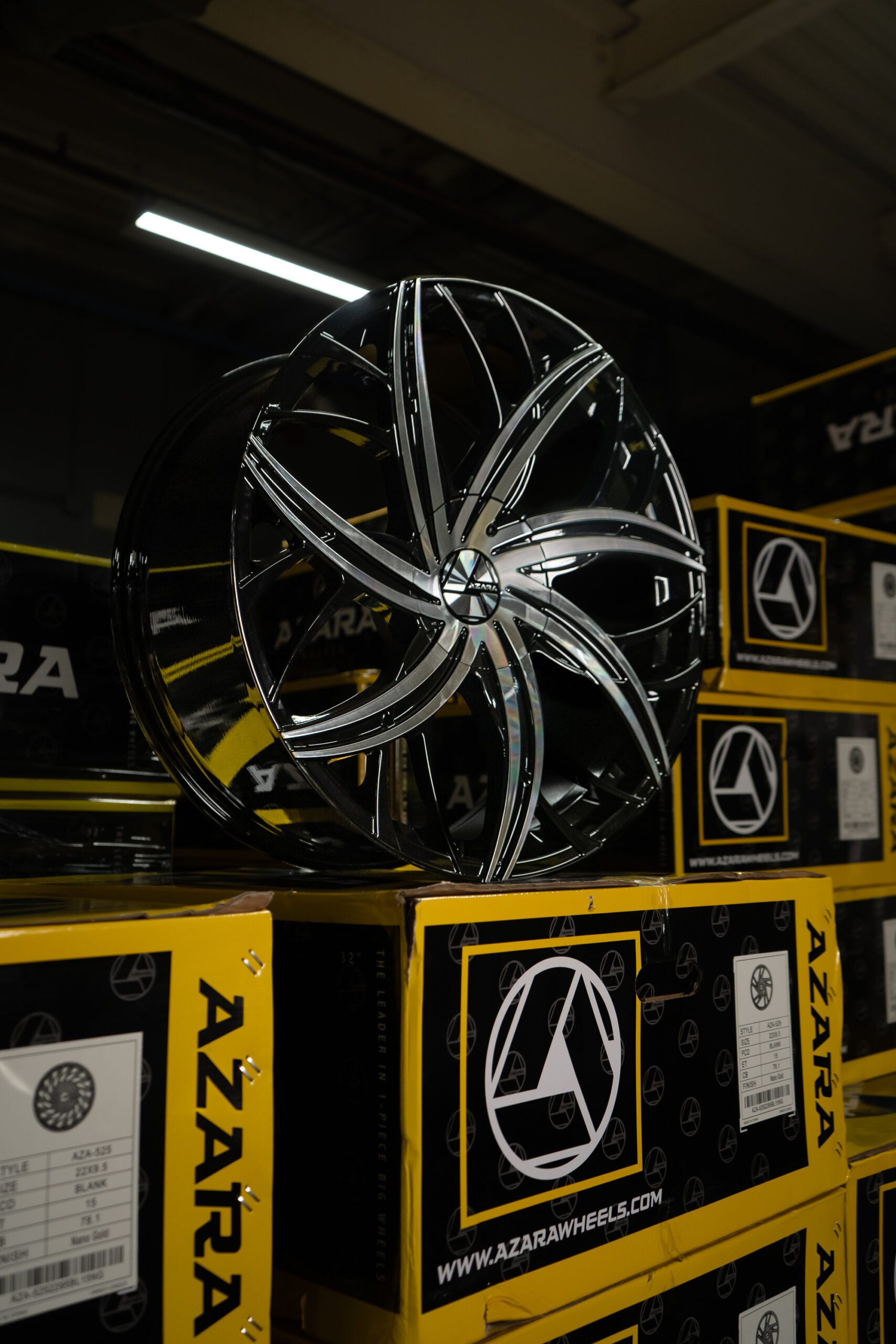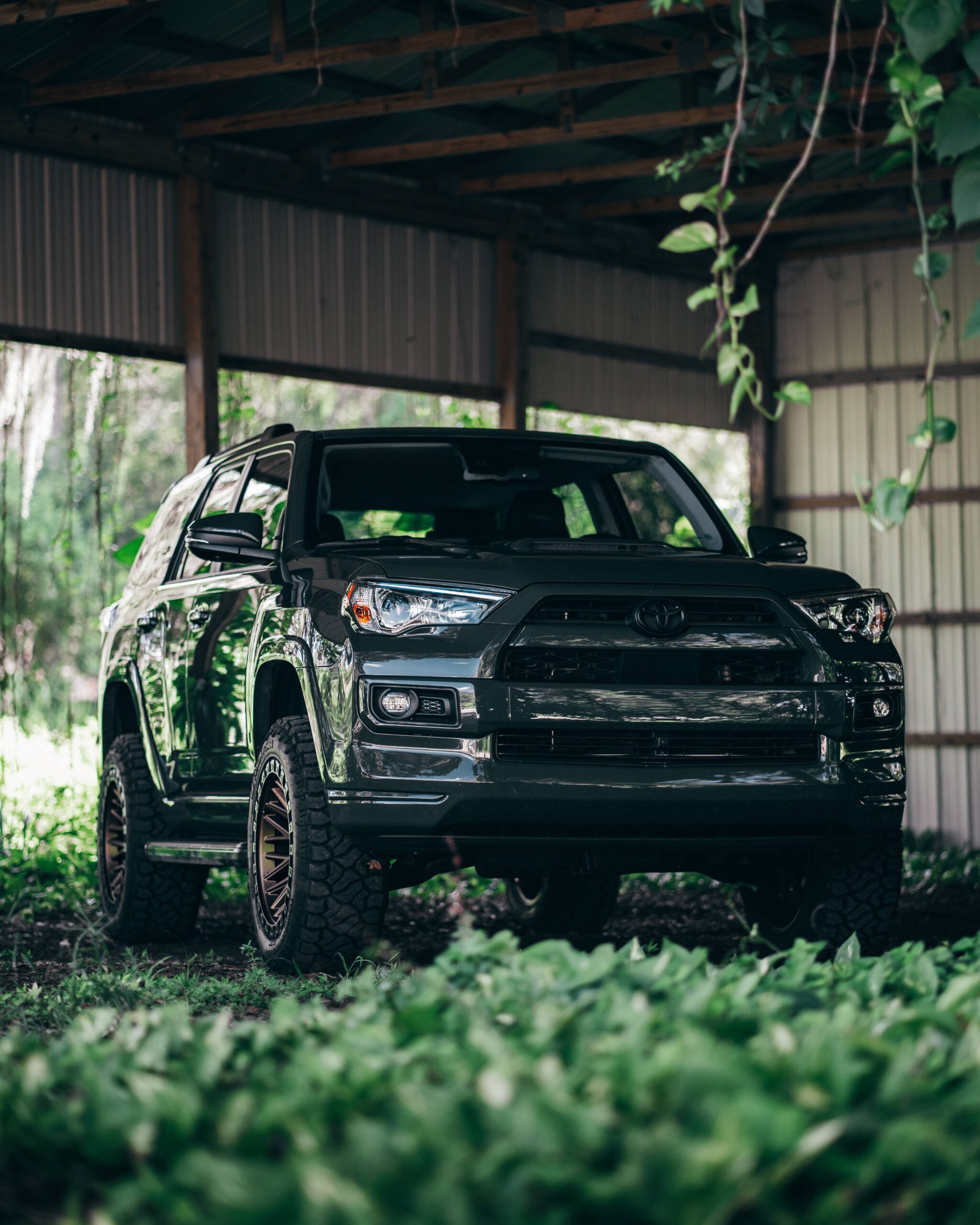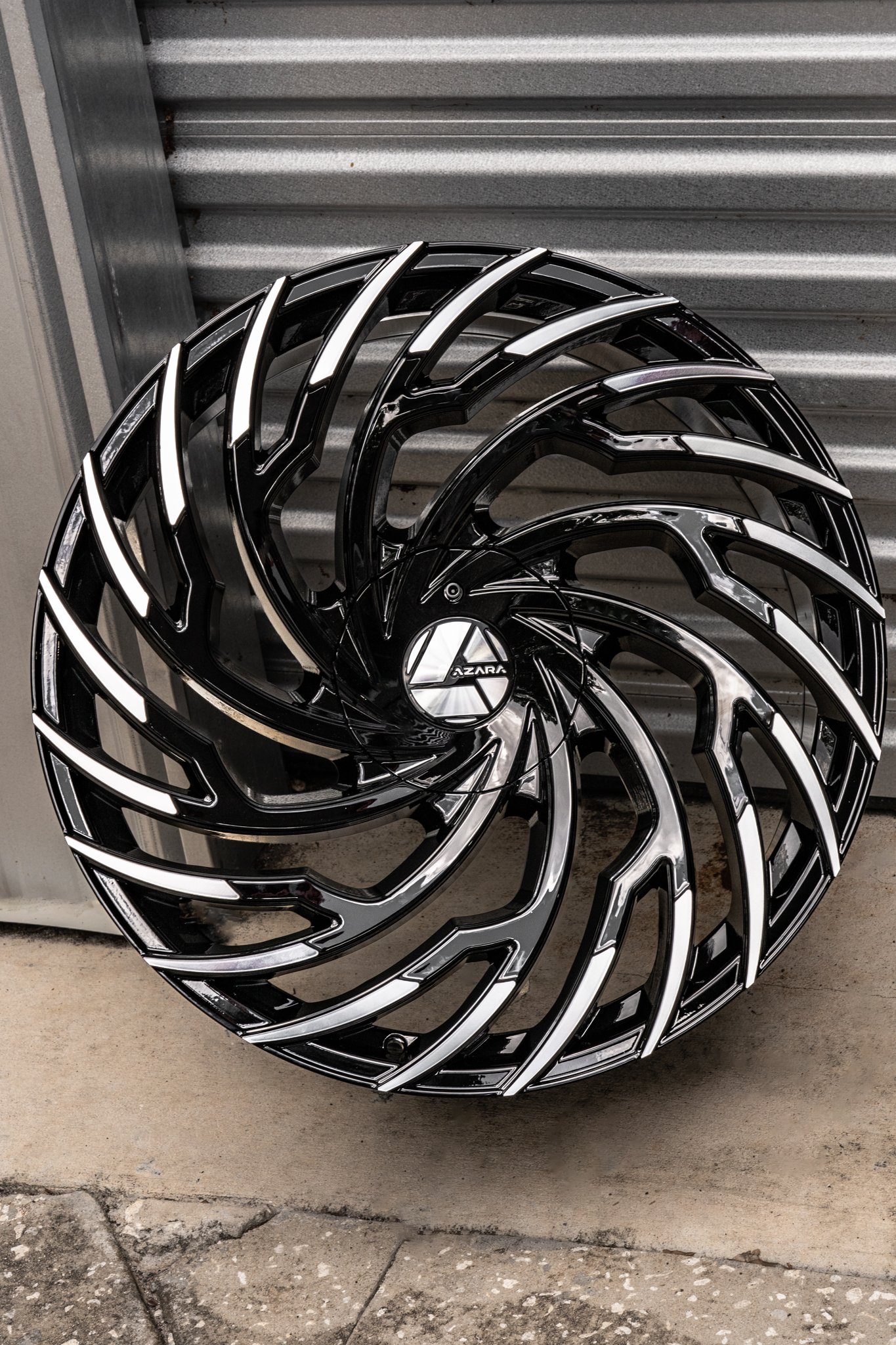
The GMC Sierra is one of the most customized trucks on the road, making it a massive opportunity for your shop. Selling wheels for this platform can be a significant profit center, but success depends on stocking the right products and providing expert guidance. This article will help your business capitalize on that demand by breaking down the essential knowledge you need. We’ll explore the key brands, price points, and technical specifications that lead to satisfied customers and repeat business. By understanding the nuances of the different GMC Sierra rims for sale, you can position your shop as the local authority, build trust, and ensure every truck that leaves your bay looks and performs its best.
Key Takeaways
- Master the core specs: Before anything else, confirm the Sierra’s 6×139.7mm bolt pattern, 78.1mm hub bore, and load rating. Nailing these numbers is the foundation for a safe, successful installation and prevents common fitment headaches.
- Guide the conversation beyond style: Help customers choose the right wheel by discussing how they use their truck. Explain the practical differences between durable steel for work and lightweight aluminum for performance to find a solution that fits their budget and daily life.
- Check the final details: Confirming brake caliper clearance and TPMS sensor compatibility is what separates a good install from a great one. Verifying these small but critical details prevents frustrating returns and shows your customers you’re a true professional.
What Rim Types Are Available for the GMC Sierra?
When a customer wants new rims for their GMC Sierra, the conversation usually starts with three main options. Understanding the differences between OEM, aftermarket, and replica wheels will help you guide them to the perfect choice for their truck and budget. Each type offers distinct advantages, whether your customer is looking to restore a factory look, create a custom build, or simply replace a damaged wheel without breaking the bank. Explaining these categories clearly builds trust and ensures your customers drive away happy with their decision.
OEM Rims: The Factory-Original Fit
OEM (Original Equipment Manufacturer) rims are identical to the ones that came with the GMC Sierra straight from the factory. They are designed by the vehicle manufacturer to meet precise specifications for fit, performance, and quality. Choosing an OEM rim is the most straightforward way to replace a damaged wheel or restore the truck to its original appearance. There’s no guesswork involved with fitment, as they are guaranteed to match the vehicle’s bolt pattern, offset, and hub bore perfectly. For customers who value authenticity and want to maintain their Sierra’s stock look, OEM wheels are the go-to solution.
Aftermarket Rims: Customize Your Style and Performance
Aftermarket rims are all about personalization. These wheels are produced by third-party companies and offer a nearly endless variety of styles, finishes, materials, and sizes. This is where your customers can truly make their GMC Sierra their own, whether they’re aiming for a rugged off-road setup, a sleek luxury look, or improved on-road performance. Aftermarket options from brands like XF Offroad allow for aggressive stances and durable construction, while others focus on lightweight designs for better handling. For the truck owner who wants to stand out from the crowd and tailor their vehicle’s performance to their specific needs, the aftermarket provides all the creative freedom they could want.
Replica Rims: Get the OEM Look for Less
Replica rims offer the best of both worlds for budget-conscious customers. These wheels are designed to perfectly mimic the appearance of original factory wheels but are manufactured by a different company. This makes them a fantastic, cost-effective alternative for someone who loves the OEM style but not the OEM price tag. They are especially useful for replacing a single cracked or scuffed factory rim without paying a premium at the dealership. Brands like OE Revolution specialize in creating high-quality replicas that provide the same aesthetic as the original, allowing your customers to maintain their Sierra’s clean, factory look for a fraction of the cost.
How to Find the Right Size and Specs for Your Sierra
Getting the right fitment for a GMC Sierra isn’t just about looks; it’s about safety, performance, and customer satisfaction. When you’re sourcing wheels for a customer’s truck, nailing the specifications is the first step to a successful sale and a happy driver. From the diameter and width to the bolt pattern and hub bore, each measurement plays a critical role in how the wheel performs on the road. Let’s walk through the key numbers you need to know to ensure every set of Sierra rims you sell is a perfect match.
Common Sizes: From 17-Inch to 22-Inch
Most GMC Sierra trucks leave the factory with wheels ranging from 17 to 22 inches in diameter. The wheel width typically falls between 7.5 and 9 inches, which accommodates a good variety of tire sizes for both highway and off-road use. You’ll also find that factory offsets are generally between +28mm and +31mm. This range provides a solid baseline, but aftermarket wheels offer a much wider selection, allowing you to create a more aggressive stance or accommodate larger tires. Understanding these common wheel dimensions is the first step in guiding your customers to the right choice.
Match Your Bolt Pattern and Offset
The bolt pattern is a non-negotiable spec. For the fifth-generation GMC Sierra 1500 (2019 and newer), the correct bolt pattern is 6×5.5 inches, or 6×139.7mm in metric. This measurement refers to the six lug holes and the diameter of the circle they form. No matter how great a wheel looks, if the bolt pattern doesn’t match the truck’s hub, it simply won’t fit. Always confirm this spec to prevent installation headaches and ensure a secure, safe connection between the wheel and the vehicle. This simple check saves time and builds customer trust.
Check Center Bore and Hub Bore Compatibility
Finally, pay close attention to the center bore. This is the machined opening on the back of the wheel that centers it on the vehicle’s hub. For a vibration-free ride, you need a hub-centric fit. The GMC Sierra requires a hub bore of at least 78.1mm. If the wheel’s center bore is smaller, it won’t fit over the hub. If it’s larger, you’ll need hub-centric rings to fill the gap and prevent wobbling. This is especially important when considering wheels from other GM half-ton trucks, as you’ll need to verify their specs to ensure compatibility.
Steel vs. Aluminum: Which Rim Material Is Best?
When you’re helping a customer choose new rims for their GMC Sierra, one of the first decisions is the material. The debate between steel and aluminum comes down to a simple trade-off: durability versus performance. Each material has distinct advantages depending on how the truck is used. Understanding these differences will help you guide your customers to the perfect set of wheels that meets their needs for work, style, or off-road adventure. Let’s break down what each material brings to the table.
Steel Rims: Built for Durability and Heavy Use
Steel wheels are the workhorses of the rim world. Known for their incredible durability and strength, they are the go-to choice for heavy-duty applications. If your customer uses their Sierra for commercial work, towing heavy loads, or serious off-roading, steel is a reliable option. Steel is much heavier than aluminum, but it can withstand significant abuse. When it takes a hard hit, steel tends to bend rather than crack, which means it can often be hammered back into a usable shape. This makes it a practical choice for rough job sites or remote trails. Plus, steel rims are typically more affordable, offering a budget-friendly solution for customers focused on function over flash.
Aluminum Rims: The Lightweight Performance Choice
For customers looking to enhance their Sierra’s performance and appearance, aluminum alloy wheels are the clear winner. Aluminum rims are significantly lighter than steel, which reduces the vehicle’s unsprung weight. This simple change can lead to noticeable improvements in acceleration, braking, and handling responsiveness. The lighter weight can also contribute to better fuel efficiency, a benefit every truck owner can appreciate. From a design perspective, aluminum is far more versatile. It can be cast or forged into complex, stylish designs that steel simply can’t replicate, giving your customers endless options to personalize their truck’s look.
How Your Rim Material Affects Performance
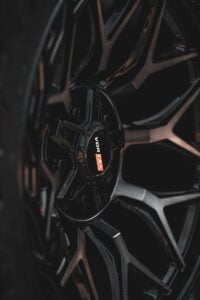
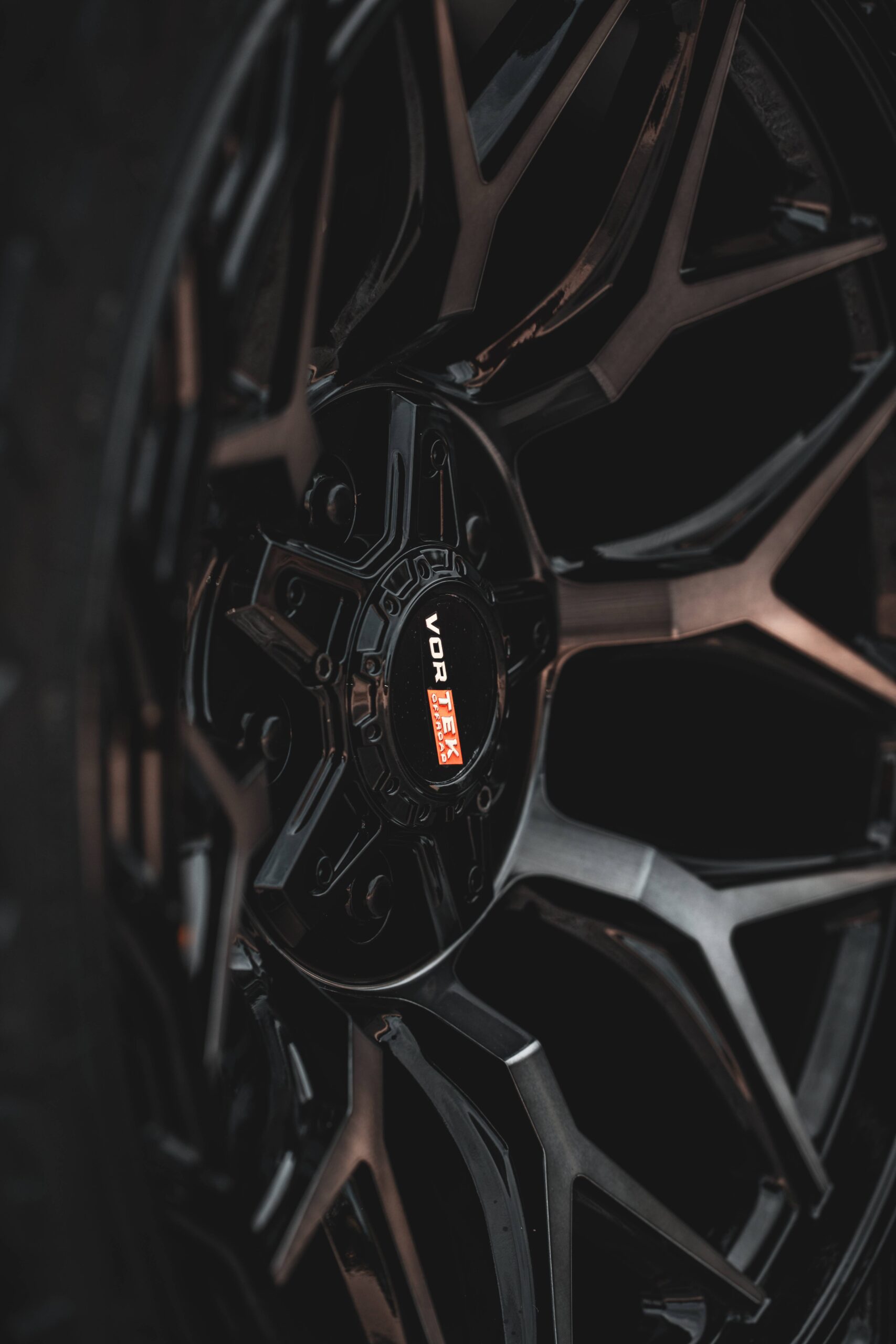
The choice between steel and aluminum directly impacts the driving experience. The lighter weight of aluminum rims means the engine and brakes don’t have to work as hard to start and stop the wheels from spinning. This results in a truck that feels quicker and more agile. For a daily driver or a performance-focused build, aluminum is almost always the right call. On the other hand, the sheer mass of steel wheels can sometimes be an advantage in specific, low-speed off-road situations by helping to keep the tires planted. Ultimately, the best material depends on the customer’s priority. For peak off-road performance with modern designs, brands like Vortek Offroad offer rugged aluminum options that blend style with strength.
What’s the Price Range for GMC Sierra Rims?
GMC Sierra rims come in a wide range of prices, influenced by factors like size, material, brand, and construction method. For your customers, this means there’s an option for nearly every budget and goal, from simple OEM replacements to high-performance forged wheels. Understanding these price tiers will help you guide them to the perfect set that meets their needs for both style and function, ensuring they leave your shop satisfied with their investment.
Budget-Friendly Options Under $200
In the sub-$200 per-wheel category, your customers can find solid, functional options perfect for daily driving or replacing a damaged rim. This price point typically includes steel wheels, smaller-diameter cast aluminum wheels, and refurbished OEM rims. While they may not offer complex designs or premium finishes, they provide a reliable and cost-effective solution. For truck owners who prioritize durability for work or need a quick replacement, these wheels get the job done. You can often find a variety of new and remanufactured wheels in this range, offering plenty of choices for budget-conscious buyers.
Mid-Range Rims for Performance
This is the sweet spot for many Sierra owners who want to upgrade their truck’s appearance and performance. In the mid-range, you’ll find high-quality cast aluminum wheels from respected aftermarket brands. These rims offer a great balance of strength, lighter weight, and eye-catching designs, from rugged off-road styles to sleek street looks. Customers in this tier are often looking for a bold, aggressive appearance paired with reliable performance. This is where you can introduce them to a wider variety of finishes and spoke patterns that transform their Sierra.
Investing in Premium and Forged Wheels
For the customer who wants the best, premium and forged wheels are the ultimate upgrade. These rims are built with superior materials and manufacturing processes, resulting in wheels that are exceptionally strong and lightweight. Made from durable cast or forged aluminum, they often feature intricate multi-spoke designs and high-end finishes. Brands in this category focus on creating an edgy, rugged flair that makes a statement. While the investment is higher, the benefits include improved handling, enhanced durability, and a truly custom look that sets their Sierra apart.
How to Get the Best Value
Getting the best value isn’t just about finding the lowest price; it’s about making a smart, long-term investment. The most important factor is ensuring the wheel is rated for the truck’s demands. Always confirm that the rims meet or exceed the Sierra’s gross axle weight rating to guarantee safety and performance. It’s also wise to avoid some of the most common mistakes when buying wheels, like choosing a finish that isn’t durable enough for the local climate. Guiding customers toward a reputable brand ensures their new rims perform reliably for years.
Which Brands Make Quality Rims for the GMC Sierra?
When your customers ask for new rims, the brand you recommend says a lot about your shop. The right one delivers on quality, style, and performance, leading to a happy customer and a great review. The wrong one can lead to fitment issues, premature wear, and a damaged reputation. While the market is full of options, focusing on brands with a proven track record is the smartest path forward. A well-rounded inventory should include options for every type of Sierra owner, from the off-road adventurer to the luxury-minded daily driver.
Discover Our Portfolio of Premium Brands
You’ve likely heard of popular brands like Fuel, Method, and Black Rhino. They’ve built strong reputations for a reason, and many customers will ask for them by name. For instance, the Fuel Matte Black Vapor wheels are a frequent request for giving the Sierra a sharp, aggressive look. A great distributor provides a portfolio of brands that covers every type of customer need. This allows you to offer distinct styles at different price points, all while protecting your margins with clear MAP policies. Having a curated selection means you can confidently guide customers to the perfect wheel without worrying about brand overlap or channel conflict.
XF Offroad and Vortek for Peak Off-Road Performance
For the Sierra owner who plans on leaving the pavement behind, you need brands that are built to take a beating. This is where specialized lines like XF Offroad and Vortek shine. They are engineered for the demands of off-road driving, with durable construction and designs that accommodate larger, more aggressive tires. These brands offer the bold, rugged look that truck enthusiasts crave while providing the strength needed to handle tough terrain. Pairing a set of rugged wheels with capable tires gives your customers the confidence to tackle any trail and helps you become the go-to shop for off-road builds.
Arvano and Cavallo for Luxury and Style
Not every Sierra is destined for the dirt. For customers who want to add a touch of sophistication, luxury brands are the answer. Arvano and Cavallo focus on creating high-end designs with premium finishes that enhance the truck’s appearance. These rims offer a clean, stylish upgrade that complements the Sierra’s powerful lines without being overly aggressive. They are perfect for the client who uses their truck as a daily driver or wants a show-quality finish. Offering these options helps you serve the growing market of truck owners who care deeply about which wheel brands they choose, turning a standard truck into a statement piece.
What Key Features Should You Look For?
Once you’ve narrowed down the style and size for a customer’s GMC Sierra, it’s time to dig into the technical details. These features are what truly define a wheel’s performance, safety, and longevity. Getting them right is crucial for ensuring a perfect fit and a happy customer who trusts your expertise. Paying attention to load ratings, finishes, and system compatibility will prevent installation headaches and ensure the wheels you sell are up to the task, whether they’re for daily driving, heavy hauling, or off-road adventures.
Confirm the Load Rating and Weight Capacity
A wheel’s load rating isn’t just a suggestion; it’s a critical safety specification. This number indicates the maximum weight each wheel can safely support. Using a wheel with a load rating that’s too low for the vehicle, especially a capable truck like the Sierra, can lead to premature wear or even catastrophic failure under stress. Before finalizing any sale, make sure the wheels you select meet or exceed the truck’s gross axle weight rating (GAWR), which you can typically find on the sticker inside the driver’s side door jamb. This simple check ensures the wheels can handle anything the Sierra is built for.
Choose a Finish for Style and Durability
Choosing the right finish is about more than just looks; it’s also about long-term durability. The finish is the wheel’s first line of defense against road salt, brake dust, and moisture. For instance, the popular matte black wheels often seen on the Sierra 1500 provide a sleek, aggressive look while being made from durable cast aluminum. Other options like powder-coated or painted finishes offer excellent corrosion resistance, while chrome delivers a classic shine that requires a bit more upkeep. Guiding your customer toward a finish that matches their truck’s intended use and local climate will result in a look that lasts.
Verify Brake Clearance and TPMS Compatibility
Two final checks can save you from major installation issues: brake and sensor compatibility. First, always check caliper clearance to ensure the wheel’s barrel and spoke design can accommodate the truck’s brake setup, especially if it has larger factory brakes or an aftermarket big brake kit. Second, confirm the wheels are compatible with the vehicle’s Tire Pressure Monitoring System (TPMS). Most modern aftermarket wheels are designed to accept factory or aftermarket TPMS sensors, but it’s a crucial detail to verify. Getting this right ensures no warning lights on the dash and that this important safety feature remains fully functional.
How Can You Verify Fitment Before You Buy?
Nothing stops a sale faster than a wheel that doesn’t fit. Verifying fitment before you place an order is the single most important step to ensure a smooth installation and a happy customer. Getting it right the first time saves you from dealing with returns, wasted freight costs, and the headache of starting the sales process all over again. For your customers, it means a safe, reliable setup that performs as expected without any surprises like rubbing or vibration.
Think of fitment verification as your quality control. By confirming every specification, from the bolt pattern to the offset, you protect your shop’s reputation and build trust with your clients. A perfect fit demonstrates your expertise and attention to detail, turning a one-time purchase into a long-term relationship. The following steps will help you confirm every detail so you can order with complete confidence, knowing the wheels you sell will be a perfect match for your customer’s GMC Sierra.
How to Check Your Truck’s Current Wheel Specs
Before you even browse for new rims, you need to know the truck’s current wheel specifications. These non-negotiable numbers are the foundation for a successful fitment. The most critical spec is the bolt pattern. For example, every fifth-generation GMC Sierra 1500 (from 2019 to the present) uses a 6×5.5-inch (or 6×139.7mm) bolt pattern. You’ll also need to confirm the factory offset and center bore.
This information can usually be found in the owner’s manual or on a sticker inside the driver’s side door jamb. If it’s not there, you can always measure the bolt pattern directly. Confirming these details upfront ensures the wheels will mount correctly and safely on the vehicle hub.
Check Clearance for Lifted and Leveled Trucks
If you’re working on a modified GMC Sierra, the fitment rules change. A lift or leveling kit creates more room in the wheel wells, allowing for larger wheels, wider tires, and more aggressive offsets. While a stock Sierra typically accommodates wheels from 17 to 22 inches, a leveled truck can often handle a negative offset down to -12mm without issues. For fully lifted builds, the possibilities expand even further.
However, more room also means more variables. You’ll need to carefully consider how the wheel width and offset will interact with the new suspension geometry and larger tires. The goal is to avoid any rubbing against the fenders, control arms, or frame, especially when the steering is at full lock.
Debunking Common Rim Fitment Myths
Helping your customers avoid common pitfalls is key to a great sale. One of the biggest myths is that looks are more important than fitment. While style is a major factor, a great-looking wheel that doesn’t match the truck’s specs can cause vibration, poor handling, or even damage the vehicle over time. Always guide the conversation back to function first.
Another common mistake is when a customer falls in love with a specific wheel design before checking if it’s available in the right size and bolt pattern for their Sierra. This often leads to disappointment. Encourage customers to start with the required specifications and then explore the styles that fit those parameters. This approach streamlines the selection process and prevents the frustration of finding the “perfect” wheel that simply won’t work.
Where Can You Buy Quality GMC Sierra Rims?
Finding the right set of rims for a GMC Sierra is about more than just style; it’s about sourcing a quality product from a reliable partner. Where you buy your wheels is just as important as which ones you choose. For automotive businesses, the right supplier ensures accurate fitment, protects your margins, and keeps your customers happy. Whether you’re stocking your showroom or sourcing for a specific build, your purchasing channel makes all the difference. Let’s look at the most common places to buy Sierra rims and the pros and cons of each.
Authorized Distributors and B2B Partners
For any automotive shop, building a relationship with an authorized wheel distributor is the most effective way to source inventory. These B2B partners provide access to a deep portfolio of wheel brands at wholesale pricing, allowing you to serve a wider range of customers. A good distributor does more than just ship boxes; they offer expert fitment advice, handle warranty support, and enforce MAP pricing to protect your profitability. Working with a dealer-first distributor means you get reliable stock levels, fast shipping from strategically located warehouses, and a dedicated partner invested in helping your business grow. This is the professional standard for sourcing wheels consistently and confidently.
Online Retailers and Marketplaces
Online marketplaces offer a massive selection of wheels, making them a useful tool for browsing styles or finding a specific, hard-to-find rim. You can easily compare prices from countless sellers in one place. However, this convenience comes with risks. Fitment information can be inaccurate, leading to costly returns and frustrated customers. Quality is also a major variable, with counterfeit products and knock-offs mixed in with legitimate brands. For a professional shop, relying on these platforms for primary inventory is risky due to the lack of dedicated support, inconsistent quality control, and potential for MAP policy violations that can undercut your business.
Your Local Automotive Shop
For the end consumer, the local automotive shop is the single best place to buy wheels. It’s where expert advice meets professional service. As a shop owner, you are the trusted resource in your community, guiding customers to the right choice based on their truck, budget, and performance needs. You provide the critical hands-on service that online sellers can’t, from verifying brake clearance to performing a flawless installation. By partnering with reliable distributors, you can offer a curated selection of high-quality rims while ensuring every set you sell is installed safely and correctly, building the long-term trust that keeps customers coming back.
What Common Buying Mistakes Should You Avoid?
Helping a customer choose the perfect set of rims for their GMC Sierra is a great feeling, but a few common mistakes can quickly turn a sale into a return. Even seasoned pros can miss a detail now and then. Getting the specs right the first time saves you time, protects your margins, and ensures your customer drives away happy and safe. By steering clear of these frequent missteps, you can guarantee a smooth process from selection to installation, building trust and encouraging repeat business. Let’s walk through the three most common pitfalls to watch for when fitting a Sierra with new wheels.
Choosing the Wrong Bolt Pattern or Hub Bore
This is arguably the most critical and common fitment error. A wheel might look perfect, but if the bolt pattern is off, it simply won’t mount. For a GMC Sierra half-ton truck, you’re typically looking for a 6×139.7mm (or 6×5.5”) bolt pattern. Just as important is the hub bore, which needs to be at least 78.1mm to fit correctly over the truck’s hub. Using a wheel with the wrong specs isn’t just an inconvenience; it’s a serious safety hazard that can lead to vibration, improper seating, and potential wheel failure. Always double-check these two critical measurements before finalizing an order.
Overlooking Load Rating and Brake Clearance
A GMC Sierra is built to work, and its wheels need to be up to the task. Every wheel has a specific load rating, which is the maximum weight it can safely support. Installing a wheel with an inadequate load rating on a truck that tows or hauls heavy loads can lead to catastrophic failure. It’s a detail customers might not think about, but it’s essential for you to verify. Similarly, you must confirm the wheel has enough clearance for the brake calipers, especially on models with performance brake packages or if the customer has upgraded their brakes. A wheel that looks great but can’t clear the calipers is a non-starter.
Prioritizing Looks Over Function
It’s easy for a customer to get excited about an aggressive design or a unique finish, but aesthetics should never be the only consideration. The best wheel is one that balances style with the right performance characteristics for the vehicle. A common mistake is choosing a wheel based on looks alone, without confirming that the size, offset, and load rating are appropriate for the customer’s Sierra and how they use it. Your role as an expert is to guide them toward a choice that not only achieves the look they want but also maintains the truck’s handling, safety, and capability for years to come.
How to Install and Maintain Your New Rims
Once you’ve chosen the perfect set of rims for a customer’s GMC Sierra, the job isn’t quite done. Proper installation and consistent maintenance are key to ensuring those wheels perform safely and look great for years to come. Giving your customers solid advice on how to care for their new investment not only builds trust but also helps prevent common issues down the road. Here’s a straightforward guide to installation and upkeep that you can use in your shop and share with your clients.
Professional vs. DIY Installation
While some customers might be tempted to install their new rims at home, we almost always recommend professional installation. Your shop has the specialized equipment needed to mount tires correctly and, most importantly, to balance the wheel and tire assemblies. Proper balancing is critical for a smooth ride and prevents uneven tire wear. However, if a customer orders a pre-mounted wheel and tire package, a DIY installation is more manageable. They’ll still need the right tools, including a quality jack, jack stands for safety, and a torque wrench to tighten the lug nuts to the vehicle’s exact specifications.
How to Clean Your Rims for a Longer Lifespan
Keeping rims clean does more than just maintain their appearance; it protects the finish from damage. Advise your customers to wash their rims regularly with a simple solution of mild soap and water. Harsh, acidic cleaners can strip the protective clear coat and damage the finish, so it’s best to avoid them. For stubborn brake dust and road grime, a soft-bristled brush or a dedicated microfiber cloth works wonders without scratching the surface. After cleaning, applying a quality wheel wax or sealant adds a protective layer. This barrier makes future cleanings easier and helps prevent corrosion from road salt and other contaminants.
Key Inspection and Maintenance Tips
Regular inspections are a must for catching potential problems early. Encourage customers to visually check their rims for any signs of damage, like cracks or bends, especially after hitting a pothole or driving on rough terrain. It’s also crucial to periodically check that the lug nuts are properly torqued. Lug nuts can sometimes loosen over time, creating a serious safety risk. Finally, remind them that tire health is directly linked to rim health. Maintaining correct tire pressure not only ensures optimal performance and fuel economy but also helps protect the rims from impact damage by providing the intended cushion.
Related Articles
- 4×4 Truck Rims: The Ultimate Buyer’s Guide
- Wholesale Truck Rims: The Ultimate Buyer’s Guide
- The Dealer’s Guide to Custom Forged Wheels
- The Pro’s Guide to Buying Wholesale Truck Rims
- 6 Best Chrome Wheels for Trucks (2026 Guide)
Frequently Asked Questions
What are the absolute must-know specs before ordering Sierra rims? Before you look at any styles, you need to confirm the non-negotiable fitment details. For a modern GMC Sierra 1500, the bolt pattern is 6×139.7mm (or 6×5.5 inches) and the hub bore must be at least 78.1mm. Getting these two specs right ensures the wheel will physically mount to the truck. After that, you can focus on details like offset and width to achieve the perfect stance without causing rubbing or suspension issues.
How do I explain the value of aluminum wheels over cheaper steel options to a customer? The conversation comes down to performance versus pure utility. While steel wheels are incredibly durable and affordable, aluminum wheels offer significant performance benefits. Explain that because aluminum is much lighter, it reduces the truck’s unsprung weight. This simple change can make the Sierra feel more responsive, improve acceleration and braking, and can even contribute to better fuel economy. It’s an upgrade that enhances both the look and the feel of their truck every time they drive.
Can a stock GMC Sierra fit larger aftermarket wheels without modifications? Yes, in many cases you can install larger diameter wheels on a stock Sierra, but you have to be smart about it. The key is to maintain a similar overall diameter of the tire to avoid issues with rubbing or speedometer calibration. For example, you can often go from a factory 18-inch wheel to a 20-inch wheel by choosing a tire with a lower-profile sidewall. The wheel’s width and offset are also critical factors, as an aggressive offset can push the wheel out and cause it to interfere with the fender.
What’s the main difference between a replica wheel and an OEM wheel? Think of it this way: an OEM wheel is the original part that came directly from the vehicle manufacturer, while a replica wheel is a copy of that design made by a third-party company. Replicas are a great, cost-effective solution for customers who want to replace a single damaged factory wheel or love the stock look but not the dealership price tag. They provide the same aesthetic, allowing for a seamless repair or a clean, factory-style appearance for less.
Besides the wheels, what other costs should my customer be aware of? A great wheel setup involves more than just the rims themselves. It’s important to set expectations with your customer about the total investment. This often includes the cost of swapping their existing Tire Pressure Monitoring System (TPMS) sensors or purchasing new ones. You should also factor in professional mounting and balancing, which is essential for a safe and vibration-free ride. Depending on the new setup, they may also need a new set of lug nuts and a final wheel alignment to ensure everything is perfect.