A customer walks into your shop, points to a set of forged dually wheels, and asks that crucial question: “Why are these so much more expensive?” A hesitant answer can kill a high-value sale. The truth is, the difference goes far beyond a shinier finish. It’s rooted in superior engineering, unmatched strength, and critical safety benefits. This guide is designed to arm you with that knowledge. We’ll break down the manufacturing, performance, and durability, helping you confidently frame these premium wheels as a smart, long-term investment for any serious truck owner.
Key Takeaways
- Stronger and Lighter by Design: The forging process creates a denser metal structure, resulting in wheels that are significantly stronger yet lighter than cast alternatives. This provides the high load capacity essential for dually trucks and improves overall vehicle performance.
- Fitment is Non-Negotiable: For dually trucks, correct fitment is a critical safety issue. Always verify the wheel’s load rating, bolt pattern, and offset to prevent dangerous tire rubbing, ensure proper handling, and avoid performance problems.
- Justify the Cost with Long-Term Value: Frame the higher price as a smart investment. Forged wheels offer superior durability that reduces replacement costs, performance gains that improve the driving experience, and premium quality that can increase the truck’s resale value.
What Makes Forged Dually Wheels Different?
Forged dually wheels are a premium upgrade for heavy-duty trucks, offering a combination of superior strength and reduced weight. They are specifically engineered for vehicles with a dual-rear-wheel setup. Understanding what makes them different from standard or cast dually wheels is key to helping your customers make the right choice for their towing, hauling, or custom build needs. Let’s break down the fundamentals.
First, What Makes a Truck a “Dually”?
A “dually” is a heavy-duty truck equipped with two wheels on each side of the rear axle, for a total of four rear wheels. This design distributes the vehicle’s load over a wider surface area, dramatically increasing stability and towing capacity. You’ll typically see dually trucks used for hauling heavy trailers, campers, or commercial equipment. These trucks often use an 8-lug or 10-lug bolt pattern, which provides a more secure connection to the hub and better supports the immense weight they are built to handle. The entire dually system is engineered to provide the muscle needed for the toughest jobs, making the choice of wheels a critical performance and safety decision.
Forged vs. Cast: What’s the Difference?
When choosing dually wheels, the main decision comes down to how they are made: forged or cast. Cast wheels are created by pouring molten aluminum into a mold. This method is efficient and cost-effective, making cast wheels a popular and reliable option for many truck owners.
Forged wheels, on the other hand, start as a solid piece of high-grade aluminum billet. This billet is heated and then shaped under extreme pressure. This intense forging process realigns the grain structure of the metal, making it incredibly dense and strong. As a result, forged wheels are significantly lighter and stronger than their cast counterparts, often with a more refined finish and sharper design lines.
The Forging Process: Monoblock Construction
The term “monoblock” sounds technical, but it simply means the wheel is crafted from a single, solid piece of aluminum. Think of it as being carved from a block rather than assembled from parts. This is a crucial detail because it eliminates the seams or bolts found in multi-piece wheels, which can become weak points under extreme stress. The entire wheel manufacturing process begins with a solid cylinder of high-grade 6061-T6 aluminum billet. This isn’t just any aluminum; it’s the same quality material trusted in aerospace applications for its strength and reliability. For a dually truck that’s constantly under heavy load, this single-piece construction provides unmatched structural integrity and peace of mind.
From there, the billet is heated and subjected to immense pressure from a forging press. This isn’t just about shaping the metal; this process fundamentally changes its internal structure. The pressure compacts the aluminum, refining its grain and removing any tiny pores or imperfections. The result is a material that is incredibly dense, and therefore, significantly stronger and lighter than a cast wheel of the same design. This strength-to-weight ratio is the holy grail of wheel performance. It allows for a higher load capacity without adding unnecessary weight, which translates to better handling, improved fuel efficiency, and less strain on the truck’s suspension—all benefits your customers will feel on the road.
Why Forged Is Ideal for Heavy-Duty Trucks
The benefits of forged wheels align perfectly with the demands placed on dually trucks. First, their superior strength provides a higher load rating, which is essential for safe towing and hauling. Because the metal is denser and free of the microscopic pores found in cast wheels, it can withstand greater stress.
Second, forged wheels are typically 25-30% lighter than cast wheels. This reduction in unsprung weight improves handling, acceleration, and even fuel efficiency. Finally, there’s durability. When pushed past its limit, a cast wheel is more likely to crack, which could lead to a catastrophic failure under load. A forged wheel, due to its grain structure, is more likely to bend. This resilience makes forged wheels a smarter, safer investment for any heavy-duty truck application.
Forged Dually vs. Stock Wheels: A Head-to-Head Comparison
When your customers are in the market for dually wheels, the conversation almost always comes down to one key choice: forged or standard cast wheels. While both work, they are manufactured differently, leading to significant variations in performance and strength. Understanding these differences is crucial for helping your customers make an informed decision that aligns with their truck’s purpose, whether for heavy-duty hauling or a standout custom build. Let’s break down the three main areas where forged wheels separate themselves.
Strength and Load Capacity: Who Wins?
The primary advantage of a forged wheel is its exceptional strength. The forging process shapes a solid block of aluminum under extreme pressure, creating a dense and uniform grain structure. This eliminates the microscopic pores found in cast wheels. For a dually truck under constant heavy loads, this is a game-changer. The superior strength means a forged wheel handles greater stress without the risk of cracking. You can explain to customers that this structural integrity provides an essential safety margin when towing heavy trailers or carrying substantial payloads.
Does Lighter Mean Faster? Weight vs. Performance
It might seem counterintuitive, but stronger doesn’t mean heavier. Forged wheels are significantly lighter than cast equivalents. Because the material is so dense, less of it is needed to achieve the required load rating. This weight reduction improves vehicle performance by decreasing unsprung mass. With less weight for the suspension to manage, the truck gains better handling and sharper acceleration. For the driver, this translates to a more responsive feel on the road, making their heavy-duty truck feel less cumbersome during daily operation.
Which Wheels Will Last Longer?
A wheel’s ability to withstand daily abuse is a major factor in its long-term value. Forged wheels are far more resistant to impacts from potholes and job site debris. While a sharp impact might crack a cast wheel, a forged wheel is more likely to bend, often allowing for repair instead of a full replacement. This resilience means forged wheels last longer and maintain their integrity over time. For customers who depend on their trucks, this durability offers peace of mind and a better return on investment.
How to Choose the Right Forged Dually Wheels
Guiding a customer to the right set of forged dually wheels goes beyond just picking a cool design. It’s about matching the wheel to the truck’s demands and the owner’s lifestyle. When you focus on the key technical specifications, you not only make a better sale but also prevent future headaches like fitment issues or premature wear. Let’s walk through the four most important factors to consider: load rating, fitment, finish, and warranty.
Don’t Skip the Load Rating
This is the most critical step. A dually truck is built to haul heavy loads, and its wheels must be up to the task. The load rating indicates the maximum weight a single wheel can safely support. For a dually, you need to ensure the combined load rating of all six wheels meets or exceeds the truck’s Gross Vehicle Weight Rating (GVWR), which is found on the driver’s side door jamb sticker. Choosing a wheel with an inadequate load rating is a serious safety risk. Forged wheels are known for their strength, but you still need to confirm the specific rating for each model to ensure it’s right for your customer’s heavy-duty application.
Nailing Your Fitment and Sizing
Proper fitment is about more than just the bolt pattern. For dually trucks, you have to get the offset and backspacing just right to ensure there’s enough clearance between the two rear wheels, as well as between the tires and the suspension. Incorrect spacing can cause the tires to rub against each other, leading to dangerous overheating and potential blowouts. It can also cause vibrations and poor handling. Always use a vehicle-specific fitment guide to verify every dimension before ordering. This precision is what separates a professional installation from a risky guess, ensuring the truck handles correctly and the customer has a safe, smooth ride.
Understanding Common Diameters and Widths
Forged dually wheels are available in a wide array of sizes, and knowing the landscape helps you guide customers effectively. Diameters typically range from 19.5 inches all the way up to 30 inches, with widths varying from a standard 6.75 inches to an aggressive 16 inches. This variety isn’t just for show; it serves different purposes. Smaller diameters like 19.5 inches are often the choice for pure work trucks, designed to use commercial-grade tires with high load ratings. As you move into larger diameters—22, 24, and 26 inches—the focus shifts toward a blend of style and strength, perfect for the customer who wants their truck to perform well and look impressive. Understanding these wheel dimensions is the first step in matching a customer to their perfect set.
Customer Demand for Specific Sizes
While the options are vast, you’ll notice clear trends in customer demand. The 22-inch and 24-inch diameters have become the new sweet spot for the modern dually. These sizes fill out the large wheel wells of today’s heavy-duty trucks, creating a powerful stance without compromising strength. This trend is driven by owners who use their truck for everything—from towing a fifth-wheel on the weekend to being their daily driver. They want capability and aesthetics. While the custom truck scene leans toward these larger sizes, don’t forget the workhorse segment. Sizes like 19.5 inches remain a staple for commercial clients who prioritize function and heavy-duty tire options above all else.
From Polished to Powder Coated: Picking Your Finish
The finish on a forged dually wheel is where style meets function. While a mirror-like polished finish looks incredible on a show truck, it requires consistent upkeep to prevent oxidation. For a daily driver or a work truck that sees harsh conditions, a durable powder-coated or painted finish is often a more practical choice. These finishes are more resistant to brake dust, road salt, and grime, making them much easier to maintain. When advising a customer, ask them how they use their truck. This helps you recommend a finish that not only looks great but also aligns with the level of maintenance they’re willing to perform.
Meeting the Demand for Black Forged Wheels
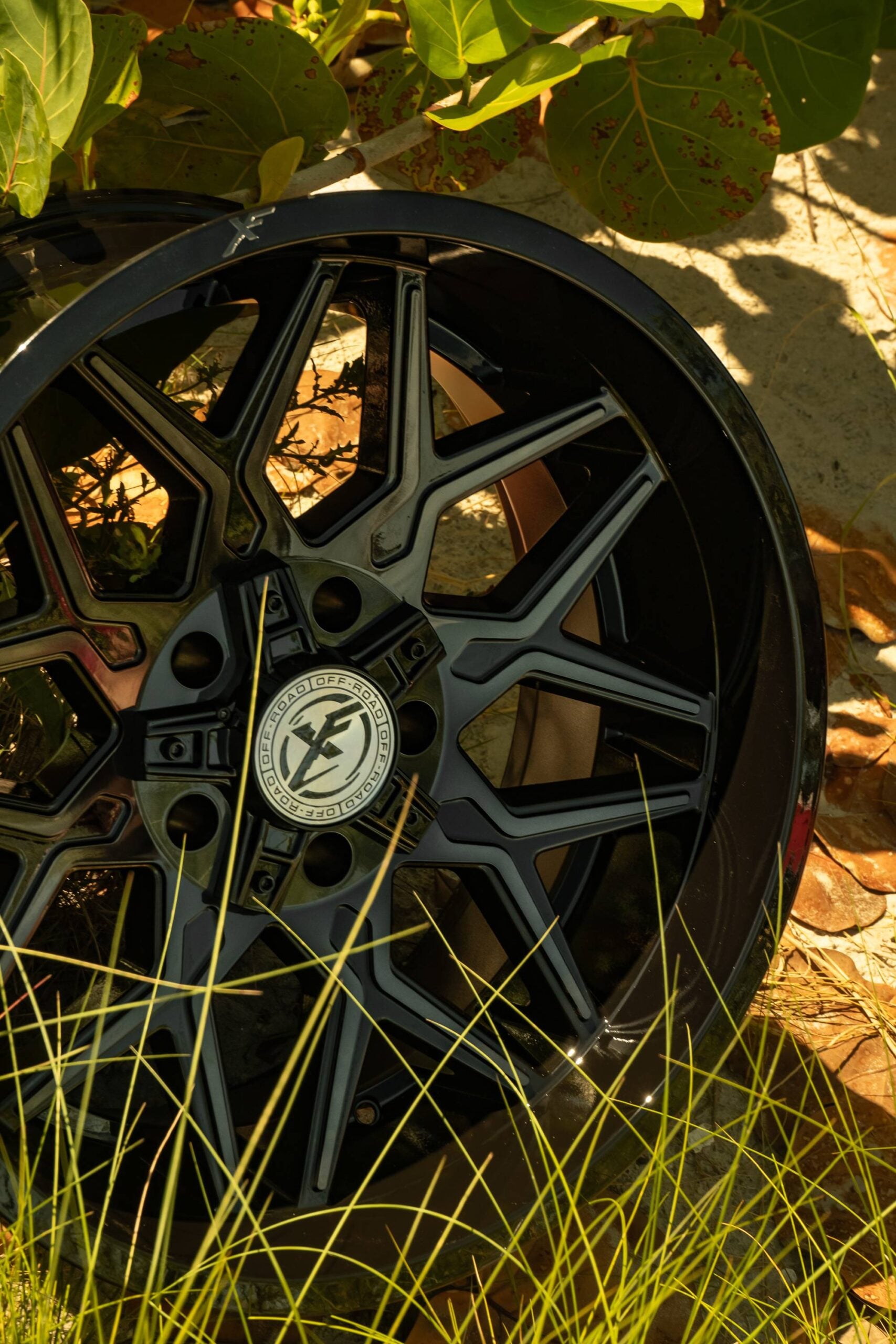
The demand for black wheels is more than a passing fad—it’s a core trend in the truck world. Finishes from matte to gloss black provide a modern, aggressive look that works with almost any paint color. But the appeal isn’t just about style. For your customers, a huge selling point is practicality. Black wheels are great at hiding brake dust and road grime, which means less time cleaning and more time driving. When you pair the superior strength of a forged wheel with a durable, powder-coated finish, you’re offering a product that wins on all fronts: looks, performance, and easy upkeep. Explaining these combined benefits helps you justify the value of a premium wheel that’s built to last and look great doing it.
What Does the Warranty Really Cover?
A strong warranty is a manufacturer’s vote of confidence in its own product. For premium forged wheels, you should expect to see a lifetime structural warranty, which covers defects in the wheel itself. The finish is typically covered by a separate, shorter warranty, often ranging from one to three years. As a dealer, it’s important to understand the warranty details for the brands you carry. This allows you to set clear expectations with your customers and efficiently handle any claims. For example, brands like Amani Forged provide clear policies that protect both the consumer and the dealer, reinforcing the value of the investment.
Who Makes the Best Forged Dually Wheels?
When you’re stocking your shop with forged dually wheels, it helps to know the key players in the market. Certain brands have built a strong reputation for quality, design innovation, and reliability, making them a trusted choice for dealers and a popular request from customers. Understanding what each brand brings to the table allows you to better serve different segments of the market, from luxury truck builders to heavy-duty work fleets. Below is a look at some of the leading brands that consistently deliver on the promise of forged performance for dually trucks.
Amani Forged
Amani Forged has carved out a niche by specializing in high-end, custom solutions for dually trucks. The brand is known for its rugged 8-lug wheels and premium custom forged dually wheels that are built to order, giving your customers the ability to create a truly unique look. Amani focuses on tailoring each wheel to meet specific aesthetic and performance demands, making them a go-to for high-end custom builds. Their designs often feature intricate details and bold styling, appealing to truck owners who want their vehicle to make a statement. For dealers, Amani represents an opportunity to offer a flagship, ultra-premium product that delivers on both exclusivity and quality.
Brand Focus and Dealer Support
For a dealer, offering a brand like Amani Forged isn’t just about selling a high-ticket item; it’s about positioning your shop as a destination for premium, custom work. Partnering with a distributor that provides strong brand support is key. This includes access to dedicated sales guidance to help you walk customers through the customization process and reliable fitment data to ensure every order is perfect. Furthermore, brands that enforce strict MAP pricing policies protect your margins, allowing you to sell confidently without getting into a race to the bottom. This ensures that the value of the brand remains high, and your profitability is secure with every sale.
American Force
As a prominent leader in the forged wheel industry, American Force offers an extensive lineup for a wide variety of vehicles, including trucks, Jeeps, and SUVs. The brand is particularly well-regarded for its dual rear wheel (DRW) forged wheels, which are engineered to handle the immense forces dually trucks endure. American Force wheels are recognized for their classic, clean designs and polished finishes that appeal to a broad customer base. By combining timeless style with the inherent strength of forged aluminum, they provide a reliable and attractive option for truck owners looking to upgrade from stock wheels for both work and show.
Market Position and Product Variety
American Force has established itself as a major player in the forged wheel market, known for a wide selection that extends beyond just dually applications. Their catalog includes options for a variety of trucks, Jeeps, and SUVs, making them a recognizable name for many customers. However, they have a particularly strong focus on the dual rear wheel segment, offering numerous designs specifically engineered for heavy-duty trucks. This broad product range means they cater to a wide audience, from those seeking a classic polished look to others wanting more intricate, modern designs. For your shop, understanding their position helps you know where they fit in the competitive landscape and what your customers might be asking for by name.
Specialized Fitment Programs
A key part of American Force’s offering is their emphasis on precise fitment, which they market through programs like ‘SureFit’ and ‘CustomFit.’ These programs signal a commitment to ensuring their wheels match a vehicle’s specific requirements, which is especially important for dually setups where clearance and offset are critical for safety. By offering different fitment levels, they aim to tailor wheels to both standard and highly customized trucks. This focus on guaranteed fitment can give customers confidence in their purchase, knowing the wheels are engineered not just for looks but for correct and safe operation on their specific vehicle. For dealers, this can simplify the ordering process and reduce the risk of returns due to fitment errors.
ADF Wheels
ADF Wheels is synonymous with high-quality craftsmanship and meticulous attention to detail. The brand focuses on creating wheels that are as visually impressive as they are strong, with features like deep lips and precise CNC machine work that set them apart. Their offerings include Super-Single front and DRW wheels designed to give trucks a powerful stance and a refined finish. For customers who appreciate the finer points of wheel design and want a product that reflects superior manufacturing, ADF delivers. Their commitment to quality ensures each wheel enhances the vehicle’s overall look while providing the durability expected from a forged product.
Fuel Off-Road
Fuel Off-Road is a dominant force in the aftermarket wheel industry, celebrated for its rugged designs and forward-thinking technology. While known for a wide range of off-road applications, their dually wheels are a popular choice for truck owners seeking an aggressive and modern aesthetic. Fuel wheels are built to withstand the harsh demands of off-road adventures but are equally at home on the street, making them a versatile option for your inventory. Their reputation for durability and style has made them one of the top aftermarket wheels for dually trucks, appealing to customers who want a proven and stylish upgrade.
Method Race Wheels
Method Race Wheels are engineered with a clear focus on performance for the most demanding applications. Whether your customer is hauling heavy loads, towing a large trailer, or navigating challenging off-road trails, Method’s wheels are built to perform. Their design philosophy prioritizes strength, durability, and light weight, which is why they are a trusted name in the racing and serious enthusiast communities. The brand’s HD Series is specifically designed for heavy-duty trucks, offering the load capacity and resilience needed for serious work. For customers who value function and reliability above all else, Method is a dependable choice.
Liberty Forged
Focus on Heavy-Duty and Commercial Trucks
Liberty Forged has built its reputation by specializing in high-performance wheels for the workhorses of the road: heavy-duty and commercial trucks. Their lineup is laser-focused on providing the exceptional strength and durability required for demanding towing and hauling applications. For your customers who rely on their dually trucks for their livelihood, Liberty Forged is an easy sell. The brand’s entire philosophy is built around creating wheels that not only provide a clean, powerful aesthetic but also enhance the truck’s functional capabilities. You can confidently explain that their dually wheels are engineered to withstand constant stress, making them a smart, reliable investment for any serious truck owner.
JTX Forged
JTX Forged is a brand known for its unwavering commitment to quality and innovation in the forged wheel market. They are a great option for the truck enthusiast who wants a custom solution that perfectly matches their vision. JTX uses high-grade materials and a meticulous manufacturing process to ensure every wheel offers superior strength and performance. This focus on precision allows them to craft custom solutions that cater to specific aesthetic tastes and functional needs. For your customers looking to elevate the performance and appearance of their dually truck with a personalized touch, JTX Forged provides a premium product backed by quality engineering.
LEGION Forged
LEGION Forged is dedicated to producing high-quality forged wheels that meet the rigorous demands of heavy-duty use. This brand is an excellent choice for customers who need a wheel that balances strength, lightweight construction, and stylish design. LEGION emphasizes precision engineering throughout its manufacturing process, ensuring each wheel can handle the intense stress of towing and hauling while still providing a distinctive look. Their designs are a testament to the idea that functional, hard-working wheels can also be visually impressive, making them a popular choice for truck owners who demand both high performance and a standout aesthetic.
What’s the Price Tag on Forged Dually Wheels?
Forged dually wheels are a premium investment, and it’s important to understand what goes into their pricing. When a customer asks why a set of forged wheels costs significantly more than cast alternatives, having a clear answer helps build trust and justify the value. The price reflects a combination of advanced manufacturing, superior materials, and long-term performance benefits. Let’s break down the costs so you can confidently explain the investment to your customers.
What Should You Expect to Pay?
When you start looking at forged dually wheels, you’ll notice the prices can vary quite a bit. A single wheel often starts around $1,000 and can climb past $2,700, depending on the brand, size, and finish. For a complete dually setup, a set of six 20-inch polished wheels might begin in the $8,000 range, while a larger, more intricate set of 30-inch custom-milled wheels could easily exceed $17,000. These figures aren’t just for looks; they represent the quality and engineering required for heavy-duty applications. This dually wheels buying guide can help you explain the different factors to your customers.
The Price Spectrum: From Standard to Premium Builds
The price of forged dually wheels reflects the significant step up in engineering and materials. It’s helpful to explain to customers that while the initial investment is higher than standard cast wheels, the cost is directly tied to long-term value. A single forged wheel typically starts around $1,000 and can climb past $2,700, depending on the brand, size, and finish. For a complete six-wheel dually setup, prices can begin in the $8,000 range for standard polished options. For larger or more intricate custom-milled wheels, that price can easily surpass $17,000. This range isn’t just about aesthetics; it represents the advanced manufacturing and superior materials that create a stronger, safer, and more durable wheel capable of handling the extreme demands of heavy-duty trucks.
What Influences the Final Price?
The biggest factor driving the cost of forged wheels is the manufacturing process. Unlike cast wheels, which are made by pouring molten aluminum into a mold, forged wheels are created from a solid block of high-grade aluminum. This block is subjected to immense heat and pressure, which compresses the metal and creates an incredibly dense and uniform grain structure. This process results in a wheel that is significantly stronger and more durable. It’s also about 25% to 30% lighter than a comparable cast wheel, which is a huge performance advantage. You’re paying for that superior strength and reduced weight.
Calculating the Long-Term Value
While the initial price is higher, it’s helpful to frame forged dually wheels as a long-term investment. Because of their dense structure, forged wheels are much more resistant to cracking from impacts; they are more likely to bend, which can often be repaired. This durability means a lower likelihood of needing costly replacements down the road. Furthermore, the lighter weight of forged wheels reduces unsprung mass, which can improve your truck’s handling, acceleration, and even braking. Over time, the combination of resilience and enhanced vehicle performance makes the upfront cost a smart financial decision for any serious truck owner.
3 Common Myths About Forged Dually Wheels
When customers are looking at forged dually wheels, they often come with a few questions and misconceptions. As a dealer, knowing how to address these points can help you guide them to the right purchase. Let’s clear up some of the most common myths so you can help your customers invest in their trucks with confidence.
Myth: They’re Too Heavy for Good Performance
It’s easy to assume that a stronger wheel must be a heavier one, but with forged wheels, the opposite is true. The forging process uses intense heat and pressure to shape a solid billet of aluminum, creating an incredibly dense grain structure. Because this material is so much stronger, manufacturers can use less of it to achieve high load ratings. The result is a wheel that is both stronger and lighter than a comparable cast wheel. This reduction in unsprung weight improves handling, acceleration, and overall ride quality. So, far from hindering performance, forged wheels actually enhance it.
Myth: The High Price Just Isn’t Worth It
The higher price tag on forged dually wheels can give customers pause. While cast wheels are a solid, budget-friendly choice for everyday driving, the value of forged wheels becomes clear when you look at the long-term picture. For customers who use their dually trucks for heavy towing or demanding commercial work, the superior strength provides critical peace of mind. Forged wheels are far more resistant to bending and damage from road impacts, which means a longer lifespan and fewer replacements. For the most discerning buyers, premium brands like Amani Forged deliver a combination of elite strength and exclusive design that holds its value.
Myth: Forged Wheels Are Indestructible
While forged wheels are exceptionally strong, no wheel is indestructible. The key difference is how they fail under extreme stress. A cast wheel’s porous structure can cause it to crack or shatter on severe impact, leading to a sudden loss of air pressure. A forged wheel, however, is more likely to bend or deform. This “bend-don’t-break” quality is a significant safety advantage, as a bent wheel often holds air long enough for the driver to pull over safely. It’s important to set realistic expectations: forged wheels offer a safer failure mode, but proper installation and maintenance are still essential.
Are Forged Dually Wheels a Smart Investment?
When you’re looking at forged dually wheels, the price tag is often the first thing that stands out. It’s a significant step up from cast alternatives, and it’s fair to ask if the extra cost is truly justified. For shop owners and their customers, the answer isn’t just about looks; it’s about calculating the long-term value. A smart investment pays for itself over time through superior performance, durability, and even by holding its value. Let’s break down exactly how forged dually wheels stack up when you look beyond the initial purchase price.
Performance vs. Price: Is the Upgrade Worth It?
There’s no getting around it: forged wheels cost more upfront. This is because the manufacturing process is more complex and the material quality is higher. But what you’re paying for is a direct upgrade in performance. Forged wheels are significantly lighter than cast wheels, which reduces unsprung mass. This might sound technical, but for a driver, it translates into very real benefits: improved handling, better acceleration, and more responsive braking. Because the wheels don’t have to work as hard to spin, the engine can deliver its power more efficiently. For a heavy-duty truck that’s already carrying a massive load, these performance improvements make a noticeable difference in the daily driving experience.
How Durability Affects Long-Term Costs
This is where forged wheels really start to pull ahead as a long-term investment. The forging process creates a wheel with a dense, uniform grain structure, making it incredibly strong and resistant to impact. While a cast wheel might crack when it hits a major pothole or obstacle, a forged wheel is more likely to bend. This resilience is critical for dually trucks that operate under extreme stress and heavy loads. For your customers, this means a much lower risk of wheel failure and a longer replacement cycle. Instead of replacing cracked cast wheels every few years, they invest once in a set that can last the life of the truck, ultimately saving money and avoiding downtime. This inherent strength is a key selling point for anyone who depends on their truck for work.
Will They Improve Your Truck’s Resale Value?
Upgrades are all about adding value, and forged dually wheels are no exception. When it comes time to sell a heavy-duty truck, premium components can significantly increase its appeal and resale price. Potential buyers, especially those looking for a capable work or show truck, recognize the quality and performance associated with forged wheels. A truck equipped with a well-known brand of forged wheels will stand out in the marketplace compared to one with stock or generic cast wheels. This helps the owner recoup a portion of their initial investment, making the total cost of ownership even more reasonable. It’s an investment in the truck’s performance and its future market value.
Where to Buy Authentic Forged Dually Wheels
Finding the right source for forged dually wheels is just as important as choosing the right brand. A great supplier relationship ensures you get authentic products, fair pricing, and the support you need to serve your customers well. This partnership is the foundation of your profitability and reputation, so it pays to be selective. Let’s walk through the key steps to sourcing these high-value wheels for your shop.
Why You Should Buy from an Authorized Distributor
Partnering with an authorized distributor is the best way to protect your business and your customers. It guarantees you’re selling genuine, high-quality wheels backed by a manufacturer’s warranty, not counterfeits that could fail under pressure. A good distributor does more than just ship boxes; they act as a true partner. They provide access to a diverse portfolio of brands, giving you the flexibility to offer options like the ultra-premium Amani Forged line alongside other popular styles. This variety allows you to cater to different customer tastes and budgets. When vetting a distributor, ask about their brand exclusivity, MAP policies, and dealer support programs to ensure they align with your business goals.
The Benefits of a Multi-Warehouse Distributor
Beyond brand selection, a distributor’s logistics network can be a game-changer for your shop. When you partner with a distributor that operates multiple warehouses, products are physically closer to you. This translates directly into faster shipping times and lower freight costs, helping protect your margins on every sale. This setup also creates a crucial inventory buffer. If one location is out of stock on a popular wheel, another can often fulfill the order without delay. For you, this means fewer backorders and a much lower risk of losing a sale because of a long wait time. Ultimately, a sophisticated distribution system ensures you can confidently promise and deliver, getting a wheel that meets high quality standards from the factory to your customer’s truck quickly and reliably.
How to Spot a Fair Price
Forged dually wheels come with a higher price tag, and it’s important to understand why so you can confidently explain the value to your customers. The forging process creates a wheel that is significantly stronger and more durable than a cast alternative. Forged wheels are often 25% to 30% lighter, which can improve ride quality and handling. More importantly, their dense grain structure allows them to bend under extreme impact rather than crack like a cast wheel might. This durability is a major selling point for anyone putting their truck to work. When you understand the manufacturing process, you can better articulate why the upfront investment translates to superior safety and long-term performance.
Breaking Down Your Payment Options
Stocking high-ticket items like forged dually wheels can be a significant investment, so it’s smart to ask potential distributors about their payment options. Many dealer-focused distributors understand the importance of cash flow for independent shops and offer flexible terms to support their partners. This might include net 30 or net 60 payment terms, lines of credit, or even floor planning programs. These options allow you to get inventory on your shelves without tying up all your capital. When evaluating suppliers, don’t just look at the sticker price of the wheels; consider how their payment and credit policies can help you manage your business’s cash flow and grow more sustainably.
Sourcing Wheels and Tires as a Package
Offering wheels and tires as a complete package is a strategic move that benefits both your shop and your customer. It streamlines the entire process by guaranteeing perfect compatibility right from the start, which is especially critical for dually trucks where fitment is a non-negotiable safety issue. When you source wheels and tires together, you eliminate the guesswork and ensure all specifications align perfectly, preventing dangerous issues like tire rubbing or poor handling. This approach not only simplifies installation for your technicians but can also be more cost-effective, as bundled pricing often protects your margins while offering better value to the customer. Providing this convenient, one-stop solution enhances the buying experience and solidifies your shop’s reputation for professional, reliable service.
Protecting Your Investment: Installation and Care
Investing in forged dually wheels is a major upgrade. To protect that investment and ensure your customer’s safety, proper installation and maintenance are non-negotiable. Following the right procedures preserves the wheel’s integrity, maintains its finish, and delivers the performance you expect. Here’s a breakdown of the essential steps your shop should follow.
Why Professional Installation Is a Must
With forged dually wheels, professional installation is an absolute must. It’s more than just mounting tires; it’s a critical safety measure. Before installation, a technician should verify the wheel’s specifications, including its size, bolt circle, and offset. This simple check confirms you have the right product for the vehicle, preventing issues like vibration, uneven tire wear, or interference with brake and suspension components. Skipping this step can lead to costly damage and compromise the vehicle’s safety. Getting it right the first time ensures a secure fit and reliable performance for your customer.
Key Safety Checks: Don’t Forget the Torque Wrench
Once the wheels are mounted, the job isn’t done. Applying the correct torque is crucial. Always use a calibrated torque wrench to tighten the lug nuts to the vehicle manufacturer’s recommended specification. For extra security on heavy-duty applications, consider applying a thread-locking compound to the bolt threads to prevent loosening. It’s also best practice to advise customers to return after 50-100 miles to have the lug nuts re-torqued. Regular checks on tire pressure and inspections for debris caught between the duals are also key to maintaining the integrity of dually setups and ensuring long-term safety.
How to Keep Your Forged Wheels Looking New
Keeping forged wheels looking their best requires a consistent cleaning routine. Brake dust and road grime aren’t just ugly; they can be corrosive and permanently damage the wheel’s finish. Start by rinsing the wheels with a strong spray of water to dislodge loose debris. Next, use a pH-neutral soap or a dedicated, non-acidic wheel cleaner and a soft brush or microfiber wash mitt to gently remove grime. Harsh chemicals and abrasive brushes can easily scratch or dull the finish, especially on polished or custom-painted surfaces. Regular, gentle cleaning is the best way to protect the wheel’s appearance and value.
Related Articles
- Wheel Manufacturing Process: Materials, Techniques & Quality Standards
- Aerospace-Grade Forging for Off-Road Performance
- 6 Best Dually Wheel Distributors in the USA
- Top 10 Forged Wheels for Off-Road Enthusiasts in 2025
- Flow Formed vs Cast Wheels: Which Boosts Profit Margins?
Frequently Asked Questions
How can I help a customer understand why forged wheels are worth the higher price? The best approach is to frame it as a long-term investment in their truck’s safety and performance. Explain that the price reflects a completely different manufacturing process. Forged wheels start as a solid block of high-grade aluminum that is compressed under extreme pressure, making them incredibly strong and dense. This process results in a wheel that is not only stronger but also significantly lighter than a cast alternative. For the customer, this means better handling, a safer failure mode (bending instead of cracking), and a durable product that will likely outlast multiple sets of cheaper wheels.
What is the most common mistake shops make when ordering dually wheels? The most critical and common error is getting the fitment wrong. Many people check the bolt pattern and assume it’s good to go, but for dually trucks, the offset and backspacing are just as important. If the spacing is incorrect, the inner and outer rear tires can rub against each other, generating immense heat that can lead to a dangerous blowout. Always use a vehicle-specific fitment guide to confirm every dimension before placing an order. Getting this right prevents a major safety hazard and a costly return.
My customer wants a polished finish for their work truck. Is this a bad idea? It’s not necessarily a bad idea, but it’s important to set clear expectations about maintenance. A mirror-like polished finish looks fantastic, but it requires consistent care to prevent oxidation and keep its shine, especially on a truck exposed to job site grime, road salt, and harsh weather. You might suggest a durable powder-coated or painted finish as a more practical alternative. These finishes offer excellent protection and are much easier to clean, which is often a better fit for a vehicle that works as hard as its owner does.
Are forged wheels really indestructible? While they are exceptionally strong, no wheel is indestructible. The key advantage of a forged wheel lies in how it behaves under extreme stress. Because of its dense grain structure, a forged wheel is more likely to bend or deform upon a severe impact. A cast wheel, in contrast, is more prone to cracking or shattering. This “bend-don’t-break” characteristic is a significant safety feature, as a bent wheel can often hold air long enough for the driver to pull over safely, whereas a cracked wheel can lead to a sudden, catastrophic failure.
What’s the difference between a structural warranty and a finish warranty? This is a great question to clarify for customers. A lifetime structural warranty covers defects in the manufacturing of the wheel itself, protecting against issues that could compromise its integrity. It’s the manufacturer’s promise that the wheel is built to last. A finish warranty is separate and covers the cosmetic appearance, such as the paint, powder coat, or chrome. This warranty is for a shorter period, typically one to three years, and protects against things like peeling or flaking, but not damage from road hazards, curb rash, or improper cleaning chemicals.