

Blog
The global aftermarket wheel market is projected to exceed $9 billion by 2027 – and the dealers who understand how wheels are actually made are the ones capturing the largest share of it.
Custom wheel manufacturing is the process of designing, engineering, and producing aftermarket wheels using methods that include forging, casting, and flow-forming – each delivering a different balance of weight, strength, and cost. The manufacturing method directly determines a wheel’s performance, its eligible vehicle fitment range, and your margin as a dealer.
At Elite Wheel Warehouse, we’ve been engineering and distributing wheels in-house since 2002. Brands like Amani Forged and XF Off-Road were built specifically to give dealers a competitive, well-sourced inventory they can trust – and sell.
Here’s the uncomfortable truth most wheel reps won’t tell you: most dealers are selling wheels they don’t fully understand. They stock based on what looks good in photos or what the distributor pushes hardest. And that’s a problem – because the moment a customer asks “why does this wheel cost three times more than that one?” you need a real answer.
Understanding custom wheel manufacturing doesn’t mean you need a metallurgy degree. It means knowing enough to match the right wheel to the right vehicle, justify premium pricing with confidence, and reduce returns from bad fitment recommendations.
The Specialty Equipment Market Association (SEMA) reports that wheel and tire upgrades consistently rank among the top three aftermarket purchases – which means your customers are actively motivated. The dealers who close those sales are the ones who can speak knowledgeably about what’s in the box.
Key Takeaway: A dealer who understands how custom wheels are manufactured can justify premium pricing, reduce fitment errors, and build lasting trust with performance-minded customers.
Think of it this way: buying a cast aluminum wheel when a customer needs a forged wheel is like recommending a cotton t-shirt for a welding job. Same general category, wildly different performance. The three primary manufacturing methods – forging, casting, and flow-forming – each produce fundamentally different products.
Before we talk about product recommendations, let’s make sure the fundamentals are locked in. Here’s how the manufacturing process shapes the product you’re putting on your customer’s vehicle.
Forging starts with a solid billet of 6061-T6 aluminum – the same alloy grade used in aerospace applications – and uses extreme heat and mechanical pressure to compress it into shape. The result is a wheel with a tighter grain structure, higher tensile strength, and significantly lower weight than a comparable cast wheel.
According to SAE International, forged aluminum components can offer up to 30% greater fatigue resistance than cast equivalents at similar or lighter weights. For a dealer, that translates into fewer warranty headaches and a customer who’s genuinely getting a better product.
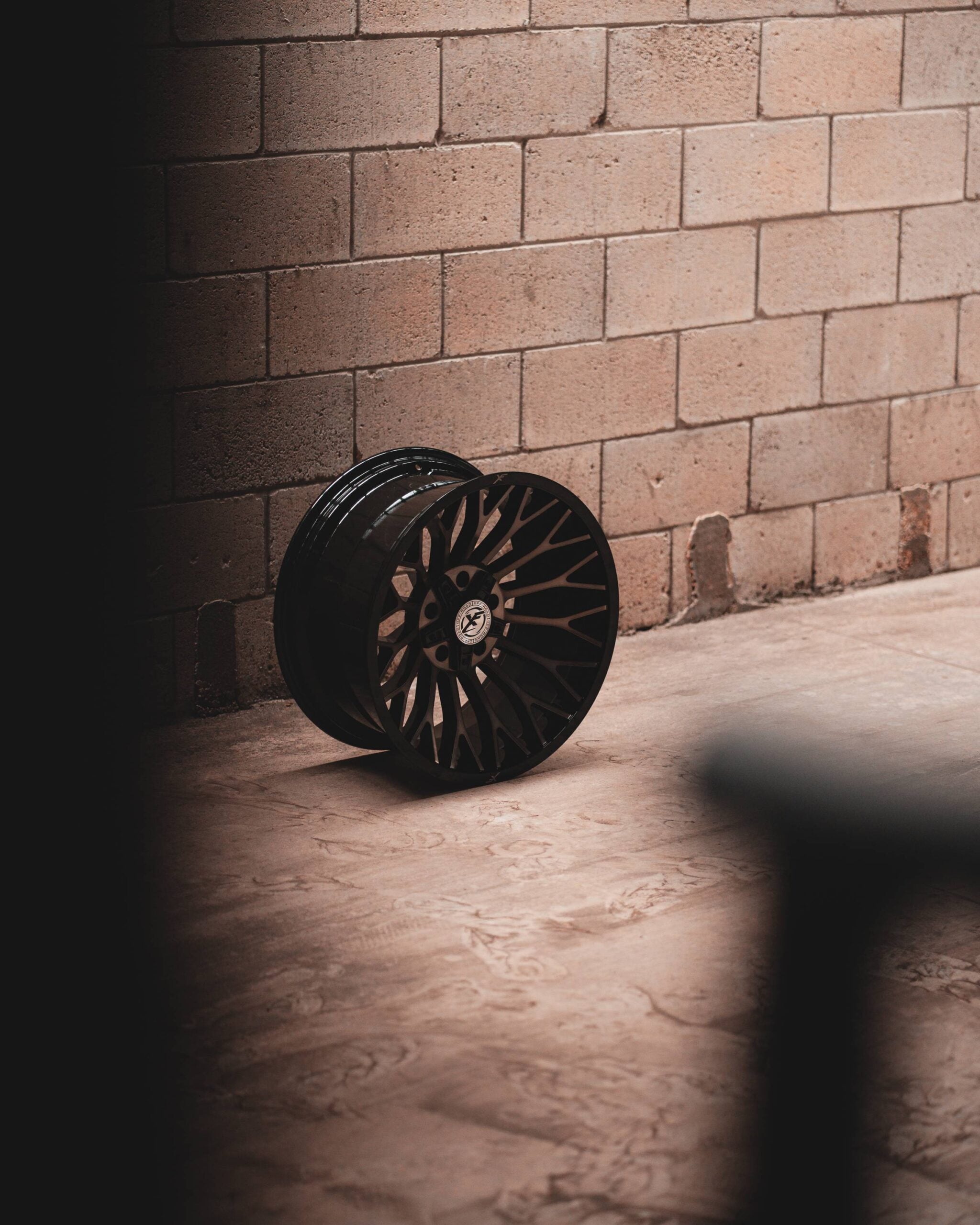
Amani Forged is Elite Wheel Warehouse’s flagship line in this category. Every wheel is USA-made, fully customizable via CNC machining, and available in monoblock, 2-piece, and 3-piece configurations. These aren’t off-the-shelf wheels with a custom finish – they’re engineered builds that allow dealers to offer truly bespoke solutions to high-end clients.
Browse the full Amani Forged catalog if you want to see what real dealer-focused customization looks like.
Pro Tip: When a customer asks about forged wheels, lead with two facts: they’re lighter (less unsprung weight = better handling) and stronger (higher impact resistance). That’s the 30-second pitch that converts.
Cast wheels are produced by pouring molten aluminum into a mold. It’s a faster, more cost-effective process than forging – and when done right, the result is a highly consistent, attractive wheel that suits the vast majority of daily drivers and enthusiast builds.
The trade-off is weight and grain structure: cast wheels are slightly heavier and have a less uniform molecular structure than forged. But for most applications – especially trucks, SUVs, and street builds – cast aluminum is entirely appropriate and far more accessible price-wise.
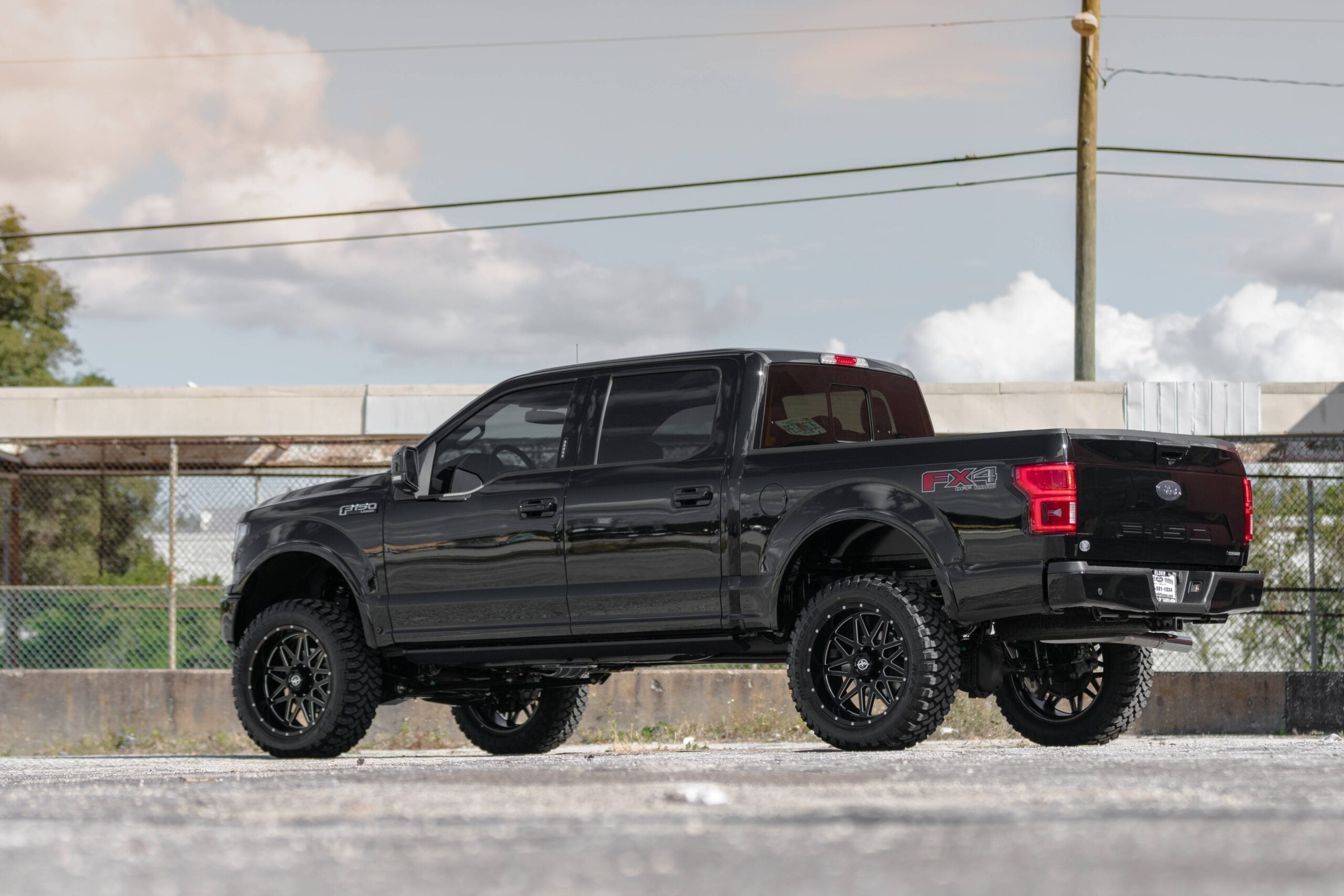
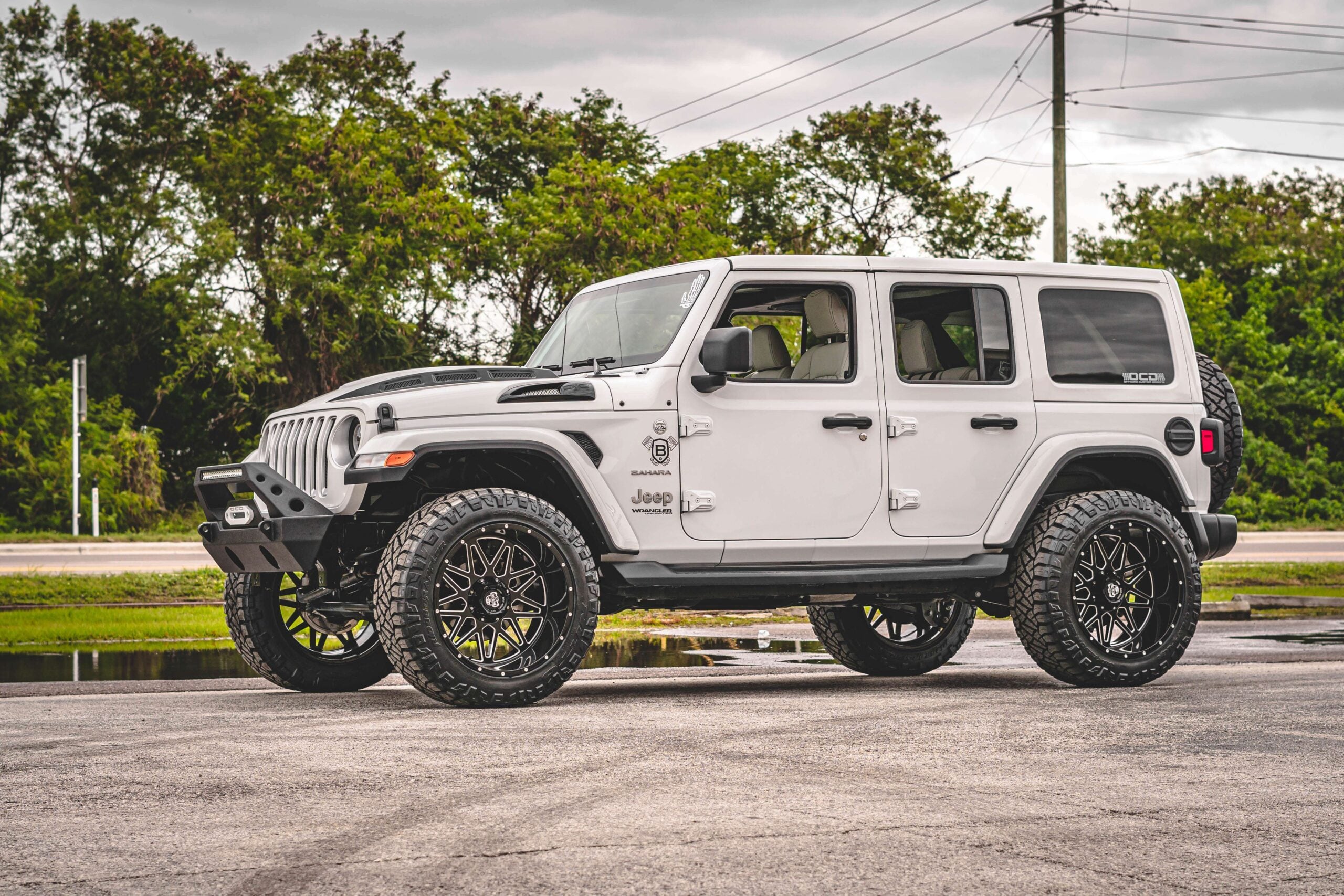
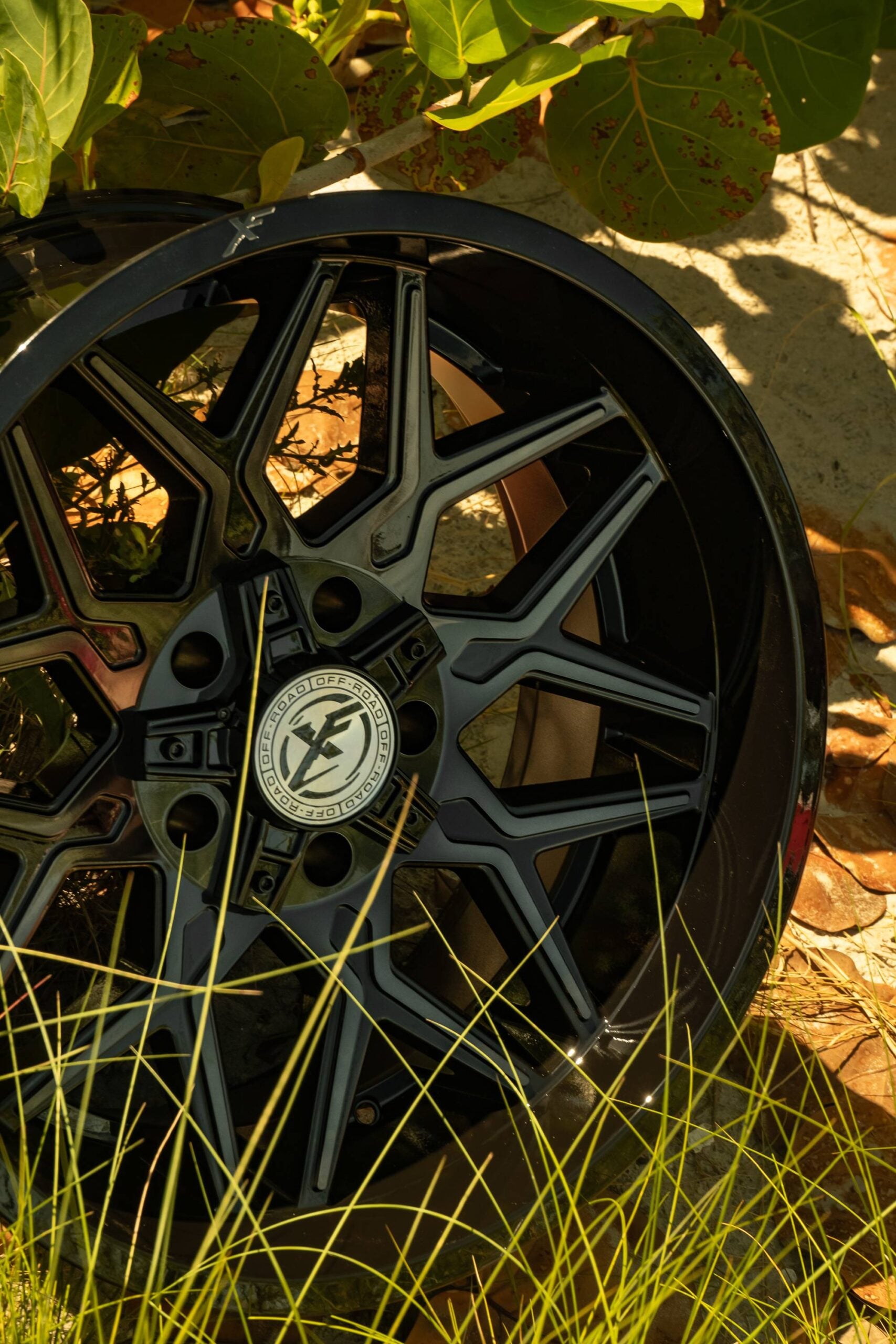
XF Off-Road is Elite’s powerhouse in the cast aluminum segment. With 40+ designs and an industry-leading variety of sizes and finishes, XF Off-Road gives dealers the depth they need to satisfy both the practical weekend Jeeper and the customer building a serious overlanding rig.
Flow-forming is a hybrid process that starts with a cast center and then uses rollers and heat to stretch and work-harden the barrel of the wheel. The result? A wheel that’s stronger and lighter than a traditional cast wheel, but more affordable than a full forged piece.
This is the manufacturing method most dealers underestimate. Flow-formed wheels hit a sweet spot that appeals to performance-minded customers who aren’t ready to commit to forged pricing – and they deliver real, measurable upgrades in stiffness and weight.
Several wheels in Elite’s lineup use flow-forming for exactly this reason: they deliver genuine performance upgrades at dealer-friendly price points that actually move inventory.
Material spec is where a lot of dealers zone out – which is exactly why knowing it makes you stand out. Your customers who care about performance absolutely care about this. And the customers who don’t? They still respond to confident, specific language.
Material | Typical Application | Dealer Selling Point |
6061-T6 Forged Aluminum | Premium forged wheels (Amani Forged) | Aerospace-grade strength, lightest option |
Cast Aluminum / Cast Alloy | Off-road & sport wheels (XF Off-Road, Azara) | Consistent quality, best variety and value |
Billet Aluminum | Custom machined applications | Precision CNC work, unique designs |
Flow-Formed Aluminum | Sport & performance hybrids | Stronger than cast, lighter than forged – ideal upsell |
Key Takeaway: The material spec isn’t just technical detail – it’s your pricing justification. Learn to connect material to outcome: “This 6061-T6 forged aluminum means you’re shedding 8–10 lbs of unsprung weight. Your customer will feel that on their first corner.”
This is the question customers ask more than almost any other – and most of the time, the answer they get is vague. “Chrome looks good but is harder to maintain.” That’s not enough. Here’s what actually matters.
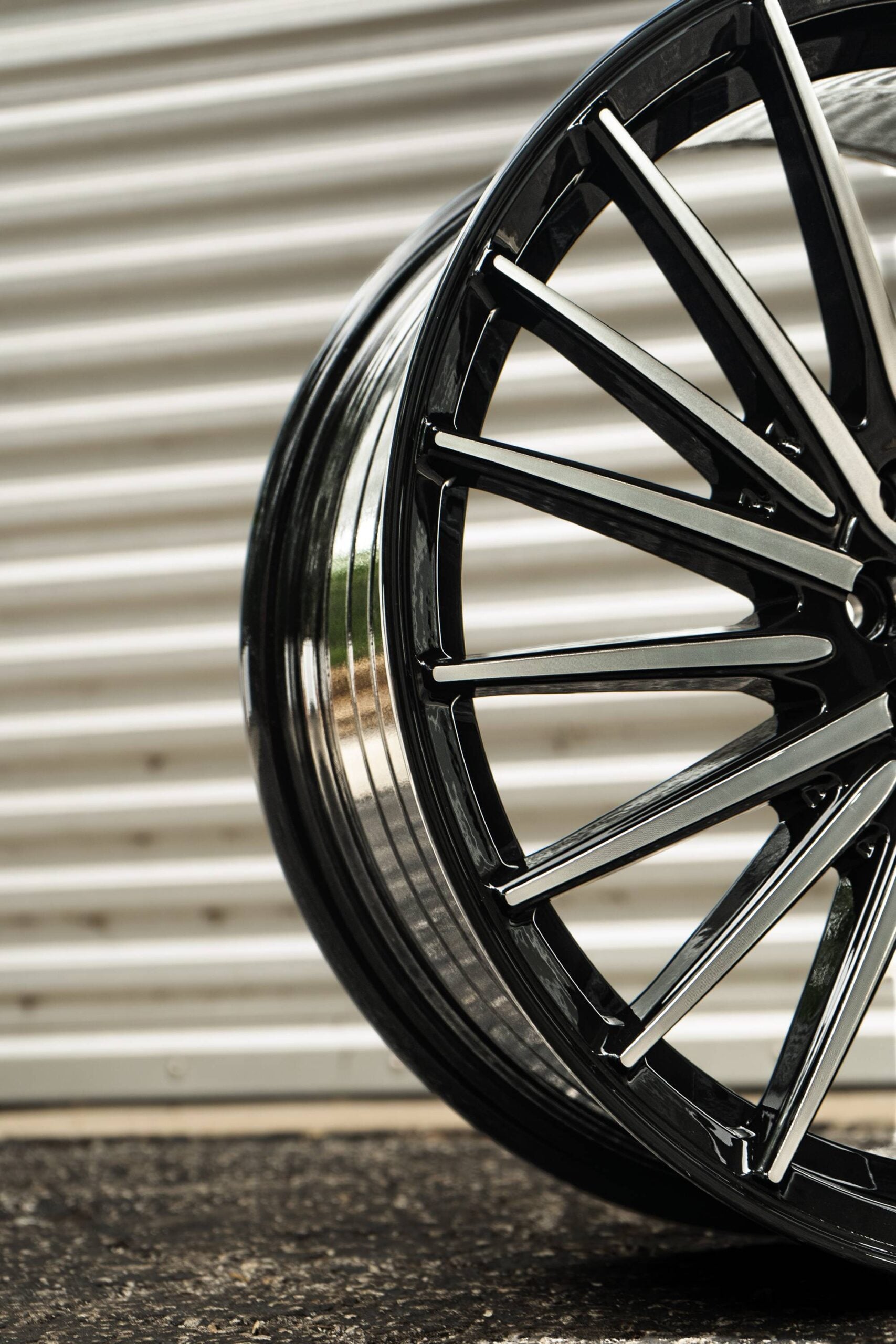
Finish selection affects corrosion resistance, long-term appearance, and how the wheel integrates with the vehicle’s overall aesthetic. A finish decision is also a lifestyle decision – chrome suits a show car, matte black suits a trail truck, and PVD chrome is for customers who want chrome durability without chrome maintenance.
Elite Wheel Warehouse offers the full spectrum: gloss black, matte black, satin black, chrome, PVD chrome, machined face, machined lip, brushed, polished, custom painted, powder coated, and two-tone multi-spoke finishes. That breadth matters when you’re stocking for a diverse customer base.
PVD (Physical Vapor Deposition) chrome deserves a section of its own. Traditional chrome is electroplated, which means it can crack, peel, and is notoriously difficult to touch up. PVD chrome bonds the finish at a molecular level – it’s harder, more corrosion-resistant, and passes environmental compliance requirements that traditional chrome does not.
Customers who want the chrome look on a daily driver should always be steered toward PVD. It’s a genuine upgrade you can justify with a straight face – and it closes sales that chrome skeptics would otherwise walk away from.
Wheels from the Cavallo line are a strong recommendation for luxury vehicle customers who want premium finishes without compromise. The newest designs in this lineup combine machined detail with multi-tone finishes that photograph well – important for dealerships and detailers who document builds on social media.
Fitment errors are the single most common cause of returns in the wheel business. And almost every one of them is avoidable.
The core fitment variables – bolt pattern, center bore, offset (ET), and load rating – need to be matched precisely to the vehicle. A wheel that’s off by 5mm in offset can cause rubbing on the inner fender. A center bore that’s too small simply won’t mount. These aren’t aesthetic problems; they’re safety problems.
The National Highway Traffic Safety Administration (NHTSA) sets standards for wheel load ratings and structural requirements. Knowing that your product meets or exceeds those standards is something worth communicating to customers who ask about safety.
Elite Wheel Warehouse’s Wheel Visualizer is one of the most practical dealer tools we offer. It lets customers (and your sales staff) preview wheels on specific vehicle makes and models before committing – which dramatically reduces buyer’s remorse and fitment disputes. Use it during the consultation process, not after the sale.
Elite also offers custom drilling, center boring, and back pad shaving services for applications that require precision fitment work. These aren’t edge-case requests – depending on your market, they can make up a meaningful portion of your high-ticket transactions.
Pro Tip: Build a fitment cheat sheet for your five most popular vehicle platforms – F-150, Wrangler, Silverado, Tacoma, Charger – with bolt patterns, center bores, and offset ranges pre-populated. Laminate it. Put it behind your counter. Your sales floor will thank you.
The best dealers don’t just know their product – they know how to read their customer in the first 60 seconds and route them to the right product category. Here’s a framework that works in practice.
This customer cares about clearance, aggressive styling, and whether the wheel can handle trail abuse. They’re not buying aesthetics – they’re buying confidence in their build.
XF Off-Road and Vortek Off-Road are the right conversation-starters here. XF gives you breadth – 40+ designs spanning traditional and modern off-road styles. Vortek gives you edge – modern aggressive designs aimed at customers who want the rig to look as capable as it performs.
Pair these with GritMaster or Venom Power tires from Elite’s tire catalog and you have a complete wheel-and-tire package that competes with any standalone specialty shop.
This customer buys on feel. They want to know the product is exclusive, well-made, and won’t depreciate the look of a $60,000 vehicle. Price sensitivity is low; credibility sensitivity is high.
Azara works exceptionally well for sedans, coupes, and luxury vehicles where premium styling is the primary brief. For customers who want the intersection of performance engineering and visual impact, Cavallo and Spec-1 deliver the goods. Spec-1 in particular is a strong entry point for sport performance customers – precision engineering at a price that opens doors.
Stocking strategy is where most dealers leave money on the table. The instinct is to go wide – order a little of everything – which means you end up with capital tied up in slow-moving SKUs and nothing in the sizes your customers actually need.
The smarter approach: identify your top three vehicle platforms, lock in the two or three fitment specs that cover 80% of those vehicles, and stock depth in those specific configurations. Then use Elite’s B2B wholesale platform and real-time inventory tools to fill the gaps on demand without carrying the overhead.
Elite’s dealer program includes SFTP feed and API integration – which means your inventory management system can speak directly to ours. No manual stock checks, no surprise backorders during a customer consultation. If becoming a dealer partner is something you’ve been considering, the dealer application takes about five minutes.
For an overview of everything Elite carries – wheels, tires, and accessories – the full catalog is the best place to start your stocking conversation.
Custom wheel manufacturing knowledge isn’t academic – it’s a sales tool. When you understand the difference between a forged 6061-T6 monoblock and a flow-formed cast wheel, you stop competing on price and start competing on expertise. That’s a fight you can win every time.
Whether you’re building out a truck and off-road program with XF Off-Road and Vortek, stocking a luxury lineup with Azara and Cavallo, or going high-end custom with Amani Forged – the strategy works when it’s built on genuine product knowledge and the right wholesale partner behind it.
Explore the full lineup of Elite Wheel Warehouse brands, build your fitment strategy around what your market actually drives, and put a real expert’s backing behind every sale.
Answer: Forged wheels are made by compressing solid aluminum billet under extreme pressure, producing a denser, lighter, and stronger wheel. Cast wheels are made by pouring molten aluminum into a mold – a faster process that’s more cost-effective. Brands like Amani Forged use forging for premium performance builds, while XF Off-Road uses cast aluminum for high-variety, value-optimized designs.
Answer: 6061-T6 is a heat-treated aluminum alloy grade with aerospace-level tensile strength and excellent corrosion resistance. In custom wheel manufacturing, it’s the gold standard for forged wheels – it delivers maximum strength at minimum weight. A wheel made from 6061-T6 forged aluminum is measurably lighter and stronger than a cast wheel of similar size.
Answer: For trucks and off-road vehicles, prioritize load rating, aggressive design options, and larger diameter fitment. XF Off-Road and Vortek Off-Road are purpose-built for this application. For luxury vehicles, the priority shifts to finish quality, low-profile styling, and precise fitment. Azara and Cavallo are designed for exactly that market, with premium finishes that complement high-end vehicles.
Answer: A flow-formed wheel starts as a cast center, then has its barrel worked with heat and rollers to compress and strengthen the aluminum. The result is a wheel that’s lighter and stiffer than a standard cast wheel, but more affordable than a fully forged unit. For performance-minded customers who aren’t ready for forged pricing, flow-formed is an honest, high-value upgrade worth recommending.
Answer: Elite Wheel Warehouse has operated a B2B dealer program since 2002. Dealers get access to wholesale pricing, a B2B platform with SFTP feed and API integration, and direct support from a family-owned manufacturer. The application takes about five minutes and unlocks access to all brands including Amani Forged, XF Off-Road, Azara, Cavallo, Spec-1, and Vortek Off-Road. Apply at the Elite dealer portal.
Become a dealer and get access to our exclusive online B2B platform for the best value on Elite Wheel and Tire brandS.
“We strive to be the global leader in the automotive industry with brands built on passion, inspiration, and innovation.”