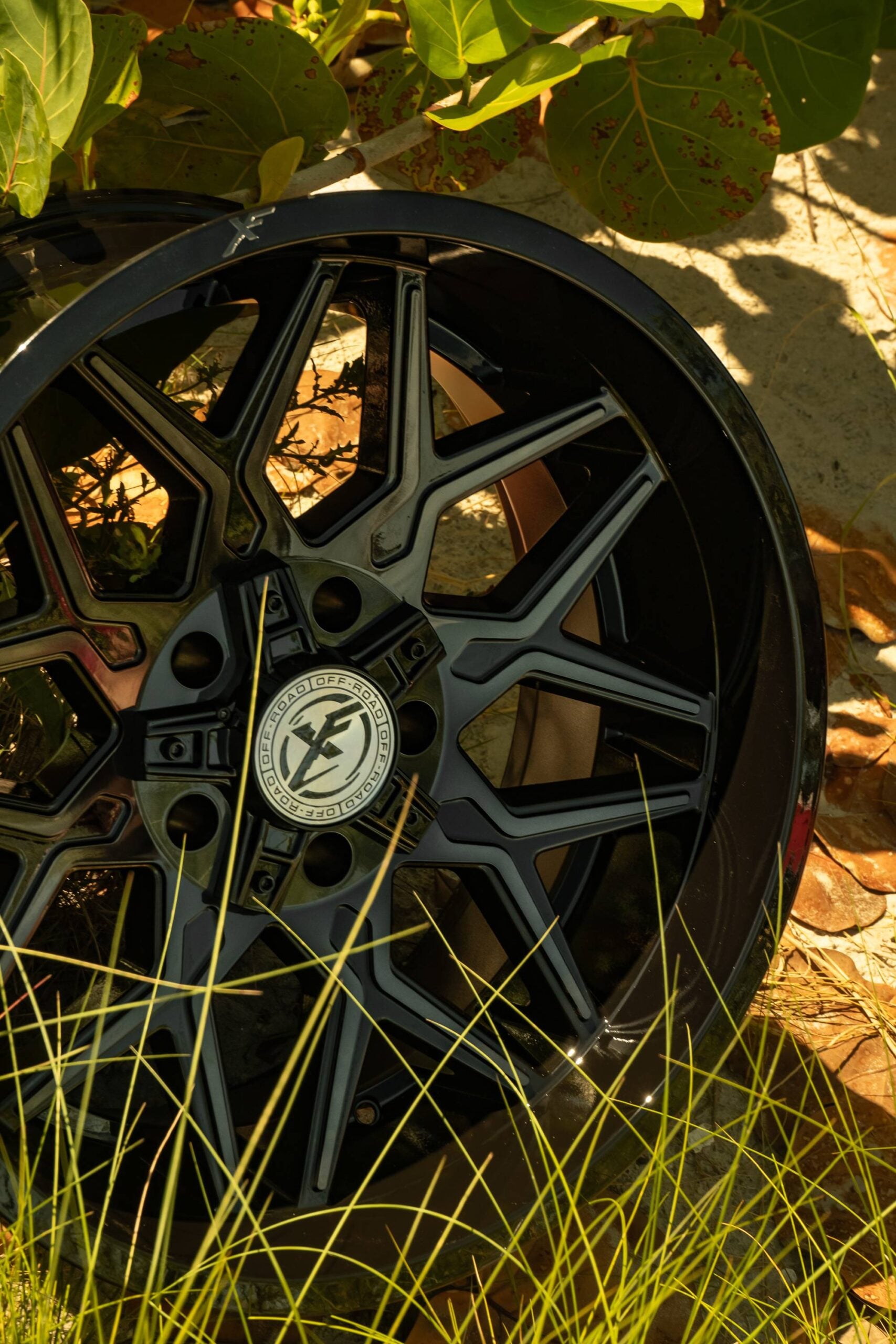
What makes a customer drive past three other shops to come to yours? It’s your brand. Building a strong identity is crucial for long-term success, and the products you carry play a huge role in shaping that identity. Offering a unique selection of custom wheels positions your shop as a destination for enthusiasts and high-end builds, setting you apart from competitors who only sell common, low-margin products. By leveraging a partner’s expertise in custom wheel manufacturing, you can offer exclusive designs that become part of your shop’s signature. We’ll show you exactly how to use custom wheels to build a powerful brand that attracts your ideal customers.
Key Takeaways
- Choose a Partner Who Protects Your Business: Your profitability depends on a distributor who offers more than just wheels. Look for a partner with strict MAP enforcement to protect your margins and multiple distribution centers to ensure fast, reliable access to inventory.
- Turn Product Knowledge into Profit: An educated team is your best sales tool. Training your staff on the technical benefits of different wheels, like construction quality and proper fitment, builds customer trust and gives them the confidence to sell more premium, high-margin products.
- Operate Leaner and Price Smarter: You don’t need a warehouse full of wheels to be successful. Leverage your distributor’s deep inventory to free up your cash flow, and focus on pricing based on the value and performance custom wheels provide, not just their cost.
Why Partner with a Custom Wheel Manufacturer?
Partnering with a custom wheel distributor is about more than just adding new products to your lineup. It’s a strategic move that can fundamentally strengthen your business. The right partner acts as an extension of your team, providing the inventory, support, and brand exclusivity you need to grow profitably. In a competitive market, simply selling the same wheels as everyone else isn’t enough. You need a way to differentiate your shop, attract higher-value customers, and protect your margins from the constant pressure of price shopping.
A dedicated wheel partner helps you achieve this by giving you access to unique designs and MAP-protected brands that your customers can’t find everywhere else. This allows you to build a reputation as a specialist and a trusted advisor, not just a parts seller. With reliable inventory and fast distribution, you can reduce the cash you have tied up in stock and minimize lost sales from backorders. Ultimately, a strong partnership helps you build a more resilient, customer-focused, and profitable automotive business.
Keep Customers Coming Back for More
Happy customers come back, and they tell their friends. Offering high-quality custom wheels is one of the most effective ways to ensure your customers leave satisfied. When a wheel fits perfectly, looks great, and performs well, it reflects directly on the quality of your shop’s work. A reliable wheel partner provides accurate fitment data and durable products, which significantly reduces customer complaints and the hassle of returns.
Instead of dealing with issues from poorly made products, you can focus on delivering an excellent experience. When you help a customer find the perfect set of wheels that transforms their vehicle, you build a strong sense of trust and loyalty. That positive experience turns a one-time buyer into a long-term advocate for your business.
Add a Profitable New Revenue Stream
Adding custom and premium wheels to your offerings opens up entirely new avenues for revenue. You can cater to a segment of the market that values quality, design, and performance over the lowest price. These customers, from truck enthusiasts to luxury car owners, are actively looking for unique products to personalize their vehicles and are willing to invest in them.
By partnering with a distributor that offers a diverse portfolio, you can provide tailored solutions for specific builds and styles. This allows you to move beyond standard, low-margin replacements and into the more profitable world of custom automotive work. Offering premium wheels establishes your shop as a destination for high-end modifications, attracting a clientele that can drive significant growth for your business.
Offer What Other Shops Can’t
In a crowded marketplace, differentiation is key to survival and growth. Offering an exclusive selection of custom wheels is a powerful way to set your shop apart. When you can provide designs and brands that aren’t available at every other shop or big-box retailer, you give customers a compelling reason to choose you. This helps you build a unique brand identity as the local expert for custom vehicles.
A good partner will support you with MAP-protected brands, which prevents you from getting into price wars with online sellers. This protection allows you to sell based on value, expertise, and service. You’re no longer just competing on price; you’re competing on style and quality, which is a much stronger position for long-term success and helps you build a recognizable brand.
Earn More on Every Wheel Sale
Custom wheels don’t just look better; they deliver better financial results for your shop. Premium and specialized products naturally carry higher profit margins than commodity wheels. A strategic partner helps you protect those margins with strict MAP enforcement, ensuring the value of the brands you sell remains high. This stability allows you to price confidently and invest back into your business.
Beyond pricing, the right partner improves your operational efficiency. With access to deep inventory and fast, reliable distribution from multiple warehouses, you can carry less stock yourself. This frees up your cash flow and reduces the risk of sitting on unsold products. You can fulfill special orders quickly, preventing lost sales and keeping your customers happy, all while running a leaner, more profitable operation.
What Defines a Quality Custom Wheel?
Selling custom wheels is about more than just aesthetics; it’s about providing customers with a product that is safe, durable, and performs well. When you can confidently explain the differences in manufacturing, fitment, and finish, you build trust and guide customers toward better purchasing decisions. Understanding these key quality indicators helps you stock the right inventory, answer technical questions, and ultimately protect your shop’s reputation.
Forged vs. Cast: What’s the Real Difference?
The two most common types of wheels you’ll encounter are cast and forged. Most wheels on the market are cast, a process where molten aluminum is poured into a mold. Casting is efficient and cost-effective, making these wheels a popular choice for daily drivers. Forged wheels, on the other hand, start as a solid piece of high-grade aluminum that is heated and pressurized into shape. This process creates an incredibly dense and strong molecular structure.
While they come at a premium price, forged wheels offer superior durability and are significantly lighter than their cast counterparts. This reduction in unsprung weight can improve a vehicle’s handling, acceleration, and braking. For customers with performance cars or heavy-duty trucks, explaining the benefits of a forged wheel is a great way to upsell to a more profitable, higher-quality product.
Understanding Flow Formed Technology
Between cast and forged wheels lies an innovative middle ground: flow formed technology. This process offers a significant upgrade from traditional casting without the premium cost of a fully forged wheel. The manufacturing starts with a cast wheel, which is then heated and spun at high speed while rollers apply intense pressure to the barrel. This technique stretches and compresses the aluminum, fundamentally changing its molecular structure to be stronger and denser.
The result is a wheel that is both lighter and more durable than a standard cast wheel. Because this manufacturing technique increases the strength of the aluminum, less material is needed, which reduces the overall weight. For your customers, this translates into real-world performance gains like improved handling, better fuel efficiency, and quicker acceleration. Being able to explain these benefits positions you as a knowledgeable expert and gives you a perfect opportunity to guide customers to a higher-quality product that offers a fantastic balance of performance and price.
Breaking Down Customization: Size, Offset, and Design
Custom wheels are a balance of style and function, and the right specifications can transform a vehicle’s performance and appearance. Beyond the overall design, the three most critical factors are size, offset, and bolt pattern. Size (diameter and width) determines the wheel’s stance and which tires can be mounted. Offset is where many customers need guidance, as it dictates how far the wheel sits inside or outside the fender. A proper wheel offset is crucial for preventing rubbing and ensuring safe handling.
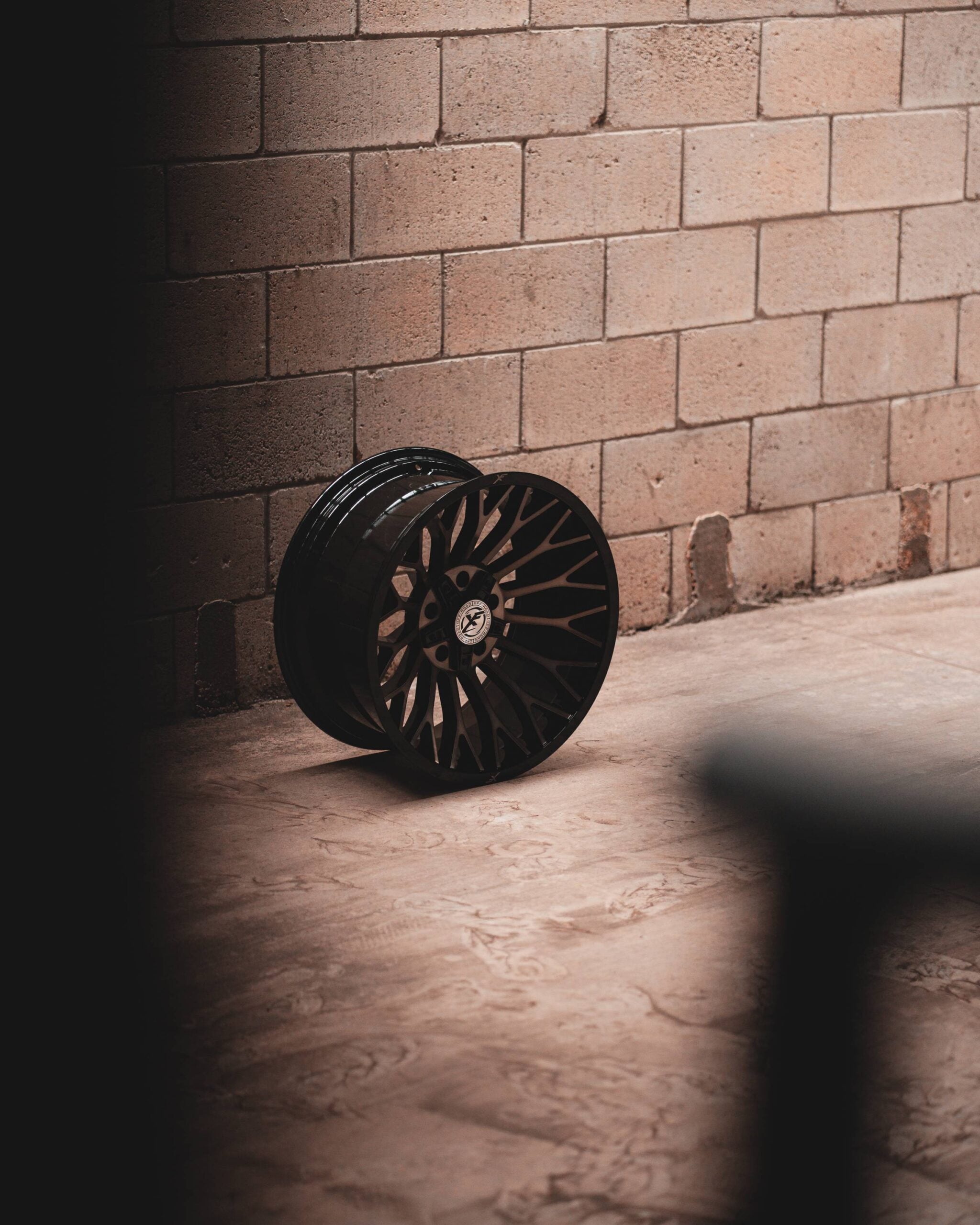
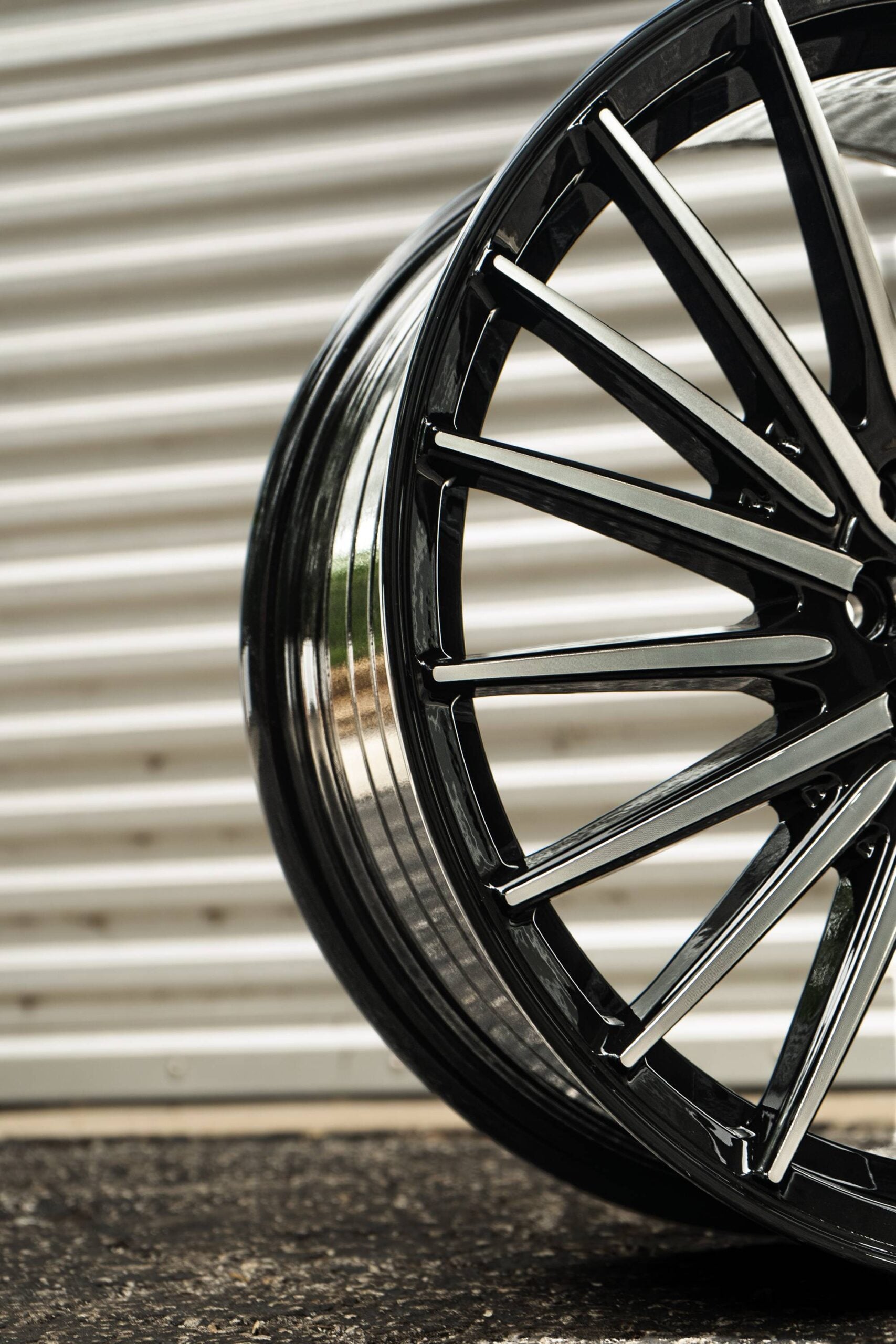
The design itself, from the spoke pattern to the finish, is what catches the customer’s eye. Finishes like chrome, matte black, or machined faces offer different looks and levels of durability. Helping a customer navigate these choices ensures they get a wheel that not only looks great but also fits perfectly and performs safely on their vehicle.
Exploring the Range of Product Options
Your customer base isn’t a monolith. The owner of a lifted F-250 is looking for something completely different than the driver of a BMW 5-series. To capture both, your product lineup needs to be just as diverse. Offering a wide range of styles, from aggressive off-road designs to sophisticated luxury wheels, allows you to serve a broader market. The modern wheel industry provides an incredible variety, with some manufacturers offering dozens of unique designs in sizes from 17 to over 22 inches. Having access to this variety means you can confidently say “yes” to more customers, whether they’re looking for an affordable OE-style replacement or a high-end, custom-finished set that makes a statement. It’s about having the right product for every project that rolls into your bay.
Stocking such a wide array of wheels isn’t practical for most independent shops, and that’s where a strong distributor partnership becomes essential. The right partner gives you access to a deep and diversified portfolio without requiring you to carry all the inventory. You can offer everything from rugged, durable wheels for off-road adventurers to elegant, multi-piece forged options for high-performance luxury builds. This approach lets you operate a leaner business while still being the go-to expert for any customer need. You can focus on the sale and the service, knowing you have reliable access to a full spectrum of products that can be shipped quickly to meet your customer’s timeline.
How to Spot a Well-Made Wheel
High-quality wheels are a product of precision engineering and excellent materials. When evaluating a wheel brand, look for manufacturers who are transparent about their processes. A quality finish is your first clue; it should be smooth and consistent, without blemishes. This coating isn’t just for looks, it’s the wheel’s primary defense against corrosion from road salt, brake dust, and moisture. Another critical factor is the wheel’s load rating, which tells you the maximum weight it can safely support. This is especially important for trucks and SUVs.
Reputable manufacturers often adhere to industry testing standards like JWL (Japan Light Alloy Wheel) or VIA (Vehicle Inspection Association). These certifications signal that a wheel has passed rigorous tests for durability and structural integrity. Stocking wheels from brands that meet these standards helps protect your customers and your business.
Materials Beyond Aluminum: When to Use Steel Wheels
While the vast majority of custom wheels are made from aluminum alloys, it’s smart to understand where steel fits into the picture. For certain customers, steel isn’t a step down—it’s a strategic choice for durability. A good set of steel wheels is incredibly resistant to cracking and bending, making them the ideal solution for vehicles that see heavy use on rough terrain or at worksites. Think farm trucks, construction vehicles, and dedicated off-road rigs. While aluminum offers lighter weight and a wider array of finishes, steel provides superior strength and peace of mind in punishing environments. Knowing when to recommend a durable steel wheel shows your expertise and helps you solve a practical problem for a key segment of your customer base.
The Value of “Made in the USA”
In a global market, the “Made in the USA” label can be a powerful differentiator for your shop. For many customers, it signifies a commitment to quality craftsmanship, better materials, and support for the domestic economy. Highlighting American-made wheels in your showroom can attract a clientele that specifically seeks out these products and is often willing to pay a premium for them. This isn’t just about patriotism; it’s about building a brand identity centered on quality and trust. When you align your shop with manufacturers who invest in domestic production, you’re making a statement about the standards you uphold. It’s another way to choose a partner who helps you build a stronger, more reputable business from the ground up.
Iconic Designs and Popular Applications
Technical specifications are the foundation of a good wheel, but design is what captures a customer’s imagination and drives the sale. Certain styles become iconic within specific automotive communities—think deep-dish wheels on classic muscle cars or intricate multi-spoke designs on luxury European sedans. Understanding these trends is crucial. Your inventory should reflect the tastes of your target audience. A shop that specializes in lifted trucks needs a completely different aesthetic than one catering to the import tuner scene. By stocking a curated selection of designs that resonate with your ideal customers, you position your shop as an authority and the go-to destination for their specific vehicle builds.
Matching Wheels to High-Demand Vehicles
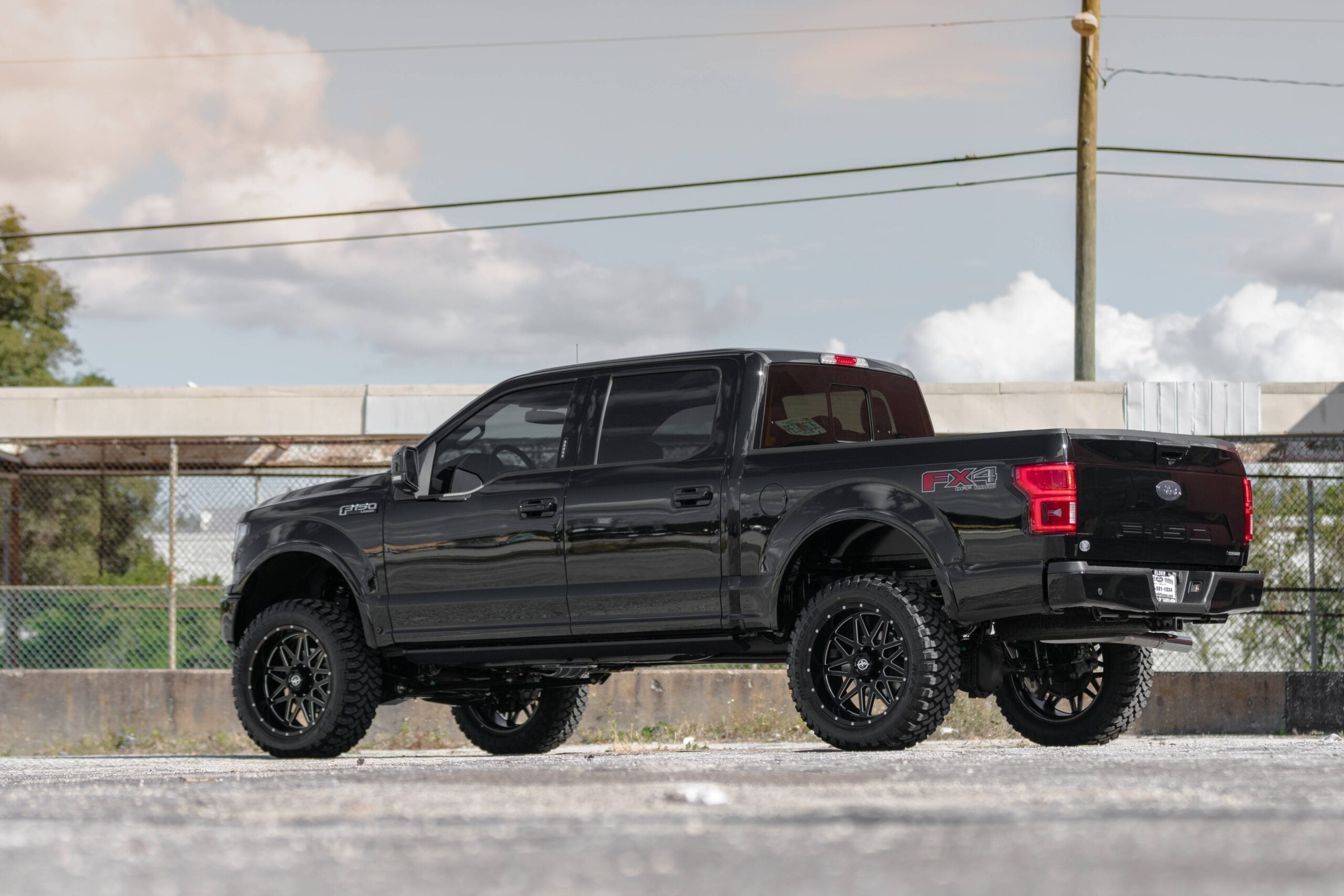
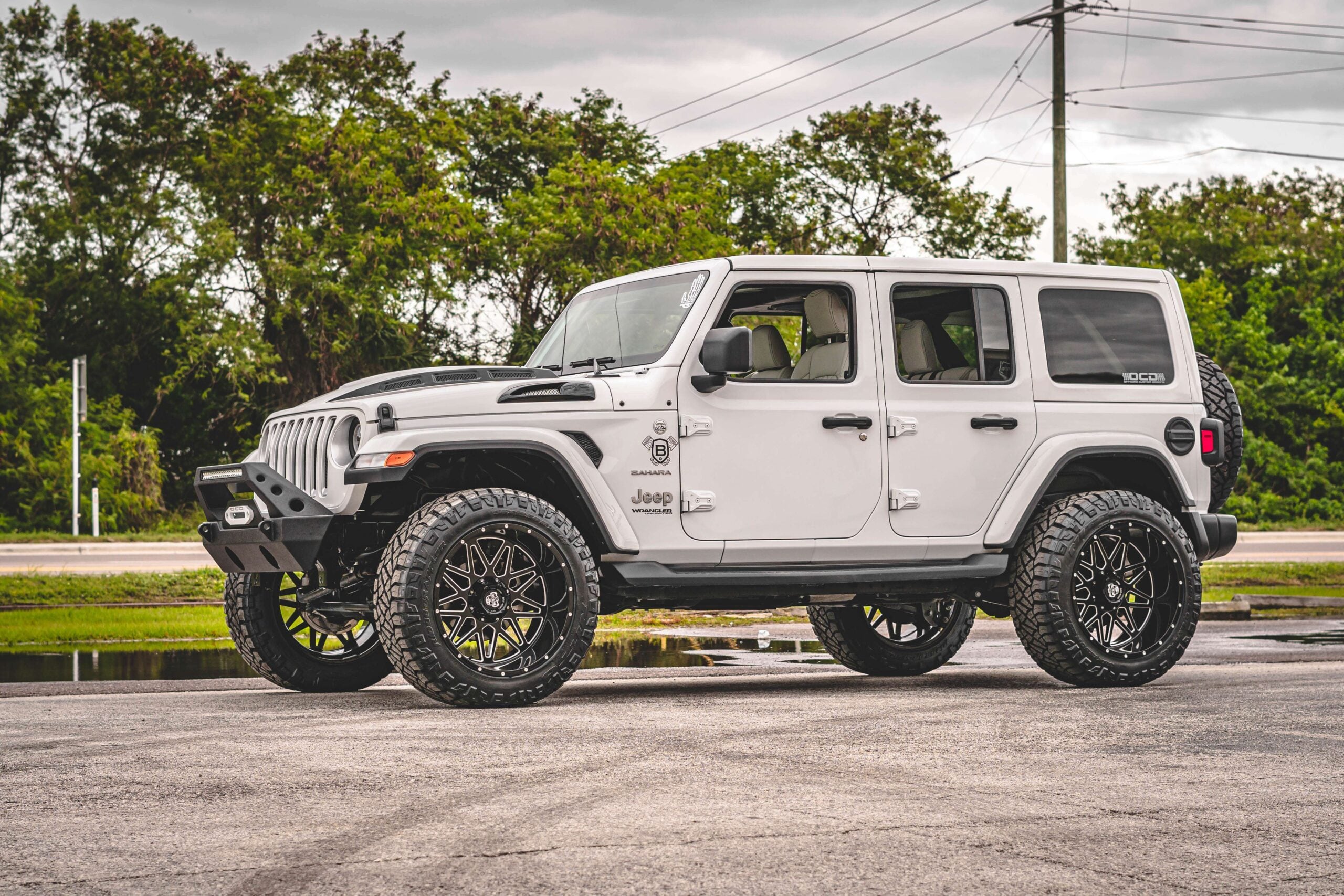
One of the fastest ways to see a return on your inventory is to stock wheels that fit the most popular vehicles in your area. Take a look at the cars and trucks you see every day. Are Ford F-150s, Jeep Wranglers, or Honda Civics filling the parking lots? Stocking wheels with the correct bolt patterns, sizes, and offsets for these high-demand vehicles makes the sales process smoother and faster. When a customer comes in, you can show them options that you know will fit perfectly, building their confidence and closing the deal. When you help a customer find the perfect set that transforms their daily driver, you create a memorable experience that builds loyalty and generates word-of-mouth referrals.
Is a Private Label Program Right for You?
For established shops looking to create a unique brand identity, private labeling offers a powerful advantage. A private label program allows you to partner with a manufacturer to produce a line of wheels exclusively for your business. You get to control the design, specifications, and branding, creating a product that no competitor can offer. This strategy can help you stand out in a crowded market, command higher margins, and build a brand that customers associate directly with your shop.
While it requires a larger investment in inventory and marketing, private labeling can be a game-changer. It allows you to tailor your offerings to a specific niche, whether it’s for off-road enthusiasts, luxury car owners, or a specific vehicle model. It’s a strategic move that shifts your business from just a retailer to a true brand owner.
Expanding Your Market: Custom Wheels for Every Vehicle Type
Your potential customer base is as diverse as the vehicles on the road. By limiting your wheel selection to a single niche, you might be missing out on significant revenue opportunities. Expanding your offerings to cater to different vehicle types—from high-performance sports cars to rugged off-road trucks and commercial fleets—positions your shop as a comprehensive solution for your entire community. A strategic partnership with a distributor gives you access to a broad portfolio of styles and fitments, allowing you to confidently serve nearly any customer who walks through your door without tying up all your capital in inventory.
Performance, Classic, and Muscle Cars
The owners of performance, classic, and muscle cars are true enthusiasts. They aren’t just buying a look; they’re investing in precision engineering that enhances their driving experience. For these customers, conversations about forged versus cast construction and the benefits of reducing unsprung weight are key selling points. Offering high-end forged wheels for popular platforms like the Corvette, Porsche 911, or Mustang demonstrates your expertise and attracts a clientele willing to pay for superior quality. This segment values a shop that understands the technical details and can provide a perfectly fitted wheel that improves handling, acceleration, and braking.
Off-Road, UTV, and ATV Applications
The off-road market is driven by a passionate community that demands durability and aggressive style. For these customers, wheels are functional equipment that must withstand extreme conditions. Your inventory should include options with tough finishes, high load ratings, and features designed for the trail, such as beadlock capabilities for running low tire pressures. Catering to lifted trucks, Jeeps, and the rapidly growing UTV/ATV segment can create a loyal following. When you provide a product that performs reliably off-road, you earn trust and generate powerful word-of-mouth referrals within local enthusiast groups.
Heavy-Duty, Commercial, and Fleet Vehicles
While not as flashy as the performance or off-road scenes, the commercial and fleet market offers a consistent and profitable revenue stream. Business owners and fleet managers prioritize function over fashion, seeking durable wheels with high load ratings that can handle constant use. This includes everything from heavy-duty work trucks to trailers. By offering reliable steel and forged options for these applications, you can establish valuable B2B relationships that lead to steady, repeat business. Focusing on safety and durability for these clients builds a reputation for dependability and opens the door to long-term service contracts.
What to Look for in a Custom Wheel Partner
Finding the right custom wheel partner is one of the most important decisions you’ll make for your shop. This relationship goes beyond simple transactions; it affects your inventory, your reputation, and your bottom line. A great partner acts as an extension of your team, providing the products and support you need to grow. A bad one can lead to stock issues, unhappy customers, and shrinking margins.
To make the right choice, you need to look past the wheel designs and evaluate the entire business. Think about their manufacturing standards, their industry experience, and how they support their dealers. A partner committed to your success will be transparent about their processes and invested in helping you sell confidently. Let’s walk through the key factors to consider when vetting a potential custom wheel supplier.
Ask About Material Quality and Standards
Not all wheels are created equal, and the quality of the final product starts with the raw materials and manufacturing process. While a great design catches a customer’s eye, strong construction ensures they leave your shop with a safe and durable product. Ask potential partners about the grade of aluminum they use and the manufacturing methods they employ.
Look for suppliers who adhere to recognized industry standards, such as JWL (Japan Light Alloy Wheel) or VIA (Vehicle Inspection Association) testing. These certifications signal a commitment to quality control and safety. A trustworthy partner will be proud to share details about their construction process, from the initial casting or forging to the final finish.
Do They Have a Proven Track Record?
Custom wheels are a significant investment for your customers, and they trust you to provide a product that performs. Partnering with a manufacturer that has a proven track record gives you and your customers peace of mind. An experienced supplier understands the market, has refined its processes, and has built a history of reliability.
Do your homework. How long have they been in business? Can they provide testimonials or connect you with other dealers who carry their brands? Look for a partner with a strong industry presence and a reputation for quality and service. A supplier’s history often indicates its future performance, and you want to align your shop with a brand known for excellence.
Can They Keep Up with Your Demand?
You can’t sell what you don’t have. A partner’s logistical capabilities are just as important as the wheels they produce. Inconsistent stock and long shipping times can lead to lost sales and frustrated customers. Ask potential suppliers about their inventory depth and how they manage fulfillment. Do they have a single warehouse or a network of distribution centers?
A partner with multiple distribution hubs can deliver products faster and more affordably, giving you a competitive edge. This structure also leads to higher order fill rates, ensuring the wheels you need are in stock and ready to ship. Strong inventory support means you can turn your inventory faster, reduce backorders, and keep your customers happy.
Do They Protect Their Dealers?
Your profit margins are the lifeblood of your business. A Minimum Advertised Price (MAP) policy is one of the most effective tools for protecting those margins. A supplier with a strict MAP policy prevents online discounters from undercutting your prices, ensuring a level playing field and preserving the brand’s value.
A partner who enforces MAP is signaling that they value their dealer network. This dealer-first approach shows they are committed to a sustainable, profitable partnership rather than just moving units. Ask directly about their MAP enforcement strategy and look for a supplier whose business model is built around helping their dealers succeed, not competing against them.
Will They Help with Technical and Fitment Questions?
Choosing the right wheel involves more than just style; proper fitment is critical for vehicle performance, safety, and tire wear. An ideal partner provides expert technical and fitment support to help you navigate complex applications. This guidance is invaluable for preventing costly ordering errors and ensuring every customer gets a perfect setup.
Your supplier should be a resource you can rely on for questions about offsets, bolt patterns, brake clearance, and tire sizing. This support not only saves you time and reduces returns but also builds customer trust. When you can confidently answer any fitment question, you position your shop as the local expert, which keeps customers coming back.
How Long Will You Wait for Orders?
Managing customer expectations is key to a great sales experience, and that starts with having clear and accurate lead times. Be sure to understand a potential partner’s timelines for different types of orders. While in-stock items may ship immediately, custom-finished or fully forged wheels will require a longer production window.
A transparent supplier will provide realistic lead times and keep you updated throughout the process. Ask about their range of customization options, from custom bolt patterns and offsets to unique finishes. The ability to offer tailored products allows you to meet specific customer needs and sell premium, high-margin wheels that set your shop apart from the competition.
Your Game Plan for Profitable Custom Wheels
Selling custom wheels isn’t just about moving another product; it’s about offering a high-value upgrade that can significantly impact your bottom line. By focusing on a few key areas of your business, you can turn your custom wheel program into a major profit center. It starts with smart pricing and extends to how you manage inventory, market your offerings, and educate your team. When these pieces work together, you create a seamless experience that attracts premium customers and encourages repeat business, all while building a reputation as the go-to expert in your area.
Get Your Pricing and Margins Right
Setting the right price for custom wheels is a balance between market value and customer perception. Unlike standard replacements, custom wheels are a performance and style upgrade, which means they command a higher price and offer healthier margins. The key is to anchor your pricing in the tangible benefits they provide, such as improved handling, durability, and vehicle resale value. When you can clearly explain how a set of forged wheels delivers a better return on investment through performance and longevity, customers are more willing to invest. Partnering with distributors that enforce MAP policies is also crucial, as it protects your margins from being undercut by online discounters and ensures every dealer can sell confidently.
Understanding Price Points: From $270 to $1,300+ Per Wheel
When it comes to custom wheels, the price spectrum is wide, and for good reason. The cost is a direct reflection of the materials, manufacturing process, and design complexity involved. For example, an entry-level cast wheel might start around $271, offering a stylish and affordable upgrade for a daily driver. In contrast, more premium options, like flow-formed or multi-piece wheels, can begin closer to $479 and climb significantly from there. For customers seeking the pinnacle of performance and exclusivity, fully forged and specialized designs can easily reach $1,325 or more per wheel. Understanding this range is crucial for your shop, as it allows you to cater to different budgets and build types. By offering a diverse selection, you can attract a broader clientele, from the budget-conscious buyer to the performance enthusiast ready to invest in top-tier quality.
How to Market Your New Custom Wheels
Your customers can’t buy what they don’t know you offer. An effective dealership marketing plan puts your custom wheel selection in front of the right people. Start by showcasing your best builds on your website and social media channels. High-quality photos and videos of completed projects are incredibly powerful. You can also create blog posts or short guides explaining different wheel types, finishes, and fitments. A multi-channel approach works best, integrating your digital efforts with in-store displays and promotions. The goal is to create a consistent message that positions your shop as the local authority on custom wheels, drawing in enthusiasts who are ready to buy.
Turn Your Team into Wheel Experts
Your sales team is your most valuable asset in selling custom wheels. When they can speak confidently about the differences between cast and forged, or explain how offset affects performance, they build immediate trust. Invest time in training your staff on the functional benefits of your wheel lineup, not just the aesthetics. Custom wheels can influence everything from handling to fuel efficiency, and an educated salesperson can turn a price-based question into a value-based conversation. This consultative approach helps customers feel more comfortable with their purchase, reduces buyer’s remorse, and leads to higher overall satisfaction.
Simplify Your Ordering and Inventory
You don’t need to tie up all your capital in wheel inventory to be successful. The key is to partner with a distributor that offers deep stock and fast, reliable shipping. This allows you to operate with a leaner in-house inventory while still having access to a massive virtual warehouse. Modern auto inventory management is about efficiency. A good distributor provides real-time stock levels and an easy ordering process, so you can give customers accurate lead times and close sales on the spot. This reduces the risk of losing a sale due to backorders and frees up cash flow for other areas of your business.
Guiding Your Customers Through the Custom Order Process
A clear, repeatable process is your best tool for selling high-value custom wheels. It transforms a potentially overwhelming decision for your customer into an exciting, guided experience. When you confidently lead them through each stage, you build trust and make it easier for them to say yes to a premium purchase. This structured approach not only helps you close more sales but also ensures accuracy, reduces errors, and results in a happier customer who is thrilled with their final choice. Think of it as a simple, three-step conversation that consistently leads to a successful outcome for both your shop and your client.
Step 1: The Initial Consultation and Style Selection
The process begins with a conversation. Your first goal is to understand your customer’s vision for their vehicle. Start by asking about their style preferences, how they use their car or truck, and what kind of budget they have in mind. Guide them through different wheel styles, explaining how each one can change the look of their vehicle. Once they’ve landed on a design they love, you can begin gathering the initial details. You’ll need to know the desired size, width, and finish. This initial consultative approach helps you capture all the necessary information to move forward and makes the customer feel heard and understood.
Step 2: Finalizing Specs and Providing a Quote
With the customer’s initial choices in hand, the next step is to confirm all the technical details. This is where a strong relationship with your distributor is essential. You can lean on their fitment experts to verify that the chosen specifications—like offset, bolt pattern, and brake clearance—are perfect for the customer’s specific vehicle. This expert review prevents costly mistakes and ensures a flawless installation. Once all specs are finalized, you can provide the customer with a clear, all-inclusive price quote and a realistic timeline for delivery. Managing these customer expectations upfront is key to a smooth and transparent process.
Step 3: Placing the Order with Your Distributor
After your customer gives the green light on the quote and timeline, placing the order should be the easiest part of the process. A great distributor provides a streamlined ordering system that makes submitting custom builds quick and painless. You’ll input the finalized specifications, confirm the details, and place the order with confidence, knowing your partner’s team will handle the manufacturing and logistics. This final step closes the loop on the sale and kicks off the fulfillment process. An efficient ordering system allows you to spend less time on administrative tasks and more time helping the next customer design their perfect set of wheels.
Answering Your Customers’ Toughest Questions
Many customers walk in with preconceived notions about custom wheels. One of the most common myths is that they are purely for looks and offer no performance advantages. Another is that they are less durable or reliable than OEM options. It’s your job to proactively address these misconceptions. Train your team to explain the engineering, materials, and testing that go into quality aftermarket wheels. By debunking these myths with facts, you not only educate your customer but also build credibility. This positions you as a trusted expert and helps justify the premium price tag associated with high-quality custom wheels.
Explaining Performance Gains: Aerodynamics and the “Rule of 105%”
For customers focused on performance, the conversation often revolves around weight. But there’s another critical factor that can make a real difference: aerodynamics. The way air flows over the wheel and tire assembly can impact everything from stability at high speeds to fuel economy. This is where a concept known as the “Rule of 105%” comes into play. It’s a simple but powerful principle that states for optimal aerodynamics, the wheel’s rim should be at least 105% wider than the tire mounted on it. When the rim is wider, it effectively “catches” the turbulent air coming off the tire, smoothing it out and reducing drag. This small detail in fitment can translate into tangible performance gains, giving your customers another reason to invest in a well-engineered wheel and tire package.
Related Articles
- How to Find the Best Wheel Supplier for Your Shop
- Wheel Manufacturing Process: Materials, Techniques & Quality Standards
- 5 Best Aftermarket Wheel Wholesale Distributors
- The Ultimate Wholesale Rims Warehouse Guide
- Are Premium Wheels Worth the Investment?
Frequently Asked Questions
How can I convince customers to buy more expensive forged wheels over standard cast ones? Focus the conversation on performance and long-term value, not just looks. Explain that forged wheels are significantly lighter and stronger because of how they’re made. This reduction in weight can actually improve the car’s handling, acceleration, and even braking. For truck owners, the superior strength means greater durability under heavy loads. Frame it as an investment in their vehicle’s performance and safety, which helps justify the higher initial cost.
I’m worried about competing with online prices. How does a MAP policy actually help my shop? A strictly enforced Minimum Advertised Price (MAP) policy creates a level playing field. It prevents big online retailers from slashing prices and undercutting your business. This allows you to sell based on your expertise, service, and the quality of your installation. When customers can’t find the same wheel significantly cheaper elsewhere, the conversation shifts from price to value, which is a conversation you are much more likely to win.
What’s the most important thing to look for in a wheel distributor, besides the products themselves? Look for a partner whose business model is built to support yours. This comes down to their logistics and dealer policies. A distributor with multiple warehouses can get you products faster and more reliably, which means fewer lost sales and happier customers. Also, confirm they have dealer-first policies, like MAP protection and dedicated fitment support, to ensure they are invested in your success and not just trying to move inventory.
I don’t have a lot of capital to invest in inventory. How can I start offering a wide selection of wheels? You don’t need a showroom full of wheels to be successful. Partner with a distributor that has deep inventory and a streamlined ordering system. This gives you access to their entire catalog without tying up your own cash. You can use displays and high-quality catalogs to show customers their options, and then rely on your partner’s fast distribution to get the wheels quickly. This approach lets you run a leaner business while still offering an impressive selection.
What’s a simple way to start marketing custom wheels to my existing customers? Start by documenting your work. Take high-quality photos and videos of every vehicle that gets a new set of wheels installed at your shop. Share these images on your social media pages and your website’s gallery. This creates powerful social proof and shows potential customers what’s possible. It’s a low-cost way to build a portfolio that visually markets your capabilities and inspires your next customer.


