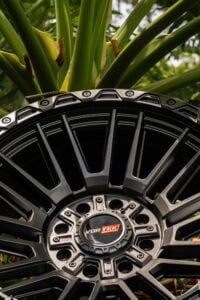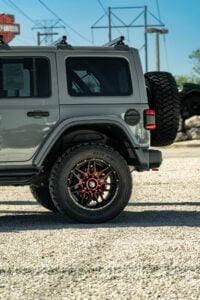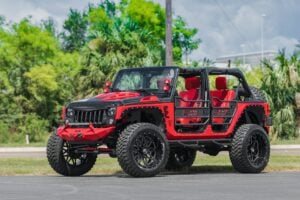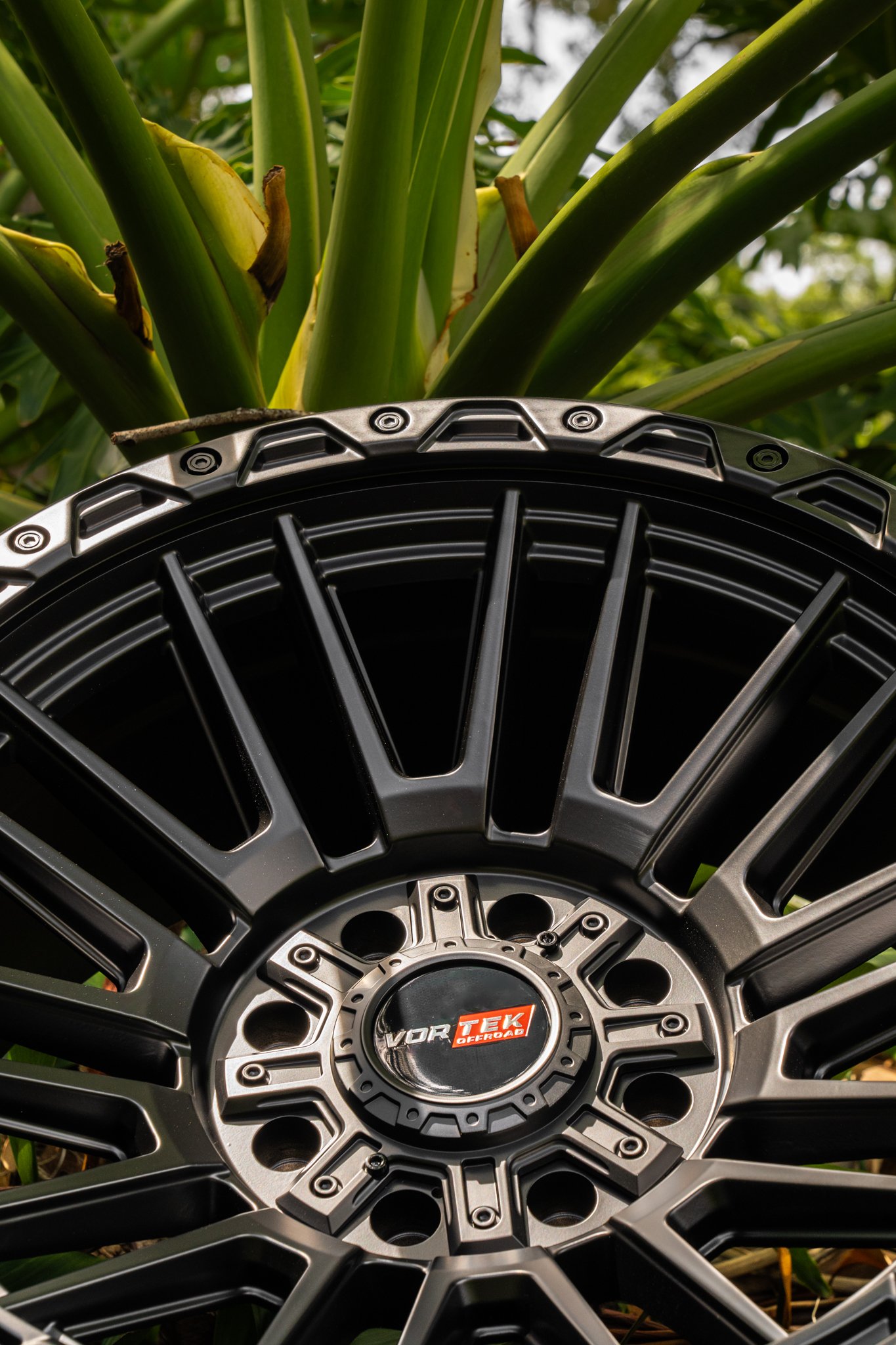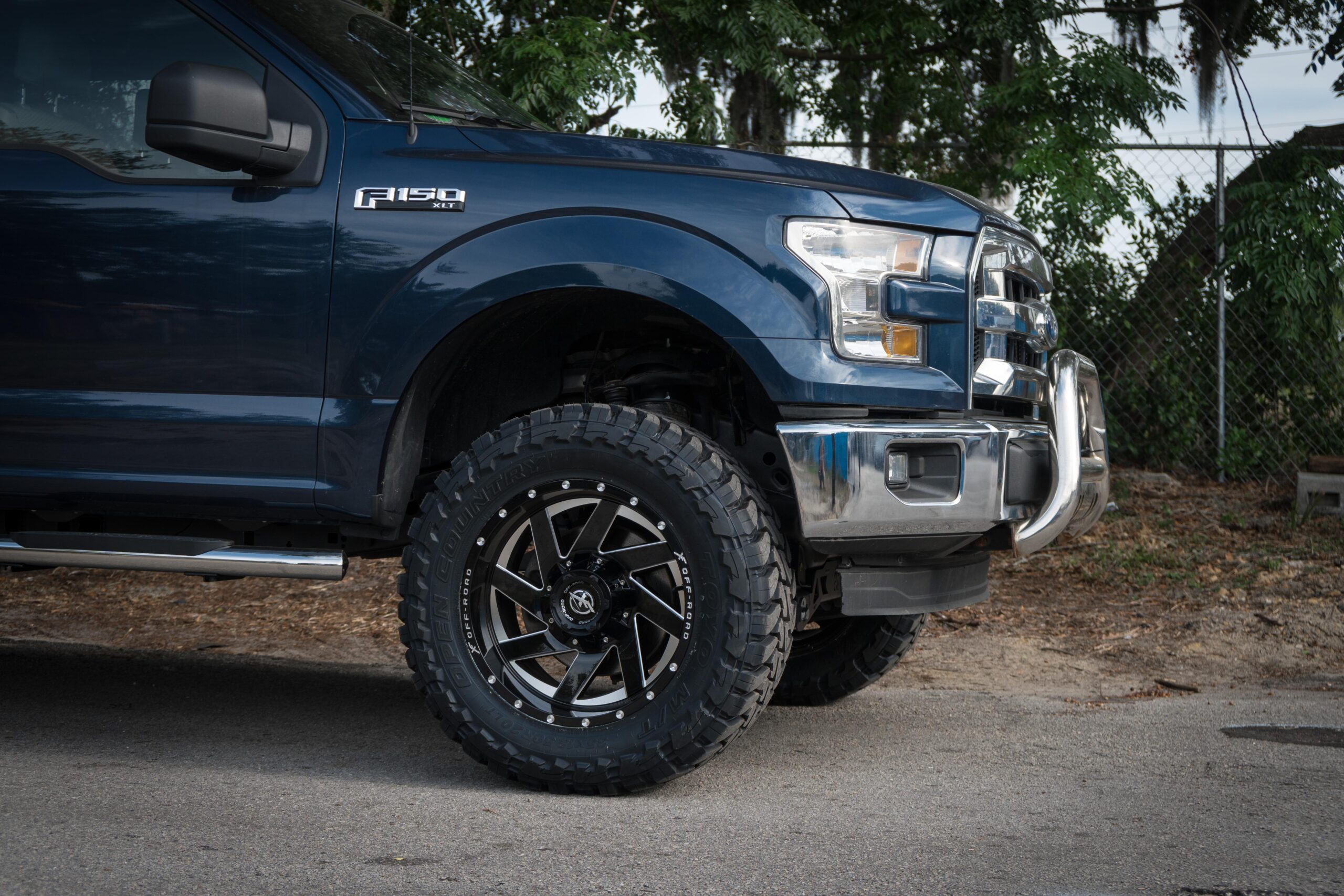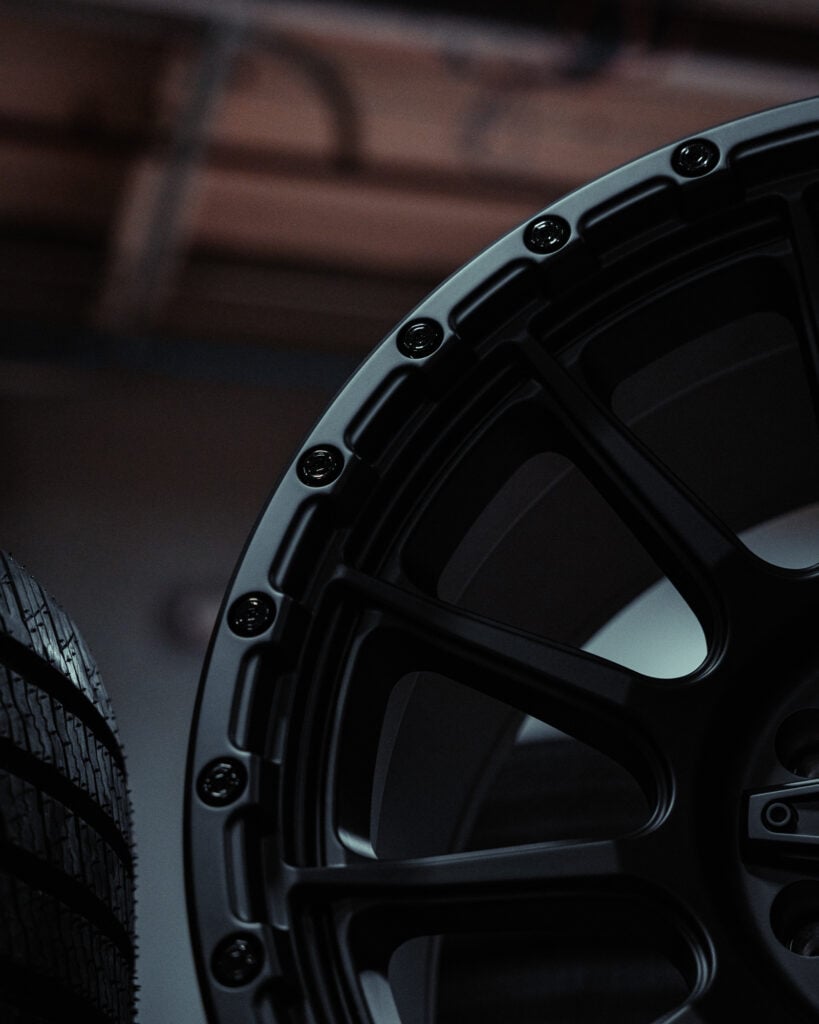
Your most discerning customers aren’t looking for off-the-shelf solutions. They want performance, exclusivity, and a look that is uniquely theirs. This is where custom forged wheels come in. By offering these bespoke products, you position your shop as a destination for serious enthusiasts and high-end builders. You become a consultant, not just a parts seller. But to serve this market effectively, you need a reliable source for custom forged wheels wholesale that can deliver on complex specifications and finishes. This article breaks down how to tap into this premium market, from understanding the top brands to mastering the pre-order process for a perfect fit every time.
Key Takeaways
- Improve Margins with a Premium Product: Offering custom forged wheels allows you to serve a high-end market willing to invest in superior quality, which translates directly into stronger profit margins and elevates your shop’s reputation for expertise.
- Choose a Reliable Wholesale Partner: Your supplier’s dependability is crucial. Partner with distributors who provide verifiable quality certifications, transparent lead times, and expert fitment support to prevent costly errors and protect your business.
- Master the Custom Order Process: Use a consistent pre-order checklist to confirm every detail, including vehicle fitment, performance goals, and finish choices. This consultative approach prevents mistakes, builds customer trust, and secures high-value sales.
What Are Custom Forged Wheels?
When your customers are looking for the absolute best in performance and style, custom forged wheels are the answer. Unlike standard cast wheels, forged wheels are crafted from a solid block of high-grade aluminum, resulting in a product that offers superior strength, lighter weight, and a premium finish. They are the top choice for luxury vehicles, high-performance cars, and serious off-road builds where durability and aesthetics are equally important.
As the team at Rotiform puts it, the focus is on “style, strength, and aggressive fitment.” For your shop, this means offering a product that not only looks incredible but also delivers tangible performance benefits that discerning customers are willing to invest in. Stocking forged wheels allows you to cater to the high end of the market, providing custom solutions that can’t be matched by off-the-shelf options. This positions your business as a destination for quality and expertise.
How They’re Made and Why It Matters
The manufacturing process behind a forged wheel is what sets it apart. It all starts with a solid piece of aluminum alloy, called a billet, which is heated and then subjected to immense pressure. This forging process compresses the metal, aligning its grain structure and eliminating the tiny pores or cavities often found in cast wheels. The result is an incredibly dense and strong wheel blank.
This method requires a higher level of craftsmanship and a more complex production process. Some manufacturers even use advanced techniques like rotary forging, which combines precision and pressure to redefine the standard of quality. For your customers, this meticulous process means a wheel that is more durable, more reliable, and better prepared to handle the demands of performance driving or rugged terrain.
Forged vs. Cast: The Performance Difference
While cast wheels are a great, cost-effective option for many drivers, there’s simply no substitute for the quality and performance that forged wheels provide. The key difference comes down to strength and weight. Because the forging process creates a denser molecular structure, forged wheels are significantly stronger than cast wheels. This means they can be designed to be much lighter without sacrificing durability.
This reduction in weight, known as “unsprung mass,” directly improves a vehicle’s handling, acceleration, and braking. It’s a critical selling point for performance enthusiasts. As Velgen Wheels notes, a wheel that doesn’t match a car’s performance needs can lead to poor fitment or damage over time. By offering forged wheels, you provide a solution that enhances both the look and the capability of your customer’s vehicle.
Why Stock Custom Forged Wheels?
Adding custom forged wheels to your lineup is more than just expanding your product catalog; it’s a strategic move that can directly impact your shop’s profitability and reputation. Forged wheels attract a premium clientele willing to invest in top-tier performance and aesthetics. By offering these high-end products, you position your business as a destination for serious enthusiasts and custom builders, setting yourself apart from competitors focused solely on mass-market cast wheels. It’s about meeting a specific demand while strengthening your bottom line.
Improve Your Margins with Wholesale Pricing
Forged wheels command a higher retail price, and for good reason. The complex manufacturing process results in a stronger, lighter, and more durable product. When you partner with a wholesale distributor, you gain access to these premium wheels at dealer-first pricing, creating a significant opportunity for healthy profit margins. A reliable supplier relationship ensures you get consistent quality, which justifies the price tag for your customers and reduces the risk of costly returns. This partnership allows you to confidently sell a premium product, knowing your business profitability is protected by a fair wholesale structure and a high-quality supply chain.
Offer Exclusive Customization Options
One of the biggest draws of forged wheels is the ability to offer bespoke solutions. Unlike most cast wheels, forged wheels can be tailored to exact specifications. This means you can provide customers with custom options for diameter, width, offset, bolt pattern, and an extensive palette of finishes. This level of vehicle personalization is a powerful selling point that attracts discerning car and truck owners, from luxury builders to off-road enthusiasts. By guiding a customer through these choices, you transition from a simple parts seller to a trusted consultant, building loyalty and securing high-value sales that competitors can’t easily replicate.
The Advantage of a Deeper Inventory
You don’t need to tie up all your capital to offer a wide selection of forged wheels. Partnering with a distributor that maintains a deep inventory gives you access to a vast catalog without the overhead. This ensures you can meet customer demands quickly and efficiently, reducing the chance of losing a sale due to long lead times or backorders. A strong inventory management strategy, supported by a distributor with multiple warehouses, means faster fulfillment and happier customers. This reliability builds your shop’s reputation as the go-to source for premium wheels, encouraging repeat business and word-of-mouth referrals.
A Look at Top Forged Wheel Brands
The forged wheel market is home to several standout brands, each catering to a specific type of vehicle and customer. For your shop, carrying a mix of styles can help you meet the demands of different enthusiasts, from luxury car owners to dedicated off-roaders. Understanding what makes each brand unique is the first step in curating an inventory that attracts high-value customers and sets your business apart. Here’s a look at some of the top names in the industry and what they bring to the table.
Amani Forged: Ultra-Premium Performance
Amani Forged represents the pinnacle of luxury and bespoke design in the wheel industry. As a flagship brand for ultra-premium forged wheels, Amani focuses on creating intricate, multi-piece designs for high-end luxury vehicles, exotics, and show-stopping custom builds. Each wheel is crafted to be a statement piece, offering customers a level of exclusivity and personalization that standard wheels can’t match. For dealers, stocking Amani Forged allows you to cater to a discerning clientele willing to invest in superior craftsmanship and one-of-a-kind aesthetics for their most prized vehicles.
Forgeline Racing Wheels
With a legacy built on the racetrack, Forgeline is synonymous with performance and durability. They manufacture some of the world’s finest custom made-to-order forged aluminum wheels right in Dayton, Ohio. While famous in motorsports, Forgeline’s commitment to strength and safety appeals to street car owners who want professional-grade quality for their daily drivers or custom projects. Their wheels undergo rigorous computer testing that exceeds typical safety standards, giving your customers confidence in their performance, whether they’re on the track or the highway.
Rotiform Custom Solutions
Rotiform has carved out a strong reputation in the custom car scene by focusing on style, strength, and aggressive fitment. Their wheels are all about making a visual impact. Each set is handmade in the USA, giving customers complete control over the final product. Your clients can specify the exact size, fitment, and finish they need to achieve their desired look. Offering Rotiform’s custom solutions allows you to serve enthusiasts who see their wheels as a central part of their vehicle’s identity and demand a truly personalized touch.
Fuel Off-Road Performance
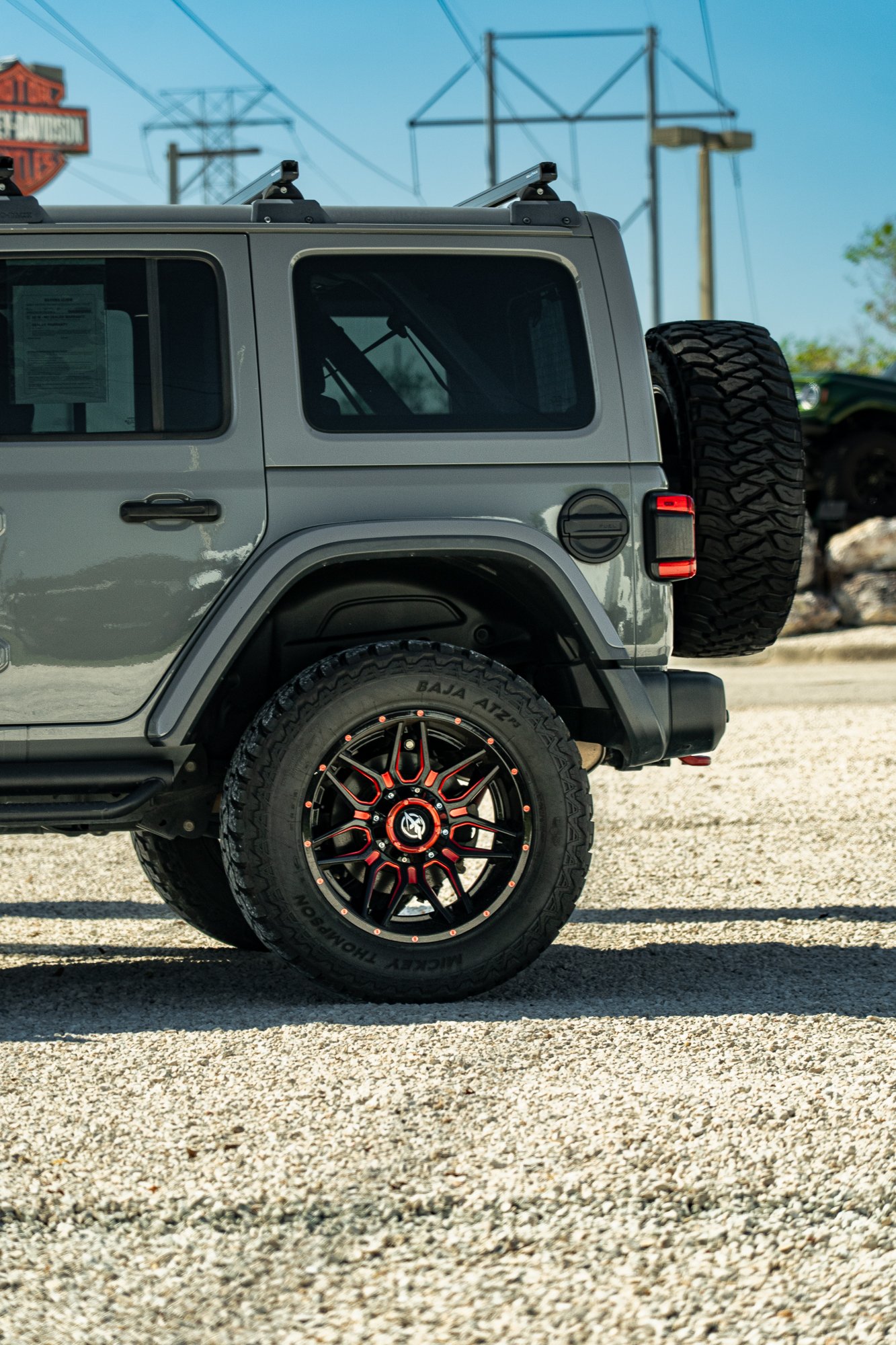
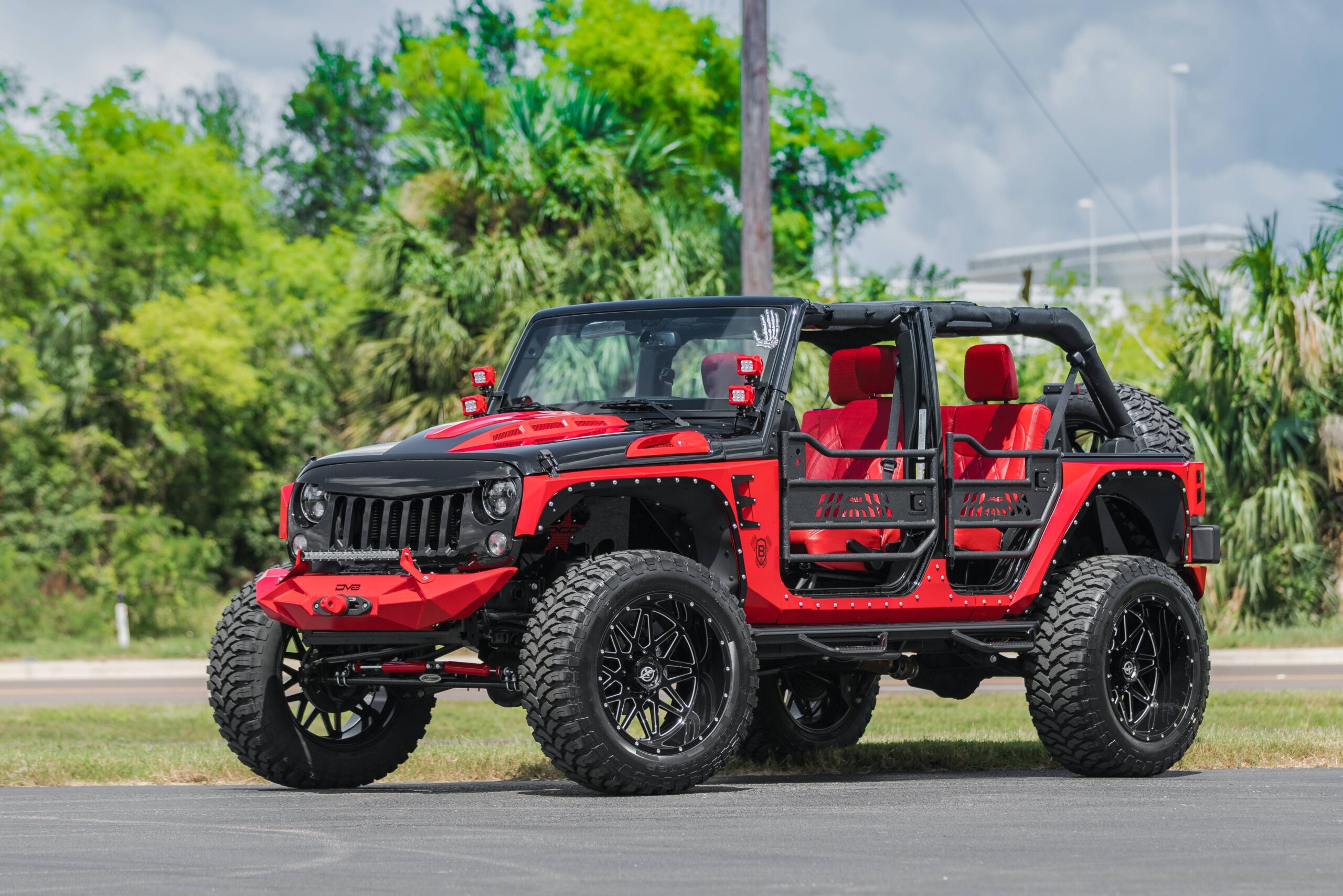
For the truck, Jeep, and off-road market, Fuel Off-Road is a dominant force. The brand is known for its cutting-edge designs and engineering innovations tailored specifically for rugged environments. Their custom forged wheels are built from high-strength aluminum to withstand the harshest conditions while providing a bold, aggressive look. By carrying Fuel Off-Road, you can capture the attention of a passionate and growing community of off-road enthusiasts who prioritize both performance and style for their rigs.
What Custom Options Can You Offer?
When a customer chooses forged wheels, they aren’t just buying a product; they’re investing in a personalized upgrade for their vehicle. This is where your shop can truly shine. Unlike off-the-shelf cast wheels, custom forged wheels give you the power to offer a bespoke experience. You can guide your clients through a process that results in a set of wheels built specifically for their car, their performance needs, and their personal style. This level of customization is a major selling point that justifies the premium price and builds incredible customer loyalty.
By partnering with the right wholesale supplier, you can provide a huge range of options without having to carry every single variation in your inventory. The key is to understand what’s possible so you can confidently walk your customers through their choices. Think of it as being a consultant, not just a salesperson. You get to help someone build their dream setup from the ground up. The main areas you’ll focus on are dialing in the perfect size and fitment, selecting a unique finish and color, and exploring different spoke designs. Each of these elements plays a critical role in creating a final product that not only looks incredible but also performs flawlessly. Let’s break down what you can offer in each of these categories.
Dialing in Size and Fitment
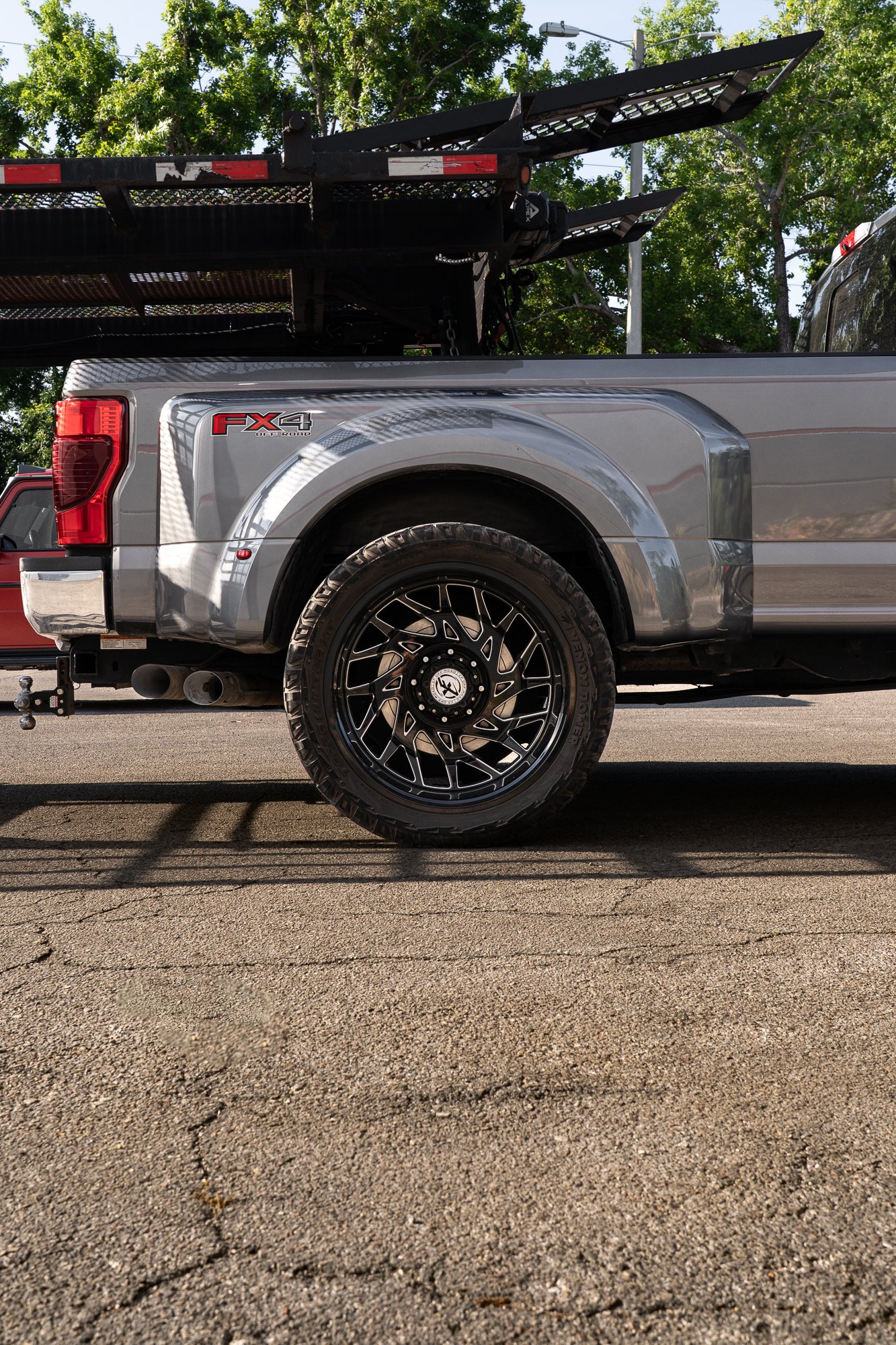
Getting the fitment right is the foundation of any great wheel setup. This isn’t just about choosing a diameter; it’s about precisely defining the wheel’s width, offset, and bolt pattern to match the vehicle perfectly. You can offer wheels in a wide range of custom sizes and widths, ensuring they fill the wheel wells for an aggressive stance without rubbing. This precision is especially important for performance cars with large brake kits or for off-road trucks that need specific backspacing for oversized tires. By offering custom fitment options, you can solve complex challenges and deliver a look that simply isn’t possible with standard wheels.
Choosing the Perfect Finish and Color
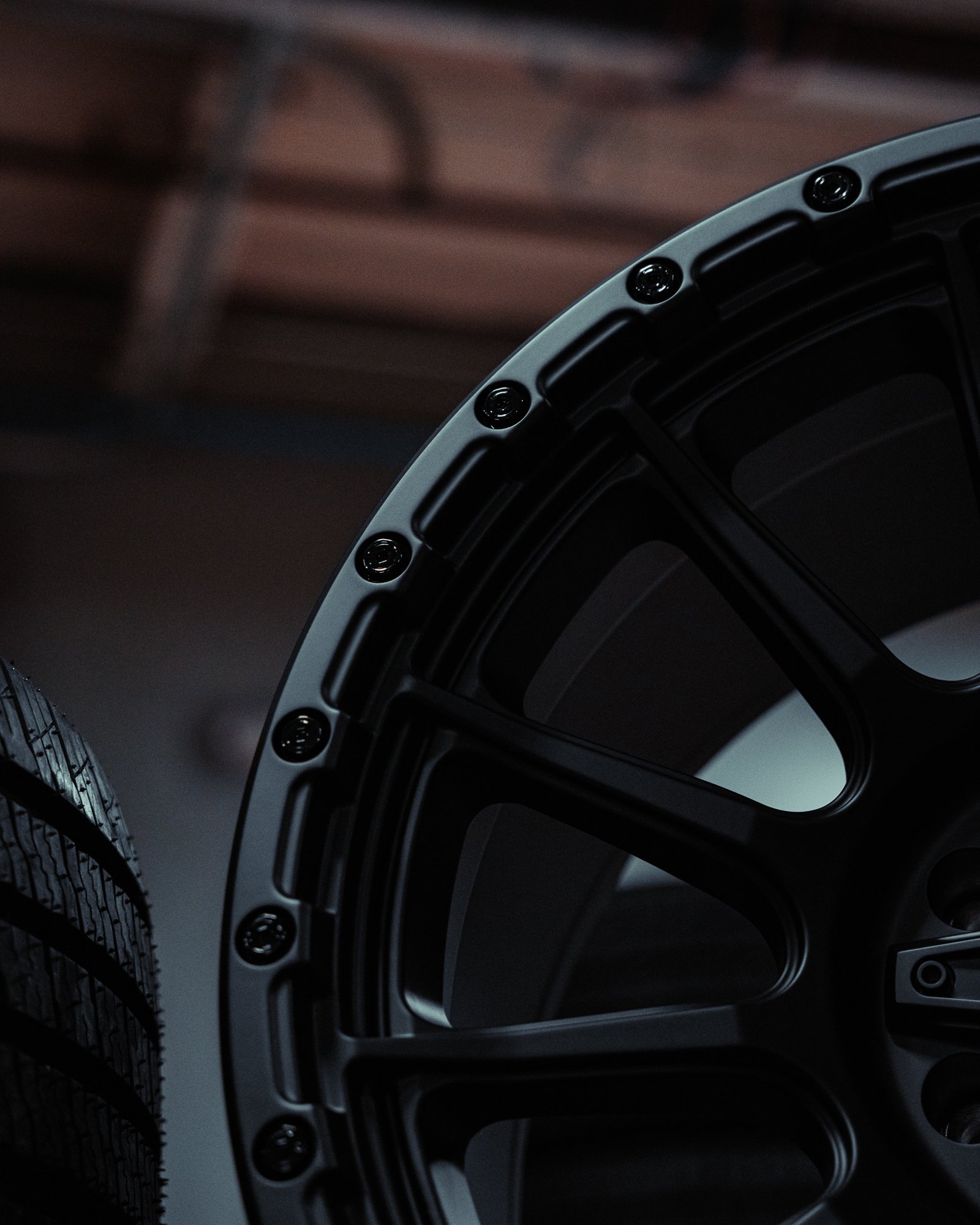
The finish is where your customer’s personality really comes through. This is your chance to move beyond the standard silver, black, or chrome. With custom forged wheels, you can offer an extensive palette of colors and finishes, from subtle brushed textures to bold, high-gloss powder coats. Many premium manufacturers even apply these finishes by hand, ensuring a flawless, durable result. You can present options like transparent smokes over polished aluminum, matte metallics, or even two-tone designs. Providing a wide array of custom wheel finishes helps your customers create a truly unique look and makes their vehicle stand out from the crowd.
Exploring Unique Spoke Designs
The design of the wheel’s center, or face, is its most defining feature. While you’ll work with established designs from your supplier, the forging process allows for incredible detail and strength. The process starts with a solid block of aluminum, or a “forging blank,” which is then machined into a specific spoke pattern. This method allows for sharper lines, thinner spokes, and more intricate details than casting. You can explain to customers how these different wheel designs not only create a distinct visual style but are also engineered to be lightweight and strong, which can improve a vehicle’s handling and acceleration. It’s a perfect blend of art and engineering.
How to Vet Your Wholesale Supplier
Choosing a wholesale supplier for custom forged wheels is a lot like picking a business partner. This relationship will directly impact your inventory, your margins, and most importantly, your reputation with customers. A great supplier provides more than just a product; they offer reliability, support, and a shared commitment to quality. Before you commit to a large order, it’s essential to do your homework and ensure the supplier is a good fit for your business needs. This isn’t just about finding the lowest price; it’s about finding a partner who can consistently deliver on their promises and help your business grow.
The right partner will help you sell more wheels, more profitably, by delivering consistent quality and dependable service. Taking the time to properly vet a supplier upfront saves you from costly headaches down the road, like missed deadlines, fitment issues, or unhappy customers. Think of this process as an investment in your shop’s long-term success. A solid supplier relationship is built on trust, transparency, and a mutual understanding of what it takes to deliver an exceptional product to the end user. It means having a go-to contact who understands your business and can help you solve problems, not just take orders.
Check for Quality Standards and Certifications
When it comes to performance wheels, safety and quality are non-negotiable. A reputable manufacturer will proudly display their adherence to recognized industry standards. Ask potential suppliers about their certifications, such as JWL (Japan Light Alloy Wheel) or VIA (Vehicle Inspection Association), which are common benchmarks for wheel strength and durability.
Working with reliable suppliers is essential for ensuring you provide customers with high-quality forged wheels. These certifications aren’t just letters on a spec sheet; they are proof that the wheels have undergone rigorous testing for impact resistance and structural integrity. Partnering with a supplier that values these standards shows you’re committed to offering products that are not only stylish but also safe and built to last.
Assess Manufacturing Capabilities and Lead Times
Understanding a supplier’s manufacturing capabilities and lead times is crucial to ensure they can meet your demands. Custom forged wheels are made to order, so you need a clear and realistic timeline to manage your customer’s expectations. Ask direct questions about their production capacity. Can they handle a large, multi-set order with the same attention to detail as a single set? What is their average turnaround time for a custom finish versus a standard one?
A transparent supplier will give you honest answers and keep you updated throughout the production process. This allows you to plan your inventory and sales cycles effectively, preventing frustrating delays that can sour a customer relationship.
Gauge Their Communication and Support
The best supplier relationships are built on clear, consistent communication. Before placing an order, evaluate how responsive and helpful their team is. Do you have a dedicated sales representative you can call with questions? Are they knowledgeable about fitment and able to provide technical guidance? Good communication and support from your supplier can make a significant difference in your overall experience.
Think about what happens when things don’t go as planned. How do they handle a shipping issue or a rare manufacturing defect? A great partner will have a straightforward process for resolving problems and will work with you to make things right. This level of support is what turns a simple transaction into a lasting, profitable partnership.
Sourcing Forged Wheels: What to Watch Out For
Sourcing custom forged wheels can feel like a high-stakes game. The right supplier can become a valuable partner in your success, but the wrong one can lead to costly mistakes, unhappy customers, and a damaged reputation. To protect your business, it’s essential to look beyond the price tag and carefully vet any potential wholesale partner. By focusing on four key areas, you can ensure you’re stocking wheels that are as reliable as they are beautiful: product quality, communication clarity, fitment accuracy, and performance verification.
Accurately Assessing Wheel Quality
The foundation of any great forged wheel is the material and the manufacturing process behind it. When evaluating a supplier, ask about their quality control from start to finish. Working with reliable suppliers is essential for ensuring you provide customers with high-quality products. Inquire about the grade of aluminum they use, which should be 6061-T6 aerospace-grade alloy. Some low-cost manufacturers may cut corners by relying solely on the factory for quality checks, which means defective wheels could end up in your inventory. A trustworthy partner will have their own rigorous inspection protocols to verify structural integrity, material purity, and finish consistency before a wheel ever leaves their facility.
Clearly Communicating Design Specs
Customization is the main appeal of forged wheels, but it also introduces complexity. Clear, detailed communication is non-negotiable. Before placing an order, ensure your supplier provides a comprehensive spec sheet or CAD drawing for your approval. This document should confirm every detail, from the bolt pattern, center bore, and offset to the specific finish codes and any custom engraving. Choosing the right supplier involves evaluating several factors, including their responsiveness and attention to detail. A simple misunderstanding can result in a set of wheels that don’t meet your customer’s expectations. Always get final design approvals in writing to create a clear record and protect both you and your client.
Avoiding Common Fitment Complications
Nothing sours a sale faster than a fitment issue. A wheel that looks perfect on paper can become a problem if it doesn’t account for the vehicle’s specific setup. As one expert notes, “A wheel that looks great but doesn’t match your car’s performance needs or suspension setup may result in poor fitment or damage over time.” Always confirm brake caliper clearance, especially on performance vehicles with large, upgraded brake systems. You should also discuss the vehicle’s suspension and any modifications with your supplier. A partner with deep fitment expertise can help you anticipate potential issues with fender clearance or suspension travel, ensuring a perfect, trouble-free installation for your customer.
Verifying Durability and Performance
A beautiful design is meaningless if the wheel can’t perform safely under pressure. True forged wheels are engineered for strength and durability, not just looks. Some low-cost wheel companies lack in-house design and engineering capabilities, putting your customers at risk. Ask potential suppliers about their testing standards. Reputable manufacturers test their wheels to meet or exceed standards like JWL or VIA. They should also be able to provide specific load ratings for each wheel design, which is critical for ensuring safety, especially for heavy-duty trucks and performance vehicles. This verification is your assurance that the wheels are built to handle real-world demands.
How to Negotiate a Better Deal
Securing the best terms for your custom forged wheel inventory goes beyond just haggling over the price per unit. A great deal is about creating a sustainable, profitable partnership that supports your shop’s growth for years to come. When you approach negotiation as a collaborative process, you can find creative ways to add value for both your business and your supplier. It’s about understanding what each party needs and finding a middle ground that helps everyone succeed. With the right strategy, you can improve your margins, manage cash flow more effectively, and build a stronger supply chain.
Leverage Your Order Volume
Your purchasing power is one of your most effective tools in any negotiation. Suppliers value consistency and volume because it helps them manage their own inventory and production schedules. Before you talk numbers, review your sales history and forecast your potential needs for the next six to twelve months. If you can commit to a larger or more regular order schedule, you’re in a strong position to ask for better pricing. If a supplier is firm on their unit price, consider negotiating other valuable terms. You could propose a longer contract in exchange for a discount, which gives the vendor guaranteed revenue while you secure cost savings.
Build a Strong Supplier Partnership
Think of your supplier as a partner, not an adversary. The strongest wholesale relationships are built on trust and mutual benefit, not on squeezing every last penny out of a single transaction. When a supplier sees you as a committed, long-term partner, they are often more willing to offer better service, priority access to new products, and more flexible terms. Before you even begin to negotiate, it’s wise to evaluate suppliers objectively to ensure their business practices align with yours. A reliable partner who communicates clearly and delivers on time is far more valuable than a slightly cheaper supplier who causes constant headaches.
Ask for Flexible Payment Terms
Improving your cash flow can be just as impactful as getting a lower price. Don’t hesitate to discuss payment terms with your supplier. Extending your payment window from Net 30 to Net 60, for example, gives you more time to sell the inventory before the bill is due. This frees up capital that you can reinvest in other areas of your business. You can often negotiate better payment terms by showing your commitment in other ways, like placing a larger order or offering a partial deposit upfront. Frame your request as a win-win: with more flexible terms, you can confidently stock more of their wheels, which ultimately leads to more sales for both of you.
Common Sourcing Mistakes to Avoid
Sourcing custom forged wheels can be a huge win for your shop, but a few simple missteps can turn a profitable order into a major headache. Getting the details right from the start protects your margins, your time, and your reputation with customers. When you know what to look for, you can confidently partner with a supplier who helps you avoid these common pitfalls and deliver exactly what your clients expect. A solid supplier relationship is built on clear communication and shared standards, which helps prevent these issues from ever reaching your service bay.
Think of your supplier as an extension of your team. A great partner will have processes in place to catch potential issues before they become problems, but it’s always smart to be aware of the most common sourcing mistakes. From getting the specs wrong to overlooking safety standards, a little extra diligence goes a long way. By sidestepping these errors, you ensure a smooth process from order to installation, keeping your customers happy and your business running efficiently. Let’s walk through the three biggest mistakes we see dealers make and how you can easily avoid them, ensuring every custom wheel order is a success.
Getting Fitment Specifications Wrong
Nothing stops an installation faster than a wheel that doesn’t fit. Even the most stunning forged wheel is useless if the fitment is off. As one expert puts it, “Get the offset wrong and your beautiful new wheels will either sit too deep inside the wheel well… or stick out too far and shred your tires against the fender.” This is why triple-checking every specification is non-negotiable. Before placing an order, confirm the vehicle’s exact bolt pattern, center bore, offset, and backspacing. A reliable wheel fitment guide can be a great starting point, but always verify the details with your supplier. A good partner will help you confirm these specs to prevent costly returns and frustrated customers.
Overlooking Load Ratings and Safety Standards
It’s easy to get caught up in design and finish, but overlooking a wheel’s load rating is a critical safety mistake. This is especially true for the trucks, SUVs, and heavier performance cars that are popular candidates for forged wheels. Using a wheel with a load rating that’s too low for the vehicle can lead to premature wear or even catastrophic failure under stress. Always ensure the wheels you order meet or exceed the vehicle’s gross axle weight rating. Look for suppliers whose products meet established safety standards, like JWL (Japan Light Alloy Wheel) or VIA (Vehicle Inspection Association) certifications. This isn’t just about performance; it’s about protecting your customers and your business.
Neglecting Quality Control Checks
When you see an incredibly low price on forged wheels, it’s wise to ask where the savings are coming from. Often, it’s from cutting corners on quality control. Some low-cost operations rely entirely on the factory for QC, which means they “have no way to stop potentially defective wheels from getting sent to their customers.” A dependable wholesale partner will have their own robust quality control process to inspect for structural integrity, finish consistency, and accurate specs before the wheels ever ship to you. This extra layer of inspection saves you from dealing with returns, warranty claims, and the damage a faulty product can do to your shop’s reputation.
What’s the Wholesale Cost for Custom Forged Wheels?
When you’re looking to add custom forged wheels to your inventory, one of the first questions is always about cost. Unlike cast wheels with set pricing, the wholesale cost for forged wheels is dynamic. It’s a premium product, and the price reflects the custom engineering, high-grade materials, and detailed manufacturing process involved. While the initial investment per set is higher, the potential for stronger profit margins and the ability to satisfy high-end customers make it a worthwhile addition to your lineup.
Think of it less as a fixed cost and more as a spectrum. The final price depends on the brand’s reputation, the complexity of the design, the size, and the finish you choose. Understanding these variables is the key to pricing your inventory correctly and showing customers the incredible value they’re getting.
Typical Price Ranges by Style
As a starting point, you can expect wholesale pricing for a single custom forged wheel to begin in the range of $500 to $700. This typically covers smaller diameters with simpler, yet elegant, designs and standard finishes. As you move into more complex styles, such as deep concave profiles or intricate multi-spoke patterns, the cost will increase. For these more specialized designs, wholesale prices often climb to $1,000 or more per wheel.
Brands like Amani Forged represent the ultra-premium end of the market, where unique designs and flawless finishes command a higher price point. Remember, this premium cost directly translates to a higher retail value and serves a clientele that is willing to pay for exclusivity and top-tier performance.
Factors That Influence Price
Several key factors determine the final wholesale cost of a forged wheel, and it’s important to understand them when building an order. The most significant is design complexity. A multi-piece wheel or one with detailed milling and sharp angles requires more machine time and engineering than a simple five-spoke design.
Size is another major factor; a 24-inch wheel requires a much larger block of 6061-T6 aluminum than an 18-inch wheel. Custom finishes also add to the cost. While a standard gloss black might be included, options like brushed aluminum, custom color-matching, or two-tone finishes involve extra labor and materials. Finally, a supplier’s investment in quality control and engineering is built into the price, ensuring you get a product that is safe, reliable, and perfectly balanced.
How to Find the Best Deals
Getting the best value on forged wheels goes beyond finding the lowest unit price. The smartest approach is to build a strong relationship with a reliable distributor. A good partner provides more than just wheels; they offer fitment expertise, marketing support, and consistent inventory, which prevents lost sales due to backorders. This level of support is often more valuable than a small per-unit discount from a less reliable source.
To secure better terms, focus on consistency and volume. Placing larger, more regular orders can often unlock better pricing tiers. Also, consider the total cost of doing business. A distributor with strategically located warehouses can significantly reduce your shipping costs and delivery times. A great deal means getting a high-quality, in-demand product to your customer quickly and efficiently, protecting both your margin and your reputation.
Your Pre-Order Checklist
Placing a custom forged wheel order can feel a little complicated, but a simple checklist can make all the difference. Following a consistent process for every order helps you avoid costly mistakes, manage customer expectations, and ensure the final product is exactly what your client envisioned. Before you finalize that purchase order with your supplier, take a few minutes to run through these three essential steps. This isn’t just about ticking boxes; it’s about protecting your margins, building trust with your customers, and streamlining your operations. Think of this as your go-to framework for getting every custom forged wheel order right the first time. By confirming fitment, defining performance needs, and aligning on budget upfront, you set the stage for a smooth transaction and a happy customer who will keep coming back for more.
Confirm Vehicle Fitment Requirements
This is the most critical step in any wheel order, especially for custom forged sets. An incorrect fitment means a guaranteed return, a frustrated customer, and a hit to your bottom line. Before anything else, confirm the vehicle’s year, make, and model, then verify the bolt pattern, center bore, offset, and brake clearance requirements. Your supplier should be a key partner here, helping you confirm that the specs will work. A great supplier can meet precise fitment needs, but they need accurate information from you to do so. Double-checking these details upfront prevents nearly all common installation issues down the road.
Define the Performance Goals
Next, have a clear conversation with your customer about their performance expectations. Are they looking for a lightweight wheel for better handling on a sports car, or do they need maximum strength for heavy-duty off-road use? The beauty of forged wheels is their superior durability and ability to withstand demanding driving conditions. Understanding the primary use case helps you guide the customer toward the right design and specifications. For someone serious about performance, investing in forged wheels provides a noticeable improvement in both handling and long-term durability, making it an easy sell when the goals are clear.
Align Your Order with Your Budget
Finally, make sure the order aligns with your customer’s budget and your own margin goals. While it can be tempting to go with the lowest-cost option, it’s important to do your research. Some cheap forged wheels come from manufacturers with limited design capabilities or questionable quality control. Partnering with a reputable supplier protects you from these issues. If you find a vendor is firm on price, remember that you can often negotiate other terms that add value, such as better shipping rates or more flexible payment options. This ensures you get a high-quality product that fits the budget without sacrificing safety or performance.
Related Articles
- The Dealer’s Guide to Custom Forged Wheels
- Wholesale Truck Rims: The Ultimate Buyer’s Guide
- Billet Original Forged Wheels | Premium Custom Rims
- Aerospace-Grade Forging for Off-Road Performance
- Flow Formed vs Cast Wheels: Which Boosts Profit Margins?
Frequently Asked Questions
Are forged wheels really worth the higher price for my customers? Absolutely. Think of it as an investment in both performance and personalization. Forged wheels are significantly stronger and lighter than cast wheels, which directly improves a vehicle’s handling, acceleration, and even braking. For customers with high-performance cars or heavy-duty trucks, this isn’t just a luxury; it’s a functional upgrade that provides greater durability and safety. Plus, the ability to customize the fitment and finish means they get a product built specifically for their vehicle, creating a look that off-the-shelf options can’t replicate.
How can I offer so many custom options without tying up all my cash in inventory? This is where a strong partnership with a wholesale distributor makes all the difference. You don’t need to stock every size and finish yourself. A reliable distributor acts as your virtual warehouse, giving you access to their deep inventory. This model allows you to confidently present a huge catalog of custom designs, colors, and fitments to your customers. You place the order only after you’ve made the sale, which protects your cash flow while still allowing you to meet the demands of the high-end market.
What’s the most common mistake shops make when ordering custom forged wheels? The single biggest and most costly mistake is getting the fitment specifications wrong. An incorrect offset, bolt pattern, or center bore can render a beautiful set of wheels completely useless for a specific vehicle. This leads to frustrating returns, unhappy customers, and wasted time. Always triple-check every measurement before finalizing an order, and work with a supplier who can help you verify brake clearance and other critical details. A few extra minutes of confirmation upfront can save you major headaches later.
How do I explain the value of forged wheels to a customer who is focused only on price? The key is to shift the conversation from cost to long-term value and performance. Instead of just comparing price tags, explain what they are getting for their investment. Talk about how the lighter weight will make their car feel more responsive and how the superior strength provides peace of mind, especially on rough roads or with a heavy vehicle. Frame it as the difference between a generic accessory and a custom-engineered component that enhances both the look and the driving experience of their car.
Besides price, what should I look for in a wholesale forged wheel supplier? A great supplier is more of a partner than a parts counter. Look for a company that offers excellent communication and technical support, with a dedicated representative who understands your business. Ask about their quality control processes and whether their wheels meet industry safety standards like JWL or VIA. Finally, consider their logistics. A supplier with multiple distribution centers can offer faster, more reliable shipping, which helps you get wheels to your customers quickly and close more sales.