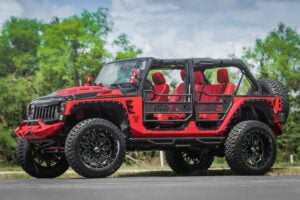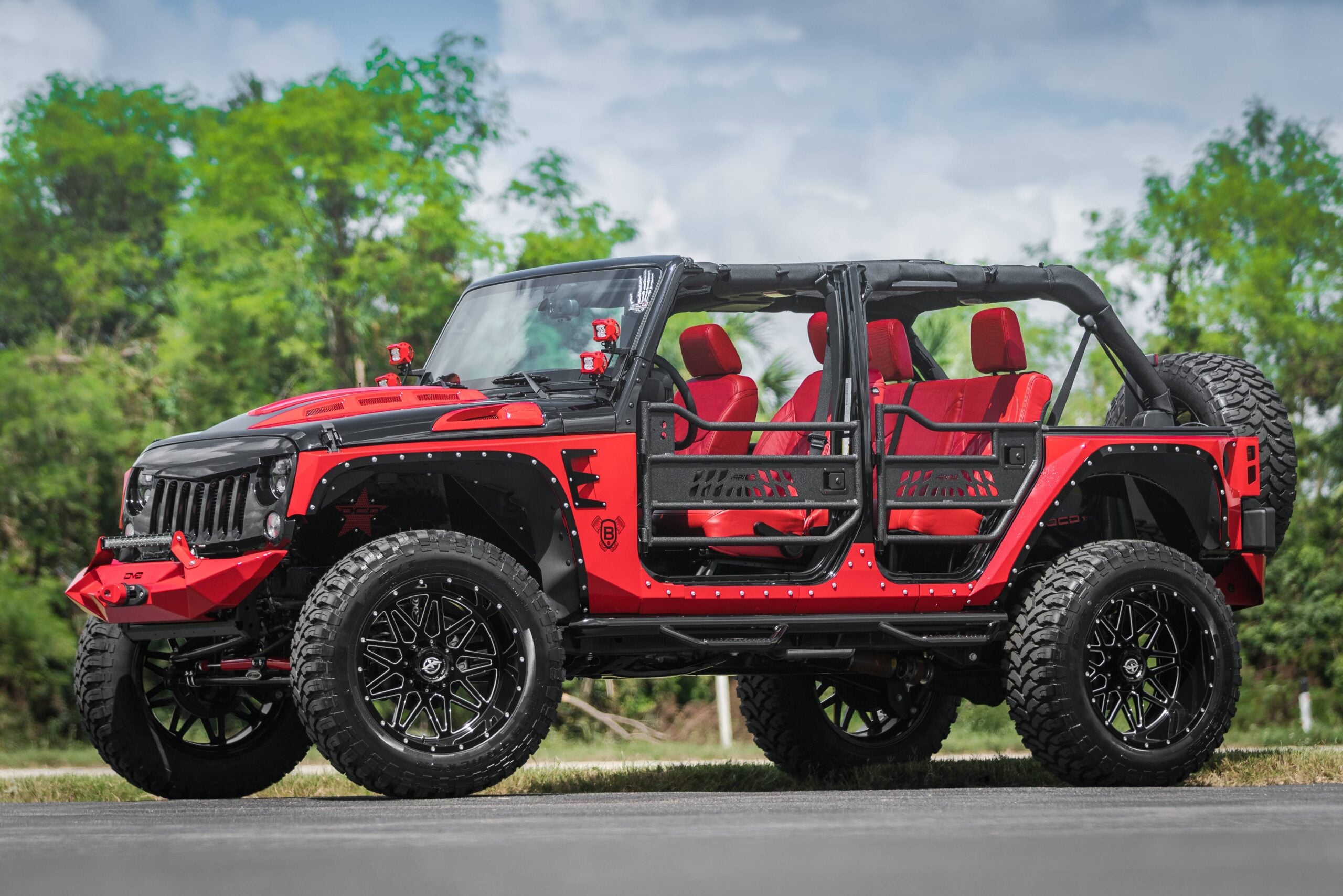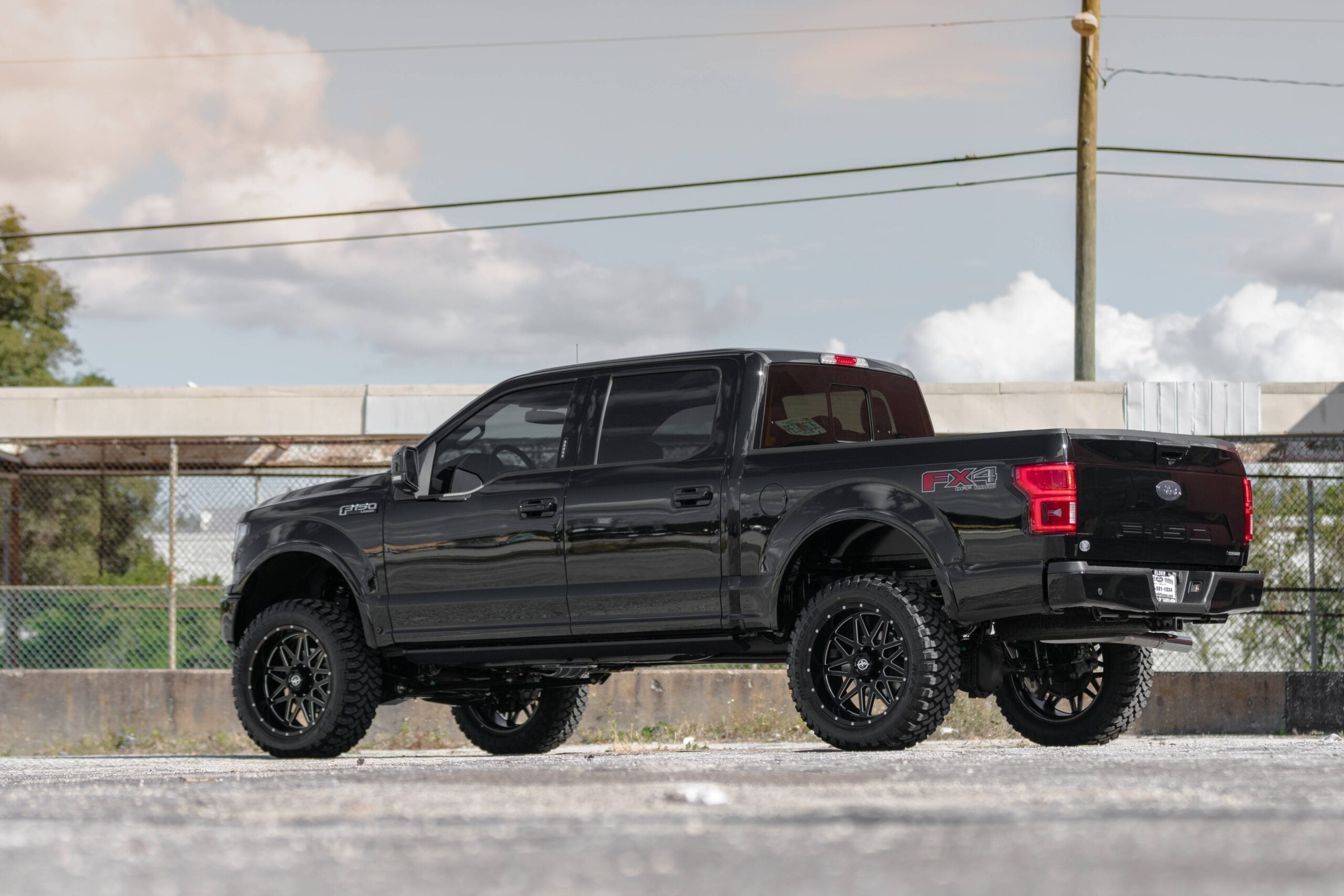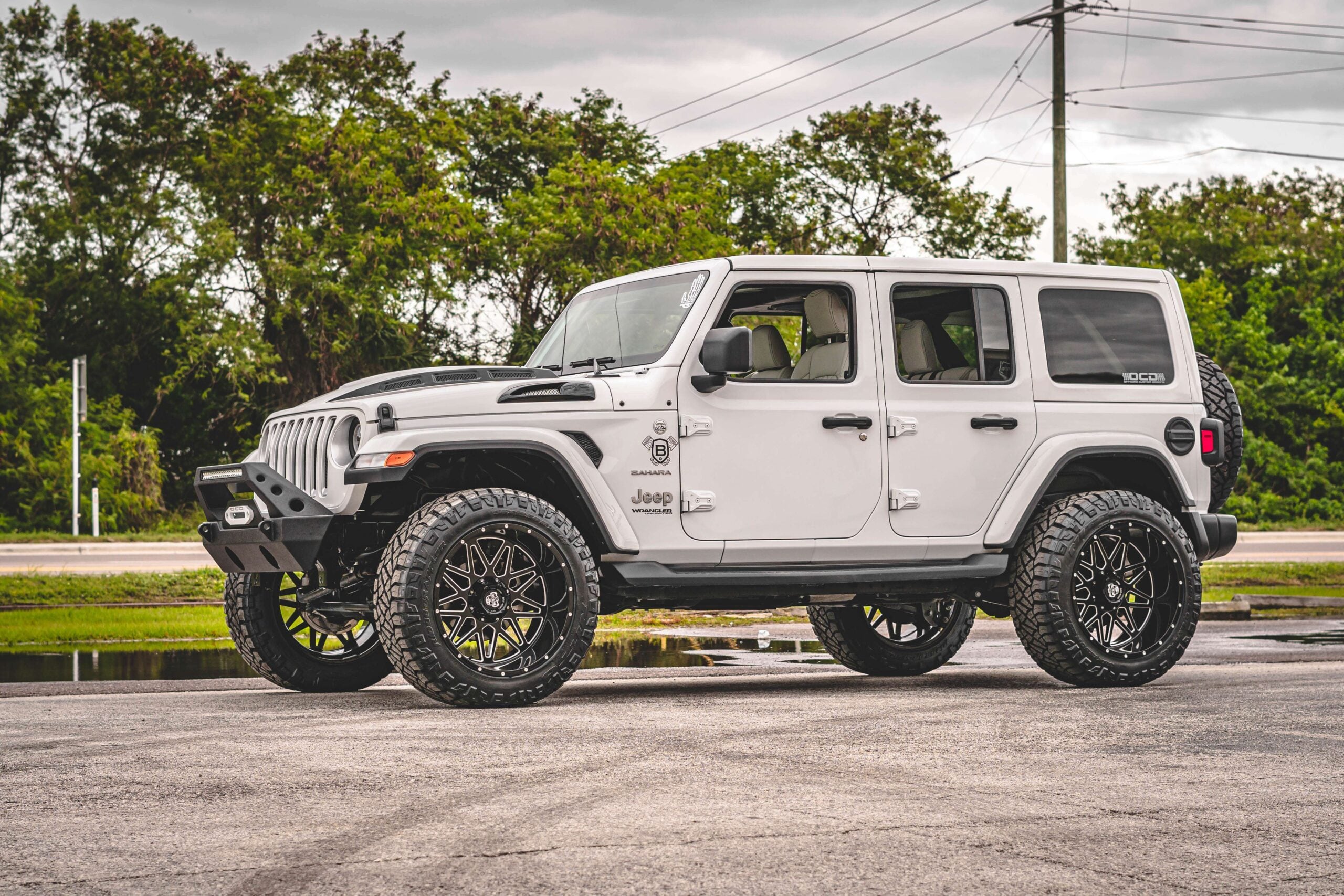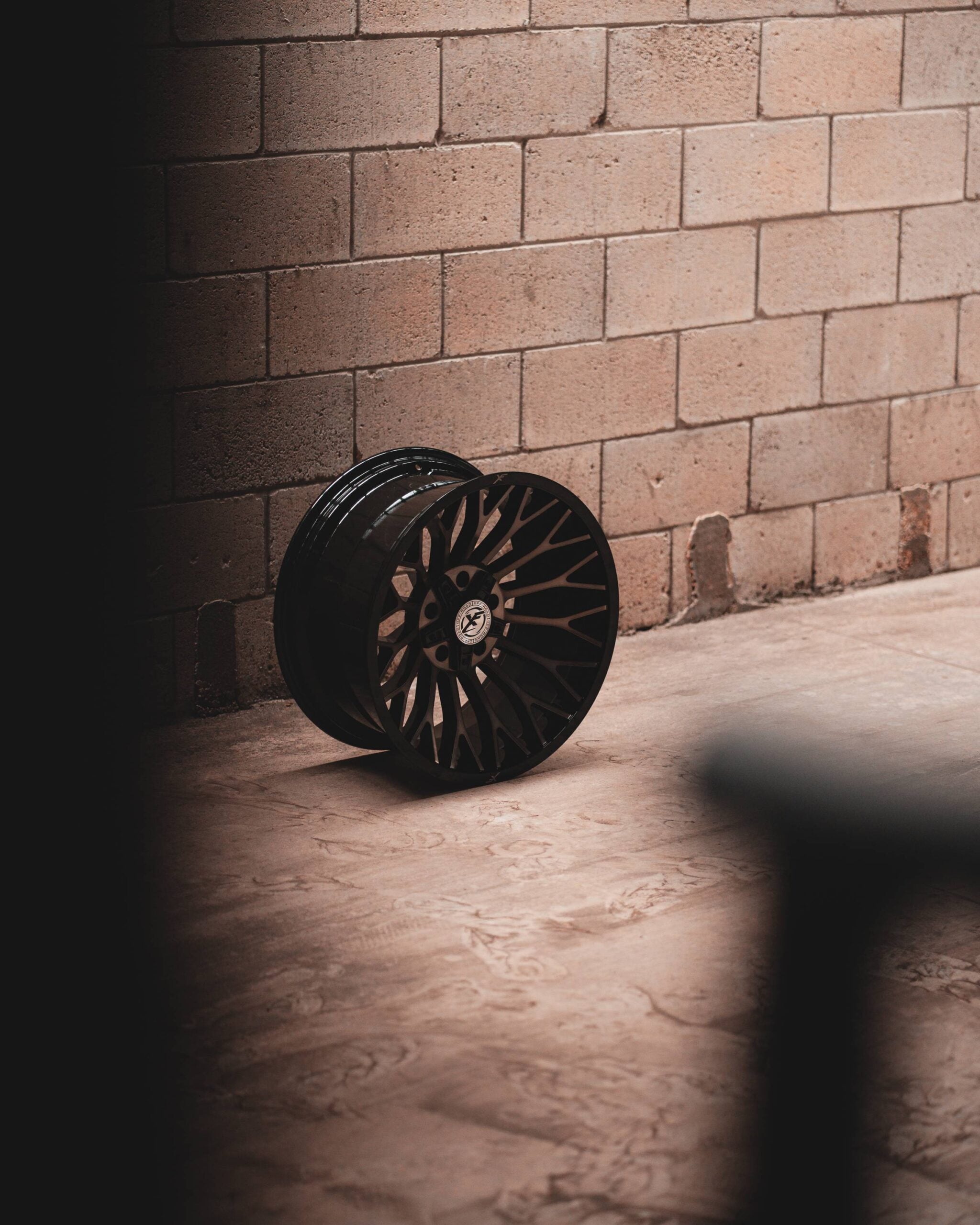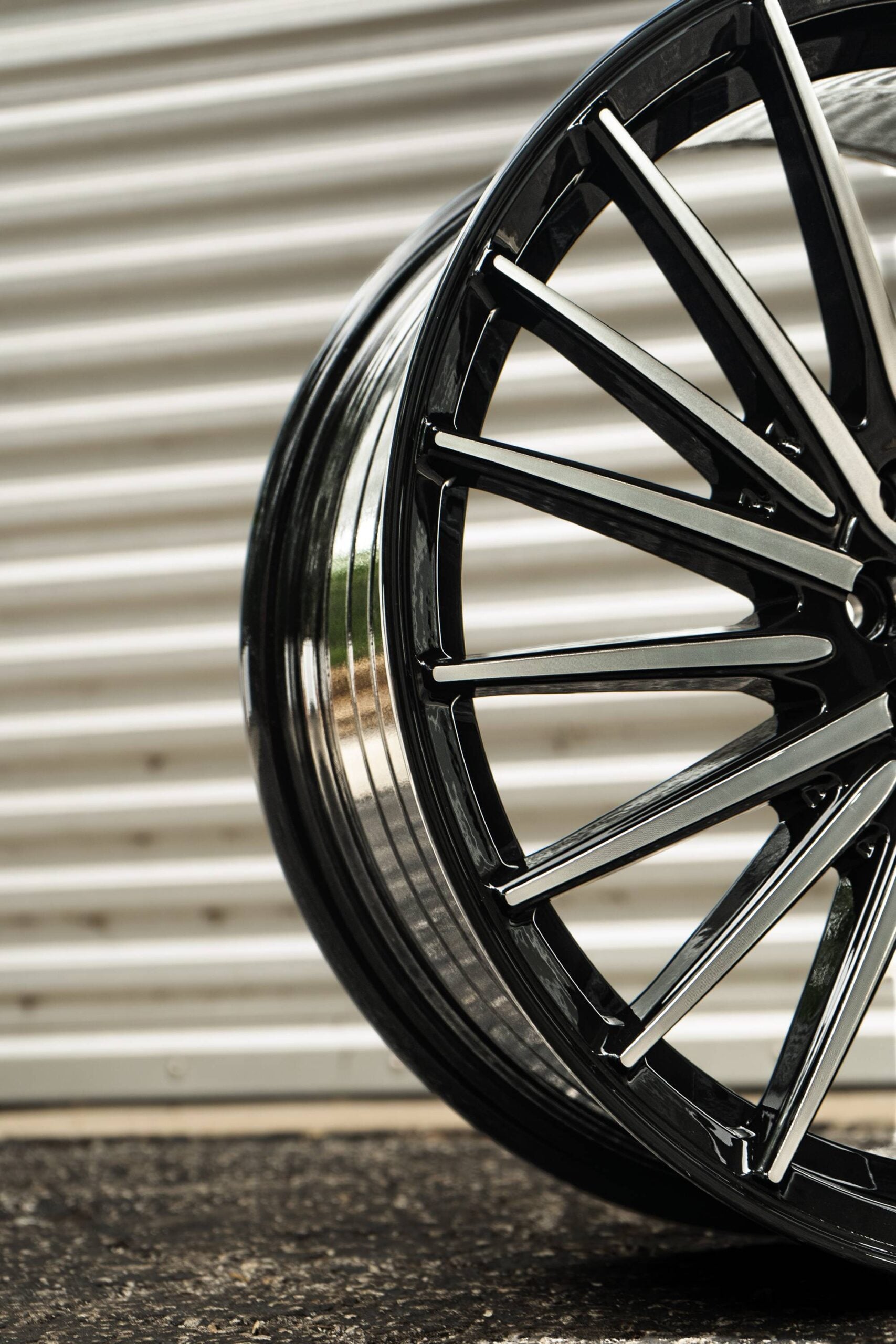
The word “replica” can make any shop owner a little nervous, and for good reason. We’ve all heard stories about cheap wheels that crack over a pothole or have finishes that peel after one winter. The truth is, not all replicas are created equal. The difference between a reliable, high-quality wheel and a risky one comes down to manufacturing, materials, and testing. This guide is designed to cut through the noise. We’ll show you how to spot a quality product, what red flags to avoid, and answer the crucial question: what are the best OE replica wheel brands you can trust to protect your customers and your business?
Key Takeaways
- Focus on the Manufacturer, Not the ‘Replica’ Label: The quality of replica wheels varies widely, so it’s crucial to evaluate the brand behind the wheel. A reputable manufacturer invests in better materials and processes, like low-pressure casting, which results in a stronger, more reliable product for your customers.
- Verify Quality with Certifications and Warranties: Protect your shop and your customers by looking for proof of quality. Prioritize brands that have safety certifications like JWL, VIA, or SAE J2530, and always review the warranty policy. A solid structural and finish warranty is a clear indicator of a trustworthy product.
- Build a Tiered Inventory to Capture More Sales: OE replicas are a strategic tool for creating a well-rounded inventory. Use them as an accessible entry-point option to serve budget-conscious customers, positioning them alongside your aftermarket and performance lines to create a “good, better, best” structure that fits every customer’s needs.
OE Replica vs. OEM Wheels: What’s the Difference?
As a wheel dealer, your inventory decisions directly impact your bottom line. One of the most common points of confusion for both shop owners and customers is the difference between OE replica and OEM wheels. Getting these terms straight isn’t just about sounding like an expert; it’s about understanding how to offer the right products to the right customers at the right price. When you can confidently explain the options, you build trust and guide customers to a purchase they feel good about.
By stocking a smart mix of wheel types, you can capture more sales, satisfy a wider range of budgets, and build a reputation as the go-to expert in your area. A customer looking to replace a single damaged wheel has very different needs than someone doing a full custom build. Having an answer for both is what separates a good shop from a great one. Let’s clear up the definitions and explore why OE replicas can be a powerful and profitable addition to your lineup.
Defining the Terms: Replica, OEM, and Aftermarket
When you’re building your wheel inventory, you’ll run into a few key terms. Understanding the difference is the first step to making smart buying decisions for your shop. Original Equipment Manufacturer (OEM) wheels are the stock wheels that come directly from the car company, like Ford or BMW. They are designed and tested specifically for that vehicle. Replica wheels are produced by third-party companies to look identical to those OEM designs. Think of them as a cost-effective alternative, not a counterfeit. Finally, “aftermarket” is the umbrella category for any wheel not made by the vehicle’s original manufacturer. This includes both replica wheels and wheels with completely unique, non-factory designs.
The Dealer’s Advantage: Why Stock OE Replicas?
So, why should you stock OE replicas? The biggest advantage is value, for both you and your customer. Replica wheels can cost significantly less than their OEM counterparts, making them an easy sell for customers who want the factory look on a budget. This is perfect for replacing a single damaged wheel or upgrading a full set without the high price tag. This lower cost also creates better margin opportunities for your shop. Plus, many replica lines offer more finish options than the original, like gloss black or machined faces. Brands like OE Revolution specialize in this space, giving you a reliable way to offer customers a high-value product that meets their needs and protects your profitability.
Four Common Myths About OE Replica Wheels
When you’re stocking your shop, you need to be confident in the products you sell. OE replica wheels are a fantastic way to offer customers the factory look they want at a more accessible price point, but there’s a lot of conflicting information out there. It can be tough to separate fact from fiction, especially when you hear horror stories about cracked rims or poor finishes. Let’s clear the air and address some of the most common myths about OE replica wheels.
Understanding the truth behind these claims will help you choose high-quality brands for your inventory, advise your customers accurately, and protect your shop’s reputation. It’s not about avoiding replicas altogether; it’s about knowing what to look for and which brands you can trust. By debunking these myths, you can make smarter purchasing decisions that lead to happier customers and healthier margins for your business.
Myth #1: “Replica” Always Means Lower Quality
The word “replica” often gets a bad rap, making people think it automatically means cheap or inferior. The reality is more nuanced. While it’s true that some manufacturers cut corners, a well-made replica wheel from a reputable brand can offer excellent quality and durability for everyday driving. The key is that replica wheels can vary drastically in quality. Some are produced in the same facilities as OEM wheels, using similar processes and materials. The difference lies in the brand behind the wheel. A trustworthy manufacturer will invest in quality control and stand behind their product, while a low-budget producer might not. Don’t let the label scare you; instead, focus on the reputation of the brand you’re buying from.
Myth #2: All Replicas Are Made the Same
This myth goes hand-in-hand with the first one. Just as quality varies, so do manufacturing methods. Not all replica wheels are created equal because they aren’t all made the same way. Many low-cost replicas are produced using gravity casting, a simple process where molten aluminum is poured into a mold. This method can create inconsistencies and a less dense, weaker wheel structure. In contrast, higher-quality replicas often use low-pressure casting, which forces the aluminum into the mold under pressure. This results in a denser, stronger, and more reliable wheel. Knowing the manufacturing process behind a brand gives you a much better indicator of its quality than the “replica” label alone.
Myth #3: They Have No Performance or Safety Limits
It’s crucial to set the right expectations with your customers. OE replica wheels are designed to mimic the appearance of factory wheels for daily driving, not for high-performance applications. Experts agree that you should not use most replica rims for racing, track days, or aggressive off-roading. They simply aren’t engineered for those extreme stresses. Many replicas have lower quality and safety standards compared to OEM or forged aftermarket wheels, making them more susceptible to bending or cracking under intense force. For customers looking for a cosmetic upgrade for their daily commuter, a quality replica is a great fit. For the performance enthusiast, you should guide them toward a purpose-built performance wheel.
Myth #4: The Warranty Is Identical to OEM
A warranty is a direct reflection of a manufacturer’s confidence in its product, and in the replica world, coverage is all over the map. Never assume a replica wheel comes with the same warranty as its OEM counterpart. Some brands provide very limited coverage, leaving you and your customer unprotected if a finish peels or a wheel cracks. On the other hand, reputable replica brands often offer great warranties that cover structural defects and finish issues for a year or more. Before adding a new replica brand to your inventory, always read the fine print on their warranty policy. It’s a clear indicator of quality and a key selling point for your customers.
How to Spot a High-Quality OE Replica Brand
As a shop owner, your reputation is built on the quality of the products you sell. While OE replica wheels offer a fantastic value for customers, not all are created equal. The market is filled with options ranging from excellent to downright risky. Telling the difference is key to protecting your customers, your reputation, and your bottom line.
So, how do you separate the reliable performers from the potential problems? It comes down to looking beyond the style and price tag. A high-quality OE replica brand will consistently deliver on four critical points: manufacturing and build quality, fitment accuracy, finish durability and warranty, and verified safety certifications. By evaluating every potential brand against these criteria, you can build an inventory of replica wheels that you can sell with confidence, knowing they will perform for your customers and drive repeat business for your shop.
Check the Manufacturing and Build Quality
The quality of any wheel begins with how it’s made. Replica wheels can vary drastically in their construction, and a brand’s commitment to quality control makes all the difference. High-quality replicas are often made using processes like low-pressure casting, which creates a denser and stronger wheel than basic gravity casting. The quality of the aluminum alloy used also plays a huge role in the wheel’s durability and resistance to cracking.
A reputable manufacturer will be transparent about its manufacturing process and quality control standards. Don’t hesitate to ask your distributor about the factory’s testing procedures. Do they conduct X-ray tests for porosity or radial fatigue tests to ensure long-term strength? A good partner will have these answers and will only stock brands that meet strict structural integrity standards.
Verify Fitment Accuracy
A wheel that doesn’t fit correctly is more than just an inconvenience; it’s a safety hazard. Proper fitment ensures the wheel sits securely on the hub, clears the brakes and suspension components, and maintains the vehicle’s intended handling characteristics. A top-tier OE replica brand invests heavily in research and development to ensure every wheel matches OEM specifications for bolt pattern, offset, and center bore.
This precision engineering guarantees a hassle-free installation and ensures compatibility with original equipment like TPMS sensors and lug nuts. Before you order, confirm that the brand provides guaranteed fitment data. Your distributor should be able to quickly confirm compatibility for the specific year, make, and model, saving you from the costly headaches of returns and unhappy customers.
Inspect the Finish and Warranty
A wheel’s finish is the first thing your customer sees, and it’s their first line of defense against the elements. A durable finish isn’t just about looking good; it’s about resisting corrosion from road salt, brake dust, and cleaning chemicals. Premium replica brands use multi-layer paint or powder coating processes to create a finish that stands up to daily driving conditions.
One of the clearest indicators of finish quality is the manufacturer’s warranty. A company that is confident in its product will back it up with a comprehensive policy that covers both structural and cosmetic issues. When evaluating a brand, look for a clear structural and finish warranty. A one-year finish warranty is a good baseline, while a limited structural warranty that lasts for the lifetime of the wheel shows true confidence in its build quality.
Look for Safety Certifications
Safety certifications are non-negotiable. These credentials prove that a wheel has passed standardized tests for strength, durability, and impact resistance. In the wheel industry, key certifications to look for include JWL (Japan Light Alloy Wheel standard), VIA (Vehicle Inspection Association of Japan), and, particularly in North America, SAE J2530.
SAE J2530 is the testing standard developed by the Society of Automotive Engineers, and it puts wheels through rigorous cornering, radial, and impact fatigue tests. A brand that has invested in SAE J2530 compliance demonstrates a serious commitment to safety and quality. Always ask your distributor if their replica wheels are tested to these standards. Reputable brands will proudly advertise their certifications, as it’s a clear mark of a product you can trust on your customers’ vehicles.
A Look at Popular OE Replica Wheel Brands
The OE replica market is filled with different brands, each with its own focus on quality, style, and price. For a shop owner, knowing the key players helps you make smarter inventory decisions and guide customers to the right choice. Some brands prioritize perfect factory matching, while others add a custom flair. Understanding these differences allows you to stock wheels that meet the specific needs of your customers, whether they drive a domestic truck or a European sedan. Let’s look at a few of the well-known names in the replica wheel space.
OE Revolution: A Strong Choice for Dealer Stock
Think of OE Revolution as the reliable workhorse for your inventory. This brand is built with the dealer in mind, focusing on popular styles for common cars, trucks, and SUVs. The goal here is consistency and value, giving you a product that sells through quickly. Because they are designed to be a core part of a shop’s offerings, you can expect dependable availability and quality control that prevents customer comebacks. For dealers who want to stock proven sellers that offer great margins without the hassle of unpredictable supply, OE Revolution provides a straightforward solution that keeps both your customers and your accountant happy.
Performance Replicas: Focused on OE-Match Accuracy
If your customers demand a wheel that is nearly indistinguishable from the original, Performance Replicas is a name to know. The brand is known for creating wheels that look exactly like iconic factory styles from manufacturers like GM, Dodge, and Ford. This precision is a major selling point for vehicle owners who want to replace a damaged wheel or upgrade to a higher trim level’s style without paying the OEM price. For your shop, this focus on accuracy means fewer fitment headaches and a more confident sales process, especially when working with popular domestic vehicle models.
Factory Reproductions: Known for Rigorous Testing
When quality is the top concern, Factory Reproductions stands out. This brand has earned its reputation as a top-tier choice for replica wheels thanks to its high-quality manufacturing, tough testing standards, and excellent warranties. They concentrate exclusively on wheels for American cars like Ford, GM, and Dodge, pouring their resources into ensuring durability and safety. Offering a brand like this allows you to cater to discerning customers who are willing to invest in a premium product backed by a solid warranty. It’s a great option for performance-oriented builds or for any customer who puts a high value on peace of mind.
Impact Replica: A Budget-Friendly Option
Every shop needs a go-to for customers on a tight budget. Impact Replica fills this role by offering factory-inspired designs at very affordable prices. While they keep costs down, they often add small custom touches to give their wheels a unique look that still feels familiar. This makes them an excellent entry-point option for customers looking to upgrade from steel wheels or replace a damaged set without a major financial hit. Having a budget-friendly brand like Impact Replica in your lineup ensures you can capture sales from a wider range of customers and avoid losing a deal over price.
Replica 1: Noted for Style and Finish Variety
For the customer who wants something a bit bolder, Replica 1 is a solid mid-range choice. The brand is known for its bold, eye-catching styles, especially for larger wheels, blending factory aesthetics with current trends. They are a great fit for customers who want to personalize their vehicle’s look without straying too far from an OE design. With a strong emphasis on different wheel finishes, Replica 1 gives you the ability to offer more creative and customized options. This makes it a valuable brand for shops that cater to truck, SUV, and car owners looking to make a statement.
OE Pro-Line: Valued for Broad Vehicle Compatibility
OE Pro-Line is a problem-solver brand. It’s recognized for offering a huge variety of wheels that mimic original factory designs for many different cars and SUVs. Their main strength is their extensive catalog and focus on getting the fitment just right across a wide range of applications, from a Honda Accord to a Ford Explorer. For a busy shop, this versatility is a huge asset. It means you have a higher chance of finding a compatible replica for less common vehicles that walk through your door, helping you serve more customers and reduce the time spent searching for obscure specs.
Understanding OE Replica Wheel Pricing Tiers
When you’re building your inventory, it’s helpful to know that not all OE replica wheels are created equal. The term “replica” covers a wide range of products at different price points, and the price often tells a story about the wheel’s quality, durability, and the warranty that backs it up. Understanding these pricing tiers helps you stock the right wheels for the right customers, ensuring you can meet diverse needs and budgets without over- or under-selling.
Think of it like this: you have customers looking for a quick, affordable fix, and others who want a long-term, high-quality solution that rivals the original. By offering wheels from different tiers, you can guide each customer to the best choice for their vehicle and their wallet. The key differences usually come down to the manufacturing process, the quality of the materials and finish, the rigor of the safety testing, and the length of the warranty. A budget wheel might use a simple gravity casting method, while a premium replica could use a more advanced low-pressure casting process for a denser, stronger result. Knowing what separates these tiers allows you to sell with confidence, manage customer expectations, and build trust with your clientele.
The Budget Tier: What to Expect
Budget-tier replica wheels are designed with one primary goal: affordability. These wheels can often be sourced for a fraction of the cost of an original factory wheel, making them an attractive option for price-conscious customers. They are a great solution for used car lots looking to recondition vehicles for sale or for drivers who need to replace a single damaged wheel without breaking the bank. While they meet basic safety requirements, the lower price point typically comes with trade-offs. The manufacturing process may be simpler, and the finish might not have the same long-term resilience as more expensive options. Warranties are also generally shorter, often limited to one year on the structure and finish.
The Mid-Range Tier: A Balance of Price and Quality
For many shops, the mid-range tier is the sweet spot. These wheels strike an excellent balance between cost, quality, and reliability, making them a versatile choice for a broad customer base. You’ll find that wheels in this category offer a significant step up from the budget tier, often featuring more robust construction, more consistent finishes, and a stronger emphasis on precise wheel fitment. Brands in this space focus on delivering a product that looks, fits, and performs like an original, giving customers a dependable factory-style look without the OEM price tag. This tier is ideal for the everyday driver who values durability and appearance and is willing to invest a little more for peace of mind.
The Premium Tier: What Your Money Buys
Premium-tier replica wheels are engineered for customers who want the best available quality without paying for the OEM logo. The higher price reflects a serious investment in quality control and materials. These wheels often undergo testing procedures that are even more rigorous than original factory standards, ensuring exceptional strength and durability. You can expect superior, multi-layer finishes designed to withstand harsh weather and road salt, backed by comprehensive warranties, such as a lifetime structural guarantee and a multi-year warranty on the finish. Stocking premium replicas allows you to cater to owners of luxury and performance vehicles who demand perfection and see their wheels as a long-term investment in their vehicle’s safety and appearance.
Budget vs. Premium Replicas: Is There a Real Difference?
When you’re talking to a customer about OE replica wheels, the conversation almost always comes around to price. It’s tempting to see two visually identical wheels and question why one costs significantly more. The truth is, the difference between a budget replica and a premium one goes far beyond the price tag; it’s rooted in materials, manufacturing, and testing.
For your shop, understanding these differences is key to guiding customers to the right choice. It’s not just about making a sale, but about ensuring customer satisfaction and safety down the road. Selling a premium wheel isn’t an upsell; it’s about matching the product to the customer’s needs and expectations for performance and longevity. Let’s break down what separates the tiers so you can explain the value with confidence.
How Budget Brands Keep Costs Down
Budget replica brands make the OE look accessible to a wider audience, primarily by reducing production costs. These savings often come from using more affordable aluminum alloys and gravity casting, a simpler and less expensive manufacturing method. Instead of investing in original design and extensive research, they replicate popular OEM styles, which cuts down on R&D expenses. While this approach can bring the price down significantly compared to an OEM wheel, it comes with trade-offs. The final product may be heavier, less dense, and have a finish that’s more susceptible to chipping or peeling over time, especially in harsh climates.
What Defines a Premium Replica Wheel
Premium replica wheels bridge the gap between budget options and factory originals. Brands in this tier invest heavily in quality control to deliver a product that looks, fits, and performs like its OEM counterpart. They often use higher-grade materials and employ low-pressure casting techniques for a stronger, denser, and more consistent wheel structure. The key differentiator is the commitment to rigorous testing protocols, often mirroring the standards set by original manufacturers for impact resistance, load capacity, and durability. This results in a wheel you can sell with confidence, backed by a better finish, more precise fitment, and a stronger warranty that protects both your customer and your shop’s reputation.
Choosing the Right Tier for Your Customer
The best wheel for your customer depends entirely on their priorities. For a daily driver in a mild climate who simply wants to refresh their vehicle’s look, a quality budget-tier replica might be a perfectly acceptable solution. They get the style they want at a price they can afford. However, for a customer with a heavy-duty truck, a performance vehicle, or who lives in an area with harsh winters and salted roads, guiding them toward a premium replica is the responsible choice. The superior strength, durability, and finish of a premium wheel provide the safety and longevity they need, ensuring they leave your shop happy and stay that way for years to come.
The Hidden Risks of Low-Quality Replicas
As a shop owner, you’re constantly balancing price, quality, and availability to meet customer needs and protect your margins. The temptation to stock low-cost replica wheels is understandable, especially when a customer is focused solely on price. But that “too good to be true” deal often comes with hidden risks that can cost your business far more in the long run.
A cheap wheel that fails doesn’t just disappoint a customer; it can damage your reputation, create liability issues, and lead to costly comebacks that erase any initial profit. Understanding the potential downsides of sourcing from unvetted suppliers is the first step in protecting your shop and ensuring every customer drives away with a safe, reliable product. Before you add a new replica brand to your inventory, it’s critical to know what separates a quality product from a potential problem.
Potential for Structural and Safety Issues
The biggest concern with bargain-basement replicas is safety. Many are produced using a manufacturing method called gravity casting, a cheaper process that can result in wheels that are weaker, more porous, and brittle. While they might look fine on the shelf, these structural weaknesses make them more likely to bend from a pothole or even crack under normal driving stress. There have been numerous reports of low-quality replica wheels failing catastrophically. Beyond the wheel itself, a poorly made replica can interfere with a vehicle’s sophisticated ABS and stability control systems, compromising its handling and safety features. Selling a wheel that fails puts your customer at risk and your business’s reputation on the line.
The Long-Term Costs of a “Good Deal”
A low upfront cost can quickly be wiped out by the long-term expenses of a poor-quality product. When a customer returns in six months with a wheel that has a peeling finish or a slow leak from a hairline crack, the “deal” is officially over. You’re now spending unpaid time and resources managing a warranty claim, ordering a replacement, and trying to salvage a customer relationship. If the wheel caused further damage, the situation gets even more complicated. These comebacks erode trust and can lead to negative online reviews that steer future customers away. A quality replica wheel provides lasting value, while a cheap one often creates headaches that cost you time, money, and repeat business.
Red Flags to Watch for Before You Buy
You can protect your shop by learning to spot the warning signs of a low-quality replica. Be wary of suppliers who use vague or misleading language like “OEM style” or “OEM replacement” without backing it up with proof. A major red flag is the absence of recognized safety and quality certifications, such as JWL or VIA, which verify that the wheel meets established testing standards. Always ask a potential supplier for this documentation. Finally, check for a clear warranty policy and a professional brand presence. If a company has no track record, poor reviews, or can’t provide clear information on their manufacturing process, it’s best to walk away.
How to Choose the Right OE Replica Brand for Your Shop
Selecting the right OE replica wheel brand for your shop goes beyond just matching a factory look. It’s about building trust with your customers and ensuring the products you sell are reliable, safe, and a great value. When you can confidently stand behind the brands you offer, you protect your reputation and keep customers coming back. Here are four key factors to consider when evaluating and choosing an OE replica brand for your inventory.
Prioritize Specs Over Style
While a wheel’s appearance is what initially grabs a customer’s attention, its technical specifications are what guarantee performance and safety. Encourage your customers to look past the style and consider the engineering behind the wheel. Brands with a long-standing history, especially those with roots in performance or racing, often produce higher-quality products because their designs have been tested under demanding conditions. When you evaluate wheel specifications like load rating, offset, and construction methods, you can better guide customers to a choice that is not only stylish but also structurally sound for their specific vehicle and driving habits.
Confirm Certifications and Warranty Details
Before adding any replica wheel brand to your lineup, make sure it meets recognized safety standards. Look for JWL (Japan Light Alloy Wheel) and VIA (Vehicle Inspection Association) certifications. These marks indicate that the wheel has passed rigorous testing for radial fatigue and impact resistance. A manufacturer that invests in this certification process is serious about quality. Equally important is the warranty. A comprehensive warranty, especially a lifetime structural guarantee, shows that the manufacturer stands behind its product. This protects your shop from liability and gives your customers valuable peace of mind, knowing their investment is secure.
Consider Climate, Use, and Finish Durability
A wheel’s finish is its first line of defense against the elements. When talking with customers, ask about their driving habits and local climate. Will the wheels face harsh winters with road salt, intense sun, or rough terrain? More affordable replica wheels might be perfect for a daily driver in a mild climate, but their finish may not hold up to extreme conditions. A premium replica brand often uses more advanced coating and finishing processes that resist corrosion, chipping, and fading. Matching the finish durability to the customer’s needs prevents future complaints and ensures they remain happy with their purchase for years to come.
Partner With a Trusted Distributor
Your choice of distributor is just as important as your choice of wheel brand. A reliable distribution partner does more than just ship boxes; they act as an extension of your team. A great distributor vets the brands they carry, ensuring they meet quality and safety standards so you don’t have to. They provide accurate fitment data, maintain deep inventory to prevent backorders, and offer dedicated support when you need it. Partnering with a distributor that is committed to your success, like one that carries trusted brands like OE Revolution, allows you to sell with confidence and focus on what you do best: serving your customers.
How OE Replicas Fit Into Your Wheel Inventory
Integrating OE replica wheels into your inventory isn’t about replacing your premium aftermarket and performance lines. Instead, it’s a strategic move to capture a wider segment of the market. By understanding where replicas fit, you can create a more robust and profitable wheel program that serves every type of customer walking through your door, from the budget-conscious daily driver to the discerning enthusiast. A well-rounded inventory gives you more opportunities to make a sale and build a reputation as the go-to wheel expert in your area.
Balancing Replicas with Aftermarket and Performance Wheels
Many of your customers will define top-tier wheels as those from brands with deep roots in motorsports or a reputation for groundbreaking designs. These are your performance and luxury aftermarket lines, and they are essential for the enthusiast customer. But for every driver chasing a specific look from a premium brand, there’s another customer who simply wants to restore the clean, factory appearance of their vehicle without the steep OEM price. This is where OE replicas shine. They provide a familiar, trusted style at an excellent value, making them the perfect solution for replacing a single damaged wheel or upgrading a whole set on a budget. Offering both types of wheels makes your shop a versatile, one-stop solution.
Using Price Tiers to Maximize Sales
OE replica wheels create an immediate and powerful entry point for your customers, often costing a fraction of their factory counterparts. This allows you to structure your inventory into clear price tiers that make the sales process smoother for everyone. Replicas can serve as your accessible “good” option, while stylish cast aftermarket wheels can be your “better” tier, and high-end performance or forged wheels represent the “best.” This approach helps your team guide customers to a solution that fits their budget and goals. You can even create tiers within the replica category itself by stocking a premium brand like OE Revolution, which offers excellent quality and finish warranties, alongside more basic options. This ensures you never have to turn a customer away because of price.
Related Articles
- OE Revolution Wheels at Elite Wheel Warehouse | Premium Aftermarket Rims
- How to Join a Factory Replica Wheels Dealer Program
- The Ultimate Guide to Wholesale Forged Wheels
- OE Revolution DG-05 Wheels | Stylish and Durable Rims
- OE Revolution 107 Wheels | High-Quality Forged Wheels
Frequently Asked Questions
Are replica wheels actually safe for my customers? The safety of a replica wheel depends entirely on the manufacturer. While low-quality replicas can pose risks, a well-made wheel from a reputable brand is perfectly safe for daily driving. High-quality brands invest in better manufacturing, like low-pressure casting, which creates a stronger wheel. More importantly, they prove their quality by getting safety certifications like SAE J2530, which means the wheels have passed rigorous tests for strength and durability. The key is to source your wheels from a trusted partner who can verify these credentials.
How do I explain to a customer why one replica costs more than another? This is a great opportunity to show your expertise. You can explain that the price difference reflects real differences in quality and longevity. A premium replica wheel often has a more durable, multi-layer finish that resists chipping and corrosion from road salt. It’s also likely made with a better casting process, resulting in a stronger and more reliable wheel. Finally, the higher price usually includes a much better warranty, which gives the customer peace of mind. You’re helping them choose between a short-term fix and a long-term investment.
What’s the single most important thing to look for when choosing a replica brand to stock? If I had to pick just one thing, it would be proof of quality, which really comes in two parts: safety certifications and a strong warranty. A brand that has invested in getting its wheels tested to SAE J2530 standards is showing a serious commitment to safety. A comprehensive warranty, like a lifetime structural guarantee, shows that the company is confident enough to stand behind its product for the long haul. If a potential supplier can’t provide clear information on both, it’s a major red flag.
Can my customers use replica wheels for racing or heavy off-roading? You should always guide customers away from using OE replica wheels for any kind of high-performance driving. Replicas are designed to match the appearance and handle the load capacity of a standard vehicle under normal, everyday driving conditions. They are not engineered for the extreme forces and stresses of a racetrack or a rough trail. For those activities, a customer needs a purpose-built performance or forged wheel designed specifically for those demands.
Besides price, what’s the real benefit of stocking replicas instead of just ordering OEM wheels? Stocking replica wheels gives your shop several advantages beyond just offering a lower price. First, replicas often provide better margin opportunities for your business compared to OEM parts. Second, they give your customers more choices, as many replica lines offer popular factory styles in finishes the original manufacturer never did, like gloss black or bronze. Finally, working with a good distributor means you can often get replicas faster and more reliably than a special-order OEM wheel, helping you complete the job and make the sale without delay.