Every sale you make either builds someone else’s brand or it builds your own. When you sell national brands, you’re a reseller. When you sell your own, you’re building a valuable asset. Creating your own line of wheels might sound like a massive undertaking, but it’s more accessible than you think. A wheel private label program lets you partner with an experienced manufacturer to produce wheels under your brand. This isn’t just about putting your logo on a center cap. It’s about creating a lasting brand that protects your margins, builds customer loyalty, and increases your business’s long-term value.
Key Takeaways
- Build Your Own Brand: Creating an exclusive wheel line gives you full control over pricing and marketing, which leads to better profit margins and protects you from direct, price-based competition.
- Vet Your Partner Thoroughly: Your brand’s reputation rests on your manufacturing partner, so evaluate them on quality control, design flexibility, and production reliability, not just the cost per wheel.
- Plan for the Business Realities: A successful launch requires planning beyond the wheel design itself; budget for initial investments like tooling, manage ongoing costs like inventory, and prepare for challenges such as forecasting demand.
What Is a Private Label Wheel Program?
Think of a private label wheel program as your opportunity to create and sell a line of wheels under your own brand, without having to build a factory from the ground up. In simple terms, an experienced manufacturer produces the wheels, and you sell them with your name on the center cap. This model is a powerful way for independent shops and distributors to offer a unique product line that sets them apart from the competition. Instead of just reselling the same brands as everyone else, you can build an exclusive brand that your customers can only get from you.
This approach gives you control over your brand’s story, design direction, and most importantly, your pricing and margins. You’re not just another dealer in a crowded market; you’re the owner of a distinct brand. It allows you to cater specifically to your customer base, whether they’re looking for rugged off-road designs, sleek luxury styles, or reliable OE replacements. By partnering with a manufacturer, you get to focus on what you do best, which is building your brand and selling to your customers, while they handle the complex production side of the business. It’s a strategic partnership that can help you grow your business and secure your position in the market.
How Does Wheel Private Labeling Work?
The process is more straightforward than you might think. In the wheel industry, private labeling means that established manufacturers produce wheels that are then sold under a distributor or retailer’s unique brand name. You’re essentially leveraging the manufacturer’s decades of experience, their machinery, and their production expertise. Your role is to guide the brand identity. You control the marketing, the pricing strategy, and how the wheels are presented to your customers. This separation of duties is what makes the model so efficient. The manufacturer focuses on creating a high-quality product, and you focus on creating a high-value brand. It’s a collaborative effort that lets you bring a unique product to market with confidence.
Which Private Label Model Fits Your Business?
There isn’t a single, one-size-fits-all approach to private labeling. One common model is the “white box” or “white label” product, where you take an existing, non-branded wheel design from a manufacturer and simply apply your own branding. This is often the fastest way to get started. Another, more involved model allows for greater customization, where you can work with the manufacturer on unique designs, finishes, or specifications. While some businesses worry that private brands can’t match the volume of national names, a well-planned program can absolutely help protect your margins and create a profitable, high-demand product line that strengthens your business for the long term.
Who Can Benefit from a Private Label Program?
Independent Shops and Regional Distributors
If you’re an independent shop owner or a regional distributor, you’re likely familiar with the challenge of competing in a market saturated with the same national brands. A private label program offers a direct path to differentiation. Instead of engaging in price wars over identical products, you can build an exclusive brand that customers can only purchase from you. This strategy shifts the conversation from price to value and gives you complete control over your marketing, brand story, and, most importantly, your profit margins. By creating your own line, you’re not just selling wheels; you’re building a tangible asset that increases your business’s long-term value and fosters a loyal customer base that returns for a product they can’t get anywhere else.
Automotive Manufacturers (OEMs)
Private label programs aren’t limited to the aftermarket. Automotive manufacturers (OEMs) also leverage this model to enhance their vehicle offerings without the massive capital investment of starting a new wheel production line. For instance, an OEM might partner with a specialized manufacturer to create a unique set of wheels for a limited-edition truck or a high-performance sports car package. This allows them to bring new, exciting designs to market quickly and efficiently. It’s a common practice for companies looking to offer specialized high-performance wheels or distinct styles that align with a specific vehicle’s identity, giving them a competitive edge and adding value for the end consumer right at the point of sale.
Why Start a Private Label Wheel Brand?
Creating your own wheel brand might sound like a massive undertaking, but a private label program makes it surprisingly accessible. Instead of building a factory from the ground up, you partner with a manufacturer to produce wheels under your own brand name. This approach gives you the power of a unique brand without the immense cost and complexity of full-scale manufacturing. For many shop owners, it’s the perfect strategy to stand out in a crowded market, control their pricing, and build a lasting asset for their business. Let’s look at the key advantages.
Take Full Control of Your Wheel Brand
When you sell someone else’s wheels, you’re building their brand. With a private label program, you build your own. This gives you complete control over your brand’s identity, from the logo on the center cap to the marketing story you tell your customers. You decide how the wheels are positioned, priced, and promoted. This creates a unique product that customers can only get from you, which helps build loyalty and prevents them from price-shopping your exact wheel at a competitor down the street. It’s your opportunity to create a distinct identity that reflects your shop’s values and resonates directly with your local customer base.
Cut Overhead and Maximize Your Margins
One of the most compelling reasons to start a private label is the potential for healthier profit margins. Because you are working more directly with the production source and cutting out some of the middlemen, the cost per unit is often lower than buying from established national brands. You also aren’t paying for their massive marketing campaigns or corporate overhead. This cost efficiency is passed on to you. As the brand owner, you have the freedom to set your own prices based on the value you provide, not a predetermined MAP policy. This gives you more room to create better profit margins and run promotions that make sense for your business and your customers.
Gain Access to Top Manufacturing Expertise
Let’s be honest, you’re an expert at selling and fitting wheels, not necessarily at engineering and manufacturing them. That’s the beauty of a private label partnership. You get to tap into the deep technical knowledge of an experienced wheel manufacturer. A good partner handles all the complex details, including product design, structural engineering, testing, and quality control. They ensure the wheels not only look great but also meet or exceed industry safety standards. This allows you to confidently sell a high-quality product under your own name, backed by a partner whose job is to deliver production quality. You can focus on marketing and sales, knowing the technical side is in expert hands.
Get to Market Faster
Developing a new wheel from a simple sketch to a finished product can take years and a significant financial investment. Private label programs offer a much faster path to market. Your manufacturing partner will likely have a portfolio of existing wheel designs and molds that you can use as a starting point. You can then customize these with specific finishes, offsets, and branding details to make them your own. This streamlined process allows you to respond to market trends quickly. If a new style is gaining popularity, you can develop and launch your own version in a fraction of the time it would take to start from scratch, helping you overcome common challenges and capitalize on new opportunities before they pass.
How to Choose the Right Manufacturing Partner
Finding the right manufacturing partner is arguably the most critical step in launching your private label wheel brand. This isn’t just a transaction; it’s a long-term relationship that will directly impact your brand’s reputation, profitability, and ability to scale. A great partner acts as an extension of your team, bringing manufacturing expertise that allows you to focus on building your brand and selling wheels. On the other hand, a poor partnership can lead to production delays, quality issues, and unhappy customers, ultimately damaging the trust you’ve built with your clientele.
Before you commit, it’s essential to vet potential partners thoroughly. You’re looking for a balance of technical skill, creative collaboration, and operational reliability. Don’t just focus on the lowest price per unit, as that can often hide costs in other areas like poor quality or missed deadlines. Instead, evaluate them across a few key areas to find a partner who can help you build a brand that lasts. We’ll walk through exactly what to look for, from their production line capabilities to their communication style. This process will help you build a strong foundation for your private label program and ensure the wheels you sell are something you can stand behind with confidence. Think of it as hiring for the most important role in your new venture.
Assess Their Industry Experience and Philosophy
When you’re vetting a manufacturer, their time in the industry is a great starting point, but you need to dig deeper. How much of that time has been spent specifically on private label programs? A factory that primarily produces for other large brands will have a different process and mindset than one that specializes in helping businesses like yours create their own. Look for a partner with a proven track record and almost 20 years of experience in the private label space. This kind of specialized knowledge means they understand the entire journey, from initial design to final delivery, and can help you navigate the complexities of bringing a new brand to market successfully. Their philosophy matters, too; you want a partner who is invested in your success, not just in fulfilling an order.
Verify They Offer a Comprehensive, Full-Service Partnership
The best manufacturing partners do more than just make wheels; they manage the entire process from start to finish. You’re not just looking for a factory; you’re looking for a turnkey solution. A comprehensive partner should be able to handle everything from design and tooling to quality control, safety testing, and international logistics. This is incredibly important because it frees you from the logistical nightmare of coordinating multiple vendors across different countries. When one partner is responsible for the entire chain, there’s clear accountability. This ensures a smoother process, reduces the risk of costly mistakes, and allows you to focus your energy on marketing and selling your new brand, not on managing a complex global supply chain.
From Design and Tooling to Logistics and Delivery
Let’s break down what a full-service partnership looks like in practice. It starts with design, where the partner’s engineering team helps you refine your ideas into a feasible, structurally sound wheel. From there, they manage the creation of tooling and molds, a significant upfront investment. Throughout production, they should have a rigorous quality control process with multiple inspection points. Finally, and perhaps most importantly, they handle the complex world of logistics. This includes managing overseas shipping, navigating customs, and ensuring the final product is delivered to your door. A partner with a strong presence in both the US and the manufacturing country can manage the entire process smoothly, bridging communication gaps and ensuring quality standards are met without compromise.
Evaluate Their Manufacturing and Quality Standards
Your partner’s manufacturing capabilities and their commitment to quality are non-negotiable. After all, your brand name will be on every wheel, so the final product has to meet your standards and your customers’ expectations. A top-tier partner should have a proven track record of producing durable, well-finished wheels. Ask about the materials they use, their casting or forging processes, and the finishing techniques they offer. You want to find a manufacturer that produces a wheel you are proud to put your company name on. Look for partners who can provide details on their load rating tests, finish durability checks, and overall quality assurance protocols. This ensures every wheel that leaves their facility is ready for the road and reflects the premium quality of your brand.
Understanding Global Manufacturing Models
It’s also important to recognize that the wheel industry operates on a global scale. Many of the most experienced manufacturing partners have facilities overseas, and they’ve perfected the logistics of producing high-quality wheels for international markets. This global model is a major strength. It allows you to tap into deep technical knowledge and infrastructure without needing to invest millions in your own factory. A reliable partner will manage the entire manufacturing process—from structural engineering and testing to sourcing raw materials and final inspection. Your job is to provide the brand vision and market knowledge. This partnership lets you focus on connecting with your customers and building a brand they trust, while your partner handles the complexities of creating a world-class product.
Ensure You Have Design and Customization Freedom
A key advantage of private labeling is creating something unique. Your manufacturing partner should be a collaborator in this process, offering the flexibility to bring your vision to life. Some manufacturers work from versatile “starter centers” or blanks that can be machined into a wide variety of custom designs. This adaptability is crucial for creating a distinct look that sets you apart in the market. Discuss your design ideas with potential partners early on. Can they accommodate custom offsets, bolt patterns, and finishes? Do they have in-house designers or engineers who can help refine your concepts for production? The right partner won’t just take your order; they will offer expert guidance to help you develop a wheel that is both stylish and structurally sound, giving you the customization options needed to meet specific customer demands.
Can They Meet Your Production and Timeline Needs?
A brilliant design and a great price mean very little if your wheels are constantly on backorder. Your partner’s production capacity and lead times directly affect your ability to serve your customers and manage your cash flow. You need a manufacturer who can reliably meet your deadlines without sacrificing quality. Be direct and ask about their current production schedule, average lead times from order placement to delivery, and how they handle fluctuations in volume. A partner with efficient operations can help you respond to market demands quickly, which is a major competitive advantage. This is especially important for keeping your most popular styles in stock and capitalizing on seasonal trends. A reliable production timeline means you can confidently take pre-orders and manage inventory.
Demand a Transparent Quality Control Process
You don’t need to be an expert in wheel manufacturing, but your partner does. And they should be transparent about how they guarantee quality at every stage. The complexity of vehicle development and production involves many steps, and a good partner will have a clear, documented quality control (QC) process. Ask them to walk you through it. When are inspections performed? What specific criteria do they check for? Look for a manufacturer who provides inspection reports and has a clear protocol for handling any products that don’t meet the standard. This transparency builds trust and gives you peace of mind that your brand’s reputation is in good hands. A partner who is open about their processes is one who is confident in their ability to deliver a consistently excellent product.
Look for Multi-Stage Quality Control
Your brand’s reputation is forged—sometimes literally—in your partner’s factory. A single quality issue can damage the trust you’ve worked hard to build with your customers. That’s why a partner’s commitment to multi-stage quality control is so important. This goes beyond a quick look at the final product. It means they inspect raw materials before production, check for imperfections during the casting or forging process, verify the finish is flawless, and conduct final structural and dimensional checks before boxing. Ask potential partners to detail their QC process. A great manufacturer will be proud to show you how they ensure every wheel will meet your standards and protect your brand’s good name.
Understand Their Customer Support and Warranty Policies
When you launch a private label brand, you become the first line of defense for any product issues. Before you sign any agreement, you need to know exactly what kind of support you’ll have backing you up. A great manufacturing partner acts as an extension of your team, providing clear, comprehensive warranty policies and responsive customer support. Ask them pointed questions: What does your warranty cover, and for how long? What is the process for handling a claim? How quickly can I expect a response? You need a partner who will stand behind their product, making it easy for you to do the same for your customers. A vague or complicated warranty process should be a major red flag, as it can leave you stuck between an unhappy customer and an unhelpful supplier.
Review Return Policies and Sales Incentives
Even with the best quality control, issues can occasionally arise. A shipment might contain a cosmetic defect, or a wheel might be damaged in transit. How your partner handles these situations is a true test of the partnership. Review their return policy for defective goods. Is the process straightforward? Who covers the shipping costs for returns and replacements? A clear, fair policy protects your investment and prevents logistical headaches. Beyond handling problems, consider how a partner incentivizes your success. Do they offer better pricing at higher volumes or provide favorable payment terms to help you manage cash flow? These incentives show that a partner is invested in a long-term relationship and wants to help you protect your margins as you grow.
What Does the Wheel Private Label Process Involve?
Once you’ve decided to move forward, the next step is understanding how it all comes together. A private label program might seem complex, but the process is more straightforward than you think, especially with the right partner. A good manufacturer or distributor-led program will guide you through each stage, turning your vision into a tangible product. Let’s walk through the key phases so you know exactly what to expect.
Bringing Your Wheel Concept to Production
The journey begins with your idea. You’ll work with your partner’s design and engineering teams to translate your concept into a detailed technical specification. From there, the process moves into creating tooling and molds for your wheel design. Your partner then produces a physical sample for you to review and approve. This comprehensive approach, where a partner manages the entire project lifecycle, ensures quality is maintained from the initial sketch to the final product. This lets you focus on building your brand while they handle the manufacturing complexities.
How MOQs and Pricing Work Together
One of the first questions everyone asks is about cost. This is where Minimum Order Quantities, or MOQs, come in. An MOQ is the smallest number of units you can order at one time. The good news is, you don’t always need a massive upfront investment. Many private label programs are designed to be accessible, with MOQs starting as low as 50 wheels for a specific design. This allows you to test the market without tying up too much capital. Your pricing is directly tied to your order volume; generally, the more wheels you order, the lower your per-unit cost will be.
What to Expect for Timelines
A well-managed program keeps things moving efficiently, but it’s important to have realistic expectations. The timeline from concept to delivery can vary depending on design complexity and tooling needs. The process starts with a design phase, which can take a few weeks. After approval, creating the tooling and producing a sample takes several more. Once the sample is approved, the full production run begins. A reliable partner will provide a clear schedule and manage the supply chain for you. They also ensure confidentiality throughout the process, so your unique designs stay protected while you prepare for launch.
What Wheel Styles Can You Private Label?
One of the best parts of starting a private label program is the freedom to create a brand that perfectly matches your customers’ needs. You are not limited to just one style or vehicle type. Whether your shop specializes in high-end luxury cars, rugged off-road trucks, or daily drivers, there is a private label path for you. The key is to align your product with your brand identity and market demand.
Most manufacturing partners have experience across several categories, allowing you to build a diverse portfolio under your own brand. This flexibility lets you cater to different price points and customer segments, from performance enthusiasts to budget-conscious buyers. Let’s look at some of the most common wheel styles you can private label.
Creating High-Performance and Luxury Wheels
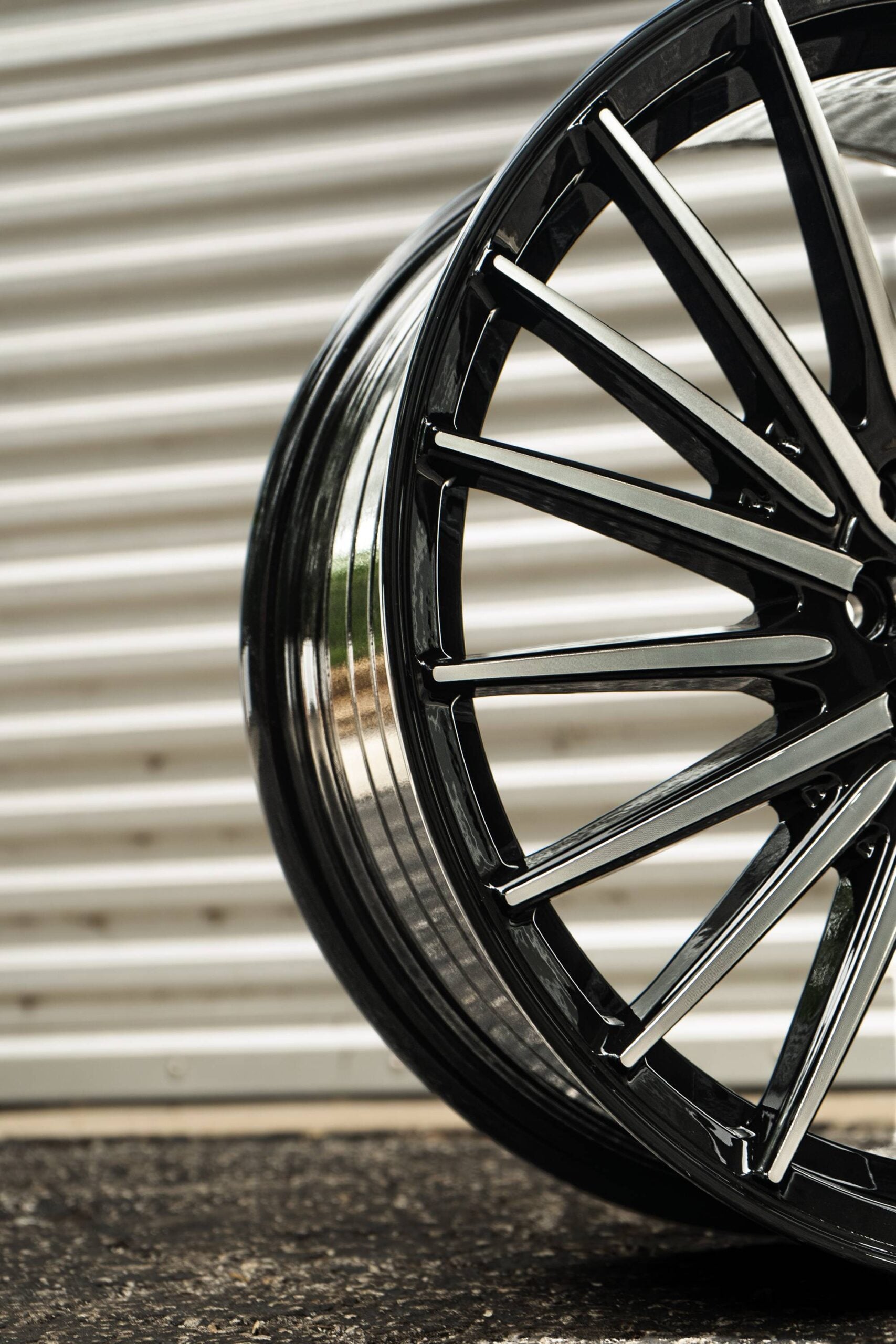
Performance and luxury wheels are a fantastic entry point for a private label brand. This market is driven by aesthetics, brand prestige, and a desire for exclusivity, which are all things a unique brand can deliver. Customers in this space are often willing to invest in wheels that make their vehicle stand out. By creating your own line, you can offer distinct designs, finishes, and fitments that are not available from mass-market brands.
Many established manufacturers offer dedicated private label programs specifically for performance wheels, giving you access to their engineering and production expertise. This allows you to build a credible, high-quality brand without needing to own a factory.
Designing Durable Off-Road and Truck Wheels
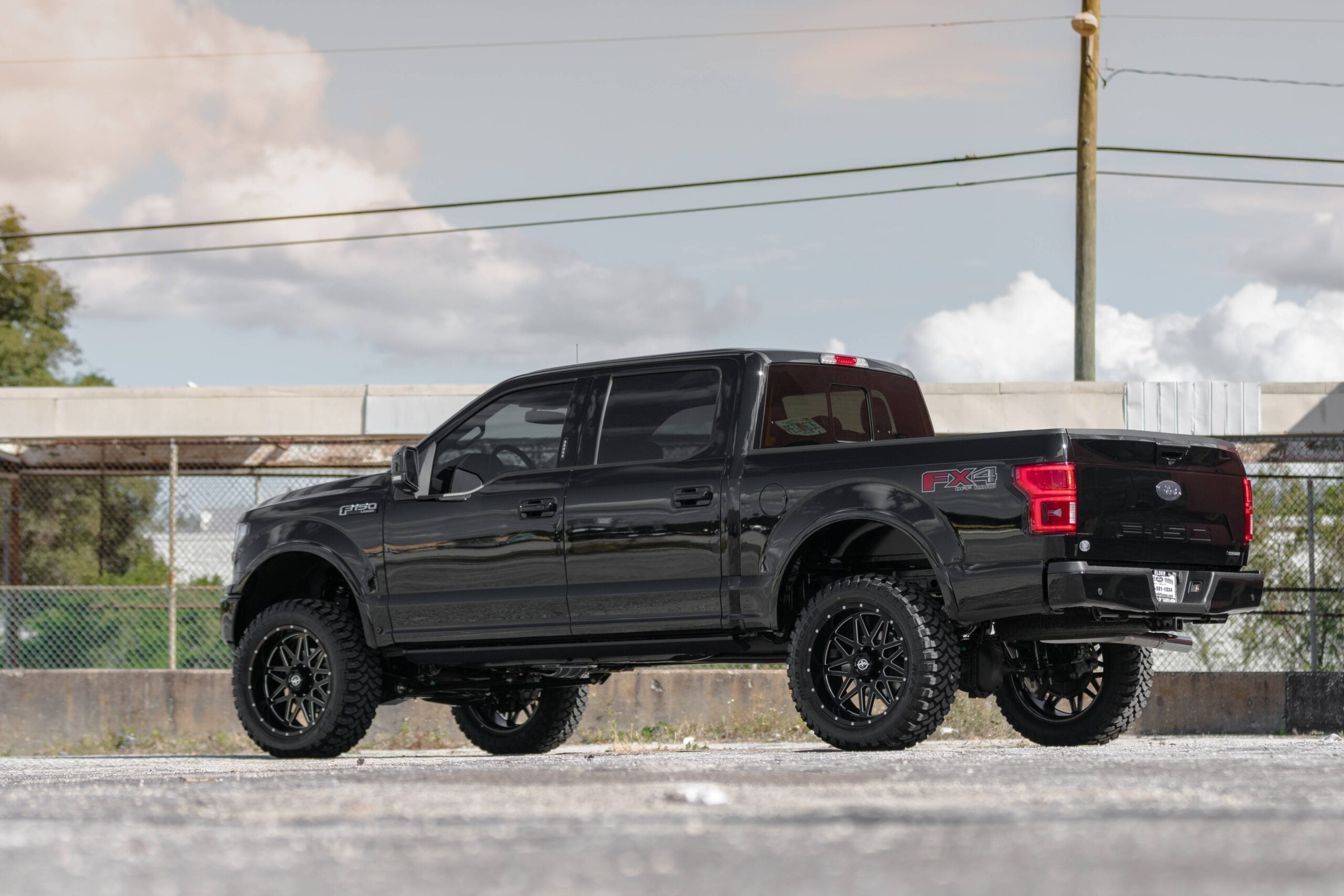
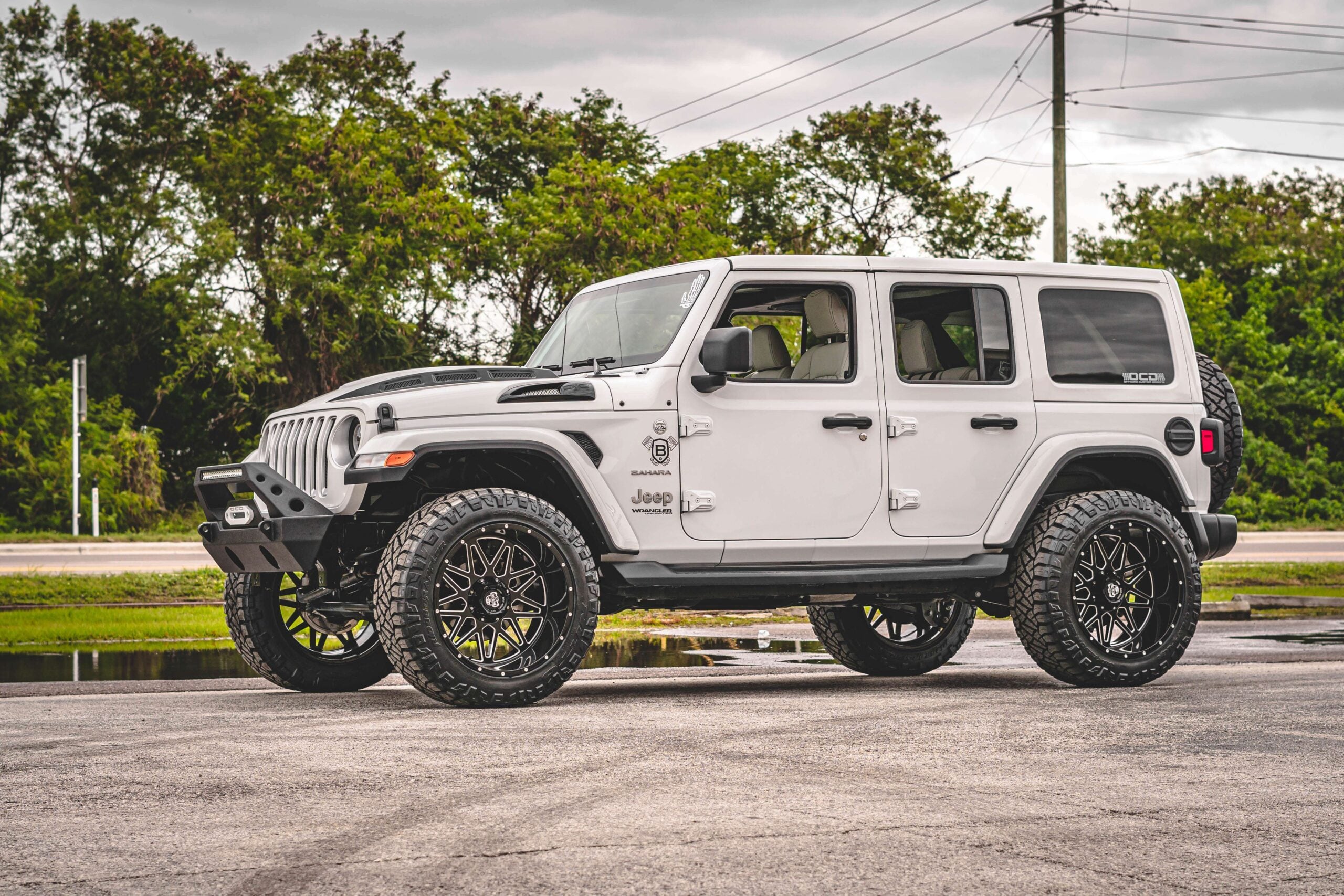
The off-road and truck market is all about durability, function, and aggressive styling. This is another prime category for private labeling because you can design wheels that meet the specific demands of your local terrain and customer base. Whether it is a design optimized for rock crawling, mudding, or simply giving a truck a more commanding presence, a private label lets you control the narrative.
You can specify load ratings, durable finishes, and offsets that your customers are asking for. Reputable partners in this space have experience building wheels for everything from daily-driven trucks to specialized aftermarket and OEM applications, ensuring your brand is built on a foundation of strength and reliability.
Developing Your Line of OE Replacement Wheels
While many shops focus on custom styles, there is a consistent, high-volume market for OE (Original Equipment) replacement wheels. This is for customers who need to replace a damaged wheel or want the original factory look at a better price. Creating a private label OE replacement line can be a smart move to capture this steady business.
Some distributors worry that private labels cannot compete with the volume of national brands. However, by focusing on popular fitments for common vehicles in your area, you can create a profitable, in-demand product line. This approach gives you better margins and more control over your inventory than simply reselling big-brand wheels, turning a simple replacement job into a more profitable sale for your shop.
Exploring Forged and Other Specialty Options
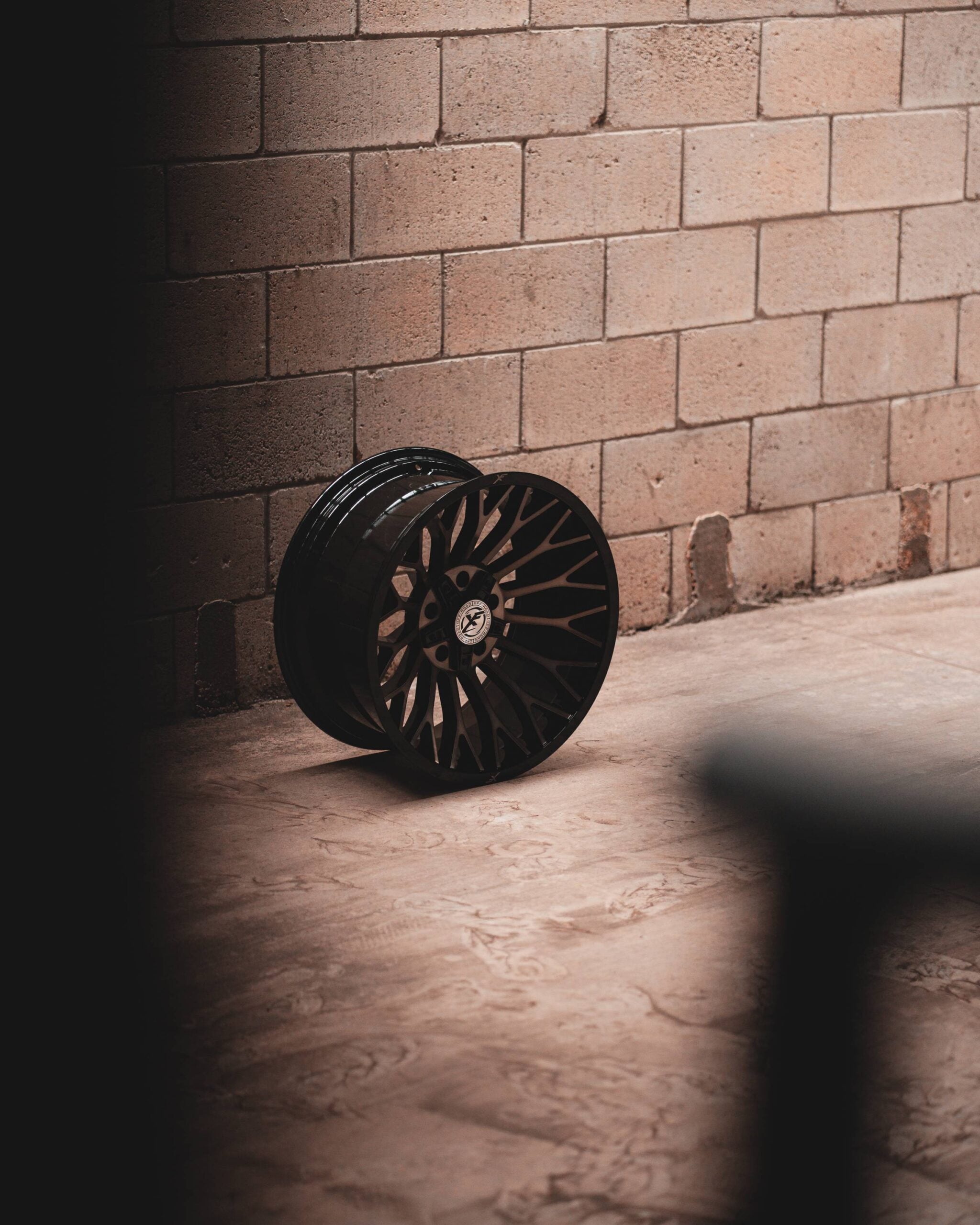
For the top tier of the market, private labeling forged or other specialty wheels allows you to create a true halo brand. Forged wheels are known for their superior strength, light weight, and limitless customization potential. This is where you can offer bespoke designs, custom finishes, and unique configurations for high-end builds and show cars.
Working with a partner on a forged line means you are delivering a product that meets the highest engineering and quality standards. It is an opportunity to build a brand that you are proud to put your company name on and that attracts discerning customers who are willing to pay a premium for exclusivity and performance. This is your chance to create a product that truly represents the pinnacle of quality.
Flow-Formed Wheels: A Balance of Strength and Cost
Think of flow-formed wheels as the sweet spot between standard cast and premium forged options. This technology offers a smart balance of strength and weight savings, making it a fantastic category for a private label brand. The manufacturing process begins with a low-pressure cast wheel, which is then spun at high speed while heat is applied to the barrel. This action stretches and compresses the aluminum, increasing its tensile strength. The result is a wheel that’s lighter and stronger than a traditional cast wheel, offering improved performance without the high cost of a fully forged product. For your business, this means you can provide a high-value, performance-oriented wheel that appeals to a wide range of customers, from daily drivers looking for an upgrade to weekend track enthusiasts seeking an edge.
How Much Does a Private Label Wheel Program Cost?
Creating your own wheel brand is an exciting prospect, but it’s important to go in with a clear understanding of the financial commitment. The total cost of a private label program goes beyond the price per wheel. It includes initial setup fees, ongoing operational expenses, and the volume you commit to. Let’s walk through the key financial pieces you’ll need to plan for so you can build a profitable brand from day one.
What to Budget for Your Initial Investment
Your initial investment covers everything needed to turn your idea into a physical product. This typically includes design fees, engineering, and the creation of new molds or tooling for your unique wheel design. After that comes the cost of your first production run, which is tied to the manufacturer’s minimum order quantity (MOQ). Beyond the direct costs, a major part of your initial investment is preparation. New brands often face unexpected hurdles, and being aware of the most common challenges within the automotive market helps you plan ahead. A transparent manufacturing partner will walk you through these upfront costs so there are no surprises.
Planning for Ongoing Costs and Pricing Models
Once your wheels are produced, your focus shifts to ongoing operational costs. A significant factor here is inventory management. Storing wheels you haven’t sold yet costs money, and tying up capital in slow-moving stock can strain your cash flow. This is why accurate demand forecasting is so critical; it helps you avoid the common pitfall of over-ordering. Other ongoing expenses to budget for include marketing to build your brand, freight and shipping to your warehouse and customers, and handling any potential warranty claims or returns. Planning for these costs from the start will keep your program running smoothly and profitably.
How Volume Affects Your Price
In manufacturing, volume is everything. The price you pay per wheel is directly tied to how many you order at once. While you’ll likely start with a smaller minimum order quantity (MOQ) to test the market, your long-term goal should be to increase your order size as your brand grows. Once you’ve confirmed your designs are selling well, you can graduate to larger production runs. For example, ordering 50 or more units at a time often unlocks more favorable pricing and opens the door to more advanced manufacturing methods. This economy of scale is key to improving your profit margins and making your private label brand more competitive over time.
Common Private Label Challenges (And How to Solve Them)
Launching your own wheel brand is an exciting step, but it’s smart to go in with your eyes open. Like any new venture, a private label program comes with its own set of challenges. Being prepared for these hurdles is the best way to ensure your launch is smooth and successful. Think of it less as a list of warnings and more as a strategic roadmap for what to focus on. By anticipating these common issues, you can build a stronger foundation for your brand, create better processes from day one, and choose a manufacturing partner who can help you solve these problems before they start. Let’s walk through the four biggest challenges you’ll want to plan for.
How to Forecast Demand and Manage Inventory
One of the trickiest parts of running a private label program is predicting what will sell. How many units of that new 22-inch gloss black wheel should you order? What about the 20-inch bronze? Accurate demand forecasting is a delicate balance. If you order too much inventory, your cash gets tied up in products that aren’t moving. If you order too little, you risk frustrating customers with backorders and losing sales to competitors who have wheels in stock. This is where working with an experienced partner can make a huge difference. They can provide historical data and market insights to help you make more informed purchasing decisions and keep your inventory lean but effective.
Maintaining Consistent Quality Across Production Runs
When your name is on the wheel, your reputation is on the line with every single sale. Unlike selling an established third-party brand, you are the final word on quality. A minor finish blemish or a slight imperfection that might be overlooked on another brand becomes a direct reflection of your company. This is why rigorous quality control is non-negotiable. You need a partner who is committed to the highest level of production quality and has transparent processes for testing and inspection. Ask potential partners about their QC procedures, from initial material sourcing to final finish and packaging, to ensure every wheel meets your standards.
How to Make Your Private Label Brand Stand Out
The wheel industry is a crowded space, so your private label brand needs a clear reason to exist. Simply having your own logo isn’t enough to capture customer attention. You need to define what makes your brand different. Will you focus on a specific niche, like vintage muscle cars or modern EVs? Will you offer unique designs and finishes that nobody else has? Your brand story and value proposition are critical for standing out in a competitive market. Before you even think about design, think about your target customer and what problem your brand will solve for them. This strategic positioning will guide all your decisions.
Expand Your Line with Related Accessories
A strong brand is more than just a great product; it’s a complete experience. One of the best ways to make your private label stand out is by expanding your line with related accessories. Think about offering custom-branded lug nuts, unique center caps, valve stem caps, or even wheel care kits. These items do more than just increase your average order value; they reinforce your brand’s identity every time a customer sees them. It’s an opportunity to build a comprehensive brand that feels established and thoughtful. This strategy also enhances customer loyalty by providing a convenient, one-stop solution. Many manufacturing partners can produce these accessories alongside your wheels, making it a straightforward way to add value and further differentiate your business in the market.
Meeting Key Regulatory and Compliance Standards
Wheels are a critical safety component, and they are subject to strict industry regulations. Standards like JWL (Japan Light Alloy Wheel) and VIA (Vehicle Inspection Association) certification are not just suggestions; they are essential for ensuring a wheel’s structural integrity and load-bearing capacity. Newcomers to manufacturing can sometimes underestimate the complexity of vehicle development and the legal requirements involved. Failing to meet these standards can result in catastrophic product failures and significant legal liability. It is absolutely vital to work with a manufacturing partner who understands and adheres to all required testing protocols, ensuring your wheels are safe, reliable, and fully compliant.
Where to Find Your Private Label Partner
Choosing the right partner is the most important decision you’ll make when starting a private label wheel program. This isn’t just about finding a factory; it’s about building a long-term relationship with a team that understands your vision and can execute it flawlessly. The right partner will guide you through the complexities of design, manufacturing, and logistics, while the wrong one can lead to costly delays, quality issues, and inventory headaches.
Think of this as a strategic alliance. Your partner’s capabilities, communication style, and commitment to quality will directly impact your brand’s reputation and profitability. Before you commit, it’s essential to understand the different partnership models available and know exactly what to look for. This will help you find a partner that not only meets your immediate needs but can also scale with you as your brand grows. Taking the time to do your homework here will pay off for years to come.
Distributor vs. Factory: Which Program Is Right for You?
Your first major decision is whether to work through a distributor or go directly to a manufacturer. A distributor-led program can be a great entry point. It often means lower minimum order quantities (MOQs), simplified logistics, and less upfront capital. However, you may have less control over design and branding. It’s also important to assess the distributor’s commitment, as some may worry that private lines can cause margin losses compared to national brands.
Going direct-to-factory gives you maximum control and potentially higher margins, but it comes with more responsibility. You’ll manage international shipping, customs, and quality control yourself. This path requires more industry experience and a larger initial investment. It’s a trade-off between convenience and control, and the right choice depends on your resources, risk tolerance, and long-term goals.
When to Work with a Specialized Provider
You don’t have to go it alone. There are specialized providers who act as a bridge between your business and the factory. These companies have spent years, sometimes decades, helping businesses manufacture private label wheels. They bring deep industry knowledge, established factory relationships, and expertise in engineering and quality control. A good provider understands that their job isn’t done until you are satisfied with the final product.
For new brands, this partnership can be invaluable. Automotive startups often face a steep learning curve and may not be aware of the most common potential obstacles in the market. A specialized provider can help you anticipate these challenges, from design validation to supply chain complexities, ensuring a smoother path from concept to customer.
How to Compare Your Private Label Partner Options
As you evaluate potential partners, it’s helpful to have a clear set of criteria. The wheel industry is competitive, and understanding the challenges private labels are facing will help you ask the right questions. Look beyond the price per unit and focus on the total value a partner provides.
Start by assessing their manufacturing capabilities and quality control processes. Do they have a proven track record of producing high-quality wheels? Ask for references and examples of their work. Next, evaluate their design flexibility and communication. Will you have a dedicated point of contact? How transparent are they about timelines and potential delays? Finally, confirm their production capacity and logistical support to ensure they can grow with you. A true partner is invested in your success.
Related Articles
- Custom Wheel Manufacturing for Dealers: Boost Profits
- How to Join a Factory Replica Wheels Dealer Program
- Buy Wheels in Bulk for Resale: The Ultimate Guide
Frequently Asked Questions
How much money do I really need to get started with a private label program? This is the first question on everyone’s mind, and the answer is probably less than you think. You don’t need a massive, multi-million dollar budget. The initial investment depends on the complexity of your design and your partner’s minimum order quantity (MOQ). Many programs are designed to be accessible, with MOQs that let you test the market without betting the entire farm. Your main costs will be any initial tooling or design fees, plus the cost of your first production run. Think of it as a focused investment in a brand asset that you own completely.
How much creative control do I get over the actual wheel designs? You can have as much or as little control as you want, which is the beauty of private labeling. The simplest path is to choose an existing, high-quality wheel design from your partner’s catalog and apply your own branding and custom finish. For more control, you can work directly with their engineers to modify an existing design or create something entirely new from a sketch. A good partner will collaborate with you to ensure your vision is not only stylish but also structurally sound and ready for production.
What is the most common mistake people make when starting a private label, and how can I avoid it? The most common pitfall is mismanaging inventory by trying to guess what will sell. New brand owners often get excited and order too many units of an unproven design, which ties up cash in slow-moving stock. You can avoid this by starting with a smaller, more focused order for your first run. Work with a partner who can provide data on market trends and help you make an educated forecast. It is much better to sell out of a small batch and create demand than to be stuck with a warehouse full of wheels nobody wants.
Realistically, how long does it take from my initial idea to having wheels ready to sell? The timeline can vary, but a good partner will make the process efficient and transparent. Generally, you can expect the process to take a few months from start to finish. This includes the initial design and engineering phase, the creation of tooling and a physical sample for your approval, and finally, the full production run. A reliable manufacturing partner will provide you with a clear schedule from the beginning and keep you updated at every stage, so you will know exactly when to expect your wheels.
What is the most important quality to look for in a manufacturing partner? Beyond their technical skill, the single most important quality in a partner is transparency. You need a partner who is completely open about their processes, from their quality control checks and production timelines to their pricing structure. A great partner acts as an extension of your team, communicating clearly and proactively to solve problems before they start. This builds trust and gives you the confidence that your brand’s reputation is in good hands, allowing you to focus on marketing and sales.