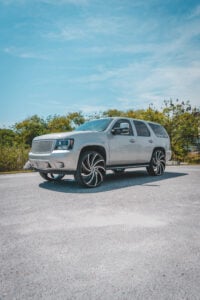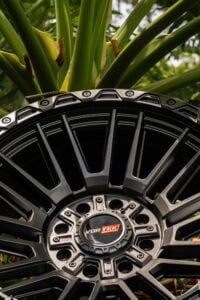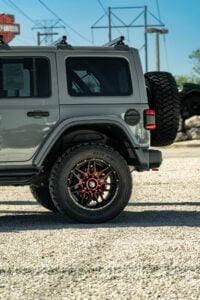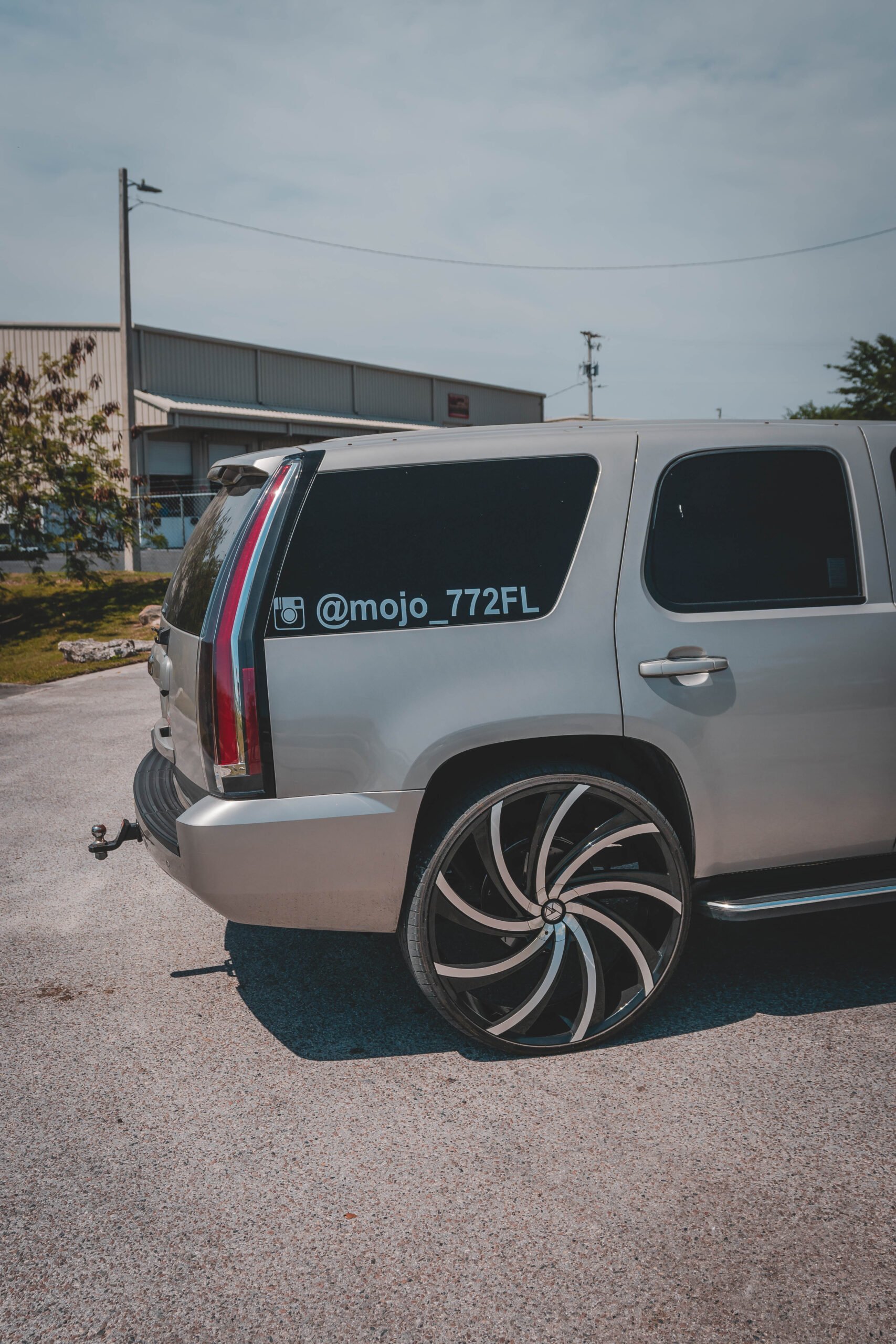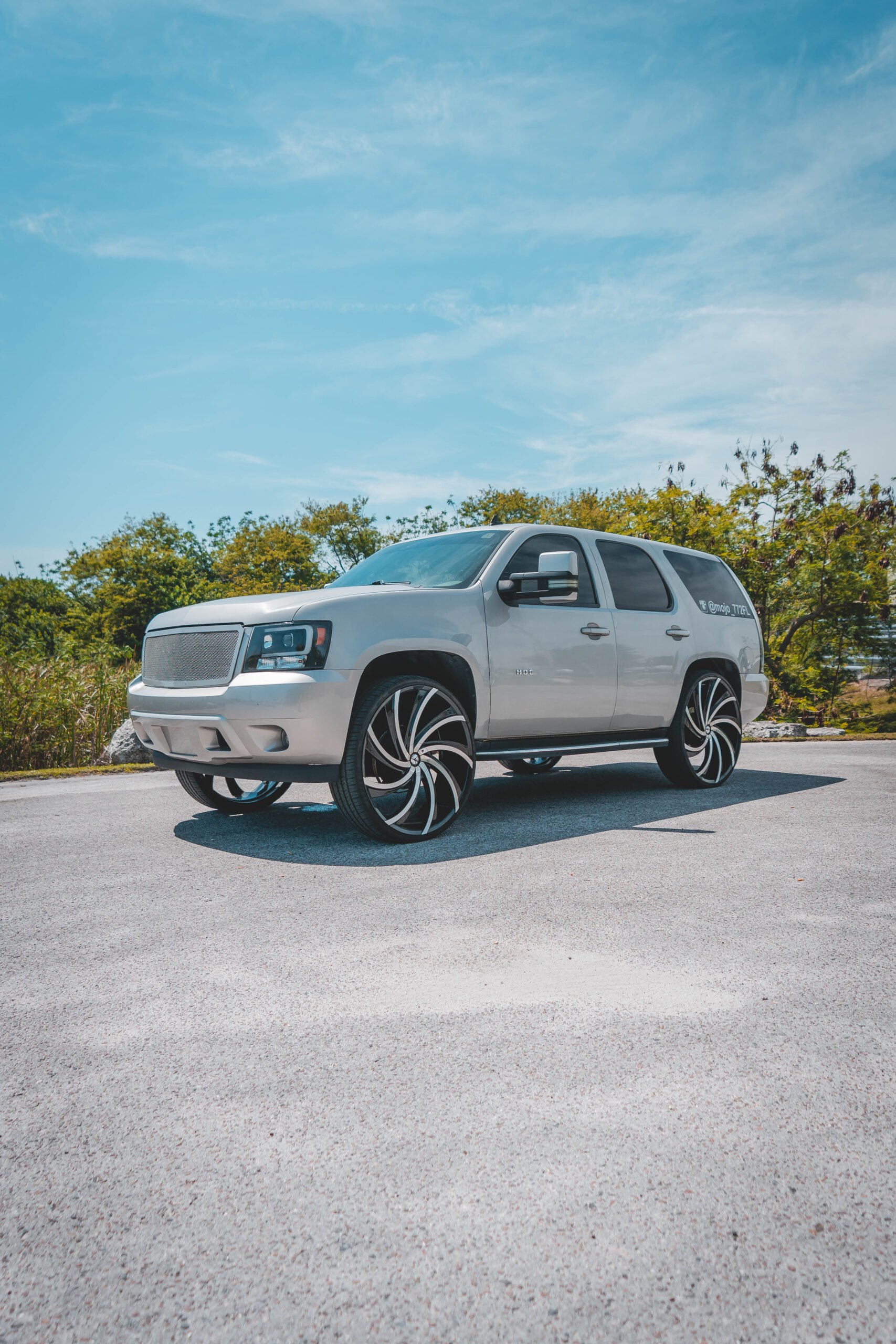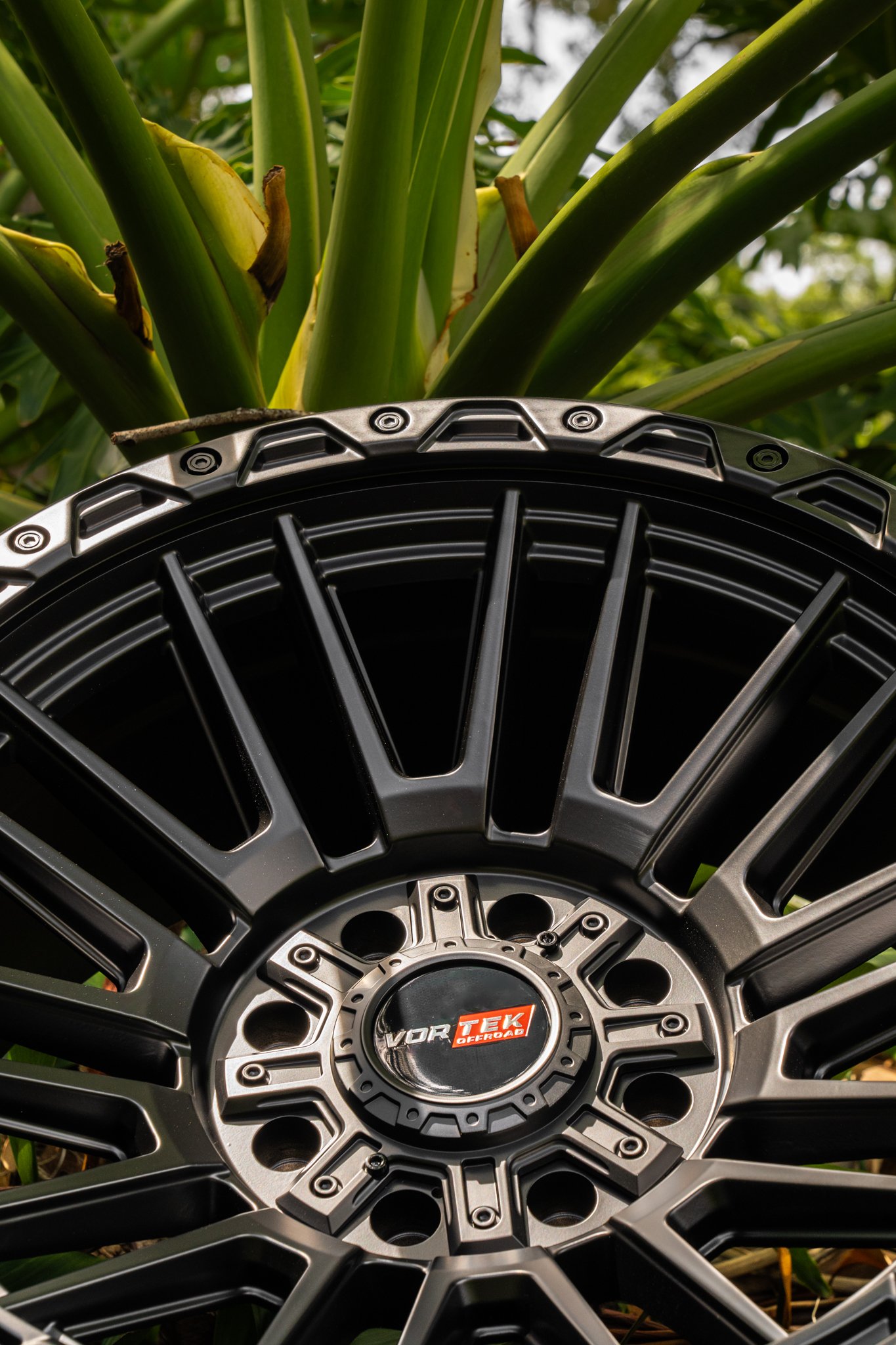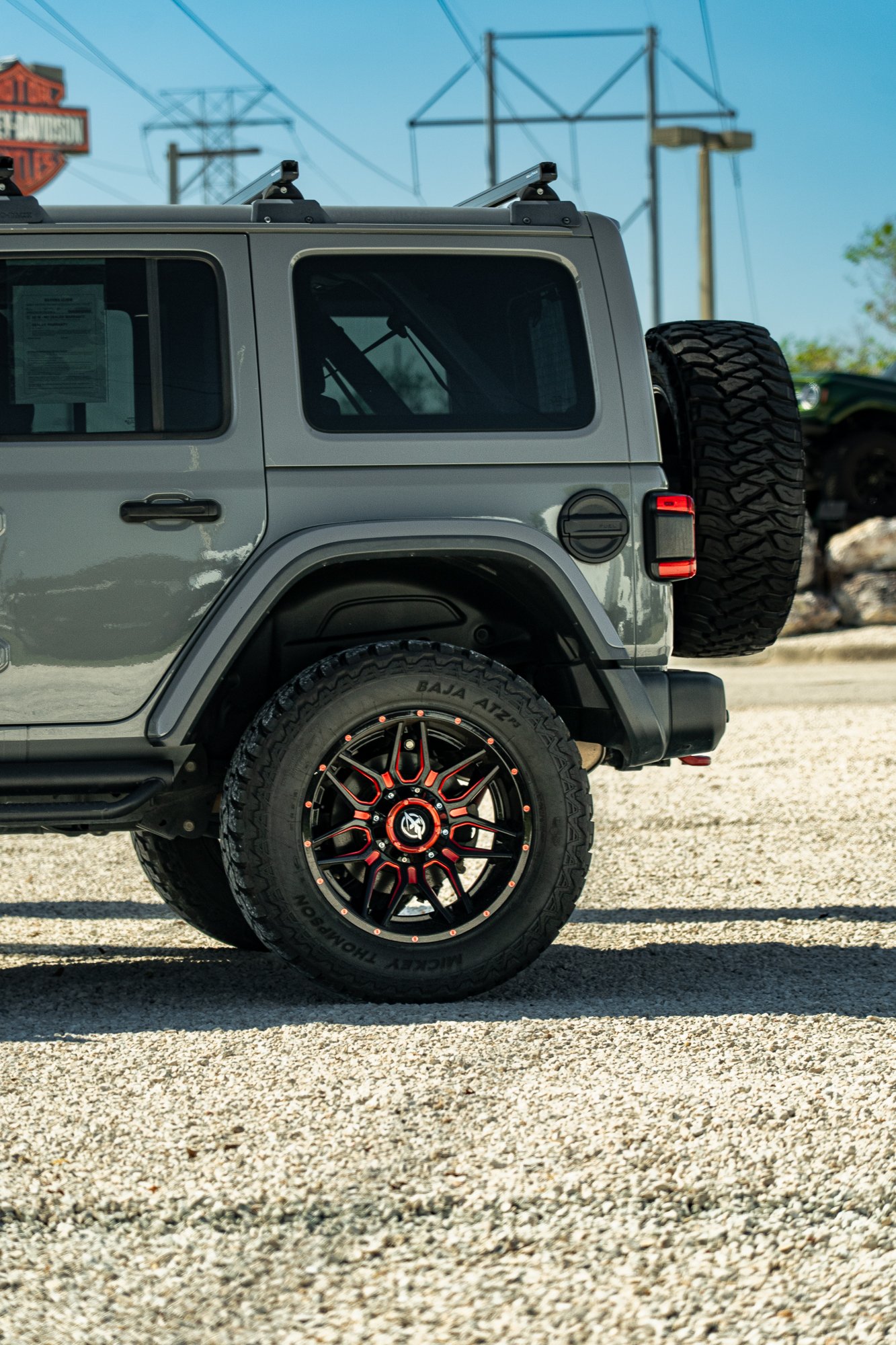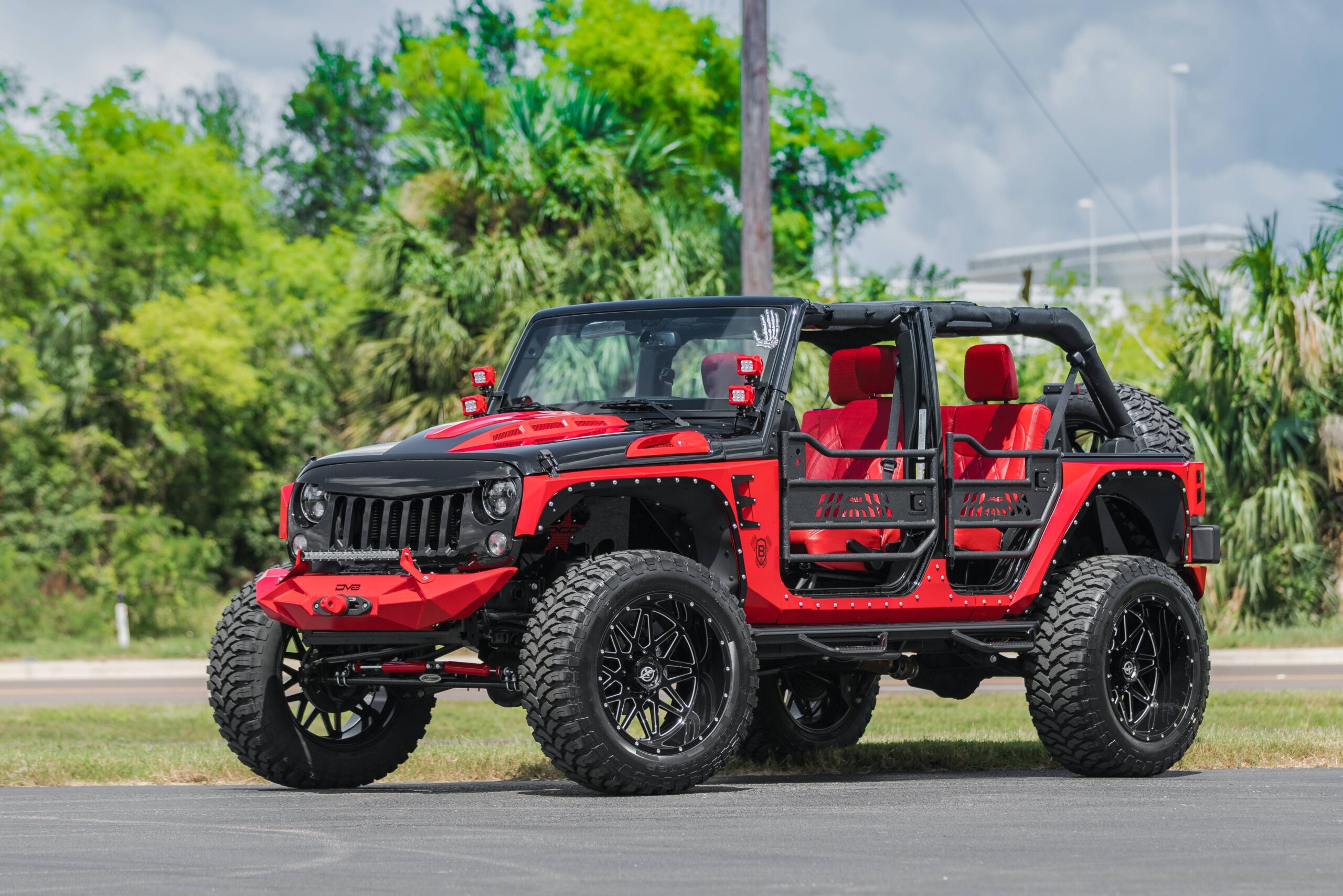
You’ve built a solid business, but you’re always looking for the next step toward growth. That opportunity might be driving past your shop every day in luxury SUVs, performance sedans, and lifted trucks. These owners see their vehicles as more than just transportation; they’re a statement. Offering them a premium upgrade is a natural way to grow your revenue and expand your customer base. Making the move into this segment requires the right products and a reliable partner. This guide breaks down everything you need to know about sourcing wholesale luxury wheels, helping you tap into a profitable market and take your shop to the next level.
Key Takeaways
- Master the Details to Justify the Price: A luxury wheel’s value comes from its manufacturing process (forged, flow-formed, or cast) and finish quality. Knowing these differences helps you confidently explain performance benefits and communicate value to your customers.
- Choose a Partner, Not Just a Parts Supplier: Your distributor should protect your business. Prioritize suppliers who enforce MAP pricing to secure your margins, maintain deep inventory for fast shipping, and provide expert fitment support to prevent costly errors.
- Tap Into a Broader Luxury Market: The demand for premium wheels extends far beyond exotic cars to include trucks, SUVs, and performance sedans. Offering a curated selection for these vehicles helps you attract a wider range of high-value customers and grow your sales.
What Defines a Luxury Wheel?
When a customer asks for “luxury wheels,” they’re looking for more than just a high price tag. A true luxury wheel is defined by its superior materials, advanced manufacturing techniques, and exceptional design. For your shop, understanding these key differentiators is crucial. It allows you to confidently explain the value behind the cost, guide your customers to the perfect fit for their vehicle, and build trust as a knowledgeable expert.
These wheels aren’t just about looks; they deliver tangible performance benefits. Lighter materials reduce unsprung weight, which can improve a vehicle’s handling, acceleration, and braking. Stronger construction methods ensure durability, whether on the street, track, or trail. And of course, the visual impact of a well-designed wheel can completely transform a vehicle’s presence. By stocking and understanding luxury wheels, you’re not just selling a product; you’re offering your customers a significant upgrade in both performance and style.
Key Materials and Manufacturing Processes
The way a wheel is made has the biggest impact on its strength, weight, and overall quality. While most standard wheels are cast, luxury options often use more advanced processes. Forging is at the top of the list. This method involves shaping a solid piece of high-grade aluminum under extreme pressure, resulting in a wheel that is incredibly dense and strong yet remarkably light. In fact, forged aluminium wheels often weigh significantly less than their steel or cast aluminum counterparts, which is a major plus for performance.
Another popular method is flow forming. This process creates a wheel that offers a great balance of strength and value. It starts with a cast wheel face, and then the barrel is heated and spun while rollers apply intense pressure. This stretches and compresses the aluminum, increasing its tensile strength to near-forged levels. For customers who want a lighter, stronger wheel without the premium cost of a fully forged set, flow-formed options are an excellent choice.
The Features That Signal Premium Quality
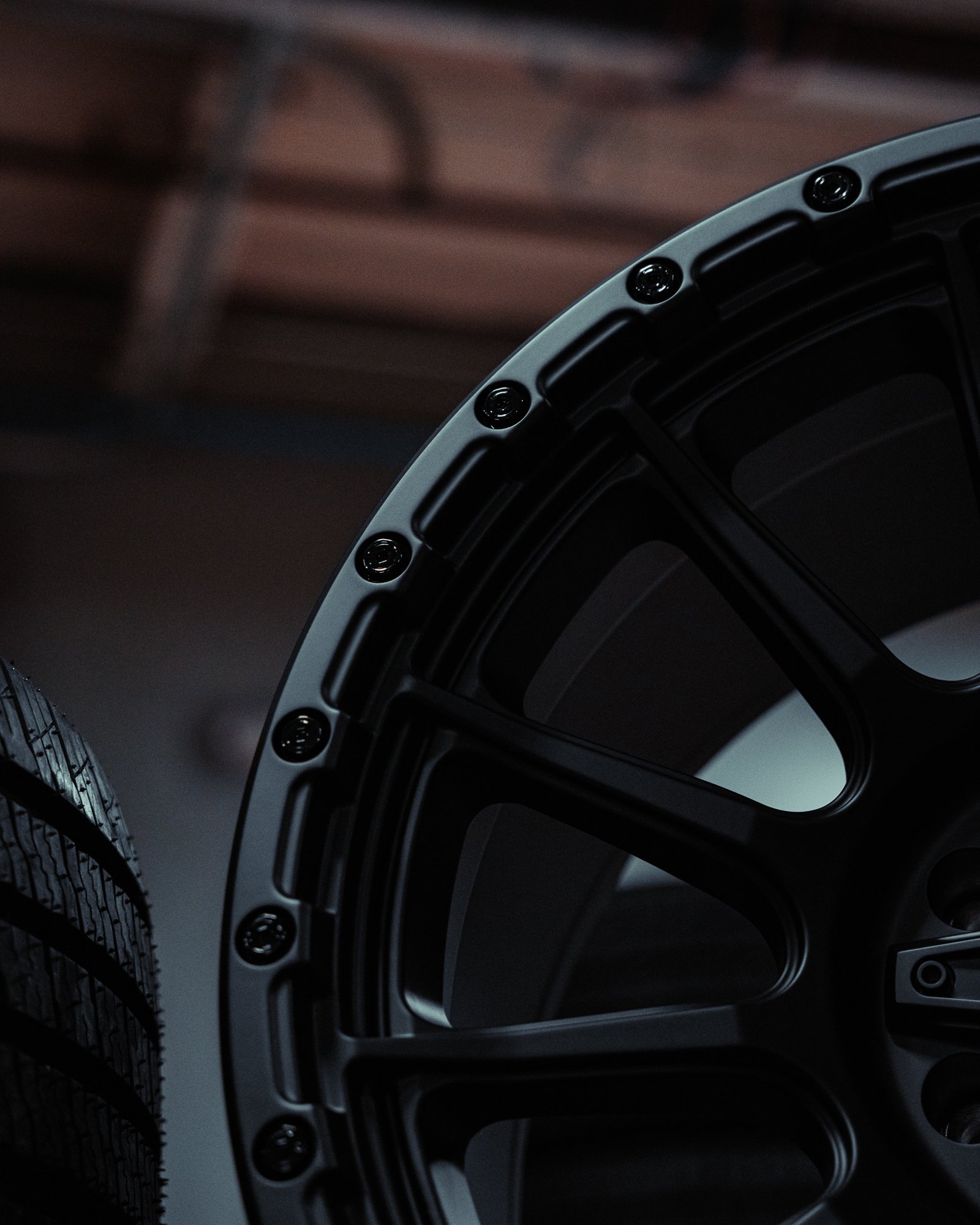
Beyond the manufacturing process, several visual and functional features set luxury wheels apart. Design is a huge factor. Look for intricate spoke patterns, deep concave profiles, and precision-machined details that you won’t find on mass-produced wheels. These complex designs require a higher level of engineering and craftsmanship to execute properly.
The finish is another critical element. Premium wheels move beyond basic silver or black paint. Instead, they often feature multi-stage powder coats, hand-brushed textures, and custom color options. These dazzling wheel finishes are not only visually striking but are also more durable, offering better resistance to chips, scratches, and the elements. This attention to detail, from the design to the final coating, is what truly defines a premium wheel and justifies its position in the market.
Exploring Top Wholesale Luxury Wheel Brands
Once you know what defines a luxury wheel, the next step is finding brands that align with your customers’ tastes and your business goals. The right supplier offers a diverse portfolio, giving you options for every type of build, from track-ready sports cars to statement-making SUVs. A well-rounded selection allows you to cater to different price points and vehicle categories, ensuring you have the perfect wheel for any customer who walks through your door. This approach helps you become a one-stop shop for premium wheels in your market.
A Look Inside a Curated Brand Portfolio
A great wholesale partner doesn’t just offer a long list of wheels; they provide a carefully curated brand portfolio. This means you get access to distinct brands that serve different segments of the luxury market, from performance and off-road to elegant OE-plus styles. A curated selection prevents brand overlap, so you aren’t competing against yourself or other dealers in your area with nearly identical products. It allows you to confidently sell across multiple price points and vehicle types, protecting your margins while meeting the specific needs of luxury sedan owners, truck enthusiasts, and performance drivers alike.
Spotlight on Forged Wheel Specialists
At the very top of the market are forged wheels. Unlike cast wheels, which are made from molten aluminum poured into a mold, forged wheels are crafted from a single, solid piece of aluminum under extreme heat and pressure. This process creates an incredibly dense and strong wheel that is also significantly lighter than a cast equivalent. For your customers with high-performance vehicles or those seeking ultimate exclusivity, forged wheels are the clear choice. Brands like Amani Forged specialize in these custom, made-to-order wheels, offering unique designs that provide a true bespoke experience for discerning clients.
Performance vs. Pure Luxury Designs
Within the luxury category, you’ll find wheels designed for two different priorities: performance and aesthetics. Performance-focused luxury wheels often feature lightweight materials and designs that improve airflow for brake cooling. Technologies like flow forming create wheels that are nearly as strong and light as forged options but at a more accessible price. On the other hand, pure luxury designs prioritize visual impact. These wheels often feature intricate spoke patterns, deep lips, and premium finishes like polished chrome or custom colors. Understanding this distinction helps you guide customers to the perfect wheel for their vehicle and driving style.
What Types of Luxury Wheels Are Available Wholesale?
The term “luxury wheel” covers a surprisingly wide range of styles and applications. It’s not just about shiny chrome finishes anymore. For dealers, understanding the different categories available at the wholesale level is key to serving a diverse customer base, from the performance enthusiast to the off-road adventurer. Each type of wheel is engineered with a specific purpose and aesthetic in mind, using different materials and manufacturing processes to achieve the desired result. Stocking a thoughtful mix allows you to meet the demands of various vehicle owners who walk through your doors.
Let’s look at the main categories of luxury wheels you can source for your shop.
Performance and Racing Wheels
These wheels are built for customers who prioritize speed, handling, and a lightweight setup. Often constructed from forged aluminum for its exceptional strength-to-weight ratio, performance wheels are engineered to reduce unsprung mass, which improves acceleration, braking, and cornering. Designs frequently feature open-spoke patterns to enhance airflow for better brake cooling on the track or during spirited driving. Companies in this space, like Forgeline, specialize in creating custom, made-to-order wheels for demanding applications, ensuring both durability and a precise fit for high-performance vehicles. These are the perfect offering for owners of sports cars, souped-up sedans, and track-day vehicles.
Styles for Luxury Sedans and SUVs
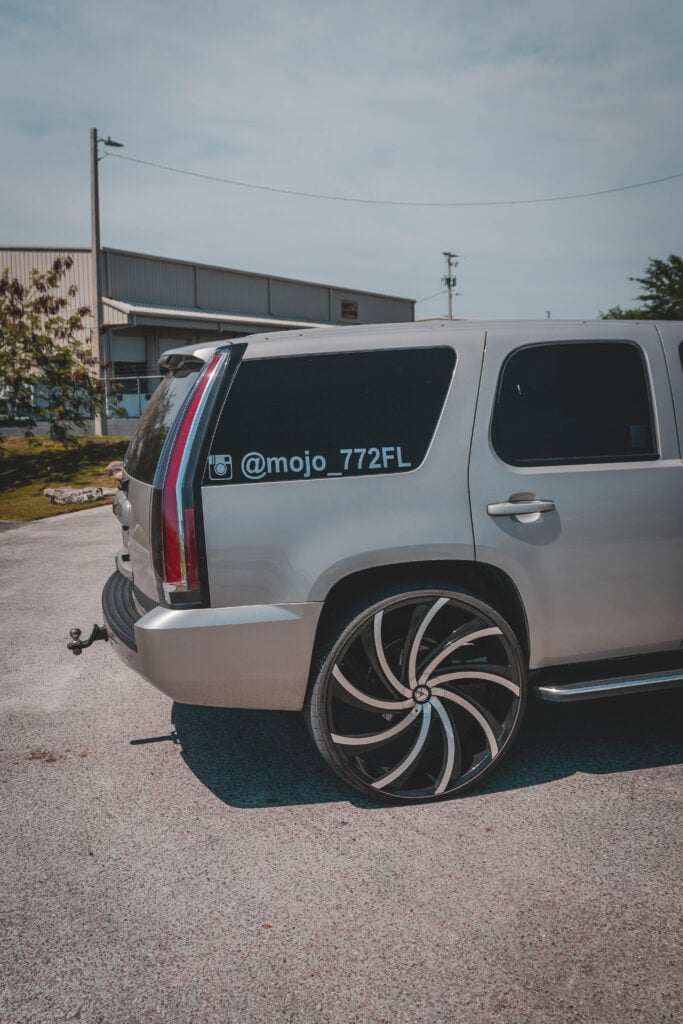
For drivers of premium sedans and SUVs, wheels are a primary way to personalize their vehicle’s appearance. This category focuses on sophisticated design, ride quality, and visual impact. You’ll find intricate multi-spoke designs, concave profiles, and premium finishes like gloss black, polished silver, and two-tone accents. While some are forged, many high-quality options are made using casting or flow-forming processes to create complex designs at an accessible price point. These wheels are designed to complement the elegant lines of brands like BMW, Mercedes-Benz, and Lexus, giving owners a way to stand out with a custom look.
Premium Off-Road and Truck Wheels
The luxury market extends far beyond pavement. Premium off-road wheels are designed for truck and SUV owners who demand both rugged capability and aggressive styling. These wheels are built with high load ratings to support heavy vehicles, oversized tires, and the stresses of uneven terrain. Popular design elements include deep lips, simulated beadlocks, and durable matte or bronze finishes that resist chips and scratches. The market includes a wide variety of brands that cater to the lifted truck, Jeep, and overland communities, offering styles that are as tough as they are eye-catching.
Custom and Forged Options
At the top of the market are custom and forged wheels, which offer unparalleled strength, low weight, and complete personalization. Forged wheels are machined from a single billet of aluminum, resulting in a dense, strong structure that can be made much lighter than a cast wheel. This process allows for total control over every specification, including diameter, width, offset, and finish. This is the ideal choice for customers with show cars, exotic vehicles, or unique builds who need a perfect, one-of-a-kind fitment. It’s a premium service that allows you to cater to the most discerning clients.
Understanding Wholesale Luxury Wheel Pricing
When you’re sourcing luxury wheels, the price tag reflects much more than just a brand name. It’s a direct result of the materials used, the complexity of the manufacturing process, and the level of engineering that goes into every design. For dealers, understanding these factors is key to communicating value to customers and protecting your margins. A higher wholesale price often corresponds with superior performance, lighter weight, and more intricate finishes that discerning clients are willing to pay for.
Think of it this way: you’re not just selling a product, you’re providing a solution that enhances a vehicle’s performance, aesthetics, and overall value. When you can confidently explain why a forged wheel costs more than a cast one, you build trust and position your shop as an expert resource. This knowledge allows you to guide customers to the right product for their build and budget, ensuring they leave satisfied with their investment. It transforms the conversation from price to value, which is exactly where you want it to be in the luxury market. Let’s break down the key elements that shape the price of a luxury wheel, so you can stock your inventory and advise your customers with confidence.
How Material and Build Affect Cost
The single biggest factor in a wheel’s cost is how it’s made. Most wheels fall into three categories: cast, flow-formed, and forged. Cast wheels are the most common and affordable, created by pouring molten aluminum into a mold. Flow-formed wheels offer a middle ground, starting as a cast wheel but using pressure and heat to create a lighter, stronger barrel.
At the top of the spectrum are forged wheels. These are machined from a solid billet of high-grade aluminum under extreme heat and pressure. This process creates an incredibly dense and strong material, allowing for designs that are significantly lighter and more durable. In fact, many forged aluminum wheels are much lighter than cast versions, which improves a vehicle’s handling, acceleration, and braking. The intensive labor and machinery required for forging make these wheels the most expensive, but they deliver unmatched performance.
Key Factors That Influence Price
Beyond the core manufacturing process, several other details contribute to the final wholesale price. The complexity of the wheel’s design plays a major role. A simple five-spoke wheel is easier and faster to produce than an intricate multi-spoke or mesh design with detailed milling. Finishes also add to the cost. A standard painted or powder-coated finish is less expensive than premium options like brushed, polished, or multi-tone finishes, which require more labor and specialized techniques.
A supplier’s business practices also influence your final cost. It’s crucial to partner with distributors who have clear and consistent wholesale terms and conditions. A reliable partner invests in research and development, rigorous quality control, and robust logistics to ensure you get the right product quickly. These operational strengths are built into the pricing structure and are essential for protecting your shop’s reputation and profitability.
The Impact of Customization on Your Bottom Line
For high-end clients, off-the-shelf isn’t always enough. This is where custom forged wheels create a significant opportunity for dealers. Customization allows you to offer a truly bespoke product tailored to a specific vehicle and customer taste. You can specify everything from the diameter and width to the exact offset, bolt pattern, and finish. Brands specializing in custom work can produce wheels in a wide range of diameters and styles to achieve the perfect stance and appearance.
Offering custom forged wheels allows your shop to cater to the luxury, performance, and show car markets, where clients expect and demand personalization. While the initial wholesale cost is higher due to the individual engineering and machining involved, the retail margins are substantially greater. By guiding a customer through the process of creating a one-of-a-kind wheel set, you provide a premium service that builds loyalty and sets your business apart.
How to Choose the Right Wholesale Supplier
Finding the right wholesale supplier is one of the most important decisions you’ll make for your business. This isn’t just about finding the lowest price; it’s about building a partnership that supports your growth, protects your profits, and helps you keep your customers happy. A great supplier acts as an extension of your team. When you’re evaluating potential partners, look beyond the catalog and consider the core pillars of their business: dealer protection, logistics, expertise, and quality. Answering these questions will help you find a supplier that truly has your back.
MAP Protection and Dealer Margins
Minimum Advertised Price (MAP) policies are a critical tool for protecting your profitability. When a distributor enforces MAP pricing, it prevents the market from being flooded with deep discounts that erode the value of the brand and your margins. This creates a level playing field, allowing you to sell based on service and expertise, not just price. A supplier committed to MAP is a supplier committed to your long-term success. Before you partner with anyone, ask about their pricing structure and how they enforce their policies to ensure your margins are secure.
Inventory Depth and Shipping Speed
You can’t sell what you don’t have, and your customers won’t wait forever. In a world of fluctuating supply chains, a supplier’s inventory depth and logistical network are more important than ever. Look for a distributor with deep inventory and multiple warehouse locations. This geographic diversity means wheels ship from a closer hub, reducing freight costs and delivery times. A supplier who consistently gets you the right products quickly helps you close more sales and avoid losing business to backorders. This ability to overcome supply chain disruptions is a key advantage.
Expert Fitment and Technical Support
Luxury wheels often involve complex fitments, and mistakes can be costly. A top-tier supplier provides more than just a product; they offer expert guidance to ensure you get it right the first time. Your supplier should have a knowledgeable sales and support team you can call with fitment questions for any vehicle, from a performance sedan to a lifted truck. This technical support reduces the risk of returns and builds customer confidence. A partner who invests in integrated support systems and expert staff is dedicated to helping you operate smoothly.
Commitment to Quality and Safety
When you sell a set of wheels, you’re selling a critical safety component of a vehicle. Your reputation depends on the quality of the products you offer. Partner with a supplier whose brands have a proven commitment to quality, from design and engineering to materials and manufacturing. Look for suppliers who are transparent about their processes and stand behind their products. A wheel’s strength and durability are direct reflections of its quality. Aligning with brands known for a meticulous engineering and manufacturing process ensures you can sell with confidence, knowing your customers are getting a product that is safe and reliable.
Common Myths About Sourcing Luxury Wheels
The luxury wheel market can feel like an exclusive club, surrounded by assumptions that can make dealers hesitant to jump in. Many shop owners worry about high costs, complicated fitment, and a customer base that seems too small to be profitable. But when you look closer, you’ll find that most of these concerns are based on myths, not reality. Understanding the truth behind sourcing premium wheels can open up a significant revenue stream and help you attract high-value customers.
Breaking down these misconceptions is the first step toward confidently adding luxury wheels to your inventory. It’s not about taking huge risks or overhauling your business model. Instead, it’s about partnering with the right supplier who can demystify the process and provide the inventory, support, and pricing structure you need to succeed. Let’s clear up four of the most common myths so you can approach the luxury market with clarity.
Myth #1: Higher Price Always Means Better Quality
It’s easy to assume that the most expensive wheel on the market is automatically the best, but price isn’t the only indicator of quality. While advanced materials and intricate manufacturing processes do contribute to cost, factors like brand prestige, marketing budgets, and import logistics can also inflate the final price. The key is to find the intersection of quality and value. A great distributor provides access to brands at various price points without compromising on structural integrity or finish durability. This allows you to offer your customers exceptional wheels that fit their budget, building trust and securing repeat business.
Myth #2: Complex Fitment and Compatibility
The thought of ordering a premium set of wheels only to find they don’t fit is a common fear. Luxury and performance vehicles often have precise specifications, from brake caliper clearance to specific bolt patterns. However, this challenge is easily solved by working with a knowledgeable supplier. A distributor with deep technical expertise provides reliable fitment data and expert guidance, turning a complex task into a simple confirmation. When you have a partner who guarantees that a wheel is designed specifically for your vehicle, you can eliminate guesswork, reduce returns, and ensure a perfect installation for your customers every time.
Myth #3: Limited Customization Options
Some dealers believe that sourcing luxury wheels means being stuck with a limited catalog of standard designs. In reality, the premium market is where customization truly shines. Discerning customers want something unique, and the luxury segment delivers with a wide array of custom finishes, bespoke offsets, and fully forged designs built to order. Beyond OEM styles, there are numerous high-quality options that serve as a canvas for personalization. Brands specializing in forged wheels, like Amani Forged, are built around creating one-of-a-kind products that help your shop stand out and cater to clients with a specific vision.
Myth #4: The Market Is Too Niche
Another common misconception is that the market for luxury wheels is too small to be a reliable source of income. While it’s true that not every customer is in the market for a top-tier forged set, the definition of “luxury” has expanded. It now includes premium wheels for high-end SUVs, customized trucks, and performance sedans, all of which represent a large and active customer base. Recent industry reports confirm a vibrant and growing market for wheels with aggressive designs and dazzling finishes. By offering premium options, you’re not just serving a niche, you’re meeting the growing demand from customers willing to invest in their vehicles.
A Dealer’s Guide to Selling More Luxury Wheels
Selling luxury wheels is more than just a transaction; it’s about connecting the right customer with a product that reflects their style and standards. With the right supplier and a smart strategy, you can confidently add high-margin luxury wheels to your offerings and meet the growing demand from performance, luxury, and off-road enthusiasts. Here are a few actionable steps to get started.
How to Become a Dealer Partner
The first step is finding a wholesale distributor that operates as a true partner. Look for a company that prioritizes your success by providing a seamless experience, from browsing inventory to receiving fast, reliable deliveries. A great partner invests in your business with dedicated support, deep inventory, and a commitment to protecting your margins. They should feel like an extension of your own team, focused on helping you grow. When you find a distributor that wants to be a trusted partner, you build a foundation for long-term success and profitability in the competitive luxury wheel market.
Using B2B Systems to Simplify Ordering
Your time is best spent with customers, not fighting with clunky ordering systems. A top-tier distributor will offer a modern B2B online platform designed specifically for dealers. These systems streamline the entire purchasing process, giving you real-time inventory access, accurate fitment data, and simple order placement. Look for suppliers that offer easy-to-use online portals, data feeds, and even direct API connections. This technology saves you valuable time, reduces ordering errors, and ensures you can get the wheels your customers want without unnecessary delays. It’s a simple feature that makes a huge difference in your day-to-day operations.
Marketing Luxury Wheels to the Right Customers
Once you have the inventory, you need to reach the right buyers. Use your customer data to create personalized marketing campaigns that speak directly to their vehicle type and past purchases. You can send targeted emails with promotions for luxury SUV wheels to customers who own a specific model, for example.
Another effective tactic is to position certain styles, like flow formed wheels, as the perfect balance of performance and price. This gives you a powerful sales tool for customers who want a premium look without committing to a forged wheel budget. By tailoring your marketing and sales approach, you can effectively guide customers to the perfect high-end upgrade for their vehicle.
Related Articles
- Wholesale Truck Rims: The Ultimate Buyer’s Guide
- Wholesale Rims for Dealers: The Ultimate Guide
- Buy Wheels in Bulk for Resale: The Ultimate Guide
- How to Find the Best Wheel Supplier for Your Shop
- SPL-005 – Elite Wheel Warehouse
Frequently Asked Questions
What’s the simplest way to explain the difference between forged and flow-formed wheels to a customer? Think of it this way: a forged wheel is machined from a single, solid piece of high-pressure aluminum, making it incredibly strong and lightweight. It’s the top choice for performance. A flow-formed wheel starts with a solid face, and then the barrel is heated and stretched under pressure, giving it strength and lightness that approaches a forged wheel but at a more accessible price. It’s a fantastic middle-ground option for customers wanting a significant upgrade.
What is MAP pricing, and why is it so important for my shop’s profitability? MAP, or Minimum Advertised Price, is a policy set by a brand that establishes the lowest price a product can be advertised for. When a distributor strictly enforces MAP, it prevents online retailers from undercutting your prices and starting a race to the bottom. This protects your margins, ensures fair competition, and allows you to sell based on your expertise and service instead of just price.
How can I be sure a luxury wheel will fit a customer’s car correctly before I order it? This is where a great supplier relationship is key. A knowledgeable wholesale partner will provide expert fitment support. Their team should have access to detailed vehicle data to confirm everything from the bolt pattern and offset to brake caliper clearance. This removes the guesswork, prevents costly ordering mistakes, and gives you the confidence to guarantee a perfect fit for your customer.
My customers are usually price-conscious. How do I introduce higher-priced luxury wheels without scaring them away? Instead of leading with the price, lead with the value. Ask customers about their goals for the vehicle. If they want better handling, you can explain how a lighter forged or flow-formed wheel reduces unsprung weight. If they want a unique look for their truck, you can highlight the durable, premium finishes on an off-road wheel. By connecting the wheel’s features to their specific desires, you shift the conversation from cost to investment.
Do I need to stock a huge inventory of luxury wheels to start selling them? Not at all. The right wholesale distributor acts as your warehouse. By partnering with a supplier that has deep inventory across multiple locations and offers fast shipping, you can confidently sell a wide range of styles without a large upfront investment. You can show customers options from a catalog or website and have the exact set they want delivered quickly, allowing you to offer a massive selection with minimal risk.