It’s a gut-wrenching feeling. You spend your valuable time and expertise helping a customer find the perfect wheels, only to see them buy online for a few bucks less. This is what happens when brands don’t protect their pricing. A Minimum Advertised Price (MAP) policy is your best defense, creating a level playing field for everyone. When you partner with wheel brands with MAP protection, the focus shifts from “who’s cheapest?” to “who offers the best service?” This allows your expertise to be your true competitive advantage, building a loyal customer base that values you, not just a price tag.
Key Takeaways
- Protect your profits with MAP: Selling MAP-protected brands stops destructive price wars and stabilizes your margins, letting you focus on providing expert service instead of just competing on price.
- Sell quality, not just a price: A MAP policy often indicates a brand’s confidence in its product, so focus on selling tangible benefits like superior materials, high load ratings, and durable finishes to build customer trust.
- Embrace your role as an expert: Being an authorized dealer means upholding MAP guidelines while providing accurate fitment advice and clear policies, which builds credibility and solidifies your shop’s reputation.
What is MAP Protection & Why Does Your Shop Need It?
If you’ve been in the wheel business for any length of time, you’ve probably heard the term “MAP protected.” MAP, which stands for Minimum Advertised Price, is a policy set by a manufacturer or distributor that dictates the lowest price a retailer can publicly advertise for a product. It’s not about controlling your final sale price; it’s about maintaining brand value and ensuring a level playing field for all dealers.
Think of it as a gentleman’s agreement for the entire market. When a brand enforces a MAP policy, it prevents online discounters from starting a race to the bottom, which ultimately hurts everyone. For your shop, partnering with MAP-protected brands is one of the smartest moves you can make. It stabilizes the market, protects your margins, and allows you to compete on what truly matters: your expertise and customer service.
How Does MAP Protect Your Profits?
Let’s be direct: your profit margin is the lifeblood of your business. MAP policies are a critical tool for protecting your profitability. When a distributor strictly enforces MAP, it stops the market from getting flooded with ultra-low advertised prices that devalue the product and shrink your earnings. This means you won’t have to constantly battle online-only sellers who slash prices to unsustainable levels. Instead of competing on price alone, you can focus on providing excellent service and installation, which builds a loyal customer base. A strong MAP policy ensures that the value you provide is reflected in the price, helping you maintain healthy, consistent margins on every sale.
Why MAP Gives Your Customers Confidence
Price consistency is a powerful trust signal for customers. When a potential buyer sees the same wheel advertised for wildly different prices across multiple websites, it can create confusion and suspicion. They might wonder if the cheaper option is a knock-off, a used product, or if the higher-priced seller is just ripping them off. A MAP policy helps maintain consistent pricing across all authorized dealers, which gives customers confidence in their purchase. This stability reassures them that they are paying a fair price for a genuine, high-quality product, no matter which authorized shop they choose to buy from.
Busting Common MAP Pricing Myths
One of the biggest misconceptions about MAP is that it dictates the final price a customer pays. The key is in the name: Minimum Advertised Price. This policy only applies to the price you publicly display in ads, on your website, or on a price tag. It does not stop you from offering a better price privately. You can still provide a discount in a customer’s shopping cart, through a one-on-one email quote, or over the phone. Another of the common MAP monitoring myths is that it’s illegal, but MAP policies are perfectly legal and a standard practice for protecting brand integrity.
Top Wheel Brands with MAP Protection
A Closer Look: Elite’s MAP-Protected Portfolio
Having a diverse portfolio is key to serving every customer who walks through your door. Our selection of MAP-protected wheel brands is curated to give you exactly that: a range of styles, applications, and price points you can sell with confidence. Because every brand is MAP-protected, you can count on stable, healthy margins without getting into a race to the bottom on price. This structure allows you to focus on what you do best, which is guiding customers to the perfect set of wheels for their vehicle and budget. From rugged off-road builds to sleek luxury cars, our portfolio has a trusted brand to match, ensuring you never have to turn away a sale due to a lack of options or poor profitability.
Amani Forged
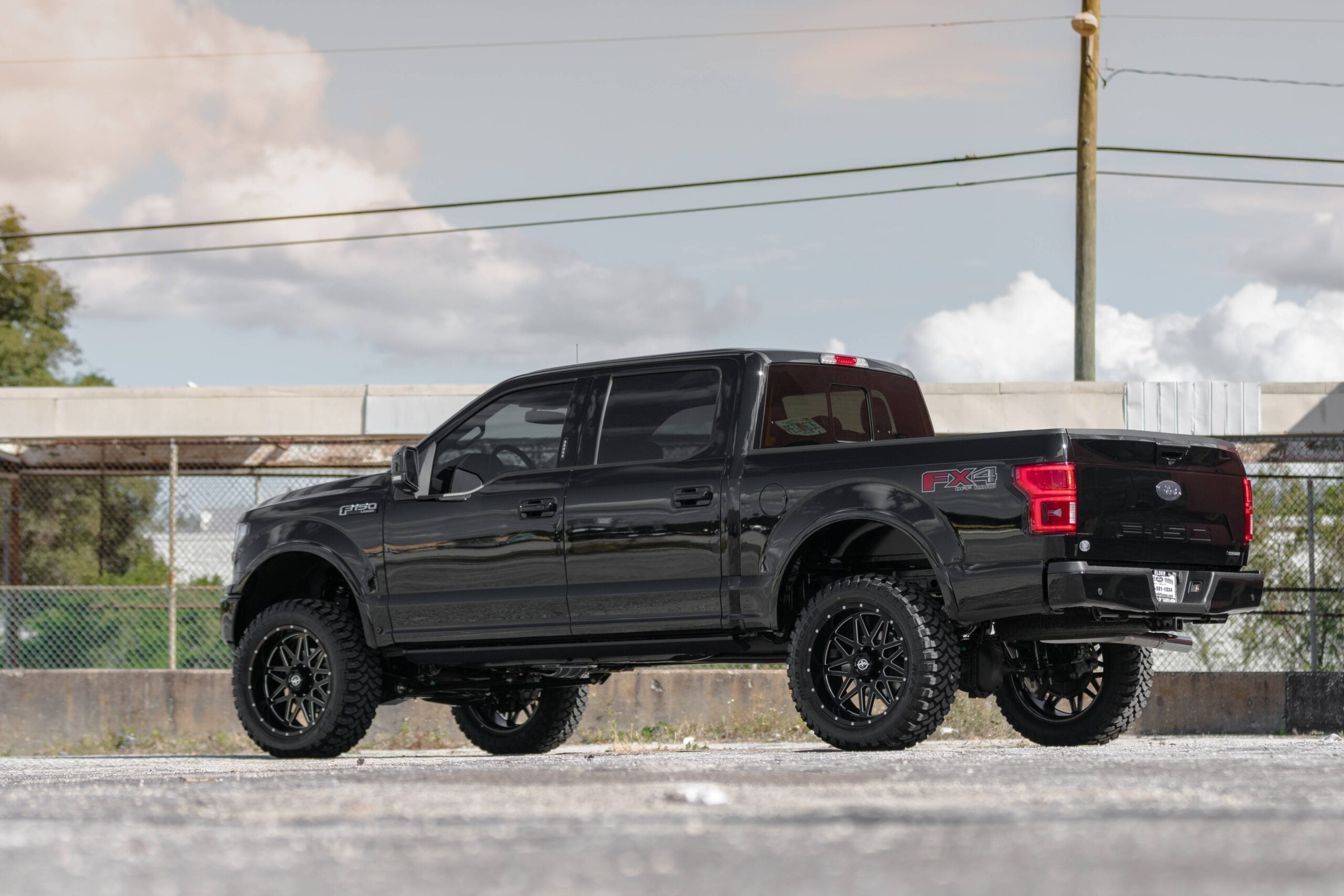
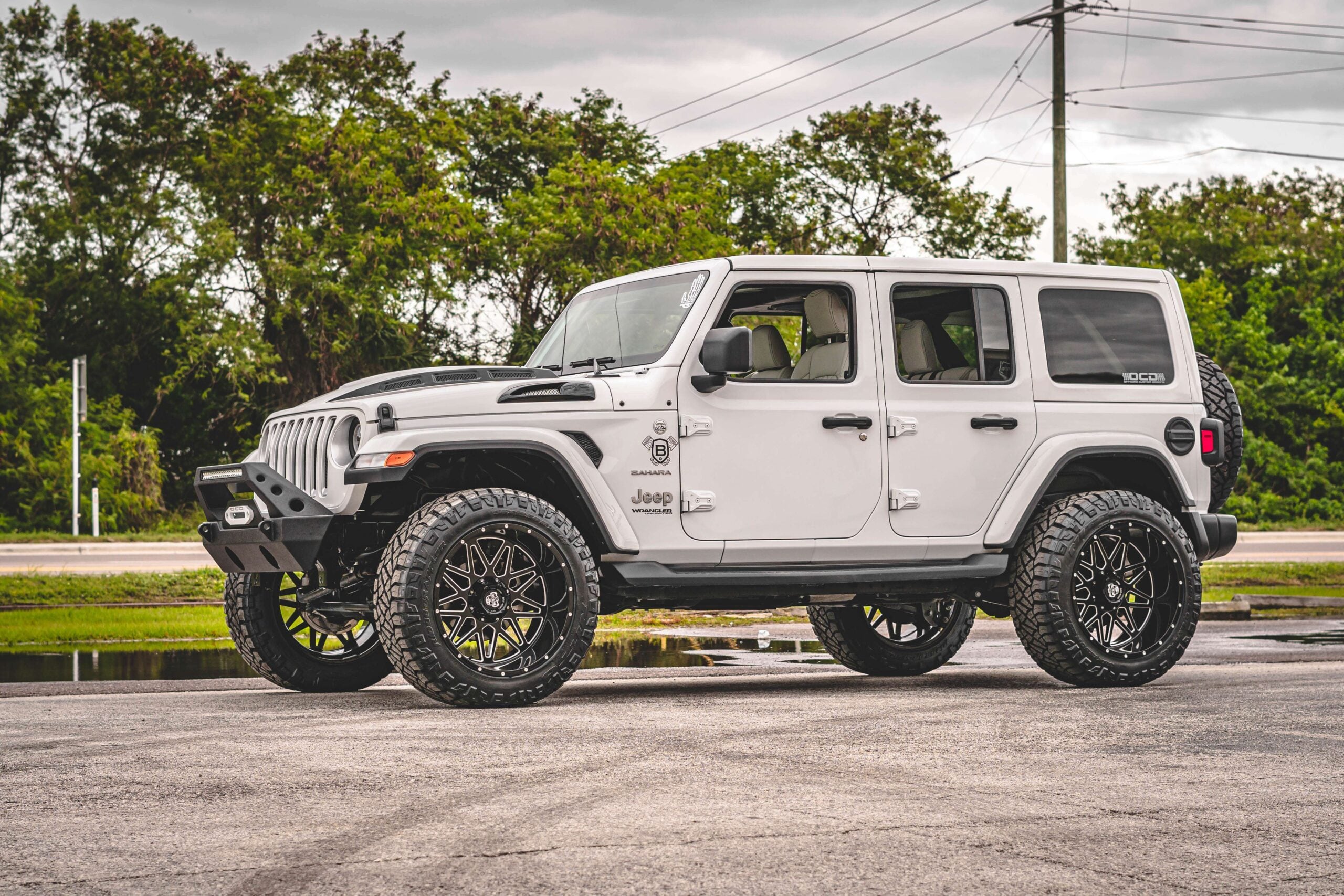
When a customer wants a wheel that’s both a work of art and tough as nails, Amani Forged is the answer. These wheels are known for their bold, aggressive designs and incredible strength, making them a go-to for high-end truck and off-road builds. Because they are forged, not cast, they offer a superior strength-to-weight ratio that serious enthusiasts appreciate. These are the wheels for the customer who is building their dream rig and refuses to compromise on style or durability. Carrying Amani Forged shows you cater to the top of the market, offering some of the best forged wheels for off-road enthusiasts who demand peak performance and a truly custom look.
Spec-1 Racing
For the shop that serves a little bit of everyone, Spec-1 Racing is a must-have. This brand strikes a perfect balance between track-inspired aesthetics and real-world performance, making it incredibly versatile. With designs that look just as good on a daily driver as they do on a weekend show car, Spec-1 appeals to a wide audience. The variety in styles, from clean and classic to more intricate and modern, means you can easily find an option for customers looking to upgrade their vehicle’s appearance without sacrificing quality. It’s a reliable choice that delivers a high-end look at a competitive price point, helping you satisfy customers who want both style and substance.
XF Offroad
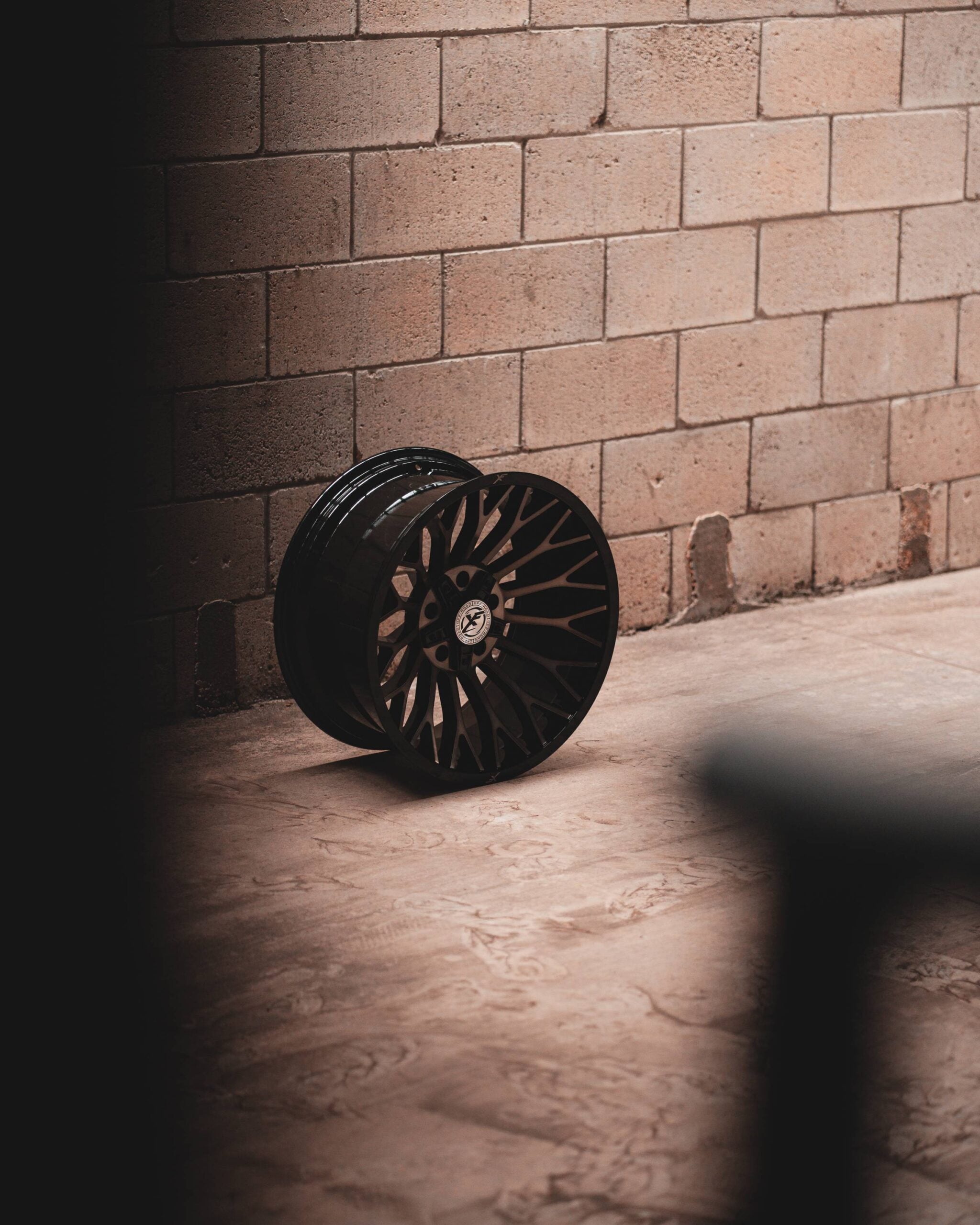
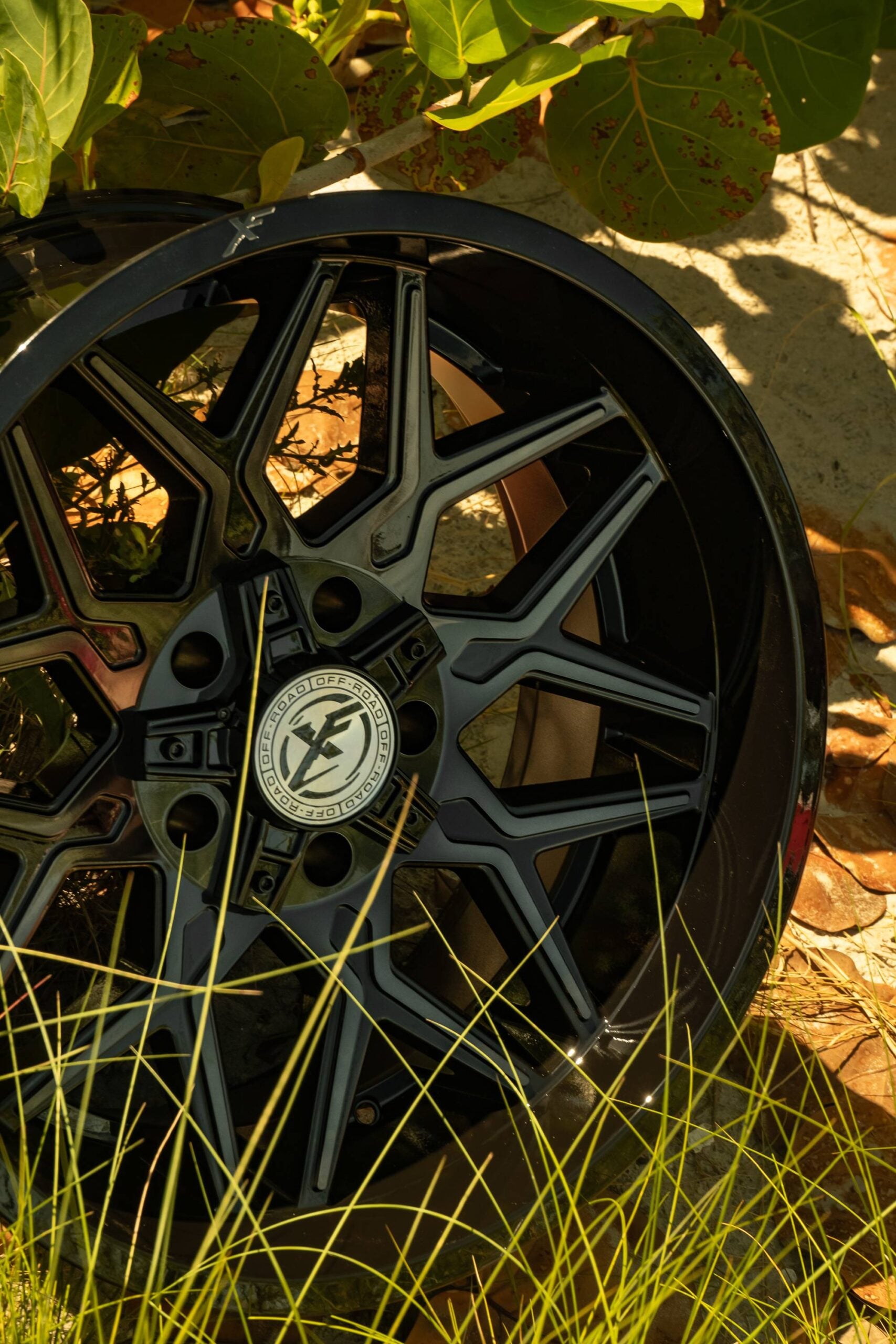
Every shop needs a go-to brand for customers heading off the pavement, and XF Offroad is built for exactly that. These wheels are engineered to handle tough, unforgiving terrain while still looking great. The designs are rugged and purposeful, communicating strength and capability at a glance. When a customer comes in looking for a durable wheel for their truck or SUV that can withstand weekend adventures, you can recommend XF Offroad with confidence. The brand’s focus on durability means fewer worries about performance in challenging conditions, giving both you and your customer peace of mind. It’s a straightforward, reliable choice for the growing off-road market.
Cavallo
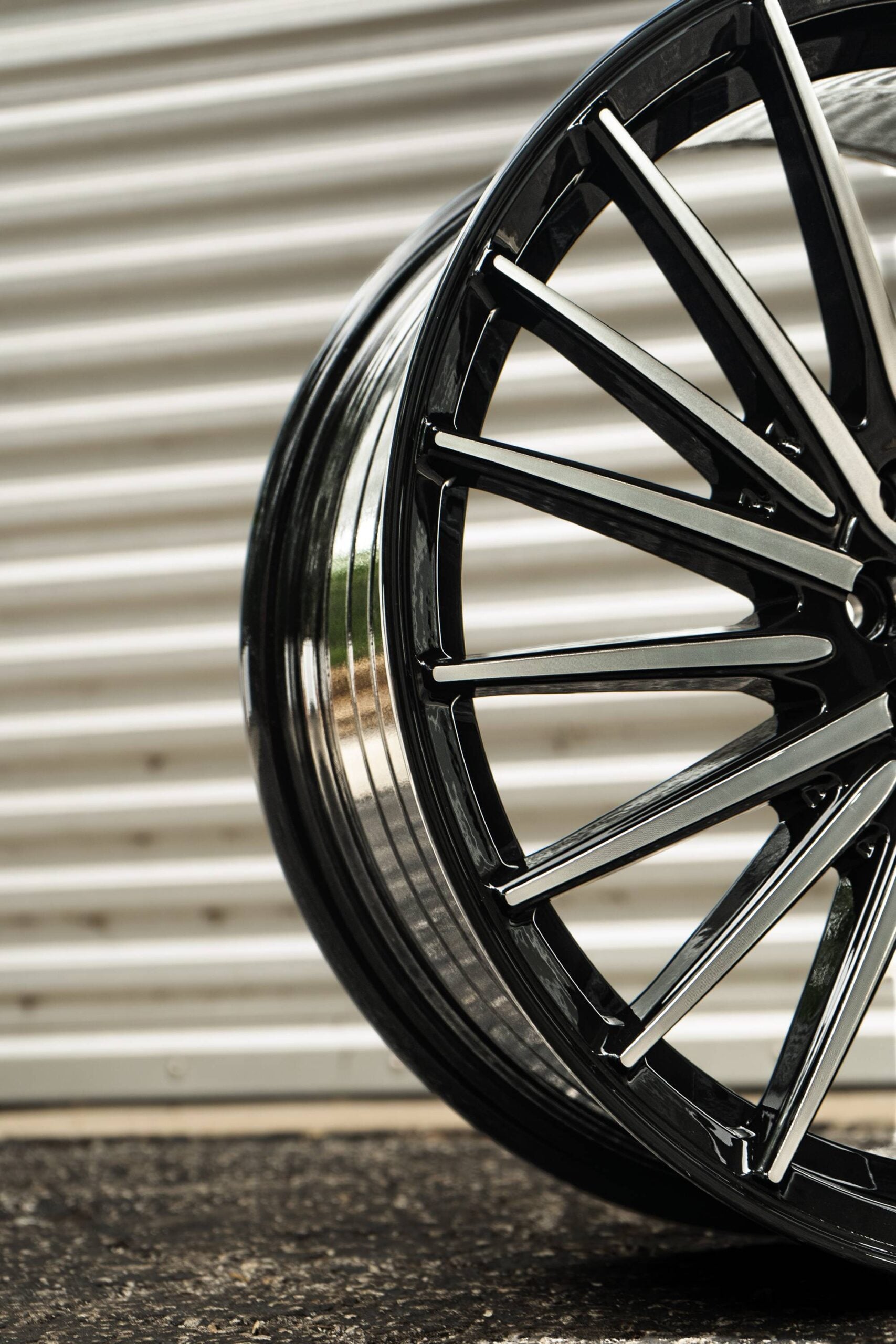
For your clients with luxury sedans and SUVs, Cavallo wheels offer a sophisticated upgrade. This brand masterfully blends elegant, high-end design with dependable performance, making it a perfect match for premium vehicles. Cavallo wheels feature clean lines, refined finishes, and a sense of style that complements brands like Mercedes-Benz, BMW, and Audi. When a customer wants to enhance their vehicle’s upscale appearance without opting for an overly aggressive look, Cavallo provides the perfect solution. Offering this brand positions your shop as a destination for luxury vehicle owners who value quality and tasteful aesthetics, helping you capture a more premium segment of the market.
Vortek Offroad
Vortek Offroad is for the serious enthusiast who pushes their vehicle to the limit. While other brands serve the weekend warrior, Vortek is engineered for those who treat off-roading as a core part of their lifestyle. These wheels are built with an intense focus on strength and structural integrity, designed to handle extreme conditions and aggressive driving. The styling is bold and functional, reflecting the brand’s performance-first philosophy. When a customer is building a dedicated rock crawler, overlanding rig, or desert runner, they need equipment they can absolutely depend on. Vortek gives them that confidence, making it a key brand for shops that cater to the most dedicated off-roaders.
Azara Wheels
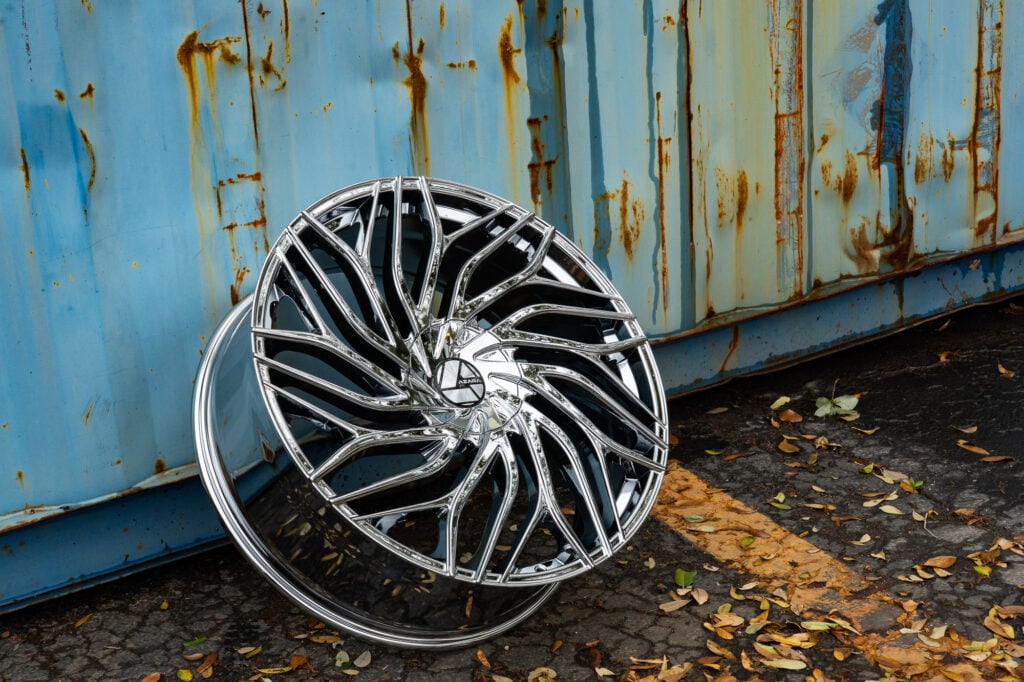
Azara Wheels are for the customer who wants to stand out from the crowd with something truly unique. Known for their distinctive and often intricate designs, Azara offers a bold aesthetic that appeals to the custom car scene. This brand isn’t afraid to play with deep lips, twisted spokes, and eye-catching finishes, making it a favorite for show cars and personalized daily drivers alike. If you have clients who see their vehicle as a canvas for self-expression, Azara provides the perfect centerpiece. Carrying this brand shows that your shop understands custom culture and can provide the head-turning styles that these buyers are looking for, setting you apart from competitors with more conventional offerings.
Arvano Luxury Wheels
When the goal is pure, unapologetic style, Arvano Luxury Wheels deliver. This brand is all about making a statement, with innovative designs and premium finishes that command attention. Arvano is perfect for customers building luxury or exotic cars who want a wheel that reflects a modern, fashion-forward aesthetic. The focus is on creating a visually stunning upgrade that transforms the entire vehicle. By offering Arvano, you cater to a clientele that prioritizes cutting-edge design and wants their car to be a reflection of their personal style. It’s a brand that helps you attract high-end builds and customers who are looking for something truly special and exclusive.
OE Revolution
Not every customer wants a flashy, custom wheel. Many are simply looking for a high-quality replacement that looks as good as, or better than, the original. That’s where OE Revolution comes in. This brand specializes in producing OEM-style wheels that meet or exceed factory standards for quality and durability. It’s the perfect solution for replacing a damaged wheel or upgrading an entire set with a clean, factory-fresh look. For dealers, OE Revolution is a workhorse brand that serves a massive part of the market. It provides a reliable, profitable option for everyday repairs and upgrades, ensuring you can help customers who value a classic, understated aesthetic backed by solid construction.
How Does MAP Affect Your Pricing and Discounts?
A Minimum Advertised Price (MAP) policy can feel restrictive at first, but it’s actually a powerful tool for protecting your shop’s profitability. When a brand enforces MAP, it sets a baseline for how its products are priced in the market. This prevents the kind of price wars that erode margins and allows every dealer, big or small, to compete on a level playing field. Understanding how MAP works with your pricing and promotions helps you sell more confidently and build a sustainable business around high-quality brands. It’s less about what you can’t do and more about creating a stable environment where your expertise can shine.
Advertised vs. Final Sale Price: What’s the Difference?
One of the biggest misconceptions is that MAP dictates the final price a customer pays. The key is in the name: Minimum Advertised Price. A MAP policy only sets the floor for the price you can publicly display online, in flyers, or in other marketing materials. It does not control the final transaction price. This means you still have flexibility. For example, you can offer discounts in a customer’s shopping cart, through a private quote, or as part of a wheel and tire package. This distinction is crucial because it allows you to protect your profits while still giving you room to close a sale.
How MAP Shapes Your Promotional Strategy
Instead of limiting your sales, a MAP policy helps you build a smarter promotional strategy. When you don’t have to compete in a race to the bottom on price, you can focus on what truly sets your shop apart: expert service, quality installation, and building customer relationships. Consistently undercutting prices can make customers perceive a brand as being lower in value over time. MAP policies prevent this brand erosion. By understanding MAP pricing, you can shift your marketing message from “cheapest price” to “best value,” highlighting your expertise and the quality of the wheels you sell. This approach builds long-term trust and attracts customers who are willing to pay for quality.
Why MAP Creates Price Consistency
Price consistency is one of the greatest benefits of selling MAP-protected brands. When all authorized dealers adhere to the same advertised pricing, it creates a stable and fair market for everyone. This consistency prevents damaging price wars that can quickly eat into your margins and devalue a brand. For your shop, this means you can invest in inventory with confidence, knowing you won’t be unexpectedly undercut by a competitor online. A strong MAP policy is a sign that a brand is committed to maintaining pricing control and protecting the value of its products, which ultimately protects your business and ensures a healthy, competitive environment.
Why You Should Sell MAP-Protected Wheel Brands
Selling MAP-protected brands offers more than just price control; it provides a stable foundation for growing your business. When a manufacturer enforces a MAP policy, it signals a deep commitment to their brand’s quality, reputation, and the success of their retail partners. For your shop, this translates into healthier margins, stronger customer relationships, and a more predictable business environment. Instead of getting caught in a race to the bottom on price, you can focus on what truly sets your shop apart: expert service, quality installation, and a superior customer experience. Embracing MAP-protected brands is a strategic move that pays dividends in brand stability and long-term profitability.
Offer Guaranteed Quality and Brand Stability
A MAP policy is often a direct reflection of a brand’s confidence in its products. Manufacturers who invest in protecting their pricing are also typically investing in quality materials, engineering, and design. They aren’t interested in becoming a low-price commodity; they want to build a reputation for excellence. For your shop, this means you can sell their wheels with confidence, knowing they are backed by a company that values its name. This commitment helps protect your brand and the trust you’ve built with customers, ensuring the products you recommend today will maintain their value and performance for years to come.
Build Trust with Brands That Have a Proven History
When you align your shop with brands that have a solid track record, you’re doing more than just selling a product—you’re leveraging their reputation to build your own. A proven history isn’t just about how long a brand has been around; it’s about their consistent commitment to quality and their dealer network. Brands that enforce MAP policies are demonstrating this commitment in a tangible way. They are actively working to stabilize the market, which protects your margins and allows you to compete on service, not just price. This partnership signals to your customers that you value quality and reliability, which in turn builds their trust in your recommendations and your business as a whole.
Provide Better Customer Service
When your profit margins are protected from constant undercutting, you have the freedom to compete on what matters most: customer service. Instead of slashing prices to make a sale, you can invest that margin back into your business. This could mean more training for your sales staff, better fitment tools, or creating a more welcoming showroom experience for your customers. Stable pricing also fosters trust and cooperation with your distributors and manufacturers. This strong partnership ensures a smoother supply chain and better support, allowing you to focus on delivering the expert advice and service that builds a loyal customer base.
Protect Your Brand’s Long-Term Value
Constant, aggressive discounting can quickly devalue a brand in the eyes of consumers. When customers see the same wheels advertised at wildly different prices across the internet, it creates confusion and can erode brand value over time. MAP policies prevent this by establishing a consistent and fair pricing structure. This consistency reinforces the idea that the wheels are a premium product worth their price. It protects the manufacturer’s investment in their brand identity and, just as importantly, protects your investment as a dealer. You can confidently stock and promote the brand, knowing its perceived value won’t be diminished by price wars.
Build a Reliable Dealer Network
MAP policies help create a level playing field for all authorized dealers, whether you’re a single-location shop or a larger regional player. You can invest in marketing and showcasing a brand without the fear of a customer taking your expert advice and then buying from an online discounter for a few dollars less. This fairness builds a strong, reliable dealer network where partners are motivated to support each other and the brand. When everyone is working with the same pricing rules, the focus shifts from undercutting to providing superior service, which strengthens the entire brand ecosystem and drives sustainable growth for everyone involved.
Common Challenges of Implementing MAP
While MAP policies are designed to protect your shop, enforcing them is a significant undertaking for any brand. It’s not as simple as just setting a price and hoping everyone follows the rules. Understanding the challenges brands face can give you a better appreciation for why a strong, well-enforced MAP policy is a sign of a committed partner. From monitoring thousands of sellers to navigating market pressures, a lot goes on behind the scenes to keep pricing fair and your margins protected. When a brand gets it right, it’s because they’ve invested heavily in overcoming these hurdles.
The Challenge of Monitoring and Enforcement
For any brand with a large catalog, keeping track of every price on the internet is a massive job. Manually checking every dealer website, marketplace, and social media page is simply not practical. As one industry analysis points out, “Manual monitoring is impractical for large SKU inventories.” This can lead to delays in catching violations, which means a non-compliant seller might undercut your pricing for days or weeks before the brand can act. That’s why serious brands use sophisticated automotive MAP monitoring software to scan the web automatically, ensuring violations are caught and addressed quickly to protect their authorized dealers.
How to Ensure Retailer Compliance
A MAP policy is ultimately a group effort, and its success depends on every retailer buying in. The biggest challenge for a brand is getting universal compliance. When one seller ignores the policy, it creates a domino effect that can hurt the entire dealer network. Building a network of trusted partners who understand the long-term value of price consistency is crucial. This is why strong brands are selective about their dealers and why distributors like us focus on building relationships with shops that value fair play. Strong MAP pricing compliance fosters trust and makes for a much smoother and more profitable business relationship for everyone involved.
Handling Pressure from Competitors
It can be tough for a brand to hold the line on pricing when a competitor’s products are being sold at a steep discount. This pressure can tempt some brands to relax their MAP policies to compete on price alone, starting a race to the bottom that erodes profits for everyone. However, brands committed to quality and long-term value understand that a solid MAP policy is a key differentiator. They resist the urge to engage in price wars because they know it devalues their product and hurts their dealer partners. Sticking to a MAP policy, even when competitors undercut prices, is a sign of a brand that’s confident in its product and dedicated to your shop’s success.
Investing the Right Time and Resources
Effective MAP enforcement isn’t free; it requires a serious investment of time, money, and technology. Brands need to have a clear policy, a legal framework to back it up, and a team to manage it all. This often includes using a robust monitoring system to track prices across countless online channels and having staff dedicated to communicating with dealers and enforcing the rules. When you see a brand actively enforcing its MAP policy, it’s a clear signal that they are investing resources to protect your margins. This commitment separates the serious players from those who just pay lip service to dealer protection.
What to Look for in a MAP-Protected Brand
A strong MAP policy is a great start. It protects your margins and creates a level playing field, which is exactly what you need to run a profitable shop. But a MAP policy alone doesn’t guarantee a happy customer or a repeat sale. The quality of the wheel itself is what truly builds your reputation and keeps customers coming back. When you’re evaluating a new brand to carry, it’s important to look past the pricing policy and get your hands on the product. Think of it this way: a brand that invests in MAP protection is also investing in its long-term value and brand reputation. They aren’t just trying to move units; they’re building something that lasts.
This commitment to quality is a direct benefit to your business. It means fewer headaches from returns, less time spent on warranty claims, and more five-star reviews from drivers who love their new setup. When you stock brands that deliver on their promises of performance, durability, and safety, you position your shop as a destination for quality. You become the trusted expert, not just another retailer. This partnership, where the manufacturer provides a great product with a stable price and you provide the expert sales and service, is the foundation of a healthy business. So, what separates a good MAP-protected brand from a great one? Let’s walk through the key things you should inspect to ensure a brand is worth the space on your shelves.
Check for Quality Materials and Construction
The foundation of any great wheel is the material it’s made from and how it’s constructed. For your customers, especially those in the performance and off-road segments, this is a major selling point. You’ll often see wheels described as either cast or forged. While cast wheels are common, forged wheels are made by pressing a solid block of aluminum, usually 6061-T6 grade, under extreme pressure. This process creates a wheel that is significantly stronger, denser, and lighter than a standard cast wheel. When you can explain this difference to a customer, you’re not just selling a product; you’re selling confidence and performance. Stocking well-made wheels means fewer comebacks and more satisfied drivers.
Forged vs. Cast Wheels
Most wheels on the market are cast, meaning molten aluminum is poured into a mold to create the wheel’s shape. It’s a cost-effective and reliable method. Forged wheels, however, are in a different league. They start as a solid piece of high-grade aluminum that is heated and then subjected to immense pressure to form the wheel. This process creates a much denser and more uniform grain structure. The result is a wheel that offers a superior strength-to-weight ratio. For your customers building high-performance or serious off-road vehicles, this means better handling, improved acceleration, and the confidence that their wheels can handle extreme stress. Brands like Amani Forged specialize in this, providing the ultimate in strength and style for discerning enthusiasts.
Aluminum Alloy vs. Steel Wheels
This is one of the most fundamental choices in the wheel world. Steel wheels are the workhorses—heavy, incredibly durable, and inexpensive. Made from an iron and carbon alloy, they are a practical choice for commercial vehicles or for customers who need a dedicated set of winter wheels. On the other hand, aluminum alloy wheels are the popular choice for most aftermarket upgrades. They are significantly lighter than steel, which reduces unsprung weight and can improve a vehicle’s handling and fuel efficiency. Plus, aluminum is much easier to cast and machine into complex and stylish designs, giving your customers the aesthetic variety they’re looking for.
Multi-Piece Wheels
For the customer building a true show car or a high-end luxury vehicle, multi-piece wheels are the ultimate statement. Unlike standard one-piece (monoblock) wheels, these are assembled from two or three separate components: the wheel face, the inner barrel, and sometimes an outer lip. This construction offers unparalleled customization, allowing for custom widths, offsets, and unique finish combinations on each part. Another key benefit is repairability; if a customer damages the outer lip on a curb, it’s often possible to replace just that part instead of the entire wheel. They are more complex and costly, but for a custom build, they are often the only way to achieve a perfect, flush fitment and a truly unique look that is easier to fix.
Beadlock Wheels for Extreme Off-Roading
When a customer is serious about off-roading, the conversation will eventually turn to beadlock wheels. To get maximum traction on rocks or in deep sand, drivers often air down their tires to very low pressures. With a standard wheel, this can cause the tire’s bead to slip off the rim, leaving them stranded. A true beadlock wheel solves this problem with an external ring that bolts onto the wheel, physically clamping the tire’s bead in place. This allows drivers to lock the tire to the rim and run extremely low pressures without fear of the tire coming loose. It’s a specialized piece of equipment for the most demanding off-road applications, and it’s important to distinguish them from “simulated” beadlocks, which offer the aggressive look without the functional hardware.
Verify Load Capacity and Safety Specs
Load capacity isn’t just a technical detail; it’s a critical safety standard. This number tells you the maximum weight each wheel can safely support. For your customers with trucks, SUVs, or commercial vans, this is non-negotiable. A wheel that can’t handle the vehicle’s weight is a major liability. Look for brands that clearly state their high load ratings and have them readily available. For example, many quality wheels are rated for 2,400 to 2,600 pounds, with heavy-duty 8-lug applications reaching up to 3,900 pounds. Verifying these specs before you stock a brand protects your customers, your shop, and your reputation as a knowledgeable and trustworthy expert.
Consider Wheel Weight for Performance
For customers who care about how their car drives, not just how it looks, wheel weight is a key factor. Lighter wheels reduce what’s known as unsprung weight, which is the total weight of everything not supported by the suspension (like wheels, tires, and brakes). Less unsprung weight allows a vehicle to accelerate faster, brake more quickly, and handle corners with greater agility. It also puts less strain on suspension components over time. When you’re talking to a performance enthusiast, being able to point out the weight advantages of a specific wheel shows you understand their needs and helps justify a premium price point.
Balancing Weight for Handling and Stability
The benefits of reducing unsprung weight go beyond straight-line speed. It’s about giving the suspension the best possible chance to do its job. A heavy wheel has more inertia, meaning it’s harder for the shocks and springs to control its movement over bumps and uneven surfaces. This can lead to tire hop and a less planted feel. By choosing a lighter wheel, you allow the suspension to keep the tire in firm contact with the road, which is the key to predictable handling and stability, especially during aggressive cornering or on rough pavement. It’s this dynamic improvement that performance-minded customers are truly paying for.
Performance Benefits of Off-Road Rims
For the off-road enthusiast, a wheel is a piece of critical equipment, not just an accessory. The right set of off-road rims delivers tangible performance benefits that your customers will feel on the trail. First and foremost is durability; they are built from stronger materials designed to withstand hard impacts from rocks and rough terrain. Larger diameter rims can also contribute to higher ground clearance, helping drivers drive over obstacles without damaging the undercarriage. Furthermore, many off-road designs are engineered to support lower tire pressures, which increases the tire’s contact patch for superior grip on mud, sand, and gravel. It’s these functional advantages that make a dedicated off-road wheel a smart investment for any serious adventurer.
Inspect the Finish Durability
A wheel’s finish is its first line of defense against the elements. While a flawless finish looks great in the showroom, its real test is on the road. For customers in regions with harsh winters or for off-road enthusiasts, durability is everything. When evaluating a brand, pay close attention to the quality of the finish. Generally, painted or anodized finishes offer better protection against rock chips, road salt, and mud than a simple polished aluminum surface. A durable finish keeps the wheels looking good for years, which directly reflects on the quality of the products you sell and leads to higher customer satisfaction. It’s a small detail that makes a big difference.
Painted and Powder-Coated Finishes
For many customers, especially those who use their vehicles for more than just commuting, a painted or powder-coated finish is the most practical choice. Powder coating, in particular, provides a thick, durable layer that’s more resistant to chipping, scratching, and fading than standard paint. This makes it an ideal option for off-road wheels that will see their fair share of rocks and debris. When you’re talking to a customer who lives in an area with harsh winters, you can explain how these finishes offer superior protection against road salt and chemical de-icers. By guiding them toward a durable finish, you’re not just selling a wheel; you’re ensuring their investment looks great for years to come, which builds trust in your expertise.
Chrome Finishes
There’s no denying the head-turning appeal of a classic chrome finish. For certain builds, nothing else provides that bright, mirror-like shine. However, it’s your job as the expert to set realistic expectations. While chrome looks fantastic, it does require more maintenance to keep its luster, especially in wet or snowy climates. Without regular cleaning and waxing, chrome can be prone to pitting and corrosion over time. By having an honest conversation with your customer about the upkeep involved, you help them make an informed decision. This ensures they’ll be happy with their purchase long-term, rather than coming back frustrated when the finish doesn’t hold up to their lifestyle or environment.
Machined and Bare-Polished Finishes
Machined and polished finishes offer a modern, high-end look that really highlights the design of a wheel. A machined finish, with its distinctive contrast between shiny metal and painted or clear-coated accents, can give a wheel a sharp, technical appearance. Bare-polished aluminum offers a brilliant, raw shine that’s popular in the show car scene. While both provide a unique look, they can require more upkeep than a fully painted wheel to prevent oxidation and maintain their shine, especially if they lack a protective clear coat. Educating your customer on the need for regular polishing helps them protect their investment and ensures they choose a finish that fits both their aesthetic goals and their willingness to perform routine care.
How to Show You’re an Authorized Dealer
Being an authorized dealer is more than just a title; it’s a powerful signal to your customers that you are a legitimate, trustworthy source for high-quality wheels. In a market where anyone can set up a website, proving your official status sets you apart from questionable online sellers and reinforces the value you provide. It shows you have a direct relationship with the brand or its distributor, ensuring your customers receive authentic products, proper warranty support, and expert service. This isn’t just about following rules; it’s about building a sustainable business on a foundation of credibility and customer confidence. By actively demonstrating your authorized status, you protect your shop’s reputation and solidify your position as a go-to expert in your local market.
Verify Your Authorized Status
The first step in leveraging your dealer status is making sure your customers know about it. Being an authorized dealer is a mark of quality and trust, so it’s something you should proudly display. Most manufacturers and distributors provide official marketing materials, like window decals for your shop or digital badges for your website, to make this easy. Using these assets signals to customers that you are a vetted partner. This verification is a core part of a healthy brand ecosystem. Understanding MAP pricing is key, as it’s not just a rule but a system designed to protect your brand, your margins, and the trust you’ve built with both consumers and retailers.
Spot Unauthorized Sellers Undercutting Prices
One of the biggest challenges for any authorized dealer is competing with unauthorized sellers who ignore MAP policies. You’ll often see them advertising wheels online for prices that seem too good to be true, which can damage the brand’s reputation and your shop’s profitability. Remember the key is in the name: Minimum Advertised Price. The policy governs the advertised price, not the final sale price. If you see a seller listing a wheel online below its MAP, they are likely in violation. These MAP violations hurt everyone in the long run, creating unfair market conditions. When you spot a violation, report it to your distributor or the manufacturer. This helps protect the brand’s integrity and ensures a level playing field for all legitimate dealers.
Understand Your Compliance Responsibilities
Being an authorized dealer is a partnership, and that means you have responsibilities, too. The most important one is adhering to the brand’s MAP policy in your own advertising. This includes everything from your website and e-commerce listings to your social media posts and email promotions. It’s crucial to read and understand the specific guidelines for each brand you carry, as they can vary. Online marketplaces can present particularly complex challenges, so staying informed is essential. Following the rules isn’t just about avoiding penalties; it’s about being a good partner. Proper MAP compliance fosters trust and cooperation with your suppliers, ensuring a smooth and profitable long-term relationship.
Where to Source MAP-Protected Wheels
Finding a reliable source for MAP-protected wheels is the foundation of a successful sales strategy. When you have a go-to supplier, you can sell with confidence, knowing you have access to quality inventory, fair pricing, and the support you need to serve your customers. The right partner doesn’t just sell you wheels; they help you build your business.
Why Partner with an Authorized Distributor
Working directly with an authorized distributor is the most effective way to access genuine MAP-protected brands. These distributors are your direct line to a curated portfolio of MAP-protected wholesale wheels designed specifically for dealers. This partnership ensures you can offer your customers premium products while protecting your own profit margins. An authorized distributor acts as a true partner, providing you with the pricing structures and brand support necessary to maintain a healthy business without worrying about unfair competition from direct-to-consumer sales.
Ordering Online vs. In-Person
Flexibility in ordering is key for any busy shop. While calling in an order or speaking with a sales rep is always an option, modern distributors offer powerful online tools that streamline the entire process. Many dealer portals allow you to find the right wheels for a specific vehicle or search by size, check real-time inventory, and place orders 24/7. This digital convenience saves you valuable time, reduces the chance of fitment errors, and lets you give customers accurate availability information on the spot, helping you close sales more efficiently.
The Advantages of Regional Distribution
How quickly you can get wheels from your supplier directly impacts your sales and customer satisfaction. Partnering with a distributor that has multiple regional warehouses is a significant advantage. With distribution centers strategically located across the country in places like Florida, Georgia, Illinois, and California, you can count on faster shipping times and lower freight costs. This logistical network means you can reduce lead times, minimize lost sales due to backorders, and get your customers’ vehicles back on the road sooner. It’s a simple equation: faster fulfillment leads to happier customers and a healthier bottom line.
What to Consider When Selling MAP-Protected Wheels
Selling MAP-protected wheels is a fantastic way to secure your margins and build a business on brand integrity rather than price wars. But this protection is a two-way street. When you partner with a brand that enforces MAP, you’re not just agreeing to a price floor; you’re committing to delivering a customer experience that justifies the premium value of the wheels. Think of it less as a rule you have to follow and more as a shared strategy for long-term success.
Your role as an authorized dealer goes beyond simply processing a sale. You are the face of the brand. Customers rely on your expertise to make the right choice, and they trust you to be transparent and supportive from their first inquiry to post-purchase service. Nailing this experience is what turns a one-time buyer into a loyal customer who sends referrals your way. It involves providing expert guidance, setting clear expectations with your policies, and fully understanding the framework that allows your shop to thrive.
Provide Accurate Fitment and Tech Support
With premium wheels, there’s no room for “close enough.” Accurate fitment is everything. An incorrect offset, bolt pattern, or size can lead to a frustrated customer and a costly return. This is your opportunity to shine as an expert. Your customers aren’t just buying a product; they’re buying your knowledge and assurance that their new wheels will fit perfectly and perform safely. Use the fitment tools and data provided by your distributor to confirm every detail for a specific vehicle. Providing this level of technical support not only prevents returns but also builds immense trust. When a customer knows you’ve done the homework to guarantee a perfect wheel fitment, they buy with confidence.
Understanding Bolt Pattern, Hub Bore, and Thread Size
These three specifications are the foundation of wheel fitment, and getting them right is non-negotiable for a safe, professional installation. First, the bolt pattern (like 5×114.3) tells you the number of lug holes and the diameter of the circle they form; if it doesn’t match the vehicle’s hub, the wheel won’t mount. Next, the hub bore is the center hole of the wheel that fits over the vehicle’s hub. A perfect, hub-centric fit is crucial for eliminating vibrations and ensuring a smooth ride. Lastly, the thread size (e.g., M14x1.5) must match the vehicle’s studs so the lug nuts can be torqued correctly without stripping. Confirming each of these details is a core part of providing expert service and is essential for a safe wheel installation, which prevents costly returns and builds customer trust.
Explain Warranty and Return Policies Clearly
No one likes surprises, especially when it comes to returns or warranty claims. Be upfront and crystal clear about your policies before the sale is complete. For example, customers need to know that wheels cannot be returned after a tire has been mounted. Clearly state who is responsible for return shipping costs and if any restocking fees apply for non-defective returns. A detailed and easily accessible return policy doesn’t scare customers away; it shows that you are a professional and trustworthy business. This transparency protects both you and your customer, preventing misunderstandings and ensuring that everyone is on the same page. It’s a simple step that saves major headaches down the road.
Highlighting Specific Warranty Benefits
Beyond the basic return policy, the manufacturer’s warranty is one of your most powerful selling tools. A strong warranty is a direct signal of quality. When a brand offers a lifetime structural warranty or a multi-year warranty on the finish, it’s because they’ve used quality materials and robust manufacturing processes. This isn’t just a piece of paper; it’s proof that the brand stands behind its product. You can use this to justify a premium price and build customer confidence. Frame it for your customer: “This brand is so confident their wheels won’t fail that they back it for life.” As one analysis notes, a MAP policy often reflects a brand’s confidence, and a strong warranty is tangible proof of that brand confidence.
Leverage Modern Sales and Service Tools
In a competitive market, your expertise is your greatest asset, but modern tools can amplify it. Relying solely on printed catalogs and phone calls is no longer enough to deliver the fast, seamless experience customers expect. The most successful shops are leveraging technology to streamline their sales process, enhance the customer experience, and ultimately, sell more wheels. These tools aren’t meant to replace your knowledge; they’re designed to support it, freeing you up to focus on building relationships and providing top-tier service. From interactive visualizers that bring a customer’s vision to life to dealer portals that give you real-time data, these resources are essential for staying ahead.
Think about the time you save when you can instantly check inventory across multiple warehouses or confirm fitment without making a phone call. Many distributors now offer robust online dealer portals that are a game-changer for efficiency. These platforms allow you to find the right wheels for a specific vehicle, check live stock levels, and place orders anytime, day or night. This means you can give a customer a definitive answer on availability and delivery time right on the spot. Integrating these modern sales and service tools into your daily workflow doesn’t just make your job easier; it makes your shop the go-to destination for a modern, hassle-free buying experience.
Using Virtual Wheel Visualizers
One of the biggest hurdles in selling wheels is helping a customer visualize how a set will look on their specific vehicle. A picture in a catalog or on a website is helpful, but it doesn’t close the deal like seeing the final product. This is where virtual wheel visualizers become an invaluable sales tool. These platforms allow you to upload a photo of the customer’s car or select their exact year, make, and model, and then overlay different wheel options. This simple step removes all the guesswork and gets the customer excited about the transformation. It helps you enhance the customer experience by making them an active part of the design process, leading to a more confident purchase.
Offering Customer Financing Options
A premium set of wheels and tires can be a significant investment, and for some customers, the upfront cost can be a major barrier. Offering financing options is a powerful way to make these purchases more accessible. By partnering with a third-party financing company, you can allow customers to break down a large purchase into manageable monthly payments. This not only helps you close sales that might have otherwise walked away but can also lead to customers upgrading to a better set of wheels than they thought they could afford. As leading retailers show, simply stating that financing is available can remove the final hesitation and turn a browser into a buyer.
Expand Your Offerings to Other Vehicles
When you think about your customer base, do you primarily picture cars, trucks, and SUVs? While that’s the bread and butter for most shops, it also leaves a significant, often overlooked, segment of the market untapped. The world of wheels extends far beyond daily drivers. Enthusiasts and utility users alike are looking to upgrade the wheels on their trailers, RVs, ATVs, and UTVs. These customers are often just as passionate and willing to invest in quality and style as any car or truck owner, but they may have a harder time finding knowledgeable retailers who can serve their specific needs. This is a golden opportunity for your shop to stand out.
By expanding your offerings and your expertise into these niche vehicle categories, you can open up entirely new revenue streams and establish your shop as the go-to expert for all things wheels in your area. It’s about thinking creatively and looking for opportunities where your competitors aren’t. The skills you already have in fitment, load capacity, and customer service are directly transferable. It just requires a slight shift in perspective and a willingness to learn the unique requirements of these different applications. Becoming a one-stop shop for a wider range of vehicles can solidify your reputation and create a more resilient business that isn’t solely dependent on the traditional automotive market.
Wheels for Trailers, RVs, and ATVs/UTVs
Expanding your inventory doesn’t have to be complicated. Start by considering the vehicles you see every day. Many of your truck customers also own trailers for work or recreation, and those trailers need durable, high-load-capacity wheels. The growing RV community is often looking to upgrade from basic steel wheels to something more stylish and reliable for long-haul travel. And the powersports market is booming with ATV and UTV owners who are passionate about customization and performance. As some of the largest retailers have found, there is a strong market for custom wheels for almost any vehicle. By stocking or having quick access to wheels for these applications, you can capture a whole new customer base that your competitors might be ignoring.
Know Your Rights and Responsibilities as a Dealer
As an authorized dealer of a MAP-protected brand, you have the right to healthy, predictable profit margins without worrying about being undercut by online discounters. This stability is one of the biggest advantages of the MAP framework. However, you also have a responsibility to uphold the policy. This means adhering to the advertised price guidelines across all your marketing channels. Understanding MAP pricing is key; it’s a strategy designed to protect brand value and ensure a level playing field for all retail partners. Honoring your end of the agreement helps maintain the brand’s prestige, which in turn keeps customers willing to pay a premium for a quality product from a reputable shop like yours.
Related Articles
- How to Join a Factory Replica Wheels Dealer Program
- Custom Wheel Manufacturing for Dealers: Boost Profits
- 6 Things to Look for in an Automotive Wheel Distributor
- Top 5 Wheel Wholesale Distributors: A Guide
- How to Find the Best Wheel Supplier for Your Shop
Frequently Asked Questions
Does a MAP policy mean I can never offer a customer a discount? Not at all. This is one of the most common misunderstandings about MAP. The policy only applies to the advertised price, which is any price you display publicly on your website, in an ad, or on a price tag. You still have the flexibility to offer a better price privately. For example, you can apply a discount once the item is in the customer’s online shopping cart, provide a custom quote over email, or discuss a package deal over the phone.
How does selling MAP-protected brands actually make my shop more profitable? It protects your profitability in two key ways. First, it prevents price wars with online discounters, which keeps your margins stable and healthy. You won’t have to constantly slash prices just to compete. Second, it allows you to focus on selling your true value, which is your expert service, professional installation, and customer support. When you aren’t forced to compete on price alone, you can build a loyal customer base that trusts your expertise and is willing to pay for a superior experience.
What should I do if I see another seller advertising a wheel below its MAP price? If you spot a seller violating a MAP policy, the best thing to do is report it to your distributor or directly to the brand. A strong brand partner wants to know about these violations so they can enforce their policy and protect their authorized dealers. Reporting a violation isn’t about getting another shop in trouble; it’s about maintaining a fair market for everyone, including yourself, and protecting the brand’s value.
A MAP policy is good, but how do I know the wheels themselves are high quality? That’s a great question. A brand’s commitment to a MAP policy is often a strong indicator of its commitment to quality. Brands that invest in protecting their pricing are typically the same ones that invest in superior materials, engineering, and durable finishes. They are building a reputation, not just moving units. To be sure, you should always inspect the product specs for things like load capacity ratings, construction methods like forging versus casting, and the quality of the finish.
Why is it better to source these wheels from an authorized distributor? Partnering with an authorized distributor gives you a direct and reliable line to genuine products and essential support. You get the peace of mind that you are selling authentic wheels backed by a full manufacturer warranty. Beyond that, a good distributor provides real-time inventory access, expert fitment guidance to prevent returns, and faster shipping from regional warehouses. This partnership helps you operate more efficiently and serve your customers better.
Educating Customers on Installation and Maintenance
The sale doesn’t end when the customer drives away. In fact, what happens next is just as important for building your reputation. Educating your customers on proper wheel installation and long-term care is one of the most valuable services you can offer. It ensures they get the most out of their investment, reinforces their safety, and minimizes the chance of them returning with a preventable problem. When you take the time to share this knowledge, you’re not just selling a product; you’re building a relationship. You solidify your role as a trusted expert, which leads to greater customer loyalty, positive reviews, and a stronger business in the long run.
Guiding Safe Wheel Installation
While many of your customers will rely on your professional installation services, some may be avid DIYers who prefer to handle the job themselves. Providing them with clear, safety-focused guidance is crucial. It not only protects them and their vehicle but also reflects well on your shop’s commitment to quality and safety. By explaining the importance of proper procedures and tools, you empower your customers to do the job right, reducing the risk of damaged wheels, stripped lug nuts, or worse. This expert advice reinforces that you are a source of reliable information, not just a place to buy parts.
Using the Right Tools for the Job
To ensure a safe and effective wheel installation, it’s crucial to have the right tools ready. This includes a quality jack, sturdy jack stands, the correct socket for the lug nuts, and of course, the new wheels. Emphasize to your customers that while an impact wrench is great for removal, final tightening should always be done with a calibrated torque wrench. This is essential for achieving the vehicle manufacturer’s recommended torque spec, preventing over-tightening that can damage the wheel or warp brake rotors. It’s also a critical safety practice to recommend they re-torque the lug nuts after driving the first 25-50 miles to ensure everything remains securely fastened.
Advising on Long-Term Wheel Care
A beautiful set of wheels can transform a vehicle, but their good looks depend on proper long-term care. Advising your customers on how to maintain their new wheels is a vital part of the post-sale experience. It protects their investment, preserves the finish against harsh elements, and keeps their vehicle looking its best. When a customer’s wheels still look fantastic a year later, it’s a walking advertisement for the quality products you sell and the expert advice you provide. This simple education can prevent common issues like pitting, corrosion, and finish damage, leading to higher customer satisfaction and fewer warranty headaches for your shop.
Regular Cleaning and Inspection
Regular cleaning is vital for maintaining a wheel’s appearance and structural integrity. Advise your customers to use a gentle, pH-neutral wheel cleaner and a soft brush or mitt to remove brake dust, dirt, and road grime. Harsh, acidic cleaners can strip protective clear coats and damage delicate finishes. Just as important is a routine inspection. Encourage them to look for any signs of cracks, bends, or significant curb rash, as these can compromise safety and should be addressed immediately. For off-road enthusiasts, it’s also smart to check and tighten lug nuts after a day on the trails to ensure everything remains secure after being subjected to rough terrain.
Applying Protective Coatings and Sealants
To enhance the durability and simplify the maintenance of new wheels, applying a protective coating or sealant is an excellent recommendation and a great upsell opportunity for your shop. Modern ceramic coatings, for example, create a hard, hydrophobic layer over the wheel’s surface. This barrier helps repel water, dirt, and brake dust, making future cleanings significantly easier. It also provides an extra layer of defense against minor scratches, UV damage, and chemical staining. By explaining these benefits, you offer customers a way to protect their investment and keep their wheels looking showroom-fresh for years, adding tangible value to the service you provide.