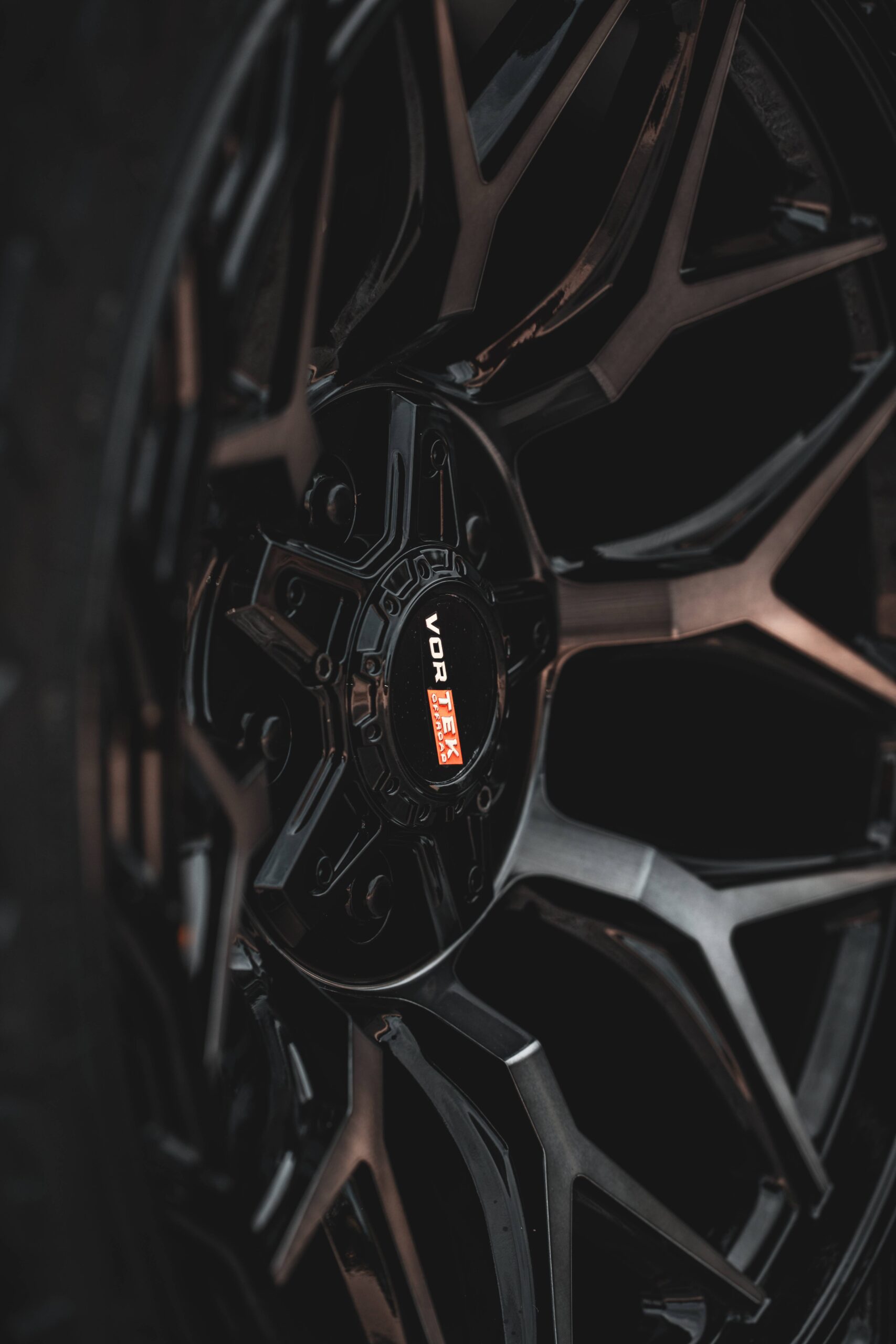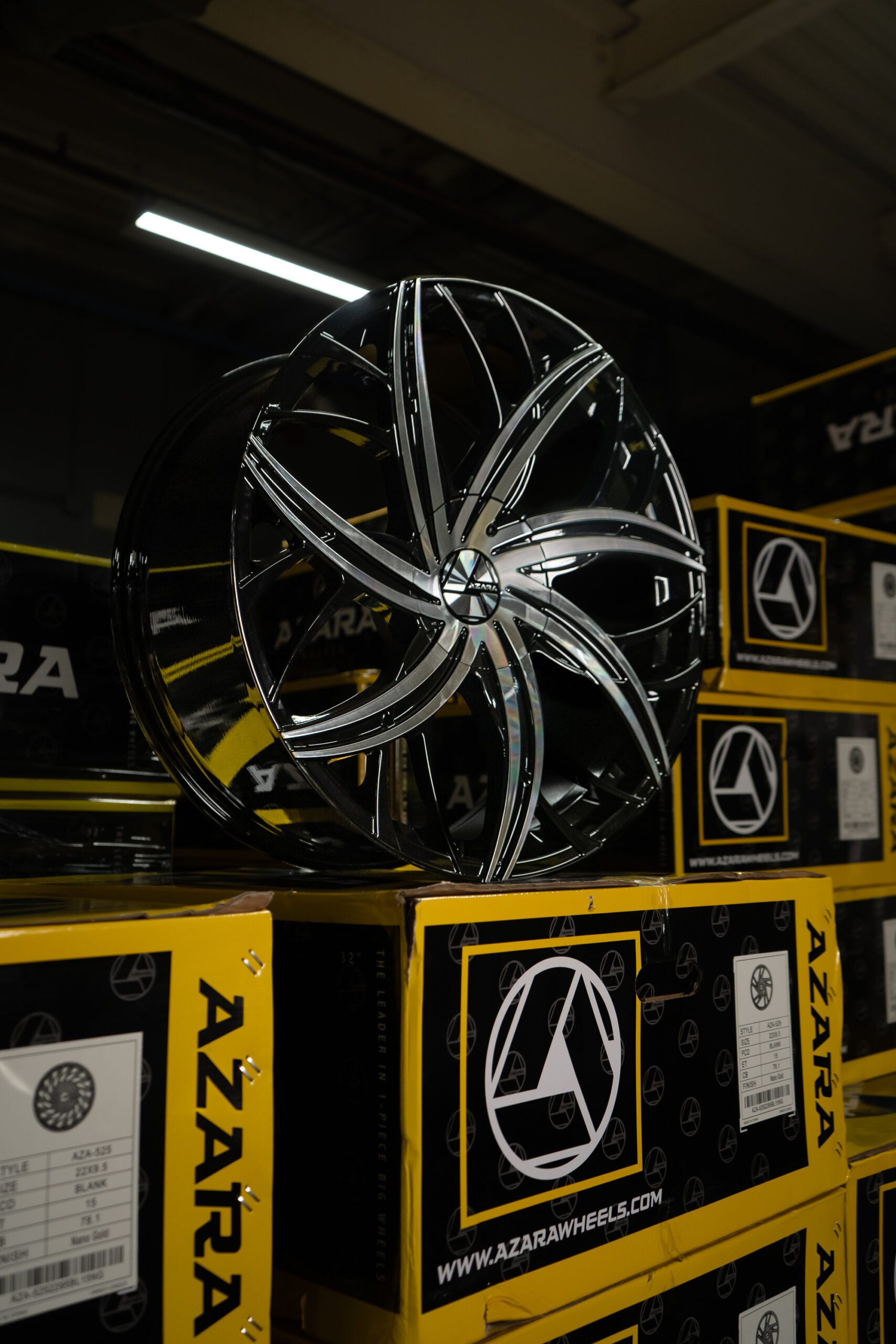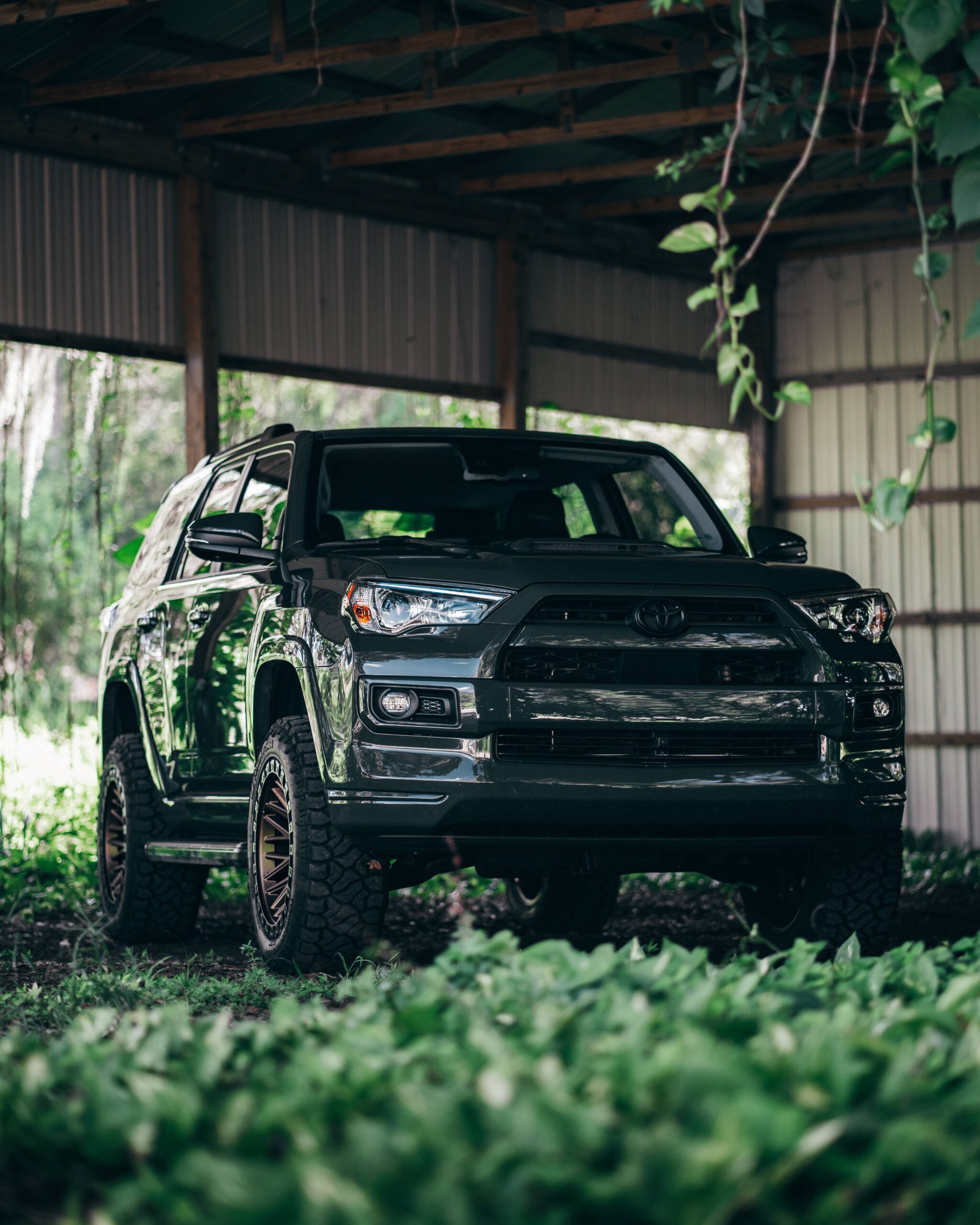
A poorly executed staggered setup can cause more problems than it solves. From drivetrain strain on an AWD vehicle to dangerous rubbing against suspension components, getting the fitment wrong can lead to costly damage and an unhappy customer. As a shop owner, your reputation is built on getting these details right every time. This is especially true for staggered wheels, where the interplay between width, offset, and tire diameter is critical. This article is your guide to avoiding the common pitfalls. We’ll cover compatibility checks, precise measurements, and proper installation techniques to ensure every staggered fitment you perform is perfect. When you’re sourcing staggered rims for sale, this knowledge is your best defense against comebacks.
Key Takeaways
- A Functional and Visual Upgrade: Staggered wheels provide a key performance advantage for rear-wheel-drive cars by improving traction, while also delivering the aggressive, muscular look that many customers desire.
- Understand the Maintenance Trade-Off: The primary drawback is the inability to rotate tires, which results in faster rear tire wear and increased long-term costs. Setting this expectation is key to customer satisfaction.
- Prioritize Correct Fitment and Installation: Success with staggered wheels depends on confirming vehicle compatibility and selecting the correct size and offset; a professional installation with proper balancing and alignment is essential for safety.
What Are Staggered Rims?
When a customer asks for a more aggressive stance or better launch traction, a staggered setup is often the answer. It’s a popular modification, especially in the performance and luxury segments, but it’s important to understand the fundamentals to guide your customers correctly. A staggered fitment simply means the wheels and tires on the rear axle are wider than those on the front axle.
This isn’t just for looks. The primary goal is to improve performance by putting more rubber on the road where the power is delivered. For rear-wheel drive cars, this translates to better grip during acceleration and enhanced stability when cornering. Most manufacturers use staggered setups on performance-oriented RWD vehicles for this exact reason, as it improves traction without compromising the steering response and grip of the front tires.
Defining a Staggered Wheel Setup
A staggered wheel setup is a specific configuration where the rear wheels and tires are wider than the front ones. For example, a car might run an 8.5-inch wide wheel in the front and a 9.5-inch or 10.5-inch wide wheel in the back. This customization is a staple for performance vehicles because it directly addresses traction. By increasing the contact patch of the drive wheels, a staggered fitment helps the car put power down more effectively, reducing wheelspin off the line. It also contributes to the vehicle’s visual appeal, giving it a more muscular, planted appearance that many enthusiasts are looking for.
Staggered vs. Square: The Key Differences
The alternative to a staggered setup is a “square” setup, where all four wheels and tires are the same size. This is the standard configuration for most passenger cars. While staggered wheels are fantastic for RWD cars, they can create problems for all-wheel-drive (AWD) and front-wheel-drive (FWD) vehicles by interfering with the drivetrain’s sensitive electronics. The choice between a staggered vs. square setup is a frequent topic of discussion, as it impacts everything from handling balance to tire longevity. A key drawback of a staggered fitment is that you can’t rotate tires from front to back, which can lead to faster wear on the rear tires.
The Pros and Cons of Staggered Rims
Staggered wheel fitments can completely transform a vehicle’s look and feel, but it’s important to weigh the benefits against the practical considerations. For your customers, especially those with rear-wheel-drive performance cars, the advantages often outweigh the drawbacks. Understanding both sides helps you guide them to the perfect setup for their goals and budget, ensuring they leave your shop happy with their decision. Let’s break down the key points you’ll want to discuss.
Pro: Improved Traction and Performance
For rear-wheel-drive vehicles, performance is the biggest advantage of a staggered setup. With wider wheels and tires in the back, the car gets a larger contact patch on the pavement right where the power is delivered. This translates directly into better straight-line traction and improved grip when accelerating out of corners. It’s a functional upgrade that allows drivers to put more power down effectively, which is why you see staggered fitments as standard on many high-performance sports cars and luxury sedans from the factory. This setup helps manage the engine’s torque and reduces wheelspin for a more controlled, responsive driving experience.
Pro: A More Aggressive Look
Beyond performance, the visual impact of staggered wheels is a major selling point. A wider rear wheel and tire combination fills out the wheel well, creating a powerful and muscular stance that square setups can’t replicate. This aggressive look is highly sought after by enthusiasts in the luxury, performance, and show car scenes. It gives the vehicle a custom, planted appearance that signals high performance. For customers looking to make a strong visual statement, the aesthetic benefit of a staggered fitment is often just as important as any mechanical advantage.
Con: Tire Rotation and Wear Issues
The most significant drawback of staggered wheels is the inability to perform standard tire rotations. Because the front and rear wheels are different sizes, you can’t swap them to even out wear. This means the rear tires, which handle acceleration forces on a RWD car, will almost always wear out faster than the fronts. This can lead to more frequent tire replacements and requires customers to be diligent about monitoring their tire health. It also slightly changes the vehicle’s handling dynamics, sometimes increasing the tendency to understeer in corners, which is something performance-focused drivers should be aware of.
Con: Potential for Higher Costs
The maintenance demands of a staggered setup lead directly to higher long-term costs. Since you can’t rotate the tires, your customers will be replacing the rear pair more often than they would with a square setup. This means buying two tires at a time instead of a full set of four less frequently. In some cases, the initial purchase price for a staggered set of wheels and tires can also be slightly higher. It’s a crucial point to cover with customers so they can budget accordingly and aren’t surprised by the future maintenance expenses associated with their new, aggressive-looking wheels.
How to Choose the Right Staggered Rims
Selecting the right staggered rims goes beyond just picking a style you like. To get the performance benefits and aggressive look you’re after, you need to nail the technical details. Making the right choices on compatibility, sizing, and material will ensure your new wheels fit perfectly, perform safely, and match your vehicle’s capabilities. Let’s walk through the key factors to consider before you buy.
Confirm Vehicle and Drivetrain Compatibility
Before you fall in love with a set of wheels, the first step is to confirm they’ll work with your car. Staggered setups are most common on rear-wheel drive (RWD) vehicles, as the wider rear wheels help deliver power to the pavement for better traction without affecting steering feel. While some all-wheel drive (AWD) performance cars come with a staggered fitment from the factory, putting one on a vehicle not designed for it can sometimes interfere with the drivetrain. Always check your vehicle manufacturer’s recommendations first. If you’re unsure about your car’s setup, you can learn more about the different types of drivetrains to see what you’re working with.
Get the Right Size, Offset, and Bolt Pattern
Fitment is everything. To ensure your wheels mount correctly and don’t rub against the suspension or fenders, you need to match three key specs to your vehicle: size, offset, and bolt pattern. For a staggered setup, you’ll be choosing a wider wheel for the rear than the front. The offset, which determines how far the wheel sits from the hub, is crucial for proper clearance. Finally, the bolt pattern must match your vehicle’s hub exactly. Getting these details right is essential for stability and performance, especially in high-horsepower cars. A professional wheel fitment guide can help you find the perfect specifications for your build.
Choose Your Material and Construction
The way a wheel is made impacts its weight, strength, and price. Most wheels are either cast or forged. Cast wheels are made by pouring molten aluminum into a mold, making them affordable and perfectly suitable for most daily drivers. Forged wheels are machined from a solid block of aluminum under extreme pressure, resulting in a much lighter and stronger product ideal for performance driving. While forged options like our Amani Forged line come at a premium, their reduced weight can improve handling and acceleration. Your choice depends on your budget and how you plan to use your vehicle.
Understand How Weight Affects Performance
A wheel’s weight plays a big role in how your car feels on the road. The combined mass of your wheels, tires, and brakes is called “unsprung weight” because it isn’t supported by the suspension. Reducing this weight with lighter wheels allows your suspension to work more effectively, improving grip and making the car feel more responsive. While a wider rear wheel often adds that “muscle” look many drivers want, it’s important to balance aesthetics with performance. A heavy wheel can make a car feel sluggish, so finding the right material and construction is key to achieving both the look and the ride quality you desire.
Common Types of Staggered Rim Setups
Once you’ve confirmed compatibility and sizing, the next step is to explore the different types of staggered setups available. Understanding these variations will help you guide your customers toward the perfect combination of performance and style for their vehicle. From subtle performance gains to bold aesthetic statements, the right setup depends entirely on the driver’s goals.
Mild vs. Aggressive Stagger
Staggered setups are typically categorized as either mild or aggressive, based on the difference in width between the front and rear wheels. A mild stagger usually has a 0.5- to 1.5-inch difference. This is common on factory rear-wheel-drive performance cars because it helps improve traction and stability under acceleration without significantly affecting steering feel. An aggressive stagger features a much larger width difference, sometimes 2 inches or more. This setup delivers a bold, muscular stance and is popular for high-horsepower builds and show cars where visual impact is a top priority.
Forged vs. Cast Wheels
The manufacturing process plays a huge role in a wheel’s strength, weight, and price. Most wheels on the market are cast, which involves pouring molten aluminum into a mold. This method is efficient and cost-effective, making cast wheels a great choice for daily drivers and budget-conscious buyers. On the other hand, forged wheels are created from a solid piece of aluminum that is heated and pressed into shape under extreme pressure. This results in a wheel that is both lighter and stronger than a cast equivalent. For customers with performance vehicles or those who prioritize strength for track use, forged wheels are the premium option.
Popular Finishes and Designs
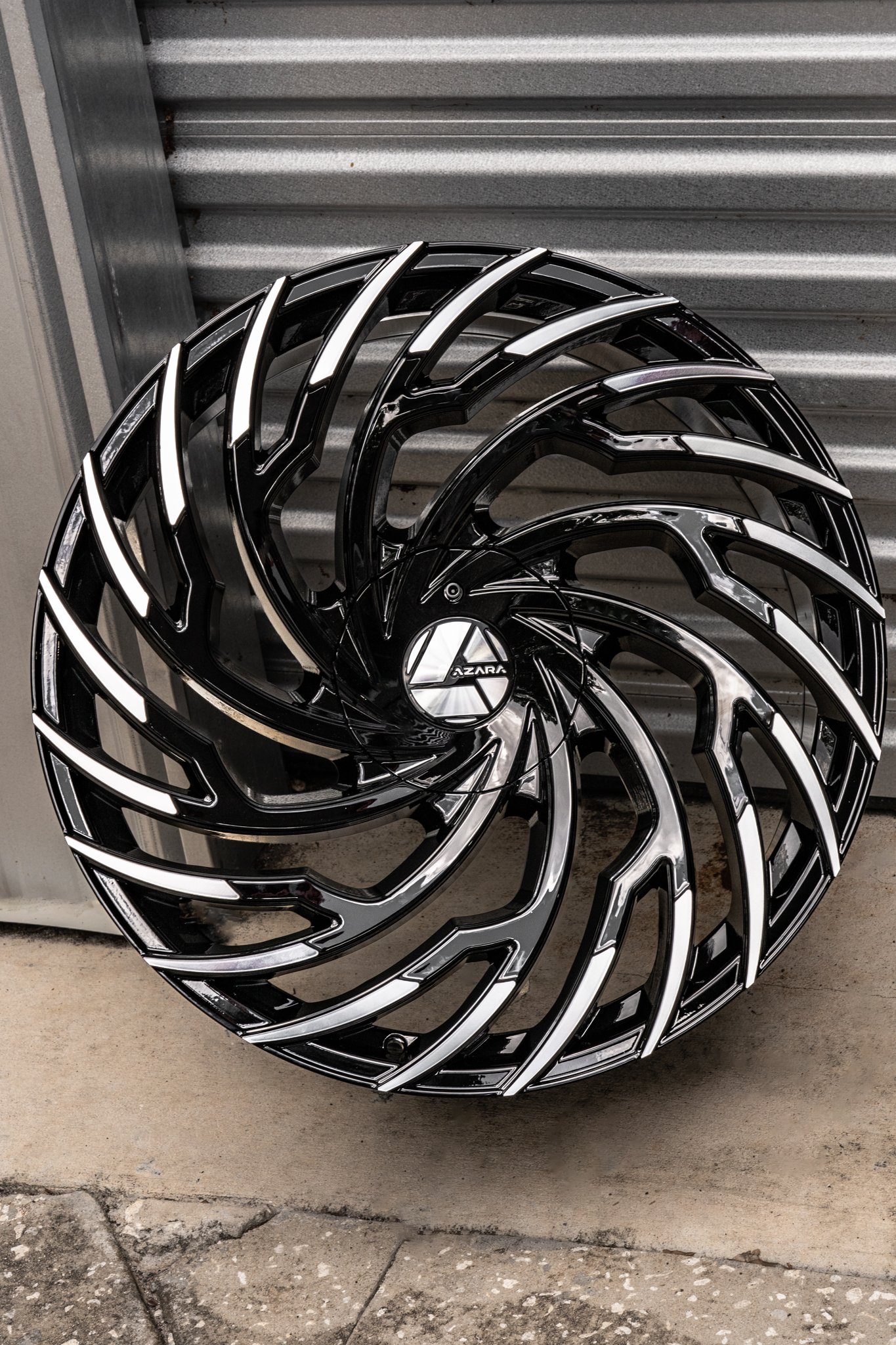
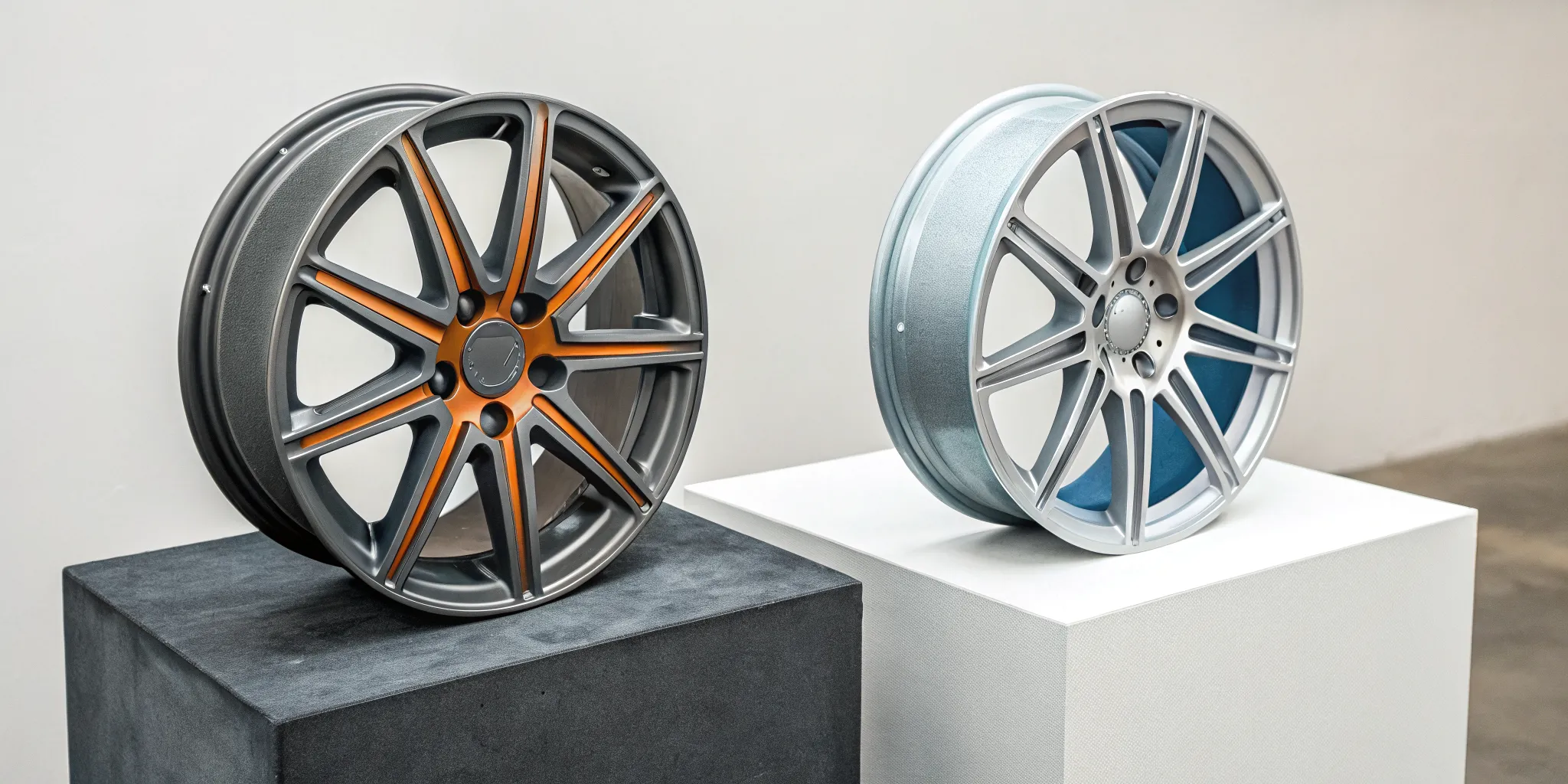
Beyond performance, aesthetics are a major driver for customers choosing staggered wheels. The right finish can completely transform a vehicle’s look. Popular options range from classic chrome and polished aluminum to modern matte black, gunmetal, and bronze. Many designs also feature machined accents that create a striking contrast. Offering a variety of finishes allows you to cater to a wider range of styles, from subtle and sophisticated to bold and aggressive. Helping a customer match the wheel finish to their vehicle’s paint color and trim can be the final touch that secures the sale.
Where to Find Quality Staggered Rims
Finding the right set of staggered rims isn’t just about style; it’s about ensuring proper fitment, safety, and performance for your customer’s vehicle. Sourcing your inventory from the right places makes all the difference in building trust and delivering results. Whether you’re stocking your showroom or placing a special order, knowing where to turn for quality wheels is the first step. Here are the most reliable channels for finding staggered rims that meet your standards and your customers’ expectations.
Through Authorized Dealers and Distributors
Working directly with an authorized wheel distributor is often the most reliable way to source high-quality staggered rims. Distributors provide a direct link to manufacturers, ensuring the products you sell are authentic and backed by a full warranty. They also offer a level of expertise that’s hard to find elsewhere. Because manufacturers often design staggered setups for specific rear-wheel drive vehicles to improve traction, having a partner who understands these technical details is invaluable. A good distributor can provide precise fitment data, confirm compatibility, and help you avoid costly ordering mistakes, which ultimately protects your shop’s reputation and your bottom line.
At Performance and Custom Wheel Shops
As a performance or custom shop owner, you are on the front lines of providing specialized wheel fitments. Your customers trust you for your expertise, especially when it comes to complex setups that enhance a vehicle’s look and handling. A staggered fitment, with its wider rear wheels, is perfect for improving stability in high-horsepower, rear-wheel-drive cars. By offering a curated selection of staggered rims from trusted brands, you position your shop as a go-to destination for enthusiasts. Your ability to provide professional installation, balancing, and alignment adds a layer of value that customers can’t get from just buying parts online, ensuring their investment performs safely and correctly.
From Reputable Online Retailers
The online marketplace offers a massive selection of staggered wheels, often at competitive prices. For customers, the convenience of browsing countless styles and brands from home is a major draw. Many online retailers even bundle wheels and tires into packages, sometimes with free shipping. However, this convenience comes with a risk. Without hands-on, professional guidance, it’s easy for a customer to order the wrong size, offset, or bolt pattern. This is where your shop has a distinct advantage. You can educate customers on the dangers of improper fitment and offer the expert service needed to get their staggered setup just right, turning a potentially frustrating online purchase into a successful, professional installation.
How Much Do Staggered Rims Cost?
The price of staggered rims can vary dramatically, so it’s helpful to understand what drives the cost before you start quoting customers. Everything from the brand and material to the complexity of the design plays a role in the final price tag. For a shop owner, knowing these details helps you stock a range of options that cater to different budgets and build packages that offer real value.
Ultimately, the goal is to find the sweet spot between quality, performance, and price. By breaking down the key cost factors, you can guide your customers toward a set of staggered wheels that meets their aesthetic goals and performance needs without stretching their budget too thin. This approach not only builds trust but also ensures they drive away happy with their investment.
Price Ranges by Brand and Material
When it comes to staggered wheels, you’ll find a wide spectrum of pricing. On the high end, a set of ultra-premium forged wheels from a luxury brand can run well over $10,000. However, the market offers plenty of excellent options at more accessible price points. For example, a quality set of cast aluminum 20-inch staggered wheels typically falls between $1,200 and $6,600.
The material is one of the biggest price drivers. Forged wheels are machined from a solid piece of aluminum, making them incredibly strong and lightweight, but the manufacturing process is intensive and costly. Cast wheels, which are made by pouring molten aluminum into a mold, are more affordable and still offer great durability and style for daily driving and show builds.
Key Factors That Influence Price
Beyond the brand and base material, several other elements affect the cost of a staggered setup. The design itself is a primary factor; since a staggered set requires two different wheel sizes or widths, the manufacturing and inventory management is more complex than for a square setup. This inherent complexity often translates to a higher price.
Finishes also play a significant role. A standard painted or powder-coated finish is usually the most budget-friendly option. More intricate finishes like chrome, PVD (Physical Vapor Deposition), or custom two-tone paint jobs require additional labor and specialized processes, which increases the cost. Finally, the wheel’s construction, such as a one-piece monoblock versus a multi-piece design, will also influence the final price.
How to Get the Best Value
For both your shop and your customers, getting the best value often means looking beyond the price of the wheels alone. One of the most effective ways to save is by offering wheel and tire packages. Bundling the wheels and tires together often comes with significant savings and simplifies the purchasing process for your customer. It also gives you an opportunity to ensure a perfect, vibration-free fitment right from the start.
Working with a distributor that provides strong dealer pricing and maintains deep inventory is another way to secure value. This partnership allows you to offer competitive prices and quick turnaround times, preventing lost sales due to backorders. By focusing on quality products and smart purchasing, you can deliver an excellent outcome for every customer.
What to Look for in a Quality Wheel
Beyond style and size, the true measure of a wheel lies in its construction. For your customers, a quality wheel means better performance, lasting good looks, and safety. For your shop, it means fewer comebacks and a stronger reputation. When evaluating staggered rims for your inventory, focusing on a few key indicators of quality can make all the difference. Here’s what to look for in the materials, finish, and safety standards of any wheel you plan to sell.
Superior Materials and Manufacturing
The foundation of any great wheel is the material it’s made from. Most high-performance wheels are crafted from aluminum alloys for their balance of strength and low weight. The manufacturing process also plays a huge role. Forged wheels are incredibly dense and strong, while cast wheels offer great value and a wide variety of styles. When you’re looking at staggered setups, remember that manufacturers often choose them for rear-wheel drive vehicles to improve traction. This means the wheel construction must be robust enough to handle significant performance demands and keep your customers safe.
A Durable, High-Quality Finish
A wheel’s finish is more than just cosmetic; it’s the first line of defense against the elements. A durable finish is crucial for protecting the wheel from road salt, brake dust, and moisture, which can cause corrosion. Look for wheels with multi-layer finishes, like powder coating or advanced paint processes, that are designed to resist chipping and wear. This not only keeps the wheels looking great for your customers but also extends their lifespan. A premium finish ensures the sporty look of a staggered setup doesn’t fade, helping you maintain the wheel’s appearance and value.
Load Rating and Safety Certifications
Safety is the most critical factor. Every wheel has a maximum load rating, which is the amount of weight it can safely support. It’s essential to ensure the wheels you stock meet or exceed the vehicle’s gross axle weight rating. This is especially important for staggered fitments on high-horsepower cars, where wider rear wheels improve stability. Beyond load rating, look for wheels that have passed rigorous testing standards, often indicated by certifications like JWL (Japan Light Alloy Wheel) or VIA (Vehicle Inspection Association). These safety certifications are your assurance that the wheel is built to perform safely under real-world driving conditions.
Installing and Pairing Tires with Staggered Rims
Once you’ve selected the perfect set of staggered rims, the job is only half done. The installation and tire pairing process is where performance, safety, and aesthetics truly come together. Unlike a standard square setup, a staggered fitment requires a bit more attention to detail to get just right. Getting these final steps correct ensures the vehicle not only looks incredible but also handles exactly as it should, protecting the investment you’ve made in high-quality wheels.
Why You Should Trust a Professional for Installation
While it might be tempting to handle installation in-house, a staggered setup has unique complexities that benefit from a professional touch. Because the wider rear wheels are designed to improve stability and handle high horsepower, especially on rear-wheel-drive cars, the fitment must be precise. An experienced technician has the right equipment to mount tires without scratching the wheel finish and can ensure each lug nut is torqued to the vehicle’s exact specifications. This isn’t just about preventing vibrations; it’s about ensuring the safety and optimal performance of the vehicle. A professional install is peace of mind.
How to Choose the Right Tires for Your Setup
The right tires are critical to making a staggered setup work. Manufacturers use wider rear tires on performance vehicles to increase the contact patch on the drive wheels, which improves traction during acceleration without sacrificing front-end grip for steering. When selecting tires, the most important factor is maintaining a nearly identical overall diameter between the front and rear. A significant difference can confuse the vehicle’s traction control and anti-lock brake systems. A good tire size calculator can help you find compatible front and rear options, but consulting with a fitment expert is always the best way to guarantee a perfect pairing.
Don’t Forget Balancing and Alignment
After mounting the tires, balancing and alignment are two non-negotiable steps. Balancing ensures the weight of the wheel and tire is distributed evenly, preventing vibrations at highway speeds. A proper four-wheel alignment adjusts the angles of the wheels so they are perpendicular to the ground and parallel to each other, which is crucial for handling and preventing premature tire wear. It’s also worth noting that while a staggered setup delivers that aggressive “muscle” look, some vehicle manufacturers may consider it a modification that could affect the warranty. Professional installation and alignment provide the best defense against any potential issues.
Related Articles
- 4×4 Truck Rims: The Ultimate Buyer’s Guide
- Custom Wheel Manufacturing: A Dealer’s Profit Guide
- The Dealer’s Guide to Custom Forged Wheels
Frequently Asked Questions
Can I install a staggered setup on an all-wheel-drive (AWD) vehicle? It’s generally not recommended unless the vehicle was originally equipped with a staggered fitment from the factory. AWD systems rely on all four wheels spinning at very similar speeds. Introducing different wheel and tire diameters can confuse the vehicle’s sensitive drivetrain computers, potentially causing damage or triggering warning lights. For aftermarket setups, it’s safest to stick with rear-wheel-drive vehicles.
How should I explain the faster tire wear to my customers without scaring them off? Be upfront and frame it as a normal characteristic of a performance modification. You can explain that since the tires can’t be rotated from front to back, the rear tires on a RWD car will naturally wear more quickly due to acceleration forces. This is a predictable trade-off for gaining superior traction and a more aggressive look. Being transparent helps your customer understand the long-term maintenance and builds their trust in your expertise.
Are forged wheels really worth the higher price for the average customer? It all comes down to the customer’s goals and budget. For someone focused on daily driving and achieving a specific aesthetic, a quality cast wheel is an excellent and practical choice. Forged wheels are a true performance upgrade; their lighter weight improves handling and responsiveness, and their immense strength is ideal for high-horsepower cars or track use. You can present cast wheels as the stylish and durable standard, while forged wheels are the premium option for those seeking the absolute best in performance.
Besides width, what’s the most critical measurement for a staggered fitment? The offset is just as important as the width. Offset determines where the wheel sits inside the wheel well, affecting its clearance with the suspension, brakes, and fender. With a wider rear wheel, the correct offset is essential to prevent rubbing, which can damage the tire or the vehicle itself. Getting this measurement wrong can completely undermine the project, so always confirm the proper specifications for the specific car you’re working on.
When choosing tires, how important is it to match the overall diameter? It is absolutely critical. While the wheels and tires have different widths, their overall rolling diameter must remain almost identical from front to back, typically within a 3% variance. If the diameters are too different, it can interfere with the vehicle’s traction control and anti-lock braking systems, creating safety and performance problems. Always use a tire size calculator to confirm your front and rear tire choices create a compatible pairing.