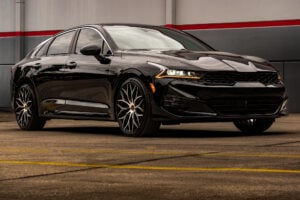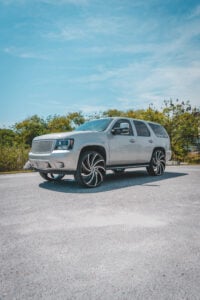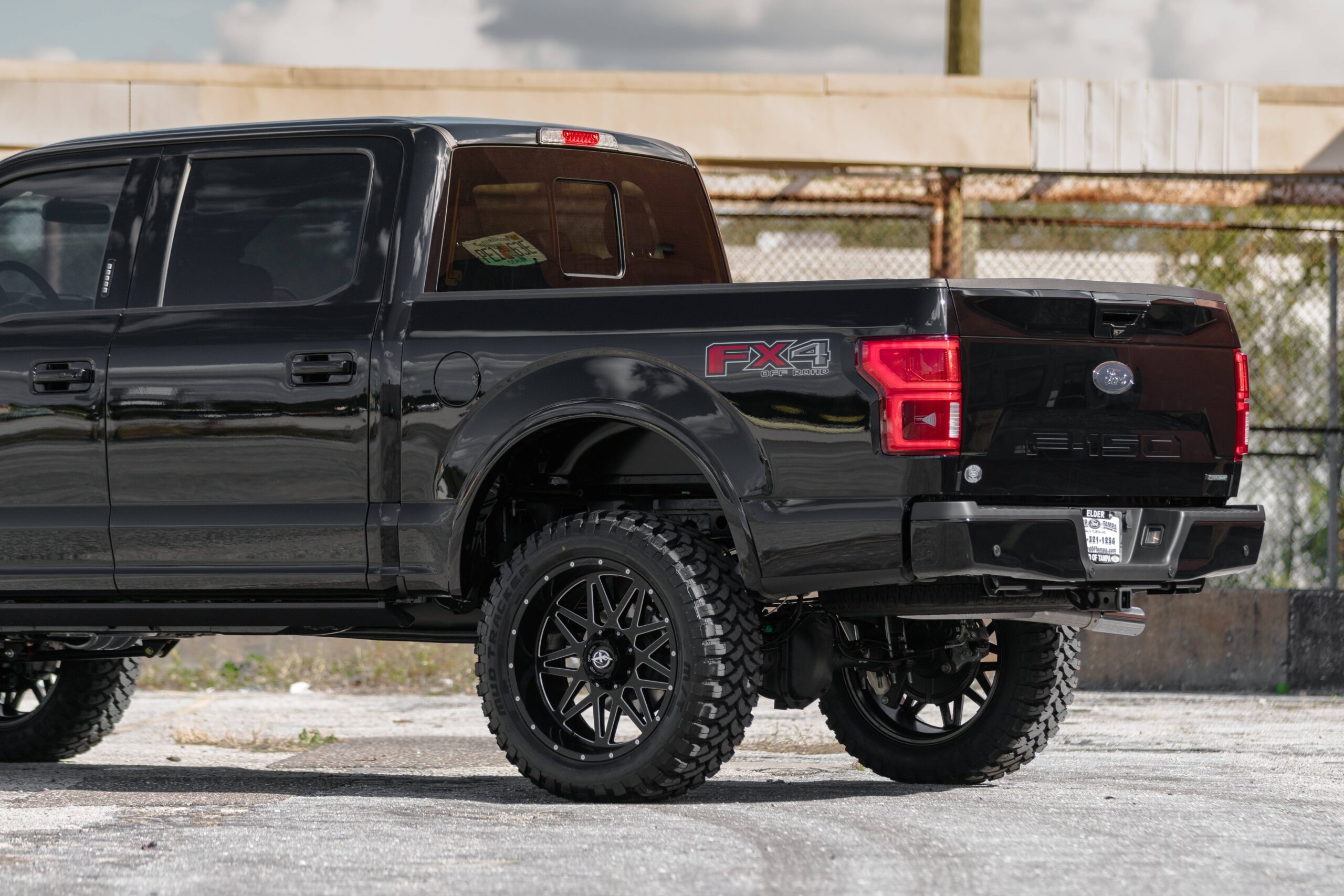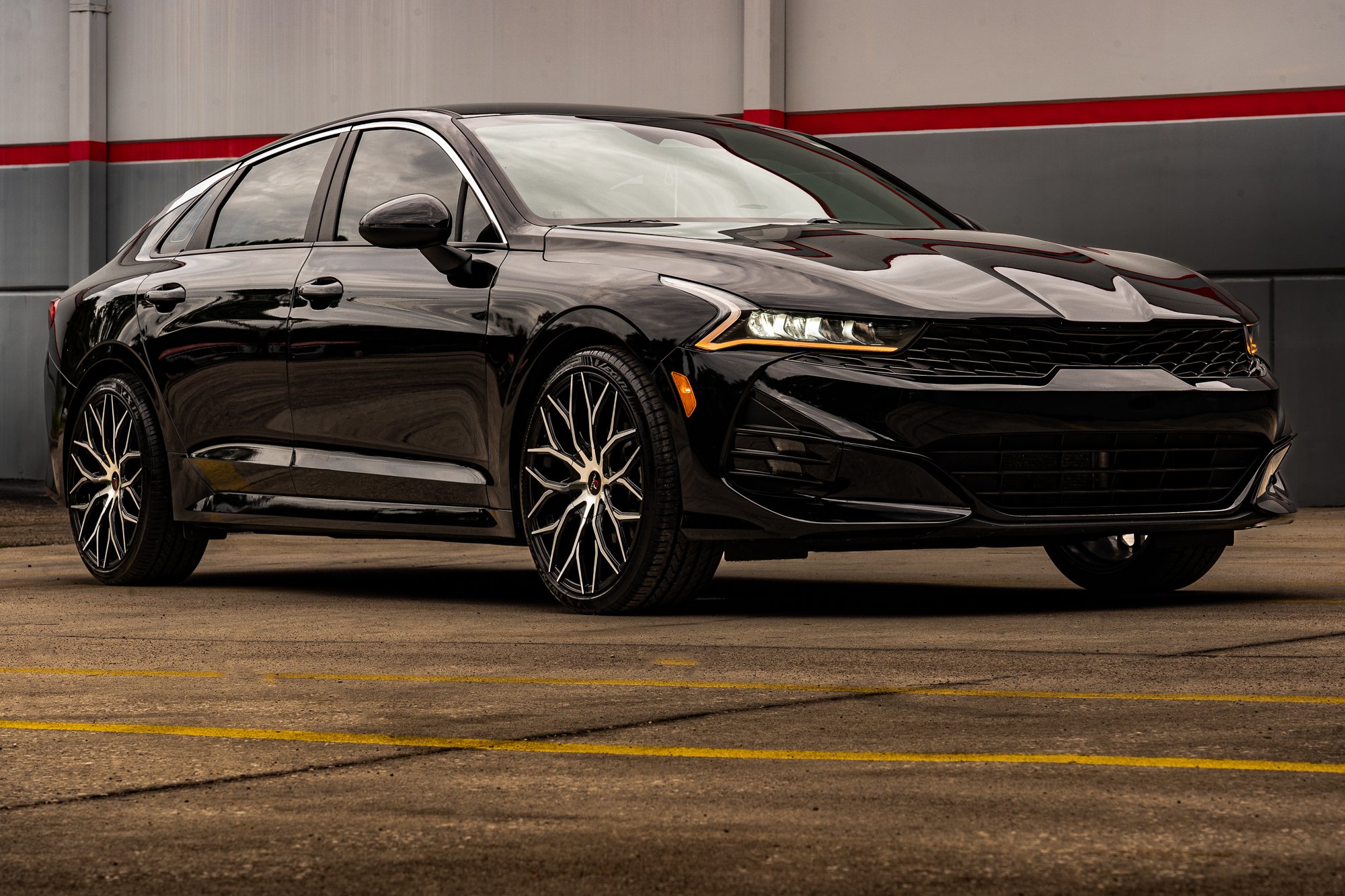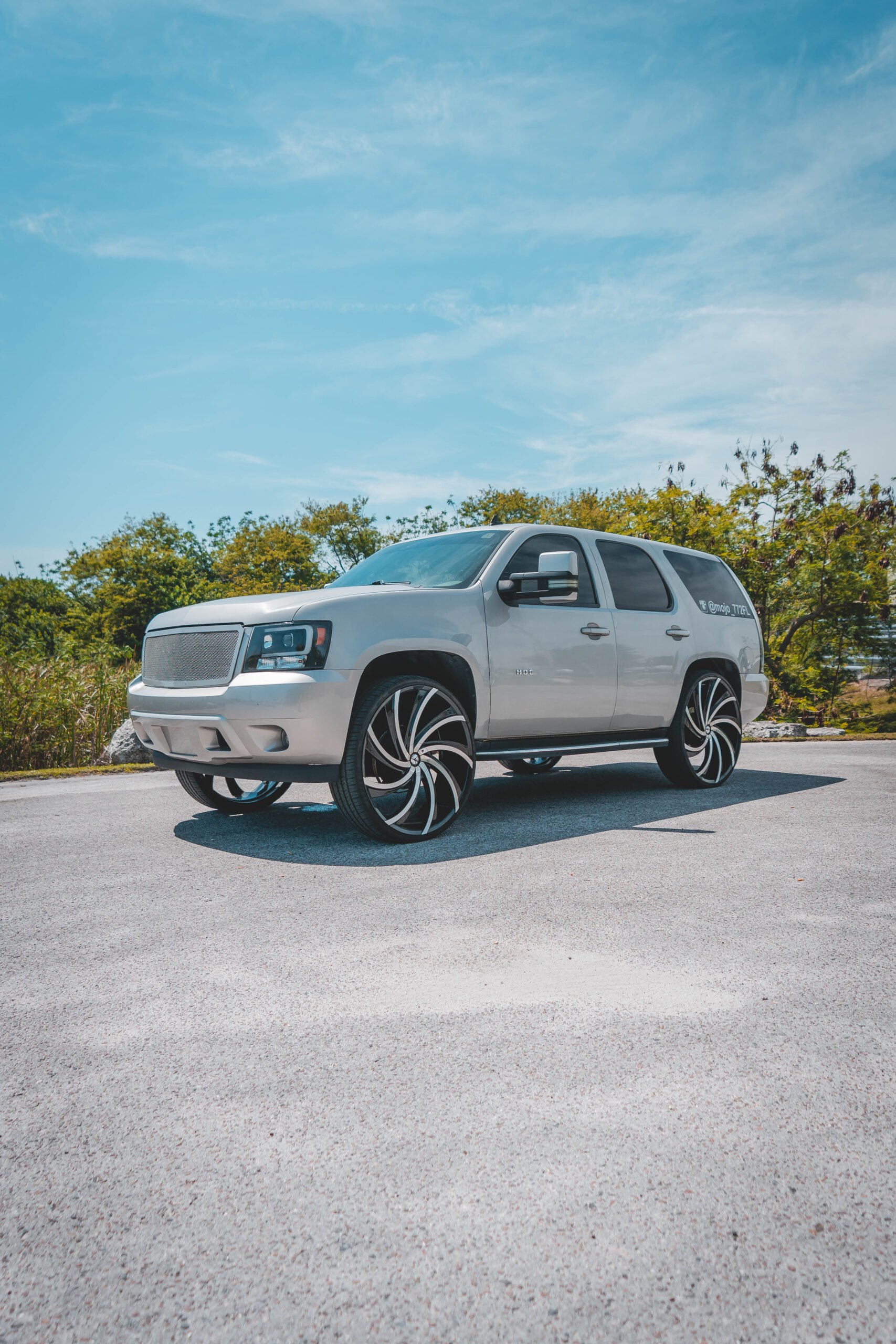
A customer walks into your shop with a clean, stock 1980s Caprice and a picture of it on 30-inch wheels. This is a high-margin opportunity, but it’s also a high-stakes project that can go wrong quickly without the right expertise. The key to a successful and profitable donk build lies in the planning and execution of the fitment. From selecting the correct bolt pattern to calculating the precise offset needed to clear suspension components, every detail matters. This guide is designed to equip your shop with the knowledge to tackle these projects confidently. We’ll cover the essential modifications and critical measurements for perfect donk wheel fitment for classic cars, turning ambitious customer requests into safe, impressive, and profitable builds.
Key Takeaways
- Start with the Right Foundation: The most iconic donk builds use classic, full-size American sedans like the Chevy Impala or Ford Crown Victoria because their body-on-frame construction is ideal for the necessary suspension lifts and large wheels.
- Master the Technical Details: A safe and clean donk build requires more than just wheels; it demands a suspension lift, a critical brake system upgrade to handle the added weight, and precise measurements for bolt pattern and offset to prevent rubbing and ensure safety.
- Source Wheels from a Trusted Distributor: Partnering with an authorized wheel distributor ensures you receive authentic, high-quality products with warranty support, which protects your shop’s reputation and helps you deliver a safe, reliable build for your customers.
What Are Donk Wheels? A Guide for Classic Cars
If you’ve ever seen a classic Chevy Impala or Caprice lifted high on massive, gleaming wheels, you’ve seen a donk. The term “donk” refers to a specific style of custom car, most often a 1971–1976 Chevrolet Caprice or Impala, but the name is now widely used to describe a whole category of classic American sedans modified in a similar way. This style is defined by its dramatically lifted suspension and, most importantly, its oversized wheels.
The entire build is designed to make a statement. It’s a unique subculture within the automotive world where creativity and bold choices are celebrated. For your customers, building a donk is about transforming a classic car into a personal piece of art that stands out in any crowd. Understanding the fundamentals of this style is the first step to helping them achieve that vision with the right products and a perfect fitment.
Key Characteristics of Donk Wheels
Donk wheels are instantly recognizable by their sheer size. While standard wheels might top out around 20 or 22 inches, donk wheels typically start at 26 inches and can go all the way up to 32 inches in diameter. This massive size is the foundation of the donk look.
Beyond diameter, these wheels feature flashy, intricate designs and are often finished in bright chrome, custom colors, or a combination of both. However, getting the look right requires precise technical specifications. You’ll need to match the vehicle’s specific bolt pattern, like the common 5×4.75 for a Caprice, and calculate the correct offset to ensure the wheel sits perfectly in the fender without rubbing. These details are what separate a professional build from a problematic one.
The Appeal of Donk Wheels for Classic Builds
The motivation behind building a donk is pure self-expression. This isn’t about achieving the fastest lap time; it’s about creating a vehicle that reflects the owner’s personality and commands attention. The “big rims, bold style” philosophy is at the heart of the donk scene. Owners choose these massive custom wheels to make an unforgettable visual impact.
For enthusiasts, the process of selecting the right wheels, lifting the car, and dialing in the fitment is a labor of love. It’s a way to take a classic piece of American automotive history and give it a modern, larger-than-life identity. By offering wheels that cater to this style, you’re helping your customers build their dream car and participate in a vibrant and creative community.
Which Classic Cars Are Best for Donk Wheels?
When a customer comes into your shop wanting to build a donk, the conversation almost always starts with the car itself. While the donk style has expanded over the years, its roots are firmly planted in a specific category of American-made vehicles. The ideal canvas is typically a full-size, rear-wheel-drive sedan from the 1970s through the 1990s. These cars are popular for a reason: their body-on-frame construction provides a sturdy foundation for the suspension lifts required to fit massive wheels.
The classic body lines of models like the Chevrolet Impala, Caprice, and Ford Crown Victoria create a perfect visual balance with large-diameter wheels. Their spacious wheel wells also offer a better starting point for the necessary modifications. While you might see newer cars or even SUVs getting the hi-riser treatment, the most iconic and sought-after builds are based on these classic platforms. Understanding which models are best suited for this style is the first step in guiding your customers toward a successful and head-turning project. It ensures you can anticipate the required modifications and source the right components for a clean, reliable build.
Fitting Donks on an Impala or Caprice
The Chevrolet Impala and Caprice are the undisputed kings of the donk world. In fact, the term “donk” is widely believed to have originated from the Impala’s “leaping antelope” logo, which some enthusiasts thought looked like a donkey. These models, especially the 1971 to 1996 generations, are prized for their strong frames and classic proportions that perfectly complement oversized wheels.
Because they are such popular platforms, there is a wealth of aftermarket support available, from lift kits to interior components. This makes the build process more predictable for your shop. When a customer brings you an Impala or Caprice, you can confidently recommend wheel sizes from 24 to 30 inches or even larger, knowing that the suspension geometry can be modified to accommodate them safely.
Donk Fitment for Regals and Crown Vics
While Chevrolets often steal the spotlight, other classic American sedans make fantastic donk platforms. The Buick Regal, especially the G-body models from the 80s, offers a slightly different but equally appealing look. Its squared-off body lines provide a great canvas for a clean, custom build. Similarly, the Ford Crown Victoria and its sibling, the Mercury Grand Marquis, are excellent choices. Their durable Panther platform is famously robust, making it more than capable of handling the stress of a lift kit and heavy, large-diameter wheels.
These alternatives give your customers more options for finding a solid, rust-free donor car. Most full-size, rear-wheel-drive cars from this era share the fundamental characteristics that make them suitable for a hi-riser build, giving you and your clients creative flexibility.
Matching Bolt Patterns to Classic Models
Once you’ve settled on a car, nailing the technical specs is critical, and it all starts with the bolt pattern. This is a non-negotiable detail for ensuring the wheels fit safely and securely. For example, a classic Caprice typically uses a 5×4.75 inch (or 5×120.65mm) bolt pattern, while a Ford Crown Victoria uses a 5×4.5 inch (or 5×114.3mm) pattern. Getting this wrong means the wheel simply won’t mount to the vehicle’s hub.
As a shop, using a reliable bolt pattern guide is essential for confirming the correct fitment for your customer’s specific year and model. Verifying this detail before ordering a custom set of wheels saves time, money, and frustration, reinforcing your reputation for precision and expertise.
Nailing the Fitment: Key Donk Wheel Specs
Getting the fitment right is where a good donk build becomes a great one. It’s a precise process that goes far beyond just picking a wheel design you like. The right specifications ensure the car not only looks incredible but also drives safely and performs correctly. A perfect stance doesn’t happen by accident; it’s the result of careful measurements and a solid understanding of a few key technical details.
When you’re working with wheels that are 26 inches or larger, there is very little room for error. Even a few millimeters can be the difference between a clean fit and a wheel that rubs against the suspension or fender. Before you even think about mounting a tire, you need to master three core concepts: bolt pattern, offset, and backspacing. Getting these specs right from the start saves you time, protects your customer’s investment, and ensures the final build is something your shop can be proud of.
Bolt Patterns and Offset Explained
The bolt pattern is the first spec you need to confirm. It refers to the number of lug holes and the distance between them, and it has to match the vehicle’s hub exactly. For many classic cars popular in donk culture, you’ll frequently see patterns like 5×4.75 for a Chevy Caprice or 5×5 for a Ford Crown Victoria. Next is the offset, which determines how far the wheel’s mounting surface is from its centerline. A wheel’s offset position dictates where it sits horizontally inside the wheel well, preventing it from rubbing against the inner suspension or the outer fender.
Calculating Wheel Size and Backspacing
Donk wheels typically range from 26 to 32 inches in diameter, and pairing them with the right low-profile tire is just one part of the equation. You also need to calculate the backspacing, which is the distance from the wheel’s mounting surface to its rearmost edge. This measurement is critical because it tells you exactly how much space the wheel will take up toward the inside of the car. Proper backspacing ensures the wheel clears all the suspension and brake components, which is especially important on older vehicles that were never designed for such large wheels.
Measuring for Proper Clearance
Once you have the wheel specs, it’s time to measure the vehicle itself. Proper fitment is about more than just avoiding obvious issues; it’s about ensuring the wheel and tire have enough room to move through the full range of suspension travel and steering angles. You need to check for clearance between the tire and the fender lip, the inner wheel well, the frame, and critical suspension parts like control arms and shocks. A misfit can cause dangerous rubbing, damage expensive components, or create an imbalance, so taking the time to measure everything is a step you can’t afford to skip.
Top Donk Wheel Brands for Classic Cars
Choosing the right wheel brand is just as important as getting the fitment right. The donk market offers a wide spectrum of brands, each catering to different customer priorities, from ultra-premium forged designs to stylish and accessible cast wheels. As a dealer, understanding these tiers helps you guide your customers to the perfect set for their classic car build and budget. Whether your client wants to build a show-stopping trailer queen or a head-turning daily driver, there’s a brand that fits their vision.
Knowing the key players in each category allows you to stock your inventory strategically and speak confidently about the options. Let’s explore the landscape of donk wheel brands, broken down into three main categories: premium, performance-focused, and great-value options. This will help you match the right product to every customer who walks through your door.
Premium and Forged Options
For the customer who wants the absolute best, premium and forged wheels are the answer. These brands are known for their impeccable craftsmanship, intricate multi-piece designs, and custom finish options. Brands like Forgiato and Asanti have built their reputations on creating statement pieces that define high-end car culture. They often use forged aluminum, which allows for superior strength and lighter weight compared to cast wheels.
This category is all about exclusivity and personalization. You’ll also find brands like Azara Wheels, which offer bold, eye-catching designs inspired by luxury aesthetics. When a customer’s budget allows for it, recommending a premium forged wheel ensures they get a truly unique and durable product that will be the centerpiece of their classic build.
Performance-Oriented Brands
While massive wheels are primarily about style, some brands focus on engineering that doesn’t completely sacrifice performance. These manufacturers understand that even a show car gets driven, and they use advanced techniques and lighter materials to minimize unsprung weight. Reducing the weight of the wheel and tire assembly can have a noticeable impact on a vehicle’s handling, acceleration, and braking.
Brands in this space often use flow-forming or forging processes to create wheels that are both strong and relatively lightweight for their size. This is a key selling point for enthusiasts who want the iconic donk look on their Impala or Caprice but still crave a responsive driving experience. For these customers, you can explain how a performance-oriented wheel offers the best of both worlds: jaw-dropping style backed by thoughtful engineering.
Great Value Donk Wheel Brands
Making the donk style accessible to more enthusiasts, great-value brands offer stylish designs at an approachable price point. These wheels are typically made using gravity or low-pressure casting, which is a reliable and cost-effective manufacturing method. Brands like Strada and DUB have become popular by offering on-trend designs with durable finishes that hold up to daily driving.
For your customers, these brands represent an excellent entry point into the world of custom wheels. As a dealer, the key is to partner with a reputable wheel distributor that stands behind the quality and structural integrity of their value-oriented lines. This ensures you can provide affordable options without compromising on safety, giving your customers a great look that’s built to last.
Choosing the Right Tires for Your Donk Wheels
Once you’ve selected the perfect set of wheels, the next critical step is choosing the right tires. The tires you pick are just as important as the wheels themselves, affecting everything from the final look and stance to ride quality and safety. For a donk build, this almost always means working with low-profile tires that can accommodate the massive wheel diameters while still fitting inside the wheel wells. Let’s walk through what you need to know to make the right choice for your customer’s build.
Understanding Low-Profile Tire Specs
Donk builds rely on low-profile tires to achieve their signature look. These tires have very short sidewalls, often in the 25 to 35 series range. The “series” number, or aspect ratio, is the sidewall’s height as a percentage of the tire’s width; a smaller number means a thinner sidewall. This is what creates clearance for large-diameter wheels. While brands like Vogue and Toyo are popular, it’s important to set expectations with your customers. The stiff sidewalls provide responsive handling but also create a firmer ride and are more susceptible to damage from potholes, so advising caution on rough roads is a good idea.
Matching Tire Size to Wheel Diameter
Matching the tire size to the wheel is a fundamental step. The tire’s diameter must perfectly match the wheel’s, for example, a 28-inch tire for a 28-inch wheel. Just as important is the tire’s width. A tire that is too narrow for the rim can result in a “stretched” look, compromising the bead’s seal and overall safety. Conversely, a tire that’s too wide can cause a sloppy feel and rubbing issues. Always consult manufacturer specs for the recommended width range. Using a tire size calculator can also help you confirm the overall diameter to ensure proper clearance after installation.
Balancing Performance and Comfort
The final piece is balancing aesthetics with real-world performance and comfort. This is a crucial conversation to have with every customer. The ultra-low-profile tires needed for these builds will significantly change how the car feels on the road, making the ride much stiffer than stock. While this translates to sharp handling, the driver will feel more road imperfections. Explain these trade-offs clearly. The goal is a stunning look, but it comes with a compromise in ride comfort and an increased risk of wheel damage. Setting these expectations upfront ensures your customer is happy with the result and knows how to care for their new package.
What Modifications Will Your Car Need?
Fitting donk wheels is much more than a simple bolt-on upgrade. To do it safely and correctly, you’ll need to make significant modifications to the car’s suspension, brakes, and body. These changes are essential for accommodating the massive wheel and tire combination while ensuring the vehicle remains safe and drivable for your customers. Think of it as a complete system overhaul, not just a cosmetic change.
Suspension and Brake System Upgrades
First things first: you have to make room for the wheels. This means installing a suspension lift kit to raise the vehicle’s body. Keep in mind that lifting a car changes its center of gravity, making it less stable and more prone to rolling over in sharp turns. It’s your job to educate customers on these handling changes.
More importantly, the increased size and weight of donk wheels make the car much harder to stop. The original factory brakes were never designed to handle the rotational mass of a 26-inch wheel. A performance brake upgrade is not optional, it’s a critical safety requirement. This usually involves installing larger rotors, more powerful calipers, and high-performance brake pads to provide the necessary stopping power.
Modifying Wheel Wells and Adjusting Alignment
Even with a suspension lift, you’ll likely need to create more physical space for the wheels to move freely. This often requires cutting or trimming the fenders and inner wheel wells to prevent the tires from rubbing, especially when turning or going over bumps. This is a permanent modification, so precise, clean work is key to a professional finish.
After installing a lift kit and altering the vehicle’s ride height, the factory wheel alignment settings will be completely thrown off. A thorough, four-wheel alignment is necessary to correct the camber, caster, and toe angles. Skipping this step will lead to severe and rapid tire wear, poor handling, and an unsafe driving experience for your customer.
Professional Install vs. DIY: What to Know
While some car owners might be tempted to tackle this project themselves, a donk conversion is a job best left to experienced professionals. The stakes are incredibly high. If suspension or body modifications are done incorrectly, a wheel could detach from the vehicle while it’s being driven, leading to a catastrophic failure. This is a massive safety risk and a huge liability.
As a professional, you have the right tools, fitment knowledge, and experience to handle complex suspension geometry, brake system hydraulics, and body modifications safely. Guiding your customers toward a professional installation protects their investment, ensures their safety on the road, and solidifies your shop’s reputation for quality, reliable work.
How to Avoid Common Donk Fitment Issues
A successful donk build is all about precision. While the visual impact is huge, so are the potential problems if you don’t plan carefully. Getting the fitment right from the start prevents frustrating issues like tire rub, unsafe handling, and unhappy customers. By addressing the most common challenges head-on, you can ensure every build leaves your shop looking incredible and performing reliably. Let’s walk through how to solve clearance issues, stay compliant with safety standards, and verify the quality of your components.
Solving Common Clearance Problems
Donk builds are defined by their massive wheels, often ranging from 26 to 32 inches. To accommodate them, a significant suspension lift is non-negotiable. Simply bolting on large wheels without proper modifications will lead to constant scraping and rubbing against the fenders, frame, or suspension parts. Before ordering, double-check your measurements for backspacing and offset to ensure the wheel sits correctly in the wheel well. You’ll likely need to perform clearance adjustments like trimming fender liners or even more extensive body modifications to create enough room, especially when the wheels are turned. Planning for these steps is a critical part of a clean, functional build.
Staying Safe and Street-Legal
Lifting a classic car several inches dramatically raises its center of gravity, which can make it less stable and more prone to rollovers in sharp turns. To counter this, it’s essential to invest in high-quality suspension components. More importantly, the increased rotational mass of large wheels makes the vehicle much harder to stop. Standard brakes are often not up to the task, so a brake system upgrade is a crucial safety requirement, not just a recommendation. Always check your local vehicle modification laws, as many areas have specific rules about bumper height, headlight aim, and overall vehicle height that a donk build might exceed without proper adjustments.
How to Inspect Your Wheels for Quality
Your reputation rests on the quality of the parts you install. When your wheels arrive, perform a thorough inspection before mounting tires. Check for any cosmetic defects in the finish, but more importantly, look for any signs of structural damage like cracks or bends from shipping. Confirm the bolt pattern, center bore, and offset match the vehicle’s specs precisely. A quality wheel should fit snugly on the hub. Using high-quality lug nuts and ensuring they are torqued to the correct specification is also vital for safety. A build is only as strong as its weakest link, and verifying wheel quality protects both your customer and your business.
Where to Find Quality Donk Wheels
Once you have the right specs in mind, the next step is finding a reliable source for your wheels. The quality of your supplier is just as important as the quality of the wheel itself, as it impacts everything from inventory availability to post-sale support. For shop owners and builders, establishing a solid supply chain is key to keeping projects on schedule and customers happy. Let’s look at the best places to find donk wheels and how to vet them properly.
Working with Authorized Dealers and Distributors
Partnering with an authorized dealer or a dedicated wheel distributor is often the most dependable route for sourcing high-quality donk wheels. These suppliers have direct relationships with manufacturers, which means you get access to authentic products, valid warranties, and expert fitment support. A good distributor maintains deep inventory across multiple brands, so you can find the perfect style without long lead times. They can also provide wheel and tire packages that arrive mounted and balanced, saving your shop valuable time and labor on custom builds. This approach ensures you’re installing a product that meets high standards for safety and performance.
Exploring Online Retailers and Financing
Online retailers offer a massive selection of donk wheels, making them a great resource for exploring different styles, brands, and price points. You can browse through thousands of options and see what’s currently trending in the custom car scene. Many online sellers also provide financing options, which can be an attractive feature for customers looking to invest in a premium set of wheels. However, it’s important to be cautious. Always verify the credibility of an online seller before purchasing, as the market has its share of counterfeit products and unsupported grey-market inventory that could leave you without a warranty.
How to Compare Brands and Read Reviews
Regardless of where you source your wheels, doing your homework on the brand is essential. Start by reading reviews from other builders and customers. Look for feedback that speaks to the wheel’s long-term durability, finish quality, and structural integrity, not just its initial appearance. When evaluating a new brand, check for a solid track record and professional support. Reputable brands stand behind their products with clear warranty policies and accessible customer service. For your business, it’s also wise to understand a brand’s sales policies, like their commitment to MAP pricing, which helps protect your margins and ensures fair competition.
Related Articles
- Classic – Elite Wheel Warehouse
- Donken – Elite Wheel Warehouse
- Delano – Elite Wheel Warehouse
- Chevelle – Elite Wheel Warehouse
- Dopo – Elite Wheel Warehouse
Frequently Asked Questions
What’s the single most important safety upgrade for a donk build? Without a doubt, it’s the brakes. The original braking system on a classic Caprice or Crown Vic was never designed to stop the massive weight and rotational force of a 28-inch wheel. A performance brake upgrade, including larger rotors and more powerful calipers, isn’t just a recommendation; it’s a critical requirement for making the vehicle safe to drive on public roads.
How should I explain the change in ride quality to my customers? Be direct and set clear expectations from the start. Explain that the combination of a suspension lift and ultra-low-profile tires will result in a much firmer ride than they are used to. They will feel more of the road’s imperfections. While the car will look incredible, it comes with a trade-off in comfort. This honest conversation ensures they understand the realities of the build and are happy with the final result.
Are expensive forged wheels really worth it for this type of build? For the customer who wants the best, yes. Forged wheels offer superior strength at a lower weight compared to cast wheels. This reduction in unsprung weight can help preserve some of the car’s handling and acceleration. They also open the door to more intricate designs and custom finish options, allowing for a truly one-of-a-kind look that defines a high-end build.
Besides the lift kit, what is the most commonly forgotten modification? A proper four-wheel alignment is often overlooked but is absolutely essential. Lifting a vehicle completely changes its suspension geometry. Without a precise alignment to correct the camber, caster, and toe angles, your customer will experience terrible handling and destroy a new set of tires in a surprisingly short amount of time.
Can you apply the donk style to cars other than the classic Impala? Absolutely. While the 70s, 80s, and 90s GM full-size cars are the most iconic platforms, the style works well on many other large, American-made, rear-wheel-drive sedans. Cars like the Ford Crown Victoria, Mercury Grand Marquis, and Buick Regal are all excellent candidates because their body-on-frame construction can handle the necessary modifications for a safe and reliable build.