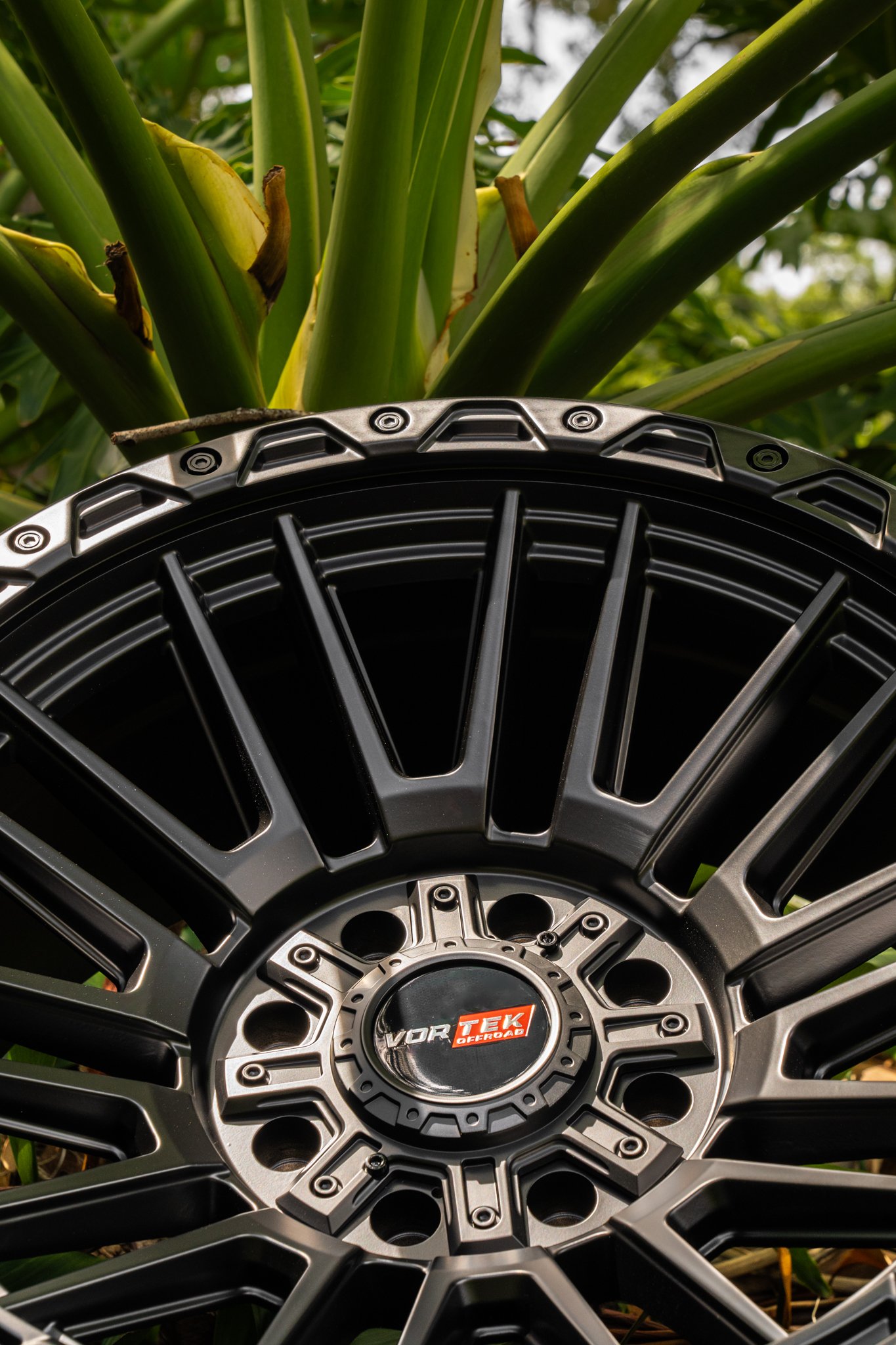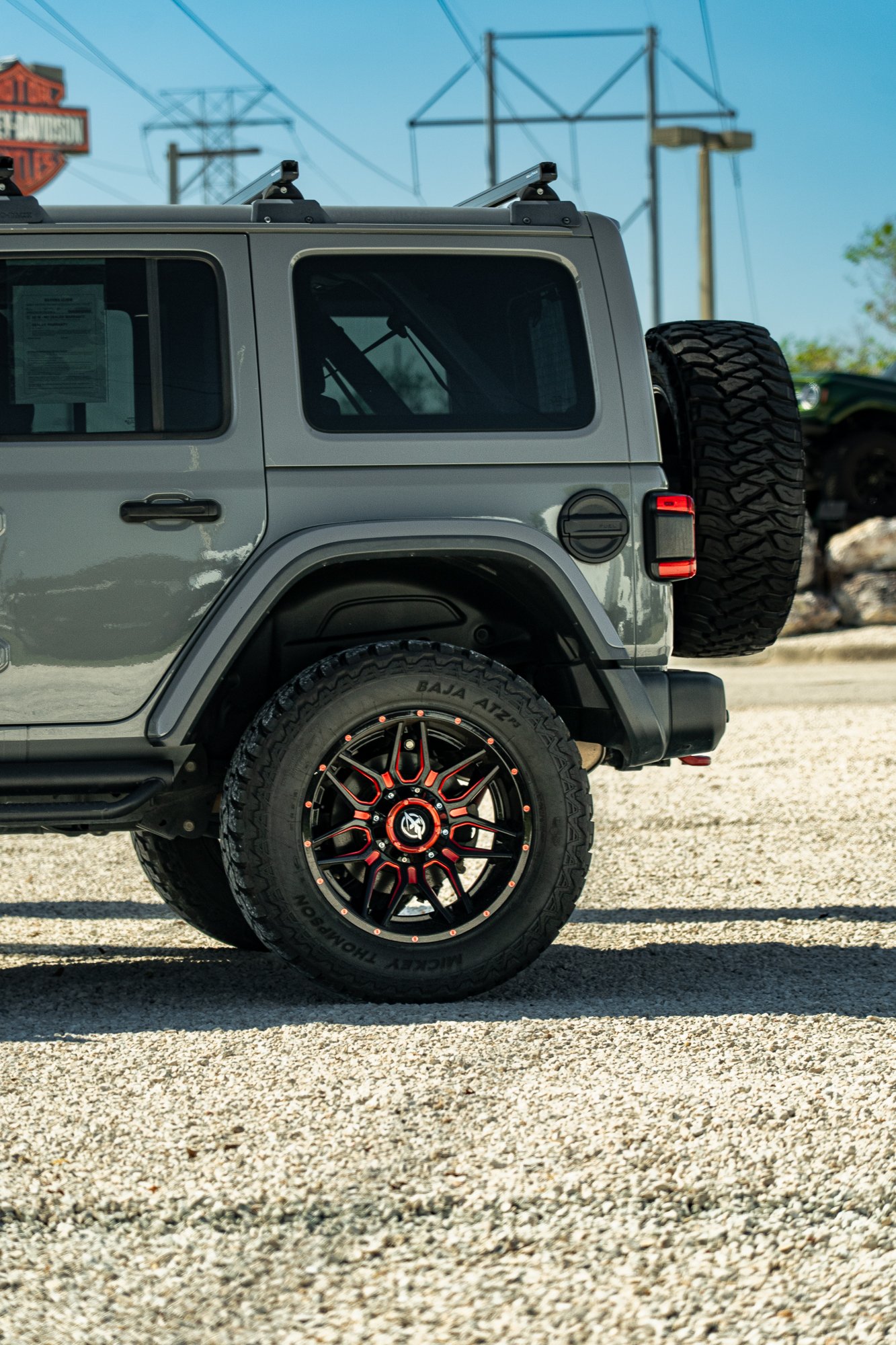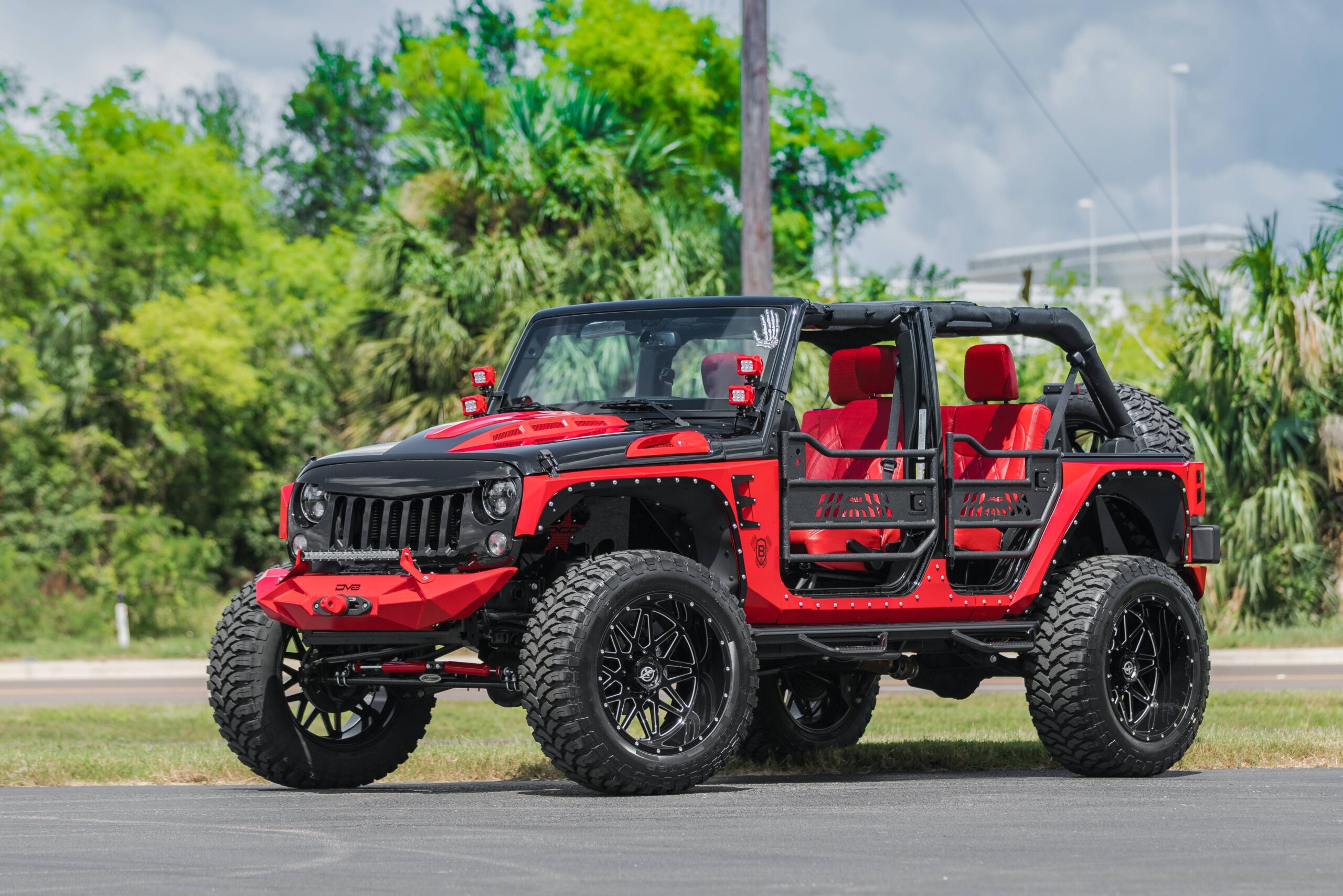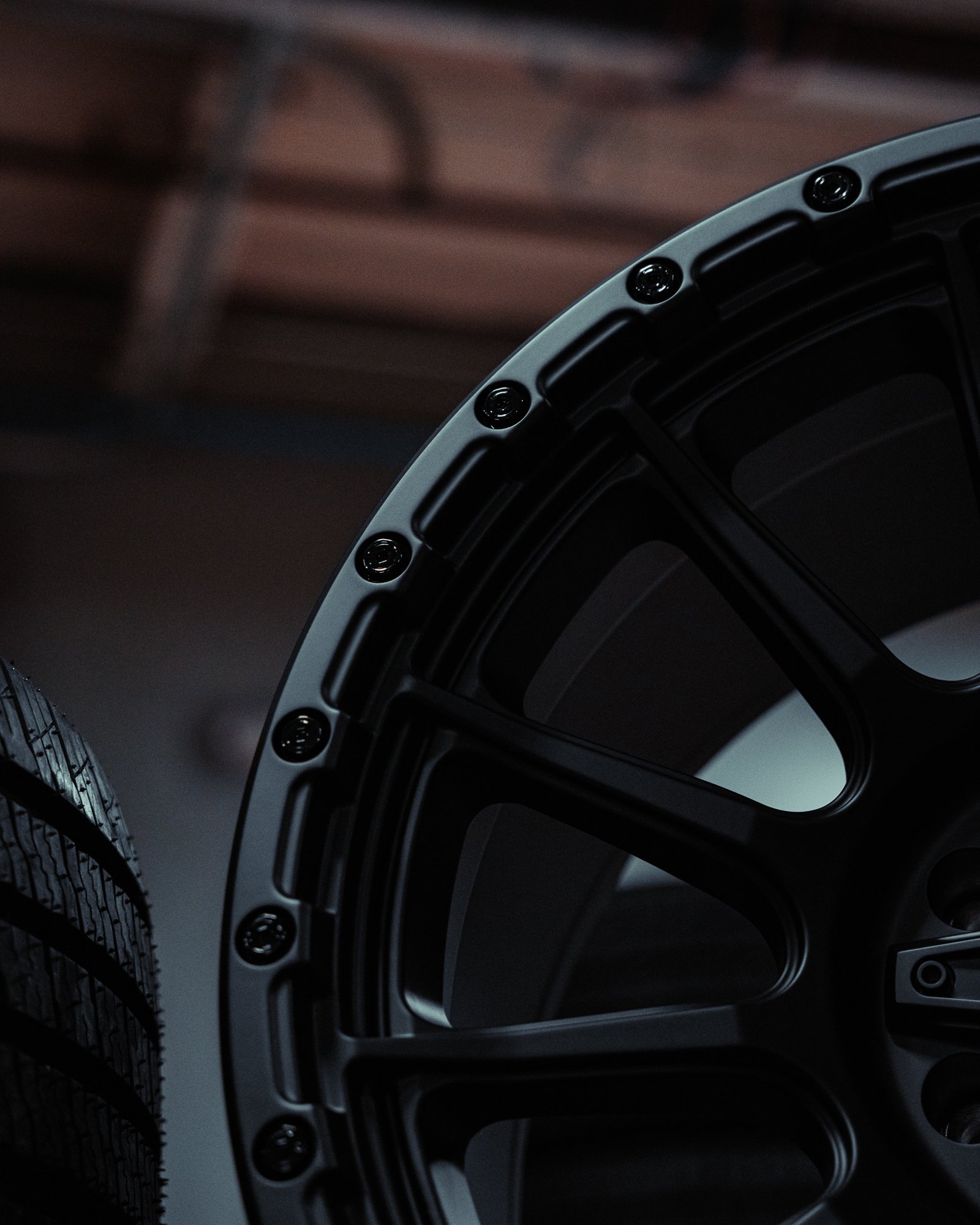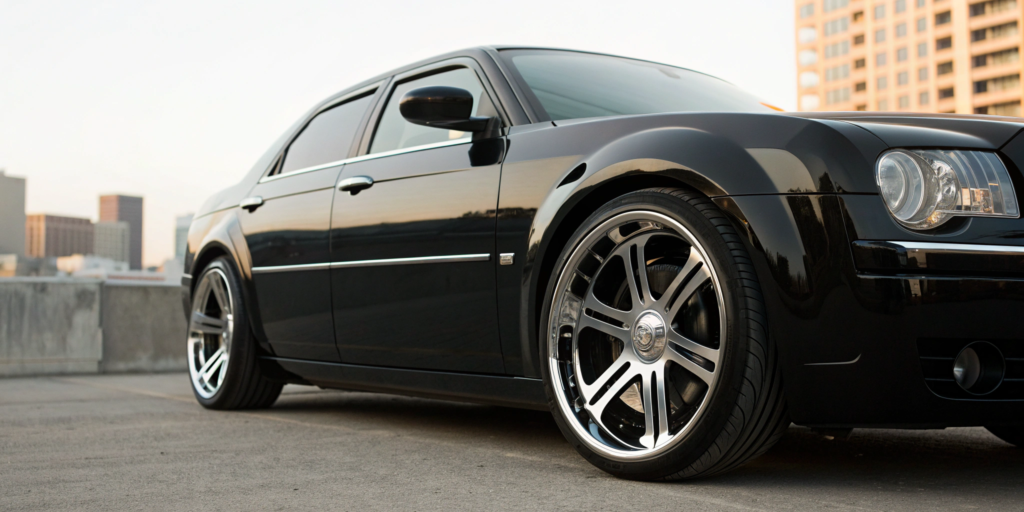
Your customer has a vision, but they don’t speak the language of offsets and bolt patterns. They ask, “Will 22s fit without rubbing?” or “Which tires give the smoothest ride?” Your job is to be the translator. This guide is your cheat sheet for everything related to Chrysler wheels and tires. We cover sizing, finishes, and the differences between cast and forged wheels. Use this to confidently answer every question, turn that customer’s vision into reality, and close the sale. It’s about building trust and becoming their go-to expert.
Key Takeaways
- Nail the Technical Specs First: Before you even think about style, confirm the non-negotiable numbers. For any Chrysler 300, this means a 5×115 bolt pattern and the correct offset to ensure a safe, vibration-free fit that won’t damage your vehicle.
- Choose Your Wheel Size Based on Your Drive: The diameter you pick directly affects ride quality. Opt for 20-inch wheels for a bold, aggressive look with sharper handling, or stick with 17 or 18-inch wheels for a smoother, more comfortable ride on daily commutes.
- Smart Installation and Maintenance Pay Off: Always use a professional installer to protect your warranty and ensure safety. Afterward, a simple routine of checking tire pressure and rotating your tires every 5,000-7,500 miles will extend their life and protect your investment.
What Specs Do I Need for My Chrysler 300 Wheels?
Getting the right wheels for a Chrysler 300 is about more than just picking a style you like. To ensure a perfect, safe, and high-performing fit, you need to nail the technical specifications. Getting these details right from the start saves you and your customers from the headache of returns, vibrations, or improper fitment. Think of these specs as the foundation for a successful wheel upgrade. When a customer comes in asking for new wheels for their 300, walking them through these key numbers shows your expertise and ensures they leave with a setup they love.
From the factory size to the bolt pattern, each detail plays a critical role. Let’s break down exactly what you need to look for to match the perfect set of wheels to any Chrysler 300, whether it’s a base model looking for a refresh or an SRT that needs an aggressive stance.
Find Your 300’s Factory Wheel Size
The Chrysler 300 has been on the road for a while, and over the years, it has come with a few standard wheel sizes right from the factory. For models made between 2005 and today, the most common diameters you’ll see are 17, 18, and 20 inches. This range gives drivers a great starting point for customization. Some may want to stick with their original size for a straightforward swap, while others will want to “plus-size” to a larger diameter for a more commanding look. Knowing these factory sizes helps you guide customers toward options that will fit without requiring major modifications.
How Bolt Patterns Affect Your Wheel Fitment
This is one of the most critical specs and it’s non-negotiable. The bolt pattern determines whether the wheel will physically mount to the vehicle’s hub. For the Chrysler 300, the standard bolt pattern is 5×115. This means the wheel has five lug nut holes arranged in a circle with a diameter of 115 millimeters. While a very similar 5×114.3 pattern exists, using the wrong one can cause vibration and stress on the wheel studs, creating a serious safety risk. Always confirm you’re ordering a 5×115 bolt pattern to guarantee a secure and proper fitment for your customer’s vehicle.
Should You Choose OEM or Aftermarket Wheels?
When it’s time to choose the wheels, the conversation often turns to OEM versus aftermarket. Original Equipment Manufacturer (OEM) wheels are the same ones the Chrysler 300 came with from the factory, guaranteeing a perfect match. For customers who want a stock look or need to replace a single damaged wheel, this is a great path. Brands like OE Revolution specialize in creating wheels with the same design and quality standards as the originals.
On the other hand, aftermarket wheels open up a world of possibilities for style, finish, and performance. They allow drivers to personalize their 300, whether they want a sleek luxury look from a brand like Arvano or a bold, aggressive stance. Aftermarket options often provide better value and a wider selection, making them the go-to for most custom builds.
Considering Refurbished OEM Wheels
For customers who love the original look of their Chrysler 300 or just need to replace a single damaged wheel, refurbished OEM wheels are a fantastic solution. These aren’t cheap knock-offs; they are genuine factory wheels that have been professionally inspected, repaired, and refinished to look and perform like new. This option is perfect for the driver who wants to maintain their vehicle’s stock appearance without paying the premium price for a brand-new wheel from the dealership. It’s a cost-effective way to restore the car’s original aesthetic while ensuring the quality and durability that comes with an original part.
The biggest advantage of offering refurbished wheels is the guaranteed quality. Because they start as original factory parts, they are restored to meet original factory standards, ensuring a perfect match in terms of fit, finish, and structural integrity. This eliminates any concerns about compatibility or safety that might arise with lower-quality replicas. For your shop, this means fewer returns and more satisfied customers. It’s a reliable, high-value option that bridges the gap between expensive new OEM parts and the vast world of aftermarket styles, giving your customers a trusted choice for their repairs and upgrades.
Exploring Wheel Options for the Entire Chrysler Lineup
While the Chrysler 300 is a popular candidate for customization, it’s far from the only vehicle in the lineup that customers want to upgrade. Owners of the family-friendly Pacifica minivan or the sleek 200 sedan are also in the market for new wheels, whether they need to replace a damaged rim or want to personalize their ride. As a dealer, having access to a diverse range of wheels allows you to serve this broader market. Each model attracts a different type of driver with unique needs, from the parent looking for a durable, factory-style wheel to the commuter wanting to add a touch of class to their daily drive. Understanding these different customer profiles is key to guiding them to the perfect set of wheels and closing more sales across the entire Chrysler brand.
Having a supplier with a deep and varied inventory is your biggest asset here. Instead of turning customers away because you don’t have the right fit or style, you can confidently offer solutions for nearly any Chrysler that rolls into your shop. Whether it’s a reliable OEM replacement or a head-turning aftermarket design, being prepared with options for models beyond the 300 positions your business as the local authority on Chrysler wheels. This approach not only satisfies immediate customer needs but also builds a reputation for expertise that encourages repeat business and word-of-mouth referrals for all types of vehicles.
Wheels for the Chrysler Pacifica
When a Chrysler Pacifica owner comes to you for wheels, their priorities are often practicality and quality. They’re typically looking for an authentic OEM-style wheel to replace a damaged one or a full set that maintains the vehicle’s clean, original look. This is where having a reliable source for factory replicas is essential. Brands like OE Revolution are designed to meet or exceed OEM standards, ensuring a perfect fit and finish without the high dealership price tag. Offering these options provides a straightforward, high-quality solution that guarantees compatibility and gives the customer peace of mind, reinforcing their trust in your shop’s recommendations.
Wheels for the Chrysler 200
The Chrysler 200 appeals to drivers who appreciate a bit more style in their daily commute, and their wheel choices often reflect that. While some may seek a simple OEM replacement, many are open to aftermarket designs that make their sedan stand out. This is a great opportunity to introduce them to custom rim and tire packages that enhance the car’s modern lines. Suggesting options with a clean multi-spoke design or a sophisticated finish, like those from Arvano Luxury Wheels, can transform the vehicle’s appearance. By presenting a curated selection of stylish yet tasteful wheels, you can help these customers personalize their vehicle effectively.
Understanding the Wide Variety of Available Styles
Beyond specific models, it’s helpful to guide customers through the different styles available. Educating them on terms like “concave,” where the spokes curve inward, or “staggered,” with wider wheels in the back, shows your expertise. These aren’t just aesthetic choices; they can also affect performance and stance. Finishes also play a huge role, from classic chrome to modern matte black or machined faces. For the customer seeking the ultimate in personalization and strength, you can even introduce them to custom 3-piece forged wheels, like those from Amani Forged, which offer bespoke designs and superior durability for a truly unique build.
Where to Buy Rims and Tires for Your Chrysler 300
Once you have an idea of the specs and style you’re looking for, the next step is figuring out where to buy. You have a few great options, each with its own set of benefits. Whether you prefer the convenience of online shopping or the hands-on guidance of an expert, you can find the perfect set of wheels and tires for your Chrysler 300. The key is to choose a source you trust to provide quality products and accurate fitment information. Let’s walk through the most common places to shop so you can decide which route is best for you.
Start Your Search at an Authorized Dealer
Starting your search at an authorized dealer is always a solid move. These shops have direct relationships with specific wheel brands and can offer expert advice tailored to your Chrysler 300. They’ll know exactly what fits, what performs best, and what will give you the look you’re after. Plus, you get the benefit of seeing the wheels in person before you buy. An authorized dealer can also handle the entire process, from ordering to professional installation, giving you peace of mind that the job is done right. Using a dealer locator is a great way to find a recommended installer in your area.
Our Favorite Online Retailers for Wheels and Tires
If you love having a massive selection at your fingertips, online retailers are a fantastic option. Websites and marketplaces offer thousands of wheel and tire combinations, making it easy to compare prices and styles from the comfort of your home. You can often find great deals and package options that include both rims and tires. The main thing to watch for is fitment. Be sure to use the site’s vehicle filter and double-check the bolt pattern, offset, and size before you order. Reading a guide to buying wheels online can help you avoid common mistakes and ensure you get exactly what you need.
Why Your Local Tire Shop Is a Great Option
For a blend of personalized service and great selection, your local independent wheel and tire shop is tough to beat. These shops are run by passionate experts who live and breathe cars. They can offer practical advice based on years of experience and help you find the perfect setup for your driving style. Even better, they can source wheels from a wide range of distributors, giving you access to unique brands you might not find elsewhere. Building a relationship with a trusted local shop means you’ll always have a go-to expert for installation, maintenance, and future upgrades.
How Much Do Chrysler 300 Wheels and Tires Cost?
Figuring out a budget for new wheels and tires is one of the first steps in upgrading your Chrysler 300. Prices can swing pretty widely depending on what you’re looking for. Key factors like the wheel’s size, material (cast vs. forged), brand reputation, and finish will all play a role in the final cost. Whether you’re looking for a simple, clean upgrade or a high-performance, show-stopping set, there’s an option for every budget. Let’s break down the typical price ranges you can expect to see.
Budget-Friendly Wheels: What to Expect for $285-$400
If you want to give your Chrysler 300 a fresh look without a huge investment, you can find plenty of great options in this price range. This is where you’ll typically find quality cast aluminum wheels, including many stylish OEM-style replica wheels that mimic factory designs. You can often find 17-inch to 20-inch wheels here, offering a significant aesthetic upgrade over stock. While they may not have the performance benefits of more expensive options, these wheels are a fantastic and affordable way to personalize your ride and replace damaged or outdated factory rims.
Finding Quality Wheels Under $1,000
Finding a full set of quality wheels for under $1,000 is more than possible—it’s a sweet spot for the Chrysler 300. This budget comfortably covers a wide range of high-quality cast aluminum wheels that offer a major aesthetic upgrade. You can confidently show customers options in various finishes, from classic chrome and polished silver to modern gloss black. Many retailers focus on providing authentic OEM wheels and rims in this price range, making it easy to find a style that suits their taste. This is the perfect territory for brands like our own OE Revolution, which specializes in factory-style designs that provide a clean, sophisticated look without the premium price tag. By stocking options in this popular budget, you can help more customers drive away happy with a car that looks and feels brand new.
The Sweet Spot: Mid-Range Wheels from $400-$600
This price range is the sweet spot for many owners, offering a perfect blend of style, performance, and value. Here, you’ll start to see wheels from well-known aftermarket brands featuring more intricate designs and premium finishes. Many wheels in this category use flow-forming technology, which creates a lighter and stronger barrel than traditional casting, improving handling and responsiveness. If you’re looking for a noticeable upgrade that enhances both the look and feel of your 300, exploring mid-range wheel collections is an excellent place to start.
Going Premium: Are Forged Wheels Worth It?
For the enthusiast who demands the absolute best, premium forged wheels are the ultimate choice. Forged wheels are machined from a solid block of aluminum, making them incredibly strong and lightweight. This reduction in unsprung weight translates directly to better acceleration, braking, and handling. Brands like Amani Forged offer custom-built wheels where you can specify the size, offset, and finish for a truly unique look. While they represent a significant investment, their superior construction and bespoke nature provide an unmatched level of performance and exclusivity for your Chrysler 300.
What to Expect from Different Tire Price Points
Don’t forget to budget for new rubber to wrap around your new rims. Tire prices are just as varied as wheel prices and depend heavily on the brand, size, and type. For a standard 17-inch all-season tire, you might spend around $150-$200 per tire. If you’re upgrading to larger 20-inch wheels and want high-performance summer tires, the cost can easily climb to $300-$400 or more per tire. It’s important to choose tires that match your driving style and local climate to get the most out of your new wheel setup.
How to Choose the Right Rim Size for Your 300
Choosing the right rim size for a Chrysler 300 is one of the most important decisions in customizing this iconic sedan. It’s about more than just looks; the diameter of the wheel directly influences ride quality, handling dynamics, and even the long-term cost of tires. For dealers, guiding a customer through this choice is a chance to build trust and ensure they leave happy with their purchase. The 300’s large wheel wells can accommodate a wide range of sizes, but the most common and practical choices are 17, 18, and 20-inch wheels. Each option presents a different set of trade-offs between comfort, performance, and style. Understanding these differences is key to helping your customers find the perfect setup that matches their driving habits and aesthetic goals, ensuring the final result is both functional and impressive.
17″, 18″, or 20″: Which Rim Size Is for You?
The Chrysler 300 has been offered with various factory wheel sizes, but 17, 18, and 20-inch rims remain the most popular choices in the aftermarket. Seventeen-inch wheels are often the standard on base models, prioritizing a smooth ride and lower tire replacement costs. For customers focused on comfort for their daily commute, this is a solid, practical option. Stepping up to 18-inch wheels provides a noticeable aesthetic improvement without a major sacrifice in ride quality, making it a balanced choice for many drivers. For those wanting to make a statement, 20-inch wheels are the go-to. They fill out the wheel wells for a more aggressive stance and are a popular factory upgrade on higher trims, making them a safe and stylish choice. Brands like OE Revolution specialize in creating wheels that offer this factory-plus look.
Does Wheel Size Really Affect Performance?
The diameter of a wheel has a direct impact on how a car feels on the road. This is primarily due to the tire’s sidewall height. Larger wheels, like a 20-inch set, require tires with shorter, stiffer sidewalls. This reduces sidewall flex during cornering, leading to sharper steering response and more stable handling. The trade-off is a firmer ride, as there is less rubber to absorb bumps and road imperfections. On the other hand, smaller 17-inch wheels use tires with taller, more flexible sidewalls. This extra cushion provides a significantly smoother and quieter ride, which is ideal for long trips or rough city streets. Explaining this relationship helps customers understand the performance trade-offs and align their choice with their driving priorities.
Finding the Sweet Spot Between Style and Performance
Ultimately, the best rim size is the one that strikes the right balance between the customer’s desired look and their daily driving needs. While some owners push the limits with 22-inch or even larger wheels for a dramatic show-car appearance, it’s important to discuss the functional compromises. Larger wheels can be heavier, potentially affecting acceleration and braking, and the ultra-low-profile tires are more susceptible to damage from potholes. For most Chrysler 300 owners, 20-inch wheels from a luxury line like Arvano Wheels offer the perfect sweet spot. They provide a bold, modern look that complements the car’s muscular lines while maintaining a reasonable level of ride comfort for everyday use. The key is to help the customer visualize the final look without losing sight of how they use their car every day.
Which Tire Types Are Best for Your Chrysler 300?
Choosing the right wheels is only half the battle—the tires you pair them with will define your Chrysler 300’s ride quality, handling, and performance. The perfect tire depends entirely on your driving style and local climate. Whether you’re looking for a comfortable daily commuter or a setup that grips the road on command, understanding the main tire categories is the first step to making a smart decision for your vehicle.
All-Season or Performance: Which Tire Is Right for You?
Think of all-season tires as the versatile workhorse for your Chrysler 300. They’re designed to provide a smooth, quiet ride and reliable traction in a variety of conditions, including light snow and rain. For most drivers, an all-season tire is the most practical choice, offering a great balance of comfort, longevity, and year-round capability.
Performance tires, on the other hand, are for the driver who wants to feel more connected to the road. They use softer rubber compounds and specialized tread patterns to deliver superior grip and sharper handling in wet and dry conditions. While they make spirited driving more engaging, this often comes at the cost of a shorter tread life and a firmer ride. As any enthusiast forum will tell you, personal experience with specific models varies, so it’s about matching the tire’s strengths to your priorities.
What to Know About Tire Brands and Load Ratings
While brands like Michelin, Toyo, and Hankook are consistently recommended for their quality and reliability, the most critical factor is choosing a tire that meets your vehicle’s specifications. The Chrysler 300 is a substantial sedan, so you must select a tire with the correct load rating to safely support its weight. This information is listed on the tire sidewall and in your owner’s manual. Using an underrated tire can lead to poor handling and potential tire failure, so this is a safety standard you can’t ignore. Always confirm the load index before making a purchase to ensure it meets or exceeds the manufacturer’s recommendation.
What Your Tire Wear Is Telling You
Once you’ve invested in a new set of tires, you’ll want to make them last. Because the Chrysler 300 is a rear-wheel-drive car, its tires tend to wear differently in the front and back. The front tires manage steering forces, while the rear tires handle acceleration. This dynamic causes unique wear patterns that can shorten a tire’s lifespan if left unchecked. The solution is simple: regular tire rotation. By rotating your tires every 5,000 to 7,500 miles, you’ll promote even wear across all four, ensuring a smoother ride and maximizing their longevity. It’s the easiest way to protect your investment.
Ready to Buy? Here’s What to Look For
Once you’ve landed on the perfect style for your Chrysler 300, it’s time to dig into the details that ensure your new wheels look great and perform safely. Beyond just the diameter and design, you’ll need to consider critical fitment specs, the durability of the finish, and whether to buy new or used. Getting these details right is the key to a successful upgrade. It prevents common headaches like vibrations, uneven tire wear, or wheels that don’t clear the brakes.
Making an informed choice means you’ll be happier with your purchase for years to come. It protects your investment and ensures your vehicle handles just as well—if not better—than it did before. Think of this as the final checklist before you commit. We’ll walk through the three most important factors to review so you can buy with total confidence and get a setup that’s perfectly matched to your car and your needs.
Nailing the Fit: Offset, Backspacing, and Width
When selecting wheels for your Chrysler 300, it’s crucial to ensure that the offset, backspacing, and width are compatible with your vehicle. These three measurements determine exactly where the wheel sits inside your fender. The right combination ensures your wheels clear the suspension and brake components without rubbing against the fender, especially when turning or going over bumps. Choosing incompatible wheels is one of the most common and costly mistakes owners make. An incorrect wheel offset can strain your wheel bearings and negatively impact handling, so it’s essential to stick to the specifications recommended for your 300’s year and model.
Popular Custom Wheel Styles to Consider
The Chrysler 300 has a classic, muscular profile that serves as the perfect canvas for custom wheels. Depending on the look your customer wants to achieve—from understated luxury to head-turning aggression—a few key styles consistently stand out. Guiding them through these popular options can help them find a look that truly personalizes their vehicle and enhances its natural lines. These styles not only transform the car’s appearance but can also offer tangible performance benefits, turning a simple aesthetic choice into a meaningful upgrade for their driving experience.
Concave and Staggered Setups
Two of the most popular ways to create a dynamic look are with concave designs and staggered fitments. Concave wheels feature spokes that curve inward toward the center, creating a sense of depth that looks incredible on a large sedan like the 300. A staggered setup takes this further by fitting wider wheels on the rear than the front. This not only gives the car a more powerful, muscular stance but also improves traction for rear-wheel-drive models. As wheel experts note, the right custom wheels can also improve performance, especially for sportier trims like the SRT8, making a staggered fitment both a stylistic and functional upgrade for your customers.
The Premium Look of 3-Piece Forged Wheels
For the customer who wants the absolute best in terms of strength, performance, and exclusivity, forged wheels are the answer. Unlike cast wheels, which are made by pouring molten aluminum into a mold, forged wheels are machined from a solid block of aluminum under extreme pressure. This process creates a wheel that is incredibly dense, strong, and lightweight. The reduction in unsprung weight improves handling, acceleration, and braking. High-end brands like Amani Forged specialize in these premium wheels, offering bespoke, multi-piece constructions that allow for complete customization of fitment and finish, delivering a truly one-of-a-kind look for the discerning Chrysler 300 owner.
Expanding Your Style with Dodge Replica Wheels
A fantastic and often overlooked option for Chrysler 300 owners is the world of Dodge replica wheels. Because the 300 shares its platform with the Dodge Charger and Challenger, many of their iconic wheel designs are a direct fit. This opens up a huge catalog of aggressive, factory-inspired styles, including popular replicas of Hellcat, Demon, and Widebody wheels. For customers who love the Mopar muscle look but want to apply it to their 300, this is the perfect solution. Brands like OE Revolution excel at creating high-quality replica wheels that offer the same style and durability as the originals, giving you a reliable way to provide these sought-after designs to your customers.
From Chrome to Matte: Choosing a Durable Wheel Finish
The finish on your wheels is their first line of defense against road grime, salt, and brake dust. When you’re thinking about the look and longevity of your wheels, pay close attention to the finish. Modern wheels are available in a variety of durable finishes designed to be tough and easy to keep clean, which is perfect for a car with a strong presence like the Chrysler 300. Popular options include powder coating for its durability, classic chrome for a mirror-like shine, and machined or painted finishes for a custom look. Your choice will affect not only the style but also the maintenance required to keep your wheels looking new.
Popular Finishes: PVD Chrome and Gloss Black
For a car with the presence of the Chrysler 300, the finish you choose can either amplify its classic luxury or give it a modern, aggressive edge. Two finishes consistently remain top sellers for this reason. PVD (Physical Vapor Deposition) chrome offers the brilliant, mirror-like shine of traditional chrome but with superior durability. It’s more resistant to pitting and corrosion, making it a smart, long-lasting investment for customers. On the other end of the spectrum, gloss black is a timeless choice that delivers a sleek, powerful look on any color 300. It’s a versatile finish that can feel both high-end and understated, making it a safe bet for any shop’s inventory.
Trending Colors: Bronze, Gunmetal, and Candy Red
While black and chrome are staples, many customers are looking for something that sets their 300 apart. This is where trending colors come in. Bronze wheels have surged in popularity, offering a warm, sophisticated contrast that looks stunning against white, black, and silver paint jobs. Gunmetal provides a sporty, technical alternative that’s less aggressive than black but still offers a custom feel. It’s also great at hiding brake dust, a practical selling point for daily drivers. For the boldest customers, a vibrant finish like candy red from a line like Spec-1 Racing can turn a 300 into a true head-turner, perfect for the enthusiast looking to make a statement.
New vs. Used Wheels: Which Is the Smarter Buy?
Your budget and risk tolerance will guide whether you buy new or used wheels. New wheels offer peace of mind with a manufacturer’s warranty and a guarantee of perfect, out-of-the-box condition. On the other hand, the used market can be a great place to find deals on OEM wheels or discontinued styles. You can find options for Chrysler 300 models made from 2005 to 2018 from brands like OE Revolution, Cavallo, and more. If you go the used route, always inspect the wheels carefully for cracks, bends, or signs of previous repairs, as hidden damage can compromise safety and lead to expensive problems down the road.
How to Find Great Deals and Avoid Common Mistakes
Finding the right wheels is about more than just style—it’s about getting a great value and avoiding costly headaches. Whether you’re stocking your shop or helping a customer choose the perfect set, knowing where to look for deals and what mistakes to sidestep can save you time, money, and frustration. Let’s walk through a few key areas to focus on so you can make smart, profitable decisions for your business.
How to Find the Best Promotions and Package Deals
Keeping an eye out for promotions is one of the easiest ways to manage costs and offer competitive pricing to your customers. Many distributors and retailers offer package deals when you buy rims and tires together, which often come mounted and balanced, saving your shop valuable time. You can also find seasonal sales or special financing offers that make premium wheels more accessible. Encourage your clients to check for these opportunities, as many retailers advertise the hottest deals directly on their websites. Building a relationship with a trusted distributor also gives you direct access to dealer-only pricing and promotions, ensuring you get the best possible margin on every sale.
The Financial Benefits of Wheel and Tire Packages
When you’re talking to a customer, framing a wheel and tire package as a smart financial move is a powerful sales tool. It’s not just about convenience; it’s about real savings. Bundling the purchase can often save a customer around 10% compared to buying the items separately. Beyond the initial discount, these packages frequently include services like free mounting, balancing, and installation hardware. This adds significant value, as these services can easily cost an extra $60 to $150 if purchased on their own. By presenting a package deal, you’re not just selling wheels and tires—you’re offering a complete, cost-effective solution that saves your customer money and saves your shop valuable time on installation.
Common Fitment Myths, Debunked
One of the most expensive mistakes in the wheel business is incorrect fitment. A wheel that doesn’t fit is a guaranteed return and an unhappy customer. A common myth is that bigger is always better, but practicality often tells a different story. For the Chrysler 300, many owners find that while 24-inch wheels look impressive, they can compromise ride quality for a daily driver. In the end, community feedback often suggests that 22’s are the best fit for balancing aggressive looks with a comfortable ride. Always double-check the bolt pattern, offset, and backspacing for the specific model year before ordering to avoid these preventable and costly errors.
Why Warranties and Return Policies Matter
Before you finalize any purchase, make sure you have a clear understanding of the warranty and return policy. This protects both your business and your customer. A crucial rule of thumb is to always test-fit a wheel on the vehicle before mounting a tire. Most suppliers have a strict policy that once a tire is mounted, you cannot return the wheels. This single step can save you from being stuck with expensive inventory that doesn’t fit. Look for distributors who stand behind their products with clear structural warranties and transparent policies. This not only gives you peace of mind but also builds trust with your customers, who know you’re providing them with quality, protected products.
Finding the Best Rim and Tire Combo for Your Driving Style
The right set of wheels and tires does more than just improve your car’s appearance—it transforms how it feels on the road. Your Chrysler 300 can be a comfortable cruiser, a sharp-handling performance sedan, or a head-turning show car, and the key is choosing a combination that matches your daily life and driving habits. Think about what you value most. Is it a quiet, smooth ride for your daily commute? Or is it maximum grip and responsiveness for spirited drives on winding roads?
Maybe your goal is purely aesthetic, and you’re building a car that makes a statement everywhere it goes. Each of these goals requires a different approach to selecting rims and tires. By understanding how different setups affect performance, comfort, and style, you can create a package that’s perfectly suited to you. Let’s explore some popular setups to help you find the ideal match for your driving style.
Want Better Handling? Try These Setups
If you want to sharpen your 300’s reflexes and feel more connected to the road, a performance-focused setup is the way to go. This starts with lightweight alloy wheels that reduce unsprung weight, allowing your suspension to react more quickly. Look for designs with aggressive split spokes, like the popular FK Ethos RT-57 style, which not only looks sharp but can also improve airflow for better brake cooling.
Pairing these wheels with the right performance tires is critical. These tires feature stickier rubber compounds and stiffer sidewalls for enhanced grip and steering response. While this setup provides incredible handling, be prepared for a firmer ride and potentially more road noise. It’s a trade-off that performance enthusiasts are often happy to make for a more engaging driving experience.
Top Combos for a Smooth, Comfortable Ride
For most drivers, the Chrysler 300 is a daily companion for commutes, errands, and road trips. In these scenarios, comfort is king. The key to a smooth and quiet ride lies in your tire selection. Instead of aggressive performance tires, look for premium touring or all-season tires from trusted brands like Hankook, Toyo, and Michelin. These are engineered to absorb road imperfections and minimize noise.
When choosing wheels, sticking to a moderate diameter (like 18 or 20 inches) leaves enough room for a tire with a taller sidewall. That extra cushion of rubber is crucial for soaking up bumps and potholes. This balanced approach ensures your 300 retains its luxurious feel without sacrificing competent, predictable handling for everyday driving.
Perfecting the Look: Rims and Tires for Show Cars
When your goal is to stand out from the crowd, your wheel and tire choice becomes a central part of your car’s design. For a custom Chrysler 300, it’s all about making a bold statement. This often means larger diameter wheels, intricate designs, and custom finishes that command attention. Styles like the Niche Arrow or Motiv 438 Swerve are great examples of aggressive designs that can elevate a vehicle’s presence.
For a truly unique look, brands like Arvano Luxury Wheels offer distinct styles perfect for custom builds. The tire choice here is just as important for achieving the desired aesthetic, whether it’s a perfectly flush fitment or a subtle stretch. While these setups might compromise some ride comfort for style, the visual impact is undeniable.
Protect Your Investment: Installation and Maintenance
You’ve picked out the perfect set of rims and tires for your Chrysler 300—now it’s time to make sure they perform well and look great for years to come. The right installation and a simple maintenance routine are all it takes to protect your investment. Think of it as the final, crucial step in your upgrade. Taking care of your new setup not only preserves its appearance but also ensures your car remains safe and handles just the way you want it to.
Why Professional Installation Is Worth It
Tempting as it might be to save a few dollars with a DIY installation, this is one area where going to a pro pays off. A professional installer has the right tools and expertise to ensure your wheels and tires are mounted, balanced, and torqued to exact specifications. This isn’t just about convenience; it’s about safety and performance. Proper fit is essential for traction and cornering, and an expert can spot potential issues you might miss. Plus, many tire and wheel warranties require professional installation, so it’s the best way to protect your purchase from day one.
Your Easy Guide to Tire Rotation and Pressure Checks
Keeping your tires in top shape doesn’t require a lot of time, just consistency. Get into the habit of checking your tire pressure once a month and before any long road trips. The correct pressure, found on the sticker inside your driver’s side door jamb, prevents uneven wear and even improves gas mileage. To make sure your tires wear down evenly, you should also plan to rotate them regularly. A good rule of thumb is to do this every 5,000 to 7,500 miles, or about every other oil change. This simple routine will extend the life of your tires significantly.
How to Keep Your New Wheels Looking Brand New
Your new wheels are a major aesthetic upgrade, and you’ll want to keep them looking sharp. The biggest enemy of a great finish is brake dust and road grime, which can be corrosive over time. Make it a point to clean your wheels every couple of weeks using a pH-neutral wheel cleaner and a soft brush. This prevents buildup and protects the finish, whether it’s chrome, painted, or powder-coated. While you’re down there, give each tire a quick visual inspection for any cuts or bulges. A little bit of regular care goes a long way in maintaining that fresh-from-the-shop look.
Frequently Asked Questions
What’s the single most important measurement to check when ordering Chrysler 300 wheels? Without a doubt, it’s the bolt pattern. For every Chrysler 300 model, the correct bolt pattern is 5×115. While a 5×114.3 pattern might seem close enough to fit, using the wrong one puts dangerous stress on the wheel studs and can cause vibrations or even failure. Always confirm you are ordering a 5×115 pattern to ensure a safe and secure fit.
Will putting larger 20-inch or 22-inch wheels on my 300 ruin the ride quality? This is a classic trade-off between style and comfort. Larger wheels require tires with shorter, stiffer sidewalls. While this sharpens steering response and gives the car an aggressive stance, it also means there’s less rubber to absorb bumps, resulting in a firmer ride. If your priority is a smooth, quiet commute, sticking with 18-inch or even 17-inch wheels might be a better choice.
What’s the main difference between a budget-friendly wheel and a more expensive one? The price difference usually comes down to the manufacturing process and materials. More affordable wheels are typically cast aluminum, which is a reliable and perfectly suitable choice for daily driving. As you move up in price, you’ll find flow-formed or fully forged wheels. These processes create wheels that are both lighter and stronger, which can improve your car’s handling, acceleration, and braking.
Besides the bolt pattern, what other fitment details can cause problems? Offset and width are the next two critical specs to get right. These measurements determine exactly where the wheel sits within the fender. The wrong offset can cause the tire to rub against the fender during turns or hit suspension components, leading to damage and unsafe driving conditions. Sticking to the recommended offset and width range for your 300 is the best way to avoid these issues.
Is it safe to buy used wheels for my Chrysler 300? Buying used wheels can be a great way to save money, but it requires careful inspection. You need to check each wheel thoroughly for any cracks, bends, or signs of past repairs, as hidden damage can compromise its structural integrity. While you might find a great deal, new wheels offer the peace of mind that comes with a manufacturer’s warranty and the guarantee of a flawless product.