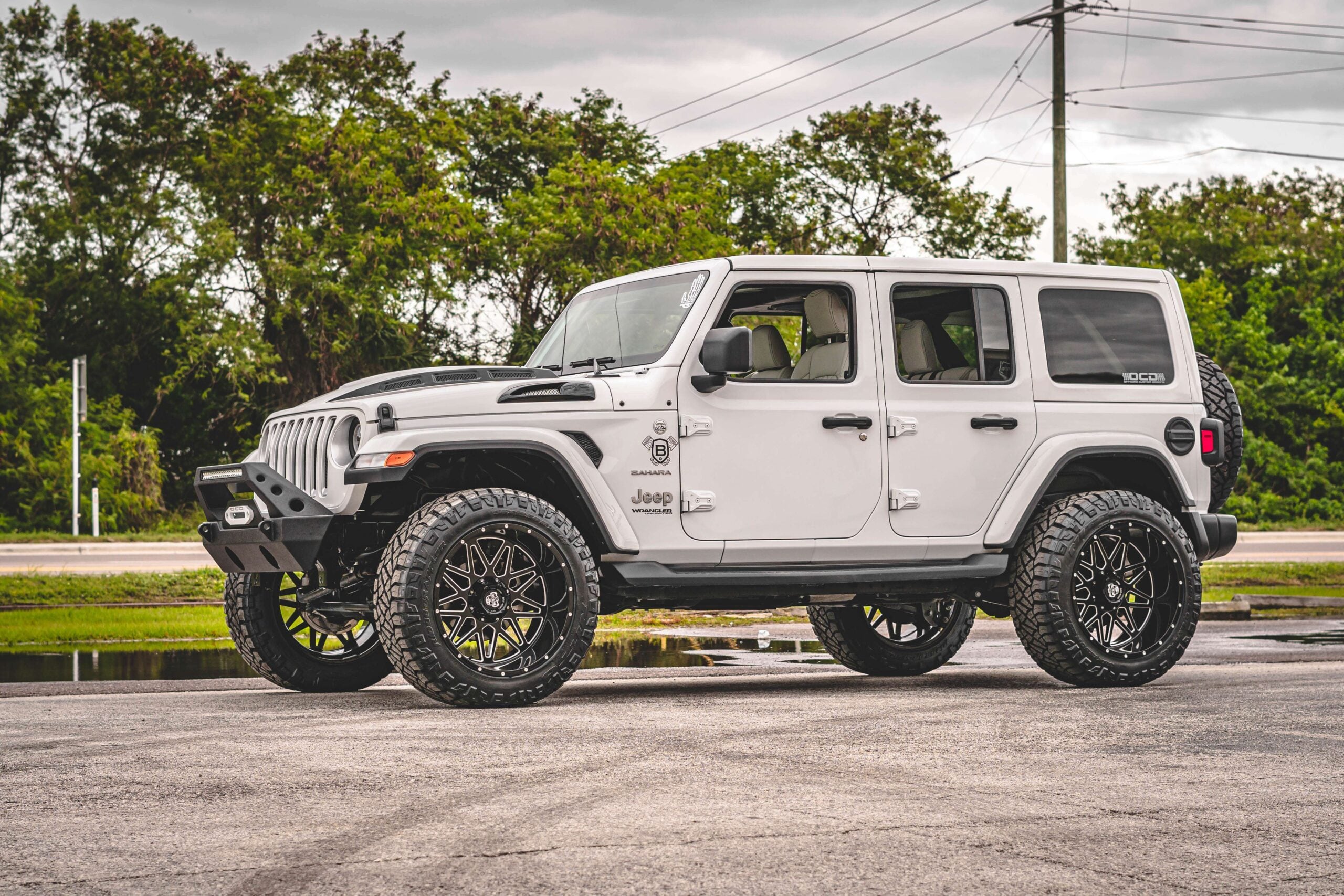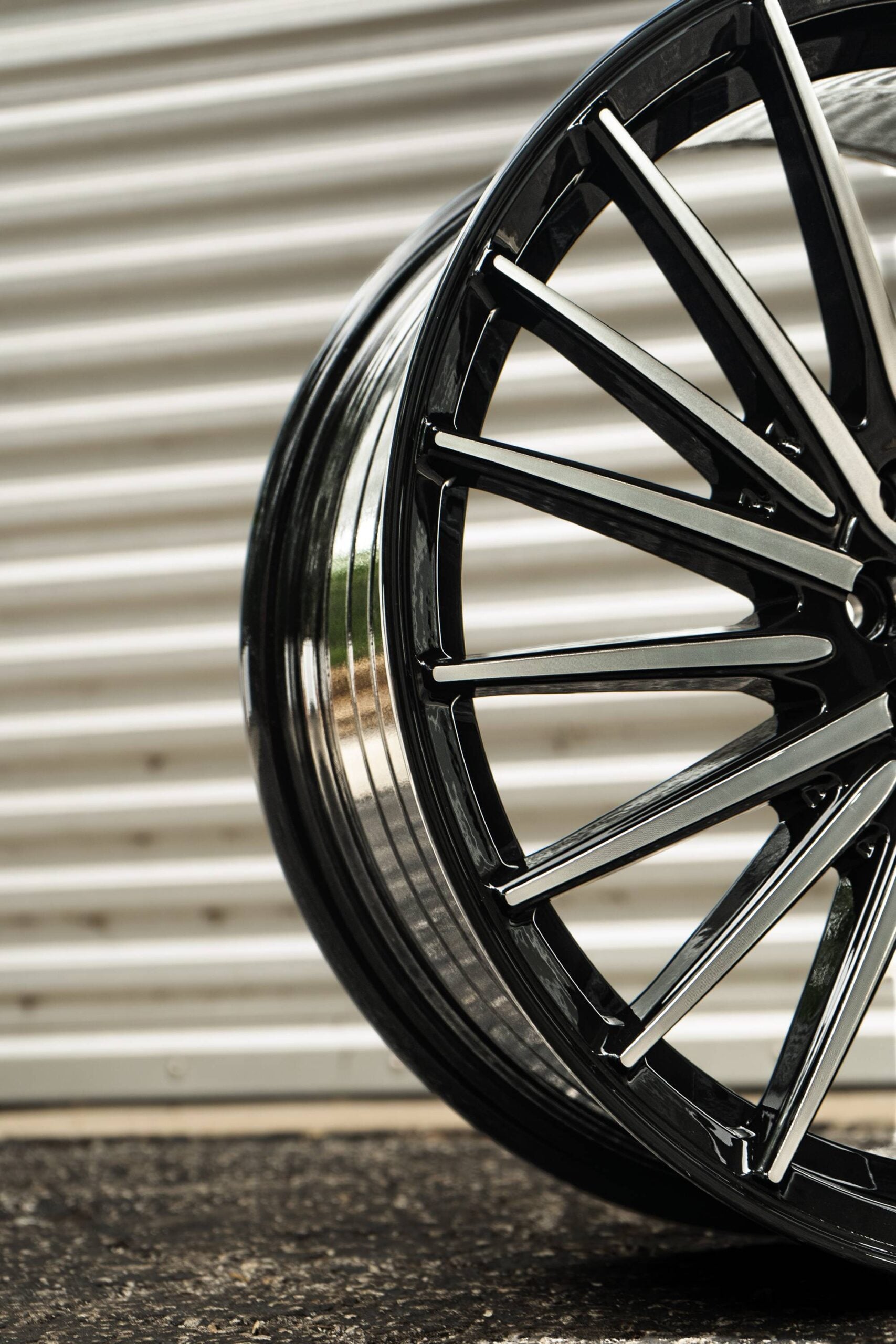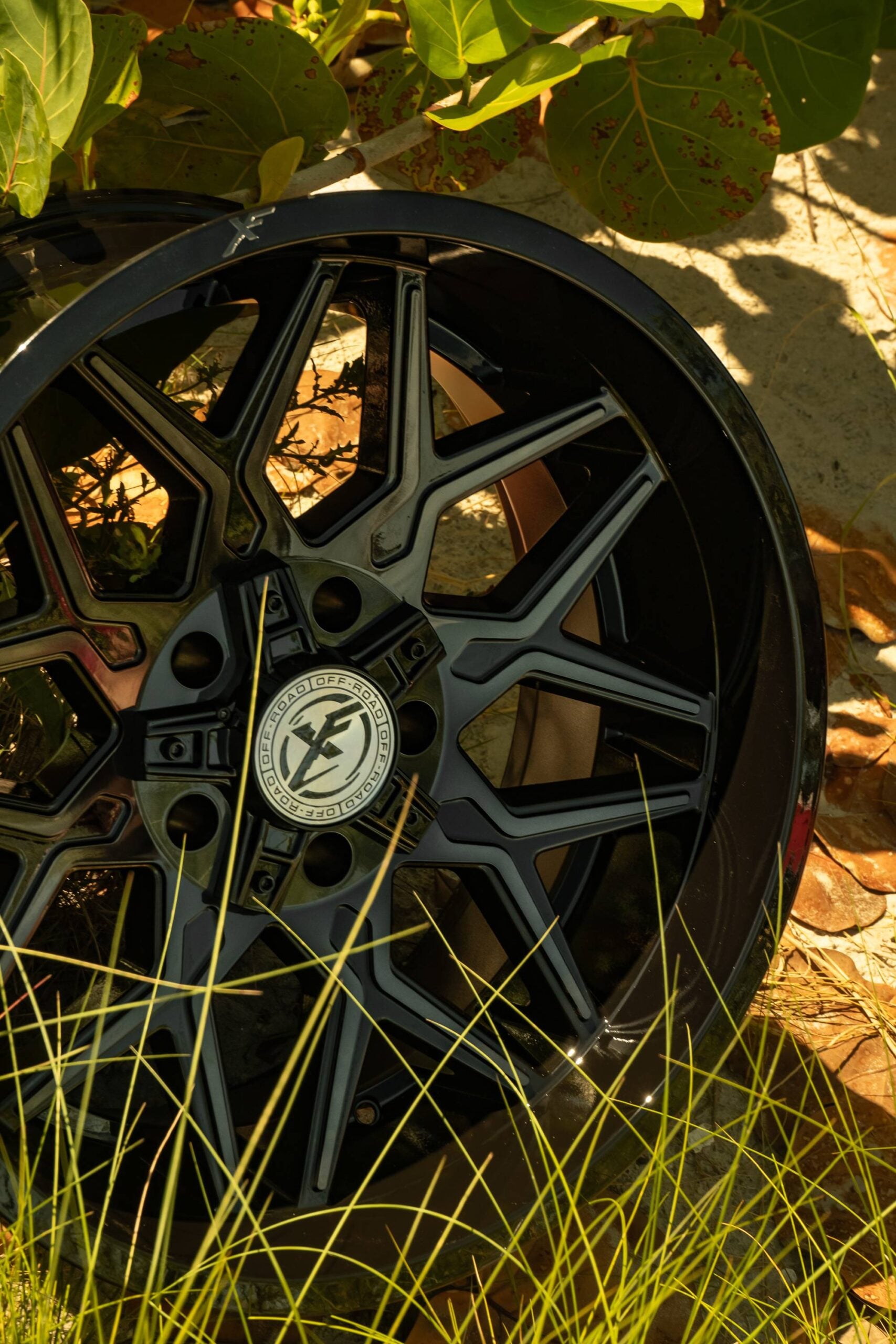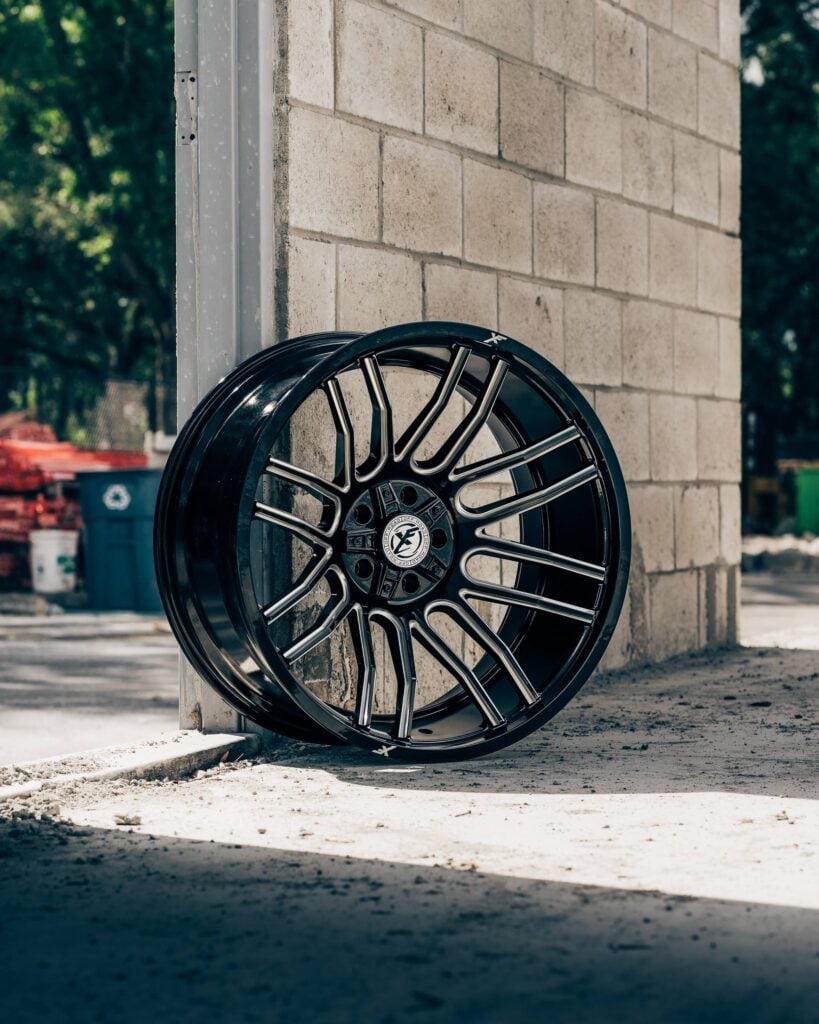
Your customers often think of wheels as a purely cosmetic upgrade, but you know they are a critical performance component. The weight, size, and construction of a wheel directly affect a vehicle’s handling, acceleration, and even its braking capabilities. Explaining these benefits is key to helping customers understand the value of investing in a quality set of car wheels. This guide will give you the language to do just that. We will cover how factors like unsprung mass, heat dissipation, and rotational inertia work, so you can educate your customers and guide them to a choice that truly enhances their driving experience.
Key Takeaways
- Know Your Materials to Guide Customers Confidently: Explaining the pros and cons of steel, cast, and forged wheels demonstrates your expertise. This knowledge helps you match the right product to a customer’s vehicle and budget, building trust and ensuring satisfaction.
- Prioritize Perfect Fitment to Protect Your Business: Correctly matching the bolt pattern, offset, and load rating is essential for safety. Getting fitment right the first time prevents costly returns, avoids vehicle damage, and solidifies your shop’s reputation for quality.
- Partner with a Distributor That Supports Your Growth: Look beyond just the product price and choose a distributor who offers MAP protection, deep inventory, and reliable fitment support. A strong partner helps you protect margins, fulfill orders quickly, and operate more efficiently.
What Are Car Wheels Made Of?
When a customer walks into your shop, the first thing they often notice is the wall of wheels. While style is a huge selling point, the material a wheel is made from is just as important. The choice of material directly impacts a wheel’s weight, strength, durability, and, of course, its price. Understanding the differences is key to guiding your customers to the perfect set for their vehicle and driving style, whether they need a rugged option for an off-road build or a lightweight performance wheel for a track day.
The most common materials you’ll encounter are steel and aluminum alloy, but the manufacturing process plays an equally critical role. For example, two aluminum wheels might look similar, but if one is cast and the other is forged, they will have vastly different performance characteristics and price tags. As a dealer, knowing how to explain these differences not only builds trust with your customers but also helps you curate an inventory that meets the demands of your local market. From basic steelies for work trucks to high-end forged wheels for luxury vehicles, every material has its place. Let’s break down the pros and cons of each.
Steel Wheels
Steel wheels are the workhorses of the wheel world. Known for their incredible durability and low cost, they are a practical choice for many drivers. Made from a heavy-duty steel alloy, these wheels can take a beating from potholes and rough roads without cracking, though they might bend under severe impact. This makes them a popular option for base model vehicles, commercial vans, and winter tire setups where function trumps form.
However, their main drawback is weight. Steel is much denser than aluminum, and that extra heft increases the vehicle’s unsprung mass. This can lead to slightly less responsive handling, longer braking distances, and a minor dip in fuel efficiency. Aesthetically, steel wheels are very basic and are often hidden behind plastic hubcaps. For customers on a tight budget or those who prioritize ruggedness above all else, steel wheels are a reliable and affordable solution.
Aluminum Alloy Wheels
Aluminum alloy wheels are the most popular choice for both original equipment and aftermarket applications, and for good reason. They strike an excellent balance between strength, weight, and style. These wheels are made from a mix of aluminum and other metals like nickel and magnesium, which adds strength and durability. Because aluminum is significantly lighter than steel, these wheels reduce unsprung weight, which can improve a vehicle’s handling, acceleration, and overall ride quality.
This lighter material is also a better conductor of heat, helping to dissipate heat from the brakes more effectively during spirited driving. From a design perspective, aluminum is much more malleable than steel, allowing manufacturers to create a nearly endless variety of intricate and visually appealing styles. While they cost more than steel wheels, their combination of performance benefits and aesthetic appeal makes them the go-to choice for most drivers looking to upgrade their vehicle’s look and feel.
Forged Wheels
For customers seeking the absolute best in strength and performance, forged wheels are the answer. The manufacturing process is what sets them apart. A forged wheel starts as a solid billet of high-grade aluminum, which is subjected to immense heat and pressure. This process compresses the metal, aligning its grain structure and eliminating any porosity. The result is a wheel that is exceptionally dense, incredibly strong, and significantly lighter than a cast wheel of the same design.
This superior strength-to-weight ratio is why forged wheels are the standard in professional motorsports and on high-end performance and luxury vehicles. The reduction in rotational mass provides noticeable gains in acceleration, braking, and steering response. This intensive manufacturing process makes them the most expensive option, but for the discerning enthusiast building a top-tier performance car or show vehicle, the benefits of a forged wheel are unmatched.
Cast Wheels
Casting is the most common method for producing aluminum alloy wheels. The process involves pouring molten aluminum into a mold shaped like the final wheel design. It’s a relatively quick and cost-effective manufacturing technique, which allows for a wide array of complex designs at an accessible price point. Most of the alloy wheels you see on the road today, including those from the factory, are cast.
While casting is efficient, the cooling process can sometimes create microscopic inconsistencies or pores in the aluminum, making it less dense than forged metal. To compensate, cast wheels need to be slightly heavier to achieve the necessary strength. However, modern advancements like flow-forming (also called rotary forging) have helped bridge the gap. This hybrid process uses a cast center and then uses rollers to forge and stretch the barrel, resulting in a lighter, stronger wheel that offers a great middle ground between traditional casting and full forging.
Carbon Fiber and Specialty Wheels
At the very peak of wheel technology, you’ll find carbon fiber. Once reserved for aerospace and elite motorsports, carbon fiber wheels are now available for high-end supercars and hypercars. Their primary advantage is their astonishingly low weight, which dramatically reduces both unsprung mass and rotational inertia. This translates to unparalleled improvements in handling, acceleration, and braking efficiency. The intricate carbon weave also offers a unique, high-tech aesthetic that is impossible to replicate with metal.
Of course, this cutting-edge technology comes at a premium, making carbon fiber wheels the most expensive option on the market. Another specialty material you might encounter is magnesium alloy. Even lighter than aluminum, magnesium wheels have a long history in racing but are less common for street use due to their higher cost and susceptibility to corrosion if not properly finished and maintained.
What Are the Parts of a Wheel?
Knowing a wheel’s anatomy is fundamental to getting the right fitment for your customers. While design is what catches the eye, it’s the structural components that ensure safety, performance, and a perfect installation. Understanding these parts helps you speak confidently with customers, diagnose issues, and select the best product for any vehicle, from a daily driver to a heavy-duty truck. Let’s walk through the key components that make up a modern automotive wheel.
Rim and Barrel
The most visible parts of a wheel are the rim and barrel. The rim is the outer edge of the wheel where the tire bead sits. Its primary job is to create an airtight seal and support the tire’s structure. The barrel is the main body of the wheel, connecting the rim to the wheel’s face or spokes. The width and diameter of the barrel and rim determine what size tire can be safely mounted. A proper match here is non-negotiable for performance and safety, preventing tire stretching or bulging that can lead to poor handling and premature wear.
Hub, Bolt Pattern, and Center Bore
The central section of the wheel is where all the critical mounting connections happen. The hub mounting pad is the flat surface that sits flush against the vehicle’s hub assembly. Within this pad are the lug holes, which are arranged in a specific bolt pattern (also called Pitch Circle Diameter or PCD). This pattern must exactly match the vehicle’s lug studs. The center bore is the large hole in the middle that helps center the wheel on the vehicle’s hub for a smooth, vibration-free ride. A precise fitment guide is essential to confirm these measurements, as even a small mismatch can prevent a wheel from being installed.
Offset and Backspacing
Offset and backspacing determine how your wheel and tire assembly sits inside the wheel well. Offset is the distance from the wheel’s centerline to its hub mounting surface, measured in millimeters. A positive offset pulls the wheel inward, toward the suspension, while a negative offset pushes it outward for a wider, more aggressive stance. Backspacing is a related measurement from the mounting surface to the wheel’s back edge. Getting the offset right is crucial for clearing brake and suspension components and avoiding fender rub, especially on lifted trucks or lowered performance cars.
Load Rating and Structural Integrity
Beyond fitment, safety is the top priority. Every wheel has a load rating, which is the maximum weight it is certified to carry. It’s critical that this rating meets or exceeds the vehicle’s gross axle weight rating (GAWR), especially for trucks and SUVs that tow or carry heavy cargo. Using an underrated wheel can lead to catastrophic failure. This is why sourcing from reputable brands that adhere to strict testing standards is so important. Structural integrity, determined by the material and manufacturing process, ensures the wheel can withstand the rigors of the road without cracking or bending, protecting both the vehicle and its occupants.
How Do Different Wheel Types Affect Performance?
Wheels do more than just complete a vehicle’s look; they are a critical performance component. The right set of wheels can transform a car’s handling, braking, and even fuel efficiency, while the wrong choice can compromise its capabilities. For your customers, understanding these performance dynamics is key to making a confident purchase that aligns with their driving needs, whether they’re building a track-ready sports car, a rugged off-road truck, or a stylish daily driver. By explaining how different wheel characteristics affect performance, you can guide them to the perfect fit for their vehicle and goals.
Weight, Unsprung Mass, and Handling
One of the most significant factors in handling is a wheel’s weight. Wheels are part of a vehicle’s “unsprung mass,” which includes every component not supported by the suspension, like tires, brakes, and the wheels themselves. Lighter wheels reduce this mass, allowing the suspension to react more quickly to changes in the road surface. This quicker reaction keeps the tire in better contact with the pavement. As a result, reducing unsprung weight provides more responsive steering, better traction during acceleration and braking, and a generally more connected driving feel. For performance-focused customers, this is a foundational concept that justifies investing in lightweight alloy or forged wheels.
Heat Dissipation and Braking
Brakes generate a tremendous amount of heat, and wheels play a vital role in dissipating it. A wheel’s design, including the number and shape of its spokes, affects how much air flows over the brake calipers and rotors, helping them stay cool. Overheated brakes can lead to “brake fade,” a dangerous loss of stopping power. Furthermore, larger wheels can accommodate bigger brake systems, which are more effective at managing heat and provide superior stopping force. This is an important selling point for owners of heavy-duty trucks that tow or for drivers who participate in high-performance driving events where consistent braking is non-negotiable.
Wheel Size, Ride Quality, and Aerodynamics
Choosing a wheel size often involves balancing aesthetics, handling, and comfort. Larger wheels with low-profile tires generally provide sharper steering response and greater stability when cornering because there’s less tire sidewall to flex. However, that same lack of flexible sidewall means less cushioning over bumps and potholes, which can result in a harsher ride. This is the classic trade-off between comfort and performance that you can help customers understand. Additionally, the wheel’s size and spoke design can influence aerodynamics. More open or larger wheels can create more air turbulence, which may slightly increase drag and impact fuel economy, a small but sometimes relevant factor for hypermilers or EV owners.
Lightweight Materials and Fuel Efficiency
Beyond just total weight, the material of a wheel affects performance. Lightweight materials like aluminum alloys or carbon fiber reduce rotational mass. It takes less energy to spin a lighter wheel up to speed and slow it down. This translates directly to quicker acceleration and can also lead to modest gains in fuel efficiency. According to research, even a small reduction in wheel weight can improve a vehicle’s economy by decreasing rolling resistance. For electric vehicle owners, this is especially compelling, as any efficiency gain helps maximize the vehicle’s range on a single charge, making lightweight wheels a smart and practical upgrade.
How to Choose the Right Wheel Size and Fitment
Getting wheel fitment right is one of the most important services you can offer your customers. The correct fitment ensures safety, maintains vehicle performance, and achieves the specific look a customer wants. An incorrect fitment, on the other hand, can lead to dangerous driving conditions, damage to the vehicle, and costly returns for your shop. This isn’t just about aesthetics; it’s about your reputation and your bottom line. When you nail the fitment, you create a happy customer who will return and refer others. When it’s wrong, you face lost time, frustrated staff, and a potential hit to your credibility.
For your customers, especially those investing in performance, luxury, or off-road builds, precision is everything. They rely on your expertise to translate their vision into a functional and safe reality. When a customer comes to you for a set of Arvano luxury wheels or Vortek off-road rims, they trust you to know the nuances that make or break the build. Understanding the core components of wheel sizing will help your team confidently guide customers, prevent errors, and build a reputation for quality work. Let’s walk through the key measurements you need to master to ensure every installation is perfect.
Read Wheel Size Specifications
Every wheel has specifications that define its size, usually stamped on the back or included in its product details. The most basic measurement is the wheel diameter, which can range from 13 inches to 24 inches or more. It’s a simple but critical rule: the wheel and tire diameter must match exactly. For example, a 20-inch tire can only be mounted on a 20-inch wheel. Confirming this simple match is the first step in any fitment job and helps you avoid a frustrating and costly mistake. You can learn more about how to read wheel size specifications to ensure you get it right every time.
Understand Bolt Patterns and Center Bore
The bolt pattern, or bolt circle diameter (BCD), refers to the layout of the lug holes used to secure the wheel to the vehicle’s hub. It’s described by two numbers: the number of lug holes and the distance between them (e.g., 5×114.3). If the wheel’s bolt pattern doesn’t perfectly match the vehicle’s hub, it simply won’t fit. The center bore is the large hole in the middle of the wheel that centers it on the vehicle’s hub. A proper fit here is crucial for preventing vibrations. Some wheels are hub-centric (a perfect fit), while others are lug-centric and may require hub-centric rings to fill any gap. Getting these parts of a car wheel right is non-negotiable for a safe installation.
Get the Offset and Backspacing Right
Offset and backspacing determine how your wheel and tire assembly will sit inside the wheel well. Offset is the distance from the wheel’s mounting surface to its centerline, measured in millimeters. A positive offset pulls the wheel inward, while a negative offset pushes it outward for a more aggressive stance. Backspacing is the distance from the mounting surface to the wheel’s inner edge. These measurements are critical for clearing suspension components and fenders, especially on lifted trucks or lowered performance cars. Understanding how to manipulate aftermarket wheel offset is key to delivering the custom looks your clients want without causing rubbing or handling issues.
Match Wheels to Tire Size and Load Rating
Once you’ve confirmed the wheel’s physical dimensions, you need to pair it with the right tire. The wheel’s diameter and width will dictate the compatible tire sizes. For instance, a wider wheel requires a wider tire to ensure the sidewalls are properly supported. Beyond size, you must verify the wheel’s load rating. This rating indicates the maximum weight the wheel can safely support, and it must meet or exceed the vehicle’s gross axle weight rating (GAWR). Installing wheels with an insufficient load rating is a major safety hazard and a liability for your shop. Always use reliable fitment tools to filter options and confirm that the entire wheel and tire package is appropriate for the vehicle’s specifications.
What to Look for When Buying Aftermarket Wheels
Choosing the right aftermarket wheels for your customers involves more than just picking a great design. As a shop owner, you’re balancing aesthetics, performance, safety, and the financial health of your business. The wheels you stock and recommend reflect on your shop’s reputation. Focusing on quality products from reliable partners ensures your customers drive away happy and your business continues to grow. When you source inventory, you’re not just buying a product; you’re investing in a long-term strategy. Let’s walk through the key factors to consider, from safety standards and finish durability to the importance of choosing the right distributor who has your back. These elements work together to create a wheel program that builds customer trust and protects your profit margins.
Quality, Safety Standards, and Warranty
The single most important factor when sourcing wheels is safety. While flashy designs and low prices can be tempting, they mean nothing if the wheel fails on the road. Always partner with brands that are transparent about their manufacturing and testing processes. Look for certifications like JWL (Japan Light Alloy Wheel Standard) or VIA (Vehicle Inspection Association), which indicate that a wheel has passed rigorous testing for structural integrity and durability. Sourcing tested and proven wheels from trusted brands protects your customers and your shop’s reputation. A strong manufacturer’s warranty is another great indicator of quality, as it shows the company stands confidently behind its product.
Finish Durability and Long-Term Maintenance
A wheel’s finish is critical to its long-term appearance and customer satisfaction. A poor-quality finish can quickly degrade from exposure to road salt, brake dust, and cleaning chemicals, leading to chipping, peeling, or corrosion. Educate your customers on the differences between finishes like powder coating, painting, and chrome plating. For example, powder coating is known for its durability, while chrome requires more diligent care to prevent pitting. Lighter aluminum alloy wheels often feature premium finishes that enhance their look, but it’s important to match the finish type to the customer’s environment and willingness to perform regular maintenance.
The Best Brands for Every Build
Your customers have diverse needs, and your wheel selection should reflect that. A one-size-fits-all approach rarely works. Instead, aim to carry a portfolio of brands that cater to the most common vehicle types and customer goals in your market. By offering a curated selection, you position your shop as a knowledgeable expert that can guide any customer to the perfect wheel. This strategy allows you to serve a wider audience, from the daily commuter needing a simple replacement to the enthusiast building a high-performance machine. Having distinct options prevents you from losing a sale just because you don’t have the right style or application in stock.
Performance, Off-Road, Luxury, and OE Replacement
To build a strong portfolio, focus on the four main categories of aftermarket wheels. Performance wheels prioritize lightweight construction to improve handling and acceleration. Off-road wheels are built for maximum durability with aggressive offsets to accommodate large tires. Luxury wheels focus on sophisticated designs and flawless finishes for high-end vehicles. Finally, OE replacement wheels offer a factory-fresh look for customers who want to restore their vehicle’s original appearance.
Choosing the Right Distributor
Your distributor is more than just a supplier; they are a strategic partner in your business’s success. A great distributor understands your needs as an independent shop and works to support your growth. Look for a partner who offers a diverse portfolio of quality brands, provides excellent customer service, and demonstrates a commitment to your success. The best distributors act as an extension of your team, providing the resources and reliability you need to serve your customers effectively. When you find trustworthy sellers and partners, you build a resilient supply chain that helps your business thrive through any market condition.
Pricing, MAP Protection, and Profit Margins
Protecting your profit margins is essential for long-term success. This is where MAP (Minimum Advertised Price) policies become incredibly important. When a brand enforces MAP, it prevents online discounters from undercutting your prices and devaluing the product. This creates a level playing field, allowing you to compete on your expertise and service rather than just price. Partnering with distributors who carry MAP-protected brands is one of the most effective ways to ensure consistent, healthy margins on every sale. It allows you to sell confidently, knowing your investment in inventory won’t be eroded by a price war.
Fitment Support and Inventory Depth
Nothing stops a sale faster than an out-of-stock item or an incorrect fitment. A reliable distributor provides robust fitment support to ensure you order the right wheel every time. Accurate data on bolt patterns, offsets, and center bores is critical for avoiding costly returns and frustrated customers. You should be able to easily filter wheels by a customer’s vehicle to guarantee a perfect match. Equally important is inventory depth. Working with a distributor that maintains deep inventory across multiple warehouses means you can get the wheels you need quickly. This reduces lead times, minimizes backorders, and helps you complete jobs faster, keeping your bays turning and your customers happy.
Related Articles
- The Pro’s Guide to Buying Wholesale Truck Rims
- 4×4 Truck Rims: The Ultimate Buyer’s Guide
- Custom Wheel Manufacturing: A Dealer’s Profit Guide
- What Are Premium Wheels? Secret of Better Driving
Frequently Asked Questions
My customer wants a stylish wheel but is on a budget. What’s the best recommendation? This is a classic scenario, and the perfect answer is usually a cast aluminum alloy wheel. They represent the sweet spot in the market, offering a huge variety of designs at a price point that works for most people. You can explain to your customer that they are getting a significant upgrade from basic steel wheels in both appearance and performance. The lighter weight of an alloy wheel often improves ride quality and handling, giving them a benefit they can actually feel. It’s a fantastic way to provide real value and make your customer feel great about their purchase without them having to stretch their budget for a fully forged set.
How can I avoid fitment issues like rubbing, especially when a customer wants an aggressive stance? Avoiding rubbing comes down to mastering offset and backspacing. When a customer wants that wide, aggressive stance, they are asking for a lower, or even negative, offset. This pushes the wheel outward, but it also brings the edge of the tire much closer to the fender. The key is to use a precise vehicle fitment guide, not just guesswork. Reputable distributors provide detailed data that helps you find the perfect balance. For lifted trucks or lowered cars, these measurements are even more critical. Taking the time to confirm the exact offset needed will prevent a world of headaches, protect your customer’s vehicle from damage, and solidify your reputation as a true professional.
Is it worth trying to sell my customers on forged wheels over cast ones? It absolutely is, but only for the right customer. Forged wheels are a premium product, and you should present them that way. They aren’t for the person just looking for a simple aesthetic upgrade. Your target for a forged wheel is the enthusiast who is passionate about performance. You can explain that the forging process creates a wheel that is incredibly strong and significantly lighter than a cast version. This reduction in weight directly translates to faster acceleration, sharper handling, and better braking. When you frame it as a true performance modification, the higher price makes perfect sense to a customer building a top-tier sports car, luxury vehicle, or show-winning truck.
How do I protect my shop’s profit margins when it seems like everyone is selling wheels online for less? This is a huge challenge, and the most powerful tool you have is partnering with brands that enforce a MAP (Minimum Advertised Price) policy. When a manufacturer strictly enforces MAP, it prevents online discounters from slashing prices and devaluing the product. This creates a level playing field where you can compete based on your expertise, installation quality, and customer service, not just on price. Sourcing MAP-protected brands from a distributor who supports this policy is the single best strategy to ensure you can maintain healthy, consistent margins on every wheel sale.
I have limited space in my showroom. What’s the smartest way to build my wheel inventory? You don’t need to stock every wheel under the sun to be successful. The smartest approach is to carry a curated selection of your region’s most popular styles and fitments. Take a look at the cars you service most often, whether they are trucks, sedans, or luxury SUVs, and stock a few key options for them. For everything else, lean on a distributor partner who maintains deep inventory across multiple warehouses. This allows you to keep your own capital investment low while still having quick access to a massive virtual inventory. You can confidently tell a customer you can get them the perfect wheel, knowing your distributor can ship it to you quickly.