

Blog
Independent auto shops that source from the wrong wholesale distributor lose an average of 15 to 30 percent of potential margin before they ever make a sale. The supplier relationship is not a back-office decision, it is a front-line competitive advantage.
B2B wheel distributors for independent shops are wholesale suppliers that sell wheels, rims, and tires at dealer pricing to registered businesses. The best distributors offer broad brand catalogs, reliable inventory, custom services, and technology integrations that connect directly to your ordering workflow.
At Elite Wheel Warehouse, we have supplied independent shops, tire centers, and custom garages since 2002 as both a manufacturer and a distributor. This guide covers what to look for, what red flags to watch for, and how to build a supply partnership that actually grows your business.
A B2B wheel distributor sells exclusively to registered businesses not to retail consumers. That distinction matters because it shapes everything from how pricing tiers are structured to what minimum order requirements apply to how quickly your account gets serviced when something goes wrong.
Here is what most shops get wrong: they treat their distributor like a vending machine. They place orders, receive products, and move on. The shops that consistently outperform their local competition treat the relationship as a strategic partnership. They know their rep, they communicate inventory needs early, and they take advantage of the full range of services a good distributor offers.
According to SEMA, the specialty auto parts and accessories market exceeded $50 billion in 2023. Custom wheels and rims represent one of the fastest-growing product segments within that market. That kind of growth creates both opportunity and risk: more suppliers are entering the market, which makes vetting them more important than ever.
Key Takeaway: A B2B wheel distributor is not just a product source; it is a business partner. The quality of that partnership directly affects your margins, your customer satisfaction, and your ability to deliver on time.
The category of B2B wheel distributors can be broken into two types: pure redistributors who buy from manufacturers and resell, and manufacturer-distributors who design, produce, and distribute their own product lines. The second model typically offers better margins, faster quality resolution, and more control over custom specifications.
Not all distributors are created equal. The checklist that separates a strong distributor partnership from a costly mistake is shorter than most shop owners expect, but every item on it matters.
This is the single most important question you will ask a potential distributor: Do they actually stock what they list? Some distributors show thousands of SKUs in a catalog but carry a fraction of that in live inventory. When your customer needs a set of 20-inch gloss black off-road wheels by Friday, ‘we can have that in 10 to 14 days’ is not acceptable.
Elite Wheel Warehouse maintains active inventory across our full brand lineup, including the 40-plus design catalog from XF Off-Road and the premium luxury designs from Cavallo. Real stock means real fulfillment timelines you can quote to your customers with confidence.
A distributor that can only sell you a standard wheel is limiting your business. The best independent shops in the country handle fitment challenges that off-the-shelf products cannot solve. That requires a distributor who offers custom drilling to non-standard bolt patterns, center bore modifications, and back pad shaving for vehicles with tight caliper clearances.
These services are not universally available. When you are evaluating potential distributors, ask specifically whether they perform these modifications in-house or outsource them. In-house capability means faster turnaround and tighter quality control. Outsourced modification adds time and introduces another point of failure.
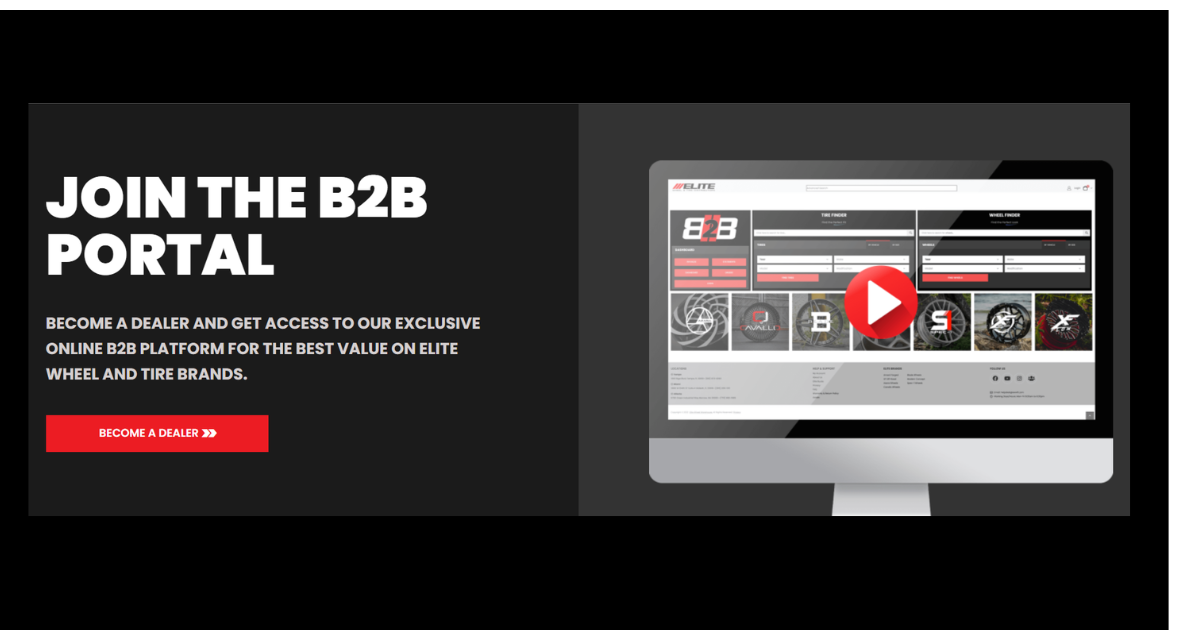
Now, this is where it gets interesting for shops that are serious about operational efficiency. A distributor’s technology stack directly affects how much time your team spends on manual order management. The best B2B wheel distributors offer a dedicated wholesale ordering platform, SFTP product catalog feeds that sync with your inventory system, and API integration for shops running e-commerce or point-of-sale software.
Think of it this way: if every order requires a phone call or email, your purchasing process has a built-in speed limit. Technology integration removes that limit. Shops that automate their ordering workflow consistently report fewer errors, faster order cycles, and more time spent selling rather than administrating.
Pro Tip: Ask any prospective distributor to walk you through their B2B portal before you commit. A clunky or unreliable platform costs you real time every week. Test it with a sample order before signing any agreement.
Your distributor’s catalog is your product catalog. That framing matters. If they offer three brands and you operate in a market with diverse vehicle demographics , trucks, luxury sedans, sport imports, and off-road builds, you will constantly be turning away business because your supplier cannot match what your customers want.
The Tire Industry Association (TIA) recommends that independent shops maintain a minimum of 40 to 80 active SKUs to effectively serve a broad customer base. A distributor with a shallow catalog forces you to either limit your market or maintain relationships with multiple suppliers, which multiplies your administrative load and typically reduces your leverage with any single partner.
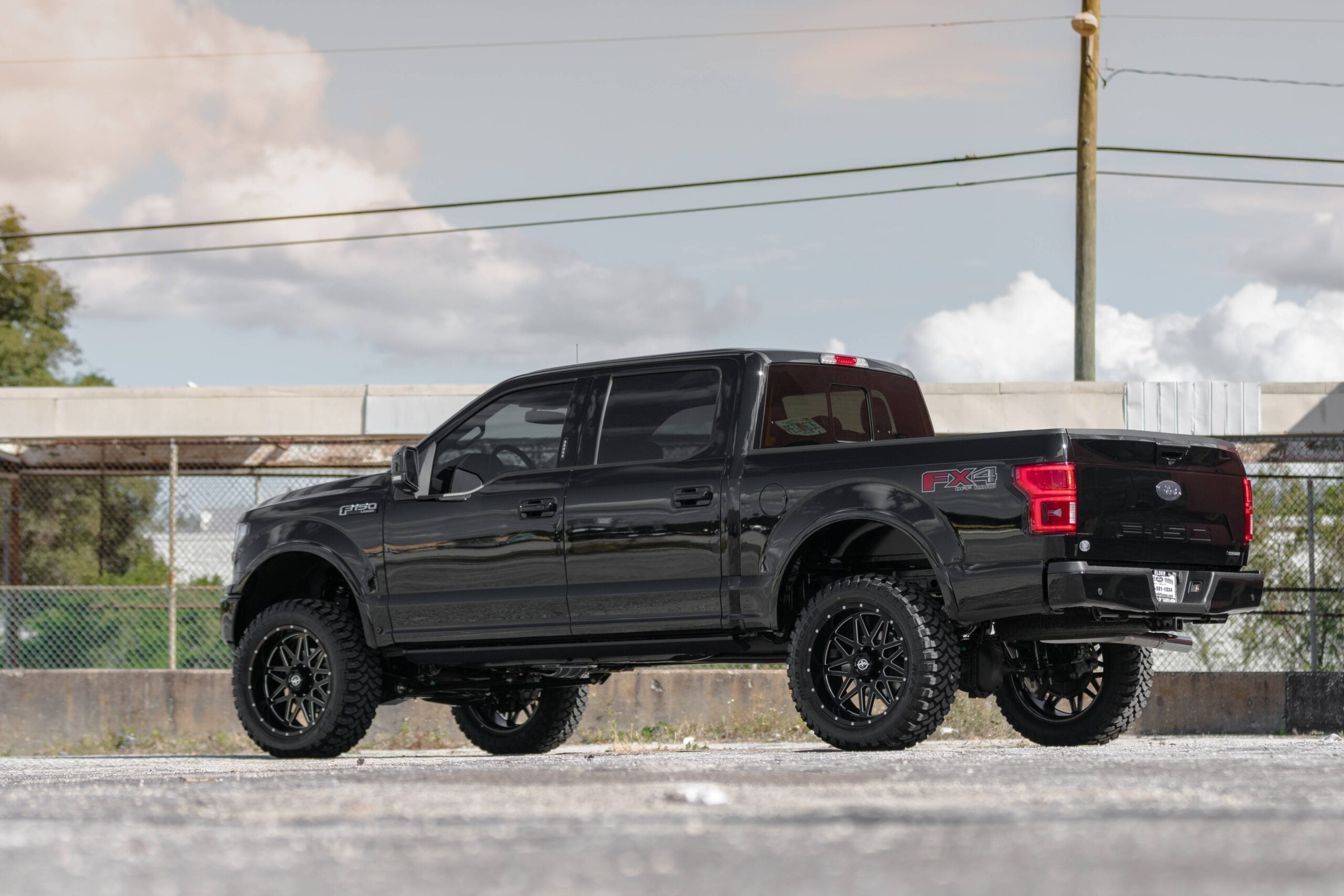
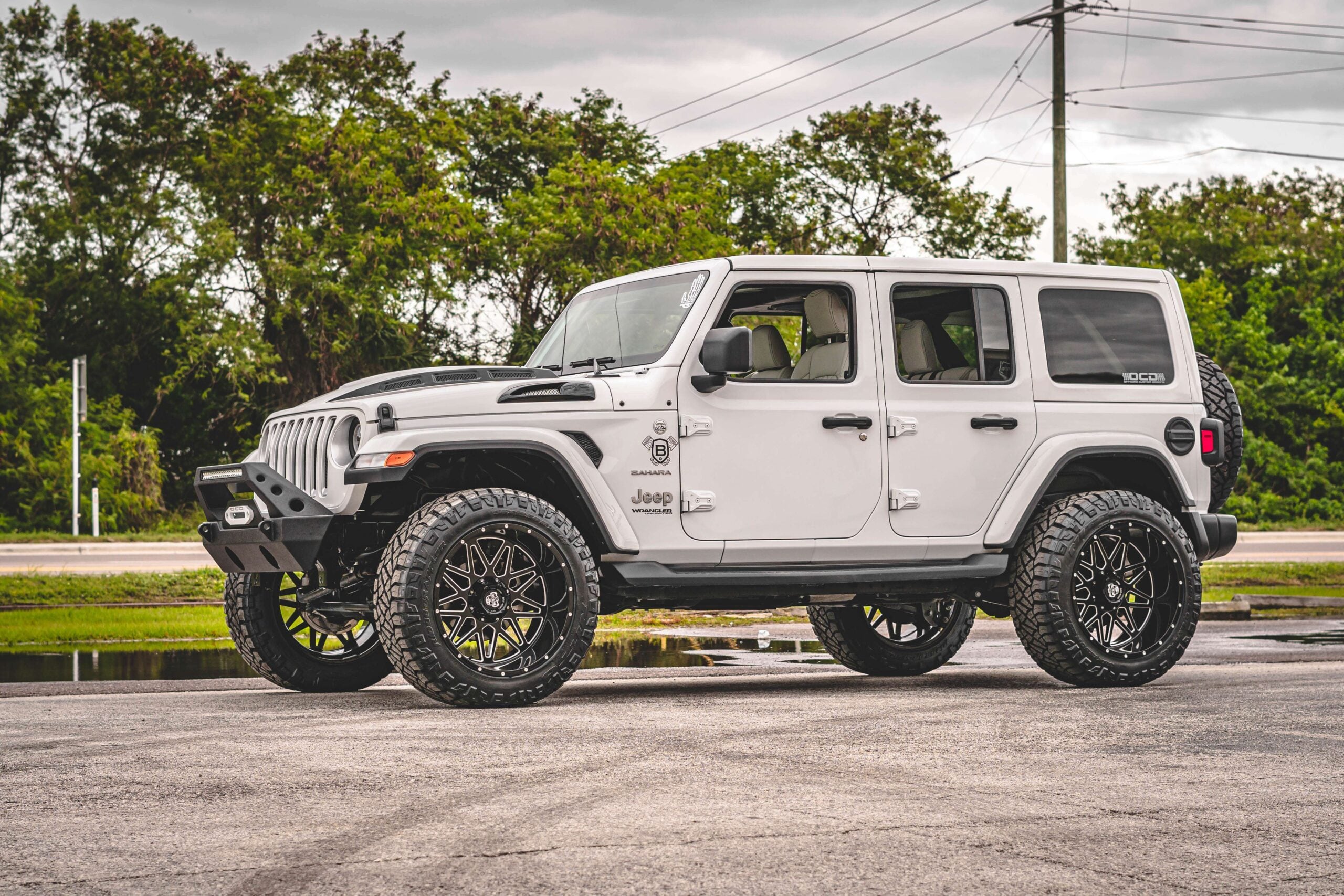
A strong B2B wheel distributor should be able to supply product for trucks and SUVs (think XF Off-Road and Vortek Off-Road), luxury and sport vehicles (the Azara and Cavallo lines), and high-performance or custom builds (Spec-1 for racing applications and Amani Forged for fully custom or wire wheel builds). That is five distinct market segments covered by one supplier relationship.
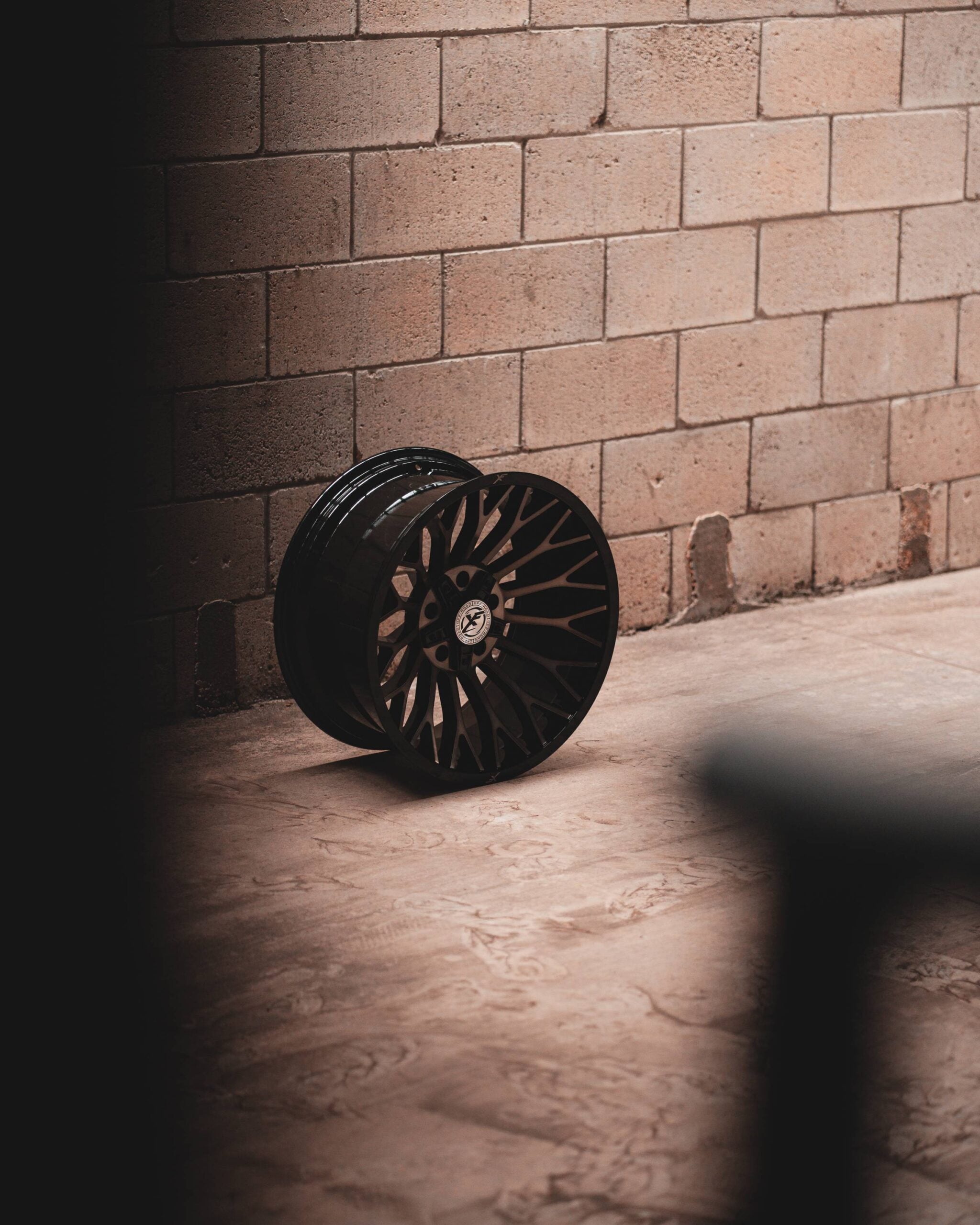
Most importantly, the distributor should carry wheels across wheel types: cast aluminum, flow-formed, forged monoblock, 2-piece and 3-piece forged, billet, and forged wire. Different vehicle builds and customer budgets call for different construction methods, and a distributor who only stocks one wheel type is limiting your ability to serve the full spectrum of your market.
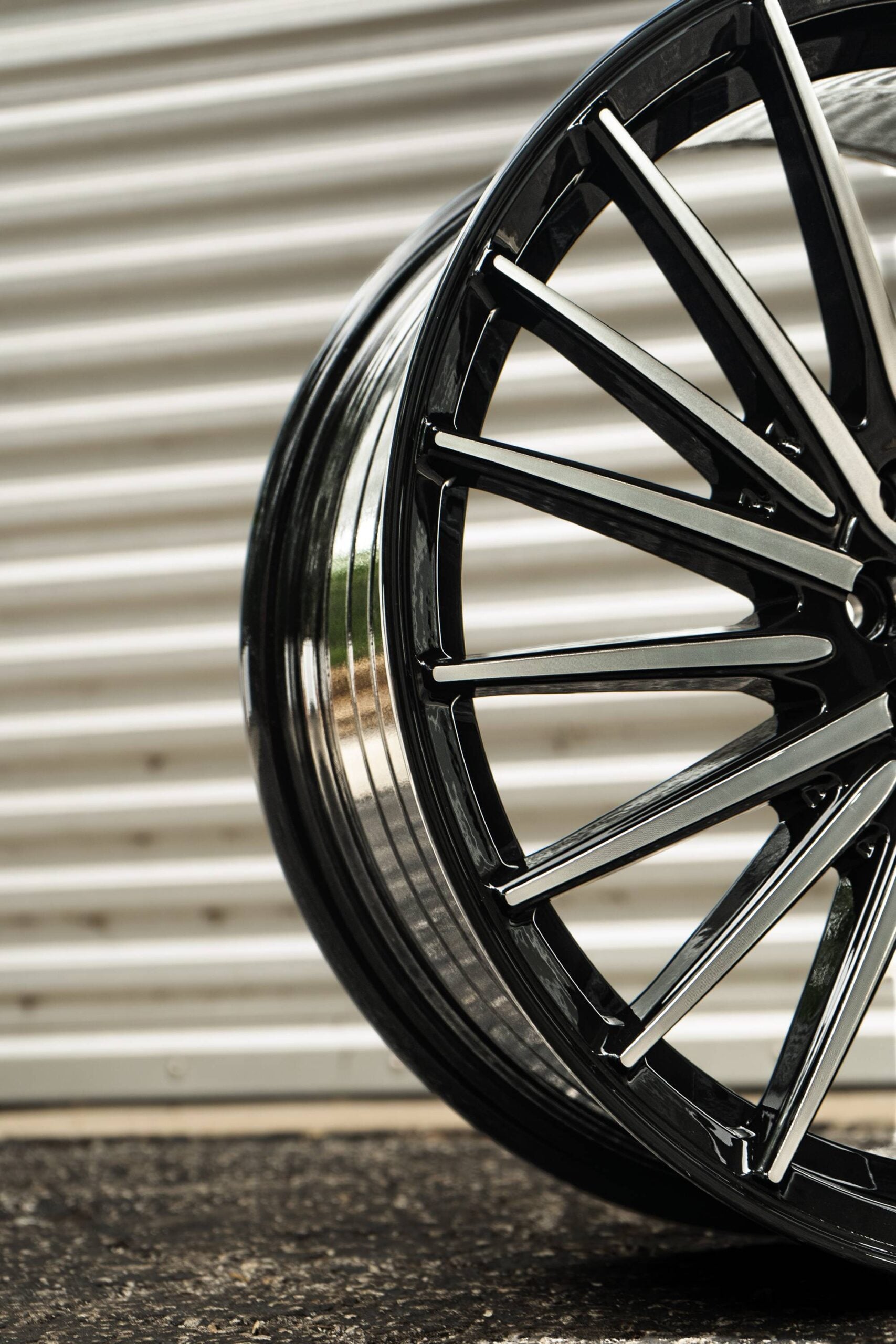
This one surprises new shop owners more often than you would expect. Two customers can walk in wanting the same wheel style and choose differently based on the finish alone. Stocking your anchor styles in gloss black, matte black, machined face, and at least one premium finish like PVD chrome or brushed aluminum dramatically increases your close rate without requiring you to carry additional wheel designs.
The automotive supply chain has its share of distributors who overpromise and underdeliver. Here are the patterns worth watching for before you commit.
One pattern we see consistently: shops that switched to Elite Wheel Warehouse after working with lower-quality distributors report that the improvement in order accuracy and fulfillment speed was immediate. The operational friction that shops had normalized chasing orders, handling fitment complaints, managing returns dropped significantly once their supply chain became reliable.
Your margin as an independent shop dealer is the spread between what you pay your distributor and what your customer pays you. Getting that structure right from the beginning is critical and it starts with understanding how wholesale pricing tiers actually work.
Most B2B wheel distributors structure pricing in tiers based on purchase volume. Shops that buy more frequently or in larger quantities access better cost-per-unit pricing. This creates a compounding advantage: the shops with the best supplier relationships tend to have the deepest inventory, which means faster fulfillment, which attracts more customers, which drives more volume.
The typical retail markup range in the custom wheel segment runs from 30 to 60 percent over landed cost (your wholesale price plus shipping). Premium products particularly USA-made forged wheels like the Amani Forged line support higher retail prices because customers understand the value and cannot find equivalent product on generic discount platforms.
Wheel and tire package bundles consistently generate the highest per-transaction revenue for independent shops. You control the total ticket price, you add value through mounting, balancing, and TPMS installation, and you simplify the decision for the customer. A customer buying a complete set of mounted and balanced XF Off-Road wheels paired with Venom Power off-road tires is spending more and requiring less comparison shopping than one buying wheels and tires separately.
Our tire catalog including Fullrun, Lexani, Venom Power, Fullway, and GritMaster is designed specifically for package pairings with our wheel brands. Each tire brand maps naturally to a wheel segment, making it straightforward to build packages that sell at strong margins.
Key Takeaway: Wheel and tire package pricing is your highest-margin sales format. A distributor who offers both products under one account simplifies ordering, reduces shipping costs, and gives you better pricing leverage than sourcing each separately.
The best distributor relationships go beyond just supplying product. For independent shops trying to grow, the right wholesale partner provides tools and support that would otherwise cost thousands of dollars to build independently.
When something goes wrong a wrong fitment ships, a product has a defect, a customer has a warranty question how your distributor responds determines how the story ends with your customer. Distributors with dedicated account managers resolve issues faster and with less friction than those operating purely through automated systems.
In our experience, shops that actively communicate with their distributor rep sharing inventory feedback, flagging demand trends, and planning seasonal promotions together consistently outperform shops that treat the relationship as purely transactional. That communication loop gives distributors like Elite Wheel Warehouse the context to serve you better.
One of the most practical tools available to Elite Wheel Warehouse dealer partners is the Wheel Visualizer. Independent shops can use this tool directly in customer consultations to show how specific wheel styles and finishes will look on a customer’s exact vehicle before purchase. It removes buyer hesitation, reduces the likelihood of post-sale returns, and gives shops a professional presentation capability that most independent operations do not have built in.
Some B2B wheel distributors offer co-op marketing programs shared advertising resources where the distributor funds a portion of your marketing spend in exchange for brand visibility. For independent shops with limited marketing budgets, this kind of support can fund social media campaigns, event sponsorships, or local advertising at a fraction of what it would otherwise cost.
Independent shops interested in exploring the full scope of what an Elite Wheel Warehouse dealer partnership includes can visit our wheel brands page for an overview of the product portfolio and explore our dealer application to get started.
Since 2002, Elite Wheel Warehouse has operated as a family-owned manufacturer and distributor serving independent shops and auto dealers across North America. Here is what that means in practical terms for our B2B partners.
Independent shops that choose their B2B wheel distributor carefully based on real inventory, custom services, margin structure, and technology tools set themselves up to outperform competitors who are still chasing backorders and managing mismatched fitment returns.
Whether you are building out a truck-focused catalog with XF Off-Road and Venom Power tire pairings or establishing yourself as the go-to luxury wheel source in your market with the Azara and Cavallo lines, the right distributor makes both possible under one account.
Elite Wheel Warehouse has been that partner for independent shops across North America since 2002. Browse our full product range at elitewheelwarehouse.com, or start the conversation by submitting your dealer application today.
Answer: A B2B wheel distributor is a wholesale supplier that sells wheels, rims, and tires exclusively to registered businesses at dealer pricing. Unlike retail suppliers, B2B distributors require a reseller permit or business license to access wholesale pricing tiers, and they typically offer services like custom drilling, catalog integrations, and dedicated account support that retail channels do not provide.
Answer: To access wholesale pricing from a B2B wheel distributor, independent shops typically need a registered business entity (LLC or equivalent), a state-issued reseller or seller’s permit, and a federal EIN. Once approved, shops gain access to dealer pricing tiers, B2B ordering platforms, and services like custom fitment modification. Elite Wheel Warehouse offers a straightforward dealer application for qualifying shops.
Answer: Elite Wheel Warehouse’s B2B dealer program includes Amani Forged (USA-made custom and wire wheels), XF Off-Road and Vortek Off-Road (truck and SUV off-road designs), Azara and Cavallo (luxury and performance wheels), and Spec-1 (racing and sport applications). Tire brands include Lexani, Venom Power, Fullrun, Fullway, and GritMaster.
Answer: The best B2B wheel distributors offer in-house custom services including drilling to non-standard bolt patterns, center bore modification, and back pad shaving for tight caliper clearances. Elite Wheel Warehouse performs these modifications in-house, which means faster turnaround and tighter quality control than suppliers who outsource custom fitment work to third parties.
Answer: A quality B2B wheel distributor should offer a dedicated wholesale ordering portal, SFTP product catalog feeds for inventory syncing, and API integration for shops running e-commerce or POS software. These tools reduce manual order management time, minimize errors, and allow shops to quote product availability and pricing to customers in real time rather than relying on phone calls or email exchanges.
Become a dealer and get access to our exclusive online B2B platform for the best value on Elite Wheel and Tire brandS.
“We strive to be the global leader in the automotive industry with brands built on passion, inspiration, and innovation.”