
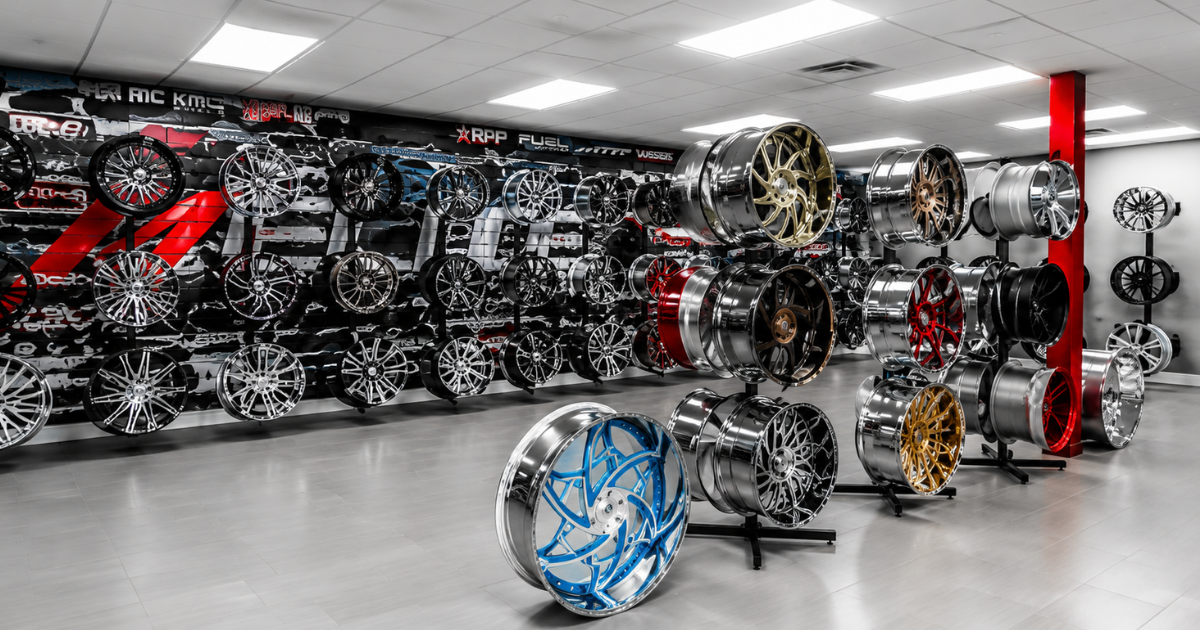
In the competitive automotive aftermarket, your relationship with your distributor is a critical advantage. It’s about more than just price; it’s about reliability, support, and partnership. Committing to buy wheels in bulk for resale is one of the most effective ways to strengthen that relationship, unlocking better pricing, dedicated support, and early access to new products. This approach signals that you are a serious partner, invested in mutual growth. It transforms your supplier from a simple vendor into a key ally in your success. Here, we’ll explore how to leverage volume purchasing to build a stronger business and a more resilient supply chain.

Key Takeaways

Why Your Shop Should Buy Wheels in Bulk

Buying wheels in bulk is more than just a way to fill your shelves; it’s a foundational strategy for growing a more resilient and profitable business. When you shift from one-off orders to volume purchasing, you gain control over your inventory, pricing, and ultimately, your shop’s reputation. It allows you to move from a reactive ordering model, where you’re chasing down wheels for a specific customer, to a proactive one where you have the right products ready before they even ask. This approach directly impacts your bottom line, streamlines your operations, and builds customer trust.

For independent shops, competing on price alone is tough. But competing on availability, expertise, and value is a winning game. Bulk purchasing is the key that unlocks this advantage. It gives you the inventory depth to serve a wider range of customers, from truck enthusiasts to luxury car owners, and the pricing flexibility to protect your margins. By thinking strategically about how you source your wheels, you can build a stronger business that isn’t just surviving, but thriving. It’s about setting your shop up for long-term success by making smarter, more impactful purchasing decisions.

Improve Profit Margins

The most direct benefit of buying wheels in bulk is the impact on your bottom line. Wholesale prices are significantly lower than one-off retail costs, which means each set of wheels you sell generates more profit. This isn’t just about small savings; it’s a fundamental shift in your cost structure. Securing inventory at a lower cost per unit gives you the flexibility to offer competitive pricing to your customers while still protecting your own margins. This financial cushion allows you to reinvest in other areas of your business, whether it’s marketing, new equipment, or staff training. It’s a game-changer for maximizing profits and building a more sustainable business model.

Secure Your Inventory

Nothing loses a sale faster than not having the product a customer wants. Bulk purchasing helps you avoid the constant issue of a mismatch between customer demand and supplier availability. By stocking up on popular styles and sizes, you ensure that when a customer is ready to buy, you’re ready to sell. This transforms your showroom from a catalog of possibilities into a warehouse of immediate solutions. Building a successful wheel program means having a diverse inventory that meets the needs of every customer who walks through your door. A reliable stock reduces backorders, minimizes customer wait times, and builds your reputation as the go-to shop that always has what people are looking for.

Strengthen Your Market Position

Consistent inventory and fair pricing do more than just drive sales; they build your reputation and solidify your place in the market. When you can reliably offer popular wheels at attractive prices, you encourage customer retention and generate powerful word-of-mouth referrals. Customers learn to trust that you’ll have what they need, turning one-time buyers into loyal patrons. Furthermore, committing to volume purchases strengthens your relationship with your distributor. This partnership can lead to better deals, early access to new products, and more dedicated support. It’s a strategic move that signals you’re a serious player, helping you build loyalty with both your suppliers and your customers for long-term growth.

Building Your Ideal Wheel Inventory

Building the right wheel inventory is part art, part science. Your goal is to create a curated collection that meets the needs of your local market while also giving you opportunities to increase your average ticket. A well-balanced inventory ensures you have the go-to bestsellers on hand for quick sales and the specialty options that set your shop apart from the competition. Think of it as building a portfolio; you need a mix of reliable performers and high-growth opportunities.

Instead of trying to be everything to everyone, focus on what your customers actually want. Are you in a region with a lot of truck enthusiasts? Your off-road selection should be deep. Is your shop near an affluent area with luxury car owners? Premium and forged wheels might be your ticket to higher margins. The key is to stock what moves, but don’t be afraid to introduce new styles that can capture emerging trends. A great wholesale partner can provide insights into what’s selling nationally and in your region, helping you make smarter buying decisions. By strategically covering the core categories below, you can build an inventory that drives sales, satisfies customers, and keeps your cash flow healthy.

Performance and Racing Wheels

For the customer who wants to improve their vehicle’s handling and speed, performance wheels are a must-have. This category is all about function meeting form. Think lightweight alloys, flow-formed construction, and designs optimized for brake clearance and airflow. Your customers for these wheels are knowledgeable and care about specs like weight reduction and strength. Keep an eye on automotive aftermarket trends like aerodynamic designs and advanced materials, as this segment is driven by innovation. Stocking a few key fitments for popular performance cars like the Mustang, Supra, or WRX can make your shop the go-to destination for local enthusiasts.

Luxury and Premium Wheels

When it comes to luxury vehicles, wheels are a statement piece. This segment isn’t about finding the cheapest option; it’s about brand prestige, unique designs, and flawless finishes. Customers in this market expect a higher level of quality and are willing to pay for it. Your inventory should include options with sophisticated multi-spoke designs, premium finishes like brushed or polished aluminum, and larger diameters that complement high-end sedans and SUVs. Partnering with a distributor that offers exclusive, MAP-protected brands is key here, as it allows you to sell confidently without getting into a price war.

Off-Road and Truck Wheels

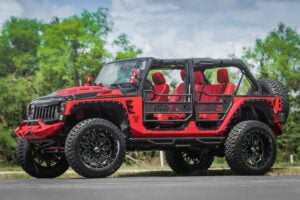
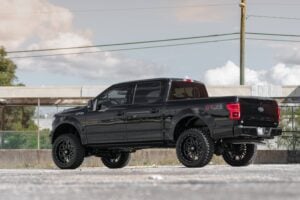
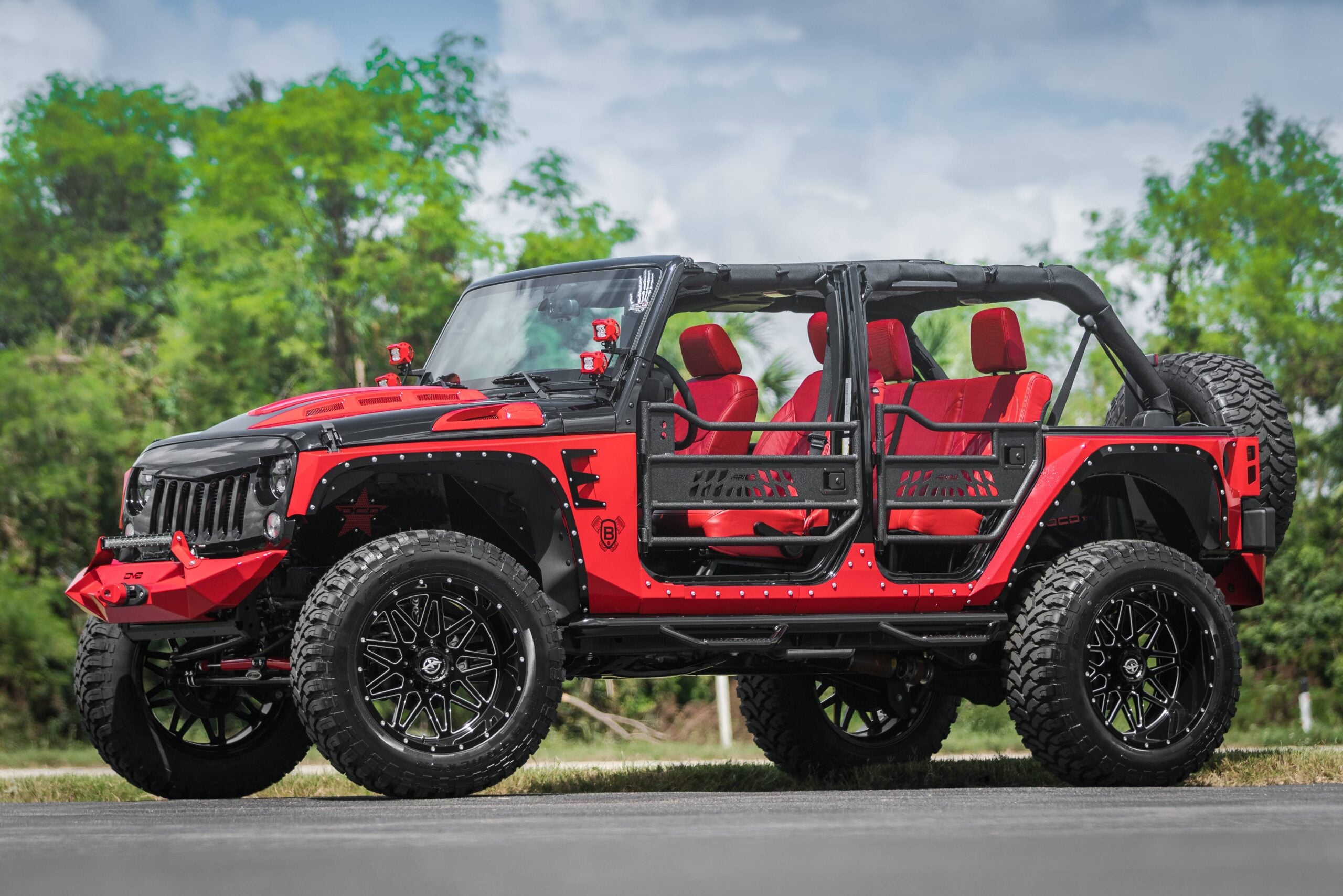
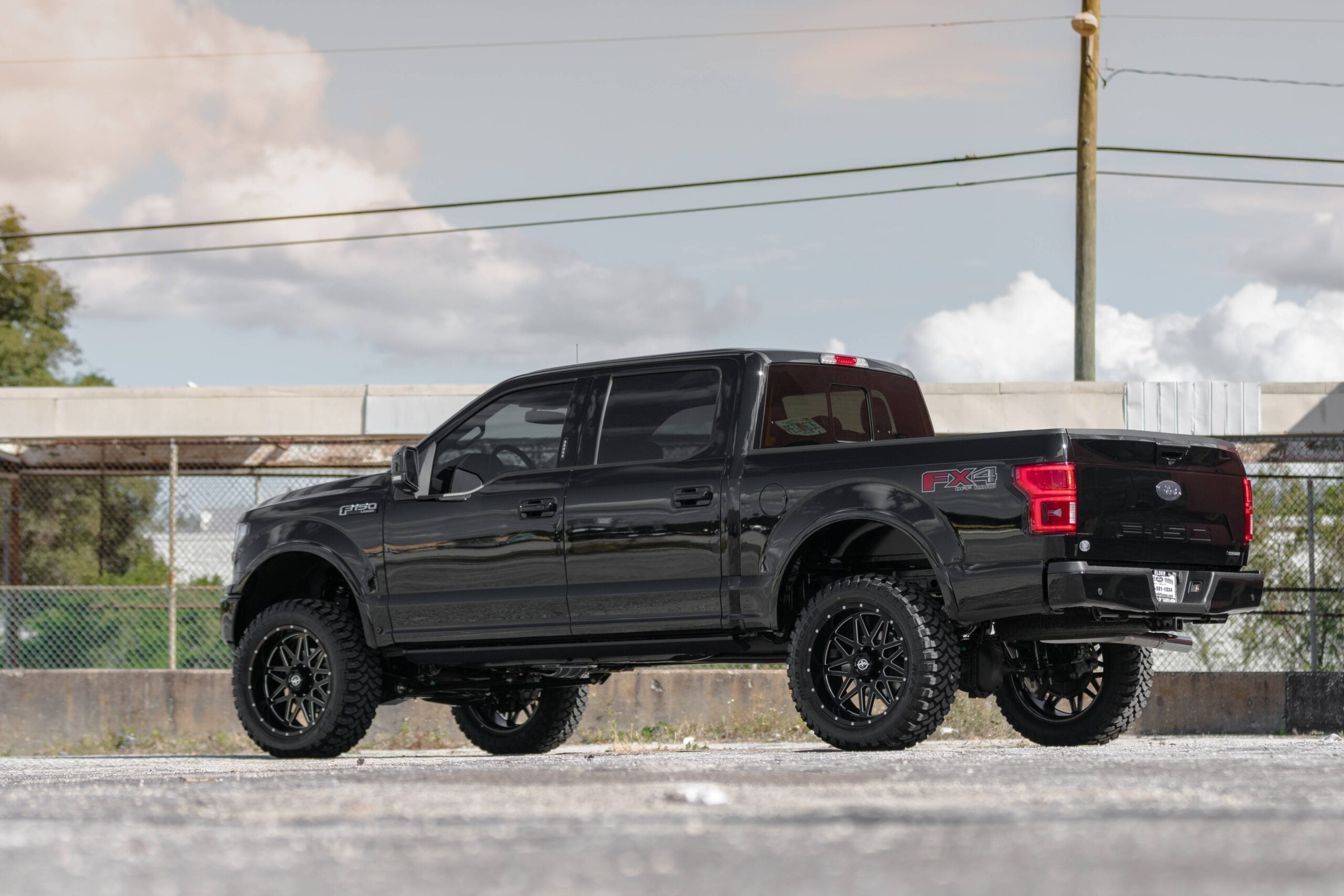
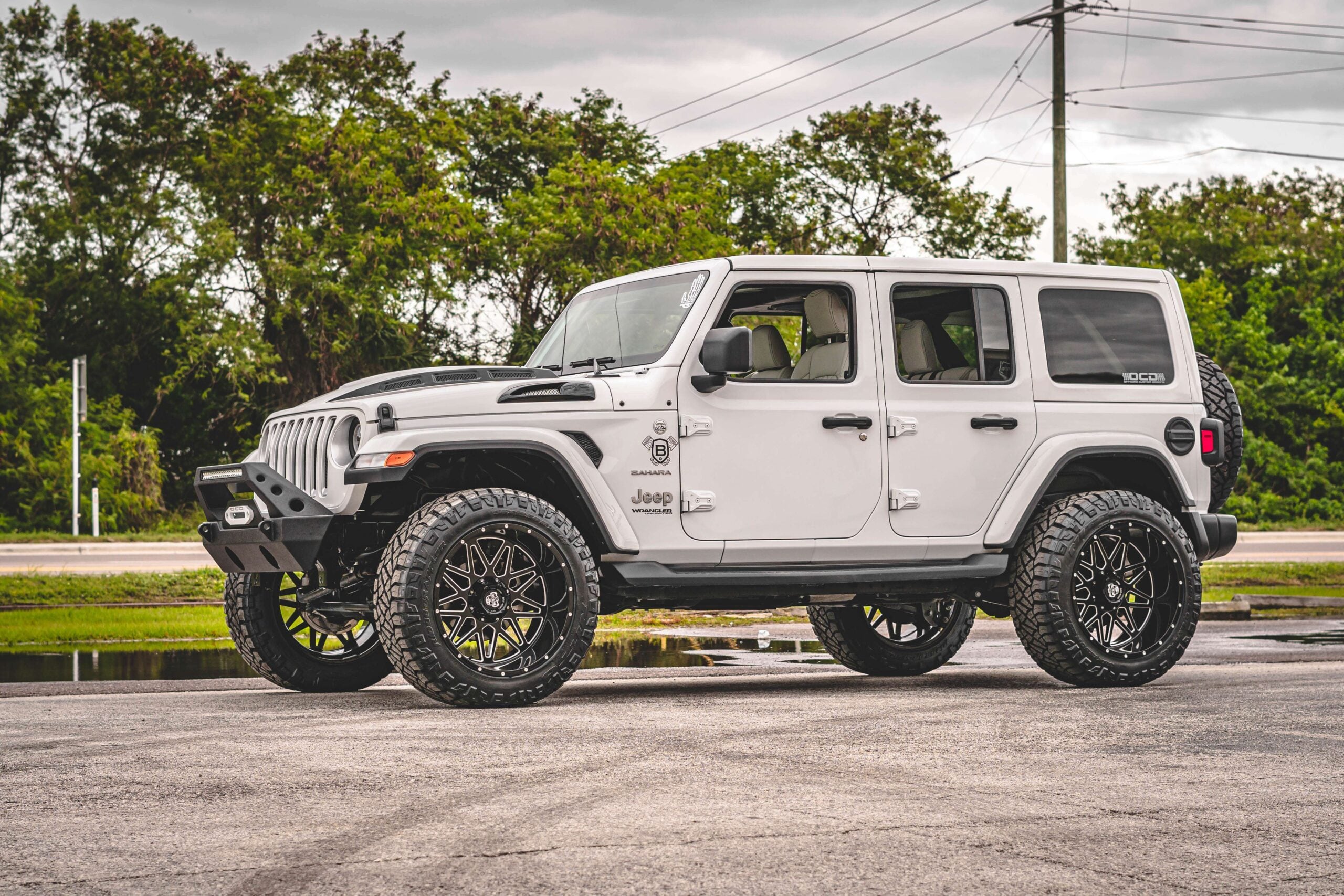
The truck and off-road market is booming, and having the right wheels is essential. These customers want aggressive styling, rugged durability, and the right specs to fit oversized tires. Your inventory should focus on strong, bold designs in popular finishes like matte black, bronze, and machined accents. It’s also important to understand how your customers buy. While many will have you do the installation, a significant portion of the off-road and oversize tire market includes DIY installers. Having a solid inventory of popular truck fitments ensures you can capture sales from both groups.

OE Replacement Wheels

Not every customer is looking for a custom upgrade. Sometimes, they just need a reliable, cost-effective replacement for a damaged or corroded factory wheel. OE replacement wheels are a high-volume, needs-based category that can be a steady source of revenue for your shop. The key to success here is availability and accuracy. You need a supplier who can provide a wide range of styles and fitments for common cars, trucks, and SUVs. Offering a quality alternative to expensive dealership wheels makes you a hero to customers facing an unexpected repair, building trust and securing their business for the future.

How to Find a Reliable Wheel Supplier

Choosing a wheel supplier is one of the most important decisions you’ll make for your shop. This isn’t just about finding the lowest price; it’s about building a partnership that supports your growth, protects your profits, and keeps your customers happy. A great supplier delivers more than just wheels. They provide reliability, expertise, and a strategic advantage that helps you stand out in a crowded market.

But with so many options out there, how do you separate the dependable partners from the ones that will leave you with backorders and unhappy customers? The key is to look beyond the catalog and evaluate the core of their business. When you start your search, you’ll want to focus on three key areas: the distributor’s reputation in the industry, their ability to get products to you quickly and reliably, and the strength of their brand portfolio. Getting these three things right means you’ll have a partner who is invested in your success, not just their own sales numbers. Let’s explore what to look for in each of these areas.

Check Distributor Reputation and Credentials

A supplier’s reputation is your best indicator of what it will be like to work with them. Look for a distributor with a long, proven track record in the automotive industry. How many years have they been in business? What do other shop owners say about them? Don’t be afraid to ask for references or look for reviews in industry forums. A reliable partner will have a history of consistent service and fair business practices.

The best supplier relationships are built on trust and open communication. It’s a good idea to build a relationship with your potential partners. Get to know your sales representative, ask about their company culture, and if possible, visit their warehouse. A distributor who is transparent and easy to talk to is more likely to be a dependable partner when you need them most.

Assess Distribution and Logistics Capabilities

A distributor can have the best wheels in the world, but they’re no good to you if they’re stuck in a warehouse across the country. A supplier’s logistics network is critical to your shop’s efficiency and profitability. Look for a distributor with multiple, strategically located warehouses. This structure reduces shipping times and freight costs, allowing you to get wheels to your customers faster and keep your prices competitive.

Ask potential suppliers about their order fill rates and inventory depth. A partner with a deep inventory can help you avoid backorders and lost sales, which is especially important for popular wheel models. Strong supply chain management ensures that you can confidently promise products to your customers, knowing your supplier can deliver on time, every time.

Review Brand Portfolio and MAP Policies

The brands a distributor carries directly impact your ability to serve different types of customers and protect your profit margins. A strong supplier will offer a diversified portfolio of brands, covering everything from performance and luxury to off-road and OE replacement wheels. This variety allows you to become a one-stop shop for a wider customer base, from truck enthusiasts to luxury car owners.

Just as important is the distributor’s pricing policy. Look for a supplier that strictly enforces a Minimum Advertised Price (MAP) policy. A solid MAP policy prevents online discounters from undercutting your prices, which protects your margins and the long-term value of the brands you sell. This allows you to sell confidently, knowing you won’t get into a race to the bottom on price.

What to Look For in a Wholesale Partner

Choosing a wholesale partner is one of the most important decisions you’ll make for your shop. This isn’t just about finding the lowest price; it’s about building a relationship with a supplier who can help you grow, solve problems, and keep your customers happy. The right partner acts as an extension of your team, providing the inventory, support, and reliability you need to succeed. As you evaluate potential suppliers, focus on these four key areas to ensure you find a partner truly invested in your success.

Deep Inventory and Product Availability

Nothing stops a sale faster than finding out the perfect set of wheels is on backorder. A partner with a deep and diverse inventory is essential for meeting customer demands without delay. When your supplier has a wide range of styles, sizes, and finishes in stock, you can confidently serve a broader customer base, from off-road enthusiasts to luxury car owners. Consistent product availability means you can keep your promises to customers and reduce the risk of losing a sale to a competitor. Plus, sourcing from a partner with extensive brand portfolios allows you to consolidate your purchasing, which can streamline your operations and protect your profit margins.

Expert Fitment and Technical Support

Selling wheels is a technical business, and getting the fitment right is non-negotiable. An incorrect offset, bolt pattern, or size can lead to returns, damaged vehicles, and a damaged reputation. That’s why your wholesale partner should offer expert fitment and technical support. Think of them as your go-to resource for complex questions. Access to knowledgeable staff who can confirm specs ensures the wheels you sell not only look great but also perform safely and correctly. This support gives you the confidence to handle any customer request, from a standard OE replacement to a complex custom build, knowing you have the technical guidance to get it right the first time.

Fast, Reliable Order Fulfillment

In the auto industry, speed matters. Customers want their new wheels installed as soon as possible, and long wait times can send them looking elsewhere. A partner with a strong logistics network is critical for fast and reliable order fulfillment. Look for distributors with multiple warehouse locations, as this can significantly reduce shipping times and costs. When you can get the products your customers want delivered quickly, you can schedule jobs sooner, turn inventory faster, and improve overall customer satisfaction. Timely delivery isn’t just a convenience; it’s a competitive advantage that helps you close more sales and build a loyal following.

Dedicated Sales Support

When you have a question or an issue with an order, the last thing you want is to be stuck navigating an automated phone system. A great wholesale partner provides dedicated sales support with a real person you can count on. This relationship is about more than just placing orders; it’s about having a trusted contact who understands your business and can help you solve problems. Whether you need help finding a specific wheel, tracking a shipment, or resolving a warranty claim, having a dedicated representative makes the process smoother. Strong relationships often lead to better service and support, making your job easier and your business more efficient.

Understanding Wholesale Pricing and Payments

The price you pay for wheels is just the beginning of the financial story. To truly get the most out of your wholesale partnership, you need to look at the complete picture: how pricing is structured, when payments are due, and where you have room to negotiate. Mastering these elements is key to managing your cash flow effectively and maximizing your shop’s profitability. A great supplier relationship is built on more than just product; it’s also about creating a financial arrangement that works for both sides.

Volume Discounts and Tiered Pricing

One of the most significant advantages of buying in bulk is the access to lower wholesale prices. Distributors often use a tiered pricing model, which means the more you buy, the less you pay per wheel. For example, the price for a full pallet of wheels will be better than the price for just a few sets. This structure is designed to reward larger orders and long-term partners. By securing a lower cost per unit, you can improve your profit margins on every sale. These savings also give you the flexibility to offer more competitive retail pricing, which helps attract customers and build loyalty without sacrificing your bottom line.

Payment Terms and Financing

Beyond the initial price, payment terms have a huge impact on your shop’s financial health. Standard terms like Net 30 or Net 60 give you time to sell the inventory before the bill is due, which is a massive help for managing cash flow. Negotiating favorable payment terms can give your business the breathing room it needs to operate smoothly and invest in growth. Some distributors also offer financing options or lines of credit to established dealers. This shows a supplier is invested in your success and is willing to be a flexible partner, helping you stock up for busy seasons without tying up all your capital at once.

How to Negotiate Better Deals

Don’t be afraid to negotiate. In the B2B world, building a strong relationship often involves open conversations about pricing and terms. Before you talk to your sales rep, do your homework. Understand your order volume and be clear about what you need. If you’re placing a large order, it’s perfectly reasonable to ask for a bulk discount. A good supplier wants to build a lasting partnership, and part of that is finding a price point that is sustainable for both of you. Remember, the goal of B2B negotiation isn’t just to get the lowest price today; it’s to establish a fair, mutually beneficial agreement that supports your shop’s growth for years to come.

Evaluating Wheel Quality Before You Buy

Quality isn’t just a buzzword; it’s the foundation of your shop’s reputation. When you’re buying wheels in bulk, you’re making a significant investment, and ensuring every wheel meets high standards is key to avoiding costly returns and unhappy customers. Before you commit to a large order, take the time to look closely at three critical areas: how the wheels are made, how well the finish will hold up, and whether the fitment data is accurate. Getting these details right from the start will protect your business and keep your customers coming back for more.

Manufacturing and Safety Standards

The way a wheel is made directly impacts its strength, weight, and safety. Reputable manufacturers follow strict processes and adhere to recognized industry safety standards to ensure their products are reliable under real-world driving conditions. Look for certifications like JWL (Japan Light Alloy Wheel) or VIA (Vehicle Inspection Association) markings on the wheels. These indicate that the wheel has passed rigorous testing for radial fatigue and impact resistance. A trustworthy distributor will only partner with manufacturers who meet or exceed these standards, so you can sell with confidence knowing the product is both safe and well-made for your customers.

Finish Durability and Warranty

A wheel’s finish is the first thing your customer sees, but its job goes beyond just looking good. A high-quality finish protects the underlying alloy from corrosion, brake dust, and road grime. A poorly applied finish can start to chip, peel, or fade prematurely, leading to a disappointed customer and a hit to your shop’s reputation. When evaluating a supplier’s inventory, ask about the finishing process and, more importantly, the warranty. A solid warranty, especially one that covers the finish for a reasonable period, shows that the manufacturer stands behind their product’s durability. This gives both you and your customers valuable peace of mind.

Fitment Accuracy and Compatibility

Nothing stops a sale faster than an incorrect fitment. Getting the specs right is absolutely essential for ensuring the wheels you sell not only look great but also perform safely on your customers’ vehicles. Accurate wheel fitment involves more than just the bolt pattern; it includes offset, backspacing, and center bore, all of which affect clearance and handling. Your supplier should provide precise, reliable fitment data for every wheel they sell. A great wholesale partner will also offer expert technical support to help you confirm compatibility for specific vehicles, minimizing the risk of returns and ensuring a smooth installation process every time.

Market Trends That Impact Your Buying Decisions

The wheels that flew off your shelves last year might not be the top sellers this year. The automotive market moves fast, and customer tastes change right along with it. Staying ahead of these shifts is key to making smart buying decisions that keep your inventory fresh and your cash flow healthy. When you understand what customers are looking for before they even walk in the door, you can stock your shop with wheels that are more likely to sell quickly and profitably.

It’s not about chasing every fleeting fad. It’s about recognizing the larger movements in vehicle sales, design preferences, and technology that influence what people want to put on their cars and trucks. By paying attention to these key trends, you can build an inventory that meets current demand while positioning your shop as a go-to destination for the latest styles. Let’s look at a few major trends that should be on your radar right now.

New Vehicle Model Preferences

It’s tempting to stock wheels for a wide range of vehicles, but data shows a specific sweet spot for aftermarket sales. Owners of newer vehicles, particularly those between four and seven years old, are the most likely to invest in a new set of wheels. A recent aftermarket wheel study confirms this, highlighting a major opportunity for shops. This means your inventory strategy should prioritize fitments for popular late-model cars, trucks, and SUVs. By aligning your stock with the vehicles your customers are actually driving and modifying, you increase your chances of a quick and profitable sale, reducing the risk of carrying slow-moving inventory.

Demand for Custom Finishes

Standard silver and chrome will always have their place, but today’s customers crave personalization. The demand for unique and custom finishes is stronger than ever, giving you a great opportunity to stand out. Think beyond the basics and consider stocking wheels in popular finishes like matte black, gunmetal, bronze, and two-tone machined styles. According to industry analysis, evolving consumer preferences also include an interest in high-performance designs and even eco-friendly coatings. Offering a diverse palette of finishes shows customers you understand their desire for a custom look and can help them create a vehicle that truly reflects their personal style.

Nostalgic Designs and New Technology

What’s old is new again, and that’s certainly true in the wheel industry. We’re seeing a major revival of designs reminiscent of the 80s and 90s, with classic mesh styles and bold, polished chrome finishes making a huge comeback. This trend isn’t just about looks; it combines retro aesthetics with modern engineering, materials, and performance. For your shop, this means you can appeal to enthusiasts who love a classic vibe but still demand the quality and durability of a contemporary wheel. Stocking a few nostalgia-inspired designs alongside your modern offerings can attract a wider range of customers and capture a growing segment of the market.

Common Challenges in Sourcing Wheels

Sourcing wheels for your shop involves more than just picking out cool designs. The backend logistics of getting those wheels to your showroom can be filled with hurdles. From suppliers who can’t keep their promises to unpredictable market swings, these challenges directly affect your inventory, cash flow, and customer satisfaction. Understanding these common pain points is the first step toward building a more resilient supply chain. A great wholesale partner doesn’t just sell you wheels; they help you solve these problems.

Managing Supplier Reliability

Nothing stalls a sale faster than learning the wheels your customer wants are on backorder. Working with an unreliable supplier creates constant uncertainty. Inconsistent stock, delayed shipments, and poor communication can damage your shop’s reputation and lead to lost sales. When you can’t get a straight answer on availability, you can’t give your customers the service they expect. That’s why a supplier’s track record for consistent fulfillment is just as critical as their pricing. A dependable partner lets you focus on selling, not chasing down orders.

Adapting to Market and Seasonal Shifts

Customer demand is always changing. Off-road wheels might fly off the shelves in the spring, while certain luxury styles see a spike after a new car model is released. A major challenge is finding a supplier who can keep pace with these shifts. A mismatch between what customers want and what your supplier has in stock can leave you with empty-handed buyers or a storeroom full of wheels nobody wants. A proactive wholesale partner analyzes market trends and adjusts their inventory, helping you stay ahead of seasonal demand without risking overstock.

Controlling Costs and Cash Flow

Your profitability depends on more than the unit price of a wheel. Hidden costs can quickly eat into your margins. High freight charges from a distant, single-warehouse distributor, for example, can turn a great deal into a mediocre one. Poor visibility into inventory movement can also tie up your cash in slow-moving products. A transparent supplier helps you manage your cash flow with clear pricing, efficient logistics that lower shipping costs, and a well-curated brand portfolio that ensures high turnover and protects your bottom line.

Value-Added Services That Help Resellers Succeed

A great wholesale partner does more than just ship boxes. They invest in your success by offering services that streamline your operations, educate your team, and help you sell more effectively. When you’re vetting potential suppliers, look beyond the price list and consider what else they bring to the table. These value-added services are often the difference between a simple transactional relationship and a true partnership that helps your business grow. From technical support to marketing help, these offerings can save you significant time and money, allowing you to focus on what you do best: serving your customers.

Mounting and Balancing Support

Imagine receiving a wheel and tire package that’s ready to be installed the moment it arrives. That’s the advantage of working with a supplier that offers mounting and balancing services. This support can be a game-changer for your shop’s efficiency. Instead of tying up your technicians with mounting and balancing new inventory, they can focus on more profitable, customer-facing jobs. It not only saves you valuable labor hours but also ensures a perfect, vibration-free fit for your customers every time. This service reduces your workload, enhances customer satisfaction, and helps you turn inventory into sales much faster, especially during your busiest seasons.

Marketing Materials and Brand Assets

Selling wheels is easier when you have great marketing to back you up. The best distributors understand this and provide a full suite of professional marketing materials for their dealers. This can include high-resolution photos and videos, detailed product descriptions, and ready-to-use social media content. Having access to these brand assets means you don’t have to spend time or money creating your own marketing campaigns from scratch. It allows you to present the products professionally on your website and social channels, building trust with customers and helping you close sales with confidence.

Technical Training and Fitment Help

Getting the fitment right is non-negotiable. An incorrect fitment can lead to returns, unhappy customers, and even safety issues. That’s why expert technical support is one of the most valuable services a supplier can offer. A true partner provides more than just a catalog; they offer access to a knowledgeable team that can answer complex fitment questions and provide guidance. This support ensures you order the right wheels for every vehicle, which is crucial for protecting your shop’s reputation. Look for suppliers who offer detailed fitment guides and have a dedicated technical support line you can call when you need help.

Streamlined Ordering Systems

As a shop owner, your time is your most valuable asset. A clunky, outdated ordering process can waste hours of your week. A top-tier distributor will offer a modern, intuitive B2B ordering platform designed to make your life easier. These systems should provide real-time inventory levels, simple reordering for your most popular products, and complete visibility into your order history and tracking. An efficient B2B platform simplifies your purchasing process, reduces the chance of ordering errors, and gives you the data you need to manage your inventory effectively. It’s a clear sign that a supplier respects your time and is invested in a smooth, professional partnership.

How to Manage Inventory for Maximum Profitability

Buying wheels in bulk is the first step, but managing that inventory is where you really protect your profits. The goal is to find that sweet spot where you have enough of the right products to satisfy customer demand without tying up all your cash in wheels that just sit on the shelf. Effective inventory management isn’t just about counting boxes; it’s a strategy that directly impacts your cash flow, sales, and customer satisfaction.

When you have a clear picture of what’s selling, what’s not, and what your customers are asking for, you can make smarter purchasing decisions. This means fewer markdowns on slow-moving stock and more capital available to invest in high-turnover wheels that keep your revenue flowing. A reliable distributor partner can make this much easier by offering fast fulfillment on special orders, allowing you to keep your in-house stock lean and focused on your bestsellers. By dialing in your inventory strategy, you can reduce carrying costs and increase your return on investment for every wheel you sell.

Smart Stocking Strategies

A smart stocking strategy isn’t about having every wheel in every size; it’s about having the right wheels for your specific market. Start by analyzing your sales data to identify your top performers. Often, you’ll find that 80% of your sales come from 20% of your inventory. Double down on these proven winners. Stock the most popular sizes, bolt patterns, and finishes for the vehicles you see most often in your service bays.

From there, build a diverse but curated selection. A good approach is to offer a “good-better-best” lineup across different styles, like off-road, luxury, and performance. This allows you to cater to various customer budgets and needs. Building a successful wheel program means stocking an inventory that meets your customers where they are. Getting the specs right from the start ensures the wheels you sell not only look great but also perform safely and correctly.

Planning for Seasonal Demand and Turnover

The wheel and tire business has predictable seasons, and planning for them is key to maximizing sales. Tax return season in the spring often brings a surge in spending on vehicle upgrades, while summer is prime time for off-road and performance wheels. In colder climates, fall can be a busy season for customers buying winter tire and wheel packages. A mismatch between your inventory and seasonal customer demand can lead to lost sales.

Look at your sales history from previous years to anticipate these peaks. When do certain styles start selling faster? Work with your supplier to ensure you have deeper stock of popular seasonal products before the rush begins. A distributor with multiple warehouses can help you react quickly to unexpected demand spikes. This proactive approach to inventory planning helps you avoid stockouts during your busiest months and prevents you from being stuck with the wrong inventory when the season changes.

Related Articles

Frequently Asked Questions

I’m a smaller shop. Does “buying in bulk” mean I have to order a huge amount of wheels at once? Not at all. Think of it less as buying a massive quantity and more as making a strategic, volume-based purchase. For many distributors, this could mean ordering a single pallet of mixed styles instead of just one or two sets at a time. The goal is to take advantage of tiered pricing, where your cost per wheel goes down as your order size goes up. It’s about finding a level that works for your cash flow while still giving you a significant cost advantage and better inventory on hand.

How can I figure out which wheels to stock without getting stuck with inventory that doesn’t sell? Start with your own data. Look at your sales from the last year and identify the top-selling sizes, styles, and finishes. These are your proven winners and should form the core of your inventory. For everything else, lean on your distributor. A good partner can provide insights into what’s popular in your specific region and what new trends are emerging. You don’t need to carry everything; you just need to carry what moves.

You mentioned MAP policies. Why are they so important for my shop’s profits? A Minimum Advertised Price (MAP) policy is an agreement that prevents retailers from advertising a product below a specific price. This is incredibly important because it stops online discounters from undercutting your pricing and starting a race to the bottom. When your supplier enforces a MAP policy, it protects your profit margins and ensures the brand maintains its value. It allows you to sell based on your service and expertise, not just on having the lowest price.

My current supplier is cheap but slow. How do I weigh price against things like shipping speed and support? It’s helpful to think about the total cost of a transaction, not just the price on the invoice. A cheap wheel that arrives a week late might cause you to lose a sale entirely. An incorrect fitment from a supplier with no technical support costs you time and labor in returns. A reliable partner with fast shipping from multiple warehouses and expert fitment help allows you to sell more wheels, more quickly, and with fewer problems. That efficiency often adds more to your bottom line than a few dollars saved on the initial purchase.

Besides a good price, what are some signs that a wheel supplier will be a good long-term partner? Look for a supplier who invests in your success. Do they offer access to professional marketing materials like photos and videos you can use? Is there a knowledgeable person you can call with a tricky fitment question? A great partner will also have a streamlined, modern B2B ordering system that shows you real-time inventory and makes your life easier. These services show that a supplier sees you as a partner to grow with, not just another account number.

Leave a Reply

Your email address will not be published. Required fields are marked *

SEARCH ELITE