

Blog
Nearly 60% of automotive retail businesses cite unreliable supply chains as their top operational risk – yet most wheel dealers choose suppliers based on price alone. That’s a growth strategy built on sand.
Choosing a wheel supplier that helps you grow means evaluating more than cost per unit. The right supplier offers consistent inventory depth, a broad brand portfolio spanning off-road, luxury, and performance categories, flexible B2B infrastructure, and real marketing support. How to choose a wheel supplier comes down to one question: are they set up to make you successful, or just to move product?
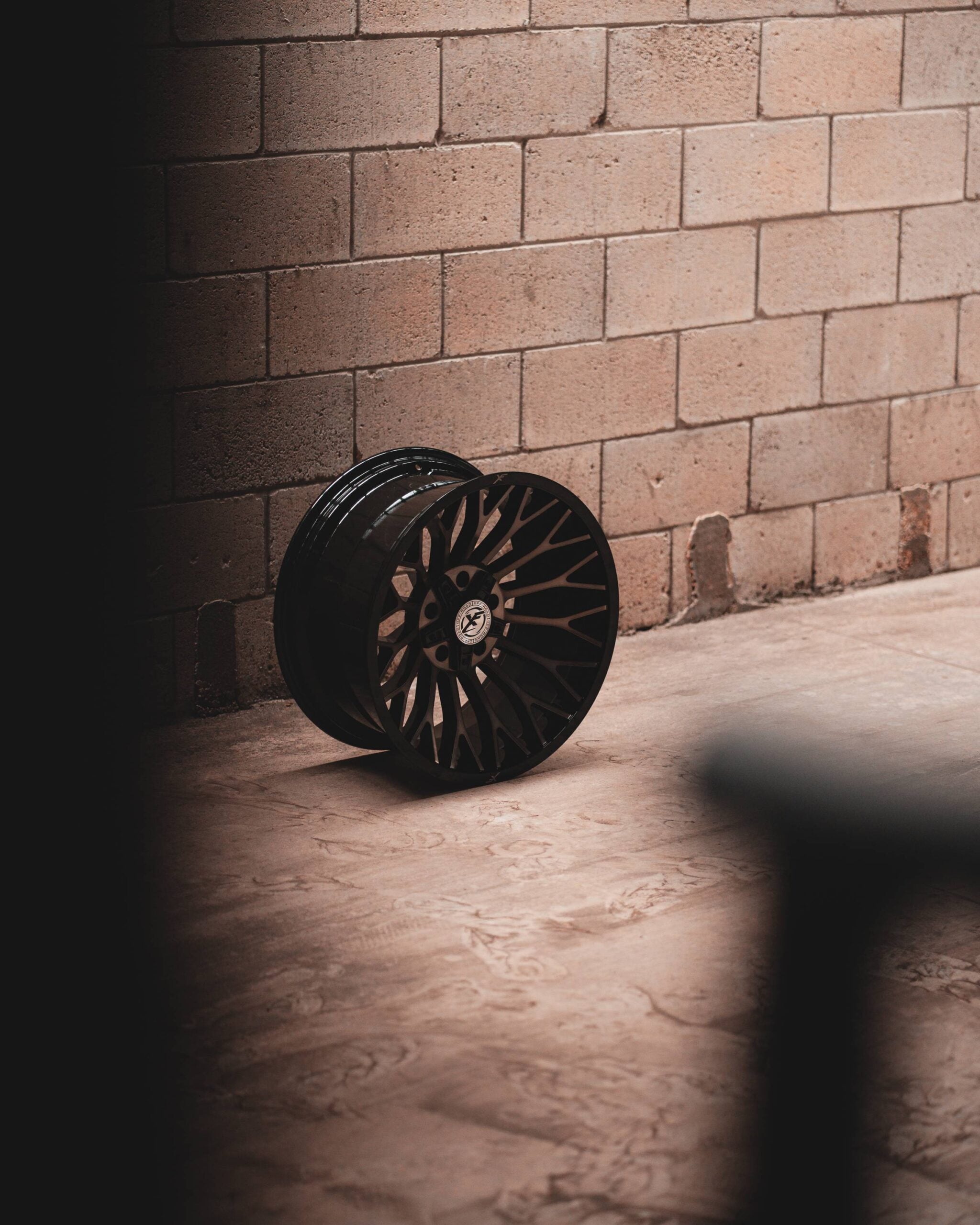
At Elite Wheel Warehouse, we’ve been manufacturing and distributing wheels since 2002 from our Tampa, Florida headquarters – supplying dealers nationwide with brands like Amani Forged and XF Off-Road. We’ve seen what separates shops that thrive from shops that stall, and it almost always traces back to who they source from.
Here’s what most shops get wrong: they treat wheel sourcing like grocery shopping – find the cheapest price, add to cart, repeat. The problem is that a wheel supplier isn’t just a vendor. They’re a de facto extension of your business.
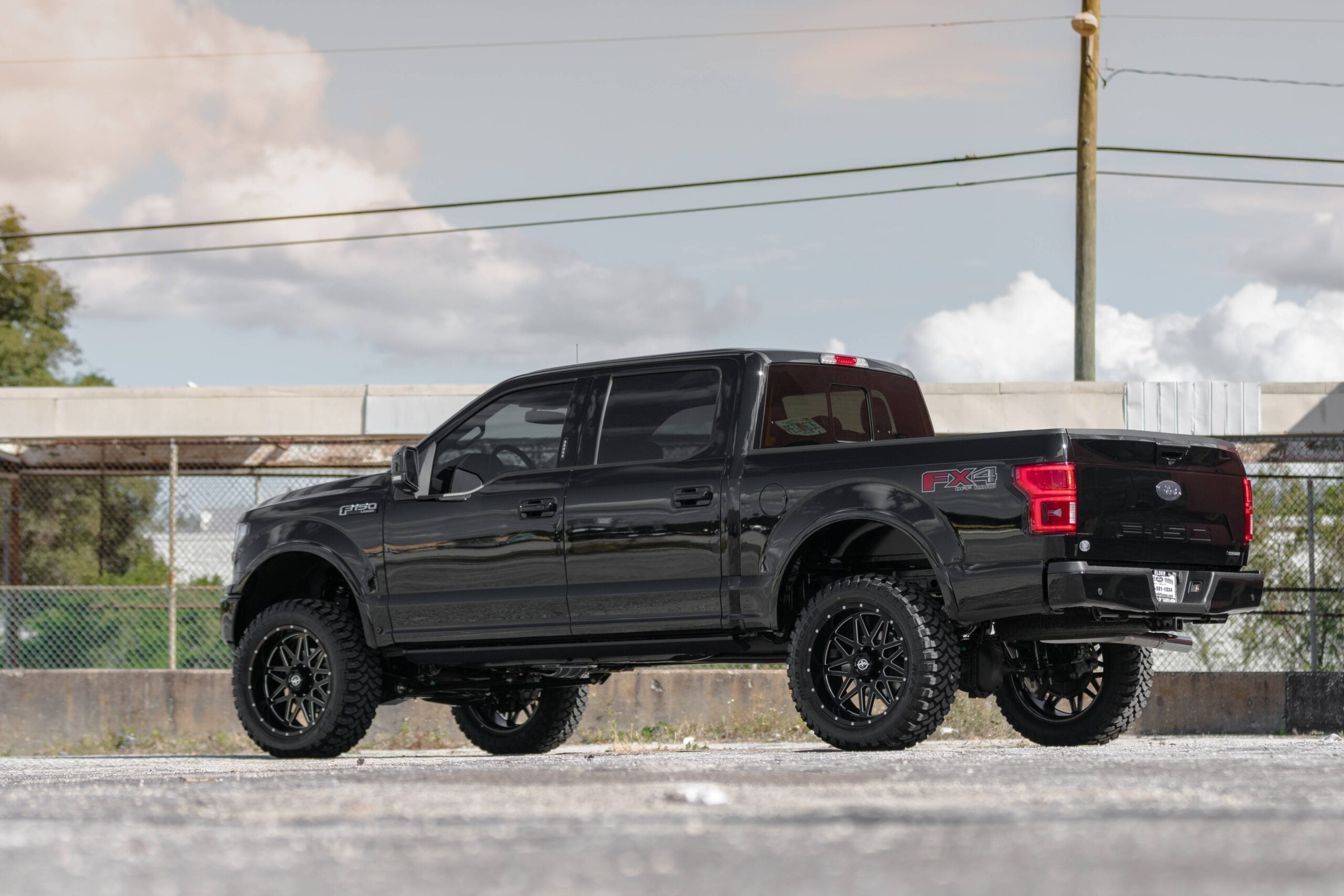
When a customer rolls in wanting a set of aggressive off-road wheels for their lifted F-250, what happens next depends almost entirely on your supplier. Do you have the right fitment in stock? Can you offer multiple style options at different price points? Is your supplier’s data feed accurate enough that your website doesn’t embarrass you with phantom inventory?
A supplier who can’t answer “yes” to all three of those isn’t helping you grow – they’re limiting your ceiling.
According to the Specialty Equipment Market Association (SEMA), the U.S. specialty equipment market generates over $47 billion annually, with wheels and tires representing one of the largest product segments. The dealers capturing that revenue aren’t the ones with the lowest cost-per-unit. They’re the ones with the deepest, most reliable product access.
Pro Tip: Before signing any wholesale agreement, ask your prospective supplier for their average order fulfillment rate over the past 12 months. If they hesitate, that hesitation tells you everything.
A supplier with 50 SKUs isn’t a partner – they’re a catalog. Real growth requires real breadth.
Your customer base doesn’t drive one type of vehicle. You’ll have Jeep owners, luxury sedan drivers, muscle car enthusiasts, and daily commuters all walking through the door. Your supplier needs to cover all of them.
Look for a portfolio that spans:
Suppliers who carry only one or two categories force you to build relationships with multiple vendors – which multiplies your risk and fragments your buying power.
Not all wheels are created equal, and neither are the processes behind them.
The Society of Automotive Engineers (SAE) sets widely referenced standards for wheel structural performance, including load ratings and impact resistance. A credible supplier should be able to articulate how their products meet or exceed those benchmarks – not just wave a vague “quality tested” label at you.
Ask specifically about:
Here’s what surprised us after two decades in this business: dealers rarely ask these questions upfront. Then a warranty claim lands, and suddenly the answers matter very much.
The brands you carry are your reputation on the showroom floor.
Customers increasingly walk in knowing what they want. They’ve already done their research, watched YouTube builds, and followed Instagram accounts dedicated to their vehicle platform. If your brand lineup doesn’t match what they’re looking for, you’re losing sales to dealers who do.
A strong wheel supplier portfolio should include:
Key Takeaway: Dealers who carry a curated multi-brand lineup from a single supplier close more upsells, because they can walk a customer from “budget” to “premium” without sending them to a different store.
This is the section most dealers skip. It’s also the one that costs them the most time and money.
A modern wheel supplier should offer more than a price sheet and a phone number. They should offer:
Think of it like the difference between a supplier who gives you a fishing rod versus one who gives you sonar, a GPS, and weather data. You can catch fish either way – but one setup is built to scale.
Pro Tip: Ask your potential supplier whether they offer API or SFTP integration before your team builds out a product catalog by hand. Rebuilding that catalog later is painful and expensive.
Wrong fitment is the fastest way to destroy a customer relationship.
Bolt patterns, offset, center bore, hub-centric rings – these details aren’t optional. A wheel that doesn’t fit properly is a safety issue, not just a return headache. The National Highway Traffic Safety Administration (NHTSA) treats wheel fitment failures as potential defects, which means liability flows upstream to whoever sold the product.
Your supplier should provide:
Dealers who use Elite Wheel Warehouse’s Wheel Visualizer tool report fewer returns and higher customer confidence at point of sale. Giving a customer the ability to see a wheel on their actual vehicle model before they buy is one of the simplest ways to increase conversion.
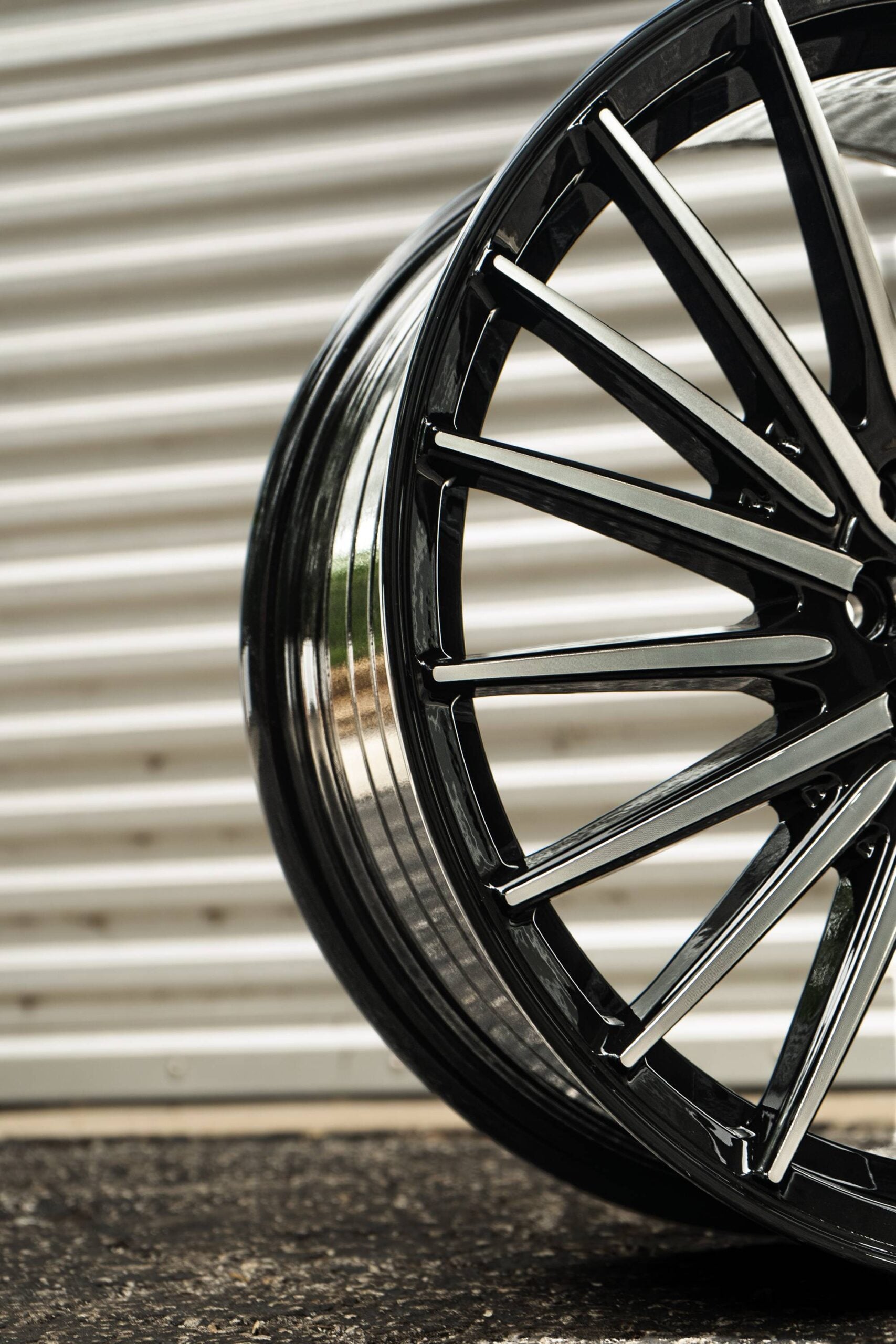
Customers want their vehicles to stand out, which means your supplier’s finish range is a direct revenue lever.
A limited finish menu – say, just gloss black and chrome – forces customers to either accept what’s available or go elsewhere. A deep finish catalog means you capture customers at every aesthetic preference.
What to look for:
This matters especially for off-road and custom builds, where personal expression is half the purchase decision.
The best suppliers don’t just send product – they help you sell it.
Dealer programs, co-marketing assets, product training, and account management support all add up to real dollars in your pocket. If your current supplier only checks in when renewals are due, you’re leaving growth on the table.
Questions to ask any prospective supplier:
Let’s make this concrete.
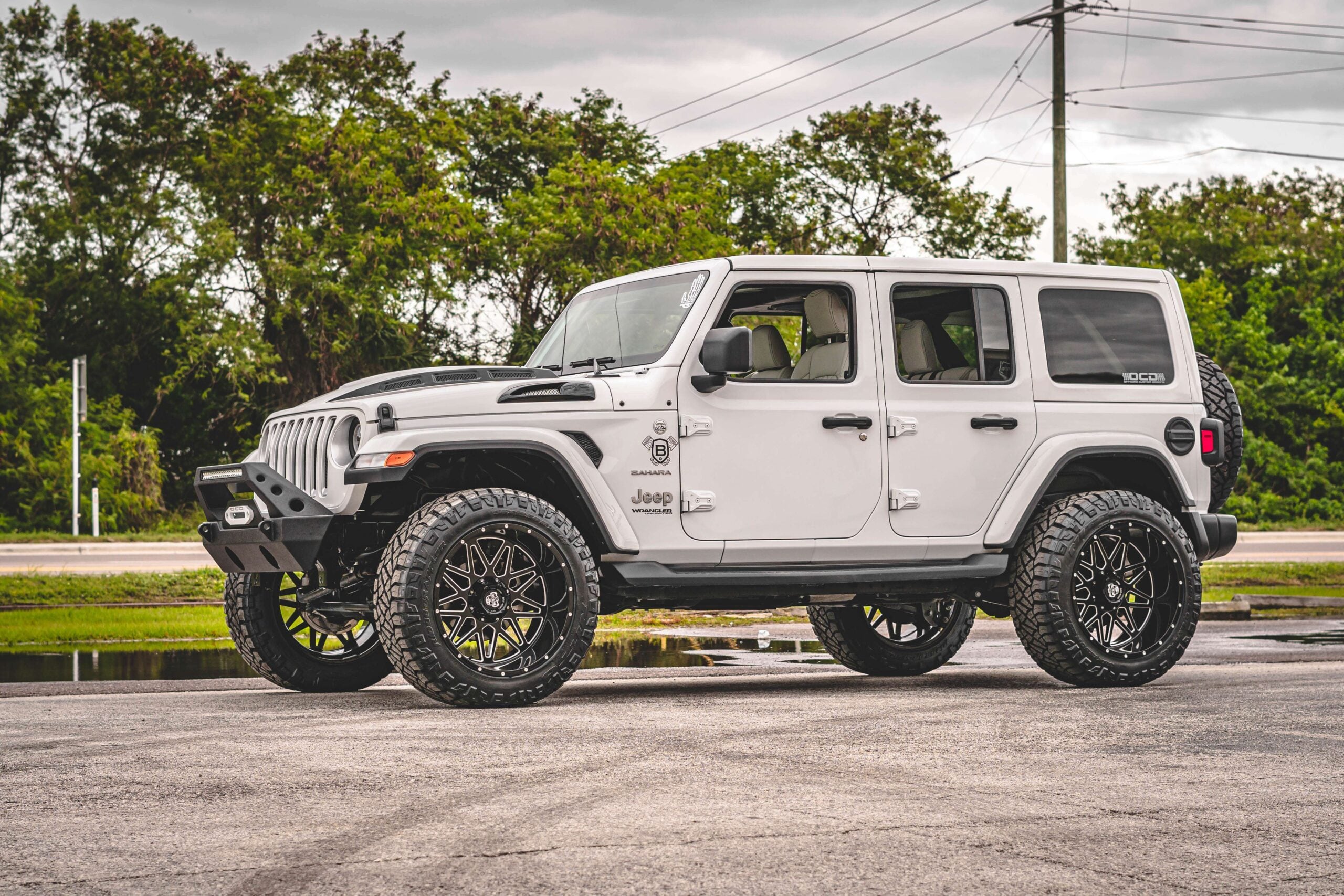
Imagine a dealer in Phoenix with a strong local truck scene. They want to carry an off-road line with aggressive styling, a forged line for custom builds, and a luxury line for the crossover and sedan customers walking through on weekends.
From a single supplier relationship, they’d ideally carry:
That dealer is covered across vehicle types, price points, and customer personalities – all from one relationship, one freight invoice, one support contact.
That’s not an accident. That’s what a growth-oriented wheel supplier looks like.
Most dealers calculate the cost of a bad supplier in terms of a single bad shipment. The real cost is much larger.
Inventory gaps mean lost sales you never even log – the customer who came in, didn’t find what they wanted, and drove to a competitor. Poor fitment data leads to returns, negative reviews, and hours of back-and-forth with your own customers. Outdated product feeds corrupt your online catalog, killing SEO rankings and wasting ad spend.
Industry research consistently shows that customer retention is significantly more cost-effective than acquisition – some estimates put the ratio at 5:1 or higher. Every botched wheel order or out-of-stock disappointment is a retention event working against you.
The right supplier doesn’t eliminate all problems. But they dramatically reduce the frequency and severity of the ones that cost you customers.
Here’s an honest question worth sitting with: when was the last time your wheel supplier proactively brought you something – a new brand launch, a product sell-through insight, a promotional opportunity?
If the answer is “never” or “I can’t remember,” you may have a transactional supplier when what you need is a strategic one.
Signs your supplier is built for your growth:
At Elite Wheel Warehouse, we designed our dealer program specifically around what growing shops need. That includes B2B wholesale infrastructure, SFTP and API feeds, custom drilling and center boring services, mounting and balancing support, and a brand lineup that covers every vehicle segment your customers drive.
You can also explore our full wheel brands catalog or browse the complete wheels collection to get a sense of the range we carry.
The dealers who grow year over year aren’t necessarily the ones with the biggest showrooms or the most aggressive ad budgets. They’re the ones who made smart, strategic decisions about who they source from.
Your wheel supplier sets the ceiling on what you can offer, how fast you can fulfill, and how confidently you can stand behind what you sell. Choose one with the manufacturing depth, brand breadth, and dealer-first infrastructure to keep pace with your ambitions – not just your current order volume.
Explore Elite Wheel Warehouse’s full catalog, or if you’re ready to take the next step, apply to become a dealer and see what a real growth partnership looks like. We’ve been building those partnerships since 2002 – and we’re just getting started.
Answer: When choosing a wholesale wheel supplier, prioritize inventory depth across multiple vehicle categories, accurate fitment data, strong brand portfolio, and B2B technology infrastructure like API feeds or SFTP catalogs. A supplier that covers off-road, luxury, performance, and forged wheel categories – like Elite Wheel Warehouse – gives dealers the range to serve every customer type.
Answer: Ask whether their wheels are manufactured to SAE structural performance standards and whether they provide load ratings and impact resistance data for each product. Reputable suppliers use materials like 6061-T6 forged aluminum and CNC-precision manufacturing, and should be transparent about their testing and certification processes. When in doubt, request documentation before placing your first order.
Answer: Most successful dealers carry between 3 and 6 wheel brands spanning different categories – at minimum, one off-road brand, one luxury or sport brand, and one premium or forged brand. Brands like XF Off-Road and Amani Forged serve very different customers and price points, which allows dealers to upsell within a single visit rather than losing customers to competitors.
Answer: Forged wheels are made by pressing aluminum under extreme pressure, producing a denser, lighter, and stronger wheel than cast alternatives. Cast aluminum wheels are formed by pouring molten aluminum into a mold – a more cost-effective process that works well for most street and off-road applications. For customers prioritizing performance or custom builds, forged wheels like those in the Amani Forged line offer superior strength-to-weight ratios.
Answer: Not strictly required, but it’s a significant revenue and convenience advantage. A supplier who offers both wheels and tires lets you sell complete mounted-and-balanced packages, which increases average transaction value and reduces the customer’s need to shop elsewhere. Tire brands like Venom Power, Lexani, and GritMaster complement wheel sales and give dealers a complete solution to offer at point of sale.
Become a dealer and get access to our exclusive online B2B platform for the best value on Elite Wheel and Tire brandS.
“We strive to be the global leader in the automotive industry with brands built on passion, inspiration, and innovation.”