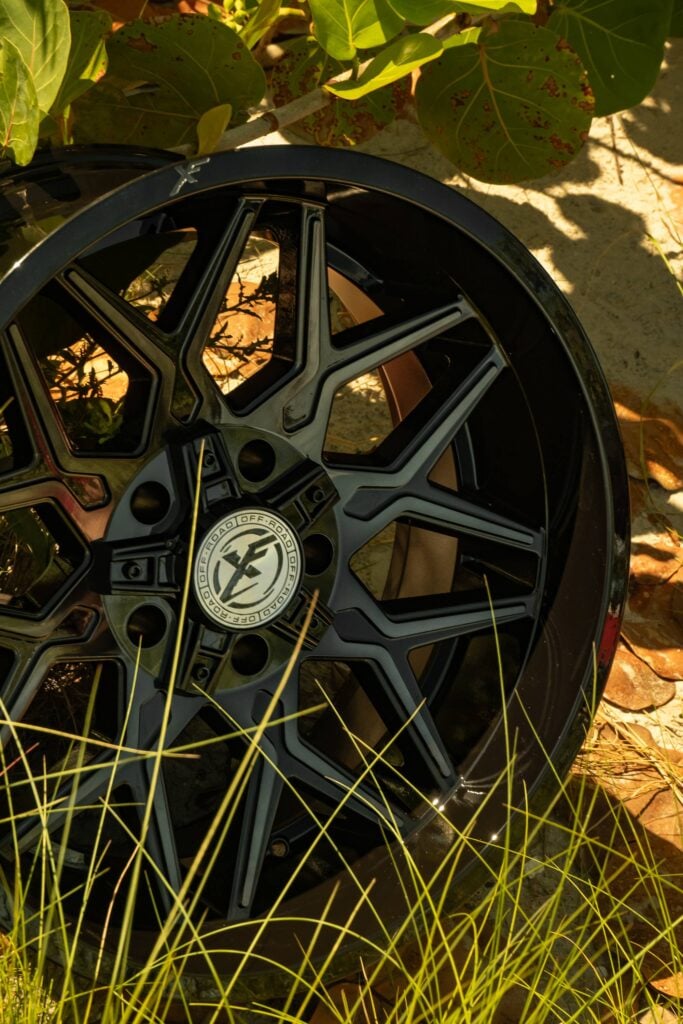
In the world of automotive customization, precision is not optional. A single millimeter can be the difference between a perfect stance and a costly fitment issue that damages a vehicle. When it comes to wheel rims, mastering the technical specifications like bolt pattern, offset, and load rating is what separates a professional shop from the rest. Getting it right the first time prevents returns, builds customer loyalty, and solidifies your reputation as a trusted expert. This guide is your essential checklist for nailing wheel fitment every time, ensuring every car leaves your bay with a setup that is safe, functional, and flawless.
Key Takeaways
- Master fitment to protect your bottom line: Accurate specifications like bolt pattern, offset, and load rating are non-negotiable for vehicle safety. Getting this right the first time prevents costly returns and reinforces your shop’s reputation as a trusted expert.
- Sell solutions, not just style: Guide customers by matching the wheel’s material and construction to the vehicle’s primary use. A performance car has different needs than a work truck, and choosing the right wheel leads to better performance and happier clients.
- Choose a distributor that helps you grow: A true partner offers more than just wheels; they provide deep inventory, fast shipping, and strict MAP pricing. This support allows you to sell confidently, protect your margins, and operate without channel conflict.
What Exactly Is a Wheel Rim?
As a shop owner or manager, you know that clear communication with customers is key. When it comes to wheels, the terms can get a little fuzzy, especially around the word “rim.” Let’s start with a straightforward definition. The rim is the outer edge of the wheel that holds the tire. Think of it as the circular lip that creates a seal with the tire bead, keeping it securely in place. It’s a critical part of the entire wheel assembly, but it isn’t the whole story. Understanding the specific parts of a wheel helps you guide customers to the right products and ensures your team is ordering and fitting parts with precision.
Rims vs. Wheels: What’s the Difference?
You’ve probably heard customers use “rims” and “wheels” to mean the same thing. In everyday conversation, it’s common slang, but in the shop, precision matters. A “wheel” refers to the entire metal structure that bolts to the vehicle’s hub. This includes the center bore, the bolt pattern holes, the spokes (or disc), and the rim itself. The rim is technically just one component of the complete wheel. While you don’t need to correct every customer, knowing the difference is essential for accurate ordering, clear communication with suppliers, and ensuring you’re discussing the correct specifications with your team. It establishes your expertise and prevents costly mix-ups.
How Rims Influence Performance and Safety
The choice of wheel, including its rim design and material, has a significant impact on a vehicle’s performance and safety. It’s not just about looks. For example, the material used to construct the wheel affects its weight and strength. Lighter wheels, like those made from aluminum alloy, reduce unsprung weight, which can lead to better handling, acceleration, and even fuel efficiency. On the other hand, steel wheels are heavier but offer exceptional durability, making them a practical choice for heavy-duty use or rough road conditions. The different types of wheels you stock directly relate to the driving experience you can offer your customers.
Exploring the Types of Wheel Rims
When a customer asks for new wheels, they’re usually thinking about style. But as a shop owner, you know the decision goes much deeper than that. The material and manufacturing process behind a wheel determine its weight, strength, durability, and price point. Guiding your customers through these options helps them find the perfect fit for their vehicle, driving style, and budget.
Understanding the fundamental differences between wheel types allows you to stock smarter and sell more effectively. Whether your customer needs a durable workhorse for a fleet vehicle or a lightweight performance wheel for a track build, knowing the pros and cons of each type is essential. Let’s walk through the most common categories you’ll encounter: steel, alloy, forged, chrome, and OE replacement. Each serves a distinct purpose and meets a specific customer need, giving you a wide range of solutions to offer.
Steel Rims
Think of steel rims as the reliable workhorses of the wheel world. They are your go-to for customers who prioritize strength and budget over flashy looks. Made from an alloy of iron and carbon, steel wheels are incredibly durable and resistant to cracking from impacts. This makes them an excellent choice for heavy-duty trucks, commercial vans, and drivers who frequently face rough road conditions.
While they are significantly heavier than their alloy counterparts, which can slightly affect fuel economy and handling, their toughness is unmatched. They are also inexpensive to produce, making them a cost-effective solution for repairs or for customers wanting a dedicated set of winter wheels. For a no-nonsense, practical option, steel rims deliver dependable performance every time.
Alloy Rims
Alloy rims are the most popular choice on the market today, offering a fantastic blend of performance, style, and value. Typically crafted from a mixture of aluminum and other lightweight metals, they weigh considerably less than steel wheels. This weight reduction can improve a vehicle’s acceleration, braking, and even fuel efficiency. It also means less unsprung weight, which allows the suspension to perform more effectively for a smoother ride.
Beyond performance, alloy wheels give drivers endless opportunities for personalization. The casting process allows for a huge variety of intricate designs, from sleek and modern to rugged and aggressive. Brands like Cavallo offer a wide range of styles that cater to different tastes, making it easy for your customers to find a look they love.
Forged Rims
For the customer who demands the absolute best in strength and performance, forged rims are the answer. Unlike cast alloy wheels, which are made by pouring molten aluminum into a mold, forged wheels are created from a solid block of aluminum. This block is subjected to extreme heat and immense pressure, which compresses the metal and creates an incredibly dense and strong molecular structure.
The result is a wheel that is both significantly lighter and stronger than a cast alloy equivalent. This superior strength-to-weight ratio is why forged wheels are the top choice for high-performance supercars, professional racing, and ultra-premium luxury builds. Brands like Amani Forged showcase the intricate and precise designs that this advanced manufacturing process makes possible, delivering peak performance without compromise.
Chrome Rims
Chrome is all about making a statement. It’s not a type of wheel material, but rather a finish applied to an underlying wheel, which is usually an alloy. The process involves electroplating a thin layer of chromium onto the wheel’s surface, creating a brilliant, mirror-like shine that stands out in any crowd. This high-impact look is especially popular for show cars, classic restorations, and custom truck builds.
While the visual appeal is undeniable, it’s important to set the right expectations with customers. The chrome plating adds a bit of weight and requires diligent maintenance to prevent pitting, peeling, or corrosion, especially in harsh climates. For the customer dedicated to achieving a head-turning, classic shine, chrome delivers a look that no other finish can replicate.
OE Replacement Rims
OE (Original Equipment) replacement rims are designed to be an exact match for the wheels that come standard on a vehicle from the factory. This is a critical category for any shop that handles collision repairs or serves customers who want to maintain their vehicle’s original appearance. If a wheel is damaged beyond repair, an OE replacement provides a seamless fix without altering the car’s look.
This category also serves customers looking to upgrade. For example, a driver might want to swap their base model wheels for the more stylish design found on a higher trim level of the same vehicle. Offering a brand like OE Revolution allows you to provide that factory-fresh style at a competitive price point, giving your customers a cost-effective way to restore or enhance their vehicle.
What to Consider When Sourcing Rims
Sourcing the right rims for your customers goes far beyond just picking a style that looks good. For an independent shop, getting the technical specifications right the first time is a matter of efficiency, profitability, and reputation. Every detail, from the bolt pattern to the load rating, plays a critical role in vehicle safety, performance, and ultimately, customer satisfaction. When you nail the fitment on the first try, you prevent the hassle and cost of returns, avoid frustrating delays for your customers, and build trust that turns one-time buyers into loyal clients.
Think of the following points as your essential pre-order checklist. Committing these considerations to memory will empower your sales staff, streamline your ordering process, and ensure you’re fitting a product that is both safe and perfectly suited to the vehicle. In a business where precision matters, mastering these fundamentals separates the pros from the amateurs. It ensures every car that leaves your bay does so with a wheel setup that is secure, performs correctly, and meets the customer’s expectations, protecting your bottom line and reinforcing your status as a trusted expert in your community.
Confirming Rim Size and Diameter
The first and most fundamental step is confirming the rim’s size and diameter. The diameter, measured in inches (like 17, 18, or 20 inches), is the most visible aspect and directly impacts the vehicle’s appearance and the type of tire that can be mounted. A larger diameter often means a shorter tire sidewall, which can create a sportier look and quicker steering response but may result in a firmer ride. It’s crucial to work within the vehicle’s recommended range to avoid issues with clearance, suspension geometry, and speedometer accuracy. Verifying both the diameter and width ensures the wheel and tire combination will function as intended without any surprises during installation.
Matching the Bolt Pattern
A wheel’s bolt pattern, also known as the Pitch Circle Diameter (PCD), is a non-negotiable fitment specification. This measurement dictates how the wheel mounts to the vehicle’s hub and is expressed as the number of lug holes by the diameter of the circle they form (for example, 5×114.3 or 6×139.7). There is no “close enough” when it comes to bolt patterns; an incorrect match means the wheel simply will not fit. Using a bolt pattern guide can help you quickly verify the correct PCD for any vehicle, eliminating guesswork and preventing one of the most common fitment errors. Always double-check this spec to ensure a secure and safe installation.
Understanding Offset and Backspacing
Offset and backspacing determine how the wheel sits within the fender, and getting them right is key to achieving the perfect stance while avoiding clearance issues. Offset is the distance from the wheel’s mounting surface to its centerline, measured in millimeters. A positive offset pulls the wheel inward toward the suspension, while a negative offset pushes it outward for a wider, more aggressive look. Backspacing is the distance from the mounting surface to the wheel’s inner flange. Together, these measurements affect clearance for brakes, suspension components, and fenders. Incorrect offset can lead to rubbing, poor handling, and premature wear, so using accurate fitment data is essential.
Verifying the Load Rating
Load rating is a critical safety factor that should never be overlooked, especially for trucks, SUVs, and commercial vehicles. This rating specifies the maximum weight each wheel is certified to carry. To ensure safety, the combined load rating of all four wheels must meet or exceed the vehicle’s Gross Vehicle Weight Rating (GVWR). Installing wheels with an inadequate load rating can lead to catastrophic failure under the stress of hauling, towing, or even normal driving conditions. Always confirm the wheel’s load capacity to protect your customers and your shop from serious liability. A reliable distributor will always provide this information clearly.
Selecting the Right Material and Finish
The material and finish of a rim affect its weight, strength, and appearance. Most modern wheels are made from aluminum alloy, which offers a great balance of light weight and strength for improved handling and fuel efficiency. Steel wheels are heavier but are incredibly durable and cost-effective, making them a solid choice for work trucks and winter driving. For high-performance or luxury applications, forged wheels provide maximum strength with minimum weight. The finish, whether painted, powder-coated, or chrome, impacts both the look and the required maintenance, so it’s important to guide customers based on their style preferences and how much upkeep they’re willing to do.
Aligning Rims with the Vehicle’s Purpose
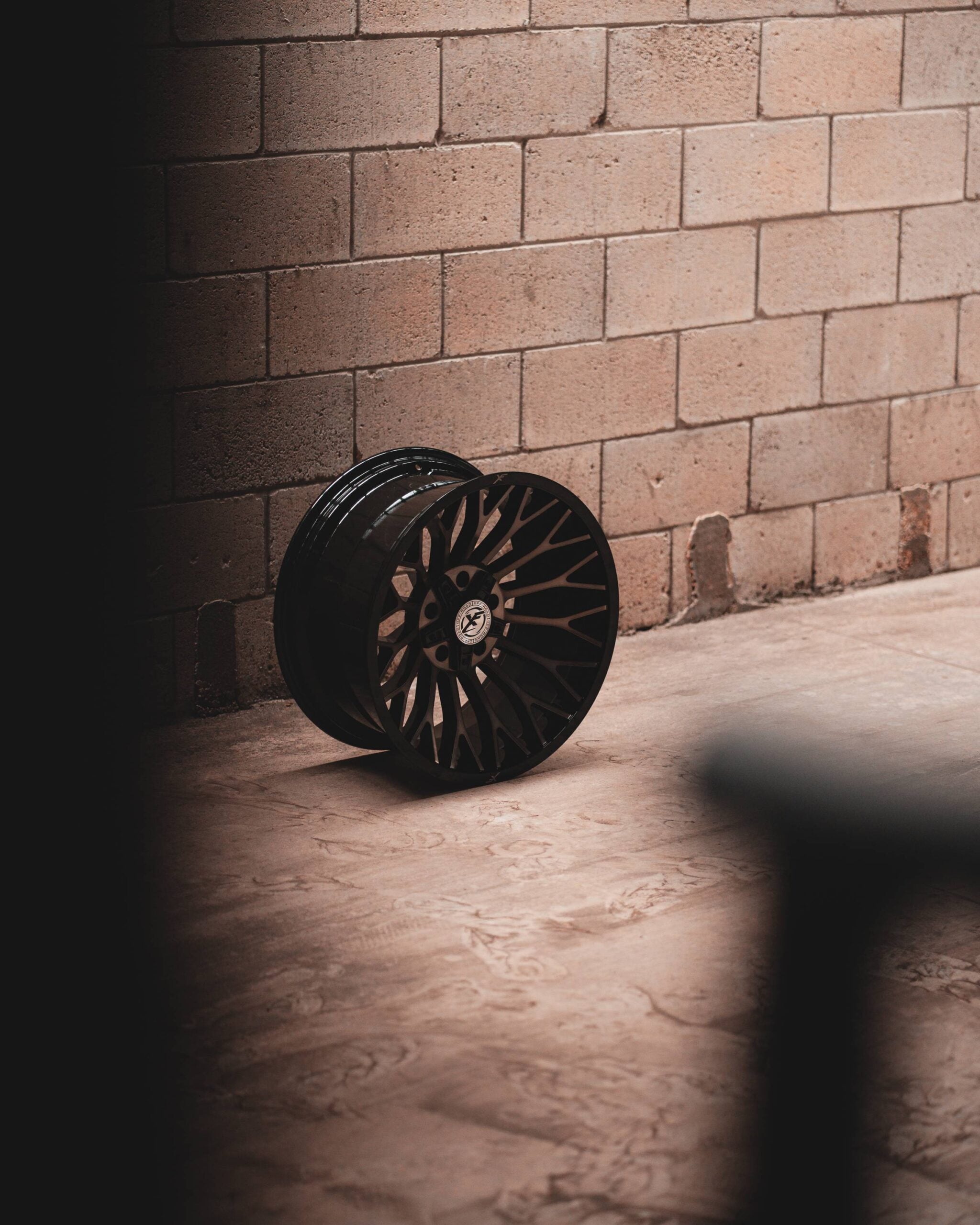
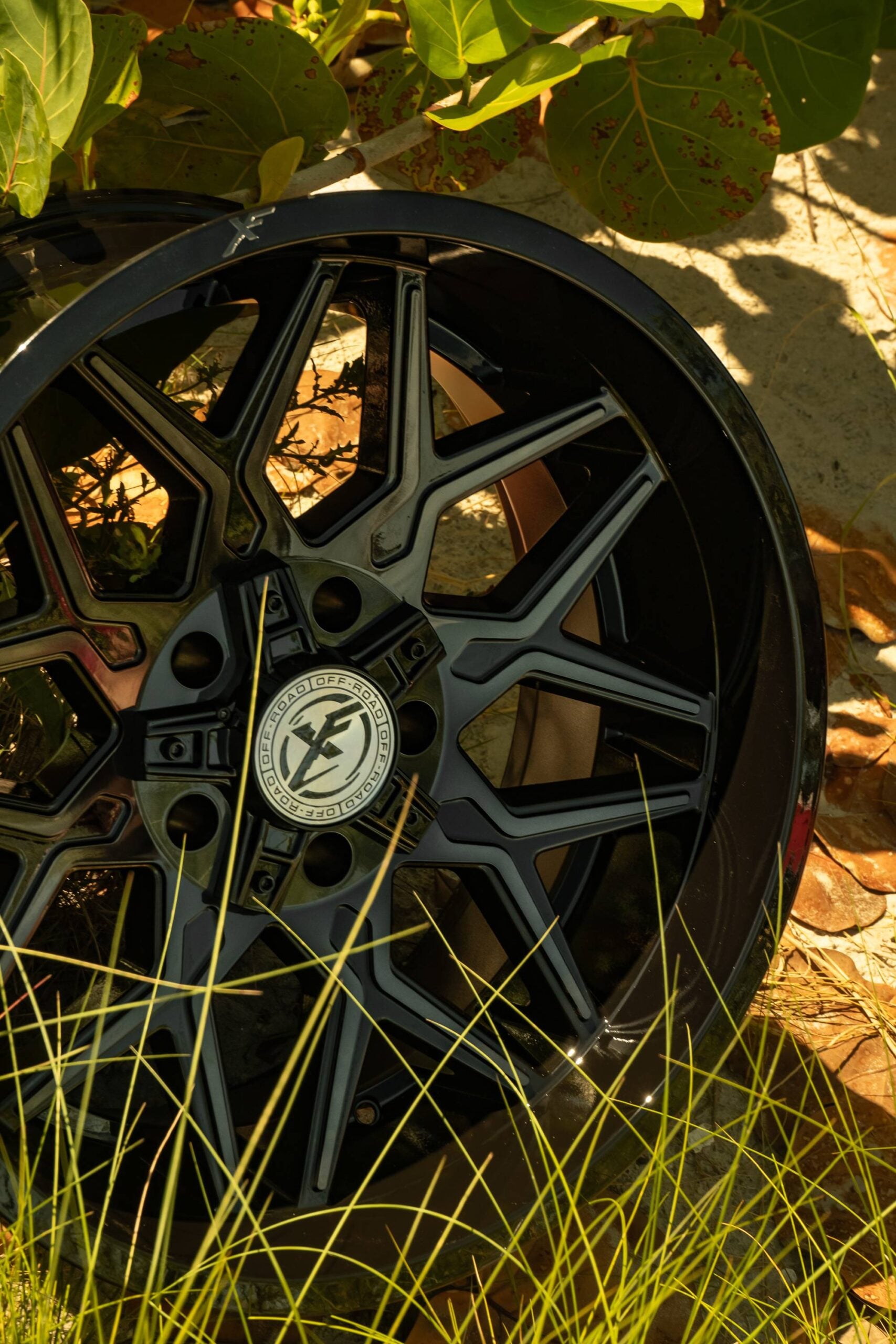
Finally, always align the rim choice with the vehicle’s primary use. A daily commuter has different needs than a dedicated off-road rig or a show car. For a performance car, lightweight alloy or forged wheels from a brand like Spec-1 Racing can enhance acceleration and handling. For a truck that sees heavy-duty use on job sites or trails, a durable wheel from a brand like XF Offroad is a much better fit than a delicate, multi-piece wheel. By asking your customer how they plan to use their vehicle, you can recommend a product that not only looks great but also performs reliably, leading to a much happier customer in the long run.
How Rim Choice Impacts Safety and Performance
Choosing a new set of rims is about more than just looks. As a core component of the vehicle, the rim directly affects everything from fuel economy to how the car feels on the road. The right choice can sharpen handling and improve ride quality, while the wrong one can compromise safety and lead to premature wear on other parts. It’s a decision that balances aesthetics with real-world physics.
When you guide a customer through their options, you’re helping them consider three key areas of performance: weight, handling, and compatibility. Each factor plays a critical role in the vehicle’s overall dynamics. A lighter wheel, for instance, reduces the amount of mass the suspension has to manage, which can lead to a more responsive ride. Similarly, the rim’s dimensions and construction determine how it interacts with the suspension and brakes, influencing everything from cornering stability to stopping power. Understanding these principles will help you equip your customers with wheels that not only look great but also perform safely and reliably.
Weight and Its Effect on Fuel Efficiency
A wheel’s weight has a surprising impact on a vehicle’s fuel efficiency. Lighter wheels, such as those made from aluminum alloy or forged materials, reduce what’s known as unsprung mass. This is the weight that isn’t supported by the vehicle’s suspension. The less unsprung mass a car has, the less energy it takes to get the wheels spinning and the easier it is for the suspension to keep the tires in contact with the road.
While the fuel savings from a single tank of gas might be modest, the cumulative effect over thousands of miles can be significant. For customers who drive a lot, explaining that lighter alloy wheels can contribute to better gas mileage is a tangible benefit. It frames the purchase not just as an upgrade in style, but as a smart, long-term investment in the vehicle’s operational cost.
Handling, Ride Quality, and Brake Clearance
The material and construction of a rim directly influence a vehicle’s handling and ride quality. For example, steel wheels are incredibly durable and cost-effective, making them a great choice for heavy-duty use or harsh weather conditions. However, their heavier weight can sometimes make the steering feel less precise. In contrast, lighter and more rigid forged wheels offer superior feedback and agility, allowing for a more connected feel between the driver and the road.
Beyond ride feel, a critical safety consideration is brake clearance. High-performance vehicles and trucks with upgraded brake systems often feature large calipers that require specific wheel dimensions to fit properly. A wheel with the wrong offset or spoke design can interfere with the brake caliper, creating a serious safety hazard. Always confirm there is adequate clearance for the brake system before finalizing a sale.
Ensuring Proper Tire Compatibility
A rim is only one half of the equation; it must be perfectly paired with the right tire to function safely. The rim’s diameter and width dictate which tire sizes can be mounted. Installing a tire on a rim that is too wide or too narrow can cause improper bead seating, uneven tread wear, and an increased risk of tire failure. This mismatch compromises the tire’s structure and can lead to unpredictable handling.
It’s also essential to use the correct lug nuts or bolts for the specific wheel and vehicle. Different wheels require different seat types (like conical, ball, or flat), and using the wrong ones can prevent the wheel from being securely fastened. Verifying these details is a non-negotiable step that ensures your customer drives away safely. You can use a tire size calculator to confirm compatibility between different rim and tire combinations.
Common Myths About Wheel Rims
When you’re helping customers choose the right wheels, you’ve probably heard it all. Misconceptions can spread quickly, leading to choices that hurt performance, safety, or a customer’s wallet. Addressing these myths head-on not only helps you guide customers to a better purchase but also builds trust and establishes your shop as a source of expert advice. Think of it as a core part of your service. When you can clearly explain the realities behind wheel performance and fitment, you prevent costly returns and frustrating post-sale issues.
This conversation is your opportunity to move beyond just selling a product and become a trusted partner in your customer’s automotive journey. By debunking these common myths, you demonstrate your expertise and commitment to their satisfaction and safety. This builds the kind of loyalty that keeps customers coming back and recommending your shop to others. Let’s clear up a few of the most common myths you’re likely to encounter so you can arm your team with the facts.
Myth: Bigger Rims Automatically Improve Performance
Many customers believe that upsizing their rims is a guaranteed path to better performance. While larger rims can certainly create a more aggressive look and improve steering response with lower-profile tires, the reality is more complicated. Bigger wheels add unsprung weight, which can negatively impact acceleration, braking, and fuel efficiency. The ride often becomes harsher, as there’s less tire sidewall to absorb bumps. Your job is to help customers find the sweet spot between aesthetics and function, explaining how the different types of wheels affect the overall driving experience.
Myth: All Rims Are Interchangeable
This is a dangerous misconception that can lead to serious safety issues. You know that a wheel must perfectly match a vehicle’s specifications, but your customers might not. It’s crucial to explain that factors like bolt pattern, center bore, offset, and backspacing are non-negotiable. Using an incompatible wheel can cause vibrations, excessive wear on suspension components, and even wheel detachment. When a customer asks for a wheel that doesn’t fit, you have the opportunity to explain the importance of proper fitment for both safety and performance. This reinforces your shop’s commitment to their well-being and the quality of your aftermarket wheels.
Myth: Alloy Is Always Stronger Than Steel
The “alloy versus steel” debate is a classic, and many assume alloy is the undisputed champion. While alloy wheels are lighter and better at dissipating heat from the brakes, they aren’t always stronger. Alloys can be more brittle and are more likely to crack or sustain cosmetic damage from a hard impact. Steel wheels, though heavier, are more durable and can often be bent back into shape if damaged. The right choice depends entirely on the customer’s priorities. For a daily driver, an alloy might be perfect, but for a work truck that sees rough roads, the durability of steel is a major advantage.
Myth: Wider Rims Guarantee Better Traction
It seems logical: a wider rim allows for a wider tire, which should mean more rubber on the road and better grip. While a wider contact patch can improve traction in dry conditions, it’s not a universal solution. In wet or snowy weather, a wider tire can be more prone to hydroplaning because the vehicle’s weight is distributed over a larger area. Furthermore, the tire compound and tread design play a much larger role in overall grip than width alone. Guiding customers through the different types of wheels and tires helps them understand that a balanced setup is key to achieving their performance goals.
How to Read Wheel Rim Specifications
Getting wheel specifications right is one of the most important parts of your job. When you can confidently read and interpret these numbers, you ensure every customer gets a perfect fitment the first time. This not only builds trust and satisfaction but also saves your shop from the hassle and cost of returns. Think of these specs as the language of wheels. Once you’re fluent, you can match any vehicle with the ideal set, whether your customer wants a specific look, improved performance, or a reliable OE replacement. Let’s break down the three most critical measurements you’ll encounter every day.
Diameter and Width
Let’s start with the two most fundamental measurements: diameter and width. You’ll typically see these written together, like “18×8,” where 18 is the diameter and 8 is the width, both measured in inches. The diameter must be compatible with the vehicle’s overall setup and the customer’s desired tire profile. The width influences which tire sizes will fit safely and how the tire’s sidewall will look. Getting these two specs right is the first step in any successful wheel fitment, as they form the foundation for every other calculation and decision you’ll make. A solid understanding of these basics helps you guide customers to a choice that is both safe and stylish.
Bolt Pattern
The bolt pattern, or lug pattern, is a non-negotiable specification. It has to be an exact match to the vehicle’s hub, or the wheel simply won’t install. This spec consists of two numbers, such as 5×114.3. The first number (5) tells you how many lug holes are on the wheel, and the second number (114.3) is the diameter of the imaginary circle that passes through the center of those holes, measured in millimeters. An incorrect bolt pattern is a safety risk and a guaranteed return, so always double-check this against the vehicle’s factory specs. Many modern tools and fitment guides can help you confirm the correct pattern quickly.
Offset and Backspacing
Offset and backspacing determine exactly where the wheel sits inside the wheel well, affecting both appearance and clearance. Offset is the distance in millimeters from the wheel’s mounting surface to its centerline. A positive offset pulls the wheel inward, while a negative offset pushes it outward for a more aggressive stance. Backspacing is the distance from the mounting surface to the back edge of the wheel. These two measurements work together to define clearance with suspension parts, brakes, and fenders. Getting them wrong can lead to rubbing or interference, so it’s crucial to understand how they impact the final fit. This is especially important for custom builds and off-road applications where clearance is tight.
Choosing the Right Wheel Brands by Category
Stocking your shop isn’t just about having wheels; it’s about having the right wheels for the customers walking through your door. Different drivers have different needs, whether they’re chasing lap times or tackling rocky trails. Understanding these categories helps you build an inventory that serves every type of customer and vehicle, from daily drivers to high-end custom builds. Let’s look at the main categories and the brands that shine in each.
Performance and Racing
For the driver who values speed and agility, every pound matters. Performance wheels are engineered to be as light as possible to reduce unsprung mass, which can significantly improve handling, acceleration, and braking. Materials like magnesium and specially formulated alloys are common in this category. When your customers are looking to shave seconds off their lap times or simply want a more responsive feel on the road, they’re looking for wheels that offer a competitive edge. Brands like Spec-1 Racing focus on this, providing lightweight designs that blend track-inspired aesthetics with real-world performance gains.
Off-Road and Truck
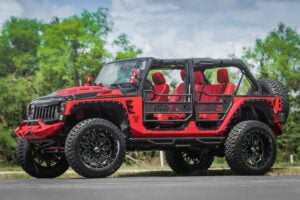
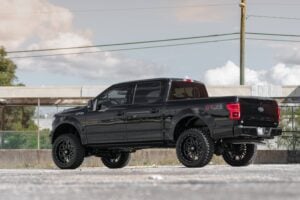
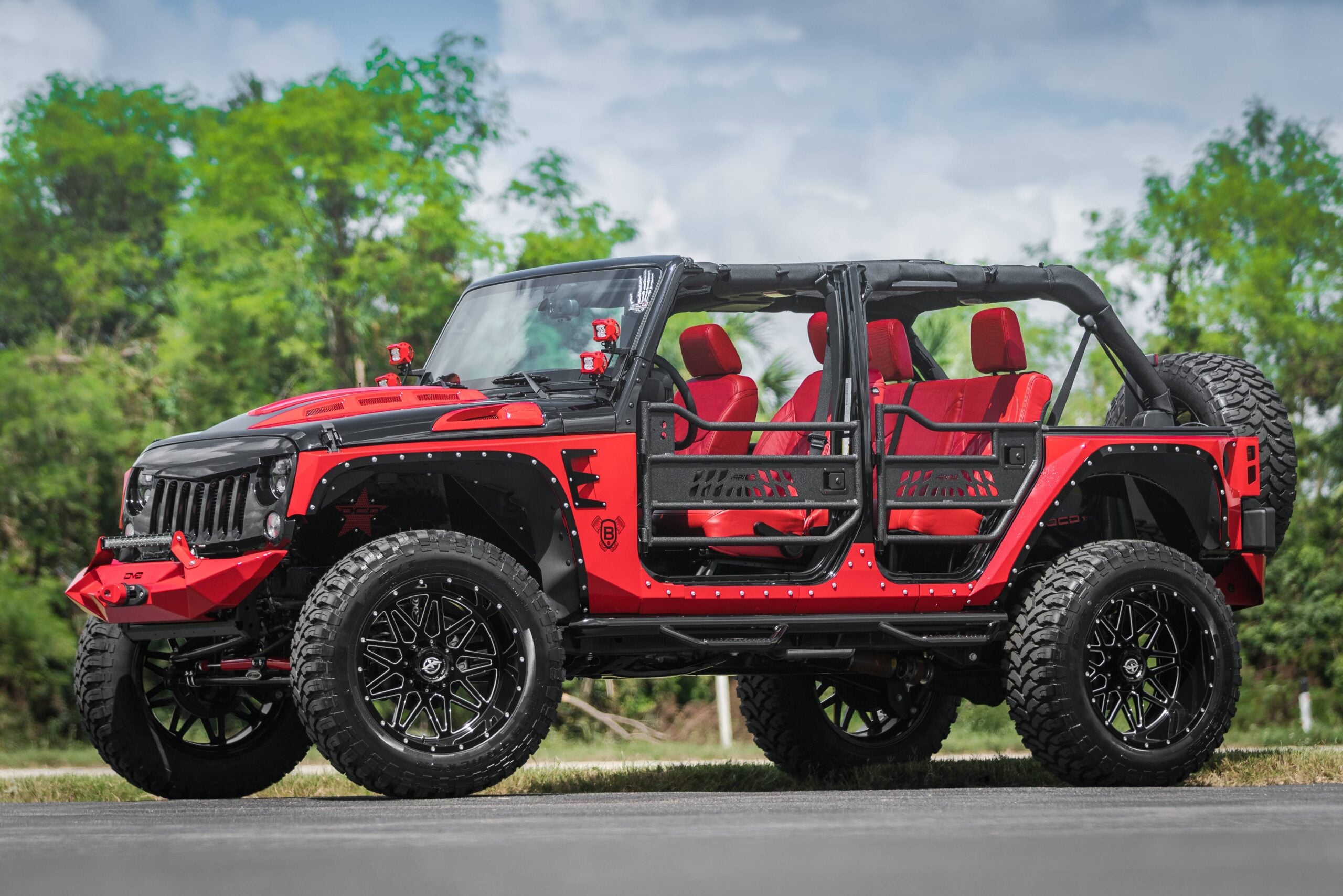
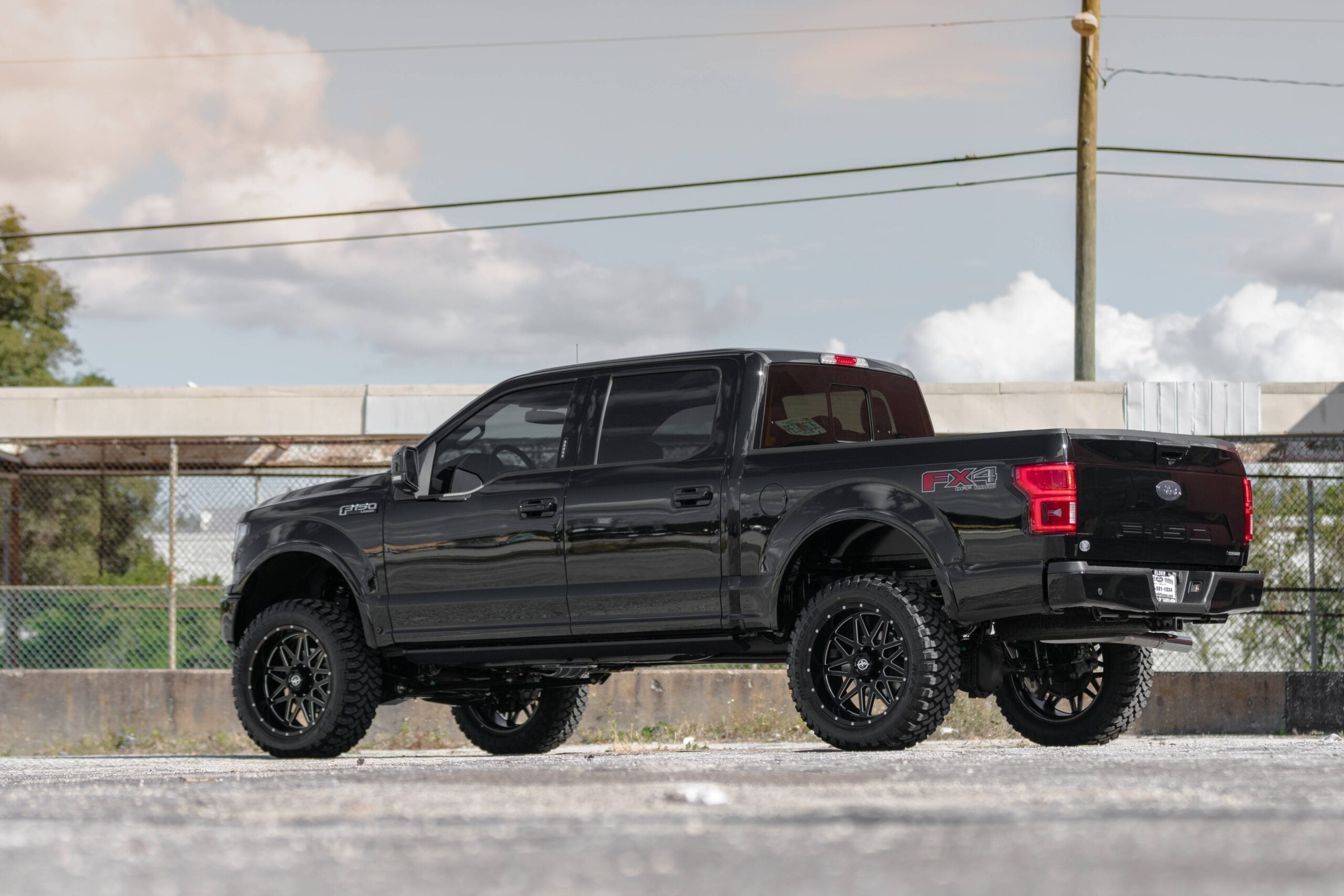
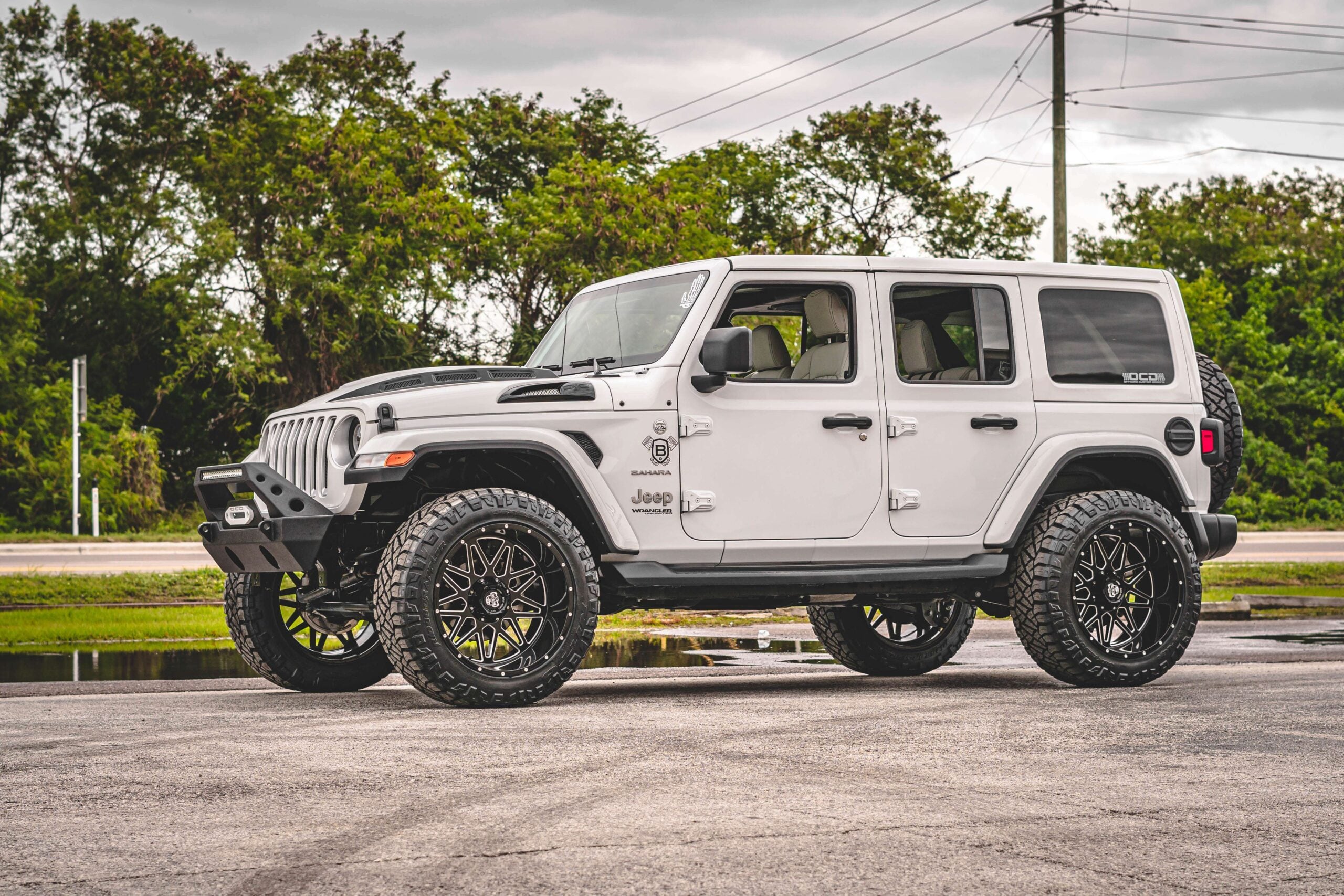
Truck and off-road enthusiasts demand strength and durability above all else. Their wheels need to withstand brutal impacts, heavy loads, and harsh terrain without failing. While steel wheels have long been a go-to for their raw toughness, modern off-road alloy wheels from brands like XF Offroad and Vortek Offroad are engineered to offer a fantastic combination of strength, style, and performance. When sourcing for this category, look for wheels with high load ratings and finishes that can resist chipping and corrosion. These customers want aggressive styling that matches their vehicle’s capability, making this one of the most visually driven segments. You can learn more about the different types of wheels to better guide your customers.
Luxury and Custom Builds
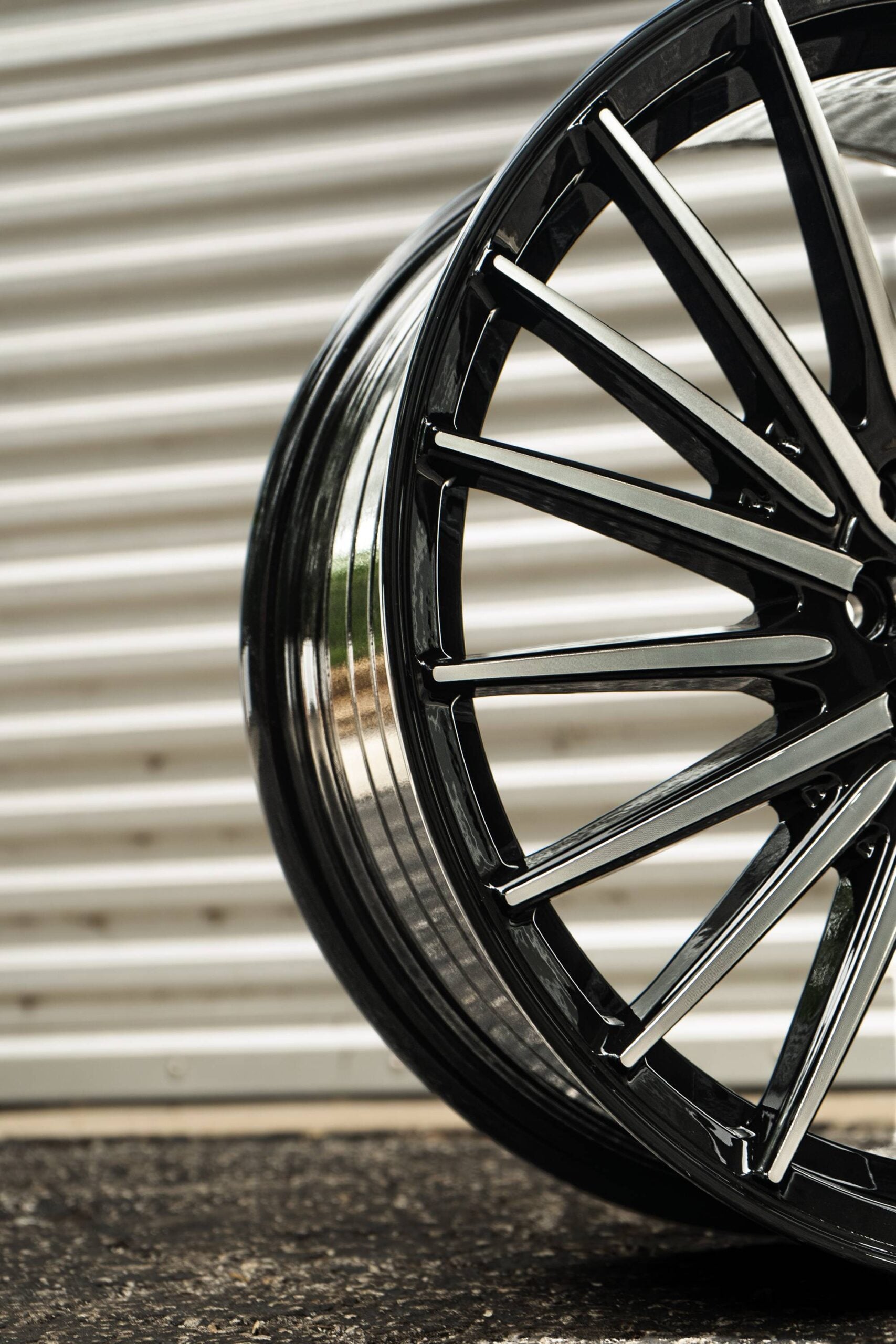
In the world of luxury and custom cars, wheels are the ultimate statement piece. These customers aren’t just buying a part; they’re investing in artistry and prestige. This segment is dominated by unique designs, premium finishes, and high-end materials like forged aluminum, which allows for intricate yet strong styles. Brands like Arvano Luxury Wheels and Amani Forged cater to this clientele, offering exclusive designs that set a vehicle apart. For these buyers, brand reputation and the ability to personalize their vehicle are key purchasing factors, so offering a curated selection of premium wheels is essential.
OE Replacement
Not every customer is looking for a custom upgrade. Many just need a reliable, high-quality replacement for a damaged or worn-out original equipment (OE) wheel. This is a steady, high-volume part of the market for many shops. The priority here is an exact match in size, bolt pattern, offset, and appearance to ensure a seamless fit and maintain the vehicle’s original handling and safety characteristics. Brands like OE Revolution specialize in this, providing dependable aftermarket wheels and rims that meet or exceed factory standards, giving you a trusted solution for the most common cars and trucks on the road.
How to Properly Maintain Wheel Rims
A great set of rims can transform a vehicle, but keeping them in top condition requires consistent care. Proper maintenance isn’t just about preserving aesthetics; it’s a critical part of ensuring vehicle safety and protecting the customer’s investment. By understanding and sharing these best practices, you can help your customers get the most out of their wheels for years to come.
Neglecting wheel care can lead to more than just a dull finish. Brake dust, road salt, and grime can become corrosive over time, eating away at protective coatings and even the metal itself. This can cause pitting, peeling, and discoloration that are difficult and expensive to repair. Beyond cosmetic issues, poor maintenance can hide underlying structural problems like cracks or bends that compromise the integrity of the wheel. Educating your customers on a simple maintenance routine helps them avoid these issues, reinforces your shop’s expertise, and builds long-term trust. From routine cleaning to regular inspections, a few simple steps can prevent costly damage and maintain performance. This guide covers the essential maintenance routines that keep wheel rims looking and performing their best, regardless of their material or finish.
Cleaning Tips for Different Finish Types
The right cleaning method depends entirely on the rim’s finish. Using the wrong products can cause irreversible damage, so it’s important to know the difference. For most painted or coated rims, a gentle approach using a pH-neutral soap and water solution is the safest bet. You should avoid any acidic or abrasive cleaners that can strip the paint.
For aluminum rims, you can start with mild soap and water. If you encounter stubborn grime, a dedicated aluminum wheel cleaner is effective, but always follow the product instructions carefully. Chrome wheels demand special attention to maintain their signature shine. Use a soft cloth and a polish made specifically for cleaning chrome wheels to avoid scratching the delicate surface.
The Importance of Inspections, Tire Pressure, and Balancing
Beyond cleaning, a few key practices are vital for the long-term health and safety of wheel rims. First, encourage regular visual inspections. Customers should get in the habit of looking for any signs of damage, like cracks, bends, or deep gouges, which can compromise the wheel’s structural integrity and lead to failure.
Maintaining correct tire pressure is equally important. Under-inflated tires put extra stress on the rims and can cause damage from potholes, while over-inflation can lead to a harsh ride and increase the risk of cracking. Finally, proper wheel balancing is essential. Unbalanced wheels create vibrations that not only cause uneven tire wear but can also lead to premature damage to the rims and suspension components. It’s a best practice to balance wheels every time new tires are installed.
How to Source Rims for Your Shop
Once you have a handle on the types of rims your customers want, the next big question is: where do you get them? Sourcing inventory is one of the most critical decisions for your shop’s profitability and reputation. Your two main paths are working directly with manufacturers or partnering with a wheel distributor. Let’s look at the differences to help you decide which path is right for your business. Making the right choice here is fundamental to building a resilient operation, as your partners directly impact your ability to serve your customers effectively. A strong supply chain is the backbone of any successful retail or service shop, and it all starts with choosing the right source for your products.
Distributor vs. Direct from Manufacturer
Going directly to a manufacturer might seem like a way to cut out the middleman and save money, but it’s often not that simple. Manufacturers typically require very high minimum order quantities that are beyond the reach of most independent shops. You would be responsible for managing international shipping, customs, and warehousing for a massive volume of a single brand. This ties up significant capital and storage space, creating a lot of risk.
Partnering with a distributor is a more practical and strategic path for most shops. A distributor gives you access to a wide variety of brands and styles from a single point of contact. They buy in huge volumes, so you benefit from their purchasing power. More importantly, they handle all the complex logistics. With a good distributor, you can place smaller, more frequent orders, which keeps your inventory lean and your cash flow healthy. This supply chain strategy allows you to be more agile and responsive to your customers’ needs without tying up all your resources in backstock.
What to Look for in a Wheel Distributor
Choosing a distributor is like choosing a business partner. The right one will be invested in your success and make your job easier. The wrong one can cause constant headaches and lost sales. As you evaluate potential distributors, here are the key things to look for. First, consider their inventory depth and brand portfolio. A great partner offers a diverse range of wheel brands across different styles and price points, and most importantly, they have the stock available when you need it. This prevents disappointing customers with backorders.
Next, look at their logistics. How fast can they get wheels to your door? A distributor with multiple, strategically located warehouses can offer faster and cheaper shipping, which is a major competitive advantage. Finally, and perhaps most critically, examine their dealer policies. Look for a distributor that protects its dealers with strict MAP pricing enforcement. This policy ensures that other dealers can’t undercut you online, which protects your margins and the value of the brands you sell. A true partner won’t compete against you; they’ll give you the tools and support you need to grow.
Related Articles
- Do All Rims Come With Tires? Here’s What You Need To Know
- 4×4 Truck Rims: The Ultimate Buyer’s Guide
Frequently Asked Questions
How should I explain the difference between a “rim” and a “wheel” to my customers? The easiest way is to keep it simple and visual. You can explain that the “wheel” is the entire metal part that bolts to their car, while the “rim” is just the outer edge of that wheel where the tire sits. While people use the terms interchangeably, knowing the difference helps your team order the correct parts with precision. It’s a small detail that reinforces your shop’s expertise without making the customer feel corrected.
What’s the most critical spec to double-check to prevent a costly fitment mistake? While every specification is important, the bolt pattern is the one that offers zero room for error. If the bolt pattern is wrong, the wheel simply will not mount to the vehicle. Always confirm this measurement (for example, 5×114.3) against the vehicle’s factory specs before placing an order. Getting this right from the start prevents the most common and frustrating reason for a return.
Is it better for my shop to source wheels from a distributor or directly from a manufacturer? For most independent shops, partnering with a distributor is the more strategic choice. Manufacturers often require massive minimum orders that tie up your capital and storage space in a single brand. A good distributor gives you access to a diverse portfolio of brands from one source, allowing you to place smaller, more frequent orders. This keeps your inventory lean and improves your cash flow, letting you respond to customer needs more effectively.
A customer wants the strongest wheel for their truck. Should I always recommend forged? Not necessarily. While forged wheels offer the highest strength-to-weight ratio, they come at a premium price. For many truck owners, especially those using their vehicle for heavy work or on rough terrain, a high-quality steel wheel can be a better choice. Steel is incredibly durable, resistant to cracking, and much more affordable. The best recommendation depends on the customer’s specific use and budget, so it’s great to explain the trade-offs between steel’s durability and forged’s lightweight strength.
How can I convince a customer that wheel weight matters for more than just racing? You can connect it to benefits they’ll feel every day. Explain that lighter wheels, like aluminum alloys, reduce something called “unsprung mass.” This means the car’s suspension doesn’t have to work as hard, which can lead to a smoother ride and more responsive handling. You can also mention that it takes less energy to spin a lighter wheel, which can contribute to better fuel efficiency over time. It frames the choice as a smart upgrade for their driving experience, not just for looks.