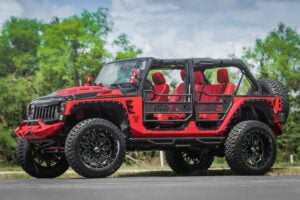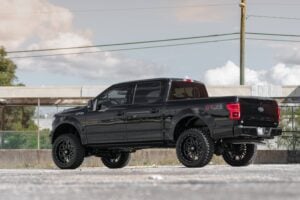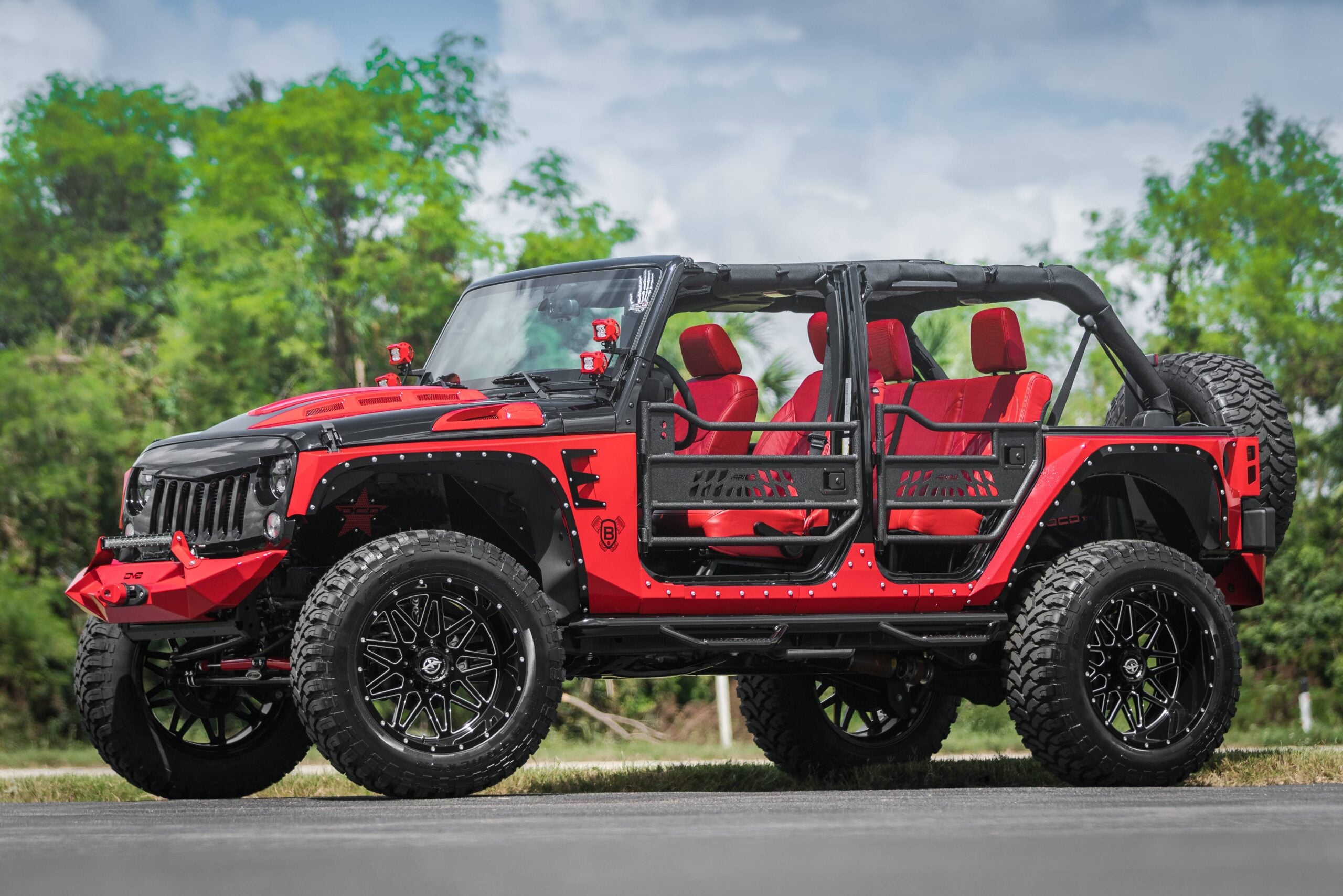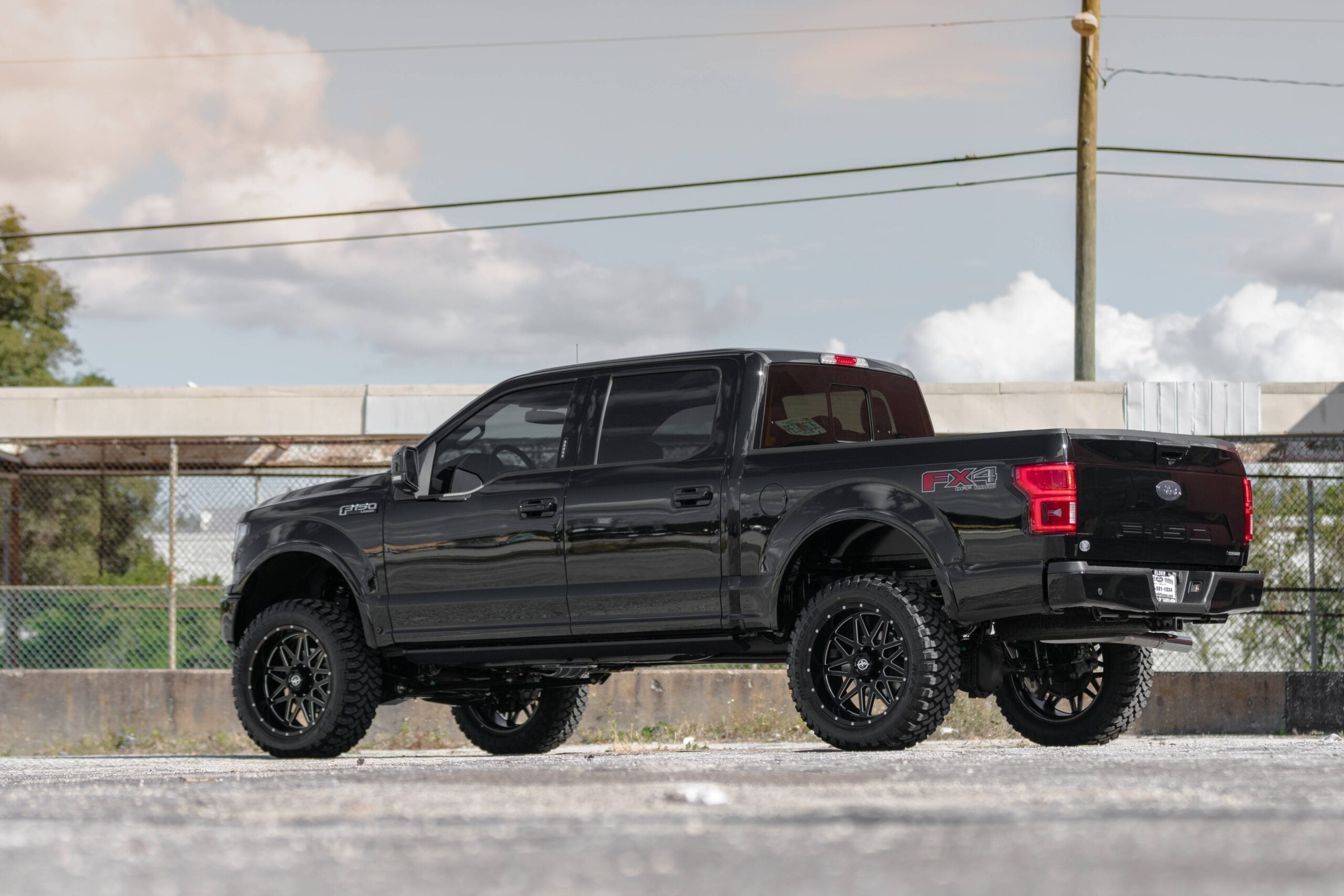
It’s a frustrating feeling. A customer you just serviced asks where they can get a great set of wheels, and you have to send them down the street to another shop. You’re not just losing a sale; you’re missing an opportunity to be their one-stop solution for all their automotive needs. Bringing wheel sales in-house is the answer, allowing you to capture that revenue and provide a more complete service. The process might seem complex, but it starts with one simple step: getting your business ready for a wholesale partnership. This article breaks down the essential wheel distributor requirements so you can stop sending customers away and start building a profitable new part of your business.
Key Takeaways
- Get Approved Faster by Preparing Your Credentials: Have your Federal Tax ID, state resale certificate, and proof of a business location ready before you apply. This simple step proves your legitimacy and helps distributors activate your account without delays.
- Look Beyond Price to Protect Your Profits: A true partner offers more than a good price; choose a distributor with strictly enforced MAP policies, reliable in-stock inventory, and a commitment to a B2B-only model so they never compete with you.
- Use Your Distributor as a Strategic Resource: Don’t just place orders. Communicate your business goals, lean on their sales team for fitment expertise, and use their inventory to build a smart stock plan that keeps your cash flow healthy.
What is a Wheel Distributor Partnership?
Think of a wheel distributor partnership as more than just a way to buy inventory. It’s a strategic relationship that can help your auto shop grow. When you partner with a distributor, you gain access to a wide range of wheels at wholesale prices, which means you can offer more options to your customers without having to store a massive inventory yourself. A great distributor acts as an extension of your team, providing the products, fitment knowledge, and support you need to operate smoothly and profitably. This relationship allows you to be more agile, responding to customer requests for specific styles or sizes without a huge upfront investment.
Choosing the right B2B wheel distributor is a critical step for your shop’s success. This isn’t just about finding the lowest price on a set of wheels; it’s about building a reliable connection with a company that helps you make more money and avoid headaches. The right partner ensures you get products quickly, protects your profit margins with fair pricing policies, and offers expert guidance when you need it. This frees you up to focus on what you do best: providing excellent service and building custom vehicles for your clients. A strong partnership is built on trust, consistent supply, and the shared goal of keeping customers happy and coming back for more.
Wholesale vs. Retail: What’s the Difference?
The main difference between wholesale and retail comes down to who the customer is. Wholesale distributors sell products exclusively business-to-business (B2B). They provide wheels, rims, and other automotive parts to businesses like your auto shop at special wholesale prices. These distributors don’t sell directly to the public. This model is designed to support your business, not compete with it. By selling only to dealers, a wholesale distributor helps protect your customer base and ensures you can maintain healthy profit margins. It creates a clear supply chain where you are the trusted source for the end consumer.
Who Qualifies to Be a Dealer?
To become a dealer and access wholesale pricing, you’ll need to prove you’re a legitimate automotive business. The application process is usually straightforward but requires you to provide key business credentials. You should be prepared to submit your official company name, address, phone number, and contact information. Most distributors will also ask for a business reference from another company you work with to verify your standing in the industry. Finally, you’ll need to review and agree to the distributor’s terms of sale to complete your application. This formalizes the partnership and outlines the expectations for both sides.
What Business Credentials Do You Need to Apply?
Ready to become an official wheel dealer? That’s great. Before you start filling out applications, it helps to gather a few key documents. Think of it as getting your professional paperwork in order to build a strong foundation for your business. Distributors ask for these credentials for an important reason: to verify that they are partnering with legitimate automotive businesses. This process protects the integrity of the entire dealer network, ensuring that everyone in the partnership is a serious, professional operator. It prevents individuals from trying to get wholesale pricing for personal use and helps maintain fair competition for all dealers.
Having your credentials ready makes the application process much smoother and shows potential partners that you’re organized and prepared for a long-term business relationship. You’re not just buying parts; you’re entering a partnership designed to help you grow. When a distributor enforces these requirements, it’s a good sign. It means they are committed to a dealer-first model and are actively working to protect your margins from being undercut by non-business entities. This level of diligence is what separates a simple supplier from a true partner invested in your success. Generally, you’ll need three key pieces of information to get started: your federal and state tax IDs, documentation for your business structure, and proof of a physical business location. Let’s walk through what each of these involves so you can have everything you need on hand.
Federal Tax ID and State Resale Tax ID
First up are your tax identification numbers. You will need both a Federal Tax ID and a State Resale Tax ID. Your Federal Tax ID, also known as an Employer Identification Number (EIN), is essentially a Social Security Number for your business. You’ll need one if you have employees or if your business is structured as a corporation or partnership. You can apply for an EIN for free directly from the IRS.
Your State Resale Tax ID, sometimes called a seller’s permit or resale certificate, is just as important. This number allows you to purchase inventory, like wheels, for resale without paying sales tax on the transaction. Instead, you’ll collect sales tax from your final customer. This is critical for protecting your profit margins and managing your cash flow effectively.
Business Structure Documentation
Next, you’ll need to provide documentation that proves how your business is legally structured. Whether you operate as a Sole Proprietorship, a Partnership, a Limited Liability Company (LLC), or a Corporation, you will need the official paperwork that corresponds with that choice. Each business structure carries different legal and tax implications, so distributors need to know exactly who they are entering into a legal agreement with.
Having these documents ready demonstrates your professionalism and credibility. It shows that you’ve done the work to establish a formal business entity, which gives suppliers confidence that you are a serious and reliable partner. This simple step helps build trust right from the start of your relationship.
Proof of a Physical Business Location
Finally, you will likely need to provide proof of a physical business location. This isn’t about being nosy; it’s about verifying that you are a commercial enterprise with a tangible presence in the market. This requirement helps distributors ensure they are partnering with established shops and not just individuals seeking a discount.
Proof can often be a copy of your local business license or permit from your city or county, a lease agreement for your commercial space, or even a utility bill in your business’s name at that address. Providing this confirms that you are a legitimate, tax-paying business operating in a commercial capacity, which is a cornerstone of any healthy B2B partnership.
How to Set Up Your Wholesale Account
Once you have your business credentials in order, you’re ready to apply for a wholesale account. This is the key step that unlocks dealer pricing, dedicated support, and access to a distributor’s full inventory. While each distributor’s process is slightly different, they all follow a similar path designed to verify your business and set you up for success. Think of it less like filling out paperwork and more like opening the door to a partnership. Here’s a breakdown of what you can expect.
Complete the Application
The first step is to formally submit your application. Most distributors offer a straightforward online form to make the process quick and easy. You’ll typically find a “Become a Dealer” or “Wholesale Application” link on their website where you can start your application. Some may also provide a downloadable PDF that you can fill out and email back. Be prepared to provide the business credentials we discussed earlier, like your Federal Tax ID and state resale certificate. Having these documents ready will make the application process go much smoother.
What to Expect After You Apply
After you submit your application, the distributor’s team will review your information. Once your account is approved, you’ll typically receive a welcome email with your account details and login credentials for their wholesale portal. This online portal is your command center for the partnership. It’s where you can check real-time inventory levels, view dealer-specific pricing, and place orders 24/7. You should also be connected with a dedicated sales representative who can answer fitment questions, provide product recommendations, and help you build your orders.
How Long Does Approval Take?
Approval times can vary, but the fastest way to get set up is to submit a complete and accurate application. The main cause of delays is often missing or incorrect paperwork. Before you submit, double-check that you’ve attached all the necessary documents, especially your state’s resale certificate. For example, businesses in Florida need to provide a current Florida Annual Resale Certificate to be exempt from sales tax. Ensuring all forms are filled out correctly from the start helps the distributor verify your business quickly and get your account activated without any back-and-forth.
What Are the Minimum Order Requirements?
When you partner with a wheel distributor, you’ll likely encounter minimum order requirements. These aren’t arbitrary rules; they are a standard part of wholesale relationships that help distributors manage inventory, streamline logistics, and offer you the best possible pricing. Understanding these requirements from the start helps you plan your finances and build a strong foundation for your partnership.
Think of it as a two-way commitment. The distributor commits to providing you with consistent stock and support, while your orders help them forecast demand and operate efficiently. This structure ensures that both your business and the distributor can grow profitably. Most distributors have separate requirements for your first order versus ongoing reorders.
Initial Order Minimums
Your first order with a new distributor will typically have the highest minimum requirement. This initial buy-in establishes you as a serious dealer and covers the administrative and logistical costs of setting up your new account. While the exact amount varies, it’s common for initial orders to range from $1,000 to $5,000, depending on the distributor and the brands you choose.
This first purchase is your opportunity to build a foundational inventory. It allows you to stock a variety of styles, sizes, and finishes so you can start showing and selling wheels to customers right away. This initial commitment helps distributors manage inventory and confirms that new partners are ready to build a successful sales program.
Ongoing Reorder Thresholds
After your initial buy-in, the requirements for subsequent orders are usually much lower. These ongoing reorder thresholds are designed to encourage consistent purchasing without requiring a large capital investment every time you need to restock. Typical reorder minimums can range from $500 to $2,000.
This system gives you the flexibility to replenish your best-sellers or place special orders for customers as needed. For the distributor, predictable reorders help them maintain accurate stock levels and ensure your favorite products are always available. This practice of regular purchasing creates a stable and reliable supply chain for everyone, preventing the stockouts that can lead to lost sales.
How Minimums Affect Your Pricing
Meeting order minimums isn’t just about maintaining your account status; it directly impacts your profitability. Many distributors use a tiered pricing structure that rewards dealers for placing larger or more frequent orders. By meeting or exceeding certain thresholds, you can access better per-unit pricing, which translates directly to healthier margins for your shop.
Before partnering with a distributor, ask about their pricing tiers and how order volume affects your costs. Some distributors offer tiered pricing that can significantly reduce your cost of goods as your business grows. Viewing minimums as a strategic tool, rather than just a requirement, allows you to maximize your purchasing power and improve your bottom line with every order.
Why MAP Policies Matter to Your Business
When you partner with a wheel distributor, you’re not just buying inventory; you’re investing in brands that your customers will see, desire, and purchase. A Minimum Advertised Price (MAP) policy is one of the most important factors that protects this investment. Think of it as a commitment from the manufacturer that they value their brand and, by extension, your business. A strong MAP policy ensures that the market remains stable and that you aren’t forced into a “race to the bottom” with online discounters who don’t offer the same level of service, fitment expertise, or installation quality as your shop.
Choosing a distributor that actively enforces MAP is a sign that you’re entering a healthy partnership. It shows they are dedicated to maintaining brand integrity and dealer profitability over chasing short-term volume. This allows you to sell confidently, knowing that the premium wheels you stock won’t be devalued overnight by a seller across the country. Ultimately, a well-enforced MAP policy creates a fair environment where your shop can compete on its strengths: customer service, expert advice, and professional installation. It’s a foundational piece of a successful, long-term relationship between a dealer and a distributor.
What is MAP Pricing?
Minimum Advertised Price (MAP) is a policy set by a manufacturer that dictates the lowest price a retailer can publicly advertise a product for. It’s important to note this applies to the advertised price, not the final sale price. This policy is designed to create a level playing field for all dealers, from small independent shops to larger online retailers.
By setting a price floor for advertising, MAP policies encourage competition based on value rather than just price. It allows your business to stand out through superior customer service, expert fitment guidance, and a better overall buying experience. When customers can’t find a wheel drastically cheaper elsewhere, they are more likely to buy from a trusted local expert who can guarantee proper installation and support after the sale.
How MAP Protects Your Profit Margins
Without a MAP policy, the market is vulnerable to price wars. One retailer might slash the advertised price of a popular wheel to attract traffic, forcing competitors to follow suit just to stay relevant. This downward spiral, often called price erosion, shrinks profit margins for everyone involved. Soon, a wheel that once offered a healthy return becomes a low-margin commodity, making it difficult to justify stocking it.
MAP policies prevent this scenario by establishing a stable and predictable pricing structure. This stability is crucial for maintaining healthy profit margins that allow you to invest back into your business, from paying skilled technicians to maintaining a quality showroom. When you can sell a product at a price that reflects its quality and brand value, your business remains profitable and sustainable.
What to Look for in MAP Enforcement
A MAP policy is only as strong as its enforcement. A distributor can have a policy on paper, but if they don’t actively monitor and act on violations, it offers little protection. When evaluating a potential distributor, ask about their enforcement strategy. True partnership requires a commitment to upholding the rules for everyone.
Look for a distributor that provides clear, written guidelines and demonstrates a history of consistent monitoring across all sales channels, including major online marketplaces. An effective MAP enforcement program should also include a straightforward process for dealers to report violations and a clear set of consequences for non-compliant sellers. This shows the distributor is serious about protecting its brand and its dealer network.
How to Build the Right Wheel Inventory
Building the right wheel inventory is one of the most important things you can do for your shop’s profitability. It’s a balancing act. On one hand, you want to have the wheels your customers are looking for, right when they want them. On the other, you don’t want your cash tied up in inventory that gathers dust in the back room. A smart inventory strategy isn’t about stocking every wheel imaginable; it’s about stocking the right wheels for your specific market and customer base.
The goal is to maximize your sales opportunities while minimizing risk and carrying costs. This means understanding your local demand, identifying your best-sellers, and leaning on your distributor for everything else. A strong partnership with a distributor that offers deep inventory and fast shipping is the key to making this work. When you can get most wheels in just a few days, you don’t have to carry them all yourself. This approach frees up your capital, reduces storage needs, and allows you to be more agile in responding to what your customers want. Let’s break down how to build an inventory plan that works for your business.
Cover Multiple Price Points and Vehicle Types
To grow your business, you need to be able to say “yes” to as many customers as possible. That starts with offering wheels for different budgets and vehicles. Your inventory should include options for trucks, luxury cars, daily drivers, and performance vehicles. By covering various price points, from entry-level cast wheels to premium forged options, you can serve a wider range of customers, from someone needing a simple OE replacement to an enthusiast building a show car.
A distributor with a diversified brand portfolio makes this much easier. Instead of managing relationships with a dozen different suppliers, you can source everything you need from one partner. This simplifies your ordering process and helps you build a stronger relationship with a single supplier who understands your business needs across different market segments.
Balance In-Stock vs. Special Orders
No shop can afford to stock every wheel in every size and finish. The secret is to find the right balance between what you keep on hand and what you special order. A good rule of thumb is to stock your top sellers, the 20% of your SKUs that drive 80% of your sales. These are the wheels you know you can sell quickly. For everything else, you can rely on your distributor’s inventory.
This strategy only works if your distributor actually has the wheels they list in stock and can ship them quickly. Customers have come to expect fast turnarounds, and waiting 10 to 14 days for a set of wheels can easily kill a sale. When you partner with a distributor known for its deep inventory and fast fulfillment, you can confidently sell wheels you don’t physically have, knowing they’ll arrive on time. This approach to inventory management keeps your cash flow healthy and your customers happy.
Choose Brands That Fit Your Customer Base
The brands you carry should directly reflect the customers you serve. Take a look at the cars in your parking lot and your local area. Are you in a region with a lot of lifted trucks? Then your inventory should be heavy on off-road brands. If your shop specializes in luxury or European cars, you’ll want to focus on high-end and forged wheel brands. Offering popular finishes like gloss black, matte black, and chrome is also essential to meet current demand.
Beyond just the style, consider the construction methods. Having a mix of cast, flow-formed, and forged wheels allows you to meet different performance needs and price points. A good distributor can be a valuable resource here, providing data on which brands and styles are selling well in your area. This helps you choose the right brands and make smarter inventory decisions instead of just guessing what might sell.
How Logistics Impact Your Inventory Plan
Your distributor’s logistics network has a direct impact on how you manage your own inventory. A distributor with multiple, strategically located warehouses can deliver wheels faster and more reliably than one with a single location. This speed and reliability mean you can operate with a leaner in-house inventory. You don’t have to tie up as much capital in stock because you know you can get special orders to your shop in just a day or two.
This logistical advantage allows you to be more flexible and responsive to customer requests. When a customer wants a specific wheel that you don’t have on hand, you can check your distributor’s live inventory and give them an accurate arrival date. This efficiency in the supply chain ultimately translates to a better customer experience, fewer lost sales due to backorders, and a healthier bottom line for your business.
How to Evaluate a Wheel Distributor
Choosing a wheel distributor is more than a simple transaction; it’s a partnership that directly impacts your shop’s reputation, profitability, and day-to-day operations. The right partner acts as an extension of your business, providing the products and support you need to keep your customers happy and your bays full. A weak partner, on the other hand, can lead to lost sales, frustrated customers, and logistical headaches.
As you consider your options, it’s helpful to look beyond the price per wheel and evaluate the entire picture. A distributor’s reliability, product depth, and dealer support systems are just as critical as their pricing. By taking a structured approach to your evaluation, you can find a partner that helps you grow your business confidently for years to come. The following criteria will give you a clear framework for vetting potential distributors and making a choice that aligns with your long-term goals.
Product Range and Brand Selection
Your ability to serve a wide range of customers depends heavily on your distributor’s inventory. A strong partner will offer a diverse portfolio of brands that cover multiple vehicle types, styles, and price points, from daily drivers to luxury and off-road builds. This allows you to say “yes” to more customers, whether they need a simple OE replacement or a custom-forged set for a show car. The Tire Industry Association notes the importance of a varied product mix to meet broad market demand. Look for a distributor that provides a healthy selection of cast, flow-formed, and forged wheels to ensure you have the right solution for every budget and application.
Fulfillment Speed and Order Fill Rates
In the wheel business, speed is everything. When a customer is ready to buy, they don’t want to wait two weeks for their wheels to arrive. That’s why fulfillment speed and order fill rates are critical metrics. A reliable distributor maintains deep inventory and can tell you instantly what’s in stock and when it will ship. Ask about their average fill rate, which is the percentage of an order they can ship immediately. A high fill rate means fewer backorders and happier customers. Distributors with multiple, strategically located warehouses can also significantly cut down on shipping times, helping you complete jobs faster.
Ordering Systems and Account Management
The best products in the world don’t matter if ordering them is a constant headache. A modern distributor should provide a clean, intuitive online ordering portal that makes it easy to check stock, verify fitment, and place orders 24/7. This saves you valuable time and reduces the chance of costly errors. For even greater efficiency, see if their system can integrate with your shop’s inventory management software. This streamlines your reordering process and helps you maintain optimal stock levels without manual data entry, freeing you up to focus on serving customers.
Dealer Support and Fitment Guidance
Things don’t always go according to plan. You might encounter a tricky fitment, a customer with a unique request, or a question about a new product. This is where a distributor’s dealer support truly shines. A great partner provides you with a dedicated account manager or a knowledgeable sales team you can call directly for help. They should offer expert fitment guidance to prevent mistakes before they happen and be ready to assist with returns or warranty issues. This level of support is a safety net that protects your time, money, and reputation.
Supply Chain and Financial Stability
Finally, take a step back and assess the distributor’s overall business health. A partner with a fragile supply chain or shaky finances puts your business at risk. Look for distributors with a long, proven track record and strong relationships with their manufacturers. This indicates they can maintain consistent stock, even during market disruptions. Financial stability is just as important; you want to build a relationship with a company that will be around for the long haul. Partnering with an unreliable supplier can be a major drain on resources, so it pays to choose a distributor with a solid foundation.
Distributor Red Flags to Watch For
Choosing a wheel distributor is a lot like hiring a key employee. You’re forming a partnership that your business will depend on for inventory, support, and ultimately, profitability. A great partner can help you grow, while a bad one can cause endless headaches and lost sales. As you evaluate potential distributors, it’s just as important to know what to avoid as it is to know what to look for. Keep an eye out for these common red flags. Trusting your gut is important, but these specific warning signs can help you steer clear of a partnership that isn’t built for the long haul.
Inconsistent Stock and Low Fill Rates
Nothing stops a sale faster than finding out the wheels your customer wants are out of stock. A major red flag is a distributor that can’t give you a straight answer about inventory. If you constantly hear “I’ll have to check and get back to you,” or if your orders consistently arrive with backordered items, you have a problem. This signals poor inventory management on their end, which creates uncertainty for your business. A reliable partner invests in the systems and warehousing needed to provide real-time stock levels and high fill rates. You should be able to confidently tell a customer when their wheels will arrive because your distributor is a dependable source for building the right wheel inventory.
Weak or Unenforced MAP Policies
A Minimum Advertised Price (MAP) policy is designed to protect your profit margins and the brand’s value. If a distributor has a weak or non-existent MAP policy, it’s a serious red flag. This often means they’ll sell to anyone, including online-only discounters who can slash prices and undercut your business. This creates a race to the bottom where you’re forced to compete on price alone, eroding your profitability. A distributor who is serious about partnership will have a strict MAP policy and will actively enforce it. This ensures a level playing field where you can sell based on your service and expertise, not just the lowest price.
Sells Directly to Your Customers (Channel Conflict)
This is one of the biggest red flags of all. Your distributor should be your partner, not your competitor. If a distributor sells the same products directly to consumers, they are actively competing for your customers. This is known as channel conflict, and it creates a fundamental breakdown of trust. Why would you want to buy from a company that is trying to take business away from you? A true dealer-first distributor will be committed to a B2B model and will have clear policies in place to protect their dealer network. Before you sign on, ask them directly about their sales channels to ensure they are focused on helping you succeed.
Outdated Tech and Poor Communication
In a fast-paced shop, you don’t have time to play phone tag or wait for someone to email you a PDF catalog from last year. A distributor still relying on outdated technology and slow communication methods can hold your business back. Placing orders, checking stock, and tracking shipments should be simple and efficient. A modern distributor should provide a user-friendly online portal where you can manage your account 24/7. Clunky systems and poor communication lead to ordering errors, shipping delays, and wasted time for your team. Look for a partner who has invested in technology that makes it easier for you to do business with them.
How to Build a Strong Distributor Partnership
Once you’ve established an account, the work isn’t over. The most successful wheel shops don’t just buy from distributors; they build genuine partnerships with them. Think of your distributor as an extension of your team, a resource dedicated to helping your business grow. A strong relationship goes far beyond placing orders. It’s built on clear communication, mutual trust, and a shared goal of putting the right wheels on customers’ vehicles, profitably and efficiently.
When your distributor understands your business and you understand how to use their resources, you create a powerful alliance. This partnership can help you anticipate market shifts, solve complex fitment challenges, and ultimately sell more wheels. It transforms the dynamic from a simple transaction into a strategic advantage that keeps your shop competitive and your customers happy. The following steps will help you cultivate a relationship that pays dividends for years to come.
Communicate Your Business Needs Clearly
Your distributor can’t read your mind. The best way to get the support you need is to be open about your business goals, challenges, and customer base. Are you trying to break into the luxury market? Are you seeing more requests for off-road fitments? Let your account representative know. The more they understand about your specific operation, the better they can provide relevant product recommendations and inventory advice.
Treating this relationship as a true partnership is essential. It’s not just about buying products; it’s about finding a partner that helps you make more money and avoid problems. By choosing the right B2B wheel distributor and keeping them in the loop, you enable them to proactively find solutions that fit your unique business needs.
Use Their Sales and Fitment Support
One of the biggest advantages of working with a quality distributor is access to their team’s expertise. Your sales representative or account manager is more than just an order-taker; they are a problem-solver. When you’re facing a tricky fitment for a new vehicle model or a customer requests a specific stance, don’t guess. Pick up the phone. These teams handle thousands of fitments and can provide accurate information that prevents costly returns and unhappy customers.
Lean on their deep product knowledge to guide your purchasing decisions and troubleshoot issues. A distributor’s experience and knowledge are some of the most valuable assets they offer, so don’t hesitate to use them. This support can save you hours of research and give you the confidence to sell a wider range of wheels.
Offer Value-Added Services to Your Customers
A great distributor provides tools that you can use to enhance your own customer experience. Many offer resources like high-resolution image galleries, marketing materials, and digital tools designed to help you close sales. For example, some distributors provide a “wheel visualizer” that lets a customer see exactly how a new set of wheels will look on their specific vehicle.
Integrating these tools into your sales process sets your shop apart. It shows customers that you are professional and helps them make a buying decision with confidence. By leveraging the assets your distributor provides, you can offer a more sophisticated and compelling service without investing in developing these tools yourself. It’s a simple way to add value and improve your sales conversations.
Stay Informed on New Products and Trends
The wheel industry moves fast, with new designs, finishes, and sizes launching every season. Your distributor is on the front lines of these changes and can be your best source for market intelligence. Make it a point to read their newsletters, check for new product announcements on their website, and talk to your sales rep about what’s selling well in other regions.
Staying informed allows you to be proactive instead of reactive. You can anticipate customer demand for emerging trends and adjust your inventory accordingly. Being the first shop in your area to offer a hot new wheel style can solidify your reputation as a market leader. This keeps your showroom fresh and gives customers a reason to check in with you before they go anywhere else.
Is Becoming a Wheel Dealer the Right Move for Your Business?
Deciding to sell wheels is more than just adding a new product to your lineup; it’s a strategic move that can significantly change your business’s trajectory. Before you jump in, it’s worth asking if this is the right path for you. The financial upside is compelling. With the right products and partner, many shops aim for a 30% to 60% profit margin on wheels, creating a powerful new revenue stream. If you already run a tire shop, custom garage, or repair facility, adding wheels is a natural extension of your services. Your customers are already coming to you for automotive work, so offering them a curated selection of wheels meets an existing need and keeps more of their business under your roof.
However, success isn’t guaranteed just by having wheels on display. It depends heavily on your operational readiness and the partners you choose. A great distributor does more than just sell you products; they provide the logistics and support that make your job easier, from fast shipping to fitment guidance. You’ll also need to handle the administrative side, which includes securing the right business permits and licenses based on your city and state regulations. Choosing the wrong distributor can be costly, potentially erasing 15% to 30% of your profit on every sale due to poor pricing, unreliable stock, or channel conflict. Ultimately, becoming a wheel dealer is a great move if you have a solid customer base, are prepared for the operational requirements, and can find a distributor committed to helping you grow.
Related Articles
- 6 Things to Look for in an Automotive Wheel Distributor
- Buy Wheels in Bulk for Resale: The Ultimate Guide
- Top 5 Wheel Wholesale Distributors: A Guide
Frequently Asked Questions
What’s a realistic budget to start selling wheels? This is a great question because it goes beyond just the initial order minimum. While your first order might be between $1,000 and $5,000, you should also plan for having a small but effective display in your showroom. Think of your total startup cost as an investment in a new profit center. A realistic budget accounts for that first inventory purchase plus any marketing or display costs to let your existing customers know you now offer wheels. The goal isn’t to stock everything, but to have enough on hand to create excitement and show customers what’s possible.
How can my shop compete with online-only sellers? You compete by offering what they can’t: trust and expertise. Your biggest advantage is the professional service you provide, including guaranteed proper installation, expert fitment advice, and face-to-face customer support. Partnering with a distributor that strictly enforces MAP policies is also critical. This prevents online discounters from advertising a lower price, which levels the playing field and forces the competition to be about value, not just a race to the bottom on price. Customers will pay for the confidence that comes from buying from a local expert.
What if I order wheels that don’t sell? This is a common and valid concern for any business owner managing inventory. The key is to build a smart, lean inventory plan from the start. You don’t need to stock every wheel you want to sell. Instead, focus on keeping your proven top-sellers on hand and rely on your distributor’s inventory for everything else. This strategy works when you partner with a distributor known for deep stock and fast shipping. When you can get most special orders in just a few days, you minimize your own risk and avoid tying up cash in slow-moving products.
How much time does it take to manage a wheel program? Adding wheels to your business does require an investment of your time, but a good distributor partnership makes it very manageable. The initial setup, including the application and learning the product lines, takes the most effort. Once you’re established, a distributor with a modern online portal allows you to check stock and place orders in minutes, any time of day. Having a dedicated sales representative you can call for quick fitment questions also saves a tremendous amount of time. The right partner provides tools that streamline the process, so you can focus on selling, not on administrative headaches.
If I can only focus on one thing when choosing a distributor, what should it be? Look for reliability. While pricing and brand selection are important, none of it matters if your distributor is inconsistent. A reliable partner has the wheels you need in stock, ships them quickly, and stands behind their policies. This builds a foundation of trust that allows you to sell confidently to your customers, knowing you won’t be let down by backorders or shipping delays. A cheap price from an unreliable supplier will cost you more in the long run through lost sales and frustrated customers, so prioritize dependability above all else.