Your inventory is your biggest asset—and often, your biggest liability. Stocking a full range of OEM wheels is financially impractical, but turning customers away due to slow special orders isn’t an option. The solution is smarter logistics. By partnering with a distributor who has a deep inventory of OE replica wheels, you get fast, reliable fulfillment without tying up your capital. This guide explains how to find a partner for oe replica wheels wholesale and leverage their distribution network, turning a logistical challenge into your competitive edge.
Key Takeaways
- Use OE Replicas to Protect Your Margins: OE replica wheels provide the factory look customers want at a much better price point, allowing you to meet consistent demand for replacements while securing healthy profits that are often lost with expensive OEM parts.
- Focus on Quality to Sell with Confidence: Build customer trust by choosing brands with verified safety certifications (like JWL and VIA), durable materials, and a guaranteed precise fit, ensuring you are providing a safe and reliable product.
- Select a Supplier That Supports Your Growth: A true wholesale partner makes your job easier with fast fulfillment from multiple warehouses, deep inventory to prevent backorders, strict MAP policies to protect your pricing, and responsive dealer support.
OEM, OE Replica, or Aftermarket: Which Wheel Is Which?
When a customer walks in needing a new wheel, knowing your options is key to making the sale and keeping them happy. The terms OEM, OE replica, and aftermarket get thrown around a lot, but the differences between them have a big impact on price, style, and availability. Getting a handle on these three categories will help you stock your inventory smartly, guide your customers to the best choice for their budget, and build trust as their go-to expert. Let’s break down exactly what each type of wheel offers.
First, What Are OEM Wheels?
OEM stands for Original Equipment Manufacturer. These are the stock wheels that come on a vehicle straight from the factory. Think of the wheels on a brand-new Ford F-150 or Toyota Camry sitting on the dealership lot; those are OEM wheels. They are designed and produced by (or for) the carmaker to meet their specific standards for fit, safety, and performance. While the quality is guaranteed, they come with a hefty price tag, especially when a customer needs to buy a single replacement from a dealership. This cost is often the biggest hurdle for customers who just want to replace a damaged wheel without breaking the bank.
And What About OE Replica Wheels?
This is where you can become a hero for your customers. OE replica wheels are designed to be a visual match to the original factory wheels but are produced by a third-party manufacturer. They offer the same look and style your customer loves at a much more accessible price point. For someone who has curbed a wheel and wants their car to look whole again, a high-quality replica is the perfect solution. Brands like OE Revolution specialize in creating wheels that provide a factory look without the factory cost, making them a profitable and popular inventory choice for repair and replacement jobs.
Finally, What Are Aftermarket Wheels?
Aftermarket wheels are all about personalization. These wheels are made by a wide range of companies and are not intended to be copies of factory designs. Instead, they offer a nearly endless variety of styles, sizes, finishes, and materials to help your customers create a custom look. From aggressive off-road wheels for trucks to sleek, lightweight designs for performance cars, the aftermarket wheel industry provides options for every taste and vehicle. Stocking aftermarket wheels allows you to cater to customers who want to upgrade their vehicle’s appearance and stand out from the crowd, opening up a whole new revenue stream beyond simple replacements.
Why OE Replica Wheels Are a Smart Move for Your Shop
Improve Your Margins and Cut Costs
Let’s be honest: OEM wheel prices can leave very little room for profit, especially on insurance jobs or repairs for budget-conscious customers. OE replica wheels offer a solution by providing a high-quality product at a much more accessible price point. This allows you to set a competitive retail price that still protects your profit margins. Instead of losing a sale to a customer searching for a cheaper online deal, you can offer them an immediate, affordable alternative right in your shop. Partnering with a distributor that offers consistent, dealer-first pricing ensures you can confidently quote jobs without worrying about margin erosion. This approach helps you lower overall costs and secure more sales, turning price-sensitive shoppers into loyal customers.
Give Customers What They’re Asking For
Every day, customers come in needing to replace a single damaged wheel or wanting to upgrade their vehicle’s look without straying from the factory aesthetic. This is a steady, predictable source of business. OE replica wheels allow you to meet this consistent demand perfectly. They are designed to closely resemble the original manufacturer’s wheels, giving customers the clean, familiar style they want for popular models from brands like Chevrolet, Ford, and Dodge. By stocking replicas, you become the go-to solution for drivers who love their vehicle’s stock appearance but need a more practical option than a pricey OEM part. This turns a potential “no” or a special-order headache into a quick and profitable “yes.”
Popular Styles and Vehicle Applications
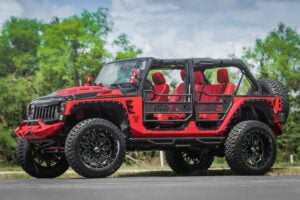
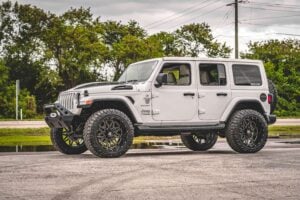
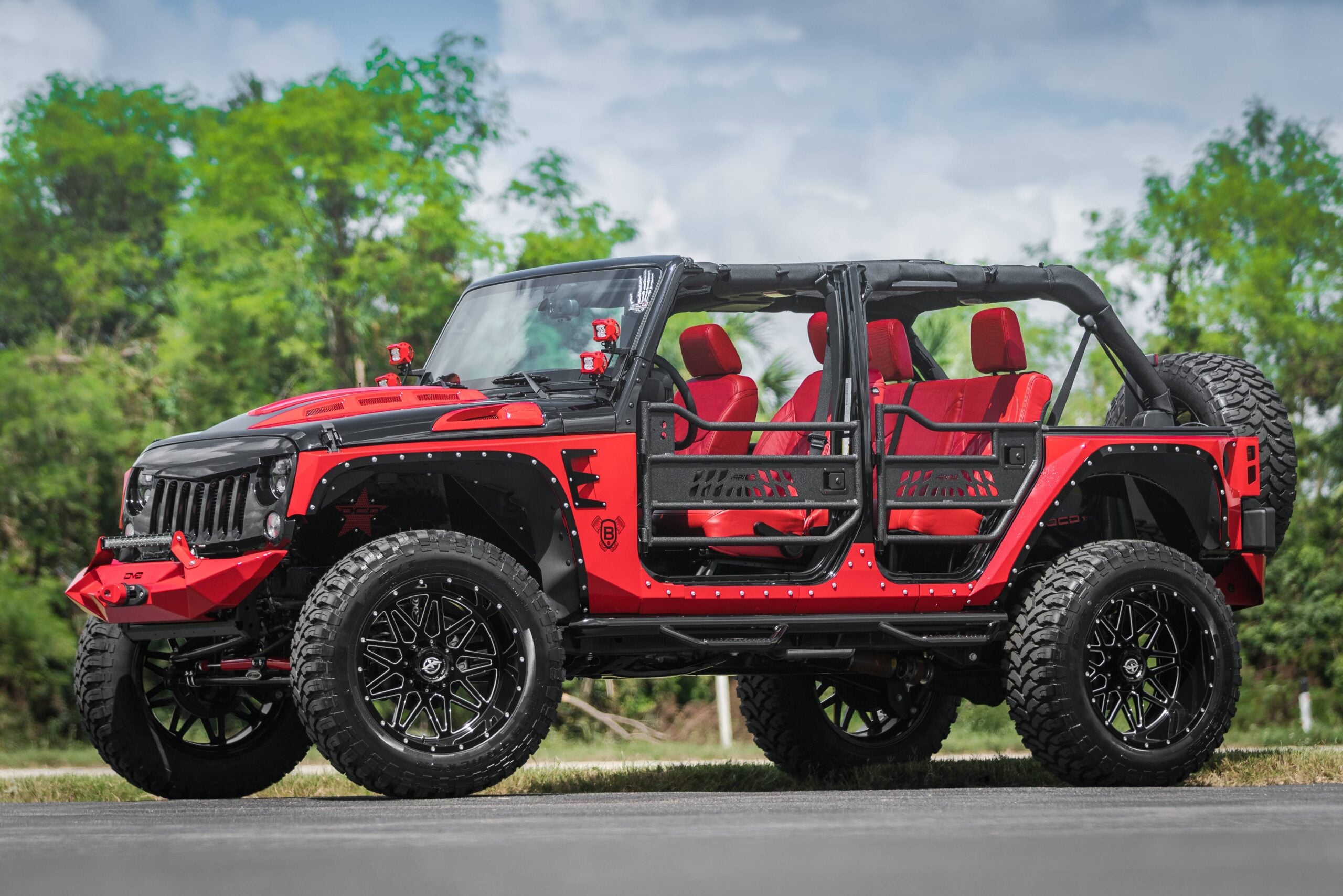
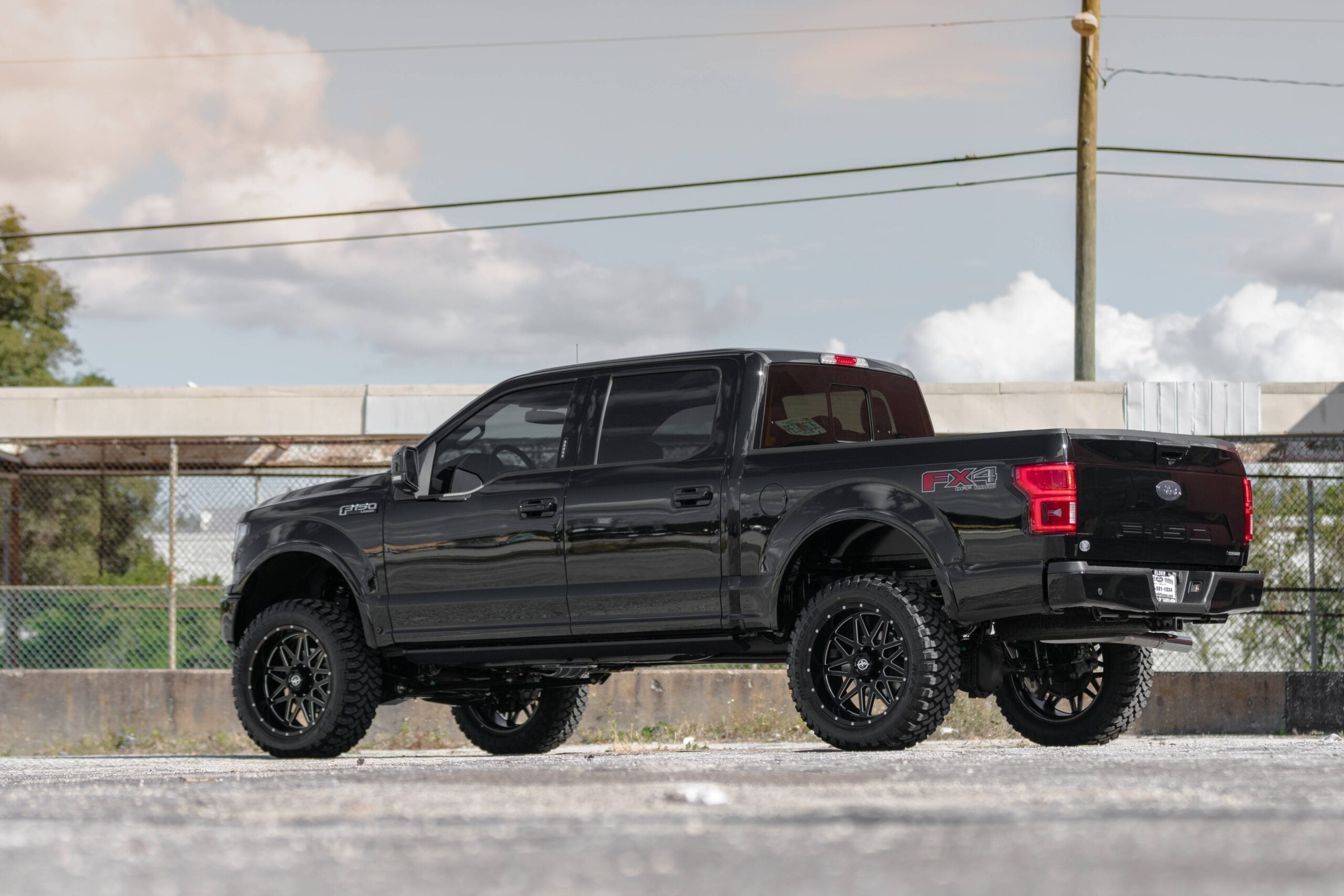
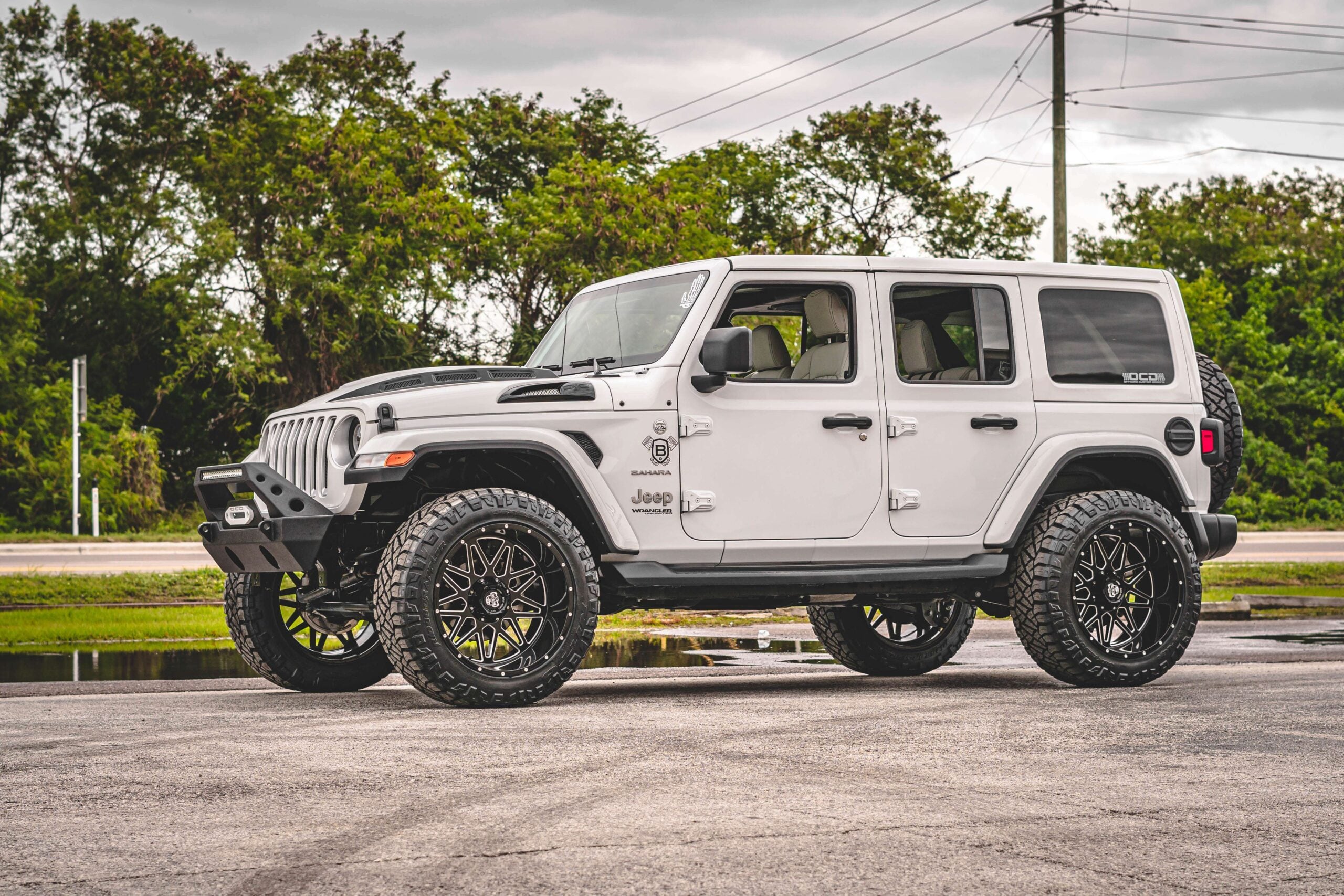
You’ll find the highest demand for OE replica wheels for the vehicles you see most often: trucks, SUVs, and popular sedans. Think about the Ford F-150, Chevy Silverado, Ram 1500, and Jeep Wrangler. These are workhorses and daily drivers, and their wheels take a beating. When an owner needs to replace a single damaged wheel, they almost always want it to match the other three perfectly. This is where high-quality factory replica wheels shine. Brands like OE Revolution focus on creating exact visual matches for these high-volume models, giving you a cost-effective solution that gets your customer’s vehicle looking right without the steep price of an OEM part from the dealership.
What End-Customers Say About Quality and Value
The word “replica” can sometimes make customers hesitate, but the feedback on high-quality OE replicas speaks for itself. Many drivers report that the wheels are just as good as, and sometimes even better than, the originals they replaced. They often praise the durable finishes that hold up over years of use and exposure to the elements. The key is sourcing from manufacturers who prioritize safety alongside appearance. Reputable brands ensure their replica wheels are safe and strong, often meeting or exceeding industry standards. When you can confidently tell a customer that they are getting a wheel that looks great, fits perfectly, and is built to last, you’re not just selling a part—you’re providing a trusted solution and excellent value.
Offer More Options with Flexible Inventory
Stocking a full range of OEM wheels is often too expensive and impractical. OE replica wheels give you incredible inventory flexibility without the massive overhead. Because they are available in a wide variety of sizes, from 18 to over 26 inches, and popular finishes like gloss black, chrome, and gunmetal, you can cater to diverse customer preferences. This allows you to offer simple like-for-like replacements or stylish upgrades, such as giving a customer the look of a higher trim level’s wheels. Having these options on hand means you can satisfy more customers on the spot. A quality OE replica wheel program from your distributor should provide the variety you need to serve nearly any vehicle that rolls into your bay.
A Wide Range of Sizes and Finishes
One of the standout advantages of OE replica wheels is the incredible variety in sizes and finishes, which allows you to cater to a diverse customer base. These wheels are available in sizes ranging from 18 inches to over 26 inches, accommodating a wide array of vehicles and preferences. This flexibility means you can offer both standard replacements and stylish upgrades, ensuring that you meet the needs of every customer who walks through your door. Whether someone needs a simple 18-inch wheel for their sedan or a 24-inch wheel for their SUV, having access to a broad size range makes your shop the solution.
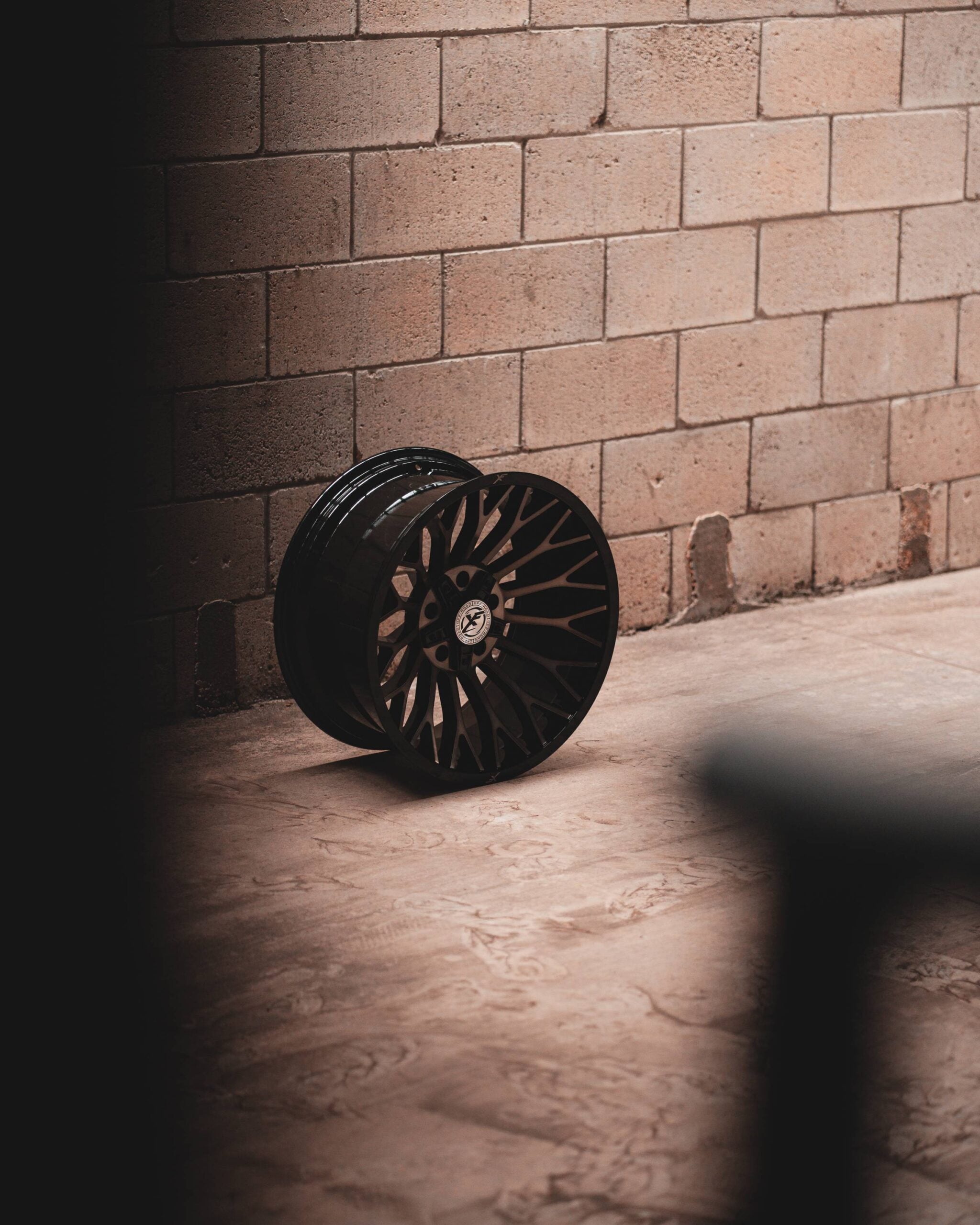
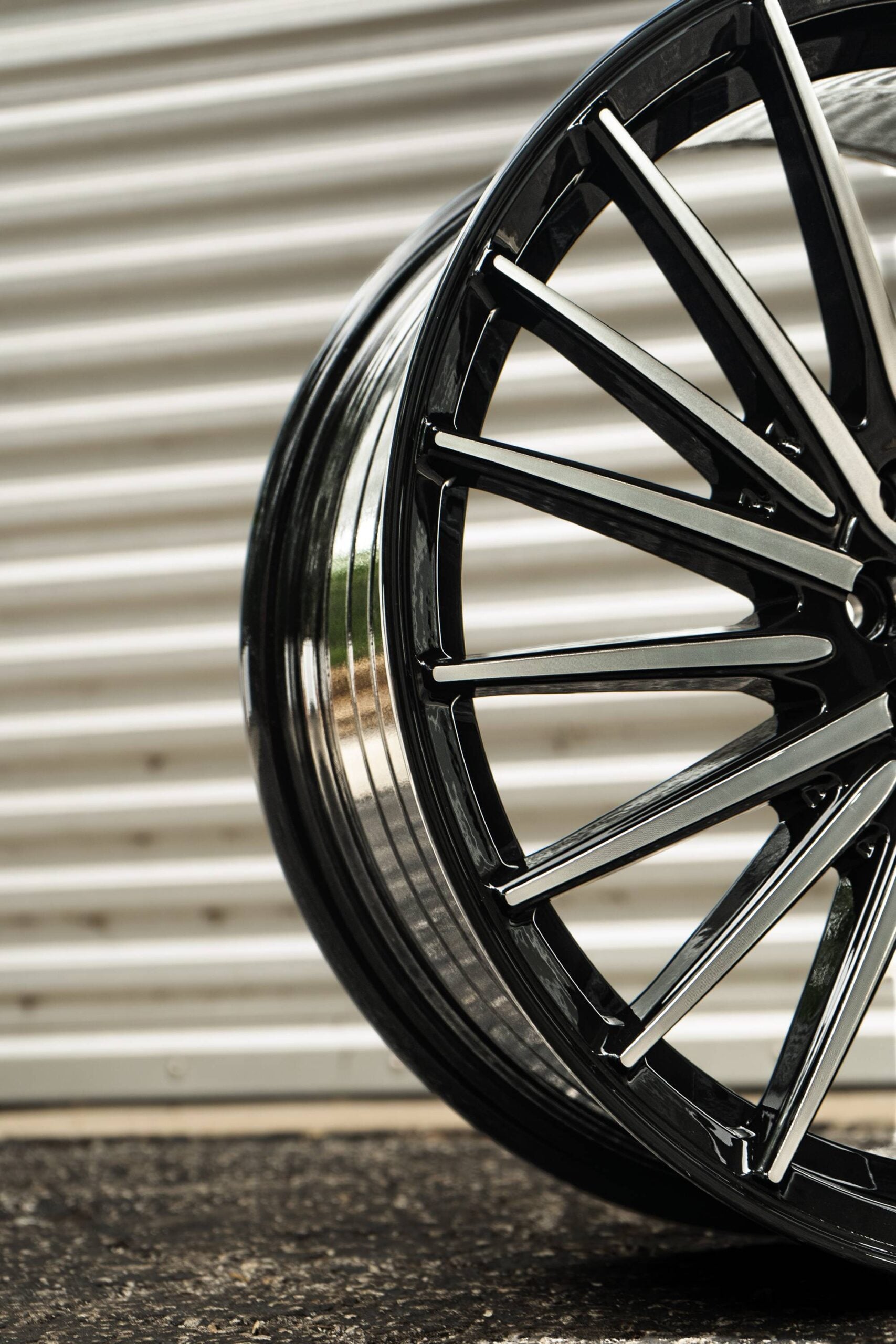
In addition to size, OE replica wheels come in a multitude of finishes, including popular options like gloss black, satin black, chrome, and hyper black. This variety not only allows customers to maintain the factory aesthetic of their vehicles but also provides opportunities for personalization. For instance, a customer looking to enhance their vehicle’s appearance can choose a sleek chrome finish or a bold black option that aligns with their style. This lets you upsell from a simple replacement to a full set upgrade, giving customers the look of a higher trim level at a fraction of the cost.
Having access to a comprehensive selection of OE replica wheels lets you turn potential sales into immediate transactions. Instead of telling a customer you need to special order a part, you can show them available options that can be shipped quickly. Customers seeking a fast replacement or an upgrade will appreciate the immediate availability of wheels that match the original designs without the high OEM price. This strategic partnership with a well-stocked distributor enhances customer satisfaction and positions your shop as a reliable destination for quality wheel solutions, ensuring you can say “yes” more often.
How to Spot a High-Quality OE Replica Wheel
The term “replica” can sometimes make dealers hesitate, and for good reason. The market is filled with options, and not all of them are built to last. A low-quality wheel doesn’t just lead to a customer complaint; it can be a serious safety issue. The key is knowing how to spot the difference between a well-made replica and a cheap imitation. True quality comes down to three core elements: the materials and manufacturing process, verified safety certifications, and precision in fitment and finishing. Let’s break down what to look for in each of these areas.
Look for Quality Materials and Construction
The foundation of any great wheel is the material it’s made from. Reputable OE replica wheels are almost always constructed from a high-grade aluminum alloy, which provides an excellent balance of strength and low weight. The real differentiator, however, is how that alloy is formed into a wheel. Most replicas are “cast,” where molten aluminum is poured into a mold. While this is a reliable and cost-effective method, some premium replicas may be “flow-formed,” a process that creates an even stronger and lighter wheel. The specific manufacturing process and material composition are what separate a dependable wheel from a risky one, directly impacting its durability and performance on the road.
Understanding Flow Formed Technology
Flow forming is a more advanced wheel manufacturing process that combines the cost-effectiveness of casting with the strength benefits of forging. The process starts with a cast wheel, which is then heated and spun at high speed while rollers apply intense pressure to the barrel. This pressure stretches and compresses the aluminum, fundamentally changing its molecular structure to be denser and stronger. Think of it like a potter shaping clay on a wheel—the material is refined and strengthened as it’s formed. The result is a wheel that is significantly lighter and more durable than a traditional cast wheel, offering improved resistance to impacts and cracks. For your customers, this translates directly to better vehicle handling, acceleration, and fuel efficiency, making it a premium upgrade they can feel on the road.
Verify Key Safety Certifications (JWL, VIA, ISO)
Certifications aren’t just letters stamped on a wheel; they’re your proof that it has passed rigorous, standardized testing. When evaluating a supplier, always ask about their certifications. The most important ones to look for are JWL and VIA. The JWL (Japan Light Alloy Wheel) standard is a set of strength and durability tests required by the Japanese government. The VIA (Vehicle Inspection Association) is a third-party agency that verifies a wheel meets the JWL standard. Seeing both marks is a strong indicator of quality. Additionally, an ISO 9001 certification for the factory shows it follows strict quality management processes. Understanding these wheel certifications helps you confidently select products that meet established safety benchmarks.
The Importance of SAE J2530 Standards
While JWL and VIA are crucial global benchmarks, the SAE J2530 standard is the gold standard for wheel safety here in North America. Developed by the Society of Automotive Engineers, these official aftermarket wheel performance standards are designed to prove a wheel can handle the unique demands of our roads. To earn this certification, a wheel must pass a series of intense stress tests. These include a cornering fatigue test that simulates the forces of hard turns over thousands of miles, a radial fatigue test to ensure it can support the vehicle’s weight long-term, and a brutal impact test that mimics hitting a nasty pothole or curb. A wheel that passes isn’t just a cosmetic part; it’s a structural component engineered for real-world durability.
For your shop, making SAE J2530 compliance a non-negotiable part of your buying criteria is one of the smartest ways to build a trustworthy reputation. It’s your proof of quality that goes far beyond a wheel’s appearance or price tag. By stocking and selling certified wheels, you are actively protecting your customers from serious safety hazards and shielding your business from the liability that comes with inferior products. This certification gives you the power to stand behind your inventory and confidently tell a customer that the OE replica you’re installing has been rigorously tested to meet or even exceed the safety performance of the original factory part. It’s a powerful statement that builds loyalty and sets you apart from competitors who cut corners.
Demand Accurate Fitment and a Lasting Finish
A quality replica should be a perfect stand-in for the original, and that starts with fitment. This means the bolt pattern, offset, and center bore must be identical to the factory specifications to ensure proper alignment and safe handling. Just as important is the load rating, which tells you the maximum weight the wheel can safely support. This number must meet or exceed the vehicle’s original requirements, no exceptions. Finally, look at the finish. A durable, multi-layer finish like a powder coat will resist corrosion, brake dust, and road grime, keeping the wheels looking great for years. A cheap finish can peel or corrode quickly, reflecting poorly on your shop and leading to comebacks.
4 Myths About OE Replica Wheels, Debunked
OE replica wheels are a fantastic product for any shop, but they’re often surrounded by a cloud of misinformation. These myths can make dealers hesitant to stock them, causing them to miss out on a profitable, high-demand category. Let’s clear the air and tackle four of the most common myths about OE replica wheels so you can stock and sell them with confidence.
Myth #1: “Replica” Means It’s Poorly Made
The word “replica” can sometimes make people think of a cheap imitation, but when it comes to wheels, that couldn’t be further from the truth. Reputable OE replica wheels are not about cutting corners; they’re about providing OEM style and quality at a better value. These wheels are often produced using high-quality alloys and advanced manufacturing processes that meet or exceed factory specifications. This ensures they deliver the performance and durability your customers expect. The focus is on providing a reliable, cost-effective alternative, not a lower-quality one.
Myth #2: The Fit Isn’t as Good as OEM
A wheel that doesn’t fit is a headache for everyone. It leads to returns, frustrated customers, and lost time in the bay. This is why the fear of poor fitment is so common, but it’s unfounded with a quality supplier. Top OE replica brands invest heavily in precision engineering, using 3D scanning and computer-aided design to ensure their wheels match OEM specs perfectly. This guarantees a hub-centric fit and proper offset for a vibration-free ride. A reliable wholesale partner will also provide detailed fitment data and support, so you can be certain you’re ordering the right wheel for your customer’s vehicle every time.
Myth #3: Selling Them Is a Liability Risk
For any shop owner, minimizing risk is a top priority. The idea of selling a product that could be a liability is a non-starter, and rightfully so. However, the myth that replica wheels are inherently risky is based on the idea that they are untested or unregulated. In reality, high-quality OE replica wheels undergo the same rigorous safety and performance testing as OEM wheels. Look for suppliers whose products are certified by organizations like JWL and VIA. These certifications confirm the wheels have passed strict tests for structural integrity and durability, making them a safe and reliable choice for your customers.
Myth #4: There’s No Warranty or Support
When you’re choosing a product line, you’re also choosing a partner. The fear of being left without support or a warranty is a valid concern, but this myth comes from experiences with anonymous online sellers, not true wholesale partners. Reputable OE replica brands like OE Revolution offer comprehensive warranties that often cover both the structure and the finish of the wheel. More importantly, a dealer-first supplier provides dedicated support, easy returns, and clear communication. This ensures that if an issue does arise, you have a team ready to help you resolve it quickly and keep your customers happy.
How to Pick the Right Wholesale OE Replica Wheel Supplier
Choosing a wholesale supplier is one of the most important decisions you’ll make for your shop. This isn’t just about finding the lowest price; it’s about building a partnership that helps you grow. The right supplier works with you, providing the inventory, speed, and support you need to keep customers happy and your business profitable. A great partner makes your job easier, while the wrong one can cause headaches with backorders, incorrect fitments, and shrinking margins. As you evaluate your options, look beyond the price tag and consider the total value a supplier brings to your business.
Choose a Partner with a Proven Track Record
Your supplier is more than just a vendor; they’re an extension of your business. A partner with a proven track record brings stability and predictability to your operations. Look for distributors who have a history of supporting dealers with more than just parts. This means offering brands that are backed by comprehensive warranties and verified safety certifications like JWL and VIA. A reputable partner stands behind their products, like the wheels from OE Revolution, which are known for their quality and support. They should also provide dedicated dealer support, ensuring that when you have a question about fitment or availability, you get a quick and accurate answer. This kind of reliability is what separates a simple transaction from a true partnership and helps you build trust with your own customers.
Look for Fast, Reliable Shipping
When a customer is ready to buy, they don’t want to wait weeks for their wheels to arrive. Slow shipping can easily turn into a lost sale. That’s why a supplier’s fulfillment capability is so critical. Look for a partner with a smart distribution network, ideally with multiple warehouses located across the country. This structure means wheels can ship from a closer location, reducing transit times and freight costs for you.
A supplier’s ability to offer fast shipping options, like same-day fulfillment for orders placed by a certain cutoff time, is a game-changer. It allows you to operate with leaner on-hand inventory, freeing up capital while still giving customers the quick turnaround they expect.
Prioritize Deep Inventory and Few Backorders
There’s nothing more frustrating than selling a set of wheels only to find out your supplier has them on backorder. Consistent stock-outs damage your credibility and can send customers straight to a competitor. A reliable supplier invests in maintaining a deep and diverse inventory across its entire brand portfolio. This ensures they have the styles, sizes, and finishes you need, when you need them.
Before committing to a supplier, ask about their fill rates and how they manage stock levels. A partner with a strong inventory and a low backorder rate is a sign of a stable, well-managed operation that you can depend on to keep your sales floor moving and your customers satisfied.
Ensure They Protect Your Pricing (MAP Policy)
Your profit margins are the lifeblood of your business, and a good supplier will help you protect them. One of the most effective ways they can do this is by enforcing a strict Minimum Advertised Price (MAP) policy. A MAP policy prevents dealers from advertising a product below a certain price, which stops a “race to the bottom” where online discounters undercut your pricing and devalue the brand.
When a supplier is serious about MAP enforcement, it shows they are committed to the long-term health of their dealer network. Look for suppliers that offer this kind of price protection. It creates a level playing field, allowing you to sell based on service and expertise, not just price.
Partner with a Supportive, Communicative Team
When you have a question about an order or need to confirm a tricky fitment, you can’t afford to wait days for an answer. Great wholesale partners provide responsive, knowledgeable support that feels like an extension of your own team. Your supplier should be easy to reach and provide clear, accurate information when you need it most.
Look for a company that offers dedicated dealer support through multiple channels, like a direct phone line and email. Having accessible help through various channels is a strong indicator that the supplier values your business and is equipped to handle your needs efficiently. Clear communication builds trust and helps you avoid costly errors, making the entire ordering process smoother.
Supplier Red Flags You Shouldn’t Ignore
While you’re looking for positive signs, it’s just as important to spot the red flags. Be cautious of any supplier that sells directly to consumers, as they are ultimately competing against you. A true partner should be exclusively focused on supporting their B2B customers. Another major warning sign is a lack of fitment support. If a supplier can’t provide clear guidance or stand behind their fitment data, you could be left with expensive returns and unhappy customers.
If you’re ever unsure about a wheel’s specifications, your supplier should be able to provide expert advice to ensure you get it right the first time. Inconsistent inventory, poor communication, and a lack of pricing transparency are other red flags that signal an unreliable partner.
Which OE Replica Wheel Brands Can You Trust?
Once you know what to look for in a supplier, the next step is choosing a brand that aligns with your shop’s standards for quality and service. The brand you carry is a direct reflection of your business, so partnering with a trustworthy name is essential for building long-term customer loyalty. A great brand provides more than just a product; it offers peace of mind through consistent quality, accurate fitment data, and reliable support when you need it. Let’s walk through a few key things to look for when evaluating OE replica brands for your inventory.
OE Revolution
Some brands are built from the ground up to master the OE replica space. OE Revolution is a perfect example, specializing in wheels that mirror the look and feel of original factory designs. For dealers, this is a huge advantage. You can offer customers the specific style they want for their vehicle, from a classic five-spoke to a modern multi-spoke design, at a much more accessible price point than the OEM equivalent. This allows you to capture sales from customers who love the factory aesthetic but are working with a real-world budget. Carrying a dedicated replica brand like this simplifies your inventory and makes it easy to meet a very consistent type of customer demand.
Brands Known for Accurate Fitment
Nothing stops a sale faster than an incorrect fitment. The best OE replica brands invest heavily in providing precise fitment data to ensure their wheels fit correctly the first time. Look for brands that offer detailed specifications and clear guidance on things like bolt patterns, offsets, and center bores for every vehicle application. This commitment to accuracy saves your team valuable time, dramatically reduces the risk of returns, and prevents frustrating customer comebacks. When a brand proves its fitment is reliable, you can sell with confidence, knowing the wheel you recommend will be a perfect match for your customer’s car or truck.
Brands That Offer Great Dealer Support
A great product is only half the equation; you also need a brand that stands behind its dealers. Strong dealer support means having access to the resources you need to sell effectively. This includes helpful tools like online vehicle search functions, detailed fitment guides, and access to knowledgeable experts who can answer your questions quickly. When you can get a fast answer on a tricky fitment or check stock levels in real time, you can serve your customers better and close more sales. Think of it as a partnership. The right brand works with you, providing the tools and communication necessary to make your job easier and more profitable.
Your Supplier Checklist: What to Ask Before You Order
Choosing the right wholesale supplier is one of the most important decisions you’ll make for your shop. A great partner can help you grow profitably, while a poor one can lead to lost sales and frustrated customers. Before you commit to a large order, it’s smart to run through a quick evaluation to make sure a supplier aligns with your business goals. This checklist covers the key areas to investigate so you can build a reliable and profitable OE replica wheel program.
Confirm Their Vehicle Coverage and Fitment Data
Your customers expect options, and your supplier’s catalog should reflect that. A deep inventory across various styles, sizes, and finishes is non-negotiable. Look for a supplier that offers comprehensive coverage for the most popular cars and trucks on the road, like Ford, Chevrolet, Dodge, and Jeep. The goal is to have a go-to solution for nearly any customer who walks in asking for a factory-style wheel replacement or upgrade. A brand like OE Revolution is a good example of a line built to provide this kind of extensive vehicle coverage, helping you say “yes” to more customers.
Clarify Pricing Tiers and Minimum Orders
The sticker price on a wheel is only part of the story. To protect your margins, you need to understand a supplier’s complete pricing structure. Ask about tiered pricing for volume discounts and clarify what their minimum order quantity (MOQ) is. Some suppliers are built for pallet-level orders, while others are happy to work with smaller shops. Also, be sure to factor in shipping costs. A supplier with multiple distribution centers can often provide faster, more affordable shipping, which directly impacts your final cost. Understanding your landed cost per wheel is essential for pricing your inventory competitively and profitably.
Review the Warranty, Return, and Fitment Policies
Nothing erodes profits faster than customer comebacks. A dependable supplier will stand behind their products with clear, fair policies. Look for a lifetime structural warranty, which shows the manufacturer is confident in its materials and construction. You should also confirm their wheels meet key safety certifications like JWL and VIA. A fitment guarantee is just as important. It gives you and your customers peace of mind that the wheels will fit correctly without any modifications or issues. If a supplier’s warranty or return policy seems vague, consider it a red flag.
Check for Easy Ordering and Integration
As a shop owner, your time is valuable. A supplier’s ordering process should be simple, fast, and accurate. The best distributors offer modern B2B e-commerce portals with tools that make your job easier. Features like a “Shop by Vehicle” search allow you to find the exact wheels you need in seconds, eliminating guesswork and reducing the chance of ordering the wrong part. A streamlined system for checking stock, placing orders, and tracking shipments helps you run your business more efficiently. A supplier who invests in a great dealer portal shows they are invested in their partners’ success.
Making Sense of Wholesale OE Replica Wheel Pricing
Getting the best price on OE replica wheels goes beyond the per-unit cost on an invoice. To truly protect your margins and grow your business, you need to look at the complete pricing structure, from volume discounts to the hidden costs of shipping. This guide will walk you through the key financial factors to consider so you can build a more profitable OE replica program for your shop.
How Tiered Pricing and Volume Discounts Work
Most wholesale suppliers don’t use a one-size-fits-all price. Instead, they use tiered pricing, where the more you buy, the less you pay per wheel. This is a huge opportunity for dealers. By placing larger, strategic orders, you can significantly lower your cost of goods and increase your profit margins on every sale. Before partnering with a supplier, ask to see their pricing tiers. A good partner will have a clear structure that rewards volume but still offers competitive pricing for smaller shops. Understanding where the price breaks are helps you plan your inventory purchases to maximize profitability without overstocking.
Understanding the Retail Price Range
Understanding the retail price for OE replica wheels is key to seeing their value. While an OEM wheel from a dealership can easily cost a customer $500 or more, a high-quality replica typically retails for a fraction of that, often in the $200 to $450 range depending on size and finish. This significant price difference is exactly what customers are looking for when they need to replace a damaged wheel without overspending. For your shop, this attractive price point isn’t just about making a quick sale; it’s about strategy. It allows you to offer a solution that meets customer budgets while still giving you the room to protect your profit margins, something that’s often difficult with expensive OEM parts. This turns a potentially lost sale into a win-win: your customer gets the factory look they want at a fair price, and you secure a profitable transaction.
Don’t Forget About Freight and Shipping Costs
A low price on a wheel means nothing if it gets eaten up by shipping costs. Always calculate your total landed cost, which is the price of the product plus all shipping, handling, and freight fees. A supplier with multiple distribution centers can be a game-changer here, offering faster delivery and lower freight costs. This logistical advantage also impacts your cash flow. When you can rely on quick shipping, you don’t have to tie up capital in months’ worth of inventory. You can place smaller, more frequent orders to restock popular styles, keeping your inventory lean and your business agile. This approach reduces your risk and lets you respond to customer demand more effectively.
How to Compete with “Free Shipping” Offers
It’s tempting to feel like you can’t compete with online retailers offering “free shipping,” but your biggest advantages are speed and service. Instead of getting into a price war, shift the conversation to the total value you provide. When a customer has a cracked or damaged wheel, they need a solution immediately, not a week from now. This is where your partnership with a fast distributor pays off. By working with a supplier that has multiple distribution centers, you can often get the exact wheel your customer needs in just a day or two. That quick turnaround is far more valuable to a stranded driver than saving a few bucks on shipping. Remind them that your price includes professional installation, guaranteed fitment, and expert advice they can trust—something no faceless website can offer.
How to Build a Profitable OE Replica Program
Adding OE replica wheels to your inventory is more than just stocking another product; it’s a strategic move to capture a wider range of customers and increase your shop’s profitability. A well-run replica program meets the needs of budget-conscious buyers, used car lots refreshing their inventory, and daily drivers who want a factory-fresh look without the OEM price tag. By offering a reliable and affordable alternative, you position your shop as the go-to solution for every type of customer, from the performance enthusiast to the practical commuter.
The key is to build your program thoughtfully. It starts with selecting the right inventory, training your team to sell with confidence, and creating offers that make the decision easy for your customers. When done correctly, an OE replica program can become a consistent and low-effort revenue stream for your business.
Stock the Right Wheels for Your Customers
Your OE replica inventory shouldn’t be a random assortment. Start by looking at the most popular vehicles in your local area. If your shop is surrounded by trucks and SUVs, stocking replica wheels for Ford F-150s, Chevy Silverados, and Jeep Wranglers is a smart bet. You can serve customers looking for a simple replacement or an upgrade to a higher trim level style. Offering a mix of full wheel sets and single wheels also gives you flexibility for repairs and individual sales. By aligning your stock with local demand, you ensure faster turnover and prevent capital from being tied up in slow-moving inventory.
Build Trust by Focusing on Quality
The word “replica” can sometimes make customers hesitant, so your team needs to be prepared to educate them. The best way to build trust is by partnering with a supplier that provides high-quality, certified wheels. When you can confidently tell a customer that your high-quality replica wheels are made with durable materials and meet the same safety standards as factory wheels, you overcome their primary objection. Train your sales staff to explain the value proposition clearly: they get the same aesthetic and a reliable, safe wheel for a fraction of the cost. This transparent approach turns a price-based decision into a value-based one.
Create Offers That Sell
Once you have the right inventory, the next step is to make it easy for customers to buy. Bundling replica wheels with a set of tires is a classic and effective strategy. You can also add value by offering free mounting and balancing with any wheel and tire package. These services not only save the customer money but also simplify the buying process. Another powerful tool is financing. Letting customers pay for your wheels over time can make an immediate purchase more manageable, helping you close sales that might have otherwise been delayed. These small incentives can make a big difference in converting a browser into a buyer.
Related Articles
- OE Revolution Wheels at Elite Wheel Warehouse | Premium Aftermarket Rims
- 5 Best Aftermarket Wheel Wholesale Distributors
- The Ultimate Guide to Wholesale Forged Wheels
- OE Revolution DG-05 Wheels | Stylish and Durable Rims
- Custom Wheel Manufacturing: A Dealer’s Profit Guide
Frequently Asked Questions
Why should I stock OE replica wheels instead of just ordering OEM wheels when a customer needs one? Think of it as a way to control the sale and protect your profits. When you rely solely on ordering OEM wheels, you’re often stuck with high costs and thin margins, and you make the customer wait. Stocking OE replicas allows you to offer an immediate, affordable solution that looks identical to the factory wheel. This turns a potential special-order headache or a lost sale into a quick, profitable transaction right in your bay.
Are OE replica wheels actually safe? I worry about liability. This is a completely valid concern, and the answer comes down to choosing a quality supplier. Reputable OE replica wheels are not cheap knockoffs; they are engineered products. Look for brands that provide proof of safety certifications, like JWL and VIA. These marks confirm the wheels have passed strict, standardized tests for strength and durability, ensuring they meet or exceed the requirements for the vehicles they are designed for.
How do I explain the value of a replica wheel to a customer who thinks the word “replica” sounds cheap? The key is to frame it as a smart, value-driven choice, not a cheap one. You can explain that the wheel offers the exact same factory style they love, but it’s made by a specialized manufacturer to be more affordable. I find it helps to mention that these wheels are made from high-quality materials and must pass safety tests, just like factory wheels. You’re not offering a lower-quality product, you’re offering a more accessible price point for the same aesthetic.
What’s the biggest mistake shops make when choosing a wholesale wheel supplier? The most common mistake is focusing only on the per-wheel price instead of the total value of the partnership. A supplier might offer a low price but have slow shipping, frequent backorders, or no price protection, all of which will cost you money and customers in the long run. A great partner provides fast fulfillment from multiple warehouses, maintains deep inventory, and enforces a strict MAP policy to protect your margins from online discounters.
Can I really protect my margins with replica wheels if customers can find them cheaper online? Yes, you absolutely can, but only if you partner with the right supplier. This is exactly why a strict Minimum Advertised Price (MAP) policy is so important. When a distributor enforces MAP, it prevents a race to the bottom on price and ensures that online sellers can’t undercut your business. This creates a level playing field, allowing you to compete on your service and expertise while maintaining healthy, predictable profit margins.