


Blog
One out of every three vehicle owners in the U.S. modifies at least one part of their car – and wheels are consistently one of the top three upgrades, according to SEMA’s 2025 Market Report. So when you’re spending your money on new wheels, the manufacturing method matters more than most people realize.
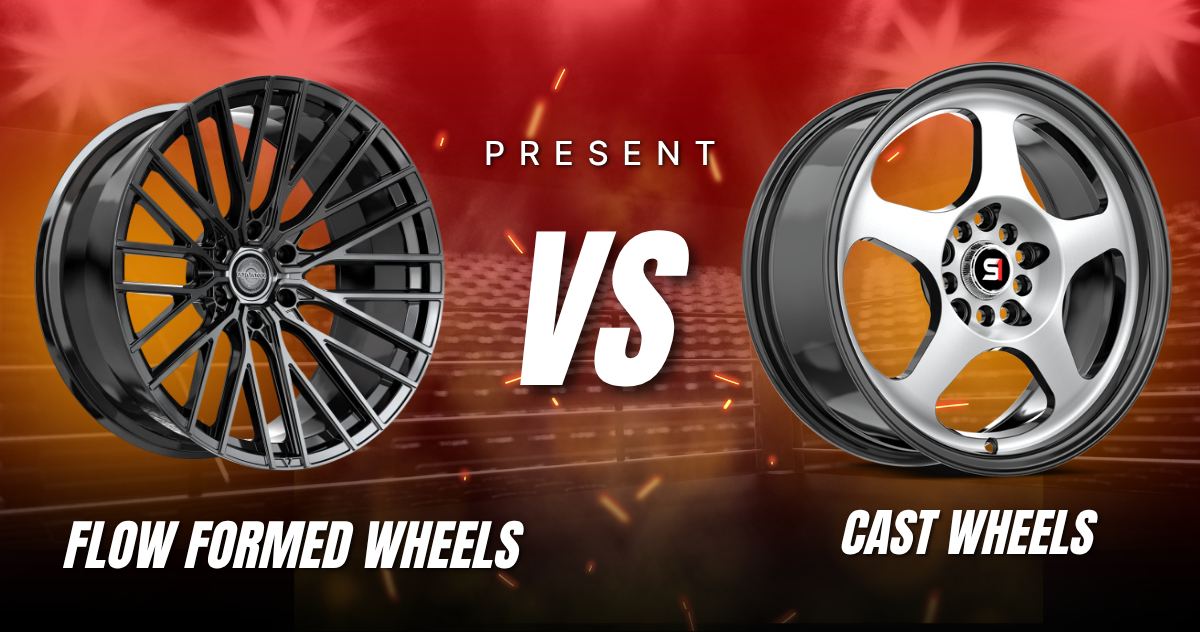
Flow formed vs cast wheels – here’s the short answer. Cast wheels are made by pouring molten aluminum into a mold and letting it cool. Flow-formed wheels start the same way but go through an extra step: the wheel is heated, spun at high speed, and pressed with rollers. This process makes the barrel denser, stronger, and around 15–25% lighter than a standard cast wheel. Cast wheels cost less. Flow formed wheels perform better and last longer.
At Elite Wheel Warehouse, we’ve been manufacturing and distributing wheels across North America for over 20 years. We produce everything from USA-made Amani Forged custom wheels to performance-ready Spec-1 racing wheels. That hands-on experience shapes every recommendation in this guide.
Let’s start with casting because it’s the foundation for both wheel types. A cast wheel is made by pouring molten aluminum alloy into a mold – either by gravity, low-pressure injection, or high-pressure die casting – and waiting for it to cool and solidify. Once hard, the wheel gets machined, drilled, and trimmed into its final shape.
Simple. Fast. Affordable.
Here’s the thing, though. When liquid aluminum cools inside a mold, the metal’s grain structure forms randomly. That randomness creates tiny air pockets – a problem engineers call porosity. According to SAE International’s wheel fatigue testing standards (SAE J1204), porosity is one of the key factors that determines how a wheel handles stress over time.
To compensate for those weak points, manufacturers use more material. More material means a heavier wheel. A typical 19×9.5 cast wheel can weigh around 12–13 kg (roughly 26–29 lbs).
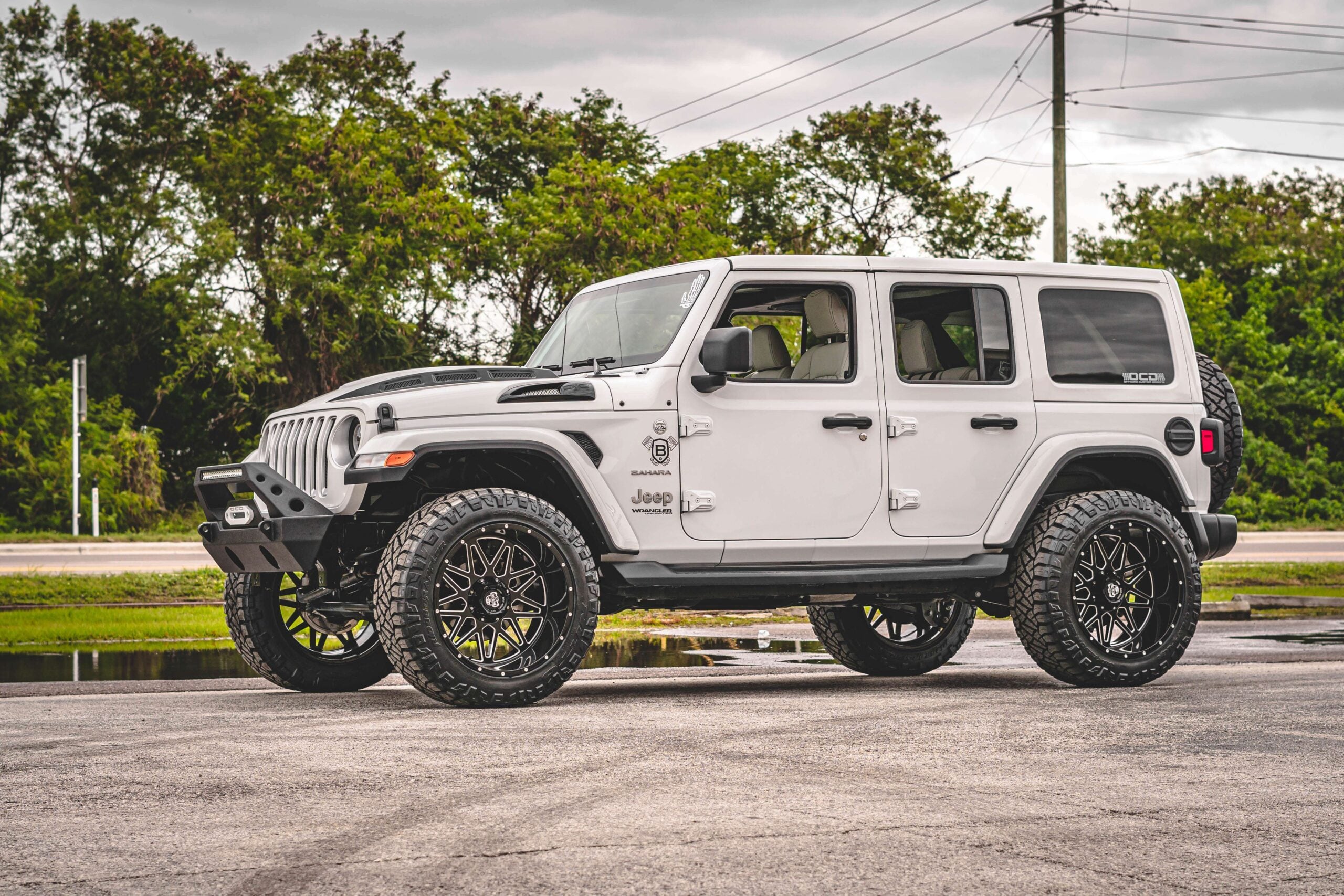
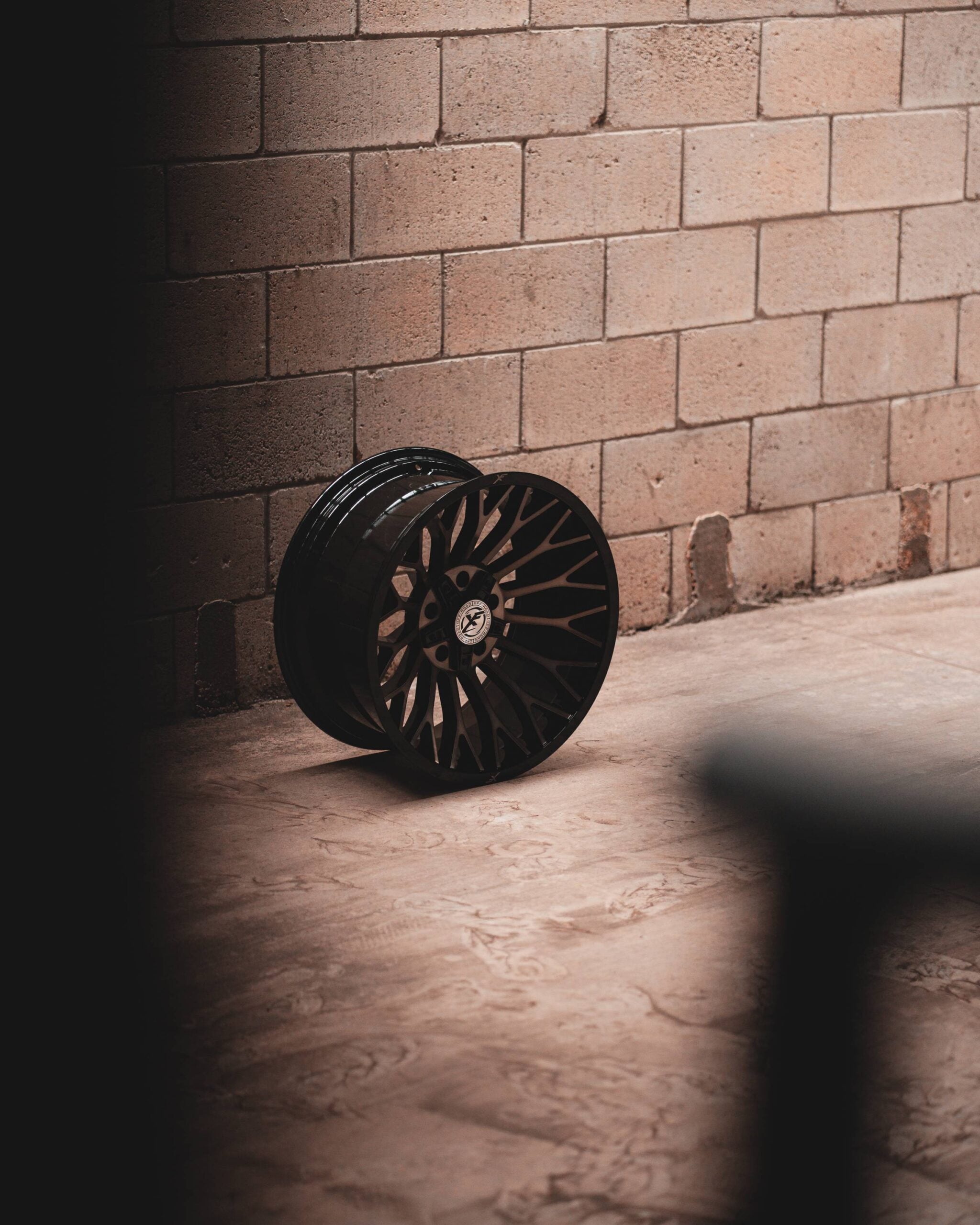
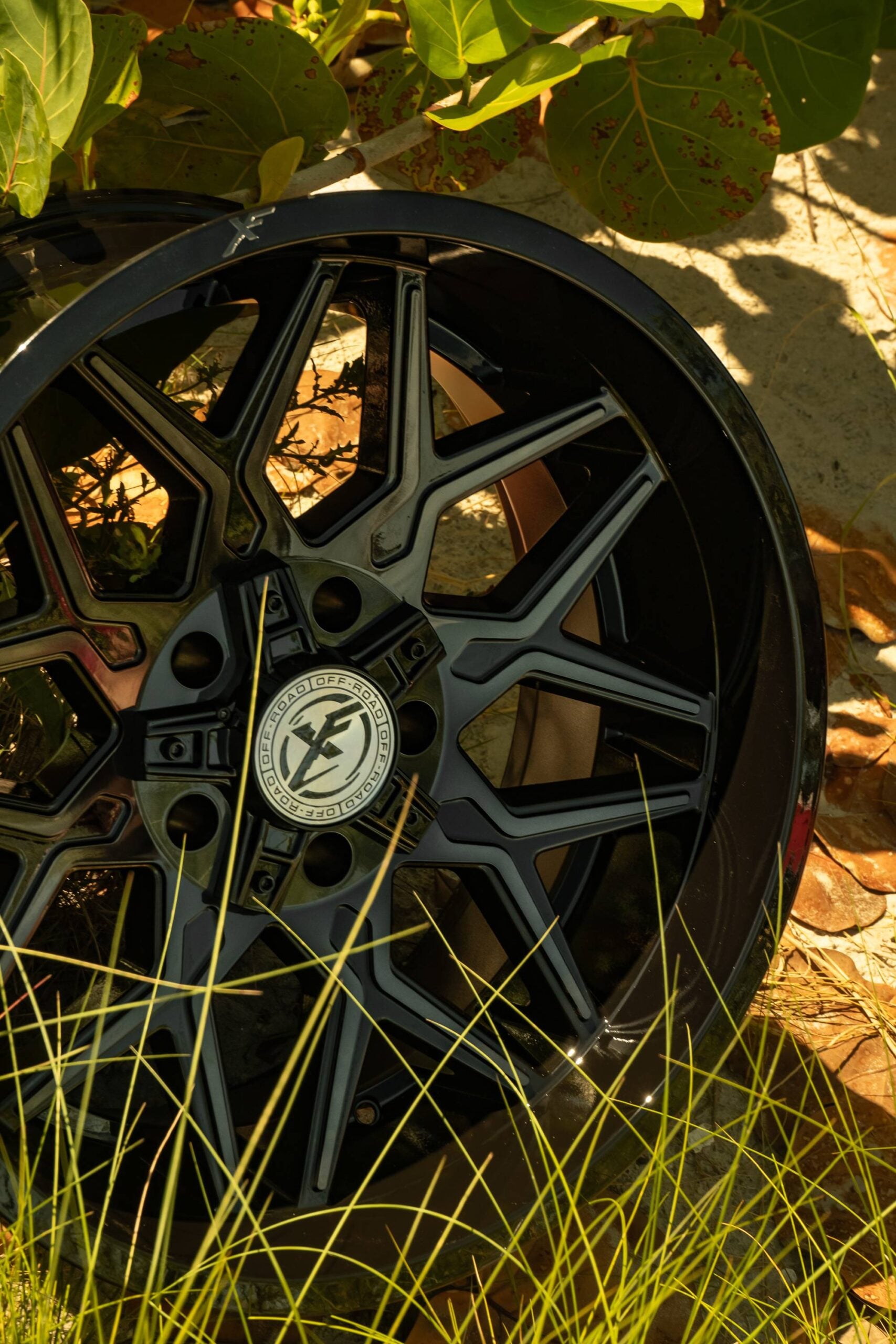
That doesn’t mean cast wheels are bad. Brands like XF Off-Road prove that a well-engineered cast aluminum wheel delivers outstanding value – with 40+ designs across dozens of sizes and finishes for trucks, Jeeps, and SUVs.
Pro Tip: Cast wheels are perfect for daily drivers who want bold style without a huge investment. If you’re not pushing your vehicle hard on a track or rough trails, a quality cast wheel handles everyday roads with no issues.
But if you’re chasing lighter weight and better impact resistance, keep reading.
Now, this is where it gets interesting.
A flow formed wheel starts life as a cast wheel – but a thinner one than usual. Instead of finishing there, the cast blank gets mounted on a machine, heated past 400°F, and spun at high speed. While it spins, hydraulic rollers press against the barrel, stretching and compressing the aluminum outward.
Think of it like kneading bread dough. The more you work it, the tighter and stronger the structure becomes. That’s essentially what’s happening to the aluminum at a molecular level.
This process – called work hardening – compresses and elongates the metal’s grain structure in the barrel area. The result is a denser, more uniform material that resists cracking and bending far better than a standard cast wheel. Industry testing shows flow formed wheels are typically 15–25% lighter than comparable cast wheels, dropping 3–6 pounds per wheel depending on the size.
One mistake I see people make: confusing “flow forged” with actual forged wheels. They’re not the same thing. The term “flow forged” is a marketing label. The center of a flow formed wheel is still cast aluminum – the flow forming process only strengthens the barrel. Fully forged wheels, like those in the Amani Forged line, are machined from a solid billet of 6061-T6 aluminum under extreme pressure, resulting in a uniform grain structure throughout the entire wheel.
Still, flow formed wheels hit a sweet spot. They give you meaningful performance improvements over cast – without the premium price tag of a fully forged wheel.
Let’s break this down across the five factors that matter most when choosing wheels.
A flow formed wheel typically shaves 15–25% of the weight compared to a cast wheel of the same size. On a set of four 20-inch wheels, that could mean 12–24 pounds less rotating mass on your vehicle.
Why does that matter? Because wheel weight is unsprung and rotational. Engineers generally estimate that removing 1 kg of unsprung weight has the same handling effect as removing 3–5 kg from the vehicle’s body. Lighter wheels mean quicker acceleration, shorter braking distances, and sharper steering response.
If you drive a truck or SUV with wheels from Vortek Off-Road, dropping even a few pounds per corner changes how the vehicle feels in turns and over rough terrain.
Cast wheels are more prone to cracking under heavy impacts because of that random grain structure we discussed earlier. Porosity creates natural stress concentration points – basically, built-in weak spots.
Flow formed wheels resist impacts better because the compressed barrel is denser and more uniform. They often bend before breaking, which is actually a good thing – a bent wheel can sometimes be repaired, while a cracked wheel goes in the trash.
Key Takeaway: If you regularly drive on rough roads, encounter potholes, or take your vehicle off-road, flow formed wheels give you a real durability advantage.
Here’s where cast wheels still win. Because the casting process is simpler and cheaper, manufacturers produce cast wheels in a massive variety of designs, sizes, and finishes – everything from gloss black to machined face to chrome.
Flow formed wheels tend toward cleaner, sportier designs. They’re more performance-focused and less about wild, flashy aesthetics.
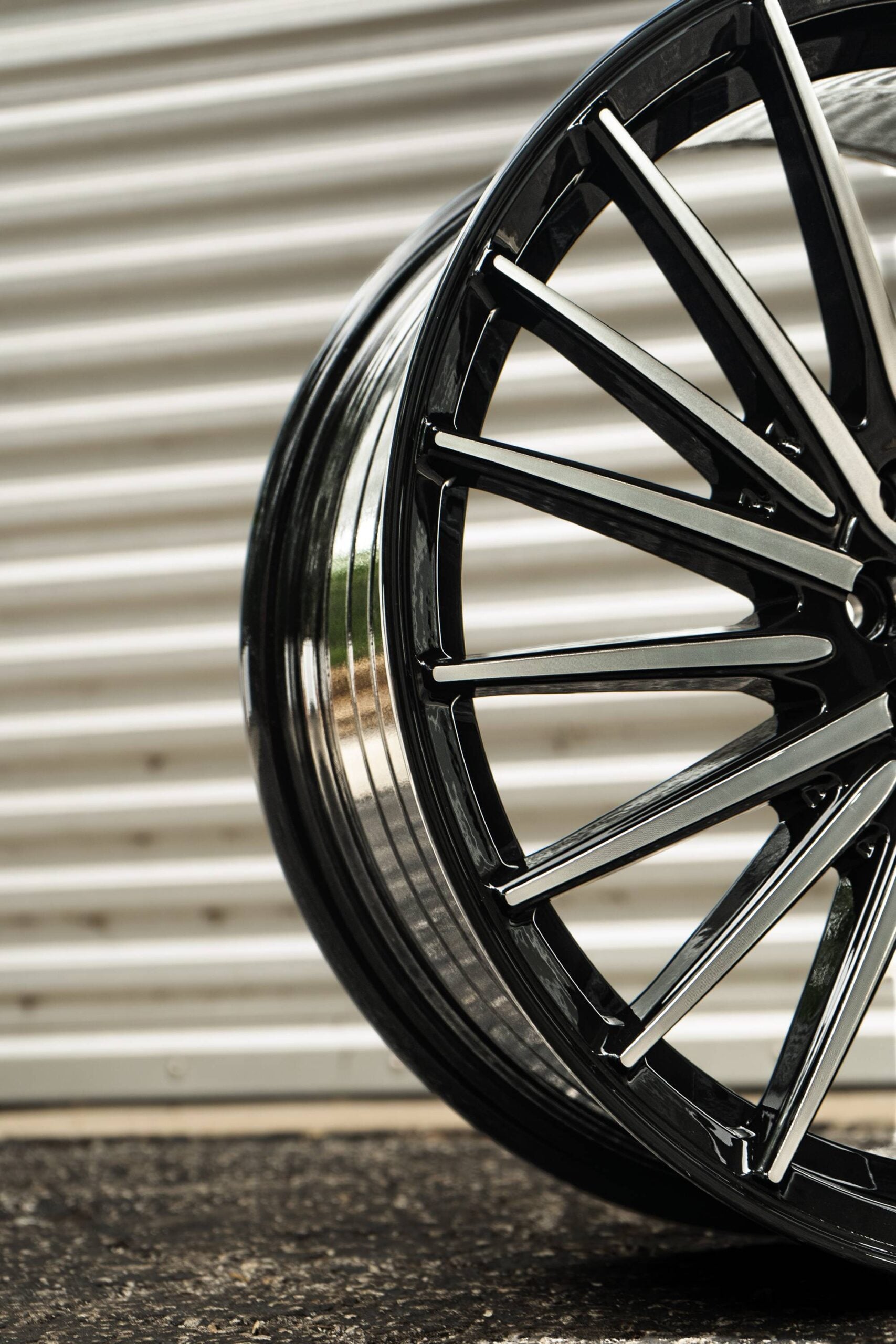
That said, at Elite Wheel Warehouse we offer both categories in finishes like matte black, satin black, polished, brushed, PVD chrome, machined lip, custom painted, and two-tone options. You can preview how different wheels look on your vehicle using our Wheel Visualizer tool before buying.
Cast wheels are the most affordable option in the aftermarket – generally ranging from $100–$200 per wheel for quality products. Flow formed wheels cost more, typically $250–$400 per wheel, because the extra manufacturing step requires specialized machinery and more production time.
But price per wheel doesn’t tell the whole story. Flow formed wheels tend to last longer, resist damage better, and can improve fuel efficiency due to reduced weight. Over the life of the wheel, the total cost of ownership often favors the flow formed option.
For street driving and daily commuting, cast wheels from brands like Azara and Cavallo deliver exceptional style and reliable performance without overspending.
For spirited driving, track days, or aggressive off-roading, flow formed wheels are the smarter pick. Less rotating mass means better throttle response, faster braking, and improved fuel efficiency. Spec-1 racing wheels from Elite Wheel Warehouse, for example, are engineered specifically for performance-oriented applications.
This is the question that actually matters – and the answer depends on how you drive, not just what you drive.
Choose cast wheels if:
Choose flow formed wheels if:
And if you want the absolute best in strength, weight, and customization? Fully forged wheels – like the USA-made Amani Forged collection – are the pinnacle. They’re machined from solid 6061-T6 billet aluminum and can be custom drilled, custom center bored, and finished to your exact specifications.
This one surprises a lot of people.
Yes – lighter wheels can reduce fuel consumption. The U.S. Department of Energy has noted that reducing vehicle weight by 10% can improve fuel economy by roughly 6–8%. While swapping to flow formed wheels alone won’t cut your vehicle weight by 10%, shaving 12–24 pounds of rotating mass across four wheels does reduce the energy your engine needs to accelerate and maintain speed.
Over thousands of miles, that difference adds up. For drivers covering 15,000+ miles per year, the fuel savings from lighter wheels can partially offset the higher purchase price of flow formed wheels.
Here’s what most people get wrong: they only compare the sticker price of the wheel. They forget about fuel savings, fewer warranty claims from cracking, and longer wheel life. When you look at total cost over 3–5 years, flow formed wheels often come out ahead.
Whether you go cast or flow formed, the finish and size you choose matter just as much for the overall look and fit of your vehicle.
Elite Wheel Warehouse offers wheels across a full range of finishes: gloss black, matte black, satin black, chrome, PVD chrome, machined face, machined lip, brushed, polished, custom painted, powder coated, and two-tone designs.
Our brands cover virtually every application:
We also offer mounting and balancing, TPMS sensor installation, and custom drilling and center boring services – so your wheels arrive ready to install.
Browse the full collection on our wheels catalog page.
Buying the right wheel type is only half the equation. Getting the fitment right is what makes or breaks the final result.
Here are the specs you need to verify:
If this sounds overwhelming, it doesn’t have to be. Elite Wheel Warehouse offers custom drilling and center boring in-house, meaning we can match almost any vehicle application. Our Wheel Visualizer tool lets you see how specific wheels look on your exact vehicle before you commit.
Pro Tip: When in doubt about fitment, reach out to our team through the contact page. A wrong fitment choice is the most expensive mistake in the wheel game – and it’s 100% avoidable with the right guidance.
Now you know exactly how flow formed and cast wheels differ – in strength, weight, durability, cost, and real-world performance. The right choice depends on how and where you drive, not just your budget.
If you want the deepest selection of cast off-road wheels, explore XF Off-Road and Vortek Off-Road. For luxury styling, check out Azara and Cavallo. And for the ultimate in forged performance, nothing beats the fully customizable, USA-made Amani Forged line.
Ready to find the perfect wheels for your vehicle? Browse the full Elite Wheel Warehouse catalog or become a dealer to access exclusive B2B pricing.
Answer: Yes. Flow formed wheels undergo a heat-and-pressure process that compresses the barrel’s grain structure, making them denser and more resistant to cracking and bending than standard cast wheels. This makes them a better choice for rough roads and performance driving.
Answer: Flow formed wheels are typically 15–25% lighter than cast wheels of the same size. On a set of four 20-inch wheels, this can mean 12–24 pounds less total rotating weight, which improves acceleration, braking, and fuel efficiency.
Answer: For most drivers, yes. The higher upfront cost is offset by longer wheel life, better impact resistance, improved performance, and potential fuel savings. Brands available at Elite Wheel Warehouse offer flow formed and cast options to fit every budget.
Answer: Absolutely. Quality cast aluminum off-road wheels – like those from XF Off-Road and Vortek Off-Road at Elite Wheel Warehouse – are specifically engineered for trucks, Jeeps, and SUVs. They handle typical off-road conditions well, though flow formed wheels offer an edge on extremely rough terrain.
Answer: Flow formed wheels start as a cast blank and only the barrel is strengthened through spinning and pressure. Fully forged wheels – like Amani Forged from Elite Wheel Warehouse – are machined from a single solid billet of 6061-T6 aluminum, resulting in uniform strength throughout the entire wheel. Forged wheels are the lightest and strongest option available.
Become a dealer and get access to our exclusive online B2B platform for the best value on Elite Wheel and Tire brandS.
“We strive to be the global leader in the automotive industry with brands built on passion, inspiration, and innovation.”