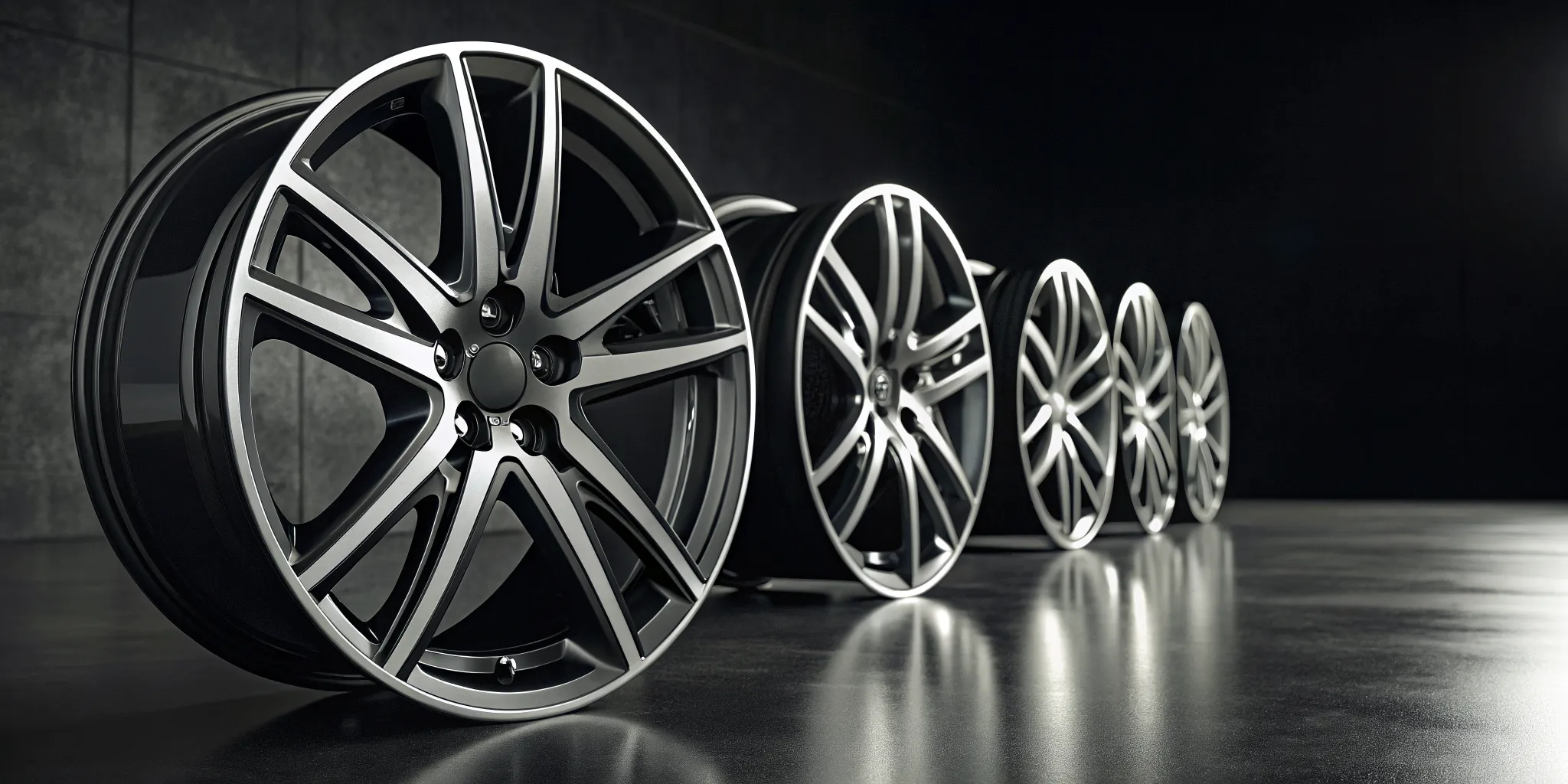
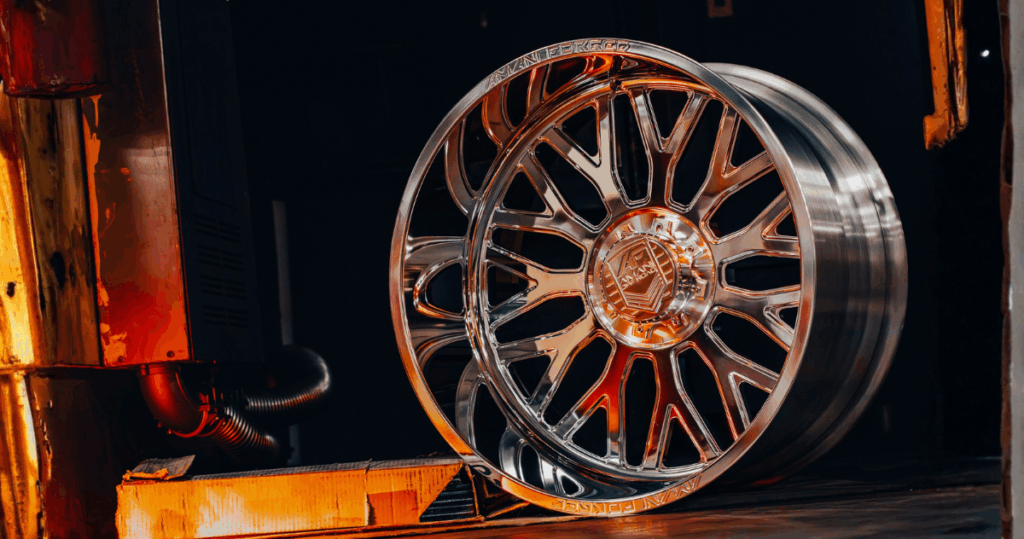
CNC machining is an advanced cutting process that guarantees your wheels fit right, every time. CNC machining and wheel fitment go hand in hand when it comes to safety, performance, and comfort. So, how does CNC guarantee the accuracy of wheel fitment? By cutting wheels to exact specifications, from bolt patterns and hub bores to offsets.
The wheel’s right fit is the key to performance. Even a small change of 0.1 mm can cause loose lugs, shaky steering, or uneven tire wear. CNC removes that risk by repeating the same precise cut every time. With digital checks confirming the details, every wheel is built to match your vehicle’s specs.
At Elite Wheels Warehouse, we combine this CNC accuracy with strict quality control so every wheel we make not only looks amazing but also fits the way it should. Perfectly.
Why Accuracy Matters in Wheel Fitment
Ever driven a car that shook like it had a mind of its own? That’s often the result of poor wheel fitment. Even the tiniest mismatch, a bolt hole drilled a hair off, or a hub bore that’s just a touch too wide, can throw everything out of balance.
When your wheels don’t fit the way they should, a few things happen fast:
Safety takes a hit. Loose lugs or stressed studs can lead to wheels working themselves free. Scary thought, right?
The ride gets rough. A wheel that isn’t centered perfectly will send vibrations up through the steering wheel and into your hands.
Your car wears out faster. Tires wear unevenly, suspension components strain, and before long, you’re paying for repairs that shouldn’t be needed.
Handling suffers. If the offset or backspacing is off, the car may not corner the way you expect. Suddenly, sharp turns feel unpredictable.
Wheel Fitment Fundamentals
Bolt Pattern: Making Sure Your Wheels Actually Fit
The bolt pattern is simply how many bolts there are and how they’re arranged. It’s like making sure the laces on your shoes are in the right places. If the pattern isn’t exact, the wheel won’t line up with your car’s bolts.
What happens if it’s wrong?
The wheel might not go on at all
It could feel wobbly even when the nuts are tight
In worst cases, it could be dangerous
Hub Bore: The Secret to a Smooth Ride
The hub bore is the hole in the center of the wheel that fits over the center part of your car’s axle. When this fits perfectly, the wheel centers itself perfectly. Many people don’t realize how important this is!
Why it matters:
Perfect fit = no vibrations: When the center hole fits snugly, you get a smooth ride
Loose fit = shaking: If the hole is too big (even by a little), you’ll feel vibration in the steering wheel
Saves money: A bad fit can wear out your wheel bearings faster
Offset: Where Your Wheels Sit Matters
Offset determines whether your wheels sit more inward or outward. It affects how your car looks and handles.
Getting offset right means:
Your wheels won’t rub against the car’s body or suspension
Your car will handle and steer properly
You can achieve that perfect “flush” look safely
What is CNC Machining?
CNC machining is short for Computer Numerical Control machining. But don’t let the name scare you off. All it really means is using computers to cut and shape metal with extreme precision. When it comes to wheels, CNC machining is what makes sure the important details, like your bolt pattern, hub bore, and offset, are spot-on. Even the tiniest error can lead to vibrations, poor handling, or safety issues, so this level of accuracy really matters.
The best part? CNC machining delivers that same level of precision every single time. Whether it’s the first wheel in a batch or the thousandth, you know it’s going to fit exactly the way it should.
The CNC Machining Process in Wheel Manufacturing
Ever wonder how a wheel goes from a raw chunk of metal to something that bolts onto your car perfectly? The answer is CNC machining, a fancy name for computer-guided cutting.
Step 1: The blueprint
It all starts with a digital plan. Engineers create a design on the computer (kind of like an architect drawing up a house). That plan has every little detail where the bolt holes go, how wide the hub bore should be, and how much clearance the brakes will need.
Step 2: Shaping the blank
Next, a solid wheel blank gets clamped into the CNC machine. This is where the magic happens. The machine:
Cuts the center bore so it slides snugly over your hub.
Drills the bolt pattern so your lugs line up exactly.
Shapes the back of the wheel so the offset is just right.
Step 3: Perfecting the finish
Once the important fitment details are cut, the machine smooths things out and adds any styling touches. By the end, you’ve got a wheel that looks sharp and fits like it was made just for your car.
The Role of CNC in Getting the Perfect Wheel Fitment
When people talk about “perfect fitment,” they’re really talking about three things: the bolt pattern, the hub bore, and the offset. If any one of those is even slightly off, you’ll notice it right away. Vibrations in the steering wheel, uneven tire wear, or worse, safety issues. That’s why CNC machining has become the gold standard in wheel manufacturing.
CNC equipment works to tolerances so tight that even a hair’s width matters. For example, a hub bore might be held within ±0.05 mm of its design size. That accuracy means the wheel centers itself on the hub, eliminating wobbles and giving you a smoother ride. The same goes for the bolt pattern: each hole is placed with sub-millimeter precision, so the lugs share the load evenly and stay secure at speed. Offset is just as important. Cut correctly, it ensures your wheels clear the brakes and suspension while keeping your car’s handling balanced.
The real beauty of CNC isn’t just accuracy, it’s repeatability. The first wheel in a run and the thousandth are cut to the same exacting specs. Combine that with computerized measurement systems like 3D scanners or CMMs, and you’ve got wheels that aren’t just good-looking, but proven safe and reliable.
At the end of the day, CNC machining is what turns a wheel from “close enough” into a product you can trust mile after mile. It’s the behind-the-scenes precision that gives drivers confidence every time they hit the road.
Computerized Measurement and Quality Verification
You don’t just want a wheel that looks good, you want one you can count on. That’s why Elite Wheel doesn’t stop at machining. Every wheel gets put under the microscope with computerized measurement and quality checks.
Using Coordinate Measuring Machines (CMMs), Elite Wheel confirms that the bolt pattern, hub bore, and offset are exactly where they should be. Picture a robotic inspector tracing every detail, making sure nothing slips through the cracks.
Then come the 3D scanners and laser systems. These tools pick up the tiniest flaws, the kind you’d never notice by eye. They check balance, roundness, and runout so when the wheel spins, it spins smoothly. No shakes, no surprises.
And here’s the best part: Elite Wheel actually publishes its tolerances, like ±0.05 mm for hub bores and ±0.10 mm for bolt patterns. That’s transparency you don’t see everywhere and it’s proof that your wheels are safe, precise, and ready for real roads.
Safety Standards and Load Requirements
Wheels aren’t just there to make your ride look good. They’re part of what keeps you safe. That’s why they’re tested against tough rules before they ever hit the road. In the U.S., the benchmark is called SAE J2530. Think of it as a stress test: strength, impact, fatigue, the works. If a wheel can pass those, it’s ready for the real world.
Then there’s the load rating. Ever notice that number stamped on a wheel? That’s the max weight it can safely carry. Put a heavy truck or SUV on wheels with a weak rating and, sooner or later, something’s going to give. Not the kind of surprise you want on the highway.
And don’t forget installation. Even the strongest wheel can fail if it’s mounted wrong. Using the right lug seats, torquing them correctly, and re-torquing after 50–100 miles. Small steps, big payoff.
At the end of the day, these standards and ratings aren’t boring fine print. They’re your guarantee that your wheels won’t just look the part. They’ll back it up when the road gets rough.
Wrapping Up
When it comes to wheels, the little details make the biggest difference. The bolt pattern, hub bore, and offset all need to line up just right, or you’ll feel it every time you drive. CNC machining and computerized checks take the guesswork out, giving you wheels that fit like they should and keep you safe, smooth, and confident on the road.
That’s exactly what we’re about at Elite Wheels Warehouse. We don’t just focus on style; we focus on precision, because a wheel should perform as good as it looks. With us, you’re not just buying wheels, you’re choosing peace of mind every time you hit the road.