

Blog
The wheel, tire, and suspension aftermarket hit a combined $12.51 billion in 2024 – and dealers who specialize in custom forged wheels are capturing a disproportionate share of that revenue. Yet most shops leave serious money on the table because they treat forged wheels like any other product category.
Custom forged wheel sales succeed when dealers understand three fundamentals: product knowledge (forging process, materials, and construction types), fitment expertise (bolt patterns, offset, load ratings), and brand positioning (matching the right wheel line to each customer segment). Dealers who master all three routinely close high-ticket deals that average-margin accessories simply can’t match.
At Elite Wheel Warehouse, we’ve spent over 20 years designing, engineering, and manufacturing custom wheels from our Tampa, Florida facility – and we’ve watched the dealers who grow fastest do exactly this.
Here’s what most shops get wrong: they walk a customer up to a forged wheel and quote a price before they’ve told a story. That’s like a jeweler showing someone a diamond ring without talking about the cut, the setting, or why this one is different from the one next door.
Custom forged wheels are an experience purchase. According to SEMA’s 2025 Market Report, U.S. consumers spent $52.65 billion on vehicle customization and modification in 2024. A meaningful portion of that is discretionary spend – money customers chose to invest in how their vehicle looks and performs. They’re not shopping for the cheapest option. They’re shopping for the right one.
That’s your opportunity as a dealer.
Forged wheels command premium prices because the manufacturing process genuinely justifies it. Unlike cast aluminum wheels (which are poured into molds), a forged wheel starts as a solid billet of 6061-T6 aluminum and is pressed under thousands of tons of force. That compression aligns the metal’s grain structure end-to-end, creating a wheel that is lighter, stronger, and more precise than anything a casting process can produce.
Pro Tip: When a customer asks “why does this cost more than a regular wheel,” your answer should take about 45 seconds and cover three things: the material (aerospace-grade 6061-T6 aluminum), the manufacturing method (forged, not cast), and the outcome (stronger, lighter, and fully customizable). That answer closes the value gap before price becomes the conversation.
The customer who understands the process almost never haggles on the price.
Not all forged wheels serve the same customer. Getting your inventory mix right is one of the fastest ways to improve both sell-through and margin. Think of it like a restaurant menu – you need options at different price points and occasions, but every item has to belong there.
A monoblock forged wheel is machined from a single forging – one piece, no hardware, no seam lines. It’s the simplest construction and often the most popular in the luxury street and sport segment because the weight-to-strength ratio is excellent and the fitment precision is hard to beat.
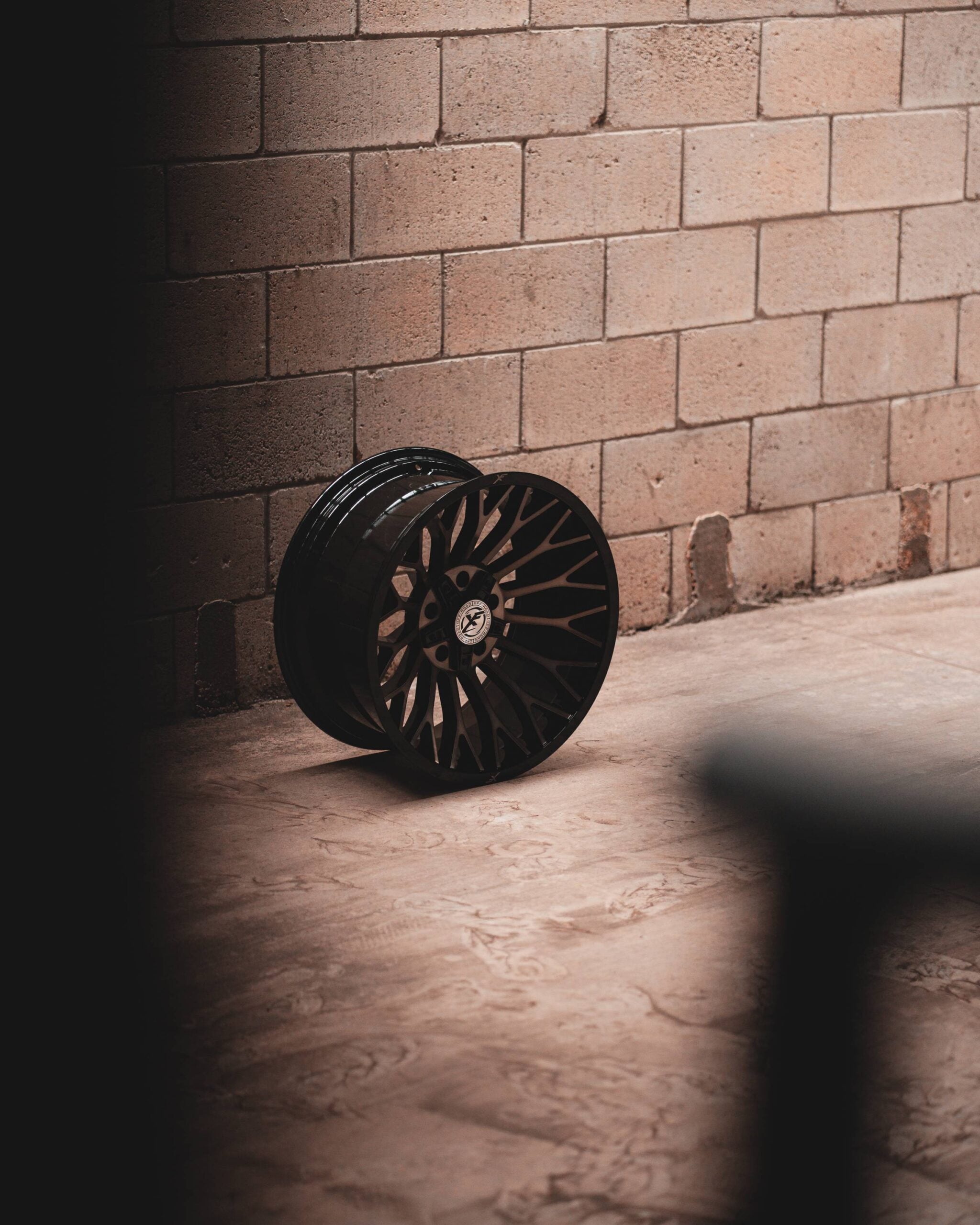
Amani Forged produces USA-made monoblock and fully custom forged wheels that are a natural conversation starter in any showroom. Every wheel is CNC-precision machined in-house, and the customization options – from offset to finish to spoke geometry – let dealers offer something truly unique to each customer.
Multi-piece forged wheels pair a forged center with a separate outer barrel (and inner barrel for 3-piece), bolted or welded together. This construction gives dealers and customers enormous flexibility in sizing – a critical advantage when you’re fitting wheels to specialty vehicles, lifted trucks, or widebody builds that need custom backspacing.
The upsell conversation here almost writes itself. A customer who came in for a set of 20s might discover that a 3-piece setup lets them run a 22×10 front and 22×12 rear staggered fitment that no off-the-shelf wheel could match.
Flow-formed (sometimes called flow-forged) wheels are a smart inventory bridge. They start as cast blanks but are then spun and stretched under heat and pressure, which works the metal in a way that dramatically increases strength while reducing weight. The result is forged-like performance at a more accessible price point – which matters for dealers who serve a mixed customer base.
Carrying flow-formed options alongside true monoblock forged wheels lets you serve the budget-conscious enthusiast without cannibalizing your premium tier.
Key Takeaway: The ideal dealer inventory has at least three tiers – entry flow-formed, mid-range monoblock forged, and custom multi-piece or fully bespoke options. Each tier serves a distinct buyer, and a strong salesfloor presentation moves customers up the ladder more often than you’d expect.
This is where dealers with product knowledge genuinely separate themselves from the competition. Fitment isn’t just about whether a wheel physically mounts to a car. It’s about understanding the full picture of what a customer drives, how they use it, and what they’re trying to achieve.
Before you show a single wheel, get these four answers:
Here’s the thing: most customers come in knowing what they want it to look like. They have a reference photo on their phone. Your job is to translate that visual into a specific product that actually fits their vehicle, clears their brakes, and works with their suspension geometry.
This is where tools like Elite Wheel Warehouse’s Wheel Visualizer become a dealership asset. Let the customer see Amani Forged or Cavallo wheels rendered on their exact vehicle before you’ve written a single quote. It collapses the decision timeline and virtually eliminates buyer’s remorse.
Getting the brand pairing right is a skill that takes time to develop, but here’s a working framework:
Luxury sedans, coupes, and performance vehicles: The Cavallo line – our newest brand built around the intersection of power, luxury, and beauty – is purpose-built for this segment. Same goes for Azara, whose modern luxury designs translate exceptionally well on BMWs, Mercedes-Benz, and Cadillac builds.
Sport and track-oriented vehicles: Spec-1 delivers precision-engineered performance wheels for the driver who prioritizes weight and dynamic response over visual drama. These are your Mustang GT500, WRX STI, and M3 customers.
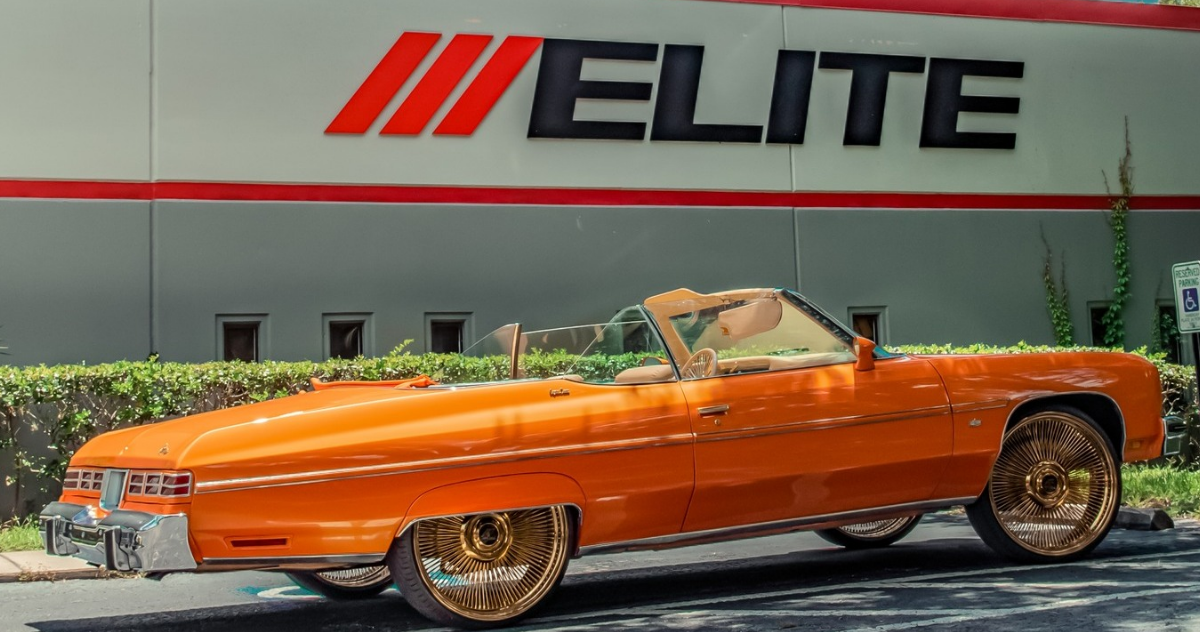
Custom builds and street luxury: This is Amani Forged’s natural home. Fully customizable, USA-manufactured, and available in forged wire wheel configurations for the custom culture segment that has no interest in catalog options.
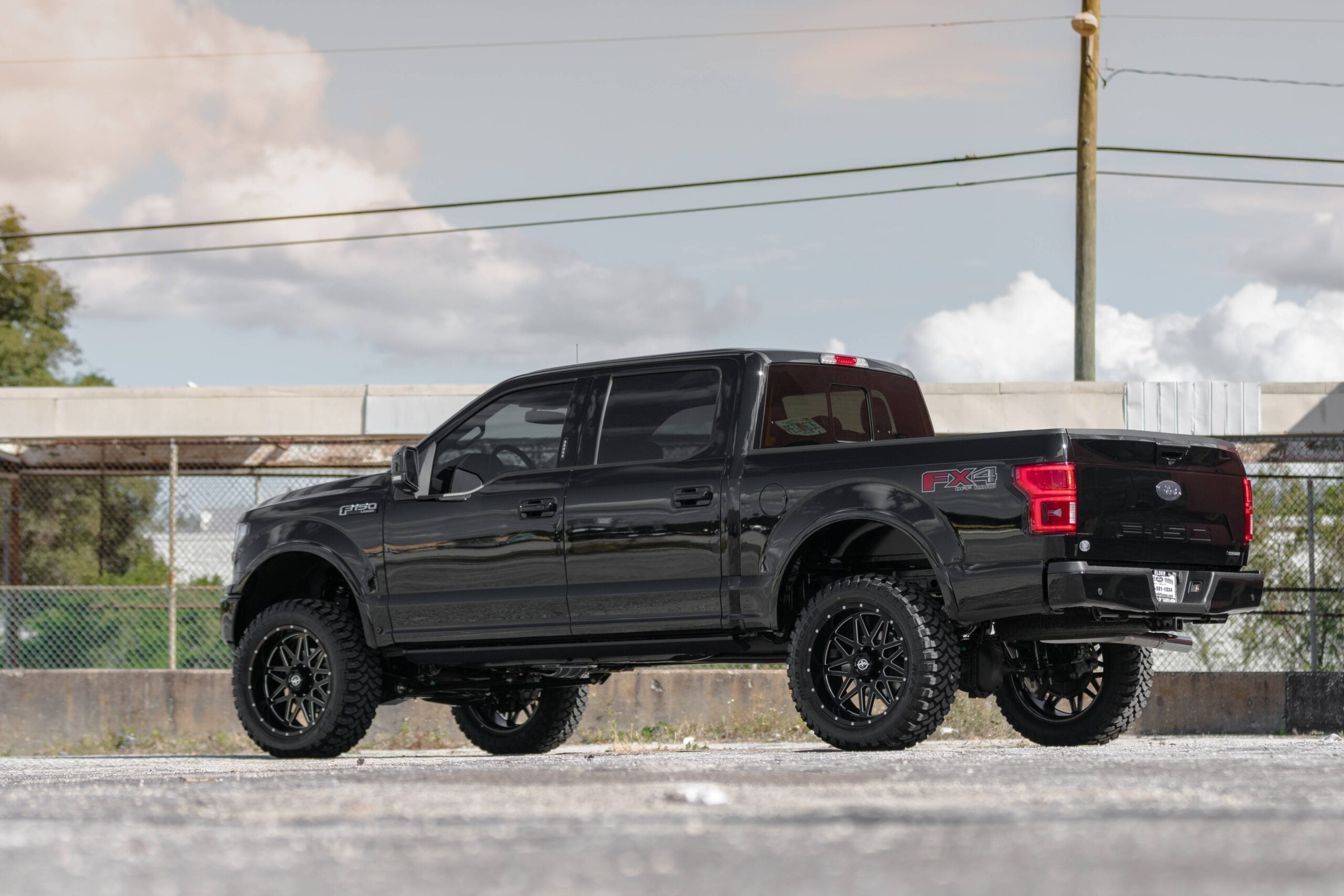
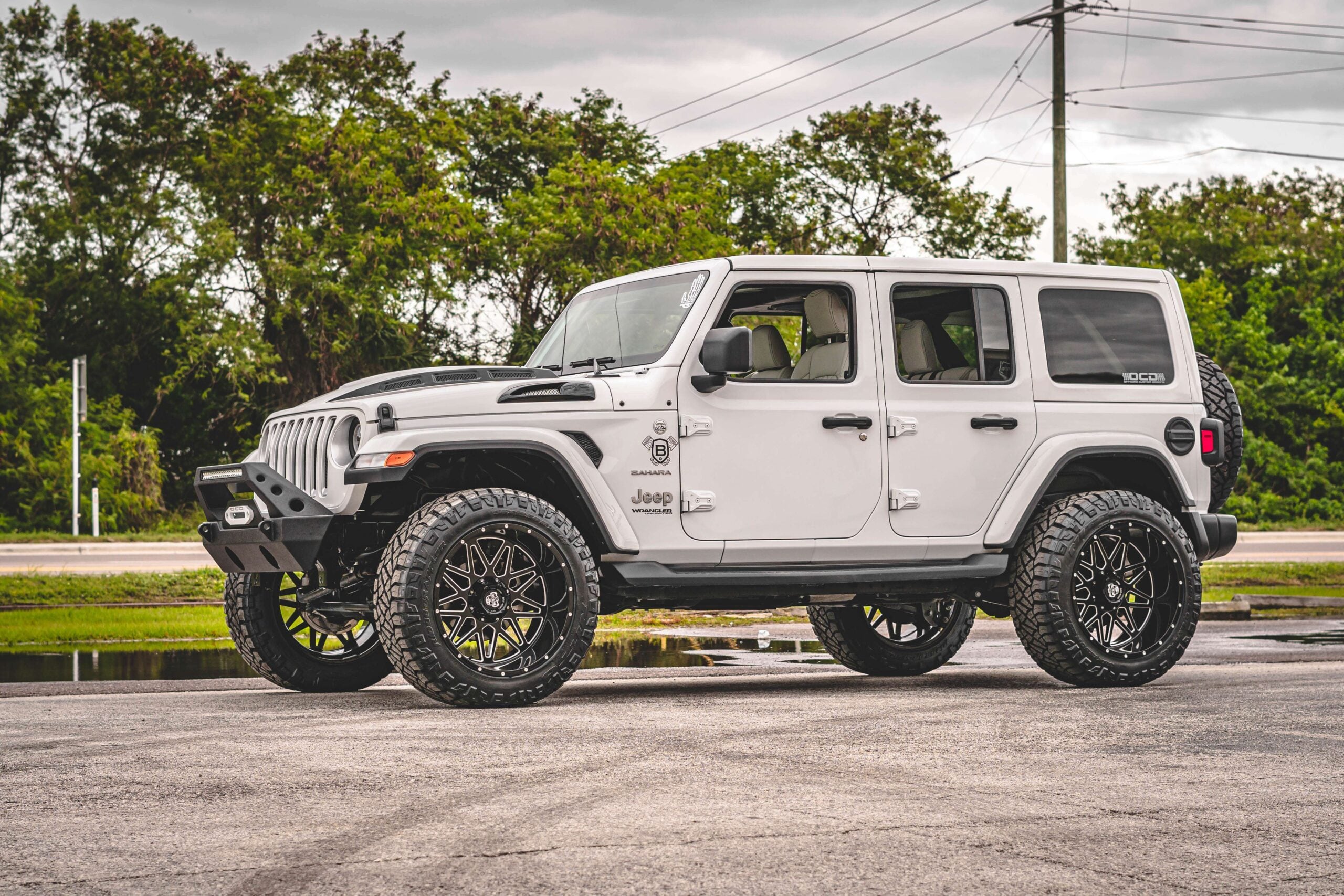
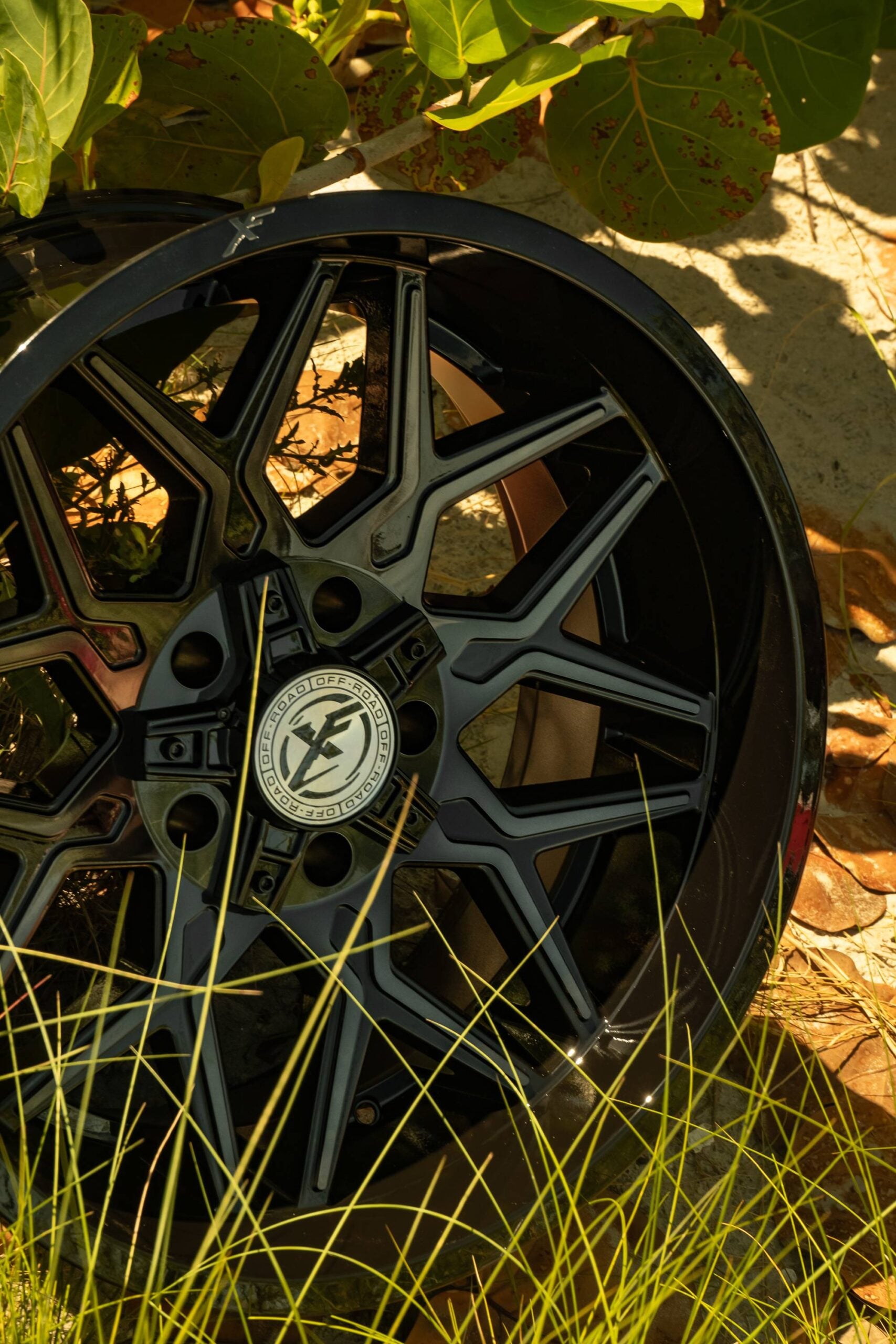
Trucks, Jeeps, and SUVs: XF Off-Road and Vortek Off-Road cover this segment comprehensively. XF’s 40+ designs and extensive size/finish variety give dealers unmatched flexibility, while Vortek’s aggressive modern designs speak to the adventure-driven buyer who wants their truck to look as capable as it is.
Let’s talk money – because the margin conversation is what turns a dealer from skeptical to committed.
The specialty equipment industry, including wheels and tires, sustained $12.51 billion in combined sales in 2024 according to SEMA’s Wheel, Tire, Suspension, and Brake Council data. That’s not a niche market. That’s a category that has earned a permanent place on dealership revenue sheets.
Custom forged wheels carry significantly higher average selling prices than cast alternatives. Monoblock forged sets for luxury vehicles frequently retail above $3,000 per set; fully custom multi-piece configurations on premium vehicles can run considerably higher. The absolute numbers matter less than the margin percentage – and forged wheels, sourced correctly, protect that margin better than almost any other product category in the aftermarket.
Here’s what surprises most new dealers: it’s not the wheel itself that carries the most risk. It’s the fitment. A wheel sold with incorrect offset, insufficient backspacing, or the wrong center bore will come back – and that’s expensive in both money and reputation.
This is why working with a manufacturer who offers custom drilling, custom center boring, and back pad shaving in-house is not a nice-to-have. It’s a margin protector. Elite Wheel Warehouse handles all of these in-house, which means dealers aren’t trying to coordinate fitment corrections across multiple vendors.
Pro Tip: Bundle your wheel sales with mounting, balancing, and TPMS sensor installation. SEMA data shows that 69% of wheel and tire purchases require a professional for installation – meaning the service revenue is already waiting for you. Dealers who bundle routinely increase ticket value by 20–30% on custom wheel sales.
The single biggest constraint on a dealership’s custom wheel revenue is usually not inventory – it’s knowledge. A salesperson who can’t confidently explain the difference between a monoblock and a 3-piece forged wheel, or who can’t articulate why 6061-T6 aluminum matters, will default to price whenever a customer pushes back.
That’s a fixable problem.
Start with the construction types – forged, flow-formed, and cast – and make sure every team member can explain each one in plain language. Then layer in materials (6061-T6 forged aluminum versus cast alloy), finish options (from gloss black and matte black to PVD chrome and custom powder coat), and sizing fundamentals (diameter, width, offset, bolt pattern, center bore).
This isn’t about turning your salespeople into engineers. It’s about giving them enough vocabulary to have a confident conversation. A customer who senses confidence in the person helping them is far more likely to spend at the premium tier.
Elite Wheel Warehouse’s catalog is one of the most underused training assets available to our dealer partners. Walk your team through it brand by brand – Amani Forged, Cavallo, Azara, Spec-1, XF Off-Road, Vortek – and build a reference sheet of which brand fits which vehicle type and buyer profile. Post it in the showroom. Make it part of onboarding.
The dealer that treats product training as a recurring habit – not a one-time event – consistently outperforms those that don’t.
The three most common objections in custom forged wheel sales are: “That’s too expensive,” “I can find something cheaper online,” and “I need to think about it.” Each of these has a clean, confidence-building response that isn’t about discounting.
“Too expensive” is usually a signal that the value hasn’t been communicated yet. Go back to the process – forged construction, USA manufacturing, full customization.
“Cheaper online” invites the conversation about fitment support, installation, and the cost of getting it wrong.
“Need to think about it” often means they’re close but not convinced. Use the Wheel Visualizer to give them something concrete to think about – not an abstract spec sheet, but their own vehicle wearing the exact wheel they’re considering.
Short answer: yes – if you approach inventory strategically.
The common mistake is going too wide before going deep. A dealer who stocks 12 different forged wheel models with limited size coverage will struggle to close deals. A dealer who stocks 4-6 models with strong size and finish representation will consistently outperform them.
Here’s what a focused starter inventory looks like in practice: two or three monoblock forged models in core luxury/sport sizes (19-22 inches), one or two flow-formed options for the value tier, and a strong off-road selection from XF Off-Road or Vortek for the truck segment. Round it out with tire options – Lexani for premium fitments, Venom Power for performance and off-road – and you have a coherent story to tell.
SEMA data consistently shows that pickups account for roughly a third of all specialty equipment retail sales. If you’re in a market with strong truck ownership and you don’t have a compelling off-road wheel story, you’re leaving revenue on the table every week.
Now, this is where it gets interesting: the B2B infrastructure matters as much as the product itself. Elite Wheel Warehouse’s wholesale platform – including SFTP inventory feeds and API integration – means dealers aren’t manually managing inventory or guessing at availability. That operational clarity lets your team focus on selling, not logistics.
If you’re ready to build a forged wheel program that actually moves product, apply to become an Elite Wheel Warehouse dealer partner and we’ll walk you through the setup.
Finish selection is one of the most underappreciated levers in a wheel sale. The right finish recommendation can be the difference between a customer who says “let me think about it” and one who says “yes, that’s exactly it.”
Industry patterns and our own dealer data point to a few consistent performers:
Gloss black and matte black remain the most versatile sellers across vehicle segments. They photograph well, age gracefully, and complement nearly every vehicle color. For dealers building a showroom floor display, black-finished forged wheels are your anchor.
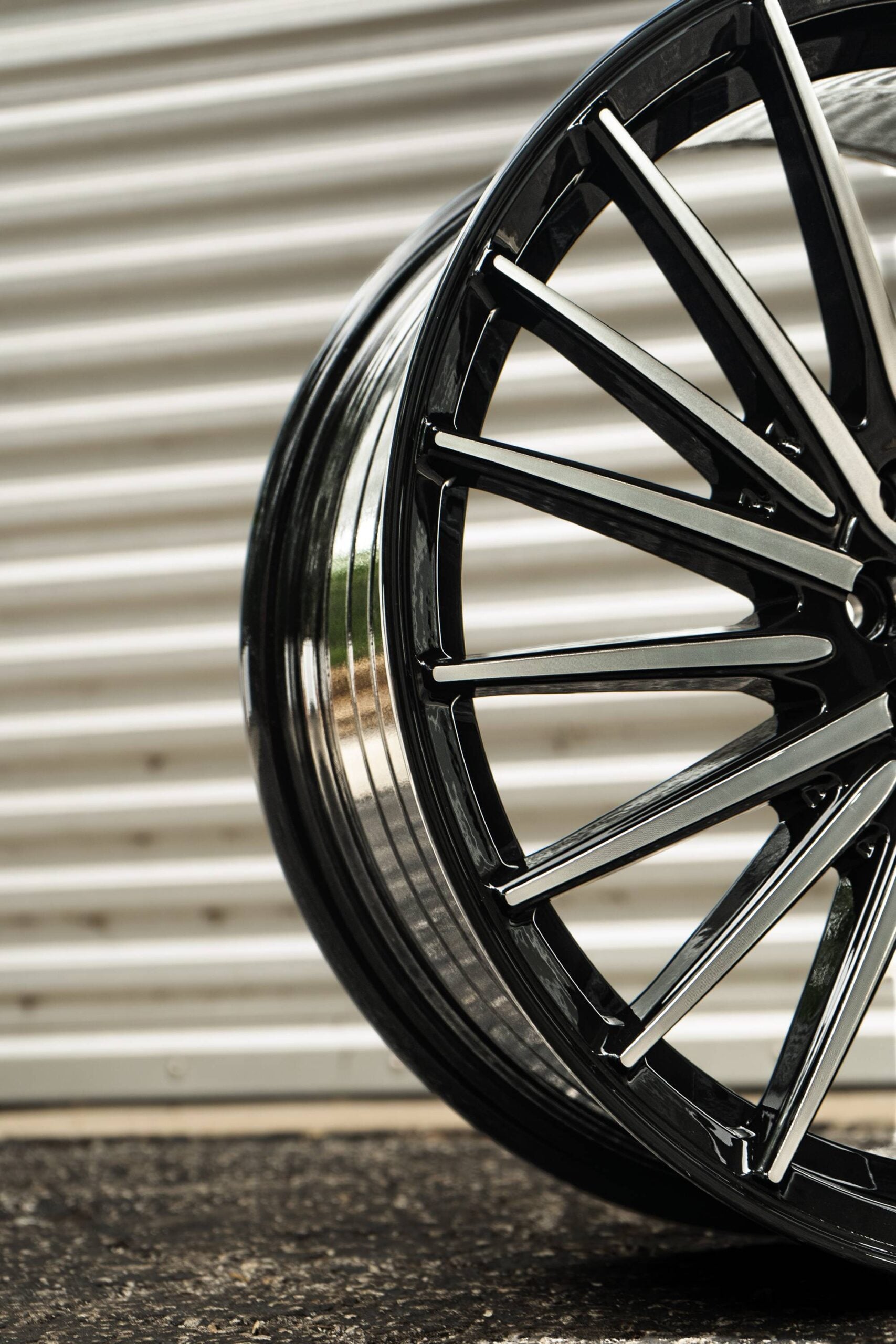
Machined face and brushed finishes perform strongly in the luxury segment. A brushed aluminum center with a machined lip on an Amani Forged monoblock is the kind of detail that stops a customer mid-sentence. These finishes require a bit more sales confidence to present because they carry a premium, but they close at a high rate when the right customer walks in.
PVD chrome has displaced traditional liquid chrome in the custom segment because it’s more durable, more consistent in appearance, and doesn’t carry the environmental concerns that plagued traditional chrome plating. Customers who want chrome want PVD chrome – and knowing that distinction sets your team apart.
Custom painted and powder coated options are a growth category, particularly among younger buyers who want something genuinely one-of-a-kind. If your shop has a relationship with a quality powder coat vendor, this can become a differentiated service offering that your competitors aren’t delivering.
The Tire Industry Association (TIA) notes that paired wheel-and-tire packages significantly increase overall transaction values – which is a strong argument for presenting finish selection alongside a tire recommendation from the Elite Wheel Warehouse tire catalog.
The dealers who build sustainable revenue from custom forged wheels think beyond the single transaction. They’re building relationships, collecting vehicle information, and creating reasons for customers to come back.
A customer who bought Amani Forged wheels on their current vehicle is a strong candidate to buy Cavallo wheels on their next one – if you stay in front of them. A truck owner who spec’d XF Off-Road wheels last year might be ready for a different finish or a larger diameter this season.
Referrals are another underexploited asset. A customer who had a great experience – who was walked through the options, fitted correctly the first time, and received their wheels on schedule – will tell people. Custom wheel customers tend to be community-connected: car clubs, truck meets, social media followings. One good experience can generate three or four qualified leads at no acquisition cost.
Elite Wheel Warehouse’s retailer locator actively drives consumers to our dealer network. Being listed there means visibility with buyers who are already in research mode and already inclined toward quality.
The wheel brands page is another resource worth sharing with customers – particularly those who are early in their research phase and want to understand the full range of what’s available. Educated customers are better customers. They make decisions faster and they’re more satisfied with those decisions.
The dealers building real revenue in custom forged wheel sales aren’t waiting for customers to walk in knowing what they want. They’re creating the conditions for great decisions: product knowledge on the floor, visual tools like the Wheel Visualizer at every consultation, and a brand portfolio that covers every meaningful segment.
Brands like Amani Forged and Cavallo give your team something genuine to sell – not a catalog entry, but a story backed by American manufacturing, precision engineering, and decades of wheel-making experience.
If you’re ready to build a custom forged wheel program that delivers consistent, high-margin results, explore the full Elite Wheel Warehouse brand portfolio or apply to become a dealer partner today. The market is there. The product is here. The next step is yours.
Answer: A custom forged wheel is manufactured by pressing a solid billet of aluminum – typically aerospace-grade 6061-T6 – under high pressure to shape the wheel. This process aligns the metal’s grain structure, producing a wheel that is lighter and stronger than cast alternatives. Brands like Amani Forged produce fully customizable forged wheels with CNC precision, which justifies the premium price through genuine performance and fitment advantages.
Answer: The main types are monoblock (single-piece), 2-piece (forged center with separate barrel), and 3-piece (forged center with separate inner and outer barrels). Monoblock wheels offer simplicity and precision; multi-piece constructions allow custom sizing and aggressive fitments. Flow-formed wheels bridge the gap between cast and true forged at a more accessible price point, making them a smart inventory addition for dealers serving mixed customer segments.
Answer: Match by vehicle type and buyer intent. Luxury and performance vehicles pair well with Cavallo or Azara for refined styling. Street custom builds and cultural builds are where Amani Forged dominates with its fully USA-made, fully customizable options. Sport and track cars suit Spec-1’s precision-engineered lineup. For trucks, Jeeps, and SUVs, XF Off-Road and Vortek Off-Road cover aggressive off-road and adventure-focused styles across 40+ designs.
Answer: The critical fitment specs are diameter, width, bolt pattern (PCD), center bore, and offset (ET). Getting offset wrong is the most common – and expensive – mistake in wheel sales. A wheel with incorrect offset can rub against suspension components, affect steering feel, and require costly correction. Dealers partnered with Elite Wheel Warehouse benefit from in-house custom drilling, center boring, and back pad shaving services that eliminate fitment errors before wheels ship.
Answer: Elite Wheel Warehouse offers a B2B wholesale platform that includes SFTP inventory feeds and API integration, giving dealer partners real-time visibility into inventory, pricing, and availability. The program supports dealers with full brand support across Amani Forged, XF Off-Road, Vortek, Azara, Cavallo, and Spec-1. Dealers can apply through the dealer application portal to access wholesale pricing and the full product catalog.
Become a dealer and get access to our exclusive online B2B platform for the best value on Elite Wheel and Tire brandS.
“We strive to be the global leader in the automotive industry with brands built on passion, inspiration, and innovation.”