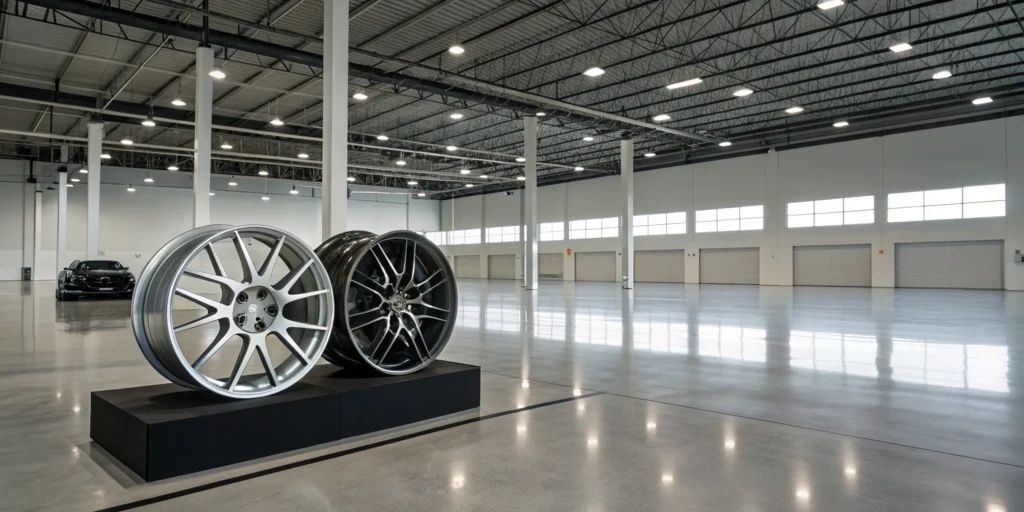
The term “racing wheels” covers a lot more ground than just the racetrack. It’s a huge category, including everything from lightweight, street-performance styles to rugged wheels built for off-road trails. As a dealer, knowing the different types helps you stock the right inventory for your specific customers. Whether you serve sports car enthusiasts, truck owners, or luxury vehicle drivers, there’s a wheel designed to meet their needs. Sourcing wholesale racing wheels from a distributor gives you access to a diverse portfolio, allowing you to become a one-stop shop for performance, style, and replacement wheels.
Key Takeaways
- Partner with a Distributor Who Protects Your Profits: A true wholesale partner defends your margins with strict MAP policies and provides expert support, acting as an extension of your team rather than a competitor who sells directly to consumers.
- Use Your Distributor’s Inventory to Your Advantage: Relying on your distributor’s deep stock allows you to offer a wider variety of wheels, helping you close more sales without tying up your cash in slow-moving products.
- Stock for Your Market, Not Just the Masses: The most profitable strategy is to use your distributor’s diverse brand portfolio to meet the specific demands of your local customers, whether they drive off-road trucks, luxury cars, or performance vehicles.
What Exactly Are Wholesale Racing Wheels?
Wholesale racing wheels are specialized wheels designed for high-performance driving, sold by distributors directly to automotive businesses like yours. While the term “racing” might bring to mind professional motorsports, in the wholesale world, it’s a broad category. It covers a wide range of styles built for superior performance, durability, and aesthetics. This includes everything from lightweight wheels for street performance cars to rugged designs for off-road trucks and ultra-premium forged wheels for luxury vehicles. If a wheel is engineered to enhance a vehicle’s capabilities or appearance beyond factory specs, it can fall under this umbrella.
For an independent shop, sourcing wheels through a wholesale model is the most effective way to build and manage your inventory. Instead of buying one set at a time at retail prices, you gain access to a large catalog of products at dealer-only pricing. This structure allows you to serve a much broader customer base, from the weekend track enthusiast to the truck owner looking for an aggressive stance. A reliable wholesale partner acts as an extension of your own business, providing the inventory and support you need to meet customer demands. This partnership is fundamental to growing your shop profitably, as it allows you to offer more options without the massive overhead of stocking every single wheel yourself.
A Dealer’s Guide to the Wholesale Model
The wholesale model is straightforward: you partner with a distributor to purchase wheels at a price well below retail, which you then sell to your customers. A true wholesale partner provides dealer-exclusive pricing and often enforces strict MAP (Minimum Advertised Price) policies to protect your profit margins from online price wars. Instead of tying up your capital in massive amounts of inventory, you can rely on the distributor’s deep stock. This gives you the flexibility to offer a huge variety of styles for any vehicle, helping you say “yes” to more customers and close more sales without the financial risk of holding slow-moving products.
The Main Types of Racing Wheels You Can Offer
When you’re looking for a wholesale partner, the variety of their inventory is crucial. A good alloy wheel distributor will offer a diverse portfolio that lets you cater to different customer needs and vehicle types. This typically includes several key categories. Performance wheels are designed for street cars and track use, focusing on lightweight construction and handling. Off-road wheels are built for trucks and SUVs, emphasizing strength and durability for tough terrain. Luxury and forged wheels appeal to high-end vehicle owners who want premium materials and exclusive designs. Having access to multiple categories from a single source simplifies your ordering process and helps you become a one-stop shop for your customers.
Cast Aluminum Wheels
Cast aluminum wheels are the bread and butter of the aftermarket wheel industry. They are made by pouring molten aluminum into a mold, making them relatively inexpensive and quick to produce. This process allows for a massive variety of designs, from simple, clean styles perfect for OE replacements to intricate, multi-spoke patterns for a custom look. For your customers, cast wheels offer an affordable way to personalize their vehicle or replace a damaged factory wheel. As a dealer, they are essential inventory. Brands like OE Revolution specialize in high-quality cast wheels that provide a reliable, cost-effective solution for daily drivers and customers focused on aesthetics over pure performance.
Flow-Formed Wheels
Flow-formed wheels, sometimes called flow-forged or rotary-forged, offer a perfect middle ground between cast and fully forged options. The process starts with a cast wheel, which is then heated and spun while steel rollers apply pressure to the barrel. This stretches and compresses the aluminum, increasing its tensile strength and making it lighter and more durable than a standard cast wheel. For your customers who want improved performance—like better acceleration, braking, and handling—without the premium price of a forged wheel, flow-formed is the ideal choice. Offering a line like Spec-1 Racing allows you to cater to the street performance and track-day crowd who demand more from their setup.
Specialty Wheels: Beadlock and Dually
Specialty wheels cater to niche but passionate customer bases. Beadlock wheels are built for serious off-road enthusiasts. They feature an external ring that clamps the tire’s bead to the wheel, allowing drivers to run extremely low air pressure for maximum grip on rocks and trails without the risk of the tire de-beading. On the other end of the spectrum, dually wheels are designed for heavy-duty trucks used for towing and hauling. These setups use four wheels on the rear axle for increased stability and load capacity. Stocking specialty wheels from brands like XF Offroad signals to your customers that you’re an expert who understands their specific needs, helping you capture a dedicated segment of the market.
Why Partner with a Wholesale Distributor?
Choosing where to source your wheels is one of the biggest decisions you’ll make for your shop. While going direct to a manufacturer might seem like the shortest path, partnering with a dedicated wholesale distributor offers powerful advantages that directly impact your bottom line and daily operations. A great distributor acts as an extension of your business, handling the complex logistics of inventory and fulfillment so you can focus on what you do best: building incredible vehicles and taking care of your customers. They provide the buying power, brand access, and operational support that allows independent shops to thrive in a competitive market. Instead of juggling multiple accounts, shipments, and inventory challenges, you get a single point of contact dedicated to helping you succeed. This relationship streamlines your purchasing, reduces your financial risk by letting you tap into their warehouse instead of your own cash, and ultimately helps you sell more wheels, more profitably. It’s about more than just getting a good price; it’s about building a reliable supply chain that you can count on day in and day out, season after season.
Secure Better Profit Margins
Nothing hurts a business more than a race to the bottom on pricing. When you’re competing against online discounters or even your own supplier, it feels impossible to win. This is where a true wholesale partner makes all the difference. Look for a distributor that offers dealer-exclusive pricing and enforces strict Minimum Advertised Price (MAP) policies. A strong MAP policy prevents destructive price wars and ensures you can secure healthy margins on every sale. It creates a level playing field where your expertise and service can shine, rather than just your price tag. This commitment shows a distributor is invested in your success, not just in moving units.
Expand Your Brand Offerings Instantly
You can’t sell what you don’t have, but tying up all your capital in inventory isn’t a smart move either. A wholesale distributor gives you the best of both worlds. By tapping into their deep stock, you can offer customers a huge variety of wheel styles, finishes, and sizes for almost any vehicle that rolls into your bay. This allows you to say “yes” to more sales opportunities without the financial risk of carrying all that inventory yourself. You get to present a massive catalog to your customers, from performance and off-road to luxury and OE styles, all sourced from a single, reliable partner.
The Scale and Technical Variety of Modern Wheels
The modern wheel market is incredibly diverse, extending far beyond simple aesthetics. Today’s wheels are engineered with specific materials and construction methods to meet the demands of different vehicles and drivers. For example, forged wheels are machined from a single block of aluminum, offering maximum strength and minimal weight for high-end luxury and performance cars. Flow-formed wheels provide a middle ground, combining a cast face with a stretched and compressed barrel for a lighter, stronger result than traditional casting. This technical variety means you can offer customers tangible benefits, whether it’s improved handling for a sports car with lightweight performance wheels or the rugged durability of a heavy-duty wheel for an off-road truck. Understanding these differences allows you to guide customers to the perfect fit, building trust and ensuring satisfaction.
How MAP Policies Protect Your Brand’s Value
Consistent pricing doesn’t just protect your profits today; it protects the long-term value of the brands you sell. When a wheel brand strictly enforces its MAP policy, it signals quality and stability to the market. Customers learn to associate the brand with a certain standard, preventing it from becoming a low-price commodity. A distributor who champions this approach is protecting your investment. They ensure that the hard work you put into selling and installing a premium product is reflected in its reputation and profitability for years to come. It’s a clear sign that your partner is on your team, helping you build a sustainable business.
What Kinds of Racing Wheels Can You Source?
The term “racing wheels” covers a lot more ground than just the track. It’s a broad category that includes everything from lightweight, street-performance styles to rugged, heavy-duty wheels built for off-road trails. As a dealer, understanding the different types of wheels available helps you stock the right inventory for your specific customers. Whether you serve sports car enthusiasts, truck owners, or luxury vehicle drivers, there’s a wholesale wheel category designed to meet their needs. Sourcing from a distributor gives you access to a diverse portfolio, allowing you to become a one-stop shop for performance, style, and replacement wheels. Let’s break down the main categories you can offer in your shop.
Performance Wheels: From Street to Track
These wheels are all about speed, agility, and aesthetics. Designed for drivers who want a motorsport-inspired look and improved handling, performance wheels are typically lighter than factory wheels. This reduction in unsprung weight can lead to better acceleration, braking, and cornering. Brands like Spec-1 Racing offer lightweight performance wheels with aggressive styling perfect for sports cars, performance sedans, and coupes. By stocking these, you can cater to customers who want to make a statement and feel more connected to the road, whether they’re heading to a car meet or just enjoying a spirited drive.
Using Performance Statistics to Build Credibility
When a customer is on the fence about a set of performance wheels, numbers can be your most powerful sales tool. They aren’t just buying a product; they’re buying into a legacy of engineering and speed. You can build instant credibility by sharing real-world performance data from the brands you carry. For example, you can mention that brands like WELD Racing, known for their high-performance forged wheels, are trusted by professionals who push vehicles to their absolute limits. Pointing out that Bob Tasca III set a drag racing record of 341.68 mph on their wheels isn’t just a fun fact—it’s proof that the engineering is sound. This track-proven technology directly influences the design and durability of the street wheels you offer, giving your customers confidence that they are investing in championship-caliber quality.
Durable Off-Road Wheels for Trucks & SUVs
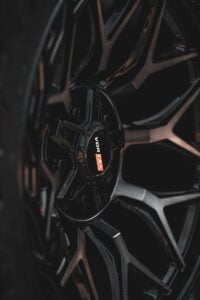
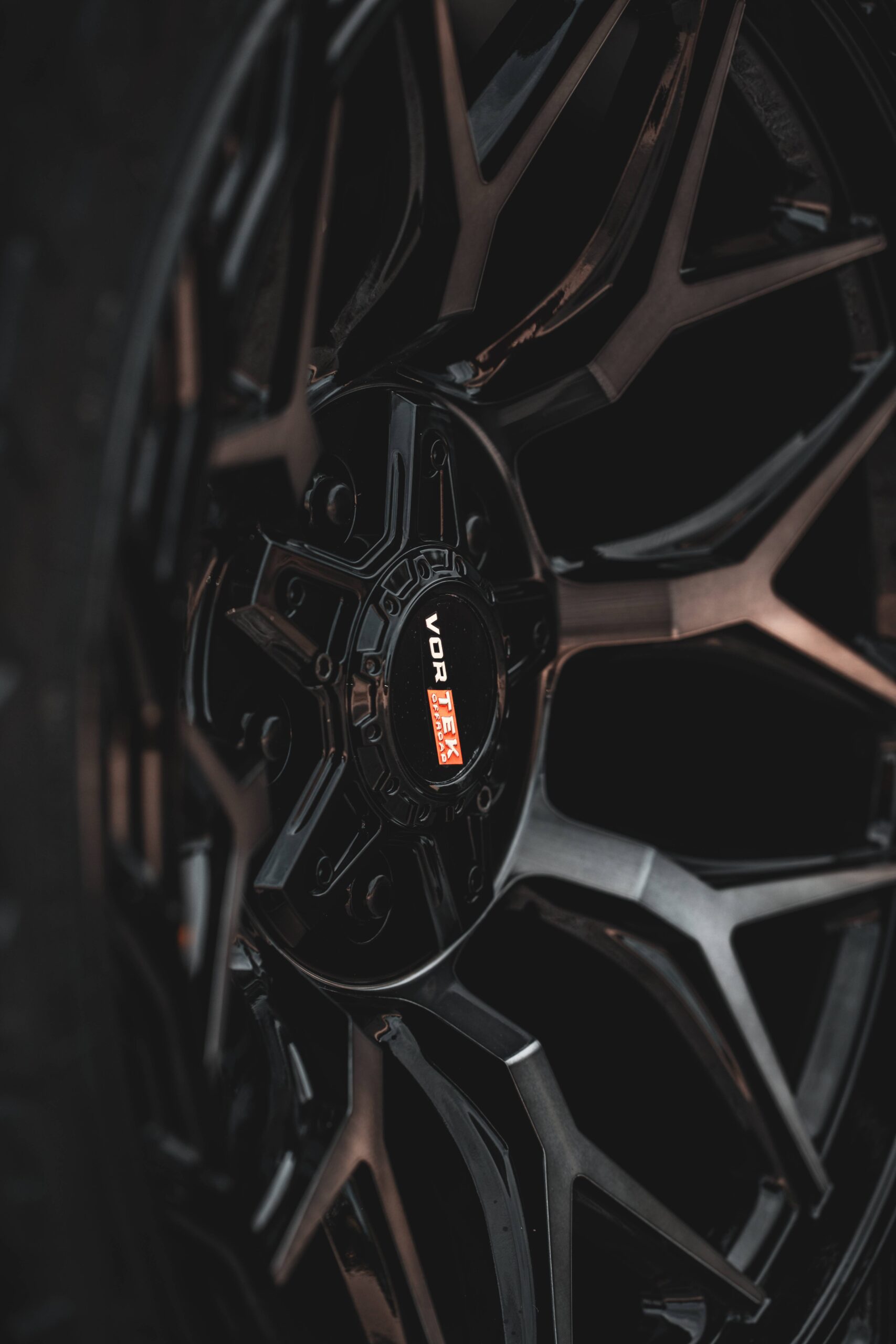
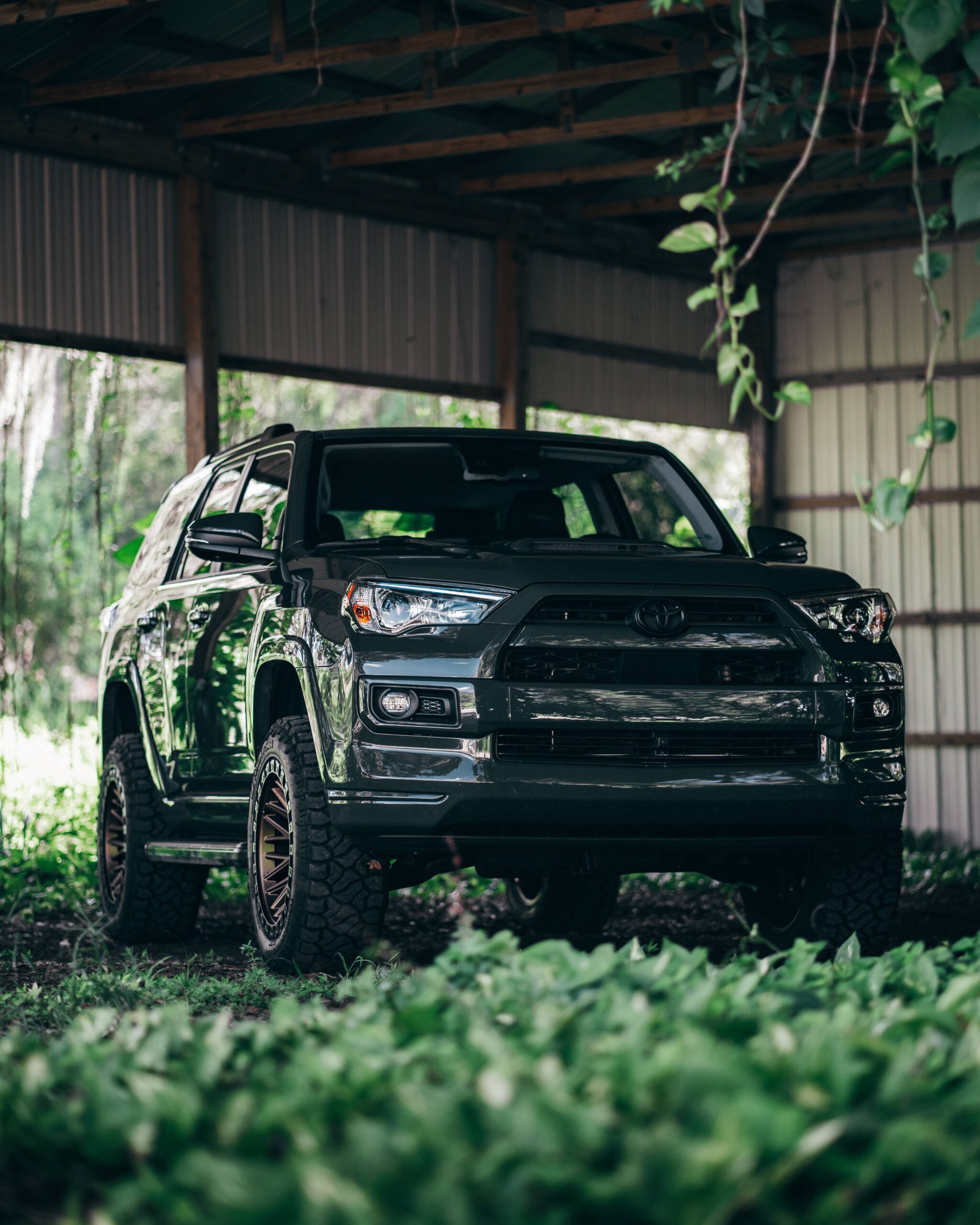
For the truck, Jeep, and SUV crowd, wheels need to be tough, durable, and visually commanding. Off-road wheels are engineered to handle harsh conditions, with higher load ratings and finishes that resist mud, gravel, and grime. Styles often feature deep lips, simulated beadlocks, and bold, multi-spoke designs. With brands like XF Offroad and Vortek Offroad, you can provide customers with options that deliver both rugged performance and the aggressive stance they’re looking for. These wheels are a staple for any shop that services lifted trucks and customized 4x4s.
Premium Options: Luxury and Forged Wheels
In the premium market, customers expect exceptional craftsmanship, exclusive designs, and superior materials. Luxury wheels from brands like Arvano and Cavallo offer intricate details and high-end finishes that complement high-end vehicles. For the ultimate in performance and prestige, you can offer forged wheels. Forged from a solid block of aluminum, these wheels are incredibly strong and lightweight. It’s also important to look for wheels that meet or exceed JWL & VIA testing standards, as this certification ensures they meet rigorous quality and safety requirements, giving your high-end clientele peace of mind.
Reliable OE Replacement Wheels
Not every customer is looking for a custom upgrade. Many just need to replace a single damaged or worn-out factory wheel. This is where OE (Original Equipment) replacement wheels come in. These wheels are designed to perfectly replicate the look, fit, and finish of the original wheels that came with a vehicle from the manufacturer. Brands like OE Revolution specialize in these replicas, providing a cost-effective and reliable solution for collision repair centers, tire shops, and used car dealerships. Stocking OE replacements ensures you can help customers restore their vehicle’s original appearance quickly and affordably.
How Does Wholesale Pricing Work?
Wholesale pricing is more than just a number on an invoice; it’s a system designed to help your business grow. When you partner with a distributor, you gain access to a pricing structure that rewards volume and supports your cash flow. Understanding how these elements work together is key to maximizing your profitability and building a strong, lasting relationship with your supplier.
Understanding Market Price Points
Not every customer who walks into your shop has the same budget or the same goal for their vehicle. That’s why understanding the different price points in the wheel market is so important. By recognizing the distinct tiers—from affordable, style-focused options to ultra-premium, performance-driven designs—you can guide your customers to the perfect fit for their needs and their wallet. This knowledge helps you stock a smarter inventory and have more productive conversations with clients, ensuring you can offer a solution for every type of buyer, from the daily driver to the serious enthusiast.
Pricing Tiers from Entry-Level to Premium Forged
The wheel market generally breaks down into a few key categories, each serving a different purpose and price range:
- Entry-Level: These are typically cast aluminum wheels that offer a great balance of style and affordability. They’re the perfect upgrade for daily drivers who want to change up their vehicle’s look without a huge investment. While they might be heavier than performance-focused wheels, they provide a significant aesthetic step up from factory options and are a high-volume seller for many shops.
- Performance & Off-Road: This mid-range tier is where function meets style. It includes lightweight performance wheels, like those from Spec-1 Racing, designed to improve handling for sports cars, as well as durable off-road wheels built to withstand tough terrain. These wheels appeal to enthusiasts who demand more from their vehicle, whether it’s better cornering on the street or reliability on the trail.
- Premium & Forged: At the top of the market, you’ll find luxury and forged wheels. Luxury lines from brands like Arvano and Cavallo focus on intricate designs and flawless finishes for high-end vehicles. Forged wheels represent the pinnacle of strength and lightweight performance, as they are crafted from a single block of aluminum. These premium options cater to clients who want the absolute best in craftsmanship and exclusivity.
Understanding Volume Tiers and Discounts
Most distributors offer tiered pricing, which means the more you buy, the better your unit price becomes. This structure is designed to reward high-volume dealers and help you scale your business profitably. A true wholesale partner also provides dealer-exclusive pricing and enforces strict Minimum Advertised Price (MAP) policies. This is incredibly important because it prevents online price wars that can erode a brand’s value. More importantly, it secures your margins on every sale. When your distributor protects the brand’s pricing, you can sell with confidence, knowing your investment is safe.
Let’s Talk About Minimum Orders
Many wholesalers have minimum order requirements, either in dollar amounts or unit quantities. This helps them operate efficiently and keep their own costs down, which translates into better pricing for you. Finding the right wholesale distributor that provides a good price and a fair deal is crucial. Don’t be afraid to ask about minimums upfront. A good partner will have reasonable requirements that don’t force you to tie up all your capital in inventory. Some may even offer flexibility for your first few orders as you build the relationship, making it easier to get started without taking on too much risk.
Your Guide to Payment Terms and Territory Protection
Beyond the sticker price, look at the payment terms a distributor offers. Terms like Net 30 or Net 60 give you 30 or 60 days to pay an invoice, which can significantly improve your business cash flow. This flexibility allows you to stock wheels and sell them before the bill is due. Accessing a distributor’s deep stock helps you offer a huge variety of styles to your customers without tying up your own capital. Some distributors also offer territory protection, which limits the number of dealers selling their brands in your area. This protection gives you a competitive edge and makes your marketing efforts more effective.
How to Choose the Right Wholesale Partner
Choosing a wholesale distributor is one of the most important decisions you’ll make for your shop. This isn’t just about finding the lowest price; it’s about building a long-term relationship with a partner who is invested in your success. The right distributor acts as an extension of your team, providing the inventory, support, and reliability you need to grow your business. A great partner helps you keep your promises to your customers, from having the right wheels in stock to getting them delivered on time. As you evaluate your options, look beyond the price list and consider the entire support system they offer.
Does Their Shipping Network Meet Your Needs?
Your ability to close a sale often comes down to one simple question: “Can I get it?” A distributor with a robust fulfillment network is your best asset here. Look for partners with multiple warehouse locations across the country. This geographic diversity means faster shipping times and lower freight costs for you and your customers. Accessing a distributor’s deep stock allows you to offer a huge variety of wheel styles for any vehicle, helping you say “yes” to more customers without tying up your own capital in slow-moving inventory. A strong supply chain is the backbone of a reliable wholesale partnership.
Do They Carry the Brands Your Customers Want?
The brands you sell define your shop’s reputation. Partner with a distributor that offers a diversified portfolio of respected and MAP-protected brands. A good mix of styles, from performance and luxury to off-road and OE replacement, allows you to cater to a wider range of customers and vehicle types. When you’re associated with wholesale distributors that have a good connection with reputed brands, you build credibility with your customers. A well-curated brand portfolio gives you the flexibility to meet market demand and the confidence to stand behind the products you sell.
Examples of Popular Aftermarket Wheel Brands
The aftermarket wheel industry is filled with brands that cater to nearly every niche imaginable. Some companies are massive players that design and distribute a wide array of brands under one roof. For example, Wheel Pros is a major distributor known for its extensive portfolio, offering hundreds of different wheel styles across numerous brands. On the other end of the spectrum, you have highly specialized manufacturers. A brand like WELD Racing focuses specifically on high-performance wheels for street, drag, and off-road racing, building a reputation on its engineering for specific applications. Then there are brands like Ultra Wheel, which have carved out a strong presence by offering durable and stylish wheels for trucks, SUVs, and duallys. Understanding this landscape helps you see how different brands position themselves, which in turn helps you decide what kind of brand diversity you want to offer in your own shop.
Insist on Expert Fitment and Technical Support
Nothing stops a sale faster than uncertainty about fitment. Mistakes here are costly, leading to returned products, wasted time, and unhappy customers. That’s why expert support is non-negotiable. The right partner provides critical support like expert fitment advice, quality-certified products, and clear return policies that save you time and prevent costly mistakes. Think of your distributor’s support team as your own in-house technical experts. Their guidance helps you sell with confidence, ensuring the wheels you recommend are a perfect match for your customer’s vehicle every time.
Find a Distributor That Puts Dealers First
Your wholesale partner should be your ally, not your competitor. A true dealer-first distributor works to protect your business and your profits. This means they won’t sell directly to consumers online, undercutting your prices. A true wholesale partner provides dealer-exclusive pricing and enforces strict MAP policies, which prevents destructive price wars and secures your margins on every sale. This commitment ensures that the brands you invest in maintain their value over the long term. Look for a partner whose business model is built around helping you succeed, because when you grow, they grow too.
How to Apply for a Dealer Account
Ready to partner with a wholesale distributor? The application process is usually straightforward, but having your information organized ahead of time makes it even smoother. Think of it as setting the foundation for a strong, profitable partnership. Most distributors have a simple online form to get things started. The goal is to verify that you’re a legitimate business and to get you set up in the system so you can start ordering. Let’s walk through what you can expect.
Your Checklist for Getting Started
Before you fill out any forms, it’s a good idea to gather a few key documents. Most distributors need to verify that you’re a registered business, so you’ll almost always be asked for a copy of your business license and a resale certificate (sometimes called a seller’s permit). These documents prove you’re a legitimate reseller and allow you to purchase inventory tax-free. If you’re just starting out, the U.S. Small Business Administration has great resources on how to get licensed and permitted. Having digital copies of these ready to upload will speed things up significantly. Some distributors may also ask for photos of your storefront or website to confirm you have an active sales channel.
What to Expect from the Approval Process
Once you’ve submitted your application and documents, the distributor’s team will review them. This step is about making sure your business is a good fit and that all the legal requirements are met. They’ll verify your business information and may check your location to see how it fits within their existing dealer network. The timeline for approval can vary, but you can generally expect to hear back within a few business days to a week. If you haven’t heard anything after a week, a polite follow-up email is perfectly fine. The goal is to get you approved quickly so you can access the inventory you need.
How Territory and Exclusivity Rules Work
One important question to ask during the application process is about territory protection. Some distributors offer dealers exclusive rights to sell their brands within a specific geographic area. This is a huge advantage, as it prevents market saturation and protects your margins by limiting direct competition from other shops just down the road. Not all distributors offer this, so it’s crucial to understand their policy. A partner who is committed to your success will have clear rules in place to ensure their dealers can thrive. This is a key part of a dealer-first philosophy and something you should look for in a long-term partner.
Sourcing Wholesale Wheels: Common Problems & Solutions
Sourcing wheels for your shop should be a straightforward process, but dealers often run into the same set of obstacles. From managing inventory to standing out in a crowded market, these challenges can directly impact your profitability and customer satisfaction. The key isn’t just knowing what these problems are; it’s having a clear strategy to solve them. By partnering with the right distributor, you can turn these common headaches into competitive advantages that help your business grow.
How to Manage Your Inventory and Cash Flow
Stocking your showroom can feel like a balancing act. If you order too much, your cash is tied up in inventory that isn’t moving. If you order too little, you risk losing a sale because a customer’s desired wheel is on backorder. This is one of the most significant challenges for any automotive business, as effective inventory management is directly linked to healthy cash flow. The solution is to work with a distributor that acts as an extension of your warehouse. A partner with deep inventory across multiple distribution centers allows you to carry less stock, order what you need on demand, and still get it to your shop quickly. This approach lets you be more responsive to customer requests without overextending your finances.
How to Guarantee Wheel Quality and Fitment
Nothing stops a sale faster than a wheel that doesn’t fit or a finish that fails prematurely. When you source from an unknown supplier, you’re taking a gamble on quality. Poorly made wheels lead to unhappy customers, time-consuming returns, and damage to your shop’s reputation. Equally important is fitment accuracy. Providing your customers with the wrong specs not only costs you a sale but also erodes their trust. The best way to solve this is by choosing a distributor that stands behind its products and provides expert fitment guidance. A reliable partner has already vetted their brands for quality and can give you the precise data you need to guarantee a perfect fit every time.
Staying Ahead of the Competition
It’s tough to compete when big online retailers are undercutting your prices on the exact same wheels. This kind of market pressure often leads to a “race to the bottom,” where profit margins get thinner and thinner. You can protect your business from these destructive price wars by sourcing brands that are backed by a strict Minimum Advertised Price (MAP) policy. A true wholesale partner enforces MAP pricing to ensure that every dealer has a fair chance to sell products profitably. This policy stabilizes the market, protects your margins, and preserves the long-term value of the brands you carry, allowing you to sell based on service and expertise instead of just price.
What Kind of Support Should You Expect?
Choosing a wholesale partner is about more than just inventory and pricing. The best distributors act as an extension of your team, providing the resources and support you need to grow your business. When you’re evaluating potential partners, think beyond the catalog and consider what they offer to help you sell wheels more effectively. A true partner is invested in your success and provides dedicated support long after the first order is placed. This support system is often what separates a simple supplier from a strategic business partner.
Get Marketing and Sales Materials for Your Shop
Your distributor should make it easier for you to market and sell their products. This starts with pricing structures that protect your bottom line. A true wholesale partner provides dealer-exclusive pricing and enforces strict Minimum Advertised Price (MAP) policies, which prevents destructive price wars and secures your margins on every sale. Beyond pricing, look for access to high-resolution product photography, detailed spec sheets, and other brand assets you can use on your website and social media channels. These materials save you time and money while ensuring you present the wheels in a professional, compelling way.
Leverage Modern Digital Sales Tools
In the wheel business, the biggest question on a customer’s mind is always, “How will it look on my car?” Answering that question confidently can be the difference between closing a sale and watching a potential customer walk away. Modern digital tools are designed to bridge this gap between imagination and reality. By using resources like vehicle configurators and customer photo galleries, you can provide a more interactive and reassuring sales experience. These tools help customers visualize the final product, building their confidence and making it easier for them to commit to a purchase. Many top-tier brands offer these resources, and a good distributor can help you integrate them into your sales process.
Vehicle Configurators
A vehicle configurator is an interactive tool that allows a customer to see how different wheel styles and finishes look on their specific year, make, and model of vehicle. Think of it as a virtual dressing room for cars. Instead of relying on guesswork, your customer can digitally “try on” various options, helping them find the perfect match. This simple step dramatically improves the customer experience by removing uncertainty. When a buyer can see the final result, they feel more secure in their decision, which leads to higher satisfaction and fewer returns. Ask your distributor which of their brands offer product visualization tools you can use in your showroom or direct customers to online.
Customer Photo Galleries
While configurators provide a clean, digital preview, customer photo galleries offer powerful social proof. These galleries showcase real-world photos of vehicles owned by actual customers, providing an authentic look at how the wheels appear in different settings, on various paint colors, and with custom modifications. Seeing a set of wheels on a truck just like theirs can be the final push a customer needs. It builds trust and provides inspiration that polished studio shots sometimes can’t. You can leverage these galleries by directing customers to the brand’s website or by creating your own showcase of local customer builds on your social media, turning your own clients into your best marketing asset through user-generated content.
Become a Product Expert with Training and Education
The more your team knows about the wheels you sell, the more confident they’ll be when talking to customers. A great distributor provides product training and educational resources to get your staff up to speed. This could include information on new designs, finish technologies, and specific fitment applications. Building strong and lasting relationships with your own customers is key, and that trust starts with expertise. When your team can answer questions accurately and recommend the right products, you build a reputation for quality service that keeps customers coming back.
Why You Need a Dedicated Support Team
When you have a question or run into an issue, you need fast and reliable help. Look for a distributor that offers dedicated support, whether it’s a personal sales representative or a responsive customer service team. Behind the scenes, many top-tier distributors use systems to track customer preferences and order history, allowing them to provide tailored support. This means you get a partner who understands your business and can help you resolve issues quickly, from fitment questions to order tracking. You should feel like a valued partner, not just another account number.
How to Market Racing Wheels to Your Customers
Sourcing high-quality wheels is the first step, but getting them onto your customers’ vehicles is what drives your business forward. Marketing doesn’t have to be complicated. It’s about connecting with the right people in the right way. By focusing on who your customers are, engaging with your local scene, and using simple digital tools, you can create steady demand for your inventory and build a reputation as the go-to expert in your area.
Find and Target Your Ideal Customers
Before you can effectively sell, you need to know who you’re selling to. Are your customers track day enthusiasts, luxury car owners, or off-road adventurers? Each group has different needs and motivations. Defining these segments helps you spot opportunities and address weaknesses in your product offerings or customer service. Creating simple customer profiles for your key buyers allows you to stock the right inventory and tailor your sales approach to show each person you understand exactly what they’re looking for. This clarity ensures your marketing efforts resonate and your inventory moves.
Connect with Local Automotive Communities
Your most passionate customers are already gathering at local car meets, track days, and club events. Tapping into these communities is an authentic way to build your brand. Consider sponsoring a local car show or hosting a “Wheels & Coffee” morning at your shop. Building local partnerships with other auto businesses, like detailers or tuners, can also lead to valuable referrals. These efforts show you’re a genuine part of the local scene, which builds long-term trust and turns customers into advocates for your business. It’s about being present where your customers are.
How to Use Digital Marketing to Sell More Wheels
Your customers use social media to find inspiration for their next build, and your shop should be there to provide it. Use platforms like Instagram and Facebook to showcase your best work with high-quality photos and videos of customer projects. Creating useful content, like a simple guide to wheel fitment or a video explaining different wheel finishes, establishes your expertise. This type of digital marketing helps you engage with customers, build trust, and attract new buyers looking for a knowledgeable wheel dealer who can bring their vision to life.
How to Manage Inventory for Maximum Profit
Sourcing the right wheels is only half the battle; managing them effectively is what protects your bottom line. Smart inventory strategy isn’t about cramming your storeroom with every possible option. It’s about stocking the right products at the right time to meet customer demand without tying up all your cash. A great wholesale partner doesn’t just sell you wheels; they provide the flexibility and support you need to keep your inventory lean and your sales moving.
How to Stock the Right Wheels for Your Local Market
The most profitable inventory is the one that reflects your local customer base. Take a look at the cars in your service bays and driving around your town. Are you in a region dominated by lifted trucks, luxury European sedans, or daily commuters? Your wheel selection should directly serve that audience. Partnering with a distributor that offers a diverse portfolio of reputable brands is key, as it ensures you can offer quality, safety, and style that aligns with what your customers want. Don’t just stock what’s popular nationally; stock what sells in your neighborhood.
Get Ready for Seasonal Demand
The auto industry has its own seasons. You might see a rush on off-road wheels before summer vacation season, a spike in performance wheels during tax return season, or increased interest in fresh styles before local car shows. Planning for this seasonal demand helps you capture sales when interest is highest. Instead of buying pallets of wheels that might sit for months, you can lean on your distributor’s deep inventory. This allows you to offer a huge variety of styles and sizes, helping you say “yes” to more customers without risking your own capital on slow-moving stock.
What to Know About Return and Warranty Policies
Even with the best planning, issues can arise. A wheel might get damaged in shipping, or a customer might have a rare fitment issue. This is where your distributor’s support becomes critical. Before committing to a partner, make sure you have a clear understanding of their return and warranty policies. A great partner provides expert fitment advice to prevent mistakes, but they also stand behind their products with a straightforward process for handling returns. This protects your business from costly errors and helps you build customer trust by resolving any issues quickly and professionally.
Related Articles
- Wholesale Rims for Dealers: The Ultimate Guide
- The Ultimate Wholesale Rims Warehouse Guide
- Wholesale Truck Rims: The Ultimate Buyer’s Guide
- 5 Best Aftermarket Wheel Wholesale Distributors
Frequently Asked Questions
What does “MAP-protected” actually mean for my shop’s bottom line? A Minimum Advertised Price (MAP) policy is a simple agreement that prevents anyone, including online retailers, from advertising a product below a certain price. For your shop, this is a huge advantage. It stops destructive price wars and ensures you can maintain healthy profit margins on every set of wheels you sell. It allows you to compete based on your expertise and customer service, not just by having the lowest price tag.
I’m a smaller shop. Are wholesale accounts only for large, high-volume businesses? Not at all. In fact, the wholesale model is designed to help shops of all sizes grow. Partnering with a distributor gives you access to a massive inventory without needing the capital to stock it all yourself. This means you can offer your customers a huge variety of options and say “yes” to more sales, which is a powerful way to build your business, regardless of its current size.
How can a distributor with multiple warehouses help me sell more wheels? It all comes down to speed and availability. When a customer is ready to buy, they want their wheels now, not in two weeks. A distributor with warehouses located across the country can get products to your shop much faster and with lower shipping costs. This allows you to close sales quickly before a customer decides to look elsewhere, reducing the risk of losing business due to long lead times.
What happens if I order a wheel and it doesn’t fit my customer’s vehicle? This is a major concern, and it’s where a true partner really shines. The best distributors work to prevent this from happening in the first place by providing expert fitment guidance and accurate data. However, if a mistake does occur, a good partner will have a clear and fair return policy to help you resolve the issue quickly. This support protects you from costly errors and helps maintain your customer’s trust.
Besides pricing, what’s the biggest difference between buying from a distributor versus directly from a manufacturer? The biggest difference is the scope of the relationship. A manufacturer sells you their specific products. A distributor, on the other hand, acts as a complete supply chain partner. They give you access to a diverse portfolio of many brands from a single point of contact, handle the complex logistics of warehousing and shipping, and provide dedicated sales and technical support. It simplifies your operations so you can focus on your customers.