

Blog

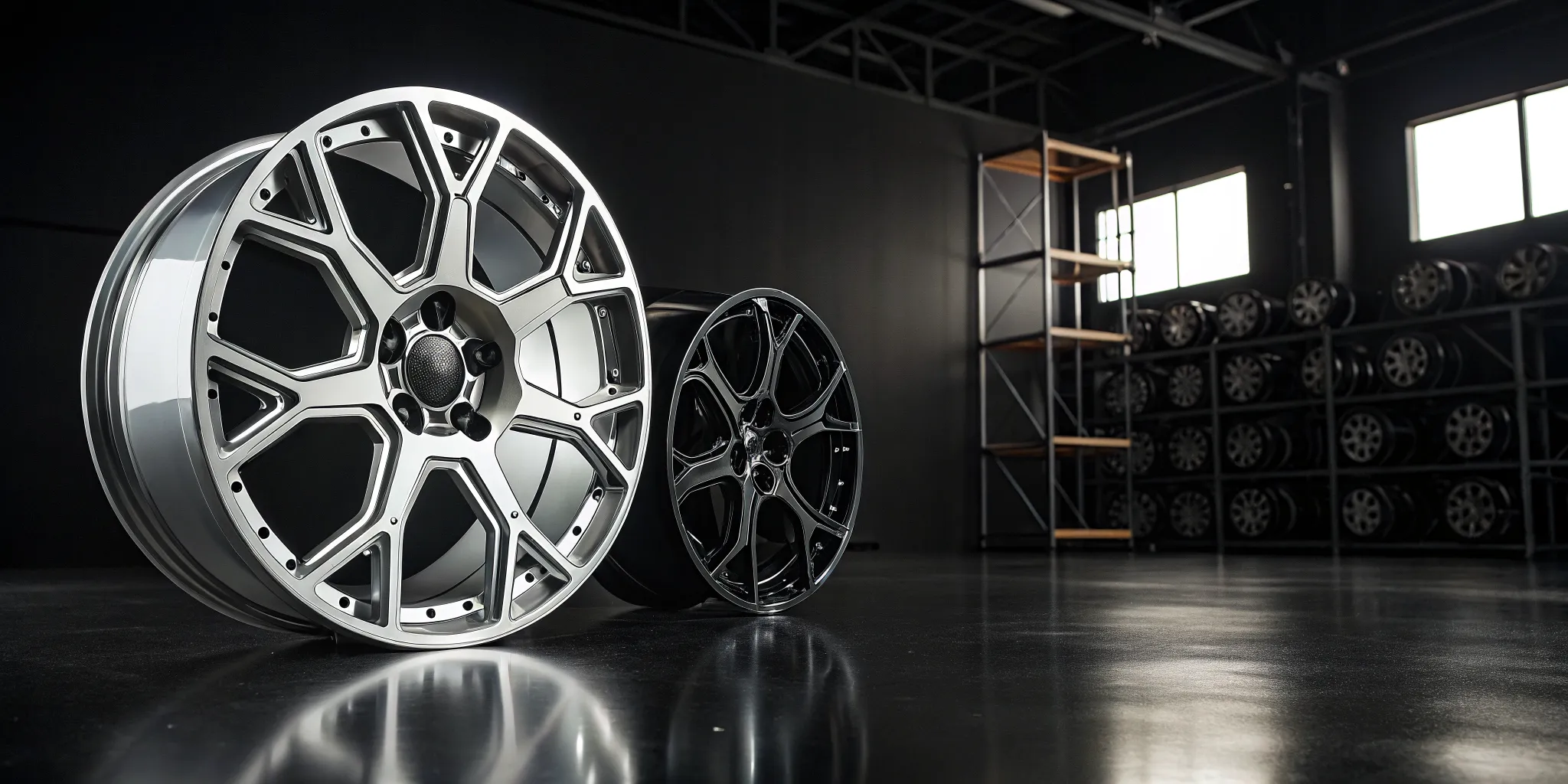
The wheel manufacturing process is the way that makes sure your wheels are strong, safe, and built to perform. From selecting materials to advanced processes like casting, forging, and machining, wheels go through certain steps to give you the best of all. Different types of wheels are made in different ways. Be it cast wheels, super-strong forged, or flow-formed.
Different manufacturing processes strengthen the wheels differently. By understanding them, you can make informed decisions about what type of wheel will serve you the best. With the right manufacturing techniques, you’ll enjoy improved handling, longer-lasting durability, and better overall performance.
At Elite Wheels Warehouse, we pride ourselves on offering top-quality wheels crafted through precise manufacturing techniques. Whether you need high-performance wheels for a sports car or durable, budget-friendly wheels for everyday driving, we have the perfect solution.
Wheel manufacturing is the process of turning raw materials into the wheels you see on cars, trucks, and even heavy machinery. It starts with choosing the right material, like aluminum, and then shaping it using methods like casting, forging, or flow-forming. These techniques decide how strong, light, and durable the wheels will be.
After the wheel is shaped, it’s carefully machined to ensure it fits perfectly and has a smooth surface. Then, the wheel gets finished with protective coatings, such as powder coating or chrome plating, to make it last longer and look great. Finally, the wheel undergoes strict quality checks to ensure it’s safe and reliable.
So, when you get behind the wheel, rest assured that it’s been carefully crafted to keep you rolling safely and smoothly.
Casting is a cost-effective method where molten metal is poured into a mold. It’s great for everyday cars, but the wheels tend to be heavier and less durable. If you’re looking for something budget-friendly, casting is a solid choice, but for high-performance vehicles, you might want something stronger.
Forged wheels are made by heating and shaping a solid metal piece under pressure. This makes them strong, light, and durable. Ideal for high-performance cars. They are pricier, but the strength and weight savings make them worth it if you’re pushing your vehicle to the limit.
Flow forming starts with a cast wheel and then strengthens it with heat and pressure. This method gives you a lightweight, durable wheel without the high cost of forging. It’s perfect if you want performance on a budget.
Ever wonder how a wheel goes from raw materials to the shiny, rolling powerhouse on your vehicle? Well, here’s the lowdown, step by step, with some fun facts thrown in to make it interesting!
Picking the right material for a wheel is like picking the perfect pair of shoes. What you choose affects everything! If you want a wheel that’s light and sporty, aluminum is your best friend. It’s shiny, sleek, and super lightweight. If you’re going for top speed, magnesium alloy is the king. Light as a feather and built for speed. So, choose wisely because the material impacts everything from strength to performance!
Here comes the fun part: shaping the wheel! If we’re casting, molten metal is poured into a mold, filling it to form the wheel. It’s quick, easy, and perfect for mass production. If we’re forging, we start with a solid chunk of metal and press it under extreme pressure to shape it into a wheel. This method makes the wheel stronger and lighter, just like lifting weights to get in shape. Whether it’s casting or forging, this is where we set the stage for a strong, durable wheel.
After the wheel takes shape, it’s time to get down to the details. Machining is where we smooth out any rough edges and trim off excess material to ensure a perfect fit. Imagine a sculptor chiseling away at a block of stone to reveal the masterpiece inside. We use a CNC machine, which is like a high-tech robot, to make sure the wheel is precisely shaped. By the end of this step, the wheel is looking sharp and ready for the next round!
Now it’s time to toughen up! Heat treatment is where the wheel gets its strength boost. We heat it to a certain temperature and then cool it quickly (called quenching), making the metal stronger and more durable. Some wheels even go through an aging process, which helps them become even tougher. Think of it as giving the wheel a tough workout session, so it’s ready to handle the stresses of the road.
It’s makeover time! Surface finishing is where the wheel gets its final polish. We can polish it to a nice shiny finish or apply a powder coating or chrome plating to give it that extra shine and protection from the elements. It’s like giving the wheel a fresh coat of paint, making it look great and ensuring it can handle whatever weather comes its way. Plus, the coating helps the wheel last longer and resist corrosion.
We’re almost there! Quality control is where we make sure everything is in top shape. We check for any imperfections, like scratches or dents, and measure the wheel to ensure it fits exactly as it should. Strength tests are also done to make sure the wheel can handle bumps, potholes, and all the stuff you’ll throw at it. It’s like getting a final check-up before a big race, you want everything running smoothly!
No one wants a wobbly wheel, right? Balancing ensures the wheel is perfectly even, so it rolls smoothly without any vibrations. We carefully add small weights to balance the wheel, making sure it doesn’t shake or wobble when driving. Think of it like making sure your bike tires are pumped up just right. This step ensures a smooth, comfortable ride.
The wheel is now ready for its big debut! After all the tests and finishes, it’s carefully cleaned, packed, and shipped off to its new home. Whether it’s heading to a retailer, a car manufacturer, or directly to you, the wheel is ready to roll into its next adventure. Literally!
Choosing the right type of wheel can be tricky, especially with so many manufacturing options available. Let’s break down the key differences between cast, forged, and flow-formed wheels to help you decide which one best suits your needs.
| Casting | Forging | Flow-Forming |
|---|---|---|
| Molten metal is poured into a mold. | Solid metal billet is heated and shaped under high pressure. | Cast wheel heated and stretched under pressure. |
| Everyday vehicles, budget-conscious buyers. | High-performance cars, racing vehicles, and luxury cars. | Performance cars, sports vehicles, mid-range options. |
| Moderate | Very high | High |
| Heavy | Light | Lighter than casting but heavier than forging. |
| High customization possible | Limited customization | Moderate customization |
| Low cost | High cost | Moderate cost |
The wheels on your car play a huge role in how it performs, handles, and even looks. Understanding the different types of wheels can help you make the best choice for your ride.
If you’re driving a performance car, you’ll want wheels that are both lightweight and strong. Forged or flow-formed wheels are perfect for high-speed driving, offering the strength and agility needed to handle sharp turns and fast acceleration.
When it comes to budget, if you’re looking for a more affordable option, cast wheels are a great choice for everyday use. But if you’re willing to invest a bit more for improved performance, forged wheels are definitely worth considering.
Finally, think about the style of your wheels. Whether you’re after a sleek, high-end look or a more rugged, practical design, the right wheels can change the entire vibe of your car.
The right wheels can completely change how your car handles, performs, and even how it looks. Whether you’re after the lightweight speed of forged wheels or the perfect balance with flow-formed wheels, there’s a wheel type that fits every driving need.
At Elite Wheels Warehouse, we make finding the perfect wheels easy and exciting. With a wide selection designed to match your style and performance goals, we’ve got you covered, no matter what you drive. Ready to rev up your ride? Let’s get you rolling with the perfect set of wheels today!
Answer: Absolutely! Even though forged wheels are often used on sports cars, they can work just fine on everyday vehicles, too. They’re strong and lightweight, which can make your ride smoother and more efficient, but you don’t need them unless you want that extra boost in performance.
Answer: Yes, forged wheels are more expensive, but they’re worth it if you’re looking for the best in strength and performance. They’re lighter than other wheels, which makes your car handle better and accelerate faster. If you’re into racing or high-performance driving, they’re a great investment!
Answer: Yes! Flow-formed wheels are stronger and more durable than cast wheels. They go through a special process that makes them tougher, so they’ll last longer and handle more stress. If you want wheels that will last and still look good, flow-forming is a smart choice.
Answer: Wheels come in several different finishes, including polished, powder-coated, and chrome-plated. Polished gives a shiny finish, powder coating adds a tough, colorful layer, and chrome plating offers a high-gloss look that also protects against rust. The finish you choose depends on how you want your wheels to look and how much protection they need.
Become a dealer and get access to our exclusive online B2B platform for the best value on Elite Wheel and Tire brandS.
“We strive to be the global leader in the automotive industry with brands built on passion, inspiration, and innovation.”