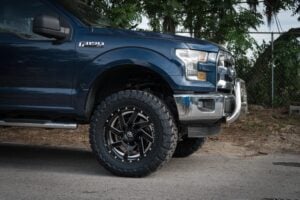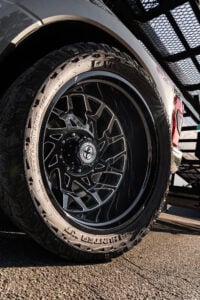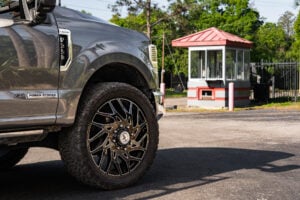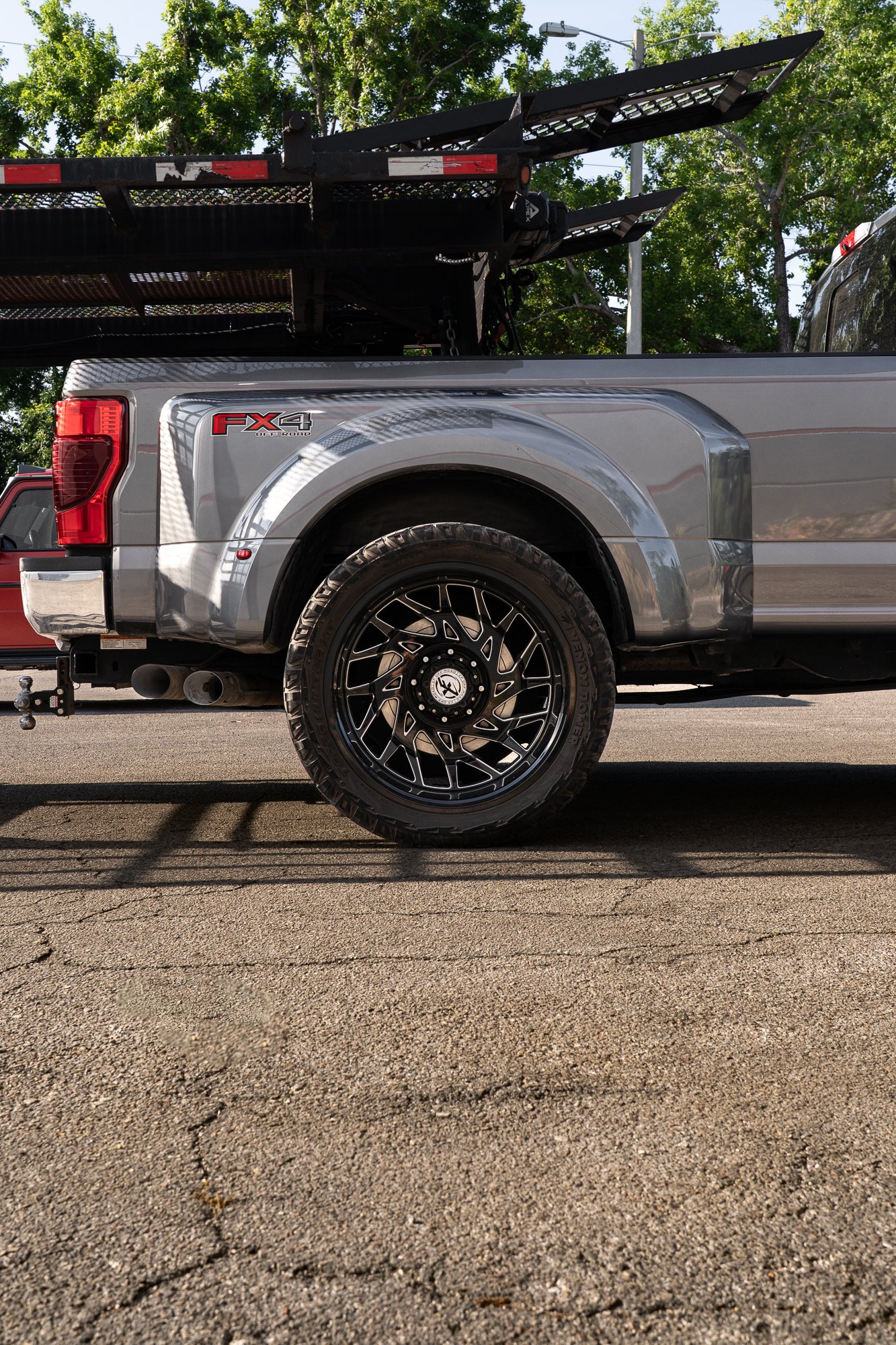
Large diameter wheels can be one of your shop’s most profitable categories, but only if you have the right partner. Nothing kills a sale faster than finding out the perfect set of 24-inch wheels is on backorder for six weeks. Sourcing challenges like inconsistent inventory, long lead times, and poor communication can directly impact your bottom line and customer satisfaction. The key is to find a distributor whose business model is built to solve these problems. This article breaks down what to look for in large diameter wheel suppliers for shops, from multi-warehouse distribution networks to deep inventory, helping you build a more reliable and profitable sourcing strategy.
Key Takeaways
- Prioritize technical specs for safety and satisfaction: Beyond looks, a wheel’s load capacity, material, and precise fitment are critical for ensuring vehicle safety, preventing damage, and creating happy, repeat customers.
- Choose a supplier who protects your business: A true partner offers fast shipping from multiple warehouses, enforces MAP pricing to protect your margins, and operates on a dealer-first model so they never compete with you for sales.
- Understand manufacturing to explain value: Knowing the difference between cast, flow-formed, and forged wheels helps you manage inventory at different price points and confidently explain the value behind the cost to your customers.
What Are Large Diameter Wheels?
When you hear the term “large diameter wheels,” the right definition depends entirely on the industry. For an automotive shop, it means something very different than it does for an industrial equipment supplier. Making this distinction is the first step in sourcing the right products for your customers and avoiding confusion. While both categories focus on size, their materials, construction, and purpose couldn’t be more different. Knowing exactly what to look for ensures you can speak confidently with suppliers and guide your customers to the perfect fit for their vehicle.
Defining Automotive vs. Industrial Applications
First, let’s clear up the industrial side. Industrial wheels are the heavy-lifters you see on material handling carts, manufacturing equipment, and warehouse dollies. Their design is all about function over form. These wheels are built to carry immense weight, roll smoothly over rough concrete, and withstand harsh working conditions. For example, heavy-duty caster wheels are engineered for load capacity and durability, not for turning heads on the street. When you’re sourcing for your shop, you can safely filter out suppliers who specialize in these types of products.
Automotive wheels, on the other hand, are what your customers want for their trucks, SUVs, and performance cars. In this world, a large diameter wheel is a statement piece that blends aesthetics with performance. It’s about creating a custom look, whether that’s an aggressive, lifted stance for an off-road truck or a sleek, modern profile for a luxury sedan.
Key Sizes and Their Performance Benefits
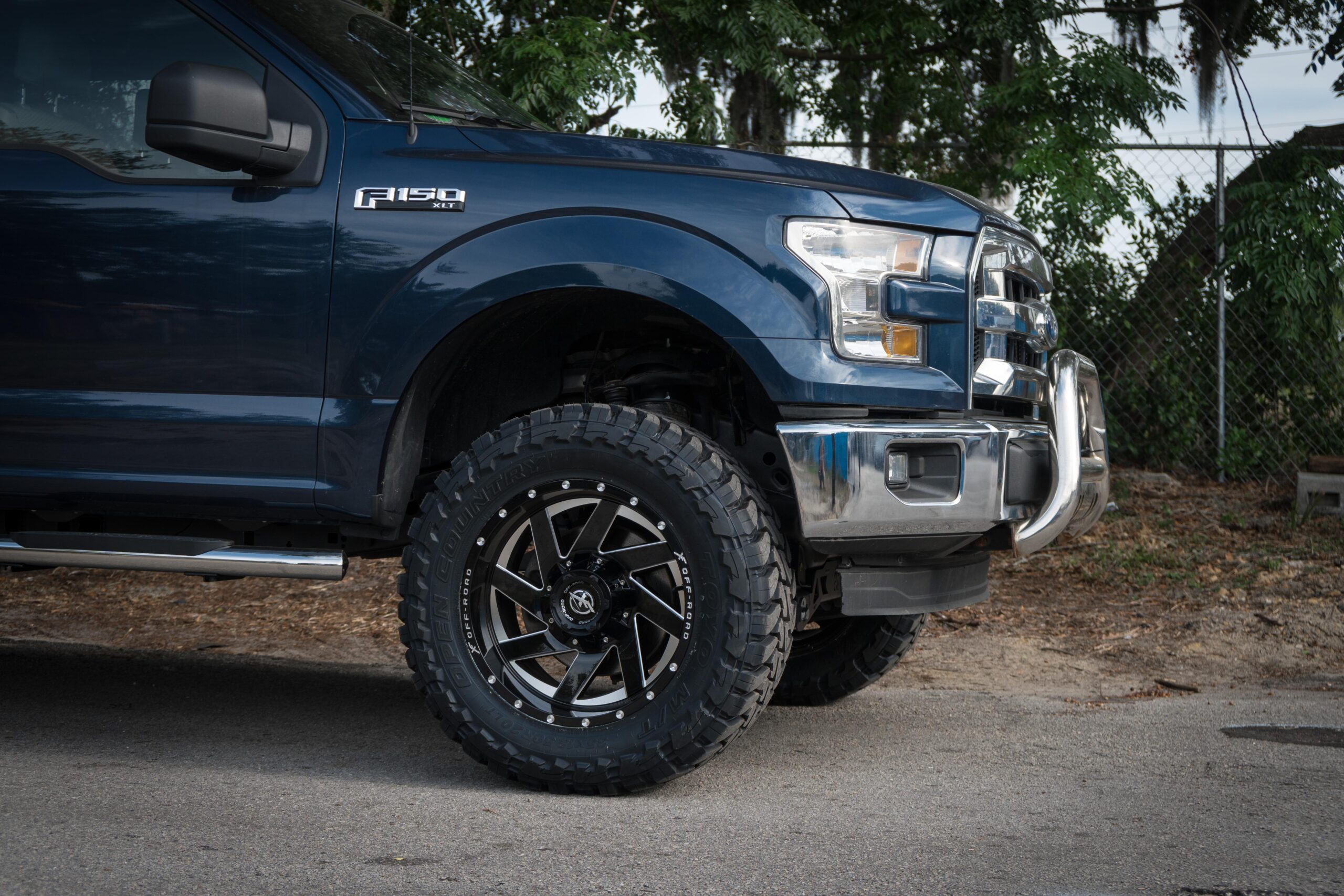
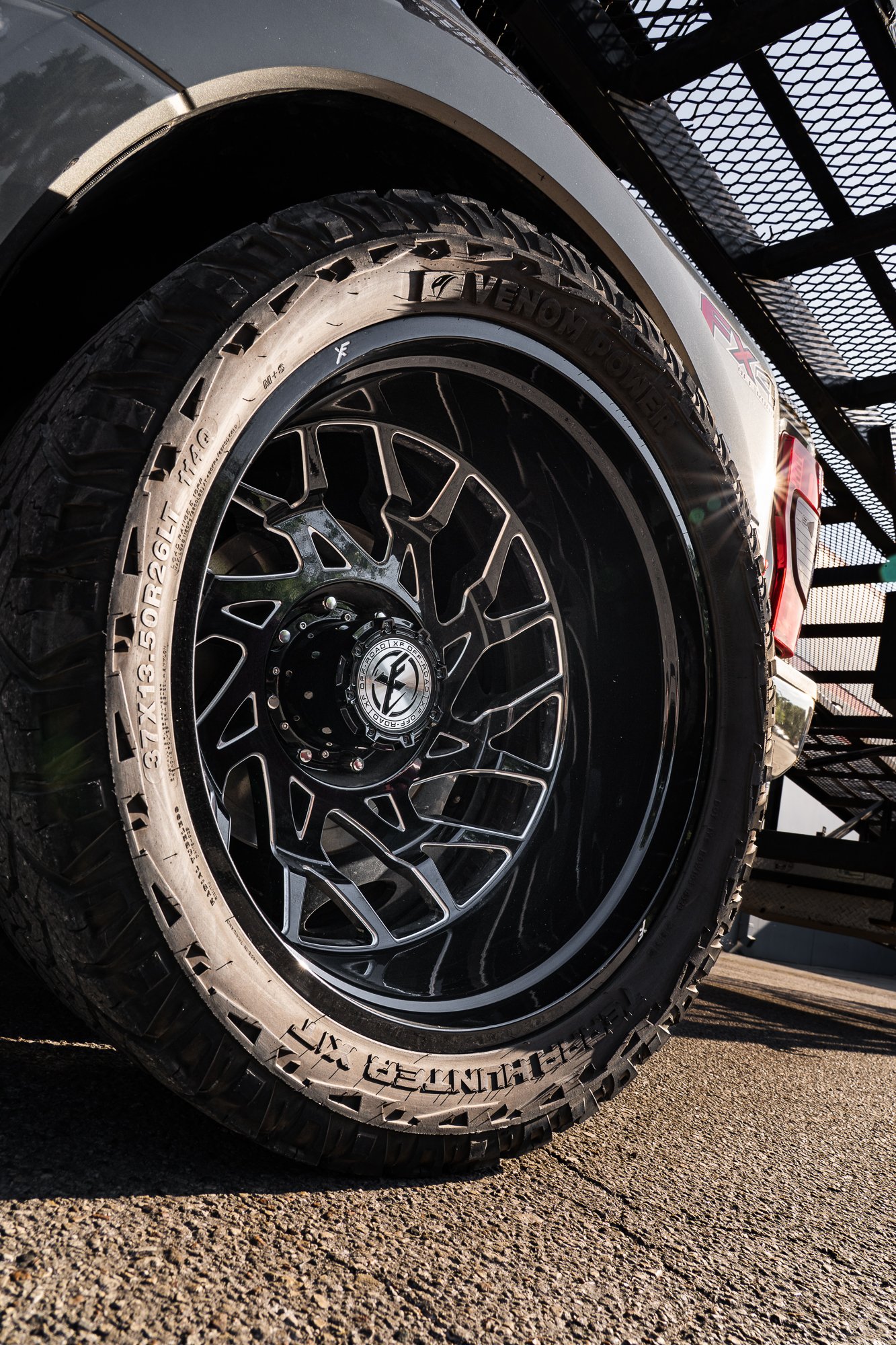
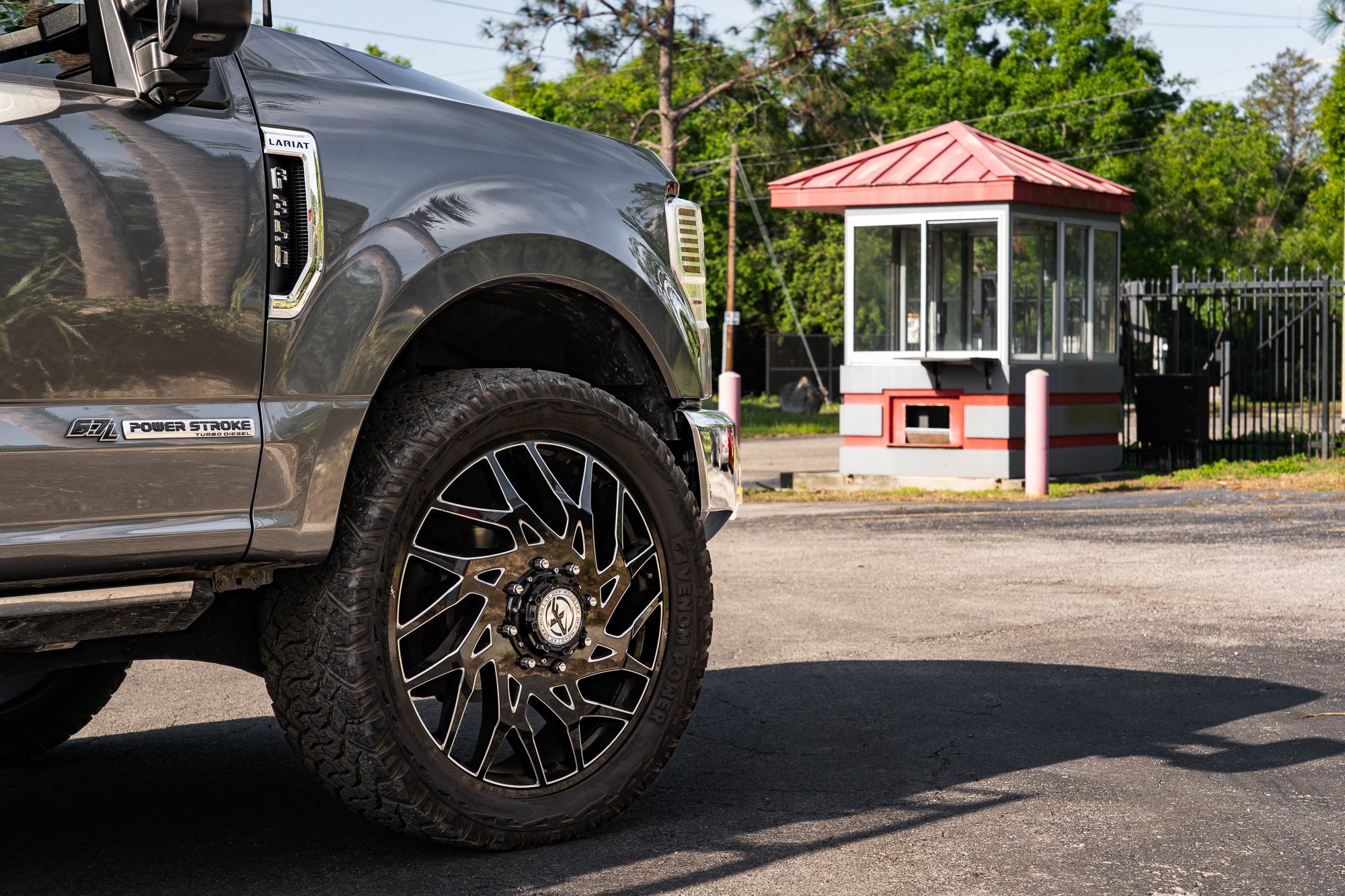
In the automotive market, “large diameter” typically refers to wheels that are 20 inches or bigger. These sizes are popular because they dramatically change a vehicle’s presence on the road. A larger wheel fills out the wheel well more completely, creating a powerful and proportional look that factory setups often lack. This visual upgrade is one of the main reasons customers invest in aftermarket wheels.
Beyond looks, there are performance aspects to consider. A larger wheel covers more ground with each revolution, which can contribute to a smoother feel at highway speeds. Some evidence also suggests that the reduced number of rotations can lessen long-term wear on certain drivetrain parts. However, it’s important to manage customer expectations. To maintain the correct overall tire diameter, larger wheels must be paired with lower-profile tires, which can result in a firmer ride. Helping customers find the right balance is key to a successful sale.
What to Look for in Large Diameter Wheels
Choosing the right large diameter wheels for a customer’s vehicle involves more than just picking a great design. As a shop owner or manager, you know that performance, safety, and proper fitment are what create happy, repeat customers. When you’re sourcing wheels, especially in larger sizes for trucks, SUVs, and performance cars, paying attention to the technical specifications is just as important as the style.
Focusing on a few key areas will help you stock and sell wheels that not only look good but also perform reliably. You’ll want to evaluate the wheel’s load capacity to ensure it can handle the vehicle’s weight, understand the differences between materials like steel and forged aluminum, and confirm the construction method meets the demands of your customer’s driving style. Getting these details right from the start prevents fitment issues, protects your reputation, and ensures your customers drive away satisfied with a safe and durable upgrade.
Load Capacity and Weight Ratings
One of the most critical factors for large diameter wheels, especially for trucks and SUVs, is the load capacity. Every wheel has a maximum weight rating, and it’s essential that this rating meets or exceeds the vehicle’s Gross Vehicle Weight Rating (GVWR) divided by four. Using a wheel with an inadequate load rating can lead to structural failure, which is a major safety risk. Larger wheels are often fitted to heavier vehicles that tow or carry significant cargo, making this specification non-negotiable. A quality wheel is designed to distribute weight evenly, which reduces stress on the wheel itself and other suspension components, ensuring long-term durability and safe operation for your customers.
Understanding Material Options: Steel, Alloy, and Forged
The material a wheel is made from directly impacts its weight, strength, and price. Steel wheels are the traditional choice, known for their durability and low cost, making them a practical option for work trucks or budget-conscious buyers. However, most modern large diameter wheels are made from aluminum alloy, which offers a great balance of strength and reduced weight for improved handling and fuel efficiency. For high-performance or luxury applications, forged wheels are the top choice. The forging process creates an exceptionally strong and lightweight wheel, perfect for customers who demand the best in performance and style. Understanding these differences allows you to guide customers to the right choice for their vehicle and budget.
Checking for Brake Clearance and Proper Fitment
Proper fitment is key to a successful wheel installation. With large diameter wheels, you have to confirm there is enough clearance for the vehicle’s brake components, especially on modern vehicles with oversized calipers. Beyond clearing the brakes, you need to verify the bolt pattern, center bore, and offset. The offset is particularly important as it determines how far the wheel sits in or out of the fender, affecting both appearance and handling. A good rule of thumb is to select a wheel and tire combination with an overall diameter that’s as close as possible to the factory setup. This helps maintain the accuracy of the speedometer and prevents potential issues with the vehicle’s traction control and ABS systems.
Construction Methods and Durability Features
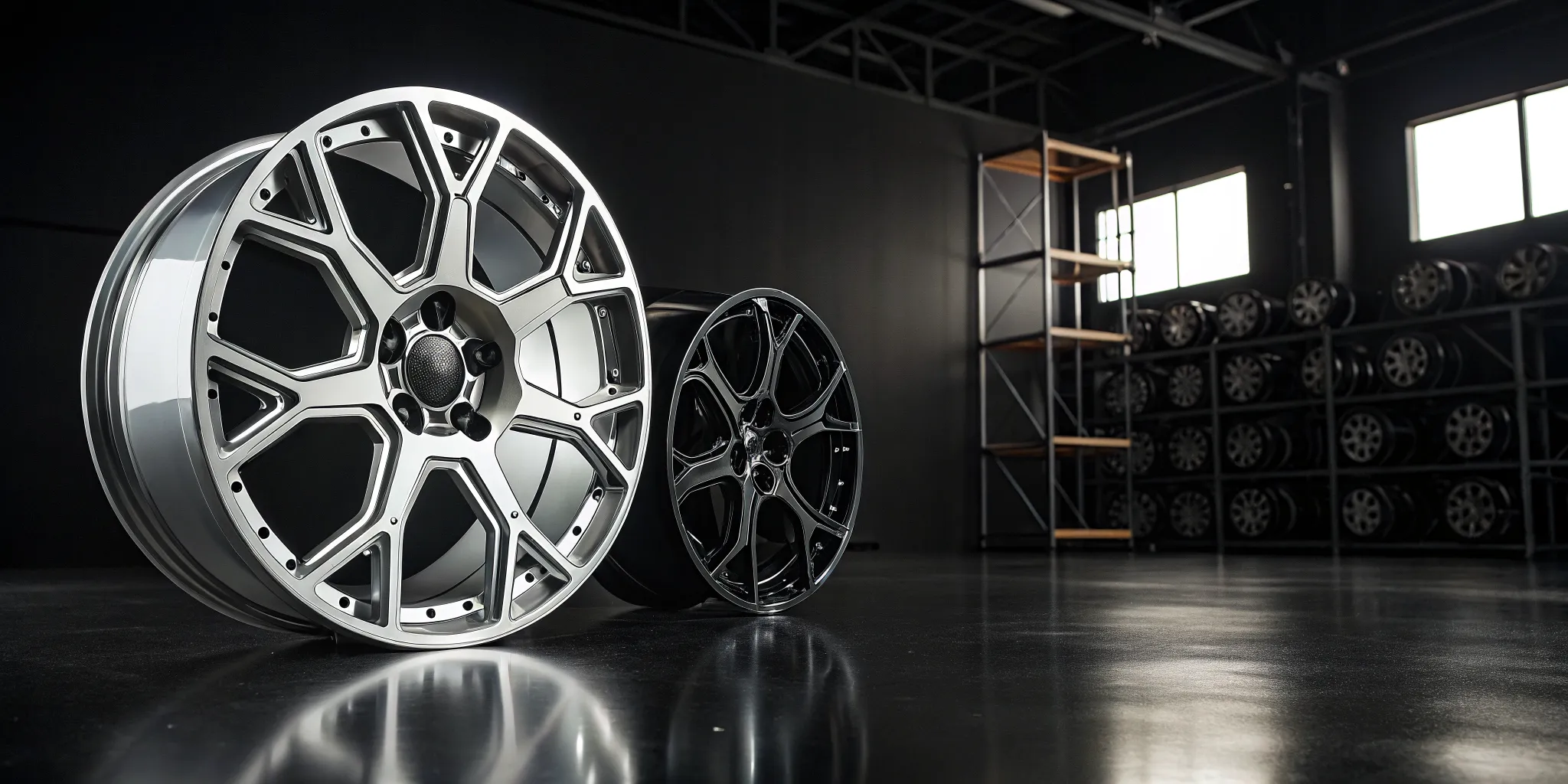
How a wheel is made is just as important as what it’s made of. The most common manufacturing method is casting, where molten aluminum is poured into a mold. Cast wheels are affordable and suitable for most daily driving situations, though they can be heavier and less dense than wheels made with other methods. A step up from casting is flow-forming, which uses pressure and heat to create a lighter and stronger wheel barrel. At the premium end is forging, where a solid piece of aluminum is shaped under extreme pressure. This results in the strongest and lightest wheel possible. When selecting a supplier, ask about their manufacturing processes to ensure the wheels you stock offer the durability your customers expect.
Finding the Right Supplier for Large Diameter Wheels
Choosing the right supplier is just as important as choosing the right wheel. A great partner ensures you get consistent quality, reliable inventory, and the support you need to keep your customers happy. Whether you’re outfitting a lifted truck or sourcing wheels for industrial equipment, the supplier you work with can make all the difference. The key is to find one that specializes in your specific application, as the demands for an automotive wheel are quite different from those for an industrial caster. Below are some of the top suppliers, each with a distinct focus to help you find the perfect match for your shop’s needs.
Elite Wheel Distributors
If your business is centered on automotive wheels, Elite Wheel Distributors is a name you should know. With a dealer-first approach, they focus exclusively on serving independent automotive shops across North America. They offer 10 exclusive brands that cover everything from luxury and performance to off-road applications, ensuring you have options for nearly any vehicle that rolls into your bay. Their network of distribution centers in Florida, Georgia, Illinois, and California is designed for fast fulfillment, helping you reduce lead times and secure more sales. By concentrating on the automotive market, they provide specialized fitment guidance and support that aligns directly with the needs of wheel and tire shops.
Hamilton Caster & Manufacturing
For heavy-duty industrial applications, Hamilton Caster & Manufacturing is a leading choice. They specialize in producing robust wheels and casters engineered to handle substantial loads in demanding environments. Their product line is built for durability and performance, featuring materials like forged steel and polyurethane designed for industrial machinery, carts, and material handling equipment. While they don’t serve the passenger vehicle market, their expertise in industrial mobility makes them a go-to supplier for businesses needing reliable wheels for factory or warehouse operations. Their focus is on function and strength, ensuring equipment can move safely and efficiently under heavy stress.
Blickle USA
Blickle USA offers a vast catalog of wheels and casters tailored for a wide range of industrial uses. Their selection includes large diameter wheels made from high-quality materials such as rubber, polyurethane, and metal. Known for their German engineering and performance, Blickle’s products are designed to meet specific operational needs, from smooth transport on delicate floors to rugged performance in outdoor environments. For shops that service or build industrial equipment, Blickle provides reliable and precisely manufactured components. Their comprehensive range gives you the flexibility to find the exact wheel specifications required for almost any non-automotive application, from logistics to manufacturing machinery.
Colson Group
As a major global manufacturer, Colson Group provides a diverse portfolio of casters and wheels for various industries. Their strength lies in innovation and quality, with a product lineup that addresses the challenges of heavy-duty applications. Colson focuses on creating solutions that improve mobility and safety in medical, institutional, and industrial settings. If your shop’s needs extend to equipment maintenance or fabrication, Colson’s extensive range offers dependable options. They are a strong partner for businesses looking for well-engineered wheels designed for specific industrial tasks, ensuring longevity and performance where it matters most.
Material Flow & Conveyor Systems
Material Flow & Conveyor Systems specializes in wheels and tires for equipment used in factories and warehouses. Their offerings are built to withstand the rigors of daily industrial use on carts, dollies, and other material handling systems. You can find wheels made from various materials, including rubber, polyurethane, phenolic, and steel, each selected to handle heavy loads and different floor conditions. This supplier is ideal for businesses that need to source durable, high-performance wheels for internal logistics or for fabricating equipment for industrial clients. Their clear focus on material handling ensures their products are practical and built to last in tough environments.
Reliance Foundry Co.
With over 90 years of experience, Reliance Foundry Co. has a deep history in manufacturing heavy-duty industrial wheels. They offer a variety of industrial steel wheels designed for carts and track systems, demonstrating extensive knowledge in metal casting and fabrication. Their long-standing presence in the industry speaks to their reliability and product quality. Reliance Foundry also provides options for customization, making them a valuable partner for projects with unique specifications or challenging requirements. For shops that need exceptionally strong and durable steel wheels for specialized industrial machinery or rail applications, their expertise is a significant asset.
Solving Common Sourcing Challenges
Finding the right large diameter wheels for your customers should be straightforward, but every shop owner knows it can come with its share of headaches. From unpredictable stock levels to questionable quality, sourcing challenges can directly impact your sales, customer satisfaction, and bottom line. The key is to anticipate these issues and partner with suppliers who have already built solutions into their business model. By focusing on a few key areas, you can create a more reliable and profitable sourcing strategy for your shop.
Overcoming Sourcing Obstacles
One of the biggest hurdles in sourcing wheels is simply finding a consistent supply of the products your customers want. Nothing is more frustrating than having a sale lined up, only to find out the wheels are on backorder. Beyond availability, you also face challenges with durability and fitment. Selling a wheel that doesn’t fit correctly or fails prematurely can damage your shop’s reputation. To get ahead of these issues, look for a distributor with a deep and diversified inventory. A supplier with multiple MAP-protected brands gives you more options to offer customers without worrying about channel conflict, while a robust inventory minimizes the risk of lost sales due to stockouts.
Managing Lead Times and Deliveries
In the world of automotive customization, speed matters. When a customer is ready to buy, they don’t want to wait weeks for their new wheels to arrive. Long lead times can easily kill a deal and send that customer to a competitor. This is why your supplier’s logistics network is so important. A distributor with multiple warehouses strategically located across the country can significantly reduce shipping times and costs. This setup ensures you can get products into your customers’ hands faster. Clear communication is also critical, so work with suppliers who provide accurate stock levels and reliable delivery estimates, allowing you to set realistic expectations with your customers from the start.
Ensuring Quality and Performance Standards
Your customers trust you to provide high-quality, safe, and reliable products. When it comes to wheels, quality is about much more than just aesthetics; it’s about performance and durability. Choosing the right material is a great example. While steel wheels are known for their toughness, forged wheels offer exceptional strength at a lower weight, making them ideal for high-performance vehicles. A great supplier is transparent about its manufacturing processes and the materials used in its wheels. They should stand behind their products with solid warranties and provide clear information on load ratings and construction methods, giving you the confidence to sell their products to your customers.
What Factors Influence Wheel Pricing?
Understanding what goes into a wheel’s price tag helps you make smarter buying decisions for your shop and better explain value to your customers. Pricing isn’t random; it’s a reflection of material, design, and performance. Several key factors determine the final cost, from the manufacturing process to the brand behind the wheel. Knowing these details allows you to stock a range of options that meet different customer budgets while protecting your margins. Let’s break down the key factors for both automotive and industrial wheels.
Automotive Wheel Pricing Factors
For automotive wheels, the price is largely tied to three things: materials, manufacturing process, and design. The most significant factor is how the wheel is made. Cast aluminum wheels are the most common and affordable, as they are created by pouring molten aluminum into a mold. Forged wheels, on the other hand, are machined from a solid block of aluminum, resulting in a lighter, stronger, and more expensive product. This difference in manufacturing techniques is the primary reason for the wide price gap.
Beyond that, size and finish play a big role. Larger diameter wheels require more material and often more complex engineering, which increases the cost. Finishes like chrome, PVD, or custom two-tone paint jobs also add to the price due to the extra labor and materials involved. Finally, brand reputation and design exclusivity contribute to the cost, with well-known performance brands commanding a premium.
Industrial Wheel Cost Considerations
Unlike automotive wheels, industrial wheel pricing is driven almost entirely by performance and durability. Aesthetics are rarely a factor. Instead, the cost is determined by the wheel’s ability to withstand harsh conditions and heavy loads. The primary cost driver is the material used. For example, heavy-duty steel wheels designed for extreme loads on rough surfaces will cost more than polyurethane wheels intended for smooth concrete floors.
Load capacity is another critical factor. A wheel rated for 10,000 pounds requires significantly more robust materials and construction than one rated for 1,000 pounds. Features like specialized bearings for high-speed applications, resistance to chemicals or extreme temperatures, and non-marking treads also add to the price. Essentially, you’re paying for a wheel engineered to perform a specific, demanding job safely and reliably.
Planning Your Budget and Finding Volume Discounts
Effectively managing your inventory budget is key to profitability. While hunting for clearance sales can be a good way to find deals on specific SKUs, a more sustainable strategy involves building strong supplier relationships. A reliable distributor can provide consistent pricing that helps you forecast costs accurately and avoid unexpected price hikes. Many distributors also offer volume discounts or tiered pricing, allowing you to save more as your business grows.
Developing a partnership with your supplier does more than just save you money. It gives you access to their expertise, helping you make smarter inventory choices and reduce the risk of stocking slow-moving products. A good supplier relationship can lead to better payment terms, priority access to new products, and more reliable fulfillment, all of which contribute to a healthier bottom line for your shop.
Evaluating Supplier Support and Custom Options
The quality of a wheel is only one part of the equation. The support you receive from your supplier is what truly builds a profitable, long-term partnership. When you’re dealing with a complex order or an unhappy customer, you need a supplier who acts as an extension of your team. This means looking beyond the catalog and price list to evaluate their service infrastructure, from their technical knowledge to their return policies. A great supplier provides more than just products; they offer expertise, solve problems, and stand behind what they sell.
This level of support helps you reduce returns, increase customer satisfaction, and operate more efficiently. Think about it: every minute you spend on the phone trying to fix a shipping error or figure out a tricky fitment is a minute you’re not spending with a customer or working on a vehicle. A partner who provides clear answers and quick solutions is invaluable. Before committing to a new supplier, take the time to understand their approach to custom orders, technical assistance, and after-sales service. These factors often have a bigger impact on your bottom line than a small difference in unit price, shaping your shop’s reputation and your ability to grow.
Custom Sizing and Material Specifications
For shops that cater to performance, luxury, or off-road enthusiasts, standard-issue wheels often don’t cut it. Your customers want unique finishes, specific offsets, and custom bolt patterns to achieve the perfect look and stance. A valuable supplier will have a clear process for handling these special requests. Ask potential partners about their capabilities for custom drilling, finishing, and other modifications. Do they have brands in their portfolio, like forged lines, that are built to order? Understanding their customization process ensures you can confidently say “yes” to more customers and take on more ambitious projects.
Technical Support and Fitment Guidance
Nothing kills a sale or a shop’s reputation faster than incorrect fitment. Wheels that don’t clear the brakes, rub against fenders, or require unexpected modifications create headaches for you and your customers. This is where a supplier’s technical expertise becomes critical. A reliable partner provides accurate, up-to-date fitment data and has knowledgeable staff you can call for help. They should be able to guide you through tricky setups, like for a lifted truck with an aggressive offset or a performance car with oversized brakes. This support minimizes errors, reduces costly returns, and helps you build trust with your clientele.
Reviewing Warranty and After-Sales Service
A supplier’s warranty is their commitment to quality. Look for clear, straightforward policies that cover both structural integrity and finish defects. A strong warranty shows that the manufacturer is confident in their product and is prepared to stand behind it. Beyond the official policy, consider their after-sales service. How do they handle shipping damage or incorrect orders? Is their claims process simple and fast? A supplier who makes things right without a hassle is a true partner. This level of service protects your reputation and ensures that when issues inevitably arise, you have a support system ready to help you resolve them quickly.
How to Choose the Right Wheel Supplier for Your Shop
Choosing a wheel supplier is one of the most important decisions you’ll make for your shop. This isn’t just about finding the lowest price; it’s about building a partnership that directly impacts your inventory, profitability, and customer satisfaction. A great supplier acts as an extension of your team, providing reliable access to quality products, expert support, and consistent service that helps your business run smoothly. When your supplier is on top of their game, you can focus on what you do best: selling wheels and serving your customers.
On the other hand, a poor supplier relationship can create constant headaches. Think backorders on popular styles, inconsistent pricing that hurts your margins, and slow shipping that leaves your customers waiting. To avoid these issues, it’s essential to look beyond the catalog and evaluate potential partners on a deeper level. You need a supplier with a proven track record, a clear understanding of your business needs, and a commitment to helping you succeed. By taking the time to vet your options carefully, you can find a partner who will support your growth for years to come.
Evaluate a Supplier’s Capabilities and History
Before you commit to a supplier, take a close look at their history and operational capabilities. How long have they been in the automotive industry? A company with decades of experience has likely weathered market shifts and built a stable business. This kind of longevity often translates into deep product knowledge and established processes you can rely on.
Beyond their time in business, assess their infrastructure. Do they operate from a single location or a larger logistics network? A supplier with multiple distribution centers strategically placed across the country can offer faster shipping times and lower freight costs. This means you get the wheels you need sooner, reduce the risk of losing a sale due to long waits, and can count on more consistent inventory availability.
Key Questions to Ask a Potential Supplier
Once you’ve done your initial research, it’s time to ask some direct questions to see if a supplier is the right fit for your shop. Getting clear answers on these points will help you understand their business model and how it aligns with yours.
Start with these questions:
- Do you sell directly to consumers? A truly dealer-first supplier won’t compete with you for retail sales.
- What is your brand portfolio like? Look for a diverse range of styles and price points that fit your customer base.
- Do you enforce a MAP policy? Strict MAP (Minimum Advertised Price) enforcement protects your margins from being undercut by online discounters.
- What kind of fitment data and technical support do you provide? Accurate fitment guidance reduces returns and ensures customer satisfaction.
- What does your warranty process look like? A straightforward and fair warranty policy shows a supplier stands behind their products.
Analyze Service Quality and Order Fulfillment
A supplier’s catalog can look amazing, but their daily service and fulfillment performance are what truly matter. Your goal is to find a partner who makes your job easier, not harder. Pay attention to how they handle communication. When you call, can you easily reach a knowledgeable sales representative who understands your account and can answer your questions quickly? Or are you stuck navigating automated phone menus?
Next, examine their fulfillment process. How deep is their inventory on the wheels your customers want most? A supplier with strong inventory can prevent backorders and lost sales. Ask about their typical order processing times and shipping speed. A partner who can consistently get products out the door quickly is invaluable. Reliable, fast, and accurate fulfillment is the foundation of a great B2B relationship and is critical for keeping your customers happy.
Related Articles
- 6 Things to Look for in an Automotive Wheel Distributor
- How to Find the Best Wheel Supplier for Your Shop
- Wholesale Rims for Dealers: The Ultimate Guide
- Wheel Adapters – Elite Wheel Warehouse
- The Ultimate Dually Wheel Distributor Guide
Frequently Asked Questions
How can I explain the price difference between cast and forged wheels to my customers? The best way is to frame it in terms of purpose and value. Explain that cast wheels are the industry standard, offering great style and reliability for daily driving at an accessible price. Forged wheels, however, are a premium performance upgrade. They are machined from a solid piece of aluminum, making them significantly lighter and stronger. This process is more complex and costly, but it results in better handling, acceleration, and braking for customers who demand the absolute best for their performance or luxury vehicle.
Do larger wheels automatically mean better performance? Not necessarily, it’s more about finding the right balance for the customer’s goals. While larger wheels can provide a smoother feel at highway speeds and create a powerful look, they must be paired with lower-profile tires. This combination can lead to a firmer ride, which some drivers may not prefer for daily comfort. True performance comes from matching the wheel and tire setup to the vehicle and the owner’s driving style, not just from increasing the diameter.
What’s the single most important technical spec to check on a large diameter wheel? Without a doubt, it’s the load capacity. This is especially critical for the trucks and SUVs that are often fitted with larger wheels. The wheel’s load rating must be able to support the vehicle’s weight, including any cargo or trailers. Using a wheel with an inadequate rating is a major safety risk that can lead to structural failure. Always confirm the wheel’s capacity meets or exceeds the vehicle’s requirements before making a sale.
Why should I care if a distributor sells directly to consumers? You should care because a distributor who sells directly to the public is your competitor. A true dealer-first partner is invested in your success, not in taking sales away from you. When your supplier doesn’t compete with you, it creates a more stable business relationship. You can trust that their pricing structures and inventory are designed to help you grow your business profitably, without the threat of being undercut by the same company that supplies your products.
How does a MAP policy actually help my shop’s profitability? A strictly enforced MAP (Minimum Advertised Price) policy protects your margins by preventing a race to the bottom on price. It ensures that all dealers, including massive online retailers, advertise a product at or above a certain price. This levels the playing field, allowing you to sell based on your expertise, installation quality, and customer service instead of having to match the lowest price online. It preserves the brand’s value and ensures you can maintain healthy, consistent profits on the wheels you sell.