Selling dually wheels should be one of the most profitable parts of your business, but it’s easy to see those margins disappear. When you’re forced to compete with online discounters or even your own supplier, it’s a race to the bottom. The problem isn’t the product; it’s the partner. A true partner protects your business with strict MAP enforcement, ensuring you can sell confidently without getting undercut. Choosing the right dually wheel distributor is a critical business decision that impacts your profitability on every single sale. This guide will walk you through how to identify a distributor who is truly invested in your growth, not just in moving boxes.
Key Takeaways
- Verify Load Ratings to Protect Your Business: Always confirm a wheel’s load capacity meets or exceeds the truck’s requirements before making a sale. This is the most critical step for ensuring customer safety, preventing product failure, and protecting your shop from liability.
- A Great Distributor is a True Partner: Look beyond price and evaluate a distributor’s entire support system. Reliable inventory, fast shipping from multiple warehouses, expert fitment guidance, and strict MAP policy enforcement are signs of a partner invested in helping your shop grow.
- Sell Solutions, Not Just Products: Guide customers by connecting technical features to real-world benefits. Explaining how a forged wheel improves towing confidence or how a specific finish resists road salt helps justify the price and builds the trust needed to close the sale.
What Are Dually Wheels and Why Do They Matter?
When a customer with a heavy-duty truck walks into your shop, they’re looking for solutions that deliver on safety and capability. Dually wheels are often at the heart of that conversation. More than just an aggressive look, a dual-rear-wheel (DRW) setup is a critical piece of engineering for anyone towing heavy equipment, hauling large payloads, or needing maximum stability on the road. Understanding the mechanics and benefits helps you guide your customers to the right wheels for their toughest jobs, ensuring they leave your shop with confidence in their truck’s performance.
How Do Dually Wheel Systems Actually Work?
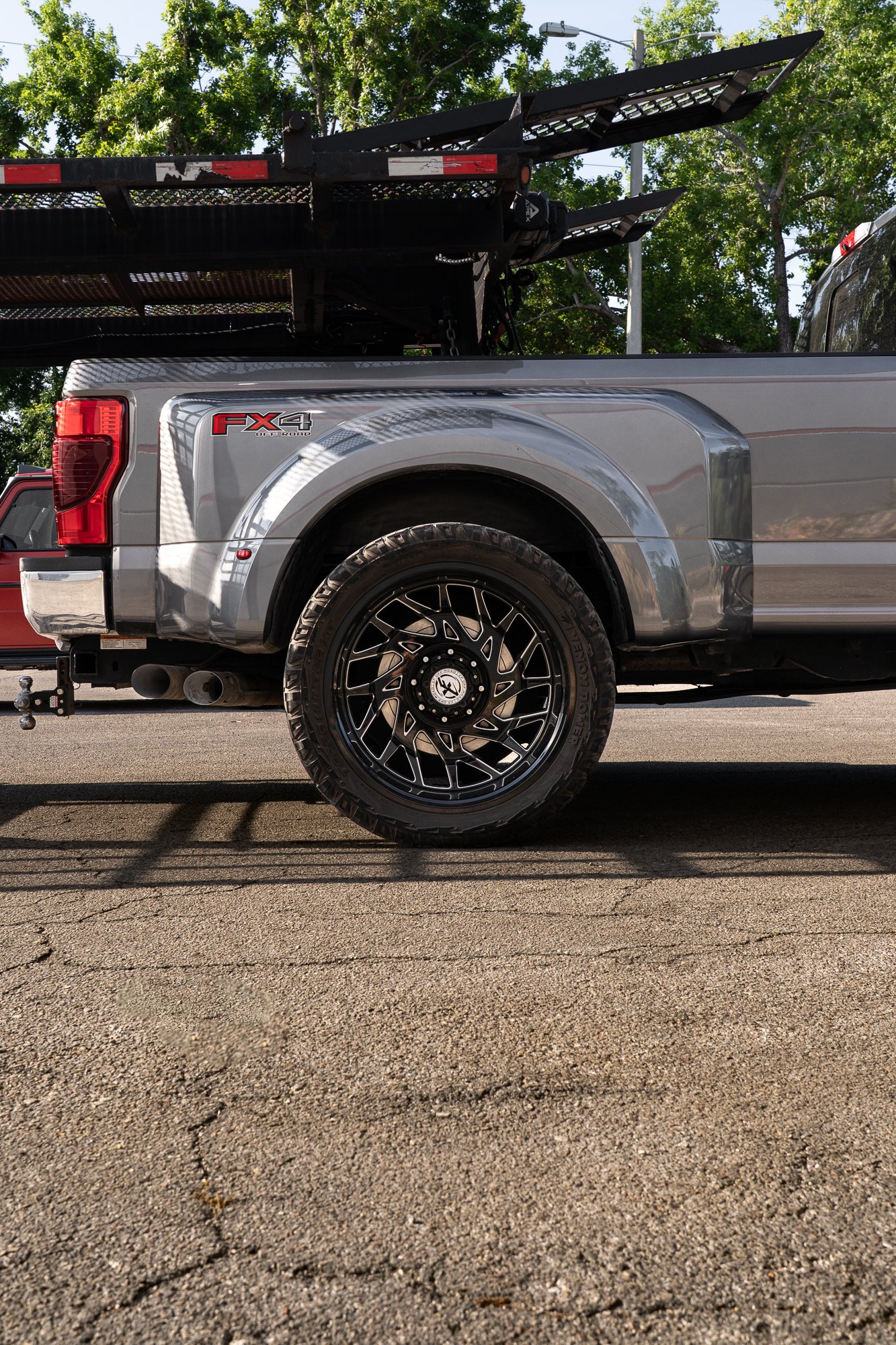
A dually truck is built on a specialized axle that supports two wheels on each side of the rear, for a total of four back there. The inner and outer wheels are mounted together as a pair, creating a wide, solid base that distributes the vehicle’s weight over a much larger surface area. This isn’t just about adding extra rubber; it’s a complete system designed to manage extreme stress. By spreading the load, the dually setup helps the truck safely handle its maximum gross vehicle weight rating (GVWR) without overloading the axle or tires. This fundamental design is what allows dually trucks to perform tasks that single-rear-wheel trucks simply can’t.
The Real Advantages for Heavy-Duty Trucks
The most significant advantage of a dually system is the massive increase in stability and load capacity. With four rear tires sharing the workload, the truck can safely carry and tow substantially more weight. This is a non-negotiable for customers with gooseneck trailers, large fifth-wheels, or heavy commercial equipment. The wider track also drastically reduces trailer sway, giving the driver more control and confidence, especially in windy conditions or on uneven roads. Another key selling point is safety through redundancy. If one rear tire blows out, the other can support the load long enough for the driver to pull over safely—a critical advantage that a single-wheel setup can’t offer.
Common Applications and Vehicle Models
When you’re talking to a customer about dually wheels, the conversation almost always starts with the truck itself. These wheels aren’t just for show; they are purpose-built for specific vehicles designed to do serious work. Recognizing the common models and understanding their typical uses will help you quickly identify a customer’s needs and recommend the right product. From construction contractors to weekend warriors with massive RVs, the demand for dually setups is driven by the need for uncompromising capability. Knowing this landscape helps you stock the right inventory and speak your customer’s language.
Workhorse Trucks That Use Dually Wheels
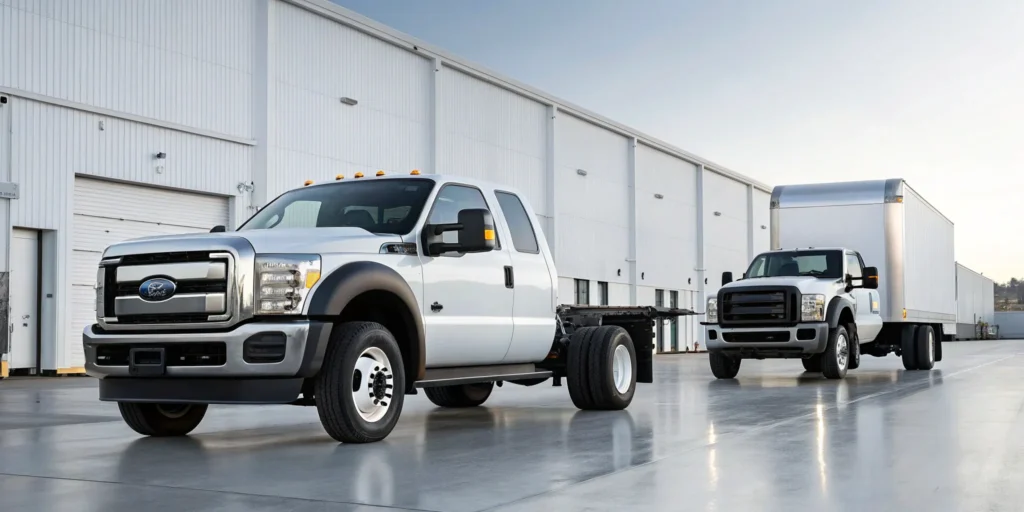
The most common vehicles you’ll see needing dually wheels are the one-ton trucks from the big three: the Ford F-350, Ram 3500, and Chevy Silverado 3500. These trucks are the backbone of many commercial fleets and are popular with individuals who tow heavy loads. They are specifically engineered with reinforced frames and powerful drivetrains to handle the immense stress that dually setups allow. When a customer with one of these trucks comes to your shop, they are looking for wheels that can meet or exceed the vehicle’s factory towing and payload capacities. It’s your job to ensure the wheels you sell are up to the task, providing the strength and reliability these workhorse trucks demand.
Versatile Uses from Construction to Farming
The applications for dually trucks are as diverse as the customers who drive them. In the construction and agricultural sectors, these vehicles are essential for hauling heavy machinery, materials, and livestock trailers. The stability provided by the dual-rear-wheel setup is critical for navigating uneven job sites or rural roads safely. You’ll also see a large number of customers using dually trucks for recreational purposes, like towing large fifth-wheel campers or horse trailers. For them, the enhanced stability and safety are just as important. Understanding these different vocational uses helps you connect a wheel’s features to the real-world benefits your customer is looking for, whether that’s job site durability or cross-country towing confidence.
Top Dually Wheel Distributors to Know
Finding the right dually wheel distributor is about more than just price. You need a partner who understands the market, offers reliable inventory, and provides the support your shop needs to succeed. Whether you’re looking for aggressive off-road styles or classic, durable designs, the right distributor can make all the difference. Here’s a look at some of the top players in the industry and what they bring to the table for dealers like you.
Elite Wheel Distributors
As a dealer-first distributor, our entire business is built around helping your shop grow. We don’t sell directly to your customers, so we never compete against you. Our portfolio includes MAP-protected brands like XF Offroad and Vortek Offroad, giving you unique designs you can sell confidently while protecting your margins. With strategically located warehouses across the country, we provide fast, reliable shipping that helps you close more sales. We focus on maintaining deep inventory so you can get the wheels your customers want without long lead times. Our goal is simple: to be a partner you can rely on for quality products, consistent availability, and unwavering dealer support.
A Closer Look at Amani Forged Dually Wheels
For customers who want their dually to be a statement piece, Amani Forged is the answer. As our flagship ultra-premium brand, Amani Forged entered the dually market with a fresh perspective, creating wheels known for their modern and distinctive styling. These aren’t your standard, run-of-the-mill designs. Instead, they offer intricate patterns and unique finishes that appeal to the high-end custom truck market. You can explore their full range of new dually wheel designs, which includes standout models like the Apollo, Magnolia, and Cultura. With options available in finishes like brushed metal or brushed with custom color accents, offering Amani Forged allows you to provide a truly bespoke solution for truck owners who demand the best in both performance and aesthetics.
DDC Wheels
DDC Wheels carves out a specific niche by focusing exclusively on direct bolt-on, hub-centric wheels for dually trucks. This specialization means they have deep expertise in fitment for Ford, Dodge/Ram, and Chevy/GMC heavy-duty pickups. Their main selling point is eliminating the need for adapters, which simplifies installation and creates a stronger, more reliable connection. For shops that serve a lot of dually truck owners, partnering with DDC can give you access to a purpose-built product line that addresses common customer pain points. Their designs are modern and aggressive, appealing to owners looking to make a statement while improving their truck’s stance and performance.
Fuel Off-Road
Fuel Off-Road is one of the most recognized names in the truck wheel market, and that brand recognition can be a powerful sales tool in your shop. Their extensive lineup includes a dedicated selection of dually wheels known for cutting-edge designs and durable construction. Because Fuel is so popular with consumers, carrying their products can attract customers who are already searching for the brand by name. They offer a wide variety of styles, from intricate modern designs to rugged, classic looks, ensuring you have an option for nearly any truck build that rolls into your service bay.
National Tire & Wheel
If variety is what your customers demand, National Tire & Wheel is a distributor worth considering. They offer a massive selection of dually wheels from various manufacturers, making them a one-stop shop for different styles and price points. Their inventory caters to both stock and heavily modified trucks, with options that accommodate spacers for wider tires on lifted vehicles. For a shop that handles a diverse range of dually builds, from work trucks to show trucks, the sheer breadth of NTW’s catalog can be a major advantage. This allows you to source multiple brands from a single supplier, potentially streamlining your ordering process.
American Racing
American Racing is a legendary brand with a history rooted in performance and classic American style. Their dually wheels carry that same heritage, offering timeless designs that appeal to a wide range of truck owners. For customers who want a clean, strong, and iconic look without overly aggressive styling, American Racing is often the perfect fit. As a dealer, offering a brand with such a long-standing reputation for quality can build trust with your customers. Their classic polished and black finishes are staples in the industry and are a reliable choice for both work and personal-use heavy-duty trucks.
Method Race Wheels
Known for their high-performance, race-proven engineering, Method Race Wheels brings a distinct advantage to the dually market. Their wheels are designed with strength and durability as top priorities, often featuring forged construction and higher load ratings to handle extreme use. The Method Dually Series is ideal for truck owners who demand serious performance, whether for heavy towing, commercial work, or off-road applications. For performance-focused shops, Method provides a premium, engineering-driven product that stands apart from purely aesthetic brands. Their reputation for quality and function makes them an easier sell to discerning customers who are willing to invest in top-tier equipment.
Exploring Your Dually Wheel Options
When a customer walks into your shop asking for dually wheels, having the right answers and options is key to closing the sale. Dually setups aren’t just for looks; they’re built for serious work, and the wheels need to match that capability. From materials and sizes to the final finish, guiding your customer through their choices shows your expertise and builds trust. The good news is that the market offers a wide range of options to suit everything from a dedicated workhorse to a custom show truck.
The main choices boil down to a few key categories. First, you have the material—typically steel or aluminum. Then there’s the size and fitment, which dramatically impacts both the look and performance of the truck. Finally, style and finish options allow for personalization. Understanding the trade-offs in each category will help you stock the right inventory and provide the best recommendations for any build. Let’s break down what you and your customers need to know.
Aluminum vs. Steel: Which Is Right for You?
The first decision point for any dually wheel purchase is the material. Most dually wheels are made from either steel or aluminum. Steel wheels are the traditional choice for work trucks—they are incredibly durable, tough, and less expensive. However, they are also much heavier, which can impact fuel economy and handling.
On the other hand, aluminum wheels offer a significant weight reduction, improving ride quality and performance. They also provide far more design flexibility. Most aftermarket dually wheels are made from cast or forged aluminum. Forged aluminum wheels, like those from Amani Forged, are the premium option, offering the highest strength-to-weight ratio. They are machined from a solid block of aluminum, making them incredibly strong and light, perfect for high-end performance and luxury builds.
Finding the Right Size and Fitment
Dually wheels come in a variety of sizes, but the most popular diameters for aftermarket options are 20, 22, and 24 inches. You can find options ranging anywhere from 17 inches all the way up to 24 inches to fit different needs. The size your customer chooses often depends on their goal. A truck used primarily for heavy towing might stick with a smaller diameter to allow for a tire with a larger, more robust sidewall.
For customers focused on style, larger 22-inch or 24-inch wheels create a bold, custom look that fills out the wheel wells. It’s crucial to remember that fitment isn’t just about diameter. You also need to confirm the correct bolt pattern and offset to ensure proper clearance and handling, especially with the unique spacing requirements of a dually axle.
Understanding Bolt Patterns
Getting the bolt pattern right is non-negotiable, especially with dually wheels. This measurement—the number of lug holes and the diameter of the circle they form—is what ensures the wheel mounts securely to the truck’s hub. Unlike single-wheel setups, dually trucks from different manufacturers use distinct patterns, and there’s no room for error. For example, a late-model Ford F-450 requires an 8×200 pattern, while a Ram 3500 uses an 8×165.1 (or 8×6.5 inch) pattern. Trying to fit the wrong wheel isn’t just impossible; it’s a safety risk. As a dealer, confirming the exact year, make, and model is the first step to guaranteeing a perfect fit, preventing returns, and ensuring your customer drives away safely and confidently.
Choosing the Right Diameter
The conversation around wheel diameter is all about balancing function with style. While aftermarket dually wheels are available in sizes from 17 to 24 inches, the most popular choices are typically 20, 22, and 24 inches. For a customer whose truck is a dedicated workhorse, a smaller diameter like a 20-inch wheel is often the best choice. It allows for a tire with a taller sidewall, which provides better load support and a more forgiving ride when towing heavy loads. On the other hand, for a truck that’s more about making a statement, larger 22-inch or 24-inch wheels from brands like XF Offroad deliver that bold, custom look. The key is to ask your customer how they use their truck to guide them to a size that meets their needs for both performance and appearance.
From Chrome to Matte: Dually Wheel Styles & Finishes
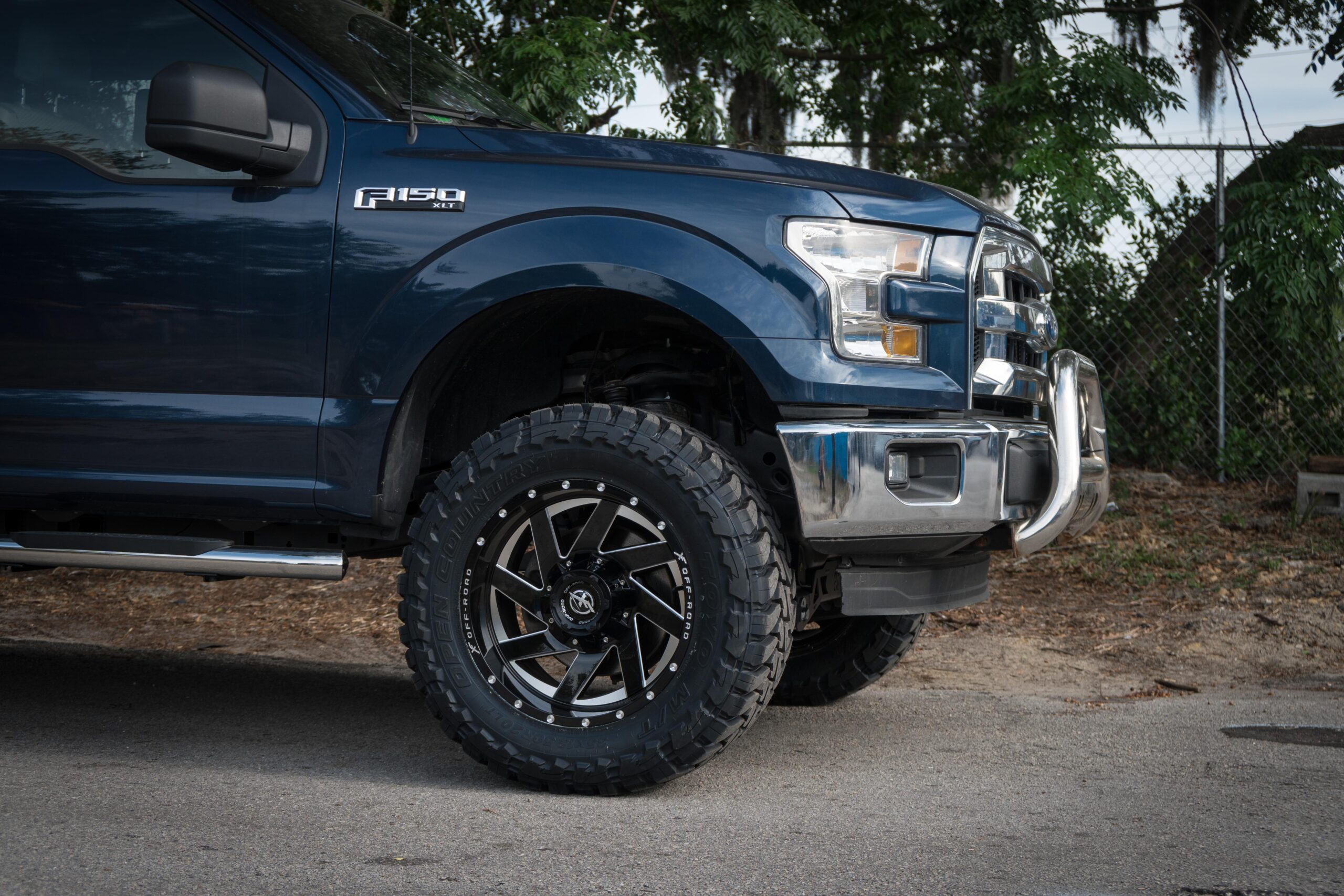
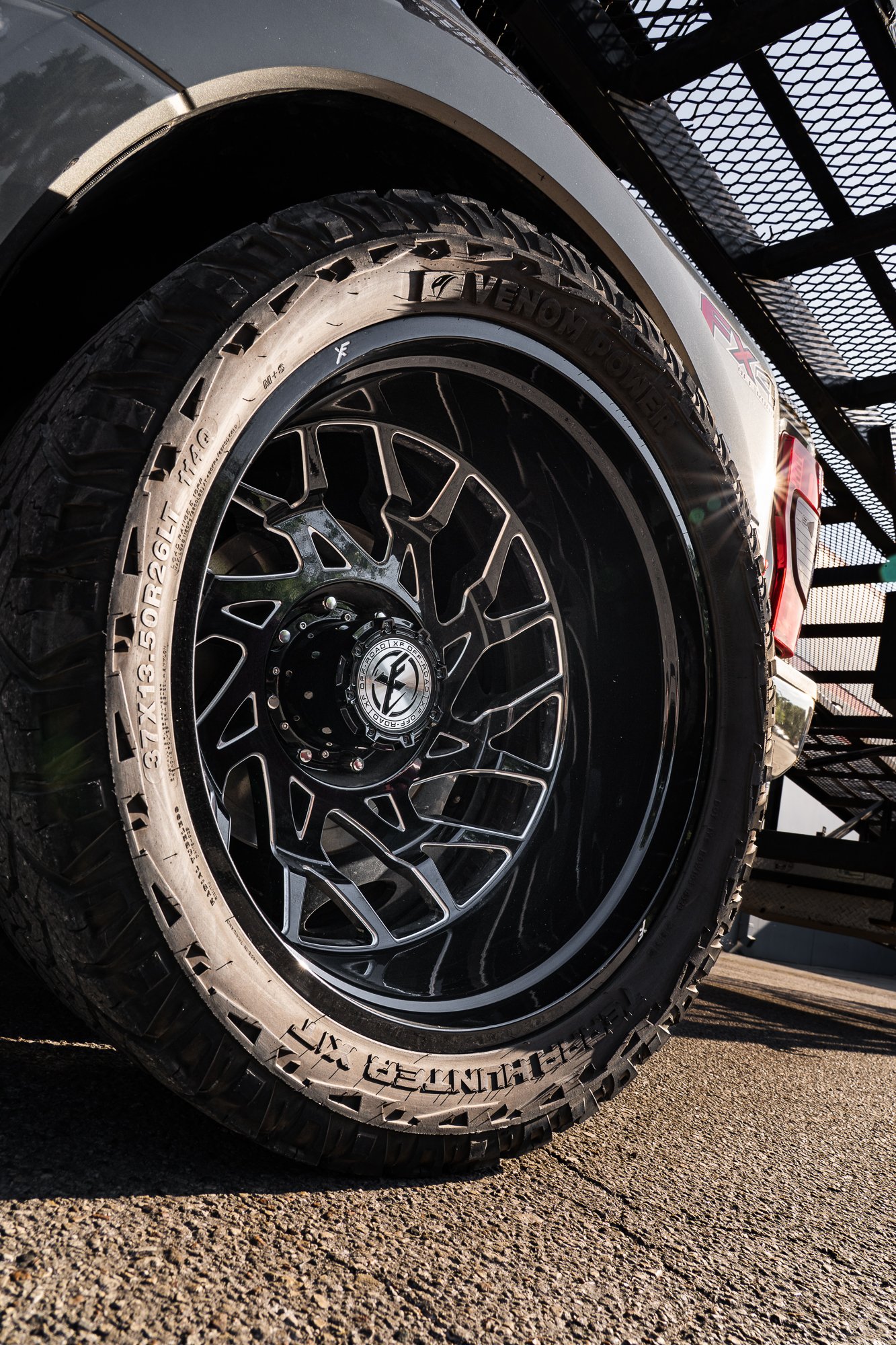
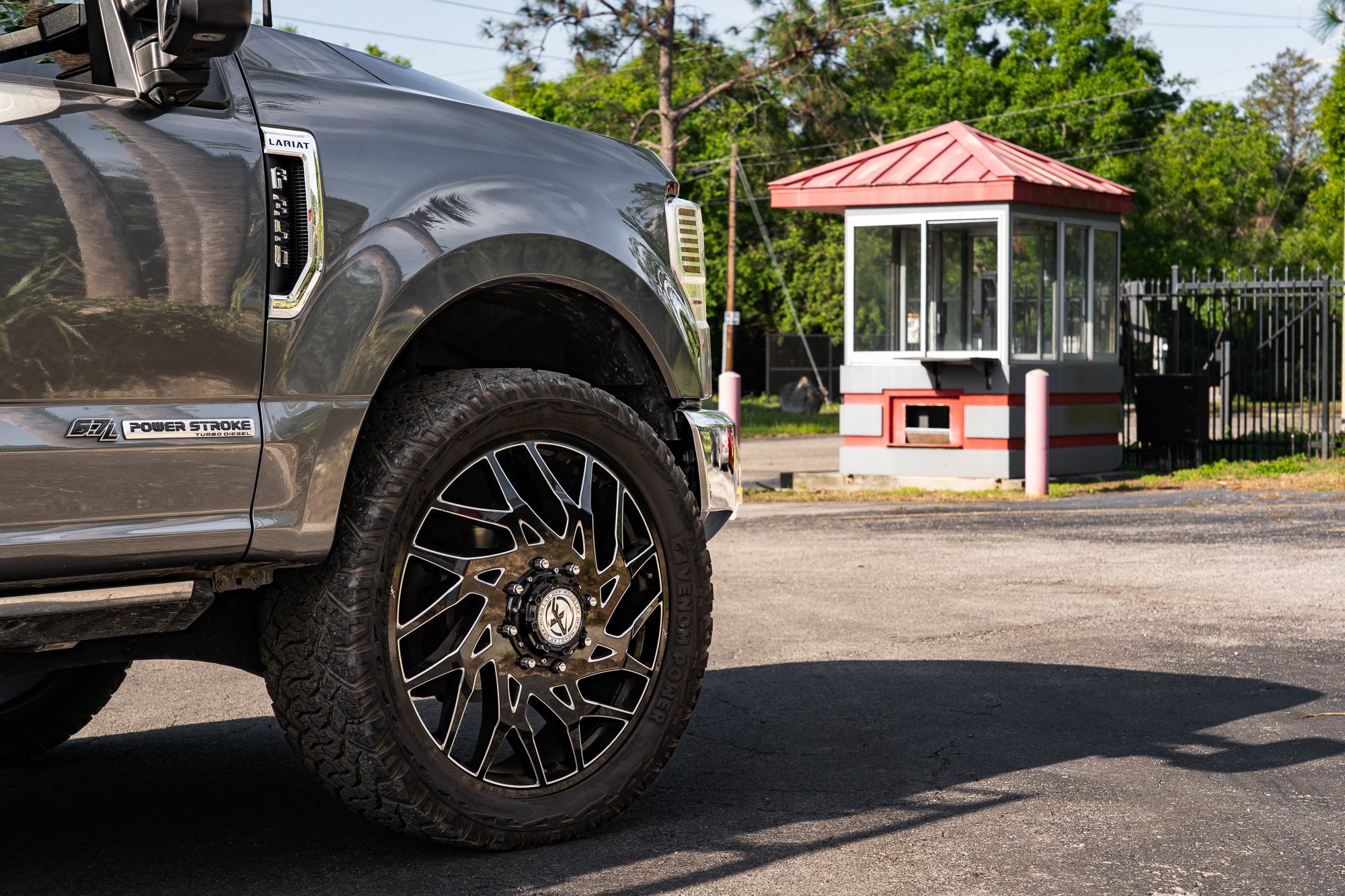
This is where customers can really personalize their trucks. Aftermarket dually wheels come in an incredible array of styles and finishes. Brands like XF Offroad and Vortek Offroad offer aggressive, modern designs perfect for lifted trucks, while Cavallo and Arvano cater to a more refined, luxury aesthetic.
Popular finishes include gloss black, black milled, polished aluminum, and chrome. A polished or chrome finish offers a classic, bright look that stands out. Black finishes provide a more modern, aggressive appearance, with milled accents adding depth and detail. You’ll also find options in bronze, gray, and even red, giving you plenty of choices to help customers match their wheels to their vehicle’s style perfectly.
Decoding Dually Wheel Load Capacity
Beyond looks and materials, load capacity is the single most important factor when selecting dually wheels. Each wheel has a specific load rating, which indicates the maximum weight it can safely support. For a dually truck used for towing and hauling, using wheels that meet or exceed the manufacturer’s Gross Vehicle Weight Rating (GVWR) is a non-negotiable safety requirement.
Installing wheels with an inadequate load rating can lead to catastrophic failure, putting the driver and others at risk. As a dealer, this is a critical point of liability. Always verify the truck’s required load capacity and ensure the wheels you sell are properly rated for the application. This protects your customer, your reputation, and your business.
Breaking Down Dually Wheel Pricing
When you’re stocking your shop, understanding the different price tiers for dually wheels is key to meeting customer needs and protecting your margins. Dually wheel pricing isn’t arbitrary; it reflects the materials, manufacturing processes, and design complexity involved. From basic, functional steel wheels to high-end forged aluminum, each tier serves a specific type of truck owner.
Knowing the landscape helps you guide customers to the right product, whether they’re outfitting a workhorse fleet or building a custom show truck. Let’s walk through the typical price points so you can build an inventory that covers all your bases and maximizes profitability.
The Scale of the Dually Wheel Market
The dually wheel market is much larger than a simple niche; it’s a core segment of the automotive aftermarket, powered by steady demand for heavy-duty trucks. These vehicles are workhorses for industries like construction and agriculture, where stability and load capacity are non-negotiable. As more people use these trucks for towing large recreational vehicles, the customer base expands. For your shop, this means a consistent opportunity to serve customers who see their wheels not as an accessory, but as a critical component for safety and performance.
This demand has fueled incredible diversity in the market. You’re not just choosing between a few basic options; you’re navigating a landscape filled with different styles, finishes, and sizes. This variety allows you to cater to every type of dually owner, from the fleet manager needing durable steel wheels to the custom truck enthusiast looking for a statement piece. The rise of specialized brands offering unique designs, like the forged options from Amani Forged, shows how much the market has evolved. Understanding this scale helps you stock smarter and meet the demands of a customer base that values both function and form.
What to Expect from Entry-Level Wheels
For customers focused on function and value, entry-level dually wheels are the perfect fit. These wheels typically start around the $250 mark per wheel and are often made from steel or basic cast aluminum. They are the go-to choice for work trucks, fleet vehicles, and budget-conscious owners who need reliability without the bells and whistles. While the designs are simpler and finish options are limited, they provide a durable and cost-effective solution for getting a heavy-duty truck back on the road. Stocking these options ensures you can capture sales from commercial clients and practical-minded buyers.
The Sweet Spot: Mid-Range Dually Wheels
The mid-range is where you’ll find the sweet spot for most dually owners, with prices generally falling between $300 and $700 per wheel. This category offers a significant step up in both aesthetics and construction, featuring more intricate cast aluminum designs, machined accents, and durable finishes like chrome or gloss black. These wheels appeal to the daily driver who wants to upgrade their truck’s appearance without committing to a premium price tag. Offering a solid selection of mid-range wheels allows you to cater to the largest segment of the market, providing a great balance of style, performance, and value that customers appreciate.
Investing in Premium Dually Wheels
At the top of the market, premium dually wheels can easily exceed $700 and often climb much higher, especially for larger 20-inch, 22-inch, and 24-inch sizes. This tier is dominated by forged aluminum wheels, known for their superior strength, lighter weight, and intricate, custom-milled designs. These are the wheels for the enthusiast building a show truck or the owner who demands the absolute best in performance and style. Brands like Amani Forged cater to this high-end client, offering bespoke finishes and aggressive styling that make a statement. Carrying premium options positions your shop as a destination for custom builds.
What Influences the Final Price?
Several key factors determine the final price of a dually wheel, and explaining these to a customer can help justify the cost. The biggest driver is the manufacturing process—forged wheels are significantly more expensive than cast wheels due to their strength and complex production. Size is another major factor; as the diameter increases, so does the price. Finally, the complexity of the design and finish plays a huge role. Custom paint, intricate milling, and polished surfaces all add to the labor and material costs. Understanding these details helps you stock smarter and sell more effectively.
Pricing a Full Set of Six
When a customer sees the price for a single wheel, it’s only part of the story. Helping them understand the total investment for a full set of six is crucial for managing expectations and demonstrating value. For entry-level steel or basic cast aluminum wheels, a full set of six will typically land around $1,500, making it an accessible option for commercial applications. The mid-range, which covers most daily drivers and custom builds, can range from $1,800 to $4,200 for a complete set, offering a wide variety of styles and finishes. For high-end builds, a set of six premium forged wheels can easily start at $4,200 and climb much higher depending on size and customization. Explaining how the manufacturing process directly impacts strength and price helps justify the investment for customers seeking the best performance and aesthetics. Having clear pricing tiers for a full set allows you to present options that align with your customer’s budget and goals, ensuring you can serve every type of dually owner who walks through your door.
What to Look For When Buying Dually Wheels
When a customer is in the market for dually wheels, they’re looking for your expertise to find a set that is safe, reliable, and fits the look they’re going for. Understanding the key features of quality dually wheels helps you guide them to the right choice, building trust and ensuring they leave happy. It’s about more than just style; it’s about equipping a heavy-duty truck with wheels that can handle the job. Focusing on the right details ensures you stock and sell the best options for your customers.
How to Judge Durability and Strength
First and foremost, dually wheels must be strong. These trucks are designed for serious work, from towing heavy trailers to hauling massive payloads, and the wheels are a critical part of that equation. Always check the wheel’s load capacity to ensure it meets or, ideally, exceeds the truck’s requirements. This isn’t a feature to compromise on. High-quality wheels made from forged aluminum offer superior strength compared to standard cast options, providing peace of mind for your customers who push their trucks to the limit. When you can confidently say a wheel will make their truck stronger and safer, you’re providing real value.
The Tech Behind the Wheel: Why Manufacturing Matters
The way a wheel is made directly affects its performance. The most advanced dually wheels are born from sophisticated design and engineering processes. Forged wheels, for example, are created from a solid block of aluminum under extreme heat and pressure, resulting in a dense, incredibly strong, and relatively lightweight product. This process eliminates the potential for porosity or air pockets found in cast wheels. A lighter wheel reduces unsprung weight, which can lead to better handling, acceleration, and even fuel efficiency. Highlighting the manufacturing process helps customers understand why a premium wheel is a worthwhile investment for their truck’s longevity and performance.
Ensuring Your Tires and Wheels Are Compatible
Nothing causes more headaches for a shop than fitment issues. Before finalizing a sale, it’s crucial to confirm tire compatibility. While many dually wheels are designed for stock tire sizes, many customers want to run wider, more aggressive tires. This is often possible, but it may require adding wheel spacers to ensure proper clearance between the inner duals and prevent rubbing against suspension components. Educating your customers on these requirements is key. It prevents installation problems, avoids returns, and positions you as a knowledgeable and trustworthy expert. Being clear about what’s needed for a specific setup ensures a smooth process from sale to installation.
The Benefits of Wheel and Tire Packages
One of the most effective ways to serve your dually truck customers is by offering complete wheel and tire packages. This approach simplifies the buying process for them and creates significant advantages for your shop. Instead of selling individual components, you’re providing a complete, ready-to-install solution. This not only improves the customer experience but also streamlines your own operations, leading to faster turnaround times and more satisfied clients who see you as a trusted expert. By bundling these components, you remove the guesswork for the customer and position your shop as the go-to source for reliable, no-hassle dually setups.
Guaranteed Compatibility and Convenience. Offering pre-configured packages ensures the wheels and tires are a perfect match in size, load rating, and fitment. This convenience is a huge selling point, as it saves your customer from having to research technical specs themselves and gives them confidence in their purchase. More importantly for your shop, it drastically reduces the risk of returns due to compatibility issues. You provide a safe, reliable setup that’s ready to be installed without any surprises, giving your customer peace of mind and saving your team from potential installation headaches down the line.
Enhanced Performance and Safety. A well-matched wheel and tire package is engineered to work together for optimal performance, which is critical for trucks handling heavy loads. By bundling them, you can create a setup that maximizes stability, traction, and load-carrying capacity. This focus on performance and safety builds trust and reinforces your shop’s reputation for quality. You’re not just selling parts; you’re selling the assurance that their truck is properly equipped to handle the toughest jobs safely, which is a value proposition that resonates with any serious truck owner.
Streamlined Sales and Installation. For your team, selling a package is often simpler and more efficient than selling components separately. It simplifies the sales conversation, helps increase the average value of the transaction, and gets the customer to a decision faster. Furthermore, if you offer mounting and balancing as part of the package, it streamlines the entire installation process. The customer gets a complete, turnkey solution, and your technicians can work more efficiently. This reduces bay time, improves your shop’s throughput, and gets satisfied customers back on the road with less waiting.
Making Them Your Own: Customization Options
While dually trucks are workhorses, their owners still want them to look great. Customization is a huge factor in the purchasing decision. Offering a wide range of styles, sizes, and finishes allows you to cater to every taste. From rugged matte black and milled designs for off-road builds to bright polished or chrome finishes for show trucks, the options are vast. Brands like XF Offroad showcase a variety of styles that can completely transform a truck’s appearance. By stocking a diverse selection, you give customers the ability to personalize their vehicle, turning a functional necessity into a statement piece they’re proud to show off.
What Can You Learn From Customer Reviews?
When you’re vetting a new dually wheel distributor, customer reviews are more than just star ratings—they’re a treasure trove of operational intel. For a shop owner, reading reviews is like getting insider information on what it’s really like to partner with a supplier. You get to see past the sales pitch and learn how a company performs when things go right, and more importantly, when they go wrong. Think of it as a background check for your supply chain.
Consistent themes in reviews can tell you a lot. Do multiple dealers mention fast shipping and accurate inventory? That’s a great sign. Do you see recurring complaints about damaged products or a support team that’s hard to reach? Those are red flags. Paying attention to these patterns helps you anticipate the kind of experience you’ll have. It allows you to choose a distributor that not only has the wheels you need but also operates in a way that supports your shop’s reputation for quality and reliability. Ultimately, a distributor’s reviews reflect their ability to be a true partner in your business’s success.
What Customers Say About Quality and Durability
Nothing tanks your shop’s reputation faster than selling a product that doesn’t last. Customer reviews are your first line of defense, offering real-world feedback on a wheel’s long-term performance. Look for comments that go beyond initial impressions. While a review might say, “Wheels are awesome,” the most valuable feedback often mentions the entire ownership experience, including the customer service behind the product. This tells you the company stands by its quality.
Pay close attention to details about the finish holding up against road salt, the wheel’s resistance to cracking under heavy loads, and overall manufacturing consistency. When you see multiple customers confirming that a set of wheels still looks great after a year of hard use, you can sell that product with confidence.
Gauging Customer Service Through Reviews
As a dealer, you know that problems are inevitable. A wheel gets damaged in shipping, a fitment question comes up mid-install, or a customer has a warranty claim. How a distributor handles these situations is what separates a simple supplier from a real partner. Reviews are the best place to gauge a company’s support system. Look for mentions of responsive, knowledgeable, and helpful service representatives.
A distributor’s website might promise great support, but reviews will tell you if they actually deliver. When you see comments about easy-to-reach support teams and a straightforward after-sales service process, it’s a strong indicator that the company values its dealers. This is the kind of partner you want in your corner when you need help solving a customer’s problem quickly.
Shipping and Delivery: The Real Customer Experience
For your shop, time is money. A truck sitting on a lift waiting for a wheel delivery costs you revenue and frustrates your customers. Reviews are incredibly revealing when it comes to a distributor’s logistics. Positive feedback will often highlight “easy, quick and responsive” shipping that gets the product to the shop on time and in perfect condition. This is the standard you should be looking for.
On the flip side, reviews will quickly expose distributors with chronic backorder issues, slow fulfillment, or poor packaging that results in damage. Also, check for feedback on how returns are handled. A distributor with a clear and fair return policy shows they are prepared to correct mistakes, which protects your shop from getting stuck with incorrect or damaged inventory.
In-Stock, Pre-Order, and Custom-Built Options
A flexible inventory is crucial for meeting diverse customer demands, and a great distributor provides more than just what’s currently on the shelf. The best partners offer a mix of in-stock, pre-order, and custom-built options. In-stock wheels are essential for immediate sales—the customer who needs a reliable replacement for their work truck can’t wait weeks. This is where a distributor with deep inventory shines. Pre-orders give you access to the latest designs before they’re widely available, perfect for the customer planning a build who wants something fresh and modern. Finally, for high-end projects, the ability to order custom-forged wheels sets your shop apart. Offering this full spectrum of solutions means you can confidently serve every type of dually owner, from the practical to the visionary.
How to Choose the Right Dually Wheel Distributor
Choosing the right dually wheel distributor is one of the most important decisions you’ll make for your shop. This isn’t just about finding the lowest price; it’s about building a partnership that directly impacts your inventory, your profits, and your reputation with customers. A great distributor makes your job easier and helps you grow. A bad one can cause headaches, lost sales, and frustrated clients. So, what should you look for? Let’s break down the key factors that separate the best from the rest.
Does Their Inventory Match Your Needs?
Nothing kills a sale faster than telling a customer, “Sorry, that’s on backorder.” Your distributor is your lifeline to the products your customers want, so their inventory depth is your inventory depth. Look for a partner with a wide range of dually wheels in various styles, finishes, and fitments. A distributor that carries specialized brands like DDC Wheels shows they understand the market and are committed to providing options that make trucks stronger and look better. Consistent availability means you can confidently close sales, knowing the wheels will be there when you need them.
How Fast Can You Get Your Wheels?
In the world of auto customization, speed wins. When a customer is ready to buy, they want their wheels as soon as possible. A distributor’s logistics network directly affects your turnaround time. Ask potential partners where their warehouses are located. A distributor with multiple distribution centers can get products to you faster and with lower freight costs than one with a single location. This is especially critical for non-standard orders, like when you need to source dually wheels for a lifted truck that requires spacers. A faster, more reliable supply chain is a powerful competitive advantage for your shop.
Do They Offer Expert Technical Support?
Dually fitments can be complex, and a mistake can be costly. The last thing you want is a set of wheels that don’t fit, a disappointed customer, and a complicated return process. That’s why strong technical support is non-negotiable. Your distributor should be more than just an order-taker; they should be a resource. Look for a team with deep product knowledge that can help you confirm fitments and answer technical questions before you place an order. You want a partner who provides clear after-sales service and makes it easy to get help, ensuring every sale is a success.
Is Their Dealer Program a Good Fit?
The best distributor relationships are true partnerships built for mutual success. A strong dealer program is a clear sign that a distributor is invested in your growth, not just their own sales volume. Look for programs that offer competitive, dealer-first pricing and, most importantly, strict MAP (Minimum Advertised Price) enforcement. MAP policies protect your margins and prevent you from being undercut by online discounters. When you become a dealer, you should gain access to tools and pricing that help you win. Choose a distributor who works to protect your profitability.
Common Dually Wheel Myths, Busted
Dually trucks are the undisputed workhorses of the road, but their unique design often comes with a lot of questions and misconceptions. As a dealer, you’ve probably heard them all. Clearing up this confusion for your customers not only builds trust but also helps them make a confident and safe purchase. Let’s tackle some of the most common myths about dually wheels head-on so you can provide clear, accurate answers.
The Truth About Dually Load Capacity
One of the biggest misunderstandings is that dually wheels are just for show. Customers sometimes assume the extra wheels are an oversized accessory rather than a functional necessity. The truth is that dually wheels are engineered with specific load capacities that are critical for safely hauling heavy cargo. The dual-wheel setup distributes the vehicle’s weight across four tires instead of two, dramatically increasing stability and preventing tire failure under extreme loads. It’s not about looking tough; it’s about providing the structural integrity needed to tow fifth wheels, transport heavy equipment, and handle serious payloads without compromise.
Are Dually Trucks Really Harder to Drive?
Many potential buyers are intimidated by the sheer size of a dually, assuming it’s nearly impossible to drive or park. While it’s true that a dually requires more spatial awareness than a standard truck, the idea that they are unmanageable is a myth. In fact, that wide stance provides unmatched stability on the highway, especially when towing in crosswinds. Some drivers note that duallys can be tricky on muddy, rutted roads because the front and rear wheels don’t always follow the same track. However, for their primary purpose—hauling heavy loads on paved roads—that extra contact patch provides superior control and a more secure driving experience.
Can You Mix and Match Dually Wheels?
This is a dangerous myth that needs to be corrected immediately. You can’t simply swap any wheel onto a dually axle. Dually wheels have unique specifications for offset, bolt patterns, and hub-centric design to ensure they mount correctly and bear weight safely. Using the wrong wheel can lead to vibration, improper wear, and even catastrophic failure. Furthermore, while stock wheels meet factory minimums, they often lack the strength and aesthetic appeal of aftermarket options. A quality set of custom dually wheels is built with superior materials and finishes, offering better performance and durability for customers who push their trucks to the limit.
Installation and Compatibility: What Really Matters
Getting the sale is one thing, but ensuring a safe and successful installation is what builds long-term trust with your customers. When it comes to dually wheels, compatibility isn’t just about looks—it’s about safety, performance, and function. Paying close attention to the details during the mounting process prevents costly mistakes and ensures the vehicle performs exactly as it should under heavy loads. Here are the key factors your technicians should focus on for every dually installation.
Getting Torque Specs Right
You already know that correct torque is non-negotiable, but with dually wheels, the sequence is just as critical. To get an even distribution of pressure, it’s best to tighten the lug nuts in a circular pattern, skipping two at a time. This prevents warping and ensures the wheel is perfectly flush. After the initial installation, advise your customers to re-torque the lug nuts every 25 miles until they hold steady. This simple step is crucial for preventing loosening from road vibrations and maintaining the integrity of the entire wheel assembly. A proper dually wheel install sequence is the foundation of a safe setup that your customers can rely on for the long haul.
Why Valve Stem Access Is a Big Deal
This is one of those small details that makes a huge difference in customer satisfaction. During installation, take a moment to consider the final placement of the valve stems. Proper positioning can make routine maintenance, like checking tire pressure or adding air, a quick and painless process. If the stems are buried or hard to reach, it creates a frustrating experience for the truck owner down the line. Proper installation techniques should always account for easy access. By thinking ahead, you save your customers time and effort, reinforcing your shop’s reputation for thoughtful, professional service. It’s a simple step that shows you’re looking out for them long after they drive away.
Matching Load Ratings for Safety
Dually trucks are built to handle serious weight, and their wheels must be up to the task. Every wheel has a maximum load rating, and exceeding it is a recipe for failure. Before mounting any set of dually wheels, you must verify that their load capacity meets or exceeds the requirements for that specific vehicle. This isn’t just a recommendation; it’s a critical safety measure that prevents tire failure, ensures stable handling under load, and protects you from liability. Always check the load rating specified for the truck and confirm the new wheels are a match. Selling the right wheel for the job is fundamental to keeping your customers safe on the road.
Ensuring a Perfect Fit for Your Vehicle
With dually wheels, “close enough” doesn’t cut it. Vehicle-specific fitment is everything. You need to match key specifications like offset, bolt pattern, and hub bore precisely to the truck. The wrong offset can interfere with suspension components or cause improper tire wear, while an incorrect bolt pattern simply won’t work. Mismatched pairs can create instability and unsafe driving conditions. Taking the time to confirm every detail ensures a smooth installation and optimal performance. Getting the vehicle-specific fitment right from the start enhances safety, prevents returns, and solidifies your reputation as a knowledgeable and trustworthy expert in the field. It’s the cornerstone of a professional wheel installation.
Related Articles
- Shop EWWFL – All the wheels, all the deals.
- D-06 – D06-2290655+31S – Shop EWWFL
- D-04 – D04-2290655+31BM – Shop EWWFL
- D-04 – D04-2410655+31BM – Shop EWWFL
- Elite – Forms and Download – Elite Wheel Warehouse
Frequently Asked Questions
Why is MAP pricing so important when selling dually wheels? Minimum Advertised Price (MAP) policies are crucial because they protect your shop’s profitability. When a distributor enforces MAP, it prevents online retailers from undercutting your price, so you don’t have to compete in a race to the bottom. This allows you to sell based on your expertise and service, ensuring you can maintain healthy margins on high-value products like dually wheels.
Are forged dually wheels really worth the higher price for my customers? For the customer who uses their truck for serious towing or hauling, forged wheels are absolutely worth the investment. The forging process creates a wheel that is significantly stronger and lighter than a traditional cast wheel. This means better performance, improved handling under load, and greater peace of mind. It’s a premium option for customers who demand the highest level of safety and durability from their equipment.
A customer wants to put wider tires on their dually. What do I need to consider? When a customer wants to run wider tires, your primary concern should be ensuring proper clearance. You’ll need to check the space between the inner dual tires to prevent them from rubbing together under load, which can be extremely dangerous. In most cases, this kind of setup will require high-quality wheel spacers to create the necessary room for a safe and functional fitment.
Besides style, what is the single most important factor in choosing a dually wheel? Without a doubt, the most critical factor is the wheel’s load capacity. Every dually truck has a specific Gross Vehicle Weight Rating (GVWR), and the wheels you install must be rated to meet or exceed that number. Installing a wheel with an inadequate load rating is a major safety risk that can lead to failure. Always confirm the wheel’s capacity is right for the truck’s intended use.
What separates a good dually wheel distributor from a great one? A good distributor has the wheels you need, but a great one acts as a true partner to your business. This means they offer more than just product; they provide deep inventory across multiple warehouses for fast shipping, strong technical support to help you confirm fitments, and dealer-first programs that protect your profits. They make your job easier and help your shop grow.