The “online vs. local” debate is a constant conversation in our industry. It’s easy for shop owners to feel like they’re fighting an uphill battle against massive online retailers with seemingly endless marketing budgets. But the truth is, local shops have powerful advantages that online stores can’t replicate: expertise, hands-on service, and community trust. The key is learning how to leverage those strengths effectively. This isn’t about trying to beat online retailers at their own game. Instead, it’s about playing a different one entirely. We’ll explore actionable strategies that successful wheel and tire dealers use to highlight their value, build customer loyalty, and create a profitable business that thrives by offering something the internet simply can’t: a genuine, expert-led experience.
Key Takeaways
- Choose a Partner, Not Just a Parts Store: A great dealer provides complete service, including expert fitment advice, professional installation, and ongoing maintenance, ensuring you get the most value from your purchase.
- Function Should Guide Your Style Choices: While looks are important, the right wheels must match your vehicle’s specs, your driving style, and have perfect technical fitment. An expert’s help is key to ensuring safety and performance.
- Look Beyond the Sticker Price for True Value: Online deals can be misleading once you add shipping and installation fees. A local dealer’s price often includes these services plus long-term support, making them a competitive and hassle-free option.
What Services Do Wheel and Tire Dealers Provide?
When you think of a wheel and tire dealer, you probably picture a showroom filled with shiny rims and stacks of tires. While that’s certainly part of it, a great dealer offers much more than just products. They are full-service partners for your vehicle, providing expert advice, installation, and ongoing maintenance to keep you rolling safely and smoothly. Think of them as specialists who handle everything related to the connection between your car and the road. From helping you find the perfect look to fixing a flat, their services are designed to cover all your needs in one place.
Selling Wheels and Tires
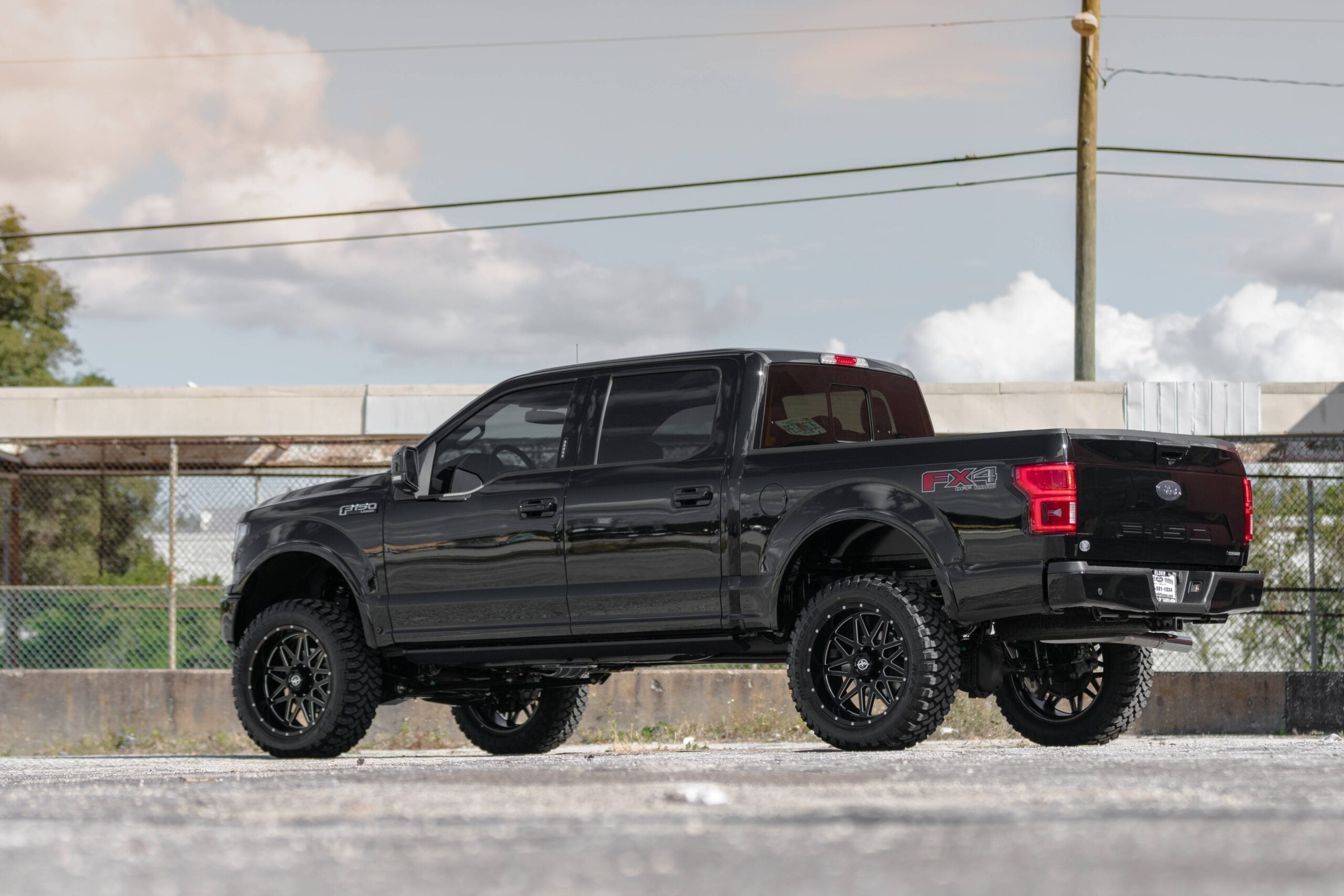
The most obvious service is selling wheels and tires. A good dealer acts as a one-stop shop, offering a wide selection for nearly any vehicle you can imagine. This often includes tires for cars, trucks, SUVs, and even specialty vehicles like ATVs or RVs. Beyond standard replacements, they are also your go-to source for custom wheels that can completely transform your vehicle’s appearance and performance. Instead of spending hours searching online, you can talk to an expert who can guide you to the right products that fit your vehicle, driving style, and budget, ensuring you get exactly what you need.
Installation and Alignment
Buying new wheels and tires is only the first step; getting them on your car correctly is just as important. Dealers provide professional installation services that are critical for your safety. This includes mounting the tires onto the wheels, balancing them to prevent vibrations at high speeds, and fixing any flat tires you might have. They also perform wheel alignments, which involves adjusting your vehicle’s suspension to ensure the tires make contact with the road at the correct angle. Proper alignment not only makes your car safer to drive but also extends the life of your new tires, saving you money down the road.
Repairs and Maintenance
A relationship with a dealer doesn’t end after the sale. They are your long-term partner for vehicle maintenance. Regular services like tire rotations and re-balancing help your tires wear evenly and last longer. If you get a nail in your tire, they can often repair it safely and get you back on your way. Many dealers also offer other services to help you customize your vehicle’s performance and look. Some even provide roadside assistance, giving you peace of mind knowing that help is available if you run into trouble. This ongoing support is one of the biggest benefits of working with a trusted local dealer.
How to Choose the Right Wheels and Tires
Choosing new wheels and tires is one of the most exciting upgrades for a vehicle, but it’s about more than just looks. The right set can transform a vehicle’s performance, handling, and safety, while the wrong one can cause headaches and even damage. Before a customer gets lost in all the different styles and finishes, it’s helpful to walk them through the fundamentals. Think of it as building a foundation for their decision.
The key is to find a balance between aesthetics and function. You want to help your customers find wheels that reflect their personal style but are also perfectly suited for their car and how they drive it. A great dealer doesn’t just sell a product; you act as a partner, guiding customers through the technical details to ensure they make a choice they’ll be happy with for years to come. Helping them understand these basics will lead to a more productive conversation and help you find the perfect match for their ride.
Match Your Vehicle Type
The first and most important step is to match the wheels to the vehicle. The wheels designed for a compact sedan are fundamentally different from those built for a heavy-duty truck or a high-performance sports car. Each vehicle has specific requirements for load capacity, size, and durability. For example, putting a lightweight wheel designed for a sports car on a three-quarter-ton truck is a recipe for failure, as it won’t be able to handle the vehicle’s weight.
As a dealer, you offer wheels for a huge range of vehicles, from daily drivers to off-road rigs. You can help your customers find options with the correct load rating to safely support their vehicle and its potential cargo. Always start by confirming that a wheel is engineered for their specific type of car, truck, or SUV.
Consider Your Driving Style
How a customer uses their vehicle plays a huge role in what wheels will work best for them. Are they a daily commuter who spends most of their time on the highway? Do they enjoy spirited drives on winding backroads? Or are they an off-road enthusiast who needs wheels that can handle rocks, mud, and trails? Their driving style dictates the ideal materials, construction, and weight for their wheels.
For instance, if a customer prioritizes sharp handling and acceleration, a lightweight performance wheel can make a noticeable difference. If they’re building an overlanding rig, they’ll need a durable wheel built to withstand harsh impacts. Asking about their driving habits helps you narrow down the options and recommend a set that not only looks great but also enhances their driving experience.
Get the Fitment Right
Fitment is the most technical, and arguably most critical, aspect of choosing new wheels. It’s not as simple as finding a wheel a customer likes and bolting it on. Proper fitment involves several key measurements: bolt pattern, offset, backspacing, and center bore. Getting any of these wrong can lead to problems ranging from annoying tire rubbing to serious interference with a vehicle’s brakes and suspension components.
This is where your knowledge as a dealer is invaluable. While customers can find online fitment guides, an expert can guarantee they get it right the first time. You can use precise vehicle data to ensure the wheels they choose will fit perfectly without any modifications or safety concerns. Never let a customer compromise on fitment; it’s the key to a successful and safe wheel upgrade.
A Guide to Top Wheel Brands
Understanding the wheel market is key to stocking your shop with in-demand products and guiding customers to the perfect choice. The landscape is diverse, with brands specializing in everything from lightweight track performance to rugged off-road durability. As a dealer, carrying a mix of styles and price points allows you to serve a wider range of customers, from the daily commuter needing a replacement to the enthusiast building a show car.
Knowing the top players in each category helps you speak your customers’ language and make smarter inventory decisions. Let’s walk through the leading brands across four major segments: performance, off-road, luxury, and OE replacement. This will give you a clear picture of what’s out there and what your customers are looking for.
Performance and Street
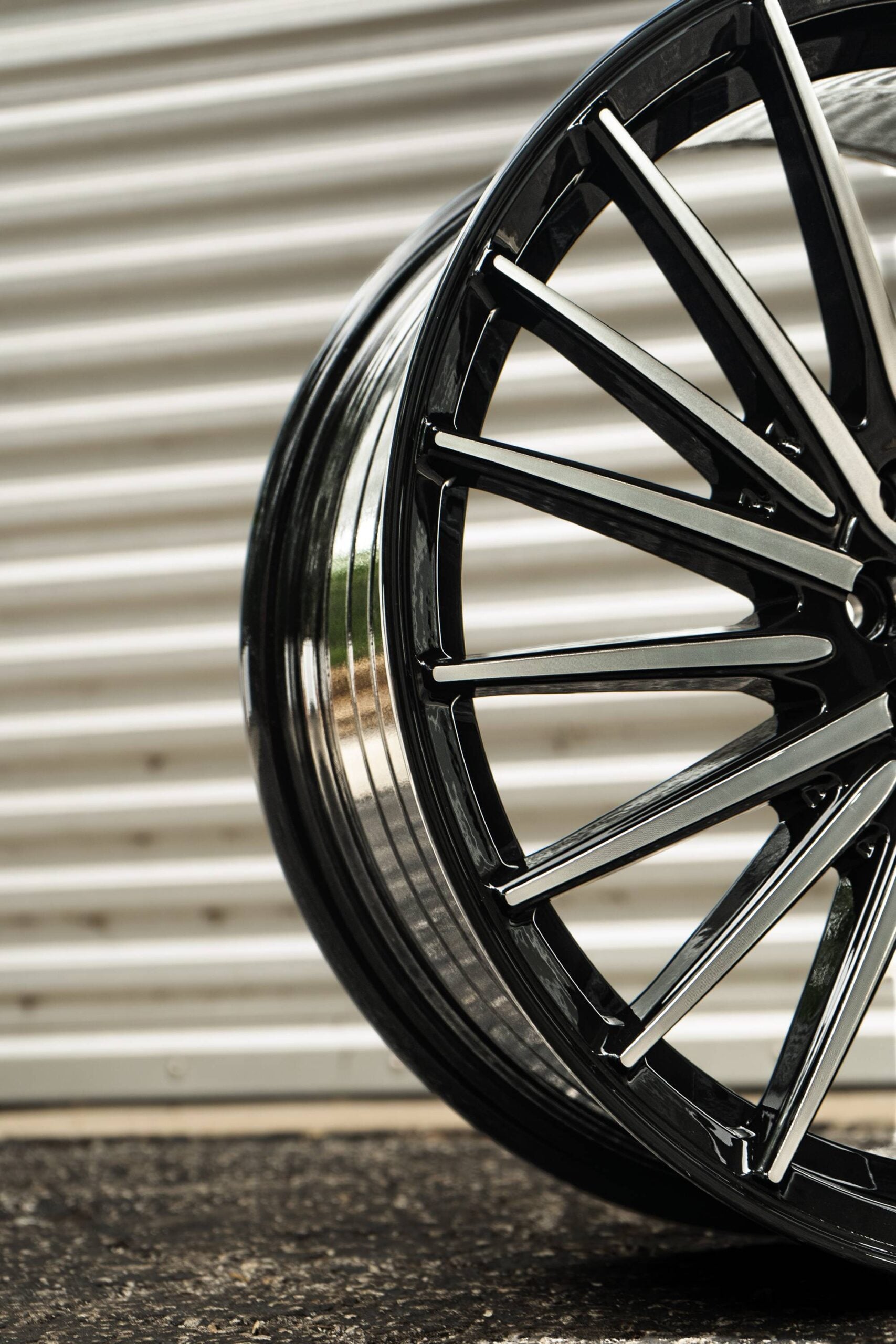
For customers who want to improve their vehicle’s handling, acceleration, and overall look, performance wheels are the answer. These wheels are typically lightweight and strong, often drawing inspiration from motorsports. Brands like OZ Racing are famous for their track heritage, offering wheels that reduce unsprung weight for a noticeable improvement in driving dynamics.
On the higher end, companies like HRE Wheels focus on custom forged wheels that combine strength with stunning, personalized designs. Stocking a few key performance styles shows you cater to enthusiasts who see their car as more than just transportation. These customers value expert advice on fitment and are often willing to invest in quality for better performance.
Off-Road and Truck
The truck and off-road segment is one of the most popular and profitable in the aftermarket industry. Customers in this space want wheels that are tough, durable, and aggressively styled. Brands like Method Race Wheels have built a loyal following by proving their products in brutal off-road races. Their wheels are known for their strength and functional, no-nonsense designs.
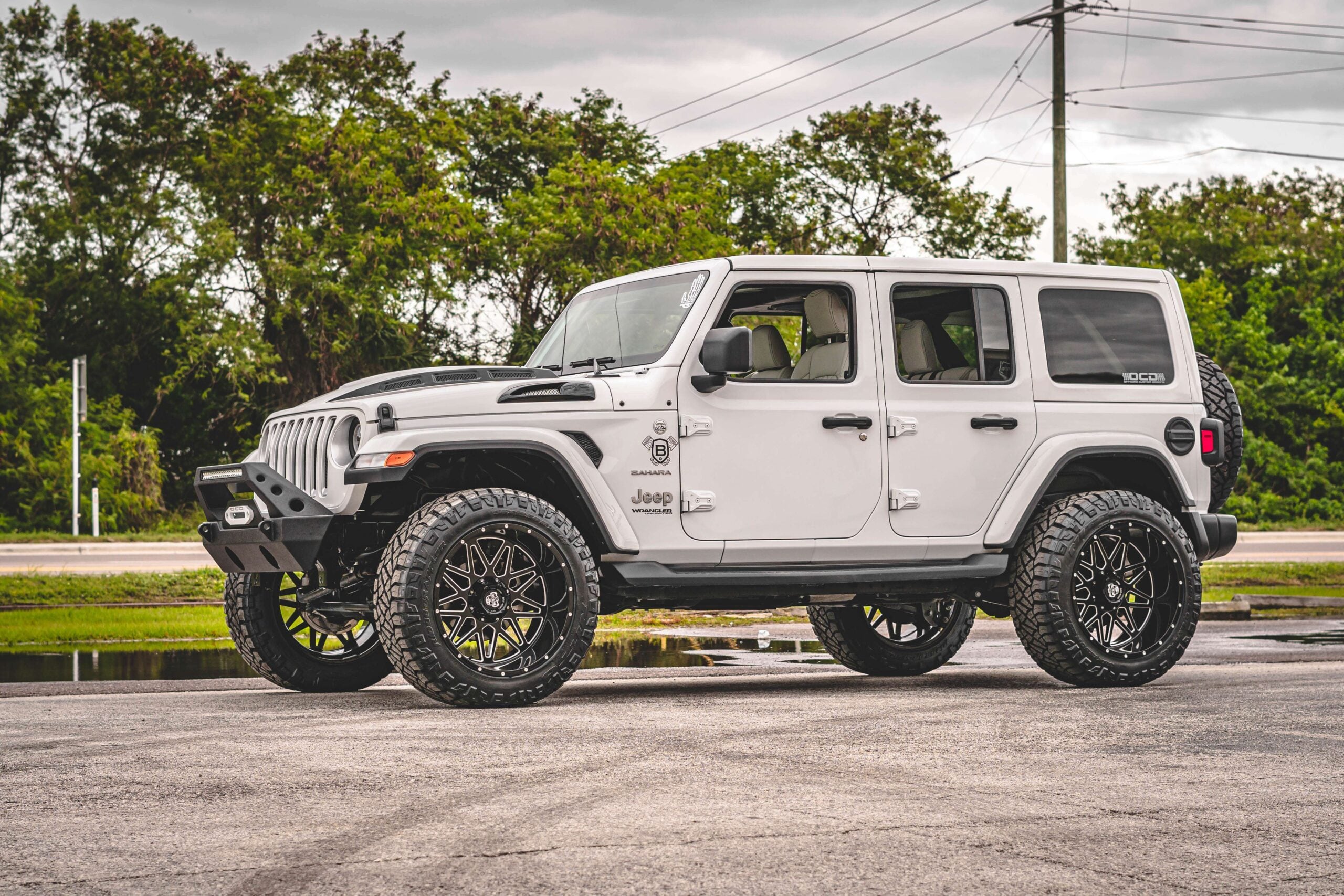
Another major player is Fuel Off-Road, which offers a massive range of bold and intricate designs for trucks, Jeeps, and SUVs. These brands appeal to customers who want their vehicle to stand out and perform reliably on and off the pavement. Having a solid selection of off-road wheels is essential for any shop looking to capture this enthusiastic and high-spending market.
Luxury and Forged
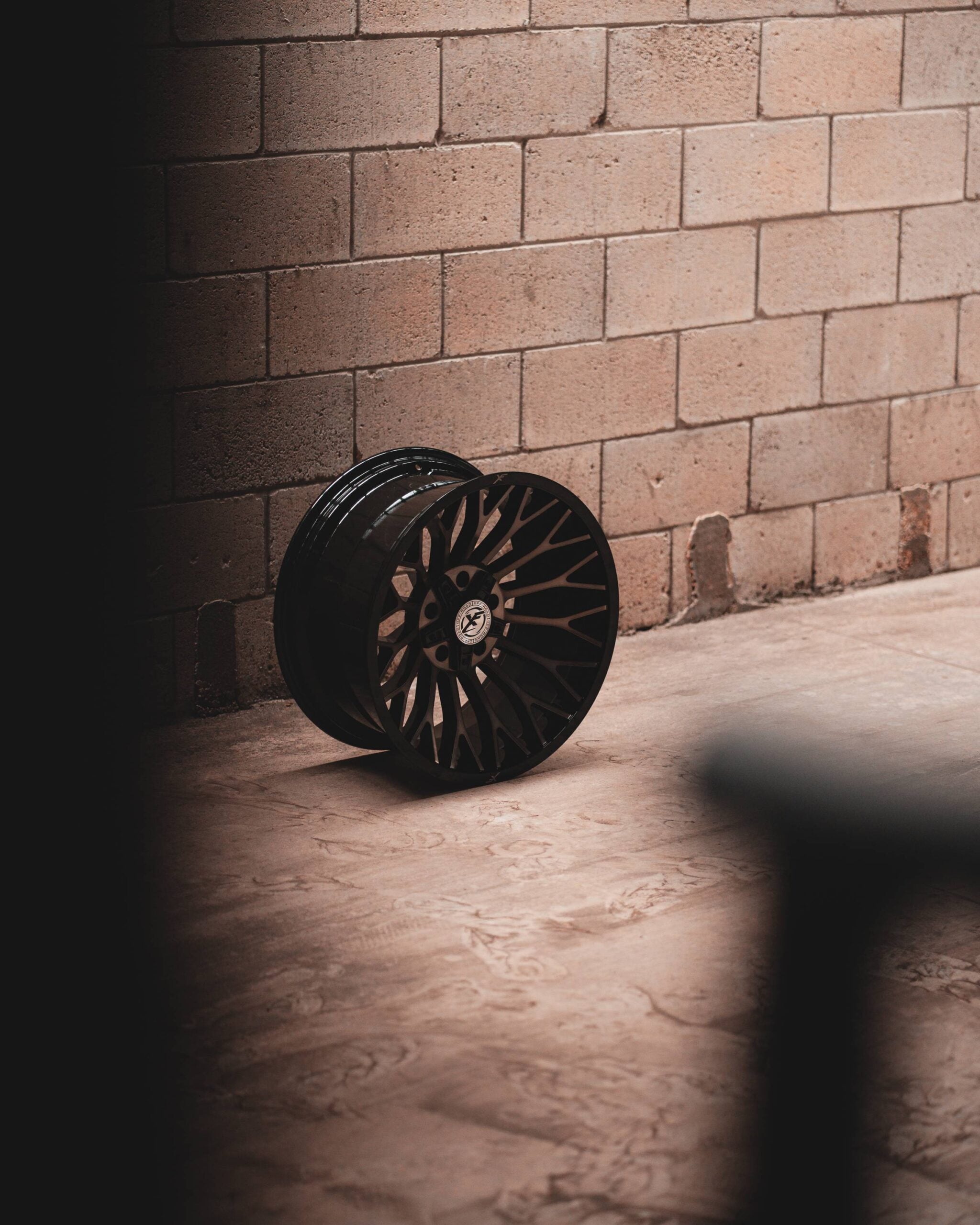
When it comes to high-end sports cars, luxury sedans, and custom builds, forged wheels are the top choice. The forging process creates a wheel that is incredibly dense, strong, and lightweight, allowing for intricate designs without sacrificing performance. Brands like Forgeline specialize in custom-built forged wheels, giving discerning customers complete control over fitment, style, and finish.
Similarly, BBS has a legendary reputation in both motorsports and the luxury market, with iconic designs that have been popular for decades. These brands cater to a premium clientele that demands perfection in both aesthetics and engineering. Offering forged options positions your shop as a destination for high-end builds and serious enthusiasts who are willing to pay for exclusivity and quality.
OE Replacements
Not every customer is looking for an upgrade. Many just need a reliable, cost-effective replacement for a damaged or corroded original equipment (OE) wheel. This is a steady, high-volume part of the market, especially for general repair shops and used car dealerships. Brands like Dorman Products offer a huge catalog of OE replacement wheels that are designed to match the original factory look, fit, and quality.
For classic car owners, Wheel Vintiques provides steel wheels that replicate vintage OE styles, which is perfect for restorations. Having access to a dependable supply of OE replacement wheels ensures you can help any customer who walks in, turning a simple repair into a profitable sale and building trust for future business.
Online vs. Local: Which Dealer Is Right for You?
Deciding where to buy your next set of wheels and tires can feel like a big choice. Do you head to a local shop down the street or browse the endless aisles of an online store? Both have their advantages, and the right answer really depends on what you value most. Whether you prioritize hands-on service or a massive selection, understanding the pros and cons of each will help you make a confident decision for your vehicle. Let’s break down what each experience offers.
The Case for Shopping Local
Shopping at a local dealer is often the most straightforward path to getting new wheels and tires. These businesses are designed to be a one-stop shop where you can see products in person, make a purchase, and have everything installed in a single visit. It simplifies the process, as the same team that sells you the wheels can also handle the mounting, balancing, and alignment. This integrated service ensures everything is done correctly from start to finish, and you can drive away knowing the job is complete.
Expert Advice and Personalized Service
One of the biggest benefits of a local dealer is access to experienced professionals. Instead of scrolling through specs on a screen, you can have a real conversation with someone who understands the nuances of wheel fitment and tire performance. They can ask about your driving habits, your budget, and the look you’re going for to recommend the perfect setup. This personalized guidance is invaluable for avoiding costly mistakes and ensuring you get a product that truly meets your needs and enhances your vehicle’s performance and style.
Immediate Availability
When you need new wheels or tires now, nothing beats a local shop. There’s no waiting for a shipment to arrive or coordinating delivery to a separate installer. You can walk in, choose from their in-stock inventory, and have your new set installed the same day. Many shops even offer convenient services like after-hours drop-offs to work around your schedule. This speed and convenience are major advantages, especially when you’re dealing with a flat tire or preparing for an upcoming road trip.
Local Deals and Perks
Local dealers often build relationships with their customers by offering extra value. On top of competitive pricing, you might find perks that you won’t get from an online retailer. For example, many shops provide free services like future tire rotations or flat repairs when you purchase from them. These added benefits not only save you money over the life of your tires but also give you a trusted partner for ongoing vehicle maintenance, creating a relationship that extends well beyond the initial sale.
The Case for Buying Online
For shoppers who prioritize variety and price, online dealers present a compelling alternative. Because online stores have lower overhead costs compared to brick-and-mortar shops, they can often offer more aggressive pricing, frequent sales, and special rebates. If you’re comfortable doing your own research and know exactly what you’re looking for, you can find some excellent deals online. This approach is ideal for the budget-conscious buyer who is willing to manage a few extra steps to save money.
Wider Selection and Price Comparison
The internet is the world’s largest showroom. Online dealers provide access to a massive variety of brands, styles, and sizes, including specialty or hard-to-find wheels that a local shop might not carry. Digital storefronts make it easy to filter options and compare product specifications side-by-side from the comfort of your home. This extensive selection is perfect for enthusiasts searching for a very specific wheel to complete a custom build or for owners of unique vehicles that require uncommon fitments.
Watch for Hidden Costs
While the initial price online might look low, it’s important to calculate the total “out-the-door” cost. The price you see in your cart is rarely the final amount you’ll pay. Remember to factor in potential shipping fees, which can be significant for heavy items like wheels and tires. More importantly, you’ll need to pay a separate installer for mounting and balancing, which can add a considerable amount per tire. Always get a quote for installation costs before you buy online to make an accurate price comparison.
Handling Warranties, Returns, and Installation
Buying online means you’re in charge of logistics. First, you have to arrange for the wheels and tires to be shipped to a local shop for installation. If there’s a problem with your order, like a damaged wheel or an incorrect fitment, managing returns can be a hassle. You’ll have to coordinate with the online seller to ship the product back and wait for a replacement. In contrast, a local dealer handles any warranty claims or fitment issues on the spot, saving you time and frustration.
When to Choose Each Option
So, what’s the final verdict? If you value convenience, expert advice, and a simple, all-in-one process, shopping local is likely your best bet. It’s ideal when you need wheels or tires quickly or if you’re not entirely sure what you need. On the other hand, if you are a confident, research-savvy shopper hunting for a specific item or the absolute lowest price, buying online can be a great option, as long as you’re prepared to handle the installation and potential returns yourself.
What Makes a Great Wheel and Tire Dealer?
Becoming the go-to wheel and tire dealer in your area is about more than just moving products. It’s about building a reputation for trust, expertise, and reliability that keeps customers coming back and sending their friends your way. While every shop has its own unique style, the best dealers consistently deliver on a few key promises. They create an experience that gives customers confidence in their purchase and in the team handling their vehicle.
Think of it from the customer’s perspective. They’re not just buying four circles of metal and rubber; they’re investing in their vehicle’s safety, performance, and appearance. A great dealer understands this and focuses on providing a seamless and supportive journey from start to finish. From offering a fantastic selection to providing expert guidance and standing behind their work, these are the qualities that separate a good shop from a great one. Focusing on these areas will not only satisfy your customers but also build a stronger, more profitable business for the long haul.
Deep Inventory and Brand Selection
A great dealer can cater to nearly any customer who walks through the door. Having a deep inventory with a wide selection of brands is fundamental. When you stock wheels for different needs, like rugged off-road adventures, sleek luxury performance, or reliable daily driving, you position yourself as a comprehensive solution. Customers appreciate a one-stop shop where they can explore options without having to visit multiple stores. A diverse brand portfolio allows you to serve a broader market and ensures you have the perfect fit for any vehicle and budget, turning first-time visitors into loyal patrons.
Transparent Pricing and Protected Brands
Trust begins with transparency, especially when it comes to pricing. Customers want to feel confident they’re getting a fair deal without hidden fees or surprises. Clearly outlining costs and offering straightforward financing options can make a significant difference. Equally important for your business is working with MAP-protected brands. This strategy prevents destructive price wars with online-only retailers and protects your margins. When you can sell confidently, knowing your prices are stable and fair, you can focus on delivering value through service and expertise instead of just competing on price.
Clear Return Policies and Warranties
A clear and fair return policy gives customers peace of mind and removes friction from the buying process. Wheels and tires are a significant investment, and buyers want assurance that they’re covered if something isn’t right. Make your policies easy to understand and accessible. Partnering with distributors and manufacturers that offer solid, straightforward warranties also makes your job easier. When you can confidently explain the warranty process, you demonstrate a commitment to quality and customer satisfaction that builds lasting loyalty. A customer who knows you’ll stand by your products is a customer who will trust you again.
Fast, Reliable Shipping
In a world where everyone wants things yesterday, speed matters. For items you don’t have in stock, your ability to get them quickly is a huge competitive advantage. Fast and reliable shipping from your distributor means you can minimize customer wait times for special orders, keeping projects on track and customers happy. This efficiency can be the deciding factor between closing a sale and losing it to a competitor. A strong logistics network behind your operation ensures you can say “yes” to more requests and fulfill them promptly, reinforcing your reputation as a dependable dealer.
Helpful Customer and Fitment Support
Your expertise is your most valuable asset. Providing helpful, friendly support and accurate wheel fitment advice is what truly sets a local shop apart from an anonymous online cart. Customers rely on you to guide them to the right choice, preventing costly mistakes and ensuring their vehicle performs safely and correctly. When your team can answer questions with confidence and offer professional recommendations, you move beyond a simple transaction. You build a relationship, establishing your shop as a trusted resource that customers will turn to for all their automotive needs.
How to Check a Dealer’s Reputation
Finding a great wheel and tire dealer is about more than just the products on the shelf. It’s about finding a partner you can trust with your vehicle’s safety and appearance. A dealer’s reputation is a reflection of their expertise, customer service, and reliability. Before you commit to a purchase, taking a few simple steps to verify their standing can save you from future headaches and ensure you have a positive experience.
A strong reputation isn’t built overnight. It comes from consistently delivering quality work, offering honest advice, and standing behind their products. By looking at what past customers have to say, checking for professional credentials, and listening to community feedback, you can get a clear picture of the kind of service you can expect. Think of it as doing your due diligence to protect your investment and find a shop that truly values your business. These next steps will guide you through how to confidently assess any dealer.
Read Online Reviews
Online reviews are your first stop for getting an honest look at a dealer’s track record. They provide direct insight into what it’s like to be a customer. When you start reading, look for patterns. A few negative comments are normal for any business, but a consistent theme of poor service or unresolved issues is a red flag.
On the other hand, overwhelmingly positive feedback is a great sign. Look for reviews where customers mention that the team was helpful, professional, and knowledgeable. Comments like these show that a dealer invests in training their staff and creating a good experience. When you see customers saying a shop gives “honest advice,” you know you’ve found a place that prioritizes integrity over a quick sale. Many dealers, like Rimz to Go Tire Pros, showcase customer feedback that highlights their professionalism and expertise.
Look for Industry Certifications
Certifications are a clear indicator that a dealer is serious about their craft. When a shop employs certified technicians, it means their team has proven their skills and knowledge by meeting industry standards. This is especially important when it comes to wheel and tire installation, where proper technique is crucial for your safety. An untrained installer can easily damage expensive wheels or, worse, create a dangerous situation on the road.
Another credential to look for is whether the shop is an authorized dealer for the brands it sells. This status means the manufacturer trusts the dealer to represent their products properly. It often translates to better product knowledge, access to a wider selection, and smoother handling of any warranty claims you might have down the line.
Ask for Community Recommendations
While online reviews are helpful, nothing beats a recommendation from someone you trust. Talk to friends, family, or coworkers who are knowledgeable about cars. You can also tap into local car clubs or online forums for your area. Ask people where they go for wheels and tires and, just as importantly, which places they avoid.
A dealer with deep roots in the community is often a reliable choice. Shops that are locally owned and operated tend to build their business on word-of-mouth, so they have a strong incentive to treat every customer well. When you find a trusted local business that cares about its customers and community, you’re likely to receive more personalized and attentive service. These dealers know their reputation is their most valuable asset.
Common Myths About Wheel and Tire Dealers
When customers are shopping for wheels and tires, they face a big decision: buy online or visit a local shop? The internet is filled with opinions that can make it hard to separate fact from fiction. As a dealer, understanding these common misconceptions is the first step to helping your customers make confident choices. By addressing these myths head-on, you can clearly communicate the unique value and expertise your shop provides, building trust and turning shoppers into loyal customers. Let’s clear up a few of the most persistent myths about buying from local wheel and tire dealers versus online retailers.
Myth: Online Is Always Cheaper
It’s easy to see why this myth is so popular. At first glance, the sticker price for a set of wheels or tires online can seem much lower. Online-only stores don’t have the same overhead costs as a physical shop, and they often run aggressive sales. However, that initial price rarely tells the whole story. You have to consider the total cost of ownership, which includes shipping fees, mounting, balancing, and installation. Local dealers often bundle these services into a single, transparent price. When you compare the final, out-the-door cost, you’ll often find that local shops are far more competitive than they first appear.
Myth: Local Shops Have Limited Selection
A common misconception is that local shops only stock a handful of the most popular wheel and tire models. While it’s true that a shop’s physical showroom can’t hold every option, their access to inventory is virtually limitless. Reputable dealers partner with distributors who maintain vast inventories in strategically located warehouses across the country. This means your local expert can source an incredible variety of wheel brands and styles, from off-road to luxury, and get them delivered quickly. So, while you might not see it on the wall, the perfect wheel for your customer’s build is usually just a short phone call and a quick shipment away.
Myth: Installation Is Simple After Buying Online
Clicking “buy” is the easy part. Once those wheels or tires arrive, the customer’s work has just begun. They now have to find a qualified shop to handle the installation, which introduces a whole new set of hassles. They need to coordinate shipping the items to the installer, schedule an appointment, and hope the shop is willing to install products purchased elsewhere. This multi-step process is often inconvenient and can lead to finger-pointing if something goes wrong. A local dealer offers a seamless, one-stop experience where the sale, proper installation, and service all happen under one roof, saving your customer time and giving them peace of mind.
Myth: Local Dealers Can’t Compete on Price
This myth circles back to the idea that online is always cheaper, but it ignores the immense value a local dealer provides. A local shop doesn’t just sell a product; they offer a complete service package. This includes expert fitment advice to prevent costly mistakes, hands-on customer support, and after-sale services like rotations, balancing, and warranty assistance. These value-added services have real monetary worth and are often included in the purchase price. Instead of just competing on the sticker price, great local dealers compete on overall value, ensuring the customer gets the right product, a perfect installation, and long-term support for their investment.
Related Articles
- 6 Things to Look for in an Automotive Wheel Distributor
- Custom Wheel Manufacturing: A Dealer’s Profit Guide
- Wholesale Rims for Dealers: The Ultimate Guide
- How to Find the Best Wheel Supplier for Your Shop
- Top 5 Wheel Wholesale Distributors: A Guide
Frequently Asked Questions
How can I effectively compete with online-only retailers? Your advantage is the one thing online stores can never replicate: a complete, hands-on service. Focus on being a one-stop solution. You provide expert advice, guarantee the fitment, perform a professional installation, and handle any issues on the spot. This seamless experience saves your customers time and eliminates the headaches of coordinating shipping and installation. That convenience and peace of mind is a powerful selling point.
My customers often say online prices are lower. How should I explain the value my shop offers? Acknowledge their observation, then help them see the full picture. Explain that the price they see online is just for the product, not the total cost to get it on their car. Gently walk them through the additional expenses they would face, such as shipping fees, mounting, balancing, and the cost of your team’s time. Frame your price as a complete, transparent package that includes professional service and the assurance that the job is done right.
What’s the single most important factor when helping a customer choose new wheels? While style is what gets a customer excited, the most critical factor is always correct fitment. Getting the bolt pattern, offset, backspacing, and center bore perfect is essential for the vehicle’s safety and performance. This is where your expertise becomes invaluable. Guiding a customer to a wheel that fits perfectly prevents tire rubbing, suspension interference, and other costly mistakes, ensuring they leave happy and safe.
How can I build a stronger reputation that attracts more customers? A strong reputation comes from consistency and trust. Start by actively encouraging your satisfied customers to leave online reviews, as social proof is incredibly powerful. Beyond that, focus on providing honest advice, even if it means recommending a less expensive option. When customers feel you are a true partner looking out for their best interests, they will not only return but also become your most effective marketing tool through word-of-mouth referrals.
Why is it so important to partner with distributors that enforce MAP pricing? Working with distributors who enforce Minimum Advertised Price (MAP) policies is a key strategy for protecting your business. MAP policies prevent the market from becoming a race to the bottom, where you are forced to compete on price against massive online sellers. It stabilizes the brand’s value and, most importantly, protects your profit margins. This allows you to sell confidently and focus on what you do best: providing expert service and building customer relationships.