When a customer wants the perfect set of wheels, they want them now. Your ability to say “yes” and deliver quickly is what sets you apart from the competition. But you can’t do it alone. Your success hinges on your supply chain. The right wheel wholesale distributor acts as an extension of your own inventory, giving you access to thousands of styles without tying up your cash. They provide the logistical power to fulfill orders fast, turning customer interest into a closed sale. This guide will show you how to choose a partner that helps you deliver an exceptional customer experience every time.
Key Takeaways
- Partner with a true wholesale distributor, not a retailer in disguise: A dealer-first partner sells exclusively to businesses like yours. This ensures they won’t undercut your prices or compete for your local customers, which is the foundation of a profitable, long-term relationship.
- Look beyond the price tag at the entire support system: The best distributors offer a strong, MAP-protected brand portfolio, fast shipping from multiple warehouses, and easy-to-use ordering technology. These factors directly impact your shop’s efficiency and ability to close sales quickly.
- Prioritize reliable logistics and expert support: Fast fulfillment from deep inventory means you can say “yes” to more customers and avoid losing sales to backorders. A partner with knowledgeable fitment experts also saves you time and prevents costly ordering mistakes.
What Is an Aftermarket Wheel Distributor?
Simply put, an aftermarket wheel distributor is a company that supplies wheels not made by your vehicle’s original manufacturer (OEM). They provide the huge variety of styles, finishes, and sizes that allow your customers to personalize their cars and trucks. Whether your customers are looking for a performance upgrade, a specific aesthetic, or a simple replacement, these distributors are your source for options beyond the factory standard.
This part of the automotive industry is built for customization. While OEM wheels are designed to appeal to the broadest possible market, aftermarket wheels cater to specific tastes and performance needs. As a shop owner, partnering with the right distributor gives you access to a curated portfolio of brands and designs that can set your business apart and meet the unique demands of your local market.
What’s Their Role in the Auto Industry?
Think of distributors as the essential link between the factories that produce wheels and your shop. Their main job is to offer a wide range of products that cater to every type of driver, from off-road enthusiasts to luxury car owners. They stock massive inventories of different sizes and styles, so you can quickly find the right compatible wheels for almost any vehicle that rolls into your bay.
This role is critical for keeping the supply chain moving efficiently. Instead of you having to manage relationships with dozens of individual manufacturers, a distributor consolidates inventory and logistics. This access means you can say “yes” to more customers and complete jobs faster, without having to wait on long lead times or worry about sourcing from multiple places. A good distributor ensures you have what you need, when you need it.
Wholesale vs. Retail: What’s the Difference?
It’s important to know the difference between wholesale and retail distributors, as it directly impacts your business. Wholesale distributors sell wheels in bulk to businesses like yours—tire shops, custom builders, and regional jobbers. They are your partners in the supply chain, focused on providing the inventory and support you need to serve your customers.
Retailers, on the other hand, sell directly to the public. This distinction is key. A true wholesale partner focuses on your success, offering dealer pricing, volume discounts, and a reliable supply chain. They aren’t competing with you for the same customers, which protects your margins and your business. This B2B model is designed to help you grow profitably by ensuring you have a dependable source for quality products.
Top Aftermarket Wheel Distributors You Should Know
Choosing the right distributor is a big decision for your shop. You need a partner who understands your business and provides the products, pricing, and support to help you succeed. The right distributor can make all the difference in your inventory turn, profit margins, and customer satisfaction. While there are many players in the market, a few consistently stand out for their brand portfolios, logistics, and dealer support. Let’s walk through five of the top aftermarket wheel distributors so you can get a clearer picture of what each one brings to the table.
Elite Wheel Distributors
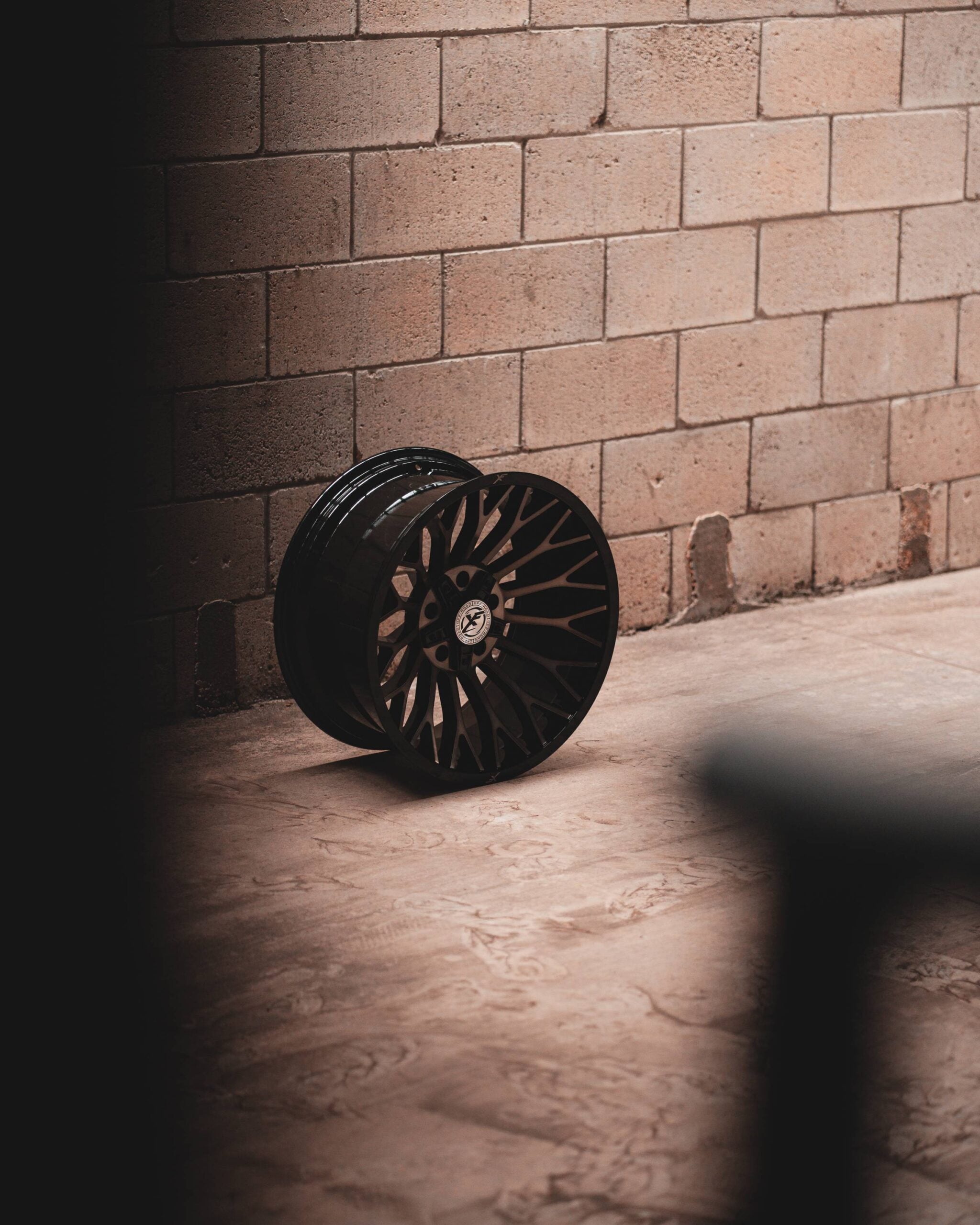
With over 20 years of experience, Elite Wheel Distributors operates on a strictly dealer-first model. This means they supply directly to automotive businesses and never compete against their own partners by selling to the public. Their portfolio includes a diverse range of MAP-protected brands like Spec-1 Racing, XF Offroad, and Amani Forged, allowing shops to sell confidently across different vehicle styles and price points. A key advantage is their network of distribution centers in Florida, Georgia, and Illinois, which provides fast, reliable shipping nationwide. For independent shops that value protected margins and a true B2B partnership, Elite is built from the ground up to support their growth.
A Dealer-First Business Model
A true wholesale partner should be just that—a partner. The most important factor in this relationship is a shared goal, which is why a dealer-first business model is so critical. This approach means the distributor sells exclusively to businesses and never directly to the public. By refusing to compete with their own customers, they protect your shop from being undercut on price by the very company supplying your inventory. This structure ensures that your success is their success, creating a foundation of trust. It allows you to invest in marketing and selling their brands with confidence, knowing you won’t lose a sale to your supplier’s own website.
MAP-Protected Brand Portfolio
Profit margins are the lifeblood of any shop, and nothing erodes them faster than a race to the bottom on price. This is where a distributor with a strong, MAP-protected brand portfolio becomes invaluable. Minimum Advertised Price (MAP) policies ensure that every dealer advertises a product at or above a certain price, which stabilizes the market and protects your profitability. When your distributor enforces MAP, you can sell brands like Spec-1 Racing, XF Offroad, and Amani Forged without worrying about a competitor down the street or an online-only seller slashing prices. This allows you to focus on providing value and service instead of just competing on cost.
Nationwide Distribution Network
In the world of aftermarket wheels, speed wins. When a customer is ready to buy, waiting a week for shipping can kill the deal. A distributor’s logistics network is just as important as its product catalog. Partners with multiple distribution centers strategically located across the country can deliver products faster and more affordably. For example, having warehouses in Florida, Georgia, and Illinois means that shops in the Southeast and Midwest can get orders in just a day or two. This speed reduces backorders, minimizes lost sales due to long lead times, and ultimately helps you provide a better customer experience that keeps people coming back.
Wheel Pros
As one of the largest names in the industry, Wheel Pros designs, markets, and distributes a massive portfolio of well-known aftermarket wheel brands. You’ll find iconic names like Fuel Off-Road, KMC, and American Racing under their umbrella, giving dealers access to some of the most requested wheels on the market. Based in Denver, they have a global distribution network that serves thousands of dealers. Their strength lies in their brand recognition and the sheer breadth of their catalog, which covers nearly every vehicle segment. If your customers are asking for big-name brands, Wheel Pros is a go-to source for a wide variety of popular styles.
OE Wheels LLC
For shops that frequently service daily drivers or work with used car lots, OE Wheels LLC is a key supplier to know. They specialize in high-quality original equipment (OEM) replica wheels, offering affordable, factory-style replacements for a huge range of cars, trucks, and SUVs. Their focus is on providing wheels that meet rigorous safety and durability standards, giving you a reliable alternative to expensive dealership parts. In addition to replicas, they also offer their own aftermarket designs. If your business model involves a lot of stock replacement jobs or customers looking for that factory-fresh look without the OEM price tag, OE Wheels is a perfect fit.
In-House and Replica Brands
OE Wheels LLC has built its reputation by specializing in high-quality OEM replica wheels. This focus is their core strength, providing shops with an affordable way to restore a vehicle’s factory appearance or replace a single damaged wheel without a costly trip to the dealership. For businesses that frequently work with used car lots or handle insurance claims, having a reliable source for factory-style replacements is essential. Their catalog offers a cost-effective solution that maintains the vehicle’s original aesthetic, which is a major selling point for many customers. This specialization allows you to confidently offer factory-style alternatives that meet both budget and quality expectations, simplifying the repair and replacement process.
Customer Guarantees and Benefits
To build confidence with its dealer network, OE Wheels LLC backs its products with several key guarantees. They offer a price-match promise, ensuring you get competitive pricing on your orders. For shops managing tight margins, this provides a level of security. They also provide free shipping to the lower 48 states, which eliminates surprise freight charges and makes it easier to quote jobs accurately for your customers. Most importantly, every wheel is tested to meet safety and performance standards, giving you and your customers peace of mind. These benefits are designed to create a straightforward and dependable purchasing experience, removing common friction points and helping you serve your customers more effectively.
Distribution and Warehouse Scale
Efficient logistics are central to their operation. With distribution centers in Florida and Texas, OE Wheels LLC is positioned to offer faster shipping to a large portion of the country compared to a single-warehouse distributor. This multi-location strategy helps reduce delivery times and freight costs, allowing your shop to receive inventory more quickly and turn jobs around faster. They also have plans to open a West Coast facility, which will further enhance their national coverage. For any shop owner, a distributor’s warehouse network is a critical factor, as shorter lead times mean less waiting for parts and a better ability to meet customer deadlines.
TSW Alloy Wheels
With a deep heritage in motorsports, TSW Alloy Wheels focuses on performance-oriented designs and advanced manufacturing techniques. They are particularly known for their wide range of staggered wheel fitments, which are popular in the luxury and performance car scenes for achieving an aggressive stance and improved handling. TSW operates a portfolio of brands, each with a distinct design language, from the clean, European styling of Beyern to the rugged looks of Black Rhino off-road wheels. For shops catering to enthusiasts who prioritize precise engineering, modern aesthetics, and a connection to racing culture, TSW offers a sophisticated and well-respected product lineup.
American Racing Equipment
American Racing is a true icon in the wheel industry, with a history stretching back to the golden age of hot rods and muscle cars. The brand is practically synonymous with classic American performance, and their vintage designs like the Torq Thrust are legendary among car builders and restorers. While they’ve expanded to include modern styles for trucks and contemporary performance cars, their core identity remains rooted in that timeless, muscular aesthetic. For shops that work on classic restorations, muscle cars, or with customers who want a piece of automotive history, carrying American Racing is a must. Their brand recognition alone can help close sales with enthusiasts.
Atlanta Wheels
Based in the Southeast, Atlanta Wheels has built a strong reputation as a family-owned wholesale distributor. They supply a wide range of custom wheels, tires, and aftermarket accessories exclusively to businesses. Their approach is rooted in decades of industry experience, focusing on building lasting relationships with the dealers they serve. For shops that prioritize a stable supply chain and a partner with deep roots in the automotive world, Atlanta Wheels is a well-established name known for its consistent service and commitment to the B2B model.
Family-Owned with Decades of Experience
With a history spanning over 40 years and three generations, Atlanta Wheels brings a level of experience that is hard to replicate. This long-standing presence in the industry means they have a deep understanding of market trends, product quality, and the day-to-day needs of a busy auto shop. Working with a family-owned business often translates to a more personal level of service and a commitment to long-term partnerships rather than just transactional sales. Their legacy is built on consistently supplying dealers with the products they need to satisfy customers and keep their bays full.
Strictly Business-to-Business Sales
One of the most critical aspects of the Atlanta Wheels model is their strict B2B-only sales policy. They sell exclusively to authorized businesses and installers, which means they will never compete with you for your local customers. This dealer-first approach is fundamental to protecting your shop’s profitability and market position. When your distributor isn’t also your competitor, you can build a partnership based on trust, knowing that your supplier is fully invested in helping your business succeed without creating channel conflict.
Elite Wheel Warehouse
As a distributor that both manufactures and sells custom wheels, Elite Wheel Warehouse provides a comprehensive ecosystem of support for its dealers. They offer a massive selection of products across ten different wheel brands, ensuring shops have access to a diverse inventory. But their model goes beyond just supplying products; it’s designed to integrate with a dealer’s operations, providing services and programs that actively help shops grow their business, improve efficiency, and increase profitability. This focus on partnership makes them a strong ally for independent automotive businesses.
Dealer Support Services
Elite’s commitment to its partners is clear in the hands-on support services it offers. Beyond just shipping boxes of wheels, they provide practical assistance that can save your shop valuable time and resources. This includes services like professional mounting, balancing, and the installation of tire pressure sensors (TPMS) before the wheels even leave their warehouse. By handling these technical steps, they help streamline your workflow, reduce the burden on your technicians, and allow you to get customers back on the road faster with perfectly prepared wheel and tire packages.
Partner Programs and Rewards
To further support dealer growth, Elite has developed programs aimed at making their partnership more rewarding. Initiatives like the “Elite Bucks” rewards program, exclusive weekly deals, and dedicated marketing support are designed to give dealers a competitive edge. These programs aren’t just perks; they are tangible business tools that can improve your margins and help you attract more customers. By investing in their dealers’ success through these kinds of initiatives, Elite demonstrates a commitment to building a relationship where both parties can thrive and grow together.
What Kinds of Wheels Can You Source?
Partnering with a wholesale distributor opens up a massive catalog of wheels, allowing you to serve nearly any customer who walks through your door. Instead of being limited to one or two styles, you gain access to a full spectrum of designs, materials, and price points. A great distributor carries everything from durable, everyday replacements to high-end forged wheels for custom builds. This variety lets you stock your showroom with best-sellers while also giving you the ability to special-order the perfect set for any vehicle, from a daily driver to a show car.
Custom and Specialty Designs
For the customer who wants their vehicle to stand out, custom and specialty wheels are a must-have. These are your high-margin, statement-making products that attract enthusiasts and luxury vehicle owners. This category includes everything from intricate multi-piece designs to ultra-premium forged wheels known for their strength and light weight. Top distributors are always adding new wheel designs and technologies to their lineup, giving you fresh styles to offer your clients. Brands like Amani Forged and Arvano Luxury Wheels cater directly to this market, providing the unique aesthetics and quality that discerning buyers demand. Offering these wheels positions your shop as a destination for custom builds.
OEM Replacement Wheels
Not every customer is looking for a custom build. Many just need a reliable, affordable replacement for a damaged or worn-out factory wheel. This is where Original Equipment Manufacturer (OEM) replacement wheels come in. They are designed to match the original look and specifications of a vehicle, making them a go-to for used car dealerships, collision centers, and budget-conscious drivers. When sourced from established suppliers, these wheels offer a dependable fit and finish. Brands like OE Revolution specialize in this category, ensuring you have consistent access to high-volume wheels that keep your customers’ cars safely on the road.
Performance and Racing Wheels
For performance shops and driving enthusiasts, a wheel is more than just a cosmetic upgrade—it’s a critical component that affects handling, acceleration, and braking. Performance wheels are engineered to be lightweight and strong, often using materials like flow-formed or forged aluminum alloys. The key here is a combination of material durability and precise fitment accuracy to clear large brake calipers and accommodate wider tires. Brands like Spec-1 Racing are built for this purpose, delivering track-inspired styling and engineering that your performance-focused customers will appreciate. Stocking these wheels shows you understand the specific needs of the racing and tuning community.
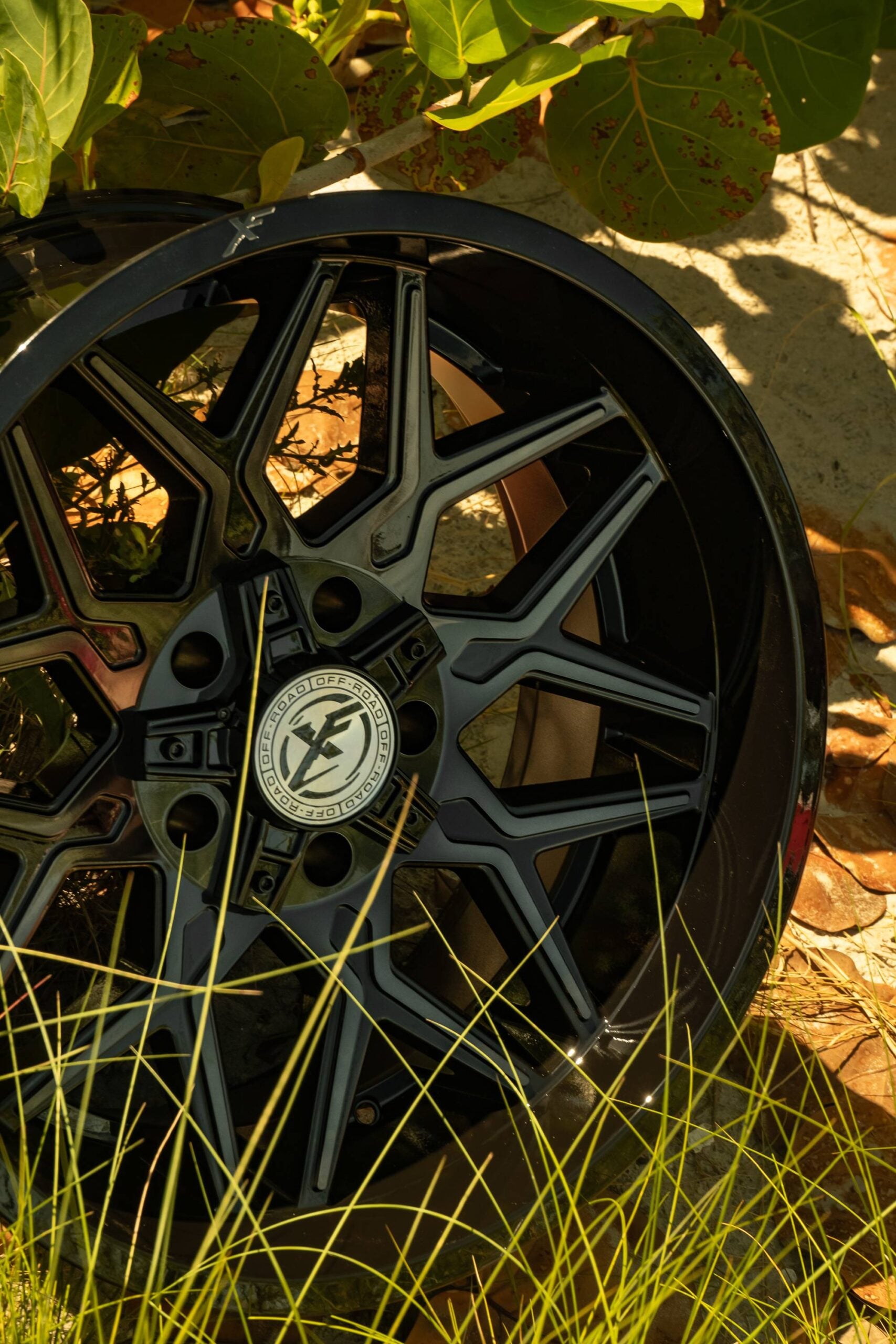
Off-Road and Truck Wheels
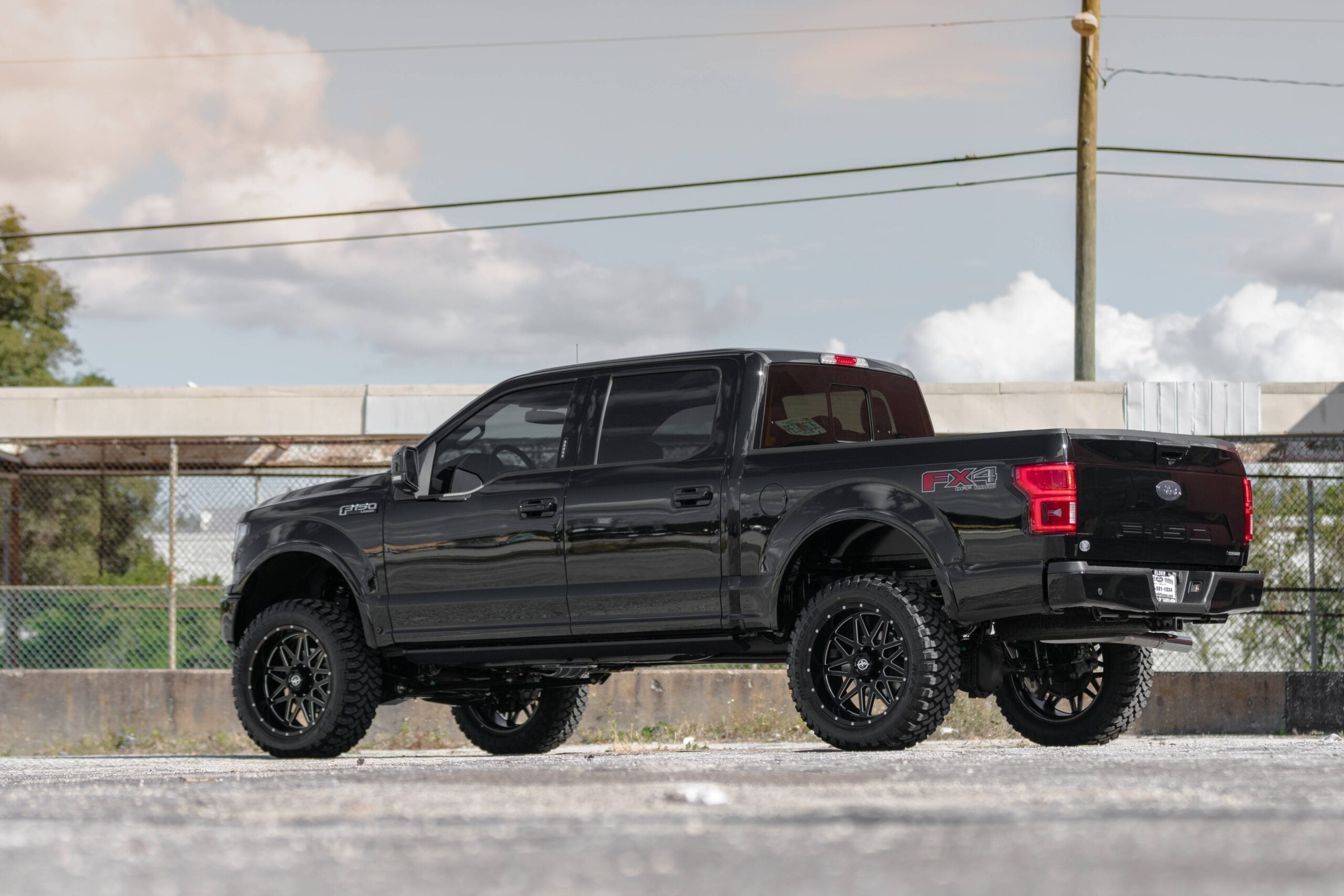
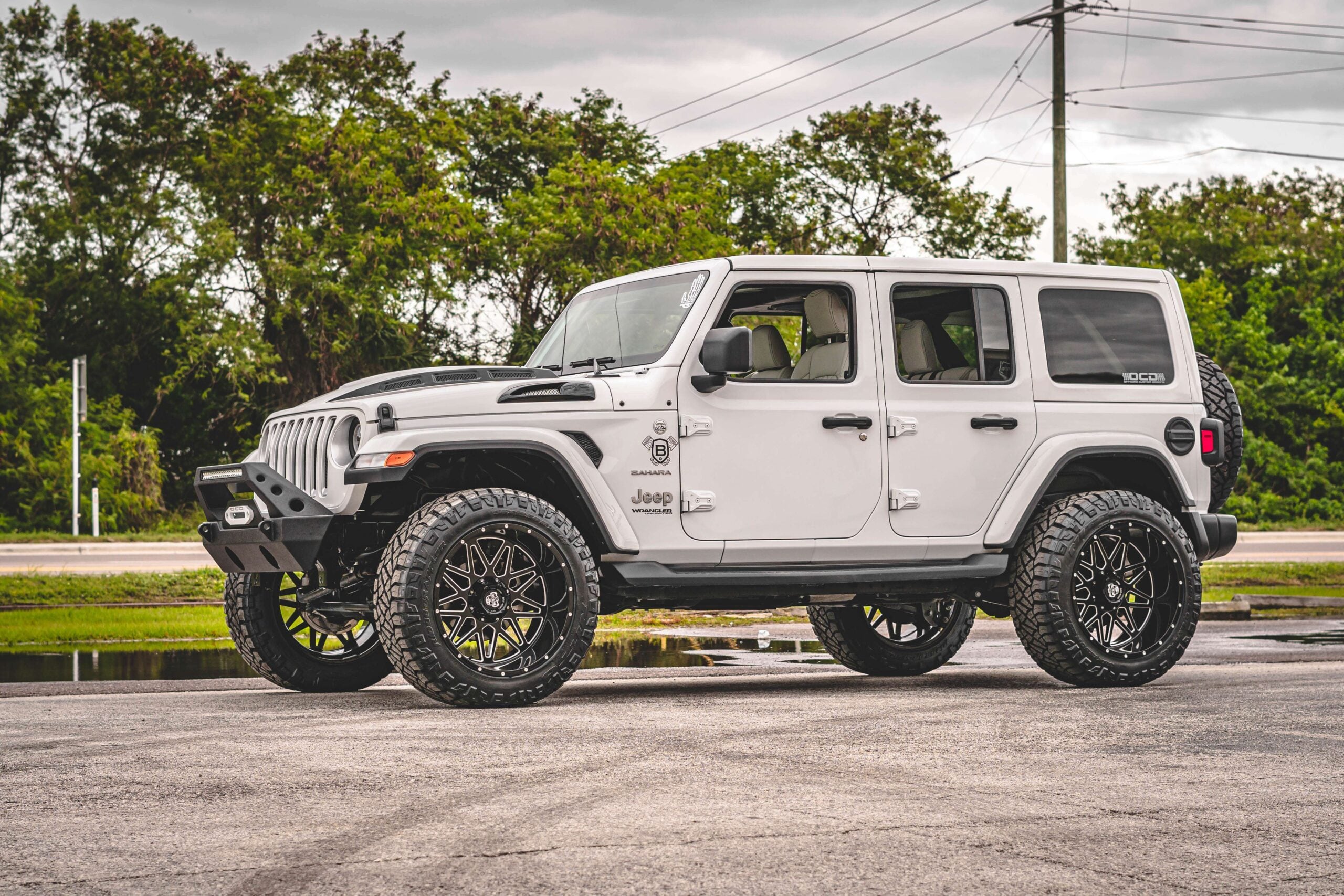
The truck and off-road market is booming, and these vehicles require wheels that can handle serious abuse. Off-road wheels are built for maximum durability, with high load ratings to support heavy trucks and rugged terrain. They feature aggressive designs, deep lips, and finishes that can withstand mud, rocks, and harsh conditions. Distributors often carry a wide range of sizes and bolt patterns to fit everything from leveled daily drivers to fully built trail rigs. Brands like XF Offroad and Vortek Offroad are designed specifically for this audience. Many distributors also offer original equipment manufacturer (OEM) wheels for trucks, giving you options for every type of truck owner.
Why Partner With a Wheel Wholesale Distributor?
Choosing a wheel distributor is more than just a supply chain decision; it’s a strategic partnership that directly impacts your shop’s profitability, efficiency, and reputation. The right distributor acts as an extension of your team, providing the inventory, pricing, and support you need to serve your customers and grow your business. When you find a partner who understands your goals, you spend less time chasing down inventory and dealing with logistical headaches, and more time building customer relationships and closing sales.
A great distributor doesn’t just sell you wheels. They provide a framework for success, offering a curated portfolio of brands that resonate with your target market. They invest in technology to make ordering simple and have a logistics network designed to get you products quickly and affordably. This partnership allows you to operate with the confidence that you can deliver on your promises to customers, backed by a reliable source for the products you need. It’s about building a relationship that helps you compete effectively and protect your margins in a crowded market.
Get Competitive Pricing and MAP Protection
Smart business isn’t just about finding the lowest price—it’s about securing pricing that allows for healthy, sustainable profit. A top-tier distributor provides competitive dealer pricing that lets you make money on every sale. More importantly, they protect your margins by enforcing a Minimum Advertised Price (MAP) policy. MAP policies prevent online discounters from undercutting your prices, ensuring a level playing field and preserving the value of the brands you sell. This allows you to sell confidently, knowing your investment in inventory won’t be devalued by a price war you can’t win.
Get Deep Inventory and Fast Fulfillment
Nothing loses a sale faster than telling a customer the wheels they want are on backorder. Partnering with a distributor that maintains deep inventory is critical for your shop’s success. The best distributors have strategically located warehouses stocked with a wide range of styles and sizes, ensuring the products you need are available when you need them. This allows you to fulfill customer orders quickly and reliably, which builds trust and encourages repeat business. Fast fulfillment reduces wait times, improves your service reputation, and helps you turn your inventory more efficiently.
Get Marketing and Brand Support
You’re an expert at running your shop, not necessarily a marketing guru. A supportive distributor understands this and provides valuable brand assets to help you sell. This can include high-resolution product photography, detailed fitment guides, social media content, and compelling brand stories that connect with customers. This support saves you time and resources, allowing you to create professional-looking marketing materials that drive interest and sales. It’s a partnership where your distributor’s success is tied to yours, so they invest in tools that help you move their products effectively.
Get Expert Fitment and Customer Support
Wheel fitment can be complex, and mistakes are costly. A reliable distributor provides more than just a catalog; they offer expert technical support to ensure you get the right fitment every time. Having a knowledgeable sales rep you can call with questions about offsets, bolt patterns, and brake clearance is invaluable. This expertise helps you reduce costly returns, save time, and give your customers accurate information with confidence. Strong customer service and clear return policies are the backbone of a great distributor relationship, giving you peace of mind with every order.
How to Choose the Right Wheel Wholesale Distributor
Finding the right wheel distributor is about more than just sourcing parts; it’s about building a partnership that helps your business grow. A great distributor acts as an extension of your team, providing the inventory, support, and reliability you need to keep your customers happy and your bays full. But with so many options out there, how do you know which one is the right fit for your shop?
It comes down to looking at a few key areas that directly impact your day-to-day operations and long-term profitability. Think about their product selection, how quickly they can get wheels to your door, how easy they are to work with, and how their pricing structure protects your margins. Vetting a potential partner on these points will help you find a distributor that truly understands your needs and is invested in your success. Let’s break down what to look for.
Review Their Brand and Product Lineup
First, take a close look at the brands and types of wheels a distributor carries. Your goal is to find a partner whose inventory aligns with your customer base. Do you primarily serve truck and off-road enthusiasts, luxury vehicle owners, or daily drivers looking for an upgrade? A distributor with a diversified portfolio allows you to confidently sell across different vehicle types and price points.
Look for a distributor that offers a mix of styles, from performance and luxury to off-road and OE replacements. A strong product assortment means you can say “yes” to more customers without having to manage relationships with dozens of suppliers. Also, ask if their brands are protected by strict MAP policies. This ensures you aren’t forced into price wars, which helps maintain healthy margins on every sale.
Check Geographic Coverage and Warehouse Locations
Where a distributor ships from is just as important as what they ship. A supplier with multiple warehouses strategically located across the country can offer faster fulfillment and lower freight costs. This is a major advantage that helps you close more sales and reduce the risk of losing a customer due to long wait times or backorders.
Before committing to a partner, ask about their distribution network. A distributor with a strong geographic footprint can often get wheels to you in just a day or two, which is a huge selling point for your customers. This logistical advantage means you can carry less inventory on-site while still having reliable access to a deep well of products, improving your inventory turnover and cash flow.
Review Their Technology and Ordering Systems
In a busy shop, you don’t have time to deal with clunky, outdated ordering systems. The right distributor should invest in technology that makes your job easier. Look for a partner with a user-friendly online portal where you can check real-time inventory, access fitment data, and place orders 24/7. This puts you in control and helps you give customers accurate information on the spot.
A modern B2B platform should be intuitive and reliable, reducing the chance of ordering errors and saving you valuable time. For larger operations, some distributors even offer technical options like API integrations that can connect directly with your own systems. Ultimately, their technology should feel like a tool that supports your workflow, not an obstacle you have to work around.
Understand Their Pricing and MAP Policies
While competitive pricing is obviously important, choosing a distributor isn’t just about chasing the lowest sticker price. You need to evaluate the overall value they provide. A key part of this is understanding their pricing structure and, most importantly, their stance on Minimum Advertised Price (MAP) policies.
A distributor committed to MAP enforcement protects your profitability by preventing undercutting from online-only retailers. This creates a level playing field and ensures the brands you sell retain their value over the long term. Ask potential distributors how they handle MAP violations and whether they sell directly to consumers. A true dealer-first partner will prioritize your success and never compete against you for the same customers.
What Are the Potential Challenges?
Partnering with a wholesale distributor can solve a lot of problems for your shop, but it’s smart to go in with a clear view of the industry landscape. Every business faces hurdles, and the automotive aftermarket is no exception. Understanding these common challenges will help you ask the right questions and choose a partner who is equipped to handle them, ensuring your business stays on track. A reliable distributor doesn’t just sell you wheels; they help you anticipate and manage these issues before they impact your bottom line.
Dealing with Inventory and Supply Chain
The automotive supply chain can be unpredictable. Volatility in the price of raw materials like rubber and oil can directly influence production costs, which in turn affects wholesale pricing and inventory levels. When a distributor’s supply chain is disrupted, it can lead to backorders and long lead times for your shop, potentially costing you sales. That’s why it’s critical to partner with a distributor who maintains deep inventory across multiple warehouses. This strategy provides a buffer against supply chain volatility and ensures you can get the products your customers want, when they want them.
Keeping Up with Market Changes
Customer preferences are always evolving. One year, it might be all about aggressive off-road wheels; the next, sleek designs for electric vehicles could be in high demand. This constant shift presents one of the biggest challenges for aftermarket distributors: keeping the right product mix on the shelves. A good distributor stays ahead of trends and manages their inventory to meet new demands without getting stuck with outdated stock. For your shop, this means you need a partner with a diversified brand portfolio that covers multiple styles and price points, allowing you to adapt quickly and serve a wider range of customers.
Handling Quality Control and Warranties
Nothing damages a shop’s reputation faster than selling a product that fails. Maintaining quality control and managing warranty claims are crucial, yet they can be a significant headache. You need to trust that the wheels you sell are well-made and that if a problem does arise, your distributor will handle it efficiently. A weak warranty process can leave you caught between an unhappy customer and an unhelpful supplier. Before committing to a distributor, always ask about their quality control standards and how they manage warranty claims and returns. A partner with a clear, supportive process is invaluable.
How Do Pricing and Shipping Work?
Once you’ve evaluated a distributor’s brands and service, the next step is to get clear on their pricing and shipping policies. These details directly impact your profit margins and your ability to deliver for your customers. The sticker price on a set of wheels is just one part of the equation. A truly great partner offers transparent pricing structures, flexible credit options, and a logistics network designed to get products to your shop quickly and affordably. Understanding these factors will help you calculate your true cost of goods and choose a distributor that supports your financial health and operational efficiency.
Volume Tiers and Credit Options
Smart wholesale buying isn’t about finding the absolute lowest price per wheel. It’s about finding the best value for your business model. Most distributors offer tiered pricing based on your order volume, rewarding larger or more frequent purchases with better rates. When you first connect with a potential partner, ask how their pricing is structured. Do they have specific programs for high-volume shops or regional jobbers? Beyond the price list, inquire about their credit options. Having access to favorable payment terms can be a game-changer for managing your shop’s cash flow, allowing you to stock inventory without tying up all your capital. A good partner will work with you to establish business credit and create a sustainable purchasing plan.
Shipping Logistics and Delivery Speed
In the wheel business, speed is everything. When a customer is ready to buy, they don’t want to wait weeks for their order to arrive. This is where a distributor’s logistics network becomes critical. A supplier with multiple distribution centers strategically located across the country can deliver products much faster than one operating from a single warehouse. This geographic advantage not only reduces transit times but also lowers the risk of delays. Before committing to a distributor, ask about their warehouse locations and typical delivery times to your area. A reliable partner will provide accurate fulfillment estimates and real-time inventory visibility, ensuring you can set clear expectations with your customers and close sales confidently.
Freight Costs and Order Fulfillment
Freight is a significant operational cost, and it’s important to understand how a distributor handles it. Some offer free shipping, while others use flat-rate or LTL (Less Than Truckload) freight for pallet-sized orders. Be sure to clarify these policies upfront to avoid surprises on your invoice. A lower wheel price can easily be offset by high shipping fees. Equally important is order fulfillment accuracy. Receiving the wrong size, bolt pattern, or finish creates frustrating delays and costly returns. Look for a partner with a proven track record of accuracy and a straightforward process for handling any errors. Some distributors also offer drop-shipping services, allowing you to sell a wider variety of wheels without holding the physical inventory.
How to Become an Authorized Dealer
Partnering with a wholesale distributor is more than just a transaction—it’s a strategic relationship that can shape the future of your business. The right distributor acts as an extension of your team, providing the inventory, pricing, and support you need to grow. The process of becoming an authorized dealer is designed to be straightforward, ensuring that both you and the distributor are set up for a successful, long-term partnership that helps you serve your customers better and increase your profits.
Most distributors are looking for legitimate, established automotive businesses that are serious about selling wheels. On your end, you should be looking for a partner who is equally invested in your success. This means finding a distributor that offers not just great products, but also reliable support, protected margins, and a clear path to profitability. The first step is usually a simple application, which kicks off a qualification process to make sure the partnership is a good fit for everyone involved. From there, it’s all about understanding the terms, building a strong connection, and working together to sell more wheels. This isn’t just about getting access to inventory; it’s about gaining a partner who understands the market and is committed to helping you succeed in it.
Walking Through the Application Process
Getting started as an authorized dealer typically begins with an online application. Distributors need to verify that you are a legitimate business, so be prepared to provide your business license, tax ID or resale certificate, and photos of your storefront or shop. This process helps them protect their existing dealer network and ensure they are partnering with professional operations. Many distributors streamline this by offering a B2B online platform where you can apply and, once approved, manage your account, view inventory, and place orders. The goal is to make it as easy as possible for qualified shops to get access to the products and pricing they need.
Understanding Partnership Terms and Protections
Once you’re approved, you’ll receive a dealer agreement that outlines the terms of your partnership. Pay close attention to the details, especially regarding pricing structures, payment terms, and MAP (Minimum Advertised Price) policies. A strong MAP policy is crucial because it protects your margins by preventing other dealers from undercutting you online. Some distributors also offer territory protection, which limits the number of authorized dealers in your immediate area. This is a significant advantage, as it ensures you can build a customer base for specific brands without facing oversaturation. Look for a distributor committed to building strong, lasting relationships that prioritize your growth and profitability.
Building a Strong Distributor Relationship
A successful partnership is a two-way street. While the distributor provides products and support, you can strengthen the relationship by maintaining open communication. Treat your sales representative as a key partner. Keep them updated on your business goals, local market trends, and any challenges you’re facing. This feedback helps them serve you better. It’s also beneficial to train your team to adopt a customer-centric approach that focuses on long-term value over quick sales. A distributor who sees you as a true partner is more likely to offer better support, share valuable insights, and work with you to overcome any obstacles that arise.
Frequently Asked Questions
Why is MAP protection so important for my shop’s profits? Think of a Minimum Advertised Price (MAP) policy as a shield for your profit margins. It prevents the brands you sell from being devalued by online discounters who start a race to the bottom on price. When a distributor strictly enforces MAP, it ensures that you can sell wheels based on your expertise and service, not just on having the lowest price. This creates a stable, predictable market where your investment in inventory is protected and you can earn a healthy, sustainable profit on every sale.
How do I choose the right distributor if my shop serves different types of customers? The key is to find a partner with a diversified brand portfolio. You don’t want to be stuck with a distributor that only specializes in one niche, forcing you to find other suppliers for different jobs. Look for a distributor that carries a wide range of styles, from off-road and luxury to performance and OEM replacements. This allows you to use a single, trusted source for nearly any vehicle that comes into your shop, which simplifies your ordering process and strengthens your business relationship.
Can a smaller, independent shop really get competitive pricing from a large distributor? Absolutely. The best distributors are structured to support businesses of all sizes, not just the huge players. They understand that independent shops are the backbone of the industry. Look for a partner that offers tiered pricing based on volume but also values consistent, long-term relationships. A true dealer-first distributor is invested in your growth, because when you sell more wheels, they do too.
What’s the single biggest red flag to watch for when vetting a new wheel distributor? The most significant red flag is a distributor that competes against its own dealers by selling directly to the public. This creates a fundamental conflict of interest. If a supplier is selling the same products to your customers, often at a lower price, they aren’t your partner—they’re your competition. Always clarify a potential distributor’s sales channels to ensure they are 100% committed to their B2B relationships.
Besides price, what’s the most overlooked factor that impacts my shop’s success with a distributor? Logistics and fulfillment speed are often overlooked but are absolutely critical. A great price on a wheel means nothing if it takes two weeks to arrive and you lose the sale in the meantime. A distributor with multiple, strategically located warehouses can get products to your door in just a day or two. This speed is a massive competitive advantage that allows you to close more deals, reduce customer wait times, and operate with less inventory on hand.