
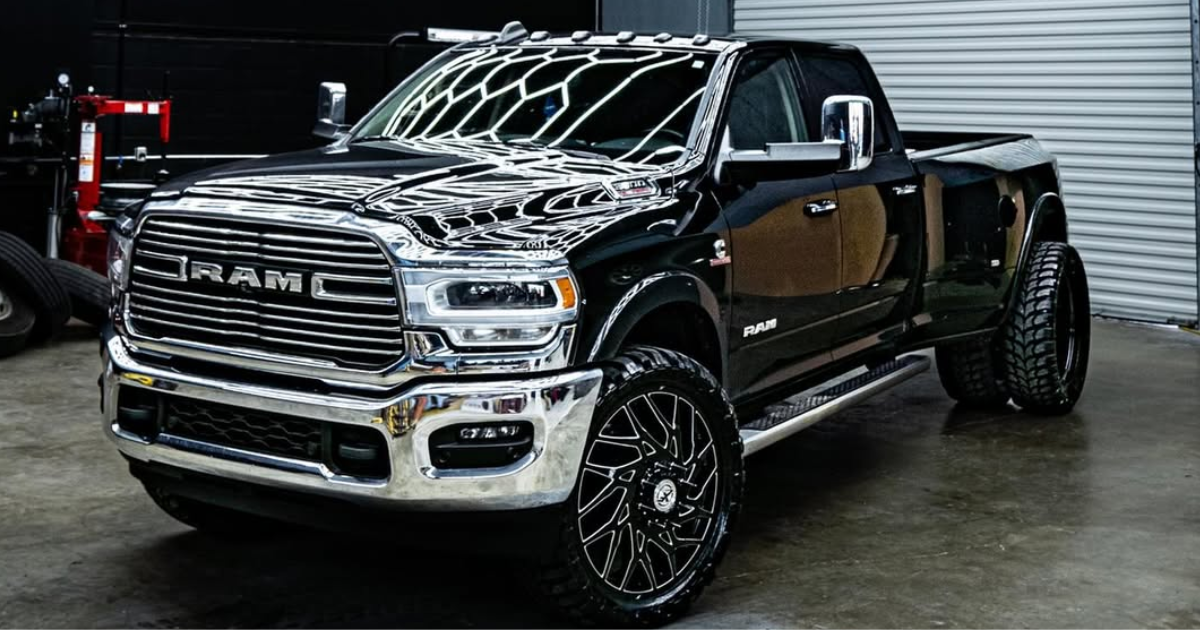
Nothing stings more than watching a customer walk out the door because you don’t have the right wheels in stock. In the world of custom trucks, a sale lost today is rarely recovered tomorrow. Your inventory is your lifeblood, but managing it can feel like a constant battle against backorders, unreliable suppliers, and shrinking margins. The solution isn’t just buying more wheels; it’s about buying smarter. This guide is your deep dive into the world of wholesale truck rims. We’ll break down everything from decoding fitment and verifying quality to finding a distributor who acts like a true partner—one who keeps you stocked, protects your pricing, and helps you close more deals.

Key Takeaways

What Exactly Are Wholesale Truck Rims?

When we talk about “wholesale truck rims,” we’re not talking about a specific type or quality of wheel. Instead, “wholesale” refers to the business model: buying rims directly from a distributor in larger quantities to sell in your own shop. It’s how you stock your inventory and get the products your customers are looking for. This model gives you access to better pricing, a wider selection of brands, and a direct line to the inventory you need to keep your business running smoothly.

Think of a wholesale distributor as your strategic partner. A good one provides more than just parts; they offer fitment expertise, reliable stock levels, and fast shipping that helps you close more sales. They are an extension of your business, helping you manage inventory and meet customer demand without the headache of sourcing from dozens of different manufacturers. The key is to understand that quality isn’t determined by the wholesale model itself, but by the distributor you choose and the brands they carry. A great distributor vets their brands, ensuring you get reliable products that won’t lead to comebacks or damage your shop’s reputation.

Steel vs. Aluminum: What’s the Difference?

Choosing between steel and aluminum rims comes down to your customer’s priorities: budget, performance, and use case. Steel wheels are the workhorses of the industry. They’re tough, durable, and significantly less expensive, making them a perfect choice for heavy-duty work trucks, fleet vehicles, and budget-conscious customers looking for a reliable OE replacement. Their downside is their weight, which can slightly impact fuel economy and handling.

On the other hand, aluminum alloy wheels offer a major upgrade in performance and aesthetics. They are much lighter, which reduces unsprung mass and can lead to improved fuel economy, sharper handling, and better braking. Aluminum also dissipates heat more effectively, which can extend the life of brakes and tires. For customers with performance trucks, luxury builds, or anyone wanting to make a visual statement, aluminum is the way to go.

Decoding Size and Fitment

Getting the size and fitment right is non-negotiable. It ensures safety, performance, and a happy customer who won’t be back for a return. The two primary measurements are diameter and width, typically expressed in inches (e.g., 20×9). Truck rims come in a massive range of sizes, with diameters from 15 to over 26 inches to fit everything from stock pickups to heavily modified show trucks.

Beyond the basic dimensions, you need to master bolt pattern, offset, and backspacing to guarantee a perfect fit. An incorrect offset can cause the tire to rub against the suspension or fender, leading to damage and unsafe driving conditions. Always use a reliable fitment guide or consult directly with your distributor to confirm compatibility for each specific vehicle. Nailing the fitment the first time saves you time, protects your reputation, and keeps your installation bays running efficiently.

Mythbusting: The Truth About Wholesale Quality

There’s a common myth that “wholesale” is just another word for “cheap” or “low quality.” That couldn’t be further from the truth. Wholesale is simply a distribution channel, and the quality of the rims depends entirely on the manufacturer and the brands your supplier carries. Reputable distributors don’t just move boxes; they curate a portfolio of brands that are engineered, tested, and built to last. They focus on brand-driven solutions that you can sell with confidence.

The difference lies in working with a partner who invests in quality control versus a generic supplier moving unbranded products. A dedicated distributor provides consistent products, honors warranties, and enforces MAP pricing to protect your margins. Don’t confuse the purchasing model with the product’s integrity. High-quality, premium, and even forged wheels are all available through wholesale channels—you just have to choose the right supplier.

What Types of Wholesale Truck Rims Can You Get?

Stocking the right inventory is all about knowing your customer. From the daily driver needing a simple replacement to the enthusiast building a show truck, your customers have different needs, and the wholesale market has a wheel for every one of them. Understanding the main categories of truck rims helps you build a well-rounded selection that serves a wider audience and keeps sales rolling in. By diversifying your offerings across these key segments, you can become the go-to source for any truck owner who walks through your doors.

Performance and Racing

The demand for truck wheels that do more than just look good is growing fast. Performance-oriented wheels are engineered to improve handling, reduce unsprung weight, and enhance overall vehicle dynamics. The truck wheel market is seeing a major trend toward wheels that offer both aesthetic and functional upgrades. These rims are typically made from lightweight alloys and feature designs that can improve brake cooling and vehicle responsiveness. For your customers who use their trucks for more than just commuting—whether for towing, hauling, or spirited driving—offering a selection of performance wheels gives them a tangible upgrade they can feel on the road.

Off-Road and Heavy-Duty

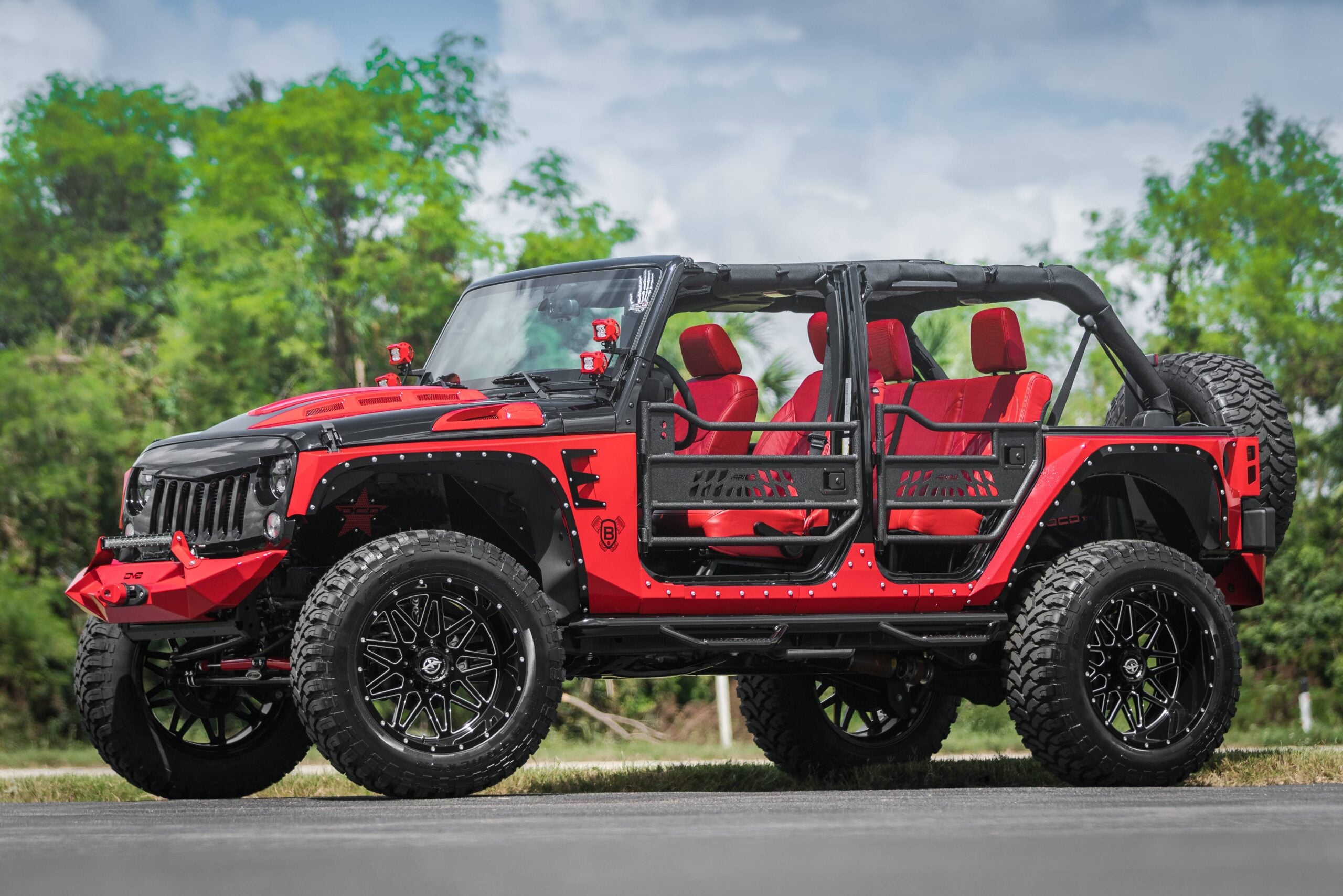
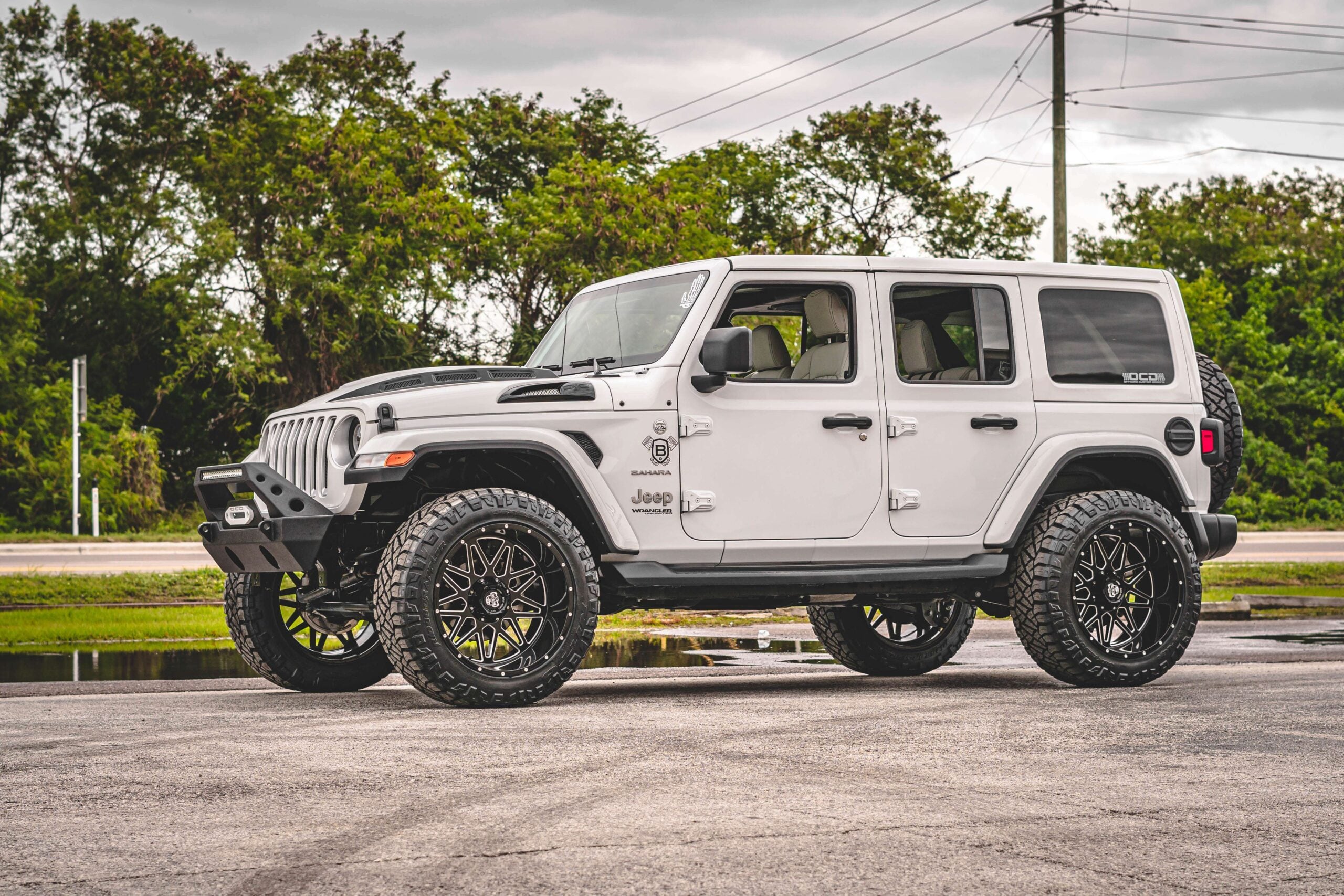
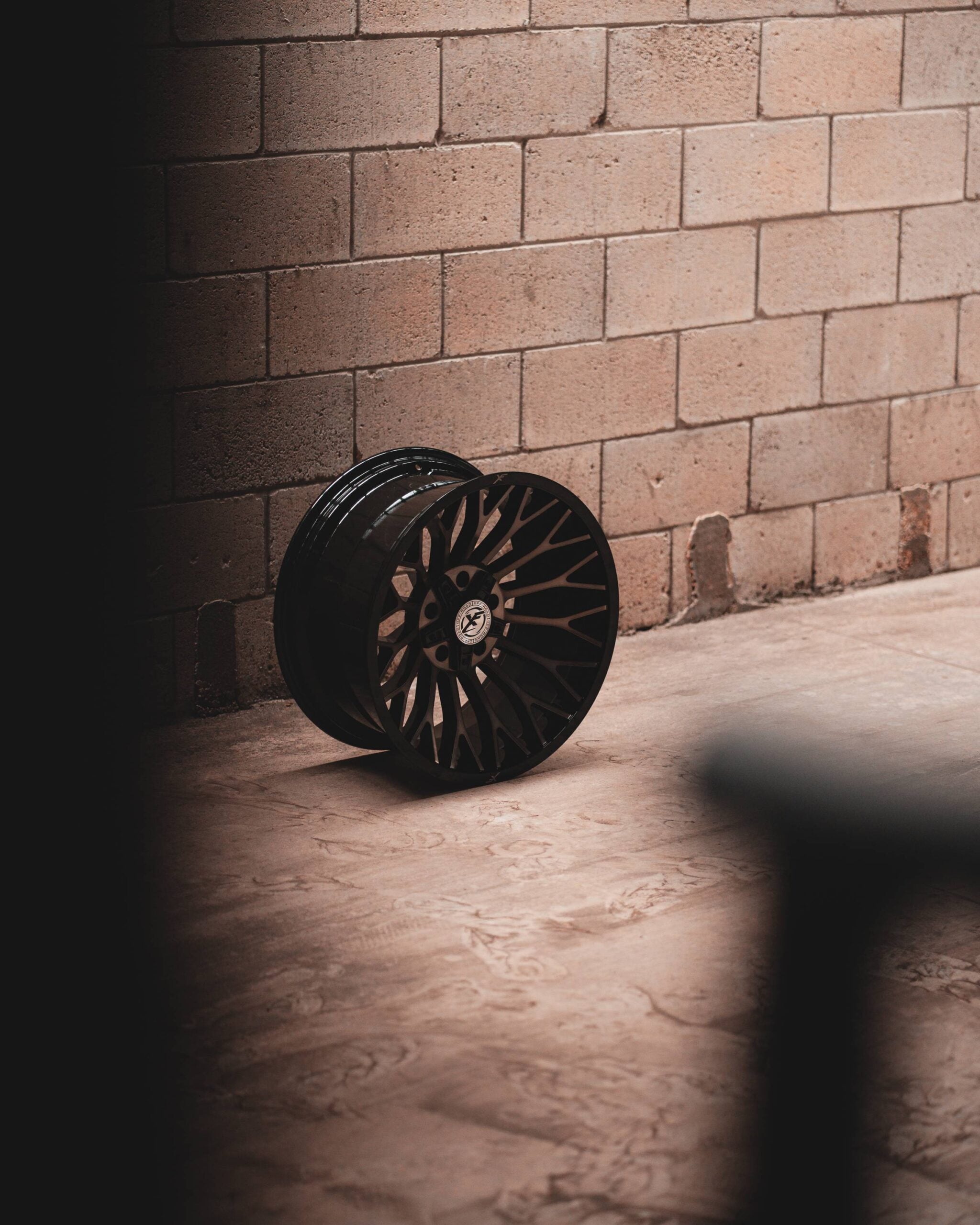
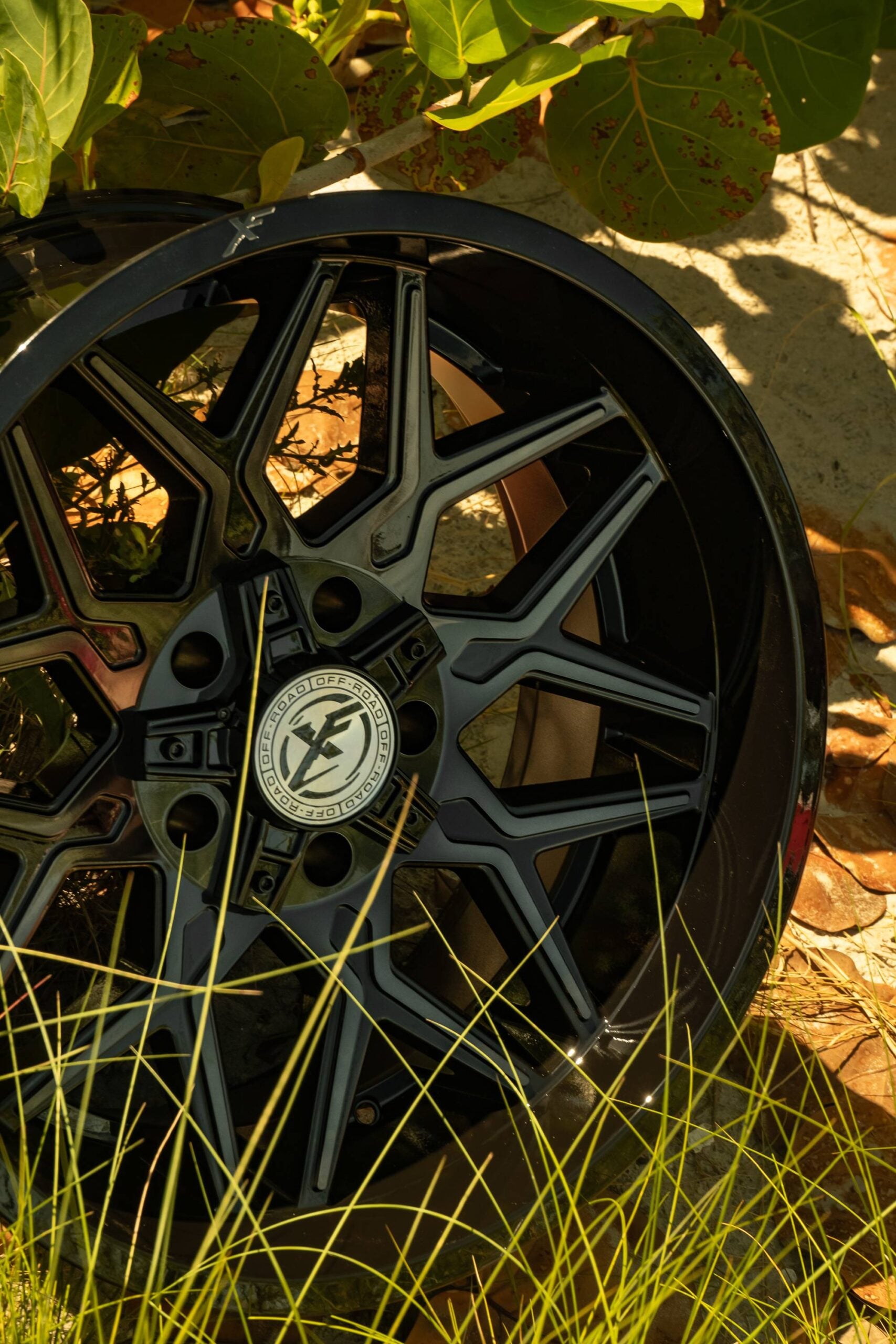
For a huge portion of truck owners, durability and rugged style are non-negotiable. Off-road and heavy-duty wheels are built to withstand the toughest conditions, from rocky trails to demanding job sites. These rims are characterized by their robust construction, higher load ratings, and aggressive designs. Features like deep lips, simulated beadlocks, and tough finishes are common. Customers often look for popular wheel brands known for their off-road credibility because they want assurance that their investment can handle abuse. Stocking brands like XF Offroad or Vortek Offroad lets you confidently sell a wheel that delivers on both looks and strength.

OE Replacement

Not every customer is looking for a custom build. Many just need a reliable, cost-effective solution to replace a damaged or worn-out factory wheel. OE (Original Equipment) replacement wheels are designed to match the vehicle’s original specifications for fit, size, and appearance. This makes them a straightforward, high-volume seller for repair shops and used car dealerships. When you choose wholesale wheels, sourcing from an established supplier is key to ensuring the wheels are dependable and safe. Offering a quality OE replacement line like OE Revolution gives your customers a trustworthy alternative to expensive dealership parts.

Luxury and Forged

At the top of the market, you’ll find luxury and forged wheels. Forged wheels are the pinnacle of strength and performance, prized for their incredible durability and light weight. Because they are typically 20% to 25% lighter than cast wheels, they can noticeably improve a truck’s acceleration, braking, and even fuel efficiency. The wheel market size for luxury and forged options continues to expand as more owners seek to create a truly unique vehicle. These wheels allow for intricate designs and premium finishes, making them perfect for high-end builds and show trucks. Brands like Arvano Luxury and Amani Forged cater to this discerning customer, offering exclusivity and unmatched quality.

How to Choose the Right Wholesale Truck Rims

Choosing the right wholesale truck rims for your inventory goes far beyond just picking what looks good. The best choices balance style with the technical specs that ensure safety, performance, and a perfect fit for your customers’ vehicles. Getting this right means fewer returns, happier customers, and better margins for your shop. When you’re stocking your shelves, focus on four key areas: vehicle compatibility, load rating, offset, and style. Mastering these elements will help you build a reputation as a trusted expert and keep customers coming back.

Nailing Vehicle Fitment and Compatibility

Nothing stops a sale faster than a wheel that doesn’t fit. Before anything else, you have to confirm that the rims are compatible with the specific truck models your customers drive. This means matching the bolt pattern, center bore, and diameter perfectly. The good news is that most aftermarket wheels from established suppliers are designed to be OEM-compatible, which simplifies the process. A reliable distributor will provide detailed fitment guides and expert support, so you can order with confidence and guarantee your customers a seamless installation. This removes the guesswork and ensures the wheels you sell perform exactly as they should.

Matching Load Rating to Your Customer’s Needs

For trucks, load rating isn’t just a suggestion—it’s a critical safety requirement. This number tells you the maximum weight a single wheel can safely support. It’s essential to choose rims with a load rating that meets or exceeds the truck’s Gross Vehicle Weight Rating (GVWR). A rim that can’t handle the vehicle’s weight, especially when hauling or towing, is a serious liability. Always evaluate the load ratings to ensure the rims can handle the demands of your customers’ trucks, whether they’re using them for daily driving or heavy-duty work. This protects your customers and your shop’s reputation.

Getting Offset and Backspacing Right

Offset and backspacing determine exactly where the wheel and tire assembly sits inside the wheel well. Getting these measurements wrong can lead to major problems, like tires rubbing against the fender, suspension components, or brake calipers. Offset and backspacing are critical for proper vehicle handling and alignment. A positive offset tucks the wheel further into the wheel well, while a negative offset pushes it outward for a more aggressive stance. Always consult fitment guides or your supplier to find the correct specifications for each vehicle to avoid costly and frustrating issues for your customers.

Choosing the Perfect Style and Finish

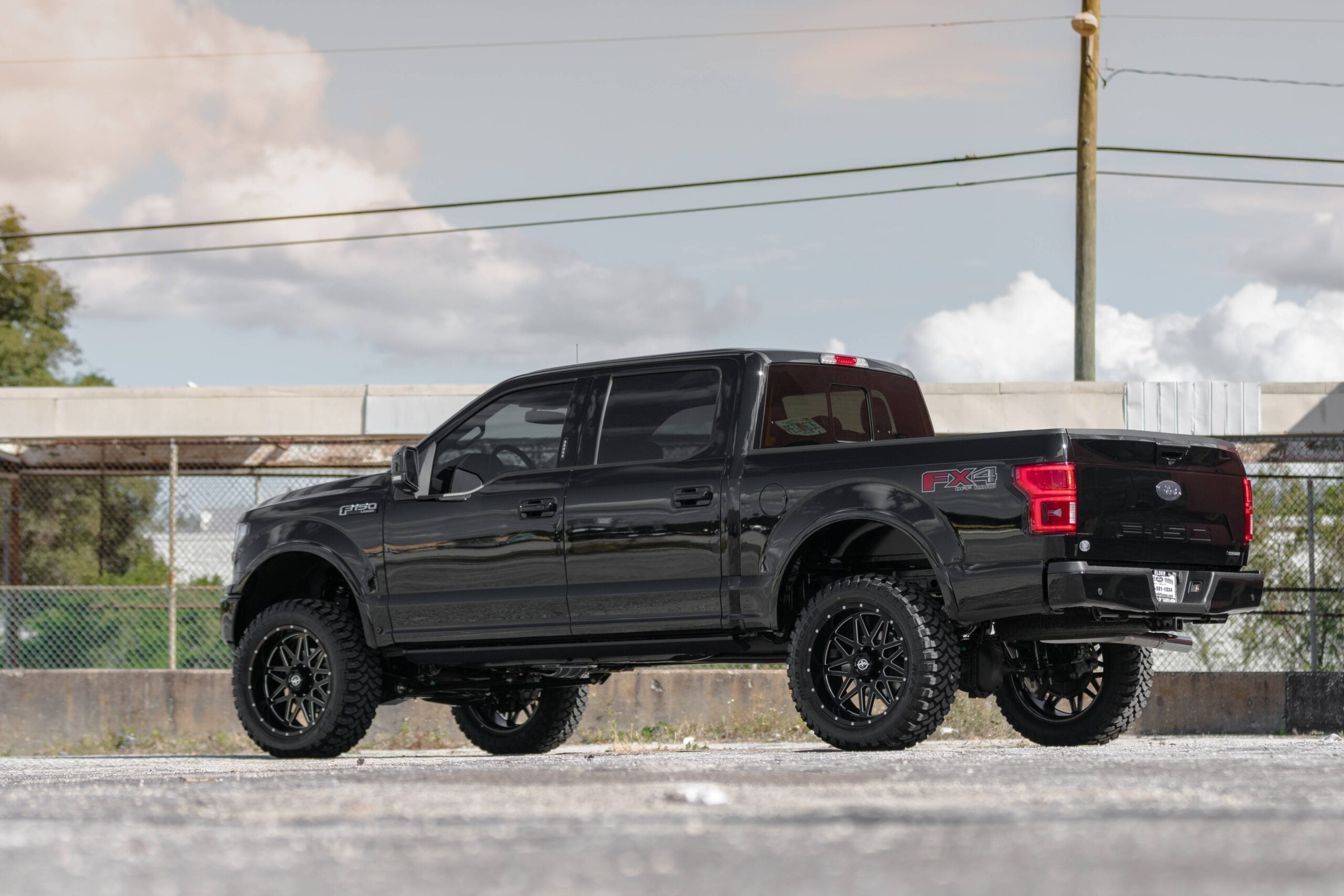
Once you’ve covered the technical requirements, you can focus on the fun part: style. The right design and finish can completely transform a truck’s appearance and are often the biggest factors in a customer’s decision. Offering a variety of styles—from rugged matte black for off-road builds to sleek chrome for luxury trucks—allows you to cater to a wider audience. Emphasizing the unique features and benefits of different finishes can differentiate your products from the competition. Stocking distinct, high-quality designs helps you build a strong inventory that excites customers and drives profitable sales.

Key Specs to Check Before You Buy

Once you’ve narrowed down the style and confirmed fitment, it’s time to look closer at the specs. The details of a wheel’s construction are what separate a great investment from a future headache. Paying attention to material, finish, load rating, and manufacturing quality ensures you’re stocking rims that perform well and keep your customers happy. This isn’t just about making a sale; it’s about building your shop’s reputation for quality and reliability, one set of wheels at a time. A customer might not know the difference between a cast and a forged wheel, but they will definitely know if their new rims start peeling after one winter. By vetting these key specs beforehand, you can confidently stand behind the products you sell, reduce the chance of returns, and build the kind of trust that brings customers back.

Material and Construction Quality

The material of a truck rim directly impacts its weight, strength, and price. While options range from basic steel to exotic carbon fiber, the vast majority of aftermarket truck wheels are made from aluminum alloy. Steel wheels are inexpensive and tough, but their heavy weight can negatively affect handling and fuel economy. Aluminum alloy wheels offer the best balance for most drivers, providing reduced weight, better heat dissipation, and greater design flexibility. For high-end builds, forged aluminum offers an even stronger and lighter wheel. Understanding the different wheel manufacturing processes will help you guide customers to the right choice for their budget and performance needs.

Finish Durability: What to Look For

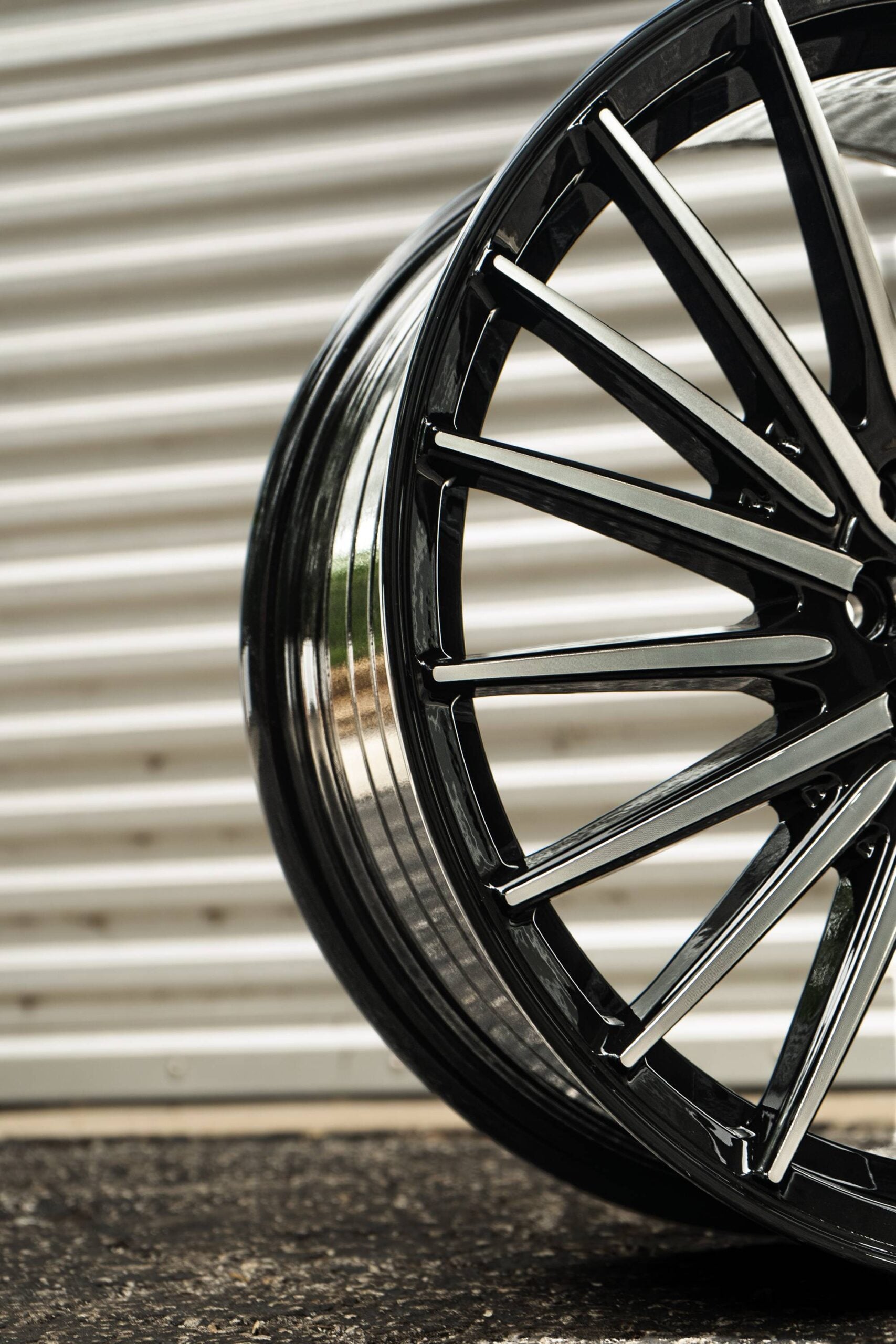
A wheel’s finish does more than just provide its look; it’s the first line of defense against corrosion from road salt, brake dust, and moisture. Common finishes include powder coating, painting, and chrome plating, each with its own maintenance needs and durability characteristics. A quality finish should be thick, even, and free of imperfections like bubbles or thin spots. When inspecting a wheel, check the barrel and behind the spokes for consistent coverage. A durable finish is crucial for customer satisfaction, as it prevents peeling and chipping down the road. Advising your customers on properly caring for their new wheels will also help ensure the finish lasts.

Verifying Load Ratings and Certifications

For any truck, the load rating is a non-negotiable safety specification. This number indicates the maximum weight each wheel can safely support, and it must be appropriate for the vehicle—especially if it’s used for towing or hauling heavy cargo. Always check that the wheel’s load rating meets or exceeds the vehicle’s Gross Vehicle Weight Rating (GVWR) divided by four. Reputable manufacturers test their wheels to meet industry standards, often indicated by certifications like JWL (Japan Light Alloy Wheel standard) or VIA (Vehicle Inspection Association). Selling wheels with verified load ratings protects your customers and your shop by ensuring the product is safe and fit for purpose.

Spotting Signs of Quality Manufacturing

The difference between a good wheel and a great one is often in the details. Look for signs of quality manufacturing, such as clean casting lines, smooth machining in the lug nut holes, and a consistent finish throughout the entire wheel, including the barrel. A quality manufacturer is proud of their process and often provides detailed information about how their wheels are made. Emphasizing the unique features and benefits of well-crafted rims can increase customer interest and differentiate your products from the competition. Brands that showcase their commitment to quality, like Amani Forged, give you a powerful story to tell and a product you can sell with complete confidence.

Which Brands Deliver Quality Wholesale Rims?

When you’re stocking your shop, the brand name on the box matters. A lot. Choosing the right brands means fewer customer complaints, easier sales, and better margins for your business. But with so many options out there, how do you separate the reliable performers from the risky bets? It comes down to a mix of curated selection, independent vetting, and listening to what actual truck owners are saying. Common misconceptions around truck rim brands can lead to bad purchases and unhappy customers, so it pays to work with brands that have already earned their reputation. Let’s walk through how to identify brands you can trust.

A Look at the Elite Wheel Portfolio

We’ve built our entire business around a simple idea: provide dealers with a diverse portfolio of high-quality, MAP-protected brands they can sell confidently. We’ve already done the heavy lifting of vetting each brand for quality, style, and market appeal. For off-road enthusiasts, we have XF Offroad and Vortek Offroad, which deliver aggressive styling and rugged durability. If your customers are looking for luxury, Arvano and Cavallo offer sophisticated designs. For ultra-premium forged options, Amani Forged is our flagship. And for reliable, value-focused applications, OE Revolution provides factory-style replacements you can count on. By offering a curated selection, we help you avoid the guesswork and stock your shelves with wheels that are built to perform and designed to sell.

How to Vet Other Reputable Brands

When you’re considering a brand outside of our portfolio, it’s smart to have a vetting process. Start by looking for quality certifications like JWL (Japan Light Alloy Wheel standard) or VIA (Vehicle Inspection Association). These marks indicate that the wheels have passed rigorous testing for durability and safety. Next, research the brand’s history and reputation within the industry. How long have they been around? What do other shops say about them? Remember, sourcing from trusted distributors is also a key part of the equation, as a good partner will only carry brands that meet high standards for materials and construction, ensuring you get durable products that protect your shop’s reputation.

Using Customer Feedback to Judge Quality

Sometimes, the best measure of a brand’s quality is what real-world customers are saying. Spend some time on truck forums, in Facebook groups, and on Instagram looking at builds that feature the wheels you’re considering. Are people happy with the finish after a year? How do they hold up to off-road use? This feedback is invaluable. It also helps you gauge a brand’s style. As one expert notes, if your customers aren’t focused on a specific aesthetic, they should probably avoid a directional wheel. Paying attention to these conversations helps you understand not just the durability of a wheel, but whether its style will actually resonate with your target audience.

Understanding Wholesale Truck Rim Pricing

When it comes to wholesale truck rims, the price tag is just one part of the equation. The real goal is to secure inventory that not only sells but also protects your profitability. Understanding what drives wholesale pricing helps you make smarter purchasing decisions, build a better inventory, and ultimately, grow your shop’s bottom line. The truck wheel market is growing fast, and knowing the ins and outs of pricing is what separates the most successful dealers from the rest. Let’s break down the key factors that influence cost, so you can buy with confidence and maximize your margins on every sale.

How Material and Style Affect Price

The two biggest drivers of a wheel’s cost are what it’s made of and how it’s made. Basic steel wheels are the most affordable option, but most of the market is in aluminum alloy. Within aluminum, you have cast wheels, which are common and cost-effective, and forged wheels, which are lighter, stronger, and carry a premium price. More complex wheel construction methods and materials will always command a higher price.

Beyond the raw material, the design itself plays a huge role. A simple, classic five-spoke design is less expensive to produce than a multi-piece wheel with intricate details and a custom two-tone finish. Larger diameters and wider widths also require more material and more complex engineering, which naturally increases the cost.

The Benefits of Buying in Bulk

Buying wholesale is all about leverage. Purchasing in larger quantities can be a game-changer for your shop, allowing you to maximize profits and offer competitive pricing. Distributors often provide volume discounts, which directly lowers your cost per unit. It also reduces your per-unit shipping costs, adding even more to your margin.

Beyond the direct savings, having popular SKUs in stock means you can say “yes” to a customer and close the deal on the spot, rather than risking them walking away while you wait for a special order. A good distributor partner can help you identify best-sellers and build a pallet order that moves quickly, improving your inventory management and cash flow.

Why MAP Pricing Protects Your Margins

Have you ever been undercut by a massive online retailer selling the same product for less than your cost? That’s where MAP pricing comes in. MAP, or Minimum Advertised Price, is a policy set by the manufacturer that prevents retailers from advertising a product below a certain price. For your shop, this is a critical protection.

When a distributor enforces a strict MAP policy, it levels the playing field. It ensures that you can sell confidently, knowing that you won’t be forced into a price war that erodes your profits. This policy protects the brand’s value and, more importantly, your margins, allowing you to focus on service and expertise instead of just price.

How to Find a Reliable Wholesale Supplier

Finding the right partner is just as important as finding the right product. A great supplier relationship can make or break your shop’s profitability and reputation. It’s about more than just price; it’s about reliability, support, and having a partner who is invested in your success. Let’s walk through what to look for.

Distributor vs. Direct: Which Is Better for Your Shop?

When sourcing rims, you can go directly to a manufacturer or work with a distributor. For most independent shops, a distributor is the smarter choice. Distributors offer a curated selection of brands, sizes, and finishes from multiple manufacturers, all in one place. This simplifies your ordering process and gives you access to a wider inventory without having to manage dozens of different accounts. A good distributor focuses on providing brand-driven, engineered-fit solutions through their retail partners—not competing with them by selling directly to consumers. They act as your inventory partner, giving you access to deep stock without the overhead.

What You’ll Need for a B2B Account

Setting up a wholesale account is usually straightforward. Most suppliers will ask for a copy of your business license or reseller’s permit and your federal Tax ID number (EIN). This paperwork verifies that you’re a legitimate business and allows you to make tax-exempt purchases for resale. But remember, this process is a two-way street. While you’re providing your credentials, you should also be vetting the supplier. One of the biggest mistakes retailers make is failing to thoroughly research their wholesale supplier. Do they answer the phone? Are their policies clear? Do they have a good reputation? A reliable partner will be transparent and easy to work with from day one.

The Advantage of a Strong Distribution Network

Where your supplier’s inventory is located matters. A distributor with a single warehouse on the other side of the country can mean long lead times and high freight costs, which can kill a sale. In an industry that has faced significant supply chain disruptions, a supplier’s logistics network is their biggest asset—and yours. Look for a distributor with multiple distribution centers strategically placed across the country. This model provides faster, more affordable shipping and ensures higher order fill rates. When you can get the right wheels to your customer in a day or two instead of a week, you reduce the risk of them shopping elsewhere. A strong distribution network means less backorders, fewer lost sales, and more satisfied customers.

Decoding Returns and Warranties

Even the most careful shop will eventually face a return or a warranty claim. It’s just part of the business. What separates a minor inconvenience from a major headache is your supplier’s policies. A transparent and fair process for returns and warranties is a hallmark of a true partner in the industry. Before you commit to a large order, it’s crucial to understand exactly how your distributor handles these situations. Knowing the rules of the game upfront protects your margins, saves you time, and helps you maintain trust with your own customers. Let’s break down what you need to look for.

Understanding the Return Process

Returning wholesale wheels isn’t as simple as taking something back to a retail store. If you get approval to return a set of wheels, you can almost always expect a restocking fee, which is often around 20%. More importantly, the wheels must be in perfect, brand-new condition—unmounted and free of any damage. If a technician has already tried to mount a tire, or if the wheel has been scratched, the supplier will likely reject the return or charge a higher fee. Always get your distributor’s return policy in writing so there are no surprises. A clear, upfront process is a sign you’re working with a professional outfit that values your partnership.

What to Look for in a Warranty

A good warranty is more than just a piece of paper; it’s a manufacturer’s promise that they stand behind their product. When you’re evaluating a wheel brand, look for a warranty that covers both structural integrity and finish defects. A lifetime structural warranty is the gold standard, while a one- or two-year warranty on the finish is common. Pay close attention to the exclusions—warranties typically don’t cover damage from potholes, curb rash, or using the wrong cleaning chemicals. A great distributor will not only carry brands with strong warranties but will also help you process a claim if a legitimate issue arises, acting as your advocate with the manufacturer.

How Quality Assurance Protects You

The best way to deal with returns and warranties is to avoid them altogether. This starts with choosing wheels from brands that prioritize quality assurance. Reputable manufacturers invest heavily in engineering and testing to ensure their wheels meet or exceed industry standards for load rating and durability. Look for certifications like JWL (Japan Light Alloy Wheel) or VIA (Vehicle Inspection Association) as proof of quality. When your distributor partners with brands that have a proven track record, it saves you the trouble of vetting every single product. This commitment to quality protects your reputation and leads to happier customers who come back for their next set of wheels.

How to Avoid Common Purchasing Mistakes

Buying wholesale truck rims should be a straightforward process that adds to your bottom line, not a source of frustration. Yet, a few common missteps can lead to costly returns, unhappy customers, and wasted time. The good news is that these mistakes are easy to avoid with a little bit of foresight. By focusing on quality verification, precise fitment, and spotting supplier red flags, you can build a reliable inventory that keeps your customers coming back for more.

Simple Steps to Verify Quality

One of the biggest mistakes a shop can make is failing to properly vet a wholesale supplier. Before placing a large order, take a moment to dig into their quality standards. Ask about their manufacturing process and what kind of quality control they have in place. Reputable suppliers will be transparent about their testing and will often have certifications like JWL or VIA to back up their claims. Don’t be swayed by slick marketing alone; look for detailed product specifications and engineering data. If you’re trying a new distributor, consider placing a small initial order to see the product quality and service for yourself before committing to a larger inventory.

Double-Checking Fitment to Avoid Returns

Nothing eats into profits faster than a return due to incorrect fitment. To prevent this, make double-checking every spec a non-negotiable part of your ordering process. Use a trusted wheel fitment guide and confirm the bolt pattern, offset, and center bore for the specific vehicle you’re working on. It’s also crucial to ask your customer if their truck has any modifications, like a lift kit or aftermarket brakes, as this can dramatically change fitment requirements. A reliable distributor will have knowledgeable fitment specialists on hand to answer your questions. A five-minute phone call is always better than dealing with a return and an unhappy customer.

Red Flags to Watch for in a Supplier

A great supplier relationship is built on trust and reliability, so it’s important to know the warning signs of a partnership that might cause problems down the road. Be cautious of distributors who provide vague product descriptions without clear technical specs or load ratings. Another major red flag is inconsistent inventory; if a supplier is constantly out of stock, they can’t be a dependable partner for your business. Also, pay close attention to their pricing policies. A supplier without a strict MAP policy isn’t protecting your margins from online discounters. Ultimately, if a supplier is difficult to communicate with from the start, it’s a good indicator of the support you’ll receive later.

Installation and Maintenance: A Quick Guide

Once you’ve sourced the perfect set of wholesale truck rims, the job is only half done. Proper installation and ongoing maintenance are what ensure your customers drive away happy and stay that way for years to come. Getting this part right protects their investment, enhances vehicle safety, and builds your shop’s reputation for quality work. Here’s a quick guide to help you and your customers keep those new rims looking and performing their best.

Why Professional Installation Matters

While some customers might be tempted by a DIY approach, professional installation is non-negotiable for safety and performance. It’s about more than just bolting on a wheel; it’s a technical process that sets the stage for a safe and efficient driving experience. A professional technician ensures the wheels are properly balanced to prevent vibrations, correctly aligned to avoid uneven tire wear, and mounted with precision. This not only improves the vehicle’s handling and ride quality but also contributes to better fuel efficiency and extends the life of both the tires and the rims. It’s a critical final step that guarantees the wheels perform as designed.

Simple Maintenance for a Longer Rim Life

You can help your customers protect their investment by sharing a few simple maintenance tips. The most important one is routine cleaning. Brake dust, road salt, and grime are highly corrosive and can ruin a rim’s finish over time if left unchecked. Recommend a gentle, pH-neutral wheel cleaner and a soft brush. It’s also a great idea to advise them to check their tire pressure regularly. Underinflated tires can cause uneven wear and put extra stress on the rims. A little bit of regular maintenance goes a long way in keeping wheels in pristine condition.

Common Installation Mistakes to Avoid

Even experienced technicians can make mistakes, but a few common errors are particularly damaging. One of the biggest is failing to properly align the wheels after mounting a new set of rims. This can lead to immediate handling problems and accelerated tire wear, resulting in an unhappy customer. Another critical mistake is neglecting to torque the lug nuts to the vehicle manufacturer’s exact specifications. Over-tightening can damage the wheel or studs, while under-tightening is a major safety hazard that could cause a wheel to detach. Always use a calibrated torque wrench and follow the recommended specs.

Frequently Asked Questions

My customer wants their truck to have a more “aggressive” stance. What spec should I be looking at? You’ll want to focus on the wheel’s offset. Offset determines how far the wheel’s mounting surface is from its centerline, which controls where the wheel sits inside the fender. A negative offset pushes the wheel further out, creating that wider, more aggressive stance many truck owners are looking for. Just be sure to use a fitment guide to confirm how much negative offset the specific truck can handle without causing the tires to rub against the fenders.

Besides size, what is the single most important spec I should never overlook? That would absolutely be the load rating. For any truck, especially one that will be used for towing or hauling, the load rating is a critical safety feature. It tells you the maximum weight each wheel can safely support. Selling a wheel with an inadequate load rating is a serious liability for your shop and a danger to your customer. Always make sure the wheel’s load rating meets or exceeds the truck’s requirements.

How does a distributor having multiple warehouses actually help my shop? It’s all about speed and reliability. When your supplier has warehouses strategically located across the country, it means your orders ship from a closer location. This drastically cuts down on shipping time and freight costs. It’s the difference between getting a customer’s wheels in one or two days versus waiting a week, which can be the deciding factor in closing a sale before they look elsewhere.

What’s the real story with MAP pricing? Is it actually beneficial for me? Yes, it’s one of the best protections for your shop’s profitability. A strict MAP (Minimum Advertised Price) policy prevents huge online retailers from undercutting your price and starting a race to the bottom. It creates a level playing field, ensuring that you can maintain healthy margins on the products you sell. This allows you to compete based on your expertise and service instead of being forced into a price war you can’t win.

Realistically, what happens if I need to return a set of wheels? The most important thing to know is that returns are only accepted if the wheels are in perfect, unmounted condition. If a tire has been mounted, even for a test fit, the return will almost certainly be rejected. If the return is approved, you should also expect to pay a restocking fee, which typically covers the supplier’s cost of inspecting and repackaging the product. Always get the specific policy in writing before you order.

Leave a Reply

Your email address will not be published. Required fields are marked *

SEARCH ELITE