
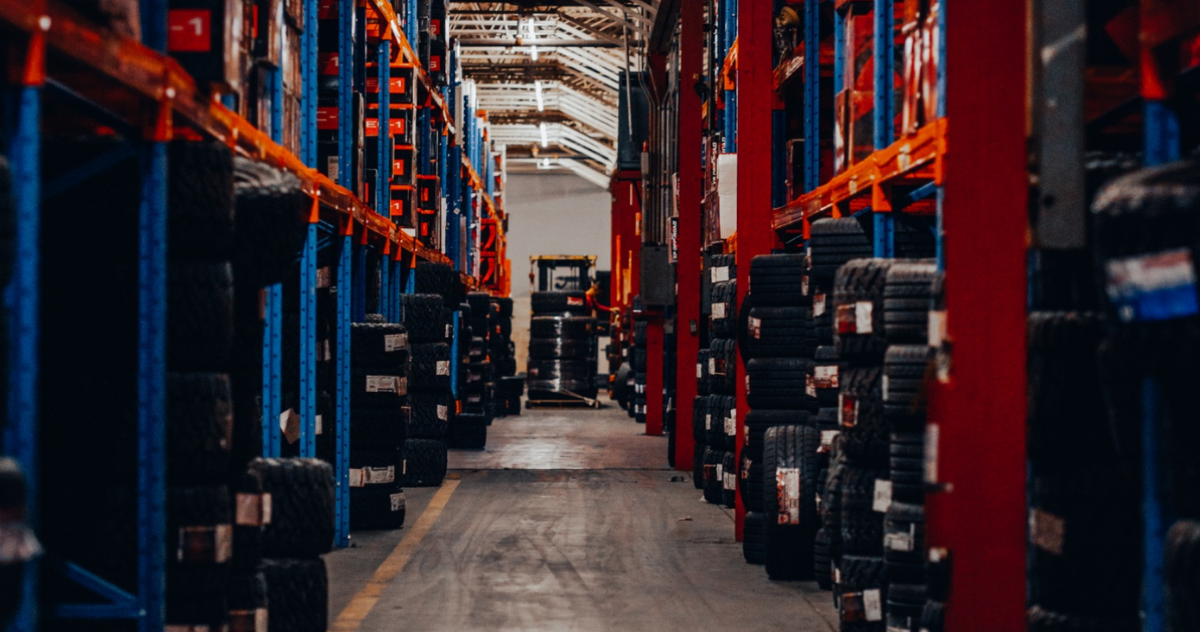
Your showroom floor has limited space, and tying up cash in slow-moving inventory is a risk you can’t afford to take. Yet, you still need access to a deep and diverse selection of wheels to meet customer demand. This is the core challenge of inventory management. The solution lies in your supplier’s logistics. Partnering with a distributor who offers a vast selection of wholesale rims for dealers from multiple, strategically located warehouses is a game-changer. It allows you to operate with a leaner on-site inventory, reduce freight costs, and get products to your customers faster. This guide explains how to analyze a supplier’s distribution network to build a more efficient operation.
Key Takeaways
- Prioritize Partners Who Protect Your Profits: A great distributor does more than ship wheels—they enforce strict MAP policies to secure your margins, provide expert fitment support to prevent costly returns, and offer marketing materials to help you close sales faster.
- A Supplier’s Logistics Network is Your Advantage: Don’t overlook the importance of a multi-warehouse distribution system. It directly translates to faster shipping, lower freight costs, and deeper inventory, meaning you can confidently sell products without worrying about backorders.
- Stock Smarter, Not Harder: Focus on a strategic mix of high-demand styles like off-road and luxury wheels, plus reliable OE replacements, and use your supplier’s B2B portal for just-in-time ordering to protect your cash flow.
Why Partner with a Wholesale Rim Distributor?
As a shop owner, your time is best spent helping customers and closing sales, not juggling dozens of supplier accounts. Partnering with a dedicated wholesale rim distributor streamlines your entire operation. Instead of chasing down inventory from multiple sources, you gain a single, reliable partner who understands your business and is invested in your growth. This relationship gives you access to a wide portfolio of brands and styles without the massive upfront cost and risk of buying directly from various manufacturers.
A great distributor does more than just ship boxes; they become an extension of your team. They provide consistent product availability, timely deliveries, and the expert support you need to sell confidently. This allows you to focus on what you do best—running your shop and building relationships with your customers. Think of it as a strategic partnership that handles the complex logistics of sourcing so you can concentrate on sales and service. By offloading inventory management and fulfillment to a trusted expert, you free up capital and resources to invest back into your business.
A Look at Available Rim Styles
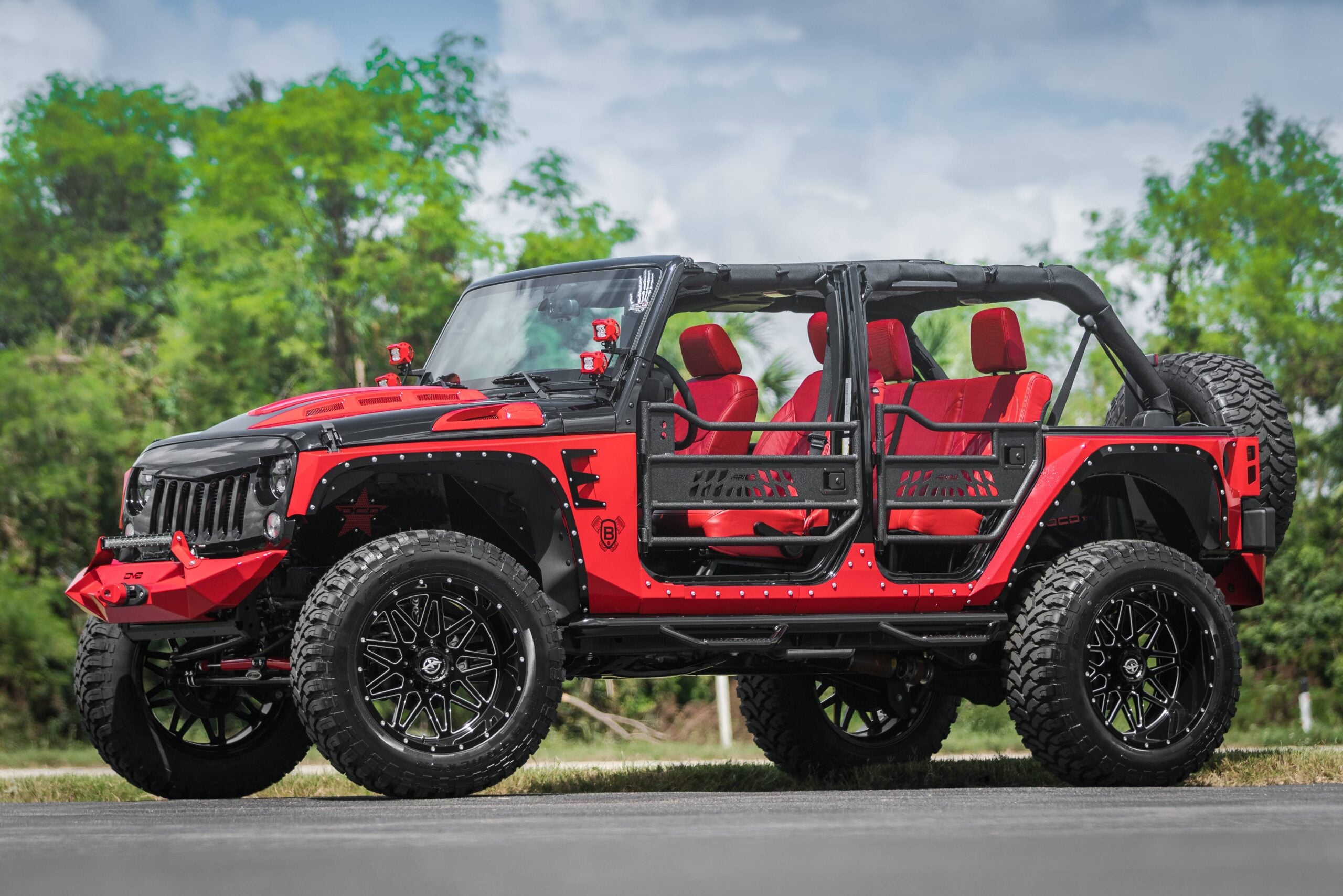
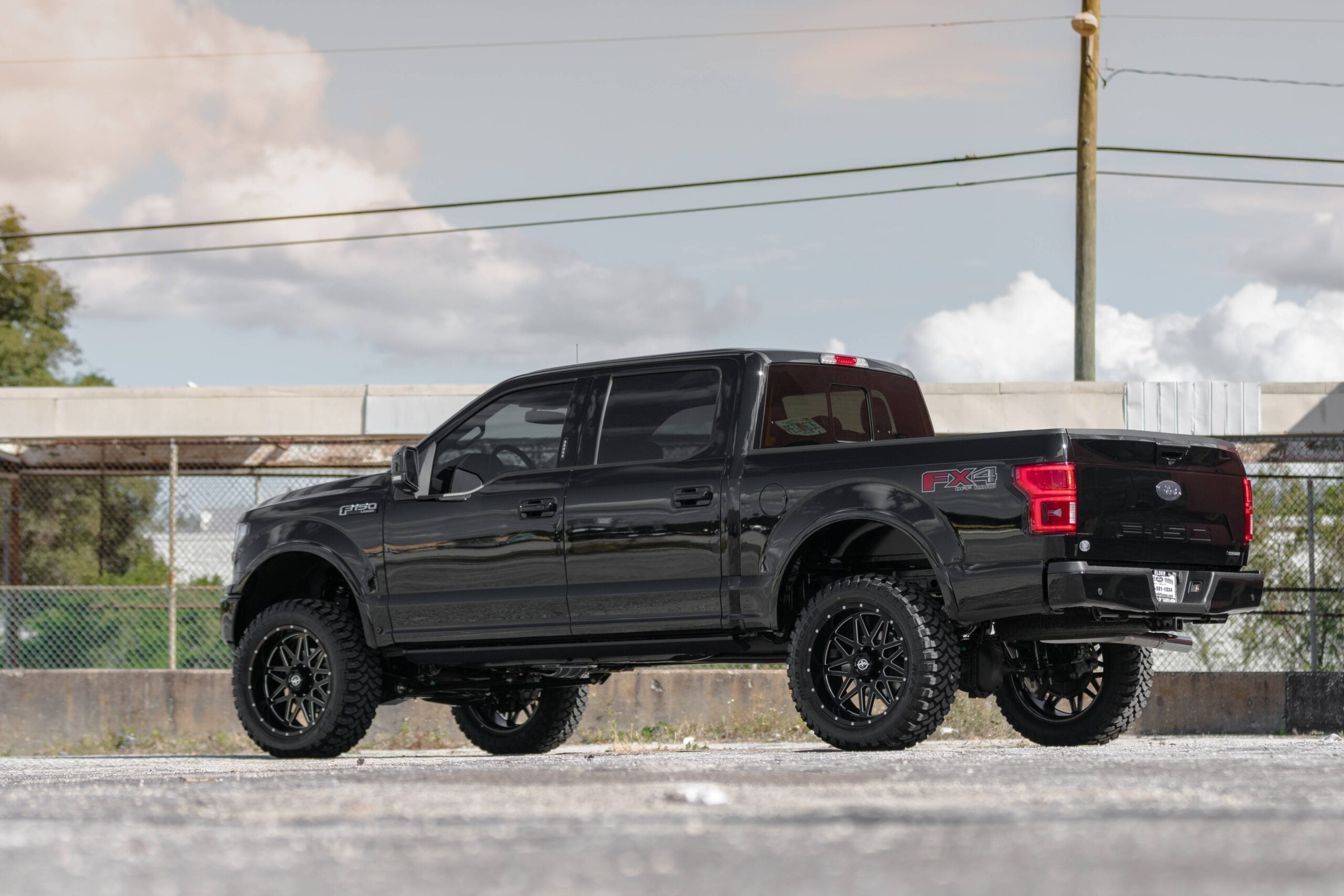
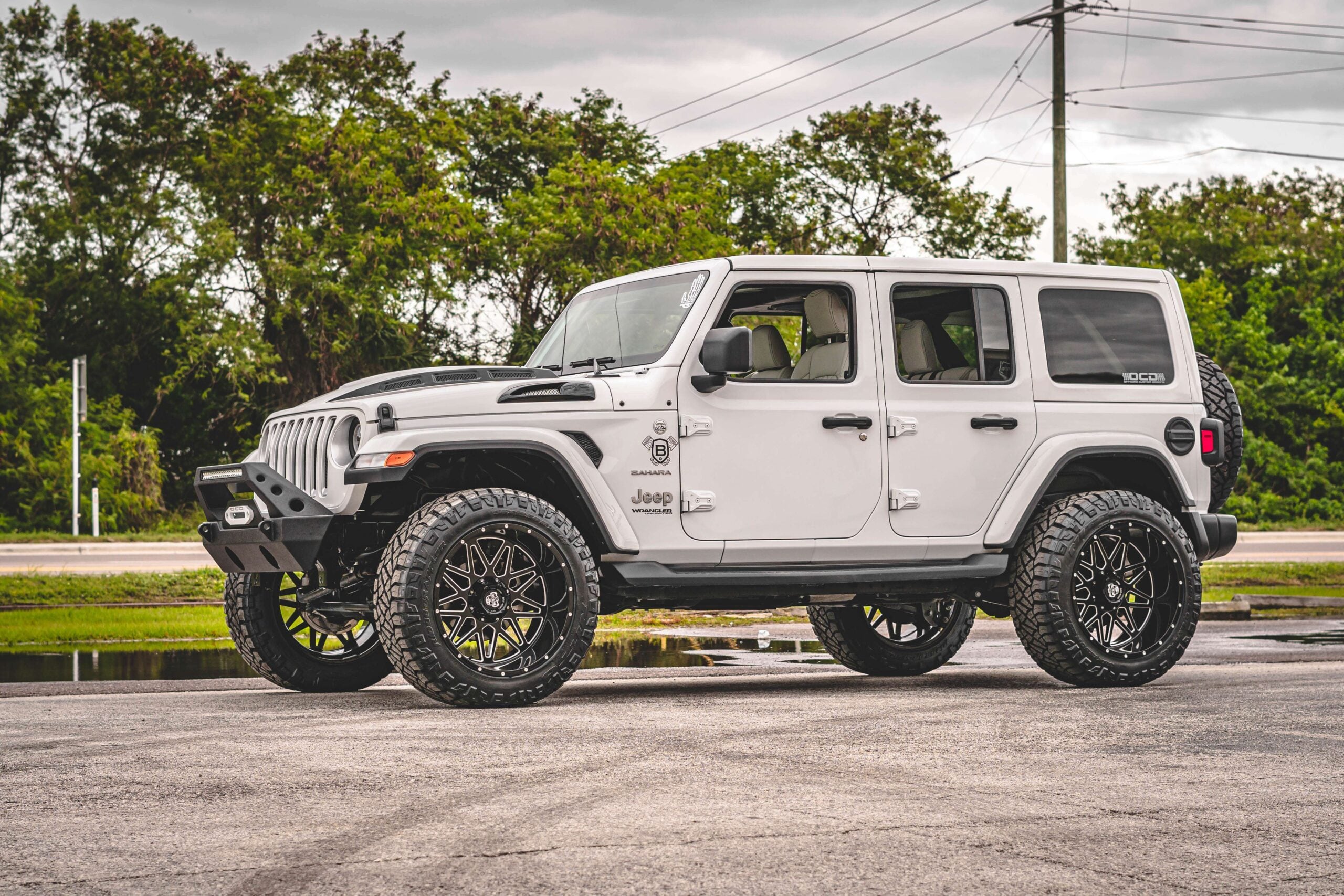
One of the biggest advantages of working with a distributor is the sheer variety of products you can offer. A well-stocked partner gives you access to a diverse range of rim styles, ensuring you have the right wheel for nearly any customer who walks through your door. This includes everything from sleek luxury wheels for high-end sedans and aggressive off-road wheels for trucks and Jeeps to performance-focused designs for sports cars. You can also source dependable OE replacement wheels, which are a consistent source of revenue for any shop. This diversity allows you to cater to different vehicle types, customer tastes, and price points, making your shop the go-to destination for wheels in your area.
The Key Advantages for Your Business
The right distributor partnership directly impacts your bottom line. First and foremost, it protects your profit margins. You get access to competitive dealer pricing and, just as importantly, work with brands that enforce strict MAP policies. This prevents undercutting from online-only retailers and ensures you can sell products profitably. Beyond pricing, a distributor with a strong logistics network provides fast, reliable fulfillment, which means fewer backorders and fewer lost sales. You can sell with confidence, knowing the wheels you promised your customer will arrive on time. This reliability, combined with strong product warranties and expert fitment support, helps you build trust and satisfaction with your own customer base.
How to Find a Reliable Wholesale Rim Supplier
Finding the right wholesale rim supplier is about more than just securing a good price—it’s about building a partnership that supports your shop’s growth and reputation. A great supplier acts as an extension of your business, providing the products, reliability, and support you need to keep your customers happy and your bays full. When you’re evaluating potential partners, you’re looking for someone who can consistently deliver on quality, logistics, and brand integrity.
The wrong supplier can lead to customer complaints, missed sales from backorders, and shrinking profit margins. To avoid these headaches, it’s worth taking the time to dig into a potential supplier’s operations. By focusing on a few key areas, you can identify a partner who is truly invested in your success. Let’s walk through what to look for when vetting a supplier’s qualifications, distribution network, and brand strategy.
Vetting a Supplier’s Qualifications
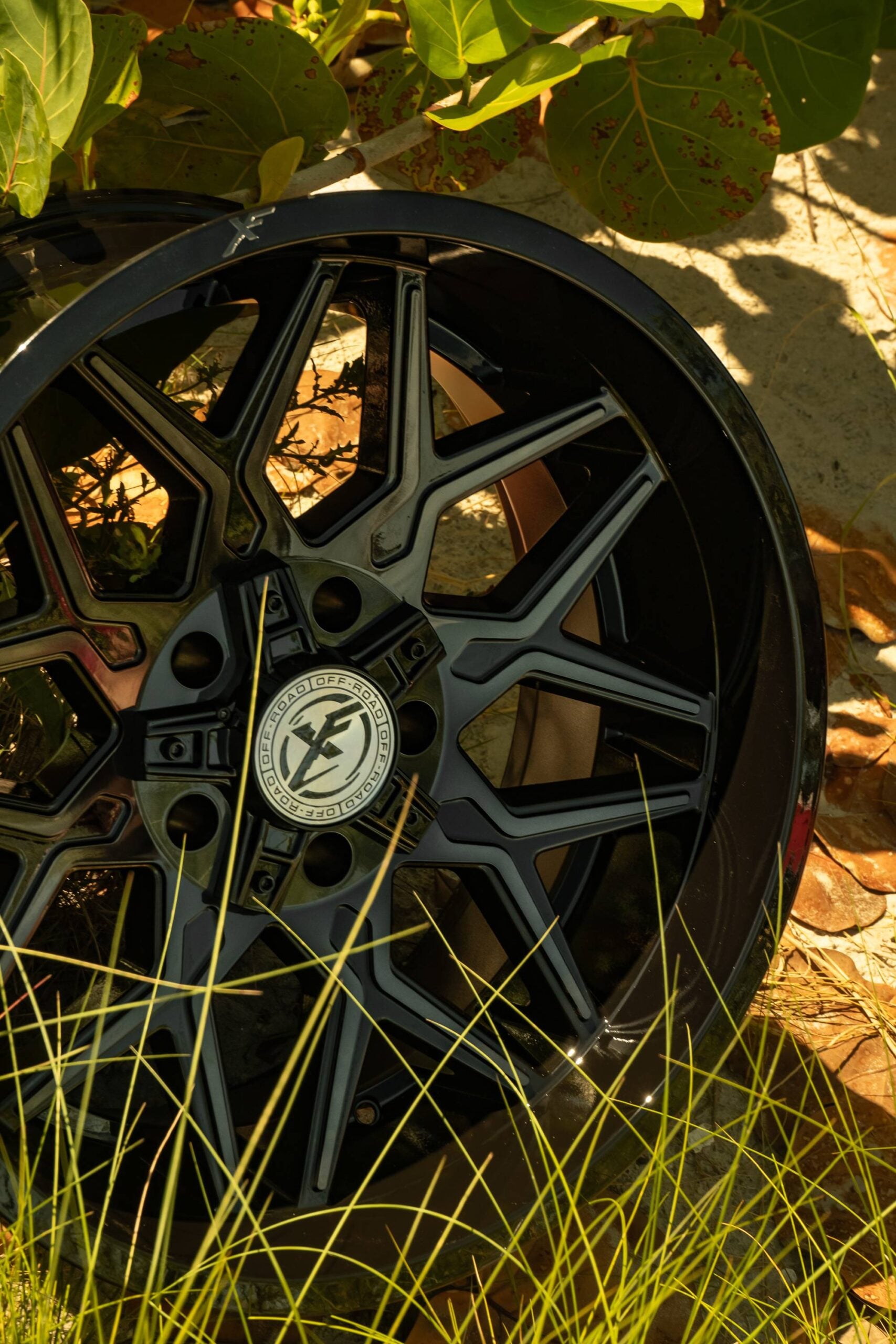
Your reputation is built on the products you sell, so a supplier’s commitment to quality is non-negotiable. Start by looking for tangible proof of quality. Reputable manufacturers stamp their wheels with logos, model numbers, and certification marks, often on the back of the spokes or hub. A supplier who can’t provide clear product datasheets detailing specifications and compliance should be a red flag. Certifications like ISO 9001 are also a strong indicator that a company follows rigorous, internationally recognized quality standards. Don’t be afraid to ask direct questions about their manufacturing process and quality control measures. A trustworthy partner will be transparent and proud to share this information.
Analyzing Their Distribution Network
How quickly and reliably you can get wheels is just as important as their quality. A supplier’s distribution network directly impacts your ability to serve customers and manage inventory. Ask potential suppliers about the location and number of their warehouses. A distributor with multiple strategically located distribution centers can offer faster shipping times and lower freight costs, which means you can complete jobs faster and protect your margins. This setup also reduces the risk of backorders on popular styles, preventing lost sales when a customer is ready to buy. An efficient logistics system is a sign of a professional operation that can keep up with your demand.
Checking for MAP Protection and Brand Variety
Protecting your profitability is essential, and that’s where MAP (Minimum Advertised Price) protection comes in. A supplier with a strict MAP policy ensures that you won’t be undercut by online discounters, allowing you to sell confidently and maintain healthy margins. Beyond pricing, look at the supplier’s brand portfolio. A partner who offers a diverse range of brands across different styles—like performance, luxury, off-road, and OE replacement—allows you to cater to a wider customer base from a single source. This simplifies your ordering process and helps you become the go-to shop in your area for any type of wheel.
What to Look for in a Wholesale Supplier
Once you’ve identified a few potential suppliers, it’s time to dig deeper to see if they’re the right long-term partner for your business. A great supplier does more than just sell you products; they contribute to your shop’s efficiency, profitability, and reputation. Your relationship with them is one of the most important you’ll have, so it pays to be thorough. Focus on four key areas: the quality of their products, their pricing structure, the reliability of their support, and their ability to get you inventory quickly. Evaluating these factors will help you find a partner you can count on for years to come.
Confirming Quality and Material Standards
Your reputation is built on the products you sell, and wheels are no exception. Before committing to a supplier, you need to verify their quality standards. A reputable manufacturer will have logos, model numbers, and certification marks stamped right on the back of the wheel. Don’t be afraid to ask for product datasheets to confirm materials and load ratings. Look for suppliers who adhere to rigorous standards, like ISO certification, which shows a serious commitment to quality control. A supplier who is transparent about their manufacturing process is one you can trust to protect your customers and your business from costly returns and safety issues.
Protecting Your Profit Margins
Consistent profit margins are the lifeblood of any shop. A great wholesale partner understands this and provides a stable pricing structure you can rely on. One of the most important things to look for is a strict Minimum Advertised Price (MAP) policy. MAP protection prevents online discounters from undercutting you, ensuring you can sell wheels confidently while protecting your margins. Avoid suppliers with unpredictable price fluctuations that force you to constantly adjust your own pricing. A partner who helps you maintain profitability isn’t just a vendor; they’re an asset to your long-term growth and stability.
Gauging Their Customer and Tech Support
When a customer is in your shop waiting for a fitment check, you can’t afford to wait on hold. Your supplier should function as an extension of your team, offering excellent and accessible customer support. This means having a dedicated representative who knows your business and can quickly resolve issues. Beyond phone support, evaluate their technology. Do they offer a streamlined online ordering system that makes checking stock and placing orders easy? A supplier who invests in both their support team and their tech platform demonstrates a commitment to a strong B2B partnership, saving you time and preventing costly mistakes.
Assessing Inventory and Fulfillment Speed
You can’t sell what you don’t have, and a customer won’t wait weeks for a set of wheels. That’s why a supplier’s inventory depth and fulfillment speed are critical. Look for a distributor with a deep and diverse stock of brands and styles, minimizing the risk of backorders on popular models. Ask about their distribution network. A supplier with multiple warehouses strategically located across the country can deliver products faster and with lower freight costs than a single-location operation. This logistical advantage is crucial for managing supply chain challenges and helps you close more sales by getting customers the wheels they want, when they want them.
How to Stock the Right Rims for Your Customers
Knowing what to stock can feel like a guessing game, but it doesn’t have to be. By focusing on a few key categories, you can cover the majority of your customers’ needs, from daily drivers to high-end custom builds. A smart inventory strategy ensures you have the right products on hand to close sales quickly and build a reputation for being the go-to shop in your area. Let’s break down the essential styles every dealer should consider.
High-Demand: Performance and Luxury Wheels
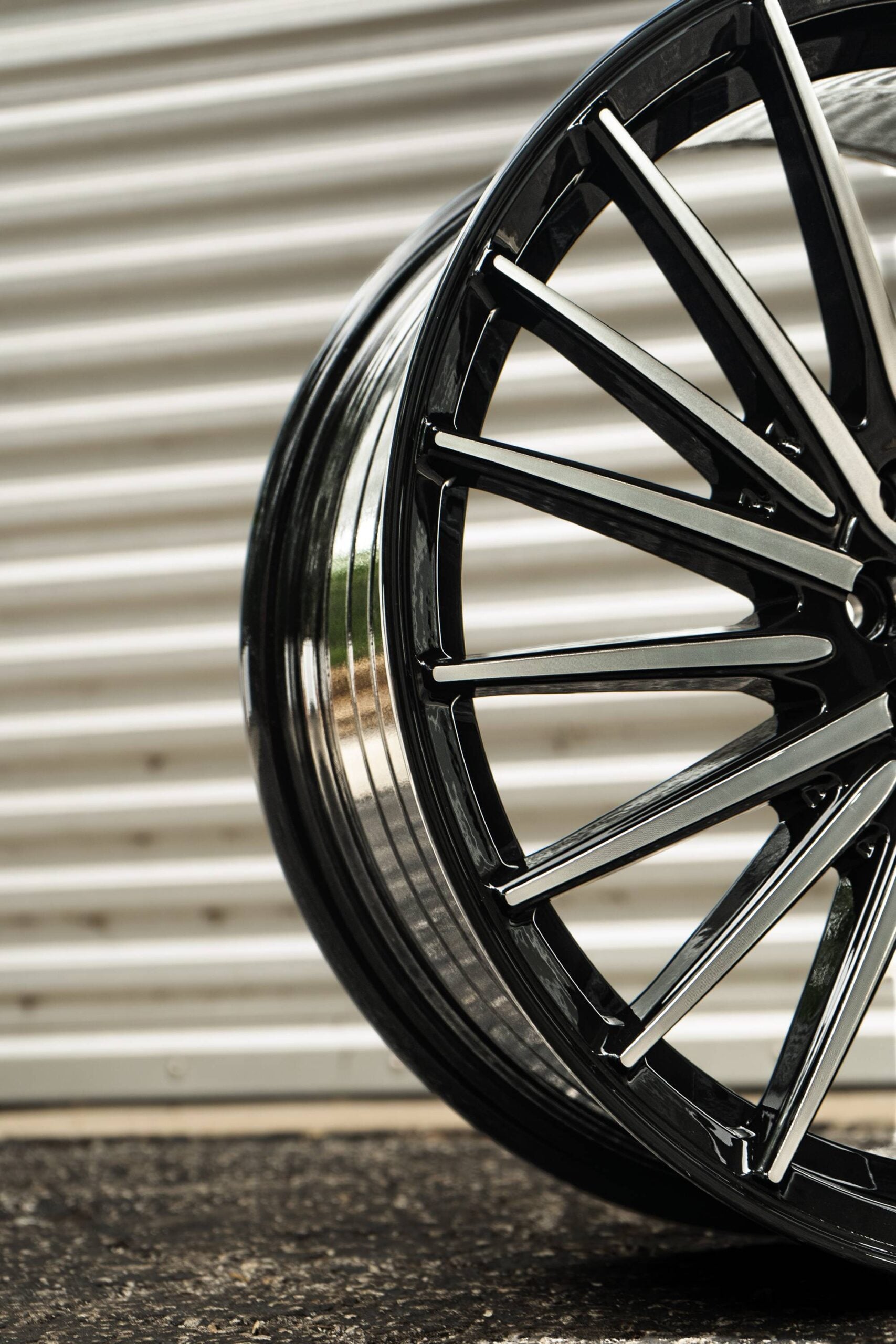
Today’s car owners want wheels that do more than just look good—they want an upgrade that enhances their driving experience. Performance and luxury wheels are a fast-growing segment, especially for SUVs and pickups. These customers are looking for sophisticated designs, premium finishes, and improved handling. Stocking brands like Cavallo or Arvano allows you to meet this demand with styles that offer both aesthetic appeal and engineering excellence. By carrying these wheels, you cater to clients who are willing to invest more for a premium product, which directly supports your profit margins.
Must-Haves: Off-Road and Truck Wheels
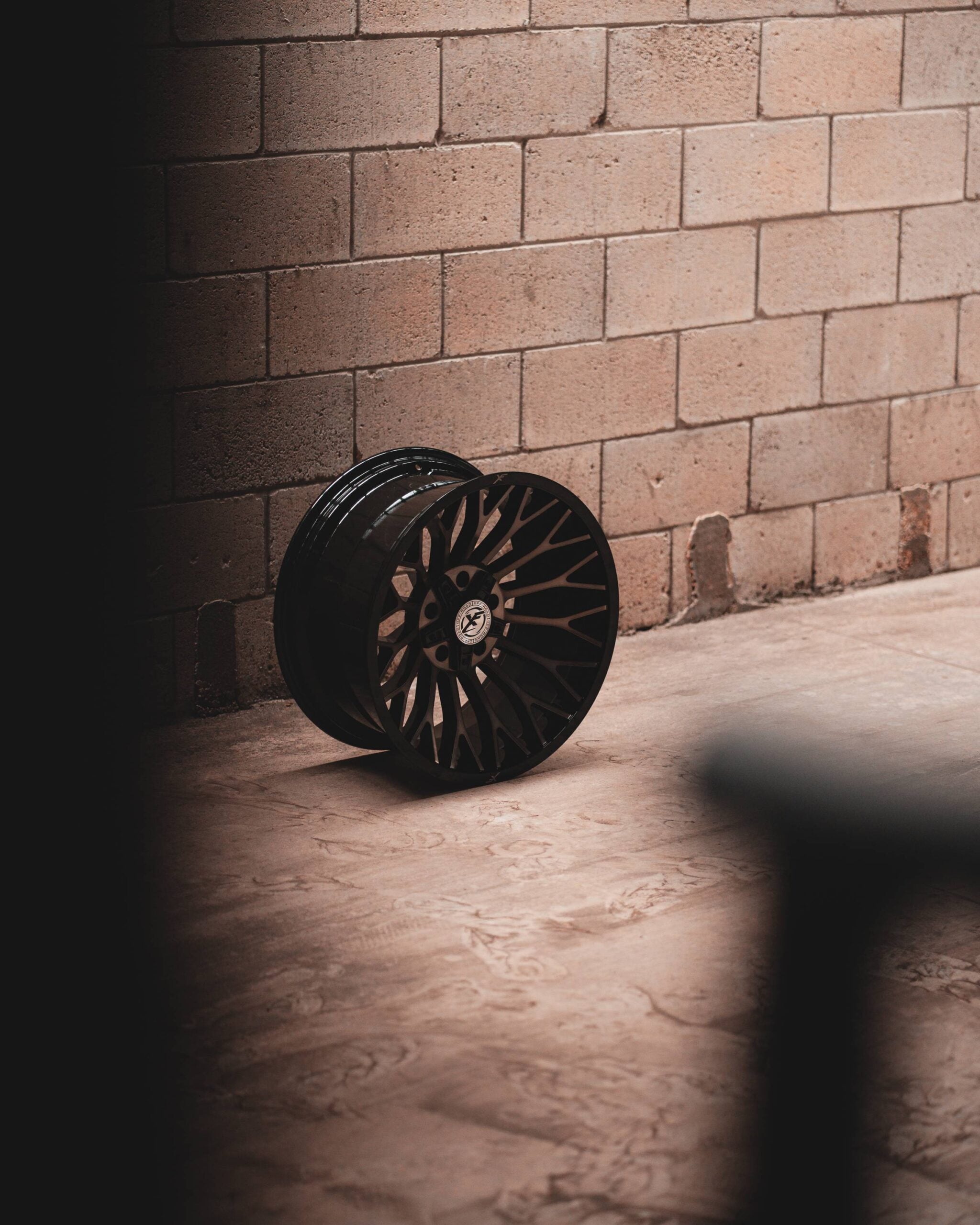
The truck and off-road community is one of the most passionate in the automotive world. These owners demand wheels that are tough, durable, and aggressively styled. The increasing demand for larger, more capable wheels shows no signs of slowing down. Stocking rugged brands like XF Offroad and Vortek Offroad ensures you have the right fitments and finishes for everything from daily-driven trucks to fully built trail rigs. These wheels are a staple for any shop, providing a consistent and high-volume revenue stream from a loyal customer base that is always looking for the next upgrade.
The Opportunity in OE Replacements
Not every customer is looking for a custom build. Many just need a reliable, high-quality replacement for a damaged or worn-out factory wheel. This is a massive and often overlooked market. As more cars hit the road, the need for OE replacements continues to grow, especially for independent auto lots and repair shops. Offering a solid selection of OE replacement wheels, like those from OE Revolution, provides a practical solution for customers who want to restore their vehicle’s original look. It’s a straightforward sale that builds trust and keeps customers coming back for other services.
Staying Ahead with New Trends
Staying current with industry trends positions your shop as an authority. The evolution towards lightweight materials like forged aluminum is a perfect example. These wheels offer superior strength and reduced weight, which appeals to performance enthusiasts and owners of high-end vehicles. By stocking innovative options from brands like Amani Forged, you can attract discerning customers who are seeking the latest in wheel technology and design. It shows you’re invested in offering the best products available, which helps differentiate your business from competitors who only stock the basics.
Understanding the Wholesale Ordering Process
Once you’ve found the right wholesale partner, the next step is to get familiar with their ordering process. A great distributor makes this part easy, so you can spend less time on paperwork and more time helping your customers. The goal is to create a smooth, repeatable system for getting the wheels you need, when you need them. From setting up your account to managing your inventory, the entire process should feel like a natural extension of your own operations.
A modern wholesale supplier provides the tools and support to make ordering simple and efficient. This often includes a dedicated online portal where you can check real-time inventory, access dealer-specific pricing, and place orders anytime. Think of it as your direct line to a massive, off-site warehouse that’s always ready to ship. Understanding how to use these tools effectively will help you manage cash flow, reduce backorders, and keep your customers happy. Let’s walk through the key steps you’ll take when ordering wholesale rims for your shop.
Setting Up Your Dealer Account
The first step is becoming an official dealer. This is usually a straightforward application process where you provide your business information, like your business license and resale certificate. Once approved, you gain access to the distributor’s full range of benefits. For example, signing up for a B2B online platform often unlocks exclusive dealer pricing, weekly sales, and special access to new products. This account is your key to a partnership built for your success, giving you the tools and pricing you need to be competitive in your market. It’s a one-time setup that paves the way for a long-term, profitable relationship.
Managing MOQs and Your Inventory
One of the biggest challenges for any shop is effective inventory management. You need enough stock to satisfy customers, but you don’t want cash tied up in wheels that aren’t moving. This is where understanding your supplier’s policies on Minimum Order Quantities (MOQs) is important. Some distributors require you to buy a certain amount to get the best pricing. A true partner, however, works with you to find a balance. By partnering with a distributor that has deep inventory and fast, multi-warehouse shipping, you can carry less stock yourself. This allows you to order what you need on a just-in-time basis, improving cash flow and reducing the risk of holding onto slow-moving products.
Using B2B Ordering Platforms
Gone are the days of relying solely on phone calls and fax machines. Top-tier distributors provide a dedicated B2B (business-to-business) online platform to make ordering incredibly easy and efficient. These portals are designed specifically for dealers, giving you 24/7 access to check live inventory levels, view your specific pricing, and place orders in just a few clicks. You can also track your shipments and review past orders, all from your computer or phone. This streamlines your entire purchasing process, reduces the chance of errors, and frees up your team to focus on sales and service instead of administrative tasks. It’s a simple tool that makes a huge difference in your day-to-day operations.
Common Sourcing Challenges (and How to Solve Them)
Sourcing wheels for your shop should be straightforward, but every dealer knows it comes with its share of headaches. From surprise backorders to inconsistent quality, these issues can cut into your profits and damage your reputation. The key isn’t just finding a supplier; it’s finding a partner who anticipates these problems and has systems in place to solve them. Let’s walk through the most common challenges and what you can do to get ahead of them.
Handling Supply Chain and Inventory Issues
Nothing stops a sale faster than finding out the wheels your customer wants are out of stock. When your supplier has disorganized inventory or a single warehouse, you’re the one who deals with the fallout: long lead times, lost sales, and frustrated customers. The best way to handle these issues is to partner with a distributor that has invested in modern inventory management. Look for suppliers with multiple distribution centers. This geographic diversity means faster shipping, lower freight costs, and a much lower chance that a popular wheel style will be completely unavailable. A distributor with streamlined workflows and clear data on what’s in stock gives you the confidence to sell.
Ensuring Supplier Reliability and Quality
Your customers trust you to provide high-quality products, and that trust depends on your supplier’s reliability. Inconsistent finishes, poor casting, and fitment issues create comebacks and kill your margins. A reputable supplier provides more than just wheels; they provide peace of mind with reliable products, on-time deliveries, and excellent support when you need it. Before committing to a supplier, ask about their quality control process. While not always required, things like ISO certification show that a manufacturer adheres to strict quality standards. A strong track record and transparent communication are clear signs you’re dealing with a professional operation.
Dealing with Market and Pricing Changes
Price fluctuations can feel unpredictable and make it difficult to maintain healthy profit margins. When suppliers don’t enforce consistent pricing, you can find yourself in a race to the bottom, competing against online discounters selling the same wheels for less. The solution is to work with distributors who offer brands with strict Minimum Advertised Price (MAP) policies. MAP protection ensures that every dealer is on a level playing field, allowing you to sell based on service and expertise, not just price. This stability protects your margins and preserves the long-term value of the brands you carry.
Building a Strong Supplier Partnership
The best supplier relationships go beyond simple transactions. A true partner is invested in your success and works to help you grow your business. This means offering more than just a product catalog. Look for distributors who provide tangible benefits that make your job easier, like rewards programs, access to exclusive sales, and dedicated sales support. A strong partnership gives you a direct line to fitment experts, marketing materials, and streamlined ordering systems. When your supplier acts as an extension of your team, you’re better equipped to serve your customers and grow your shop.
What a Great Supplier Offers Beyond the Sale
The best supplier relationships go far beyond simple transactions. While competitive pricing and product availability are the foundation, a true partner invests in your success long after the invoice is paid. They understand that when your shop thrives, they thrive too. This partnership mentality is what separates a good supplier from a great one.
A great supplier acts as an extension of your team, providing resources and support that help you sell more wheels, satisfy more customers, and operate more efficiently. They offer expertise you can lean on, tools that make your job easier, and a reliable system that lets you focus on what you do best: running your business. When you find a distributor who offers this level of support, you’re not just buying inventory; you’re building a competitive advantage.
Marketing and Training Support
A top-tier supplier doesn’t just send you products; they help you sell them. They should provide you with high-quality marketing materials like professional product photos, logos, and detailed descriptions that you can use on your website and social media. Some distributors even offer co-op marketing funds or promotional materials for your showroom. They understand that effective marketing strategies are essential for attracting customers. By equipping you with the right tools, they make it easier for you to build your brand and showcase the quality of the wheels you carry, ultimately helping you grow your business.
Expert Fitment and Technical Guidance
Nothing stops a sale faster than uncertainty about fitment. A great supplier provides expert technical guidance to ensure you can confidently recommend the right wheels for any vehicle. This means offering detailed product data sheets, clear specifications, and access to knowledgeable support staff who can answer tough questions. Look for suppliers who work with manufacturers that adhere to rigorous quality and safety standards, like ISO certification. This commitment to quality not only protects your customers but also safeguards your shop’s reputation, reducing returns and building long-term trust with your clientele.
Seamless Ordering and Logistics
Your time is valuable, and a great supplier respects that by making the ordering process as smooth as possible. They should offer a modern, easy-to-use B2B portal that gives you real-time inventory data and simplifies placing orders. Beyond the platform, their logistics should be a key strength. A reliable supplier helps you overcome common wholesale distribution challenges like managing inventory levels and forecasting demand. Distributors with multiple warehouses can provide faster shipping and higher fill rates, ensuring you get the wheels you need quickly and dependably, so you never have to turn a customer away.
Frequently Asked Questions
What’s the real advantage of a distributor over buying directly from a wheel manufacturer? Think of a great distributor as your sourcing and logistics partner. Instead of managing relationships and accounts with a dozen different manufacturers, you get one point of contact for a wide variety of brands and styles. This simplifies your ordering, streamlines your inventory, and gives you access to a massive selection without the high minimum order requirements that manufacturers often demand. It frees you up to focus on your customers instead of chasing down stock.
Why is MAP protection so important for my shop’s profitability? Minimum Advertised Price (MAP) protection is your best defense against being undercut by online-only discounters. When a distributor enforces a strict MAP policy, it creates a level playing field where all dealers advertise the same minimum price. This allows you to sell based on your service and expertise, not just on price. It protects your profit margins and ensures the brands you carry maintain their value over time.
How can I be sure a supplier’s wheels are high-quality without seeing them in person? A trustworthy supplier will be transparent about their quality standards. Look for clear indicators like ISO 9001 certification, which shows a commitment to a rigorous manufacturing process. You should also be able to easily access product datasheets with detailed specifications, load ratings, and material information. Reputable manufacturers will also have their logos and model numbers stamped directly on the wheel, which is a good sign of accountability.
I’m worried about tying up too much cash in inventory. How does a distributor help with that? This is a common challenge, and a smart distributor partnership is the solution. By working with a supplier that has deep inventory across multiple warehouses, you can adopt a “just-in-time” approach. You don’t need to stock every single wheel style yourself. Instead, you can rely on their fast and reliable fulfillment to get the products you need quickly, which improves your cash flow and reduces the risk of getting stuck with slow-moving inventory.
What kind of support should I expect from a supplier beyond just placing an order? A true partner invests in your success long after the sale. This includes providing expert fitment guidance to help you sell confidently and reduce returns. They should also offer marketing support, like high-quality product photos and brand assets for your website. A great supplier makes your job easier with a streamlined B2B ordering platform and a dedicated support team that understands your business and can help you solve problems quickly.